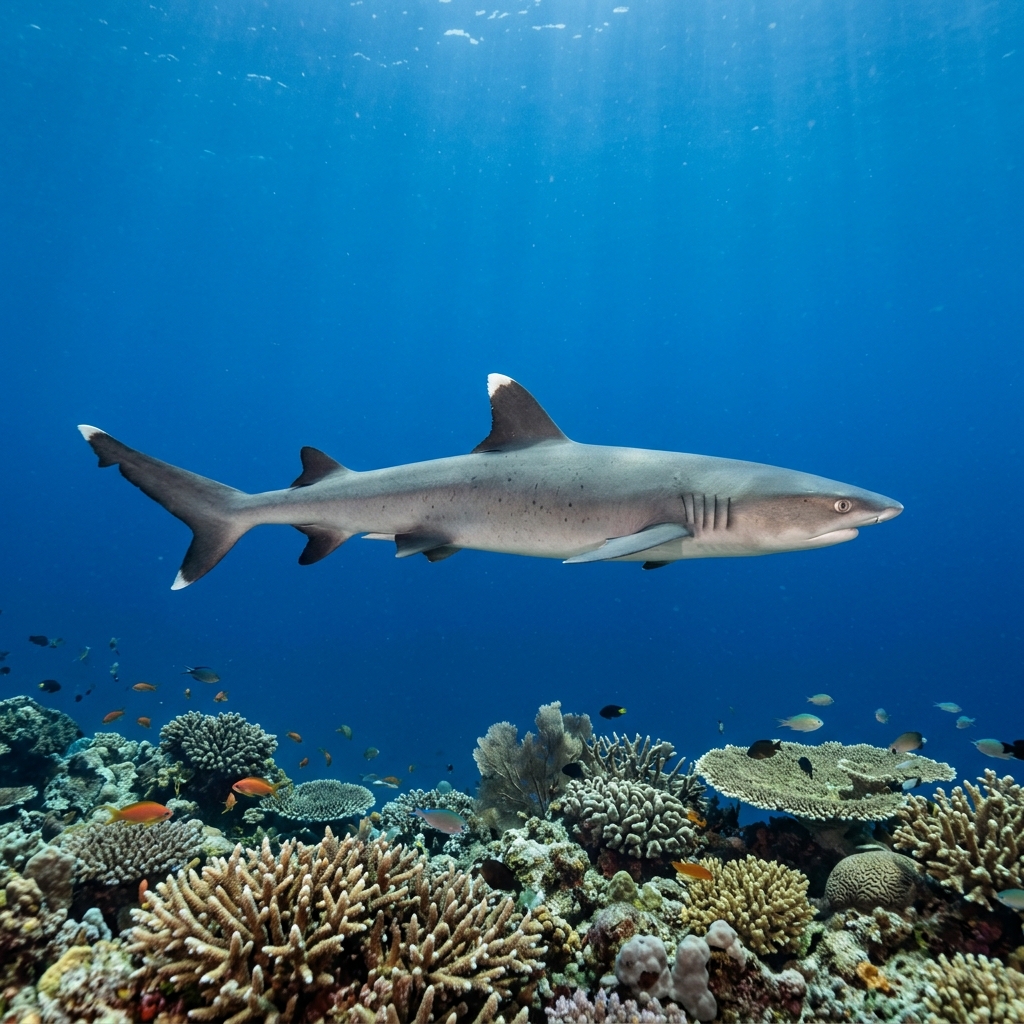
Triaenodon obesus
Spot whitetip reef sharks resting under ledges across the Maldives, Philippines and Indonesia. Present year-round in warm 24-29 °C reef waters.
Safety warning
Incidents involving whitetip reef sharks are rare and almost always linked to spearfishing, feeding situations, or a diver blocking the shark's escape route. Give them a clear path, never corner one under a ledge, and avoid erratic movements. During night dives when they are actively hunting, maintain calm and stay aware of where individuals are moving around you.
If you're bitten
BiteGeneral first-aid guidance, not a substitute for professional medical care. In an emergency, call your local emergency number.
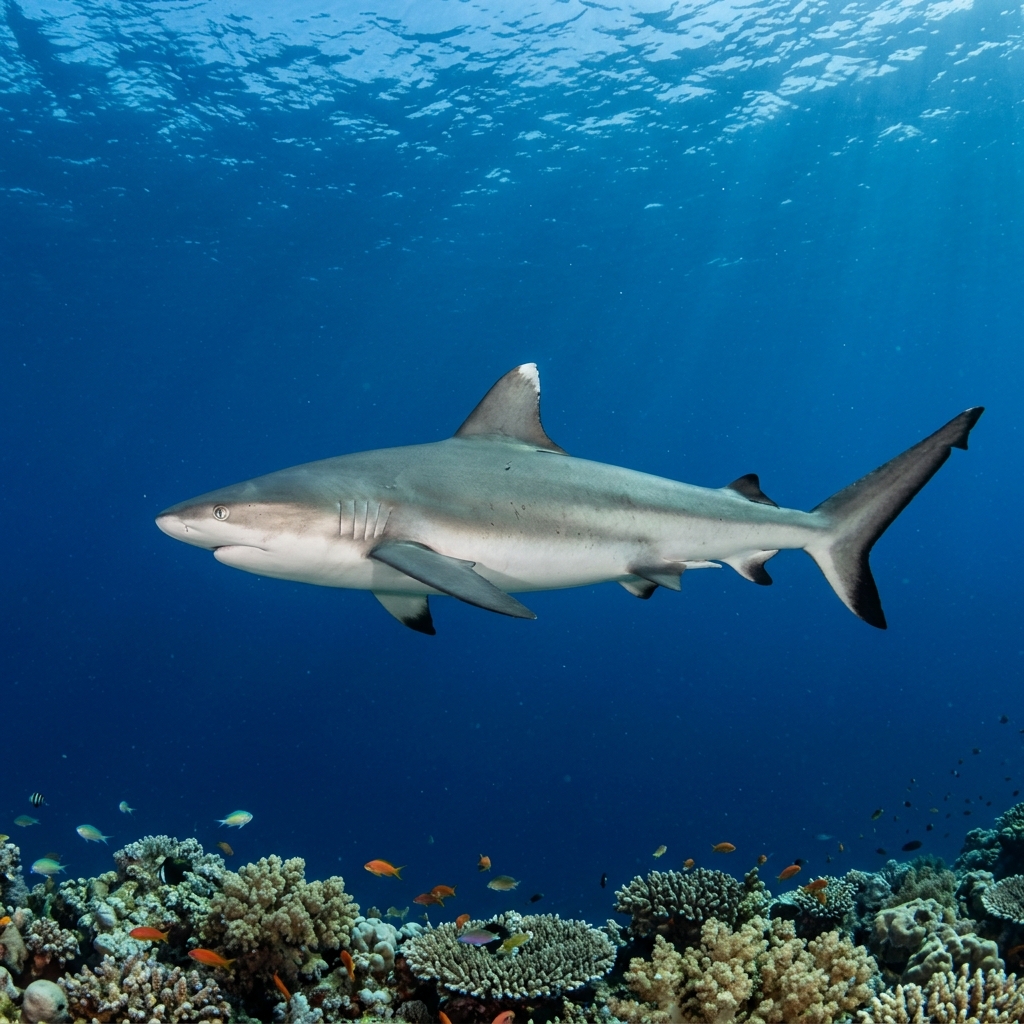
A slender, grey-brown shark around 1.5 metres long with a distinctively flattened head and two unmistakable bright white tips on the first dorsal fin and the upper lobe of the tail, the marks you lock onto immediately. The body is lean rather than bulky, and the snout is short and blunt compared with most reef sharks. Look also for small white tips on the pectoral and second dorsal fins, which confirm the ID at close range.
During the day you will most often find them motionless on the sand or tucked under a ledge, looking almost bored, this is normal resting behaviour and a great opportunity to observe them up close without disturbing them. At night they transform: groups form and actively hunt prey, weaving into reef crevices in a coordinated way that no other reef shark quite replicates. They will sometimes approach divers with measured curiosity but almost always veer off without incident.
Whitetip reef sharks are one of the few shark species that can rest completely still on the seabed for extended periods, actively pumping water over their gills rather than relying on forward motion to breathe, which is why you so often find them lying motionless in caves.
Present year-round in both hemispheres with no concentrated season, which makes sense given its preference for consistently warm reef water between 24 and 29 °C, exactly the range maintained on tropical coral reefs the world over.
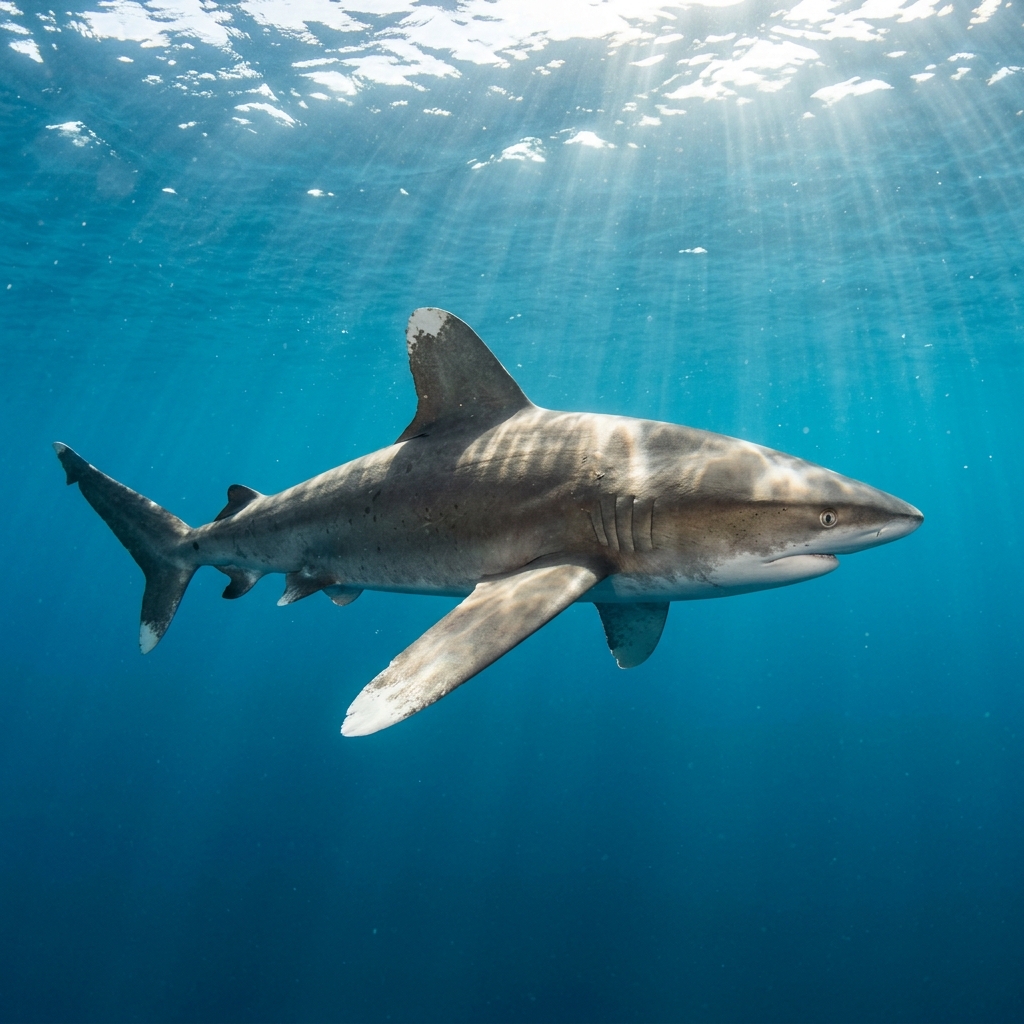
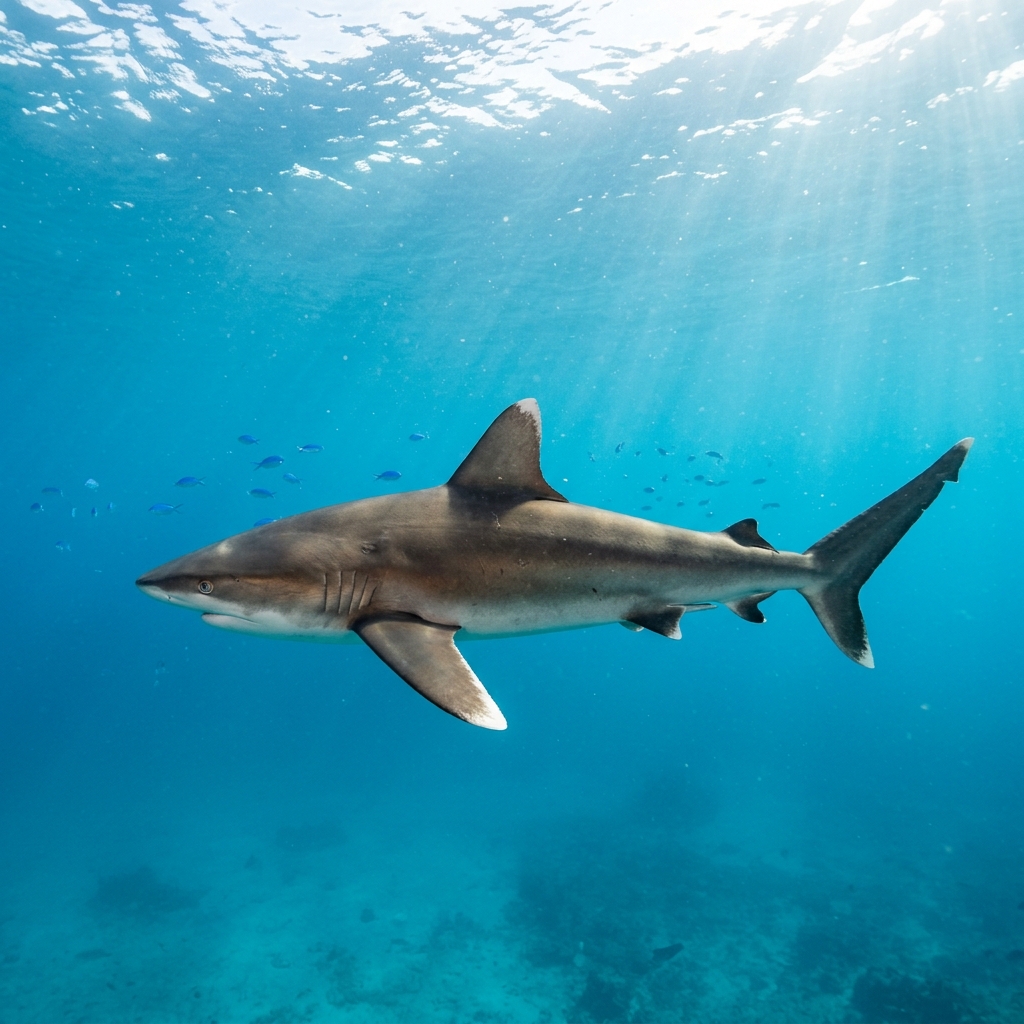
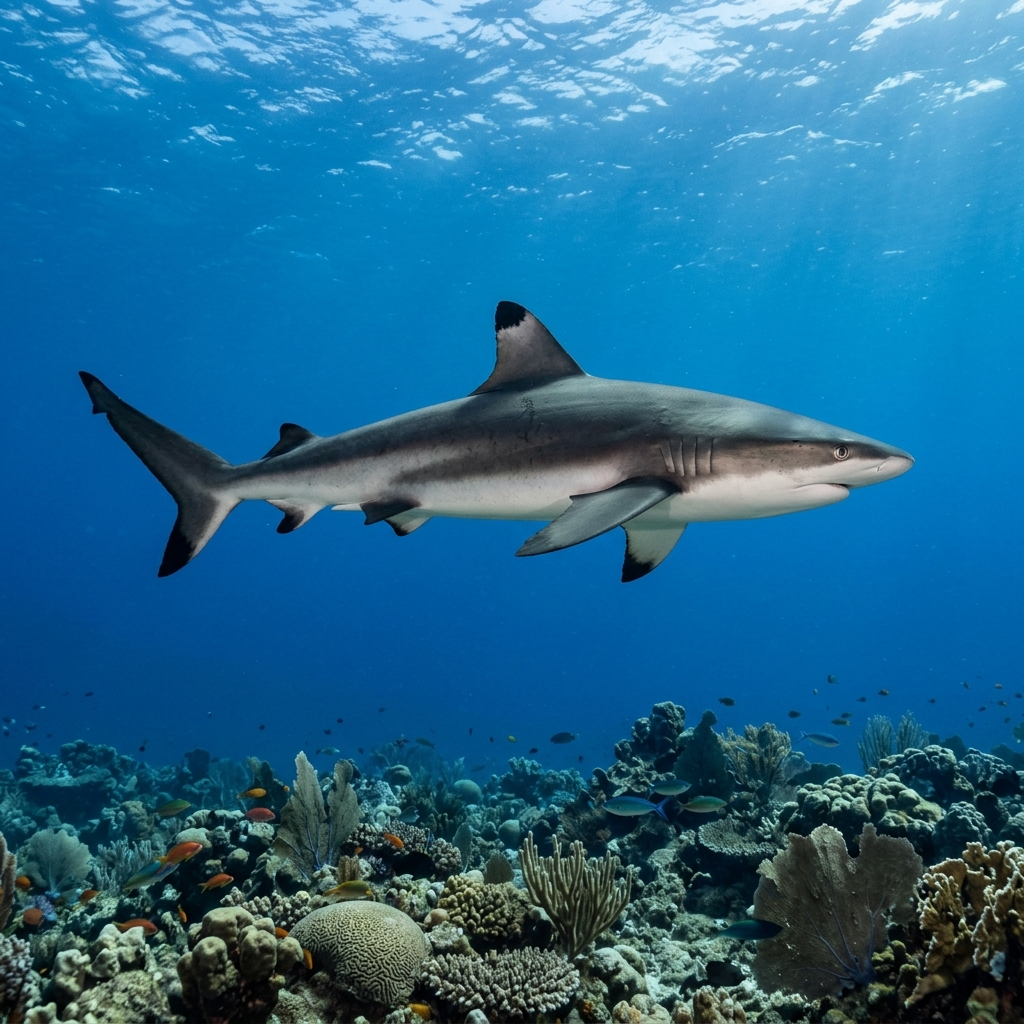
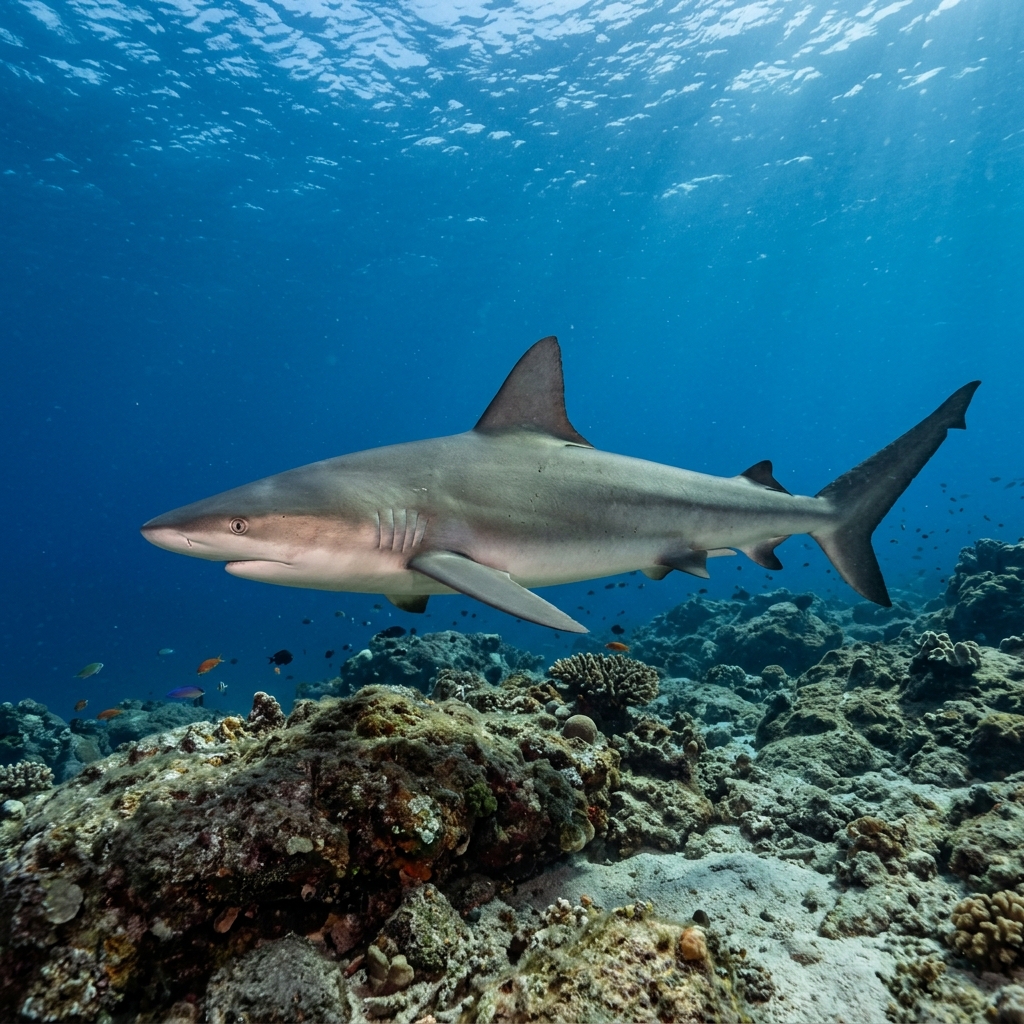
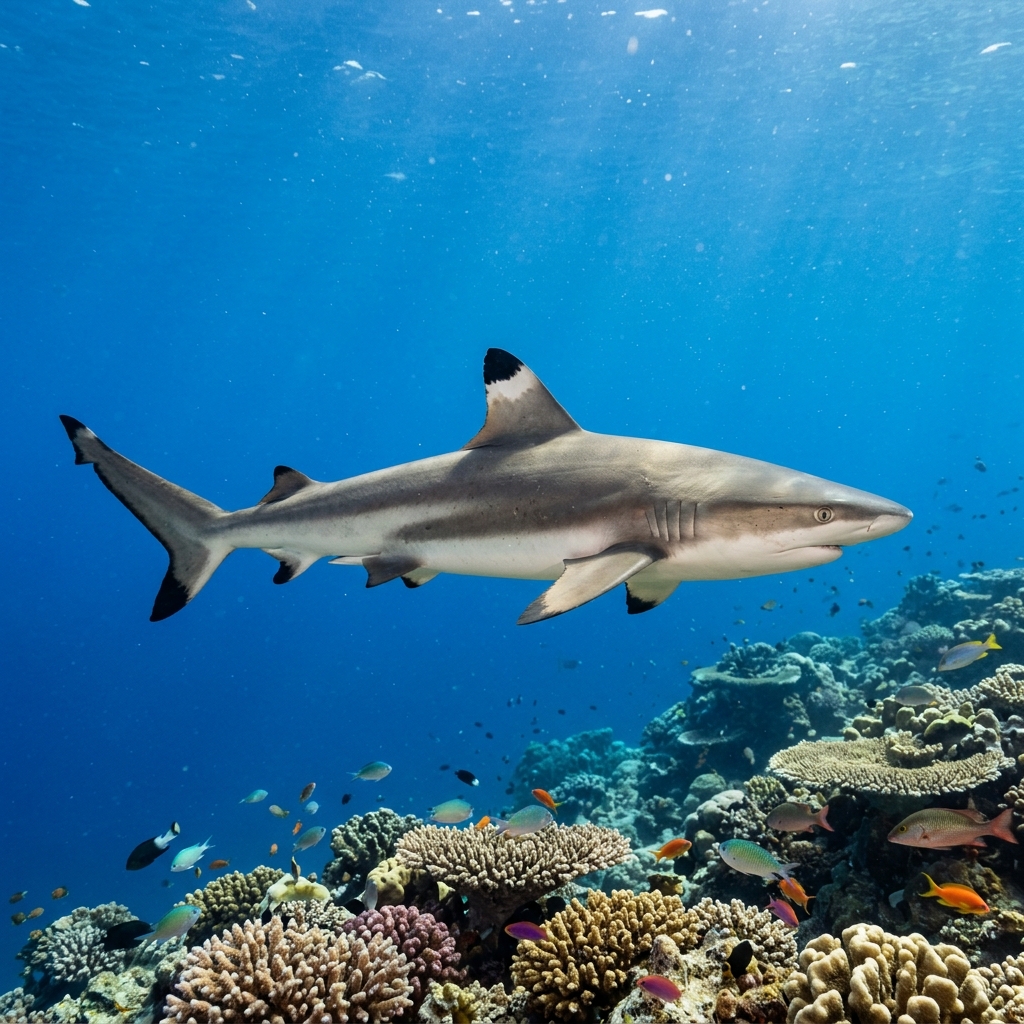
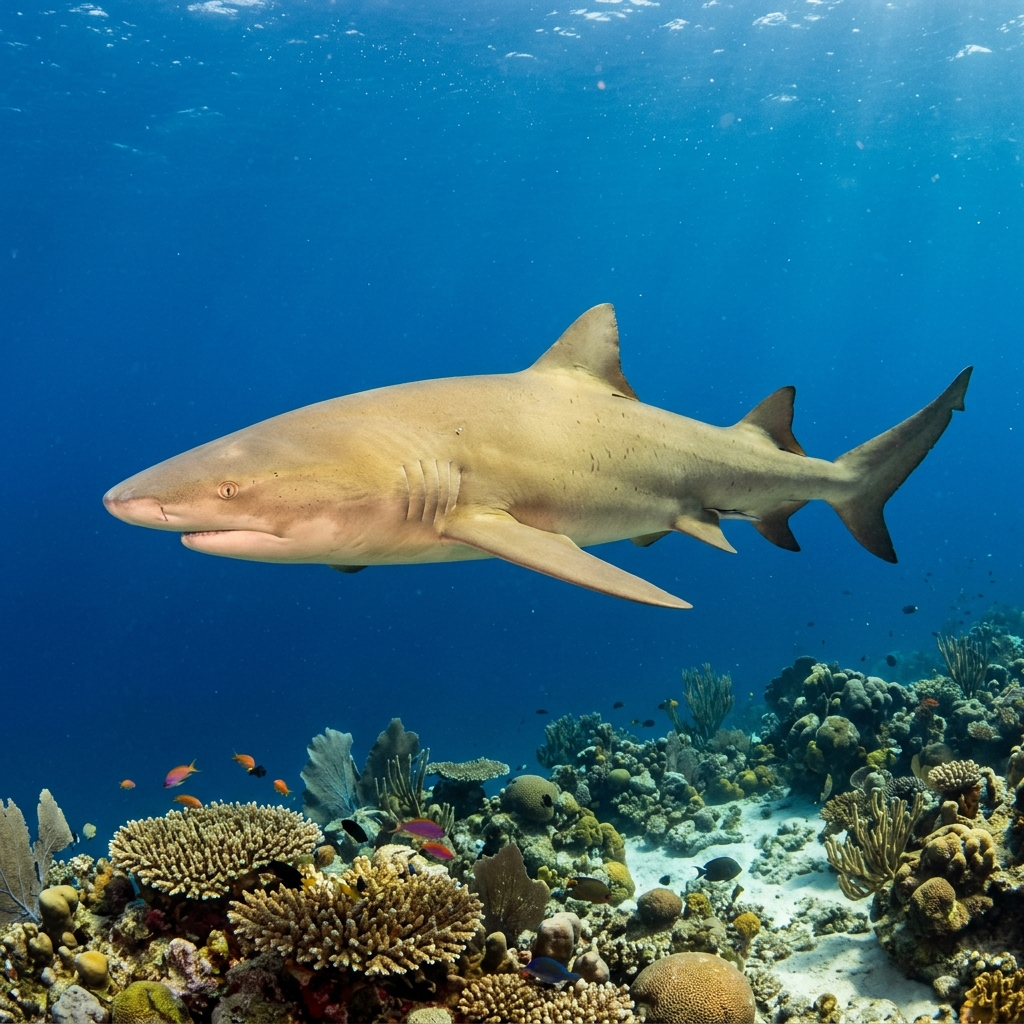
Reef neighbours a diver could mistake it for. Use the identification notes above to tell them apart.
Most consistently logged across the Maldives (particularly the Male and Ari Atolls), the Philippines (Palawan, Apo Reef, and the Visayas), and Indonesia (Bali and Sulawesi), where sightings move from uncommon to reliably common. Australia's Queensland sites and Hawaii round out the strongest Indo-Pacific hotspots, and the species is also well represented in Costa Rica and French Polynesia.
Mapping where Whitetip Reef Shark is logged…
The Maldives, Philippines, and Indonesia offer the strongest and most reliable encounters, particularly around the Male and Ari Atolls, Palawan, Apo Reef, and Bali. Hawaii, Queensland in Australia, and Costa Rica are also well-established sites. Altogether the species is logged across a wide spread of tropical countries.
They are present year-round in both hemispheres with no concentrated season. Because they live on tropical reefs within a comfortable 24 to 29 °C temperature band, any time of year works. Night dives consistently produce the most active sightings.
The bright white tips on the first dorsal fin and the upper tail lobe are the key marks, visible even at distance. The body is slender and the snout notably short and blunt. Grey reef sharks look similar in shape but lack the white tips; silvertip sharks have white margins along multiple fins rather than concentrated tips.
They are generally calm around divers and unprovoked attacks are very rare. Risk increases if a diver blocks their escape route, handles them, or dives in the vicinity of spearfishing. Keep a respectful distance, avoid cornering them in caves, and stay composed during night dives when they are actively hunting.
Most adults are around 1.5 metres long, with females typically growing slightly larger than males. They are noticeably slender for their length, which makes them look smaller than bulkier species of similar size.
They are listed as Vulnerable by the IUCN. Fishing pressure and a slow reproductive rate have reduced populations in parts of their range. Choosing operators that do not fish for or handle sharks, and logging your sightings on citizen-science platforms, directly supports conservation efforts.
The Whitetip Reef Shark is listed as vulnerable by the IUCN. Observe from a distance, avoid touching or feeding it, and report sightings to local marine research organisations.
Listed as Vulnerable on the IUCN Red List, largely due to fishing pressure and the slow reproductive rate typical of sharks. Divers can help by diving with operators who prohibit shark feeding or handling, and by logging sightings, every verified observation contributes to population monitoring.
Site and sighting data is aggregated from diver logs, iNaturalist and GBIF. For taxonomy and conservation status:
Blacktip Reef Shark
1,235 sites