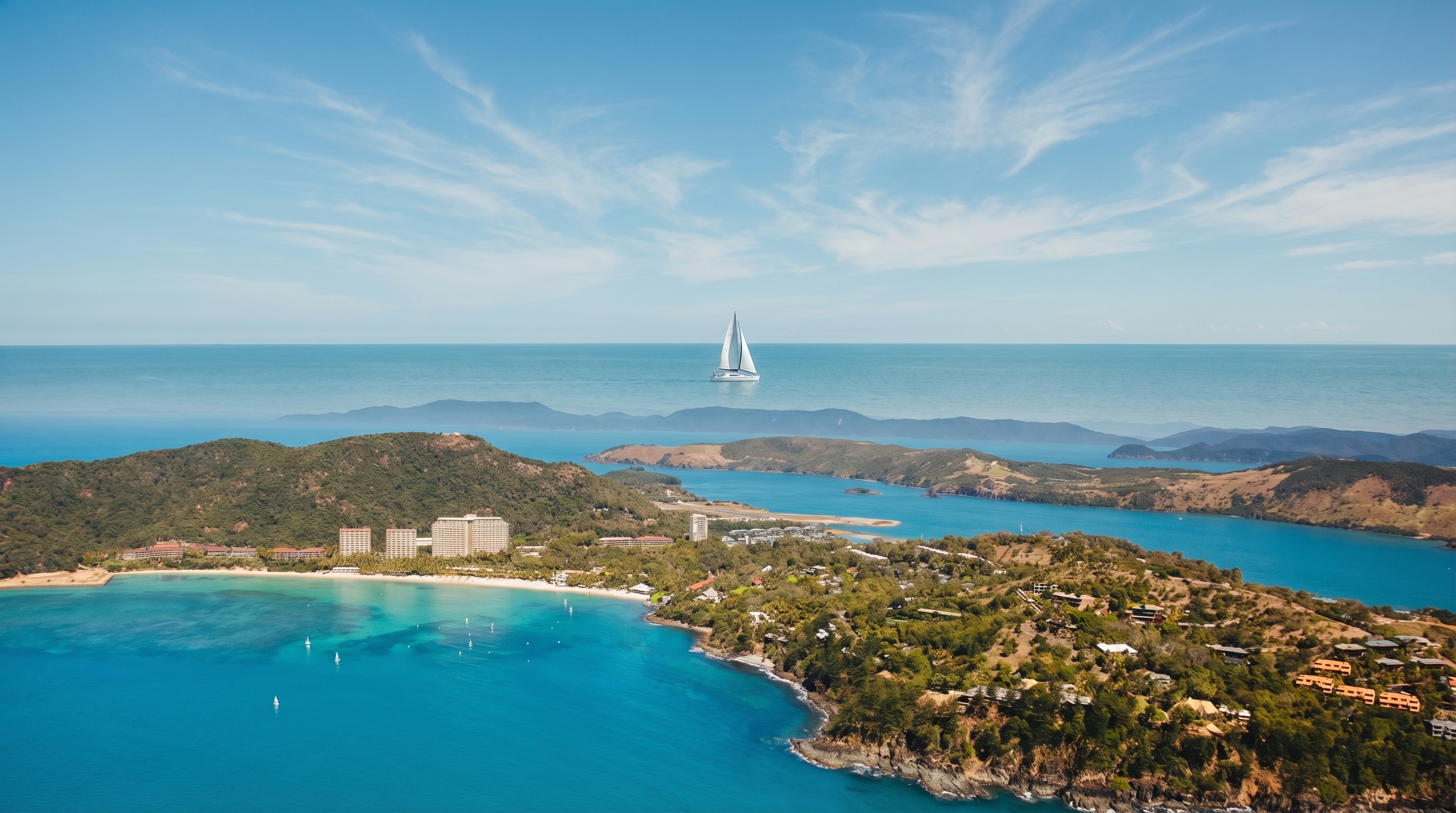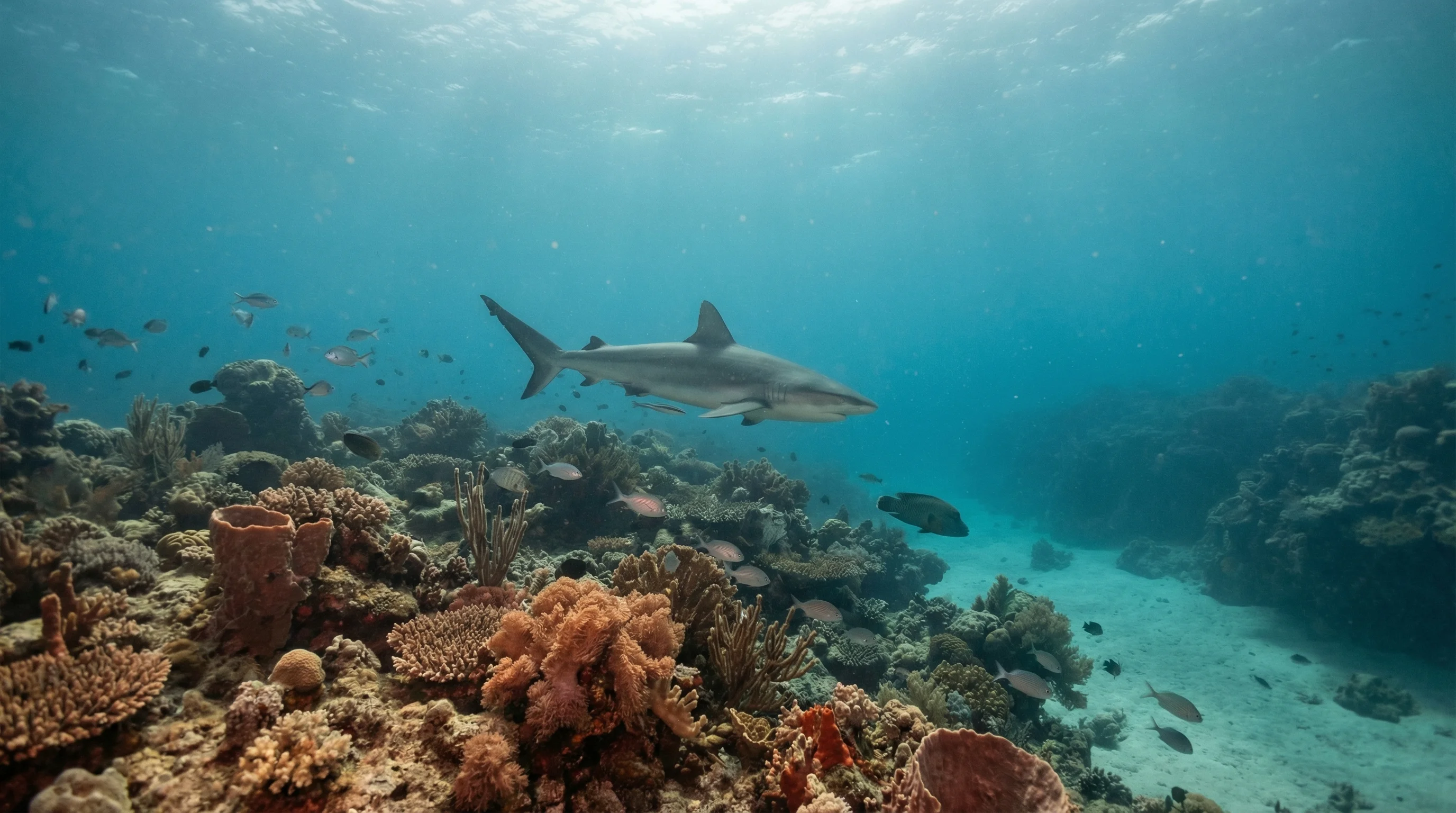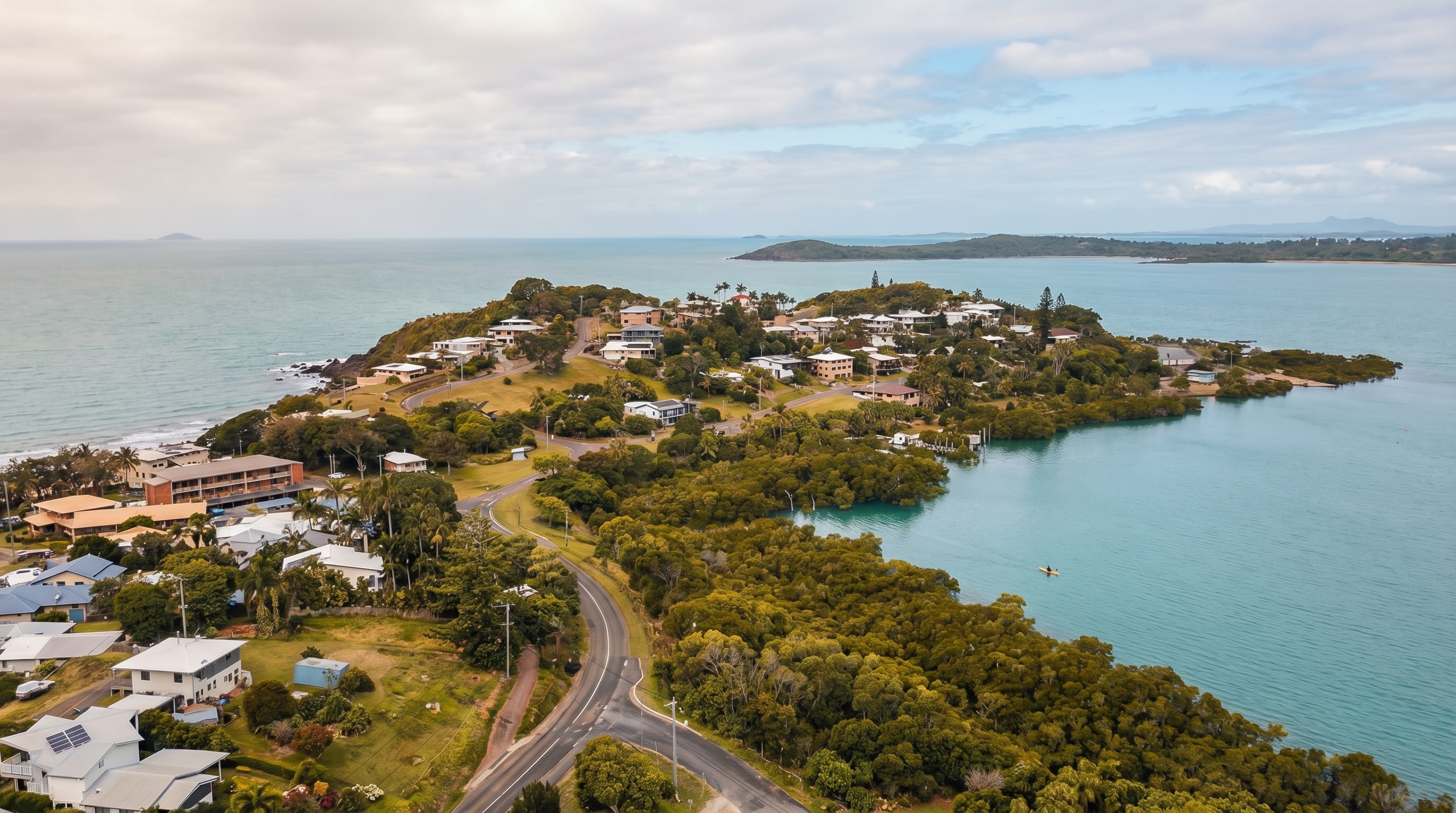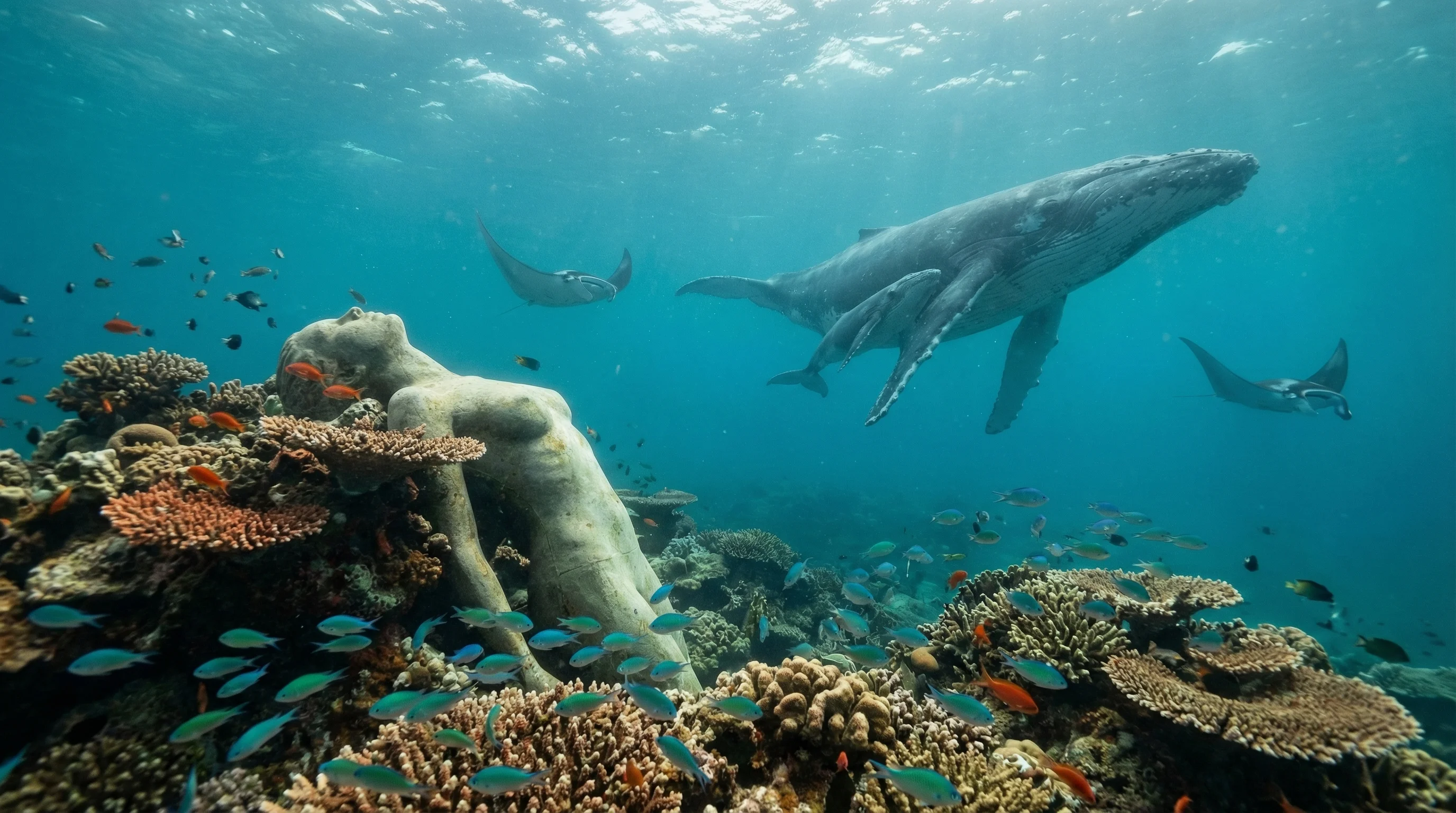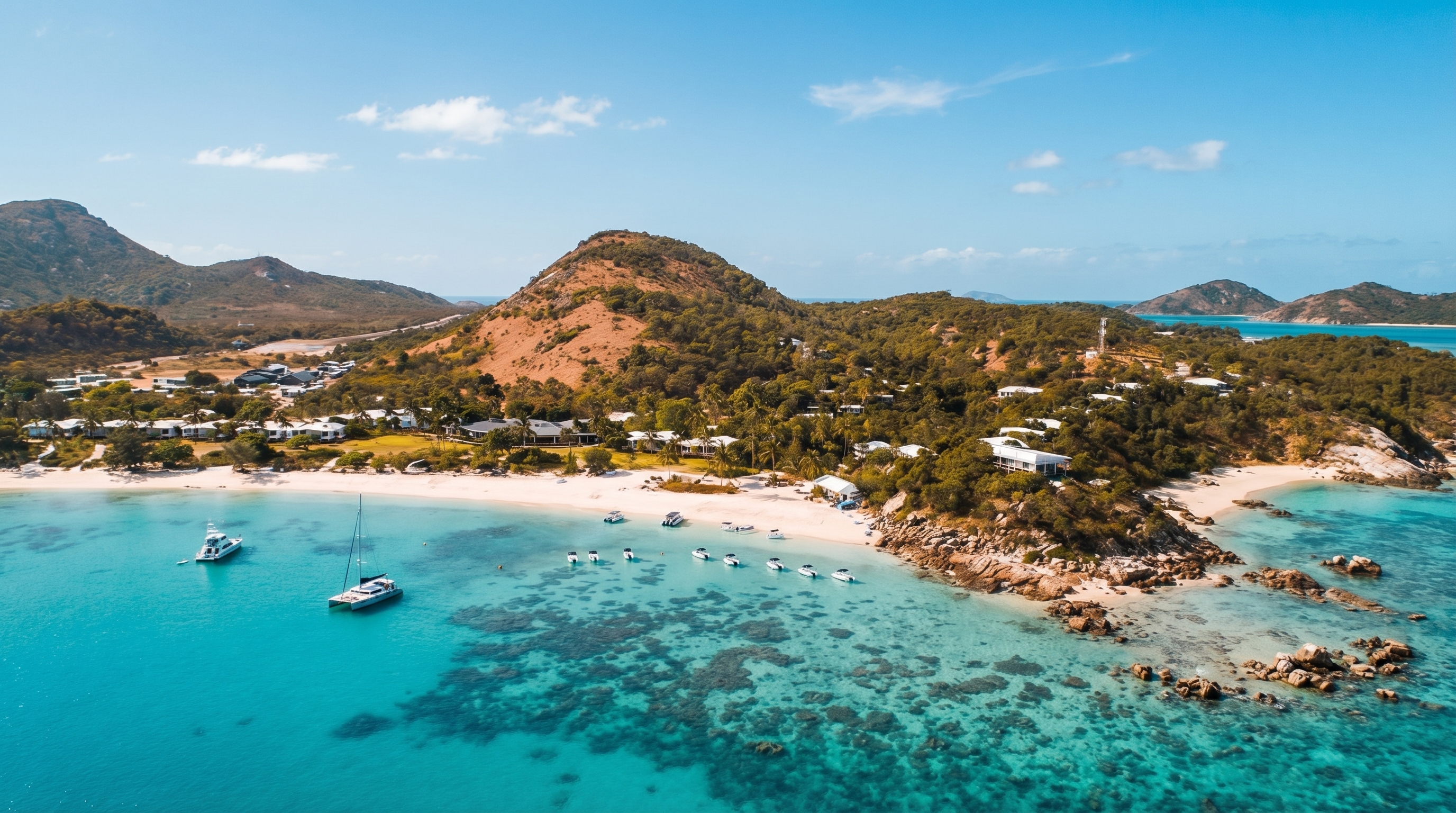
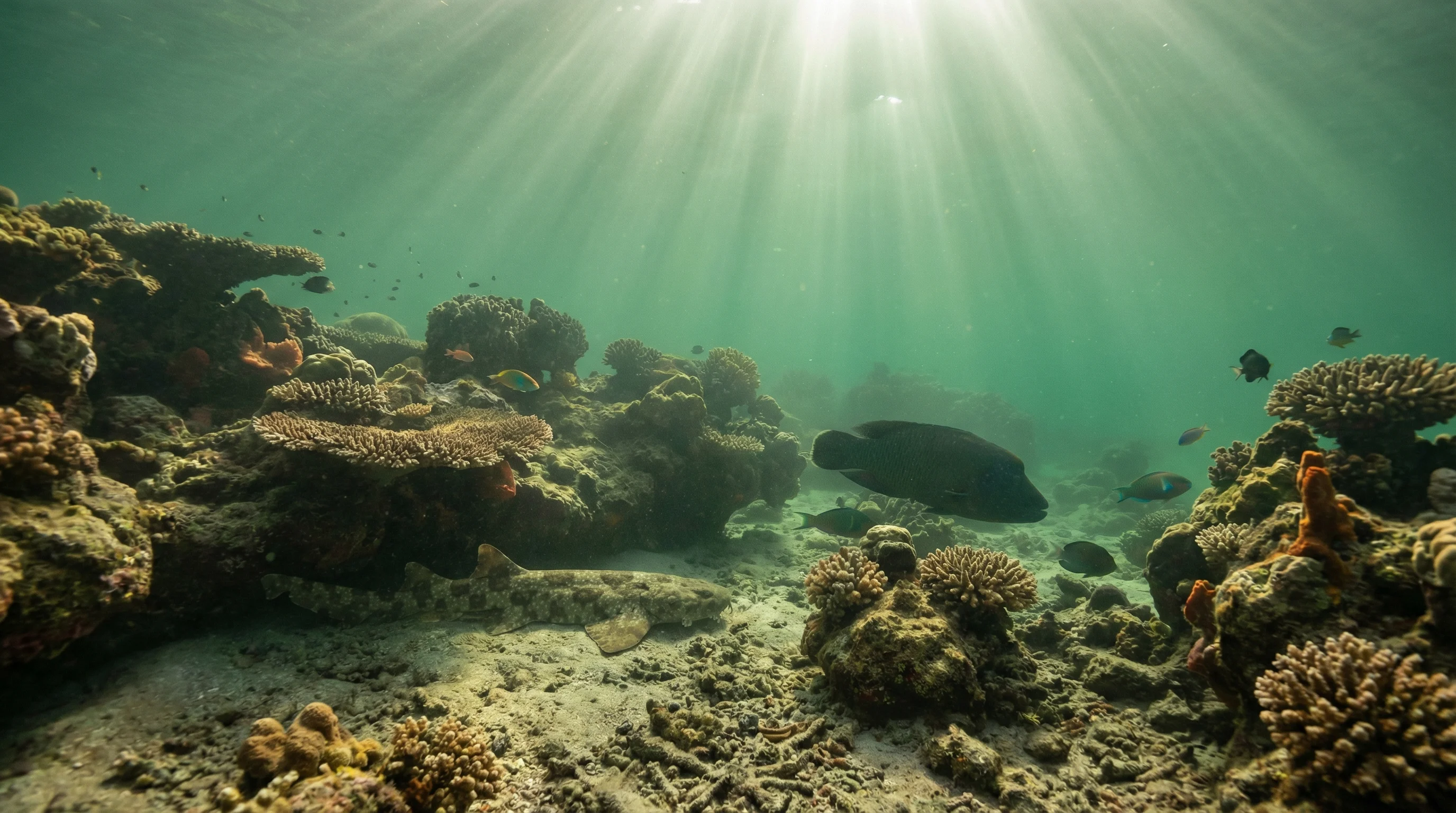
Hook Island's dive sites are almost exclusively boat-access reef dives, with wall topography adding variety at Ship Wreck Bay and Blue Pearl Bay. Most sites suit beginners, though moderate currents at Ship Wreck Bay and open-water conditions at Dolphin Point call for more experience. Napoleon Wrasse, Green Sea Turtle and Giant Trevally are consistently sighted across the reef network, alongside rich coral assemblages of hard and soft corals. Visibility and conditions favour the spring and early summer shoulder months.
Monthly water temperature across Hook Island's sites, from satellite sea-surface data corrected for depth. The band shows the site-to-site spread.
Water temperature peaks during the early months of the year and drops to its coolest around late winter before climbing again through spring. The best-months data points strongly to spring and early summer as the prime window, when conditions and visibility align favourably. Currents vary by site, with some exposed locations drawing pelagic species and others offering sheltered conditions suited to less experienced divers.
5 operators
Australia
Australia
Australia
4 more sites to explore
Water temperature around Hook Island ranges from about 22°C in August to 29°C in February, based on satellite sea-temperature data for its dive sites.
In the warm season (about 29°C) a rash guard or 3mm shorty is comfortable in Hook Island; in the coldest months (about 22°C) step up to a 3mm full suit.
Fin maps 14 sites in Hook Island (13 scuba diving sites and 4 snorkelling spots, with some suited to both).
Across Hook Island's dive sites, May, June, August, September, October and November are most often reported as the best months to visit.
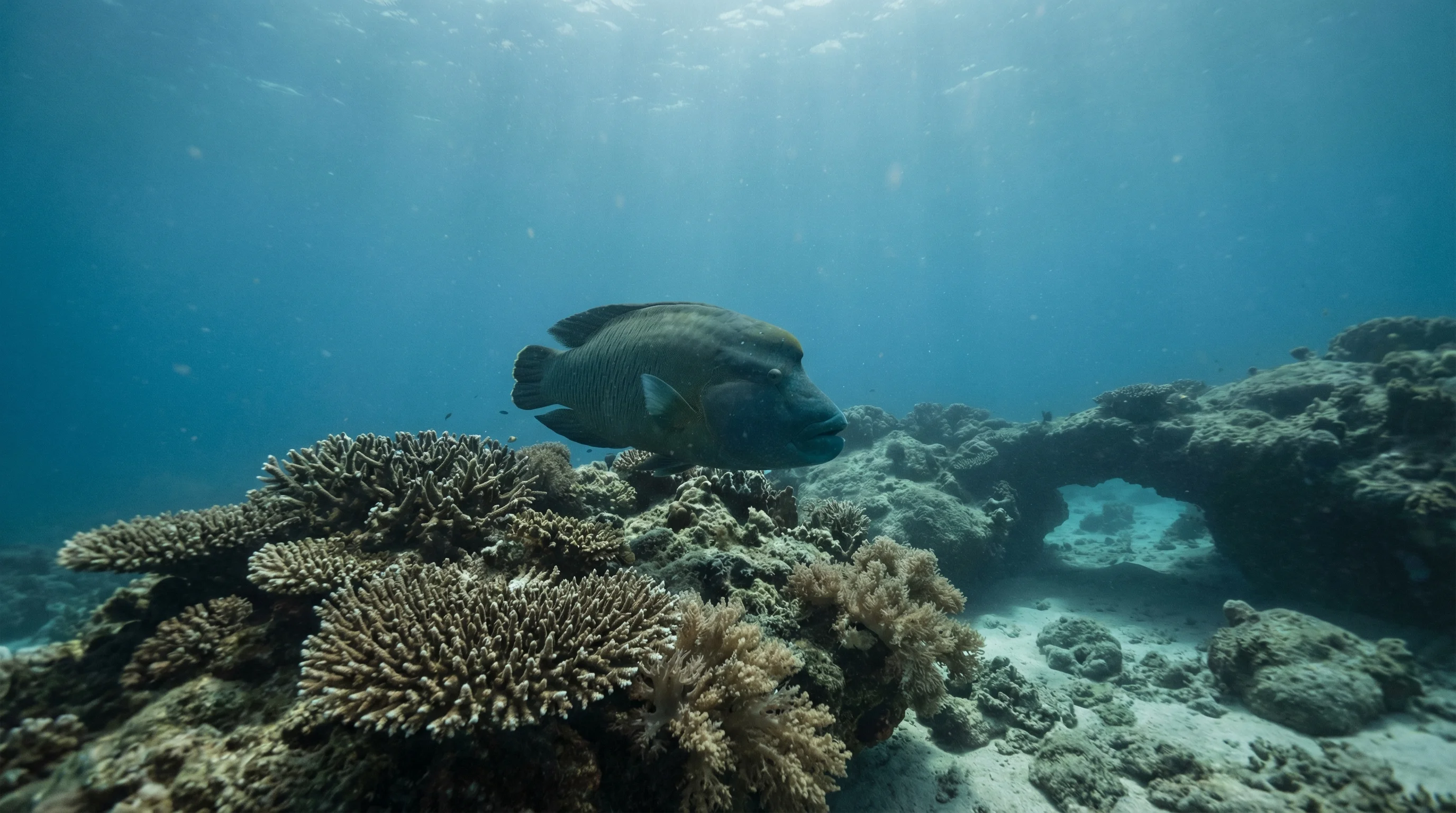
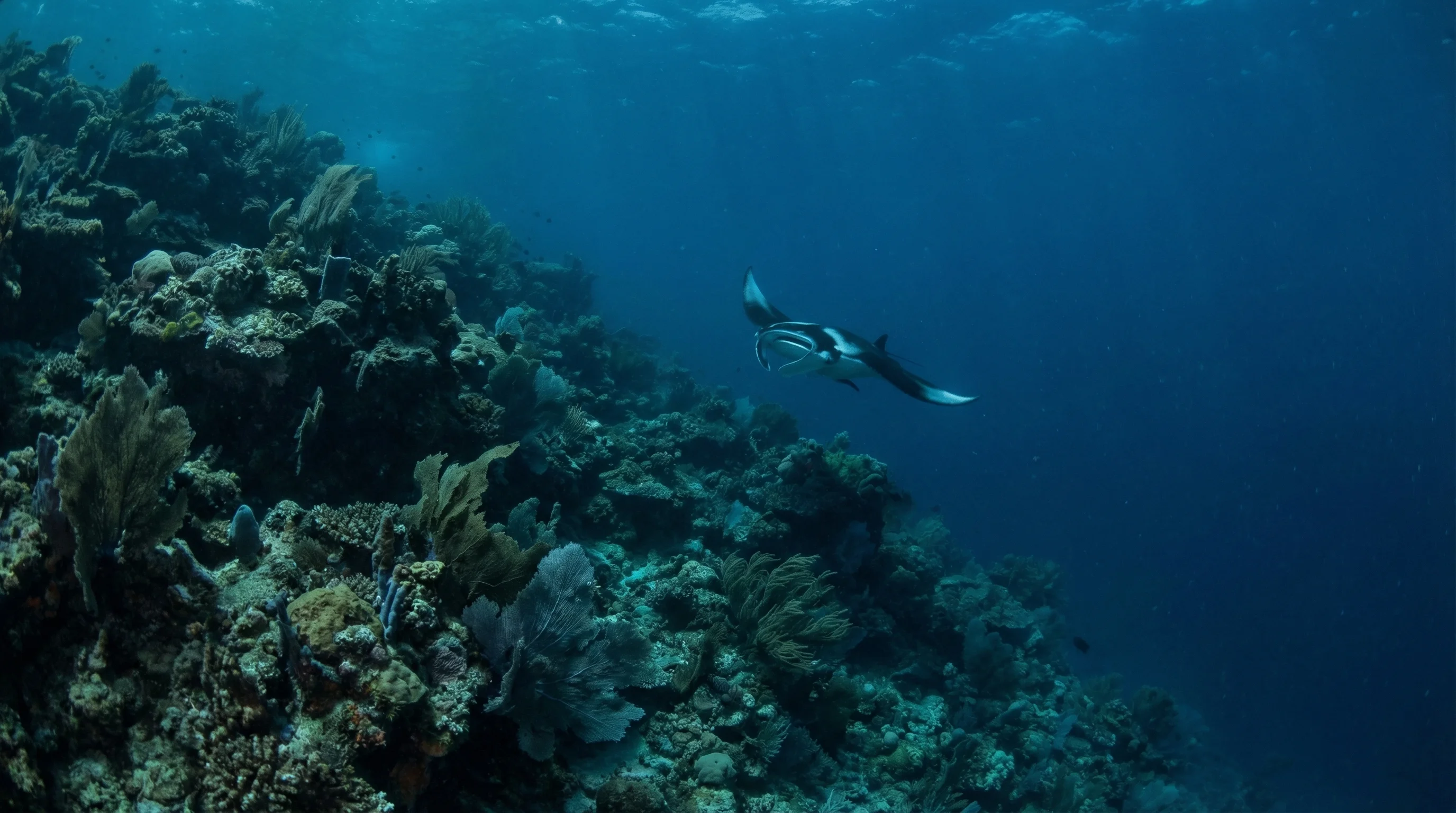
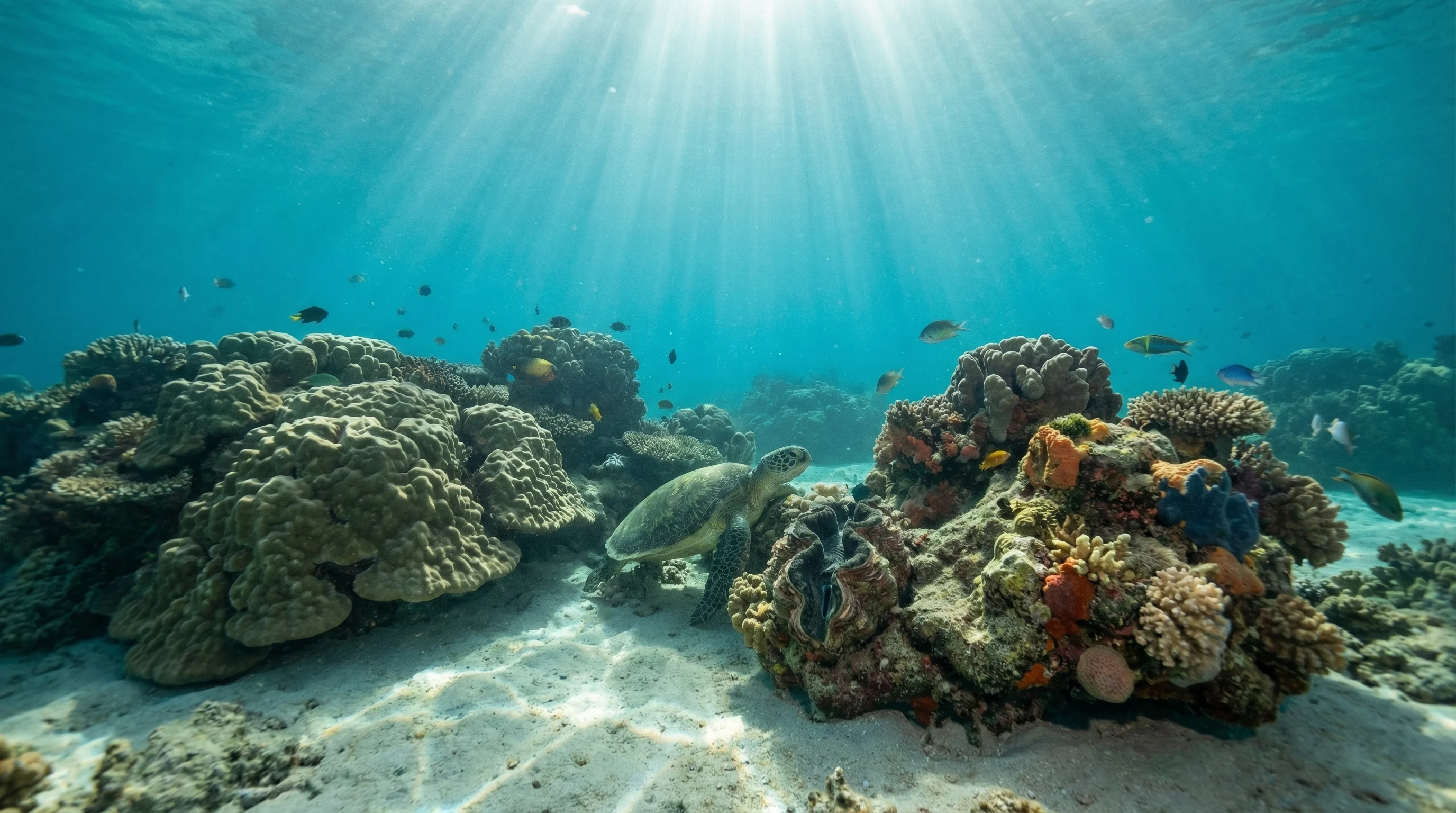
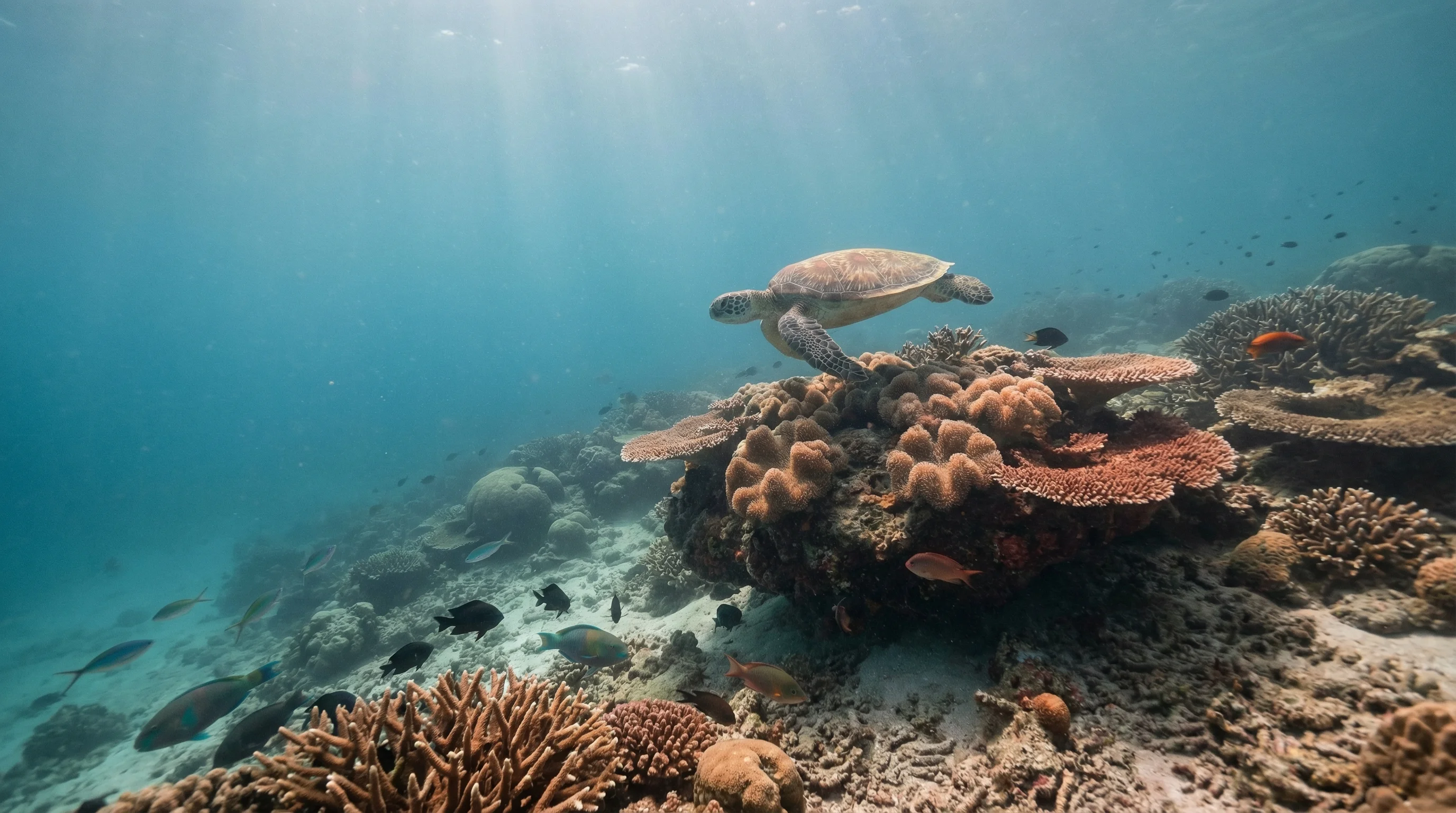
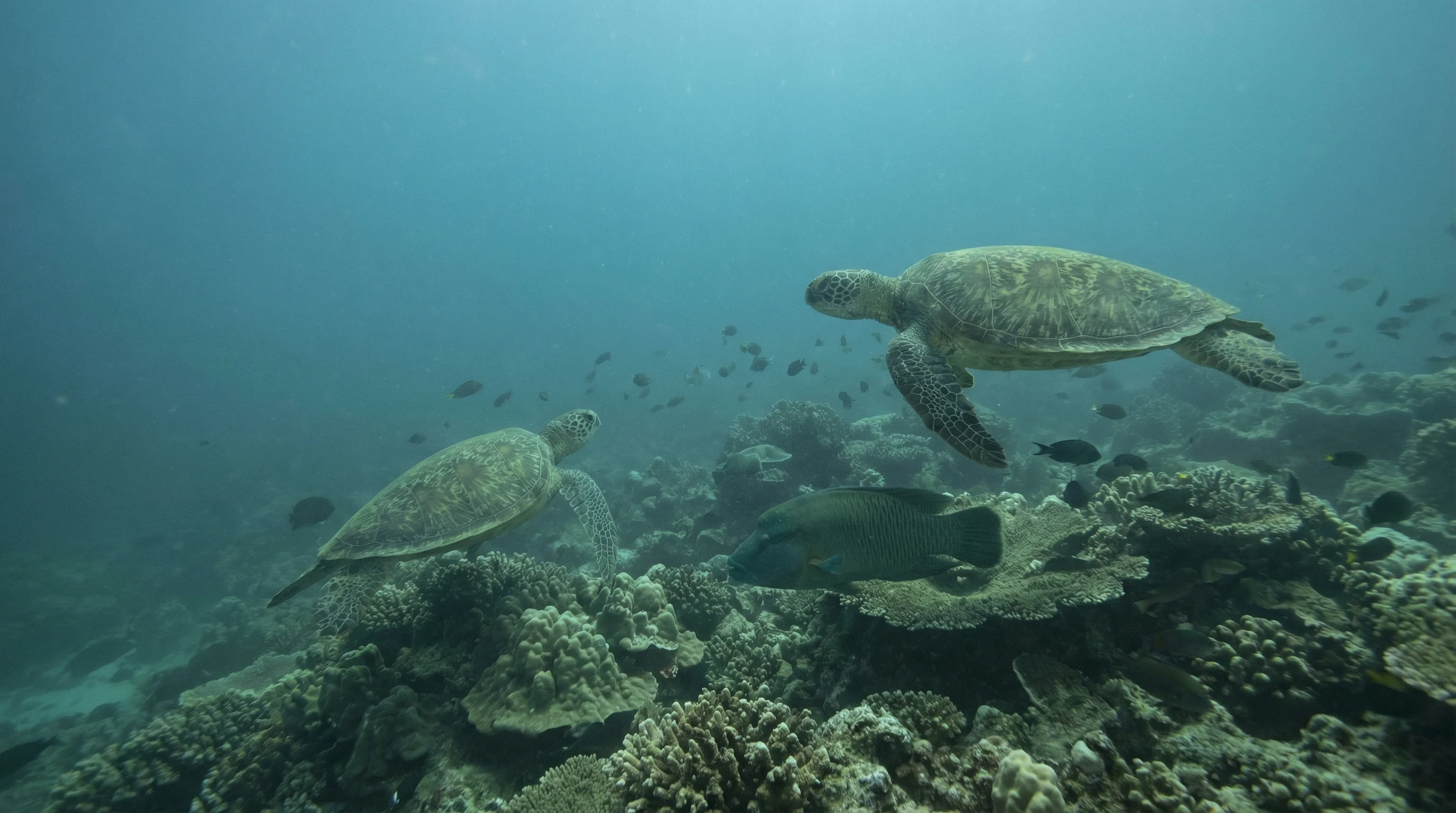
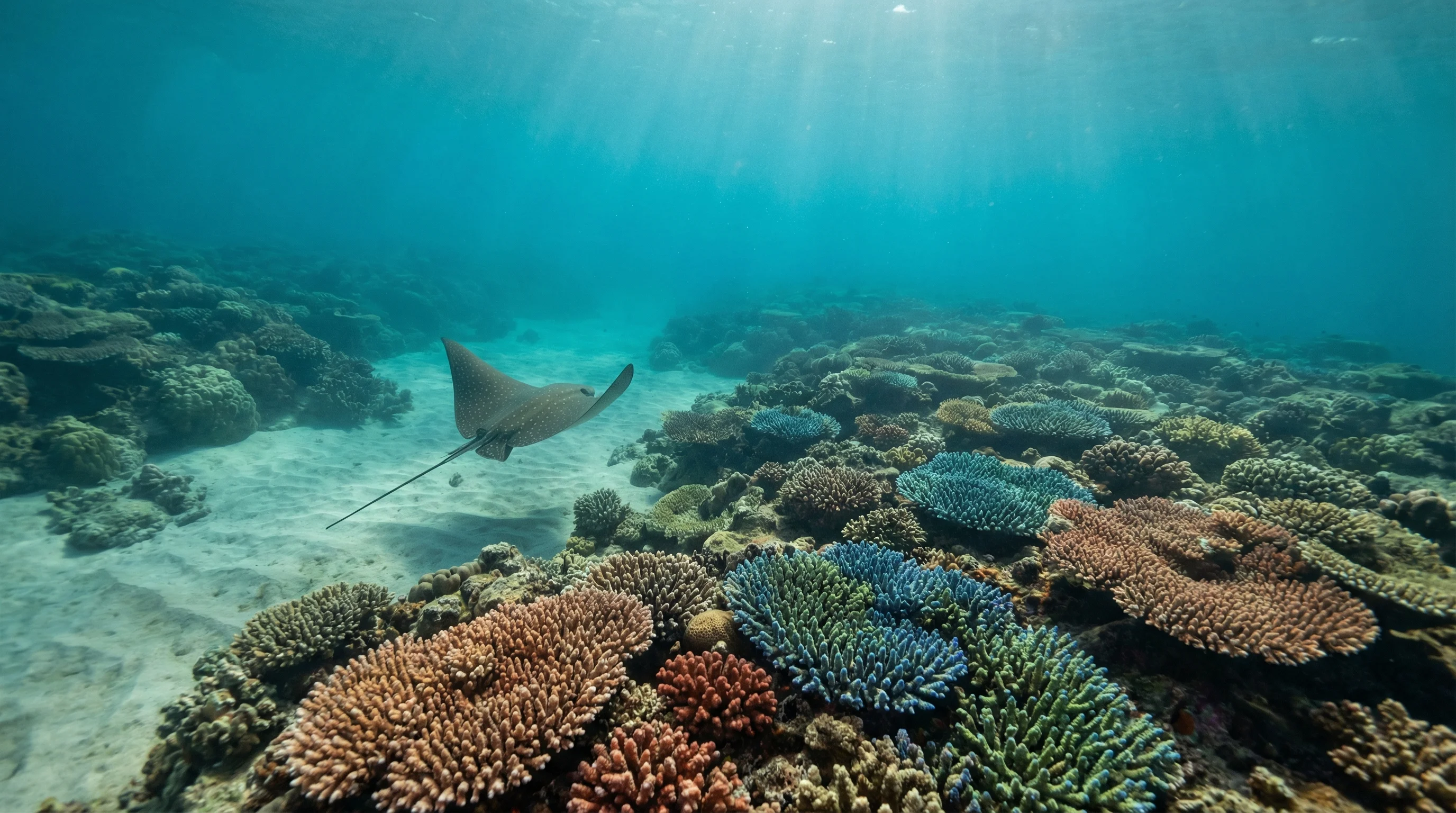
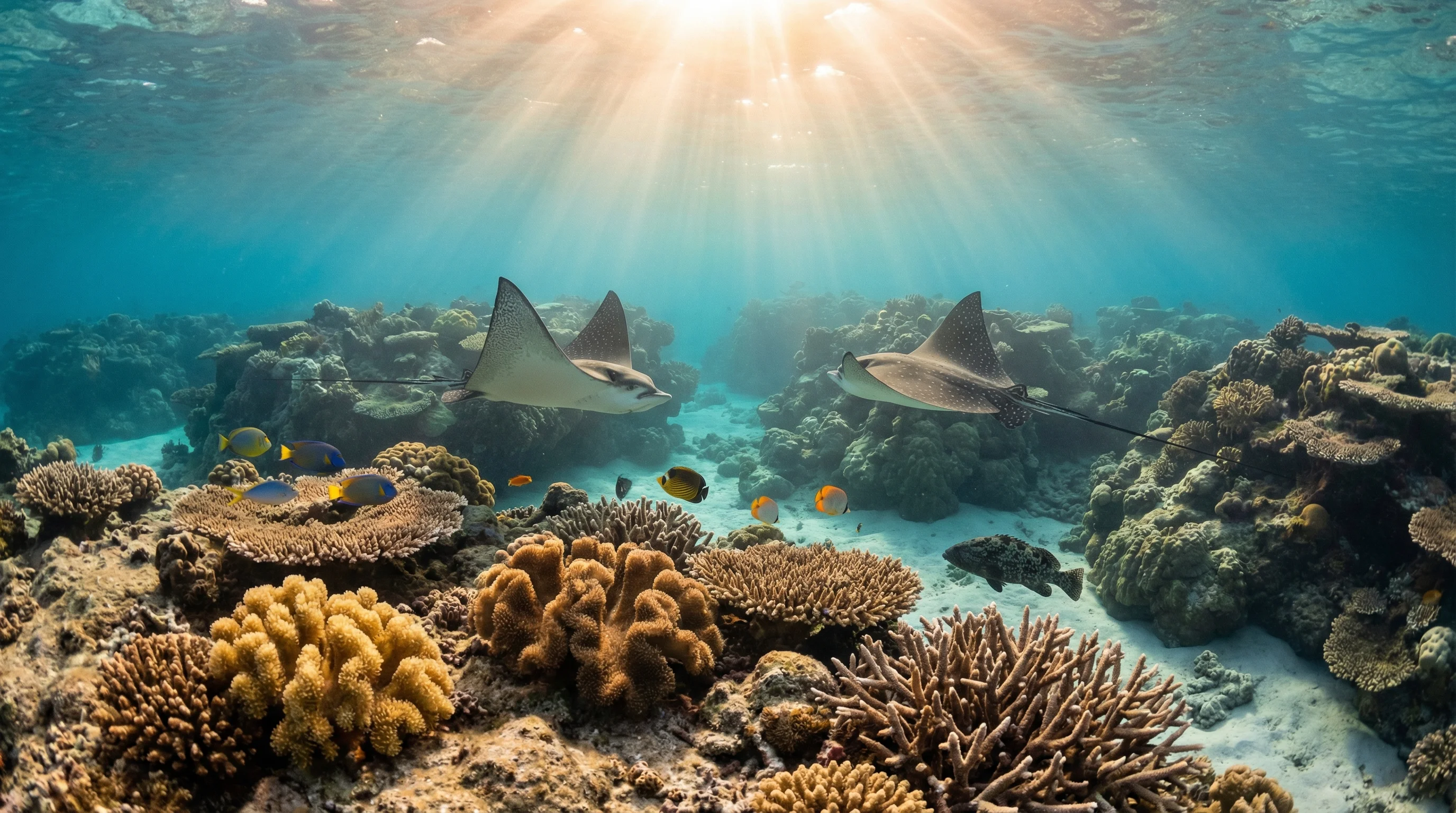
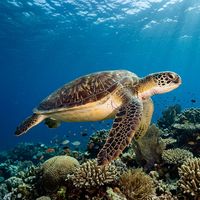
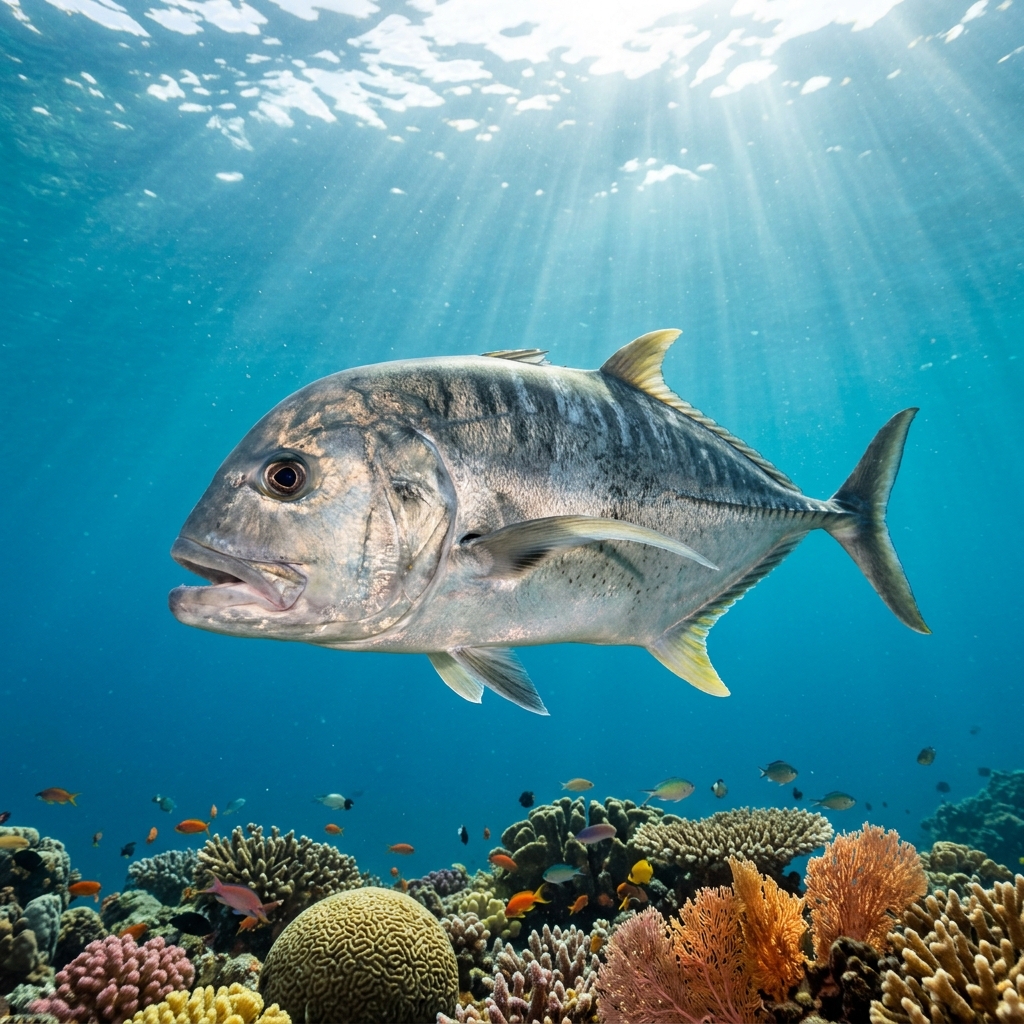
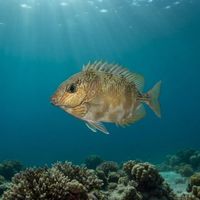
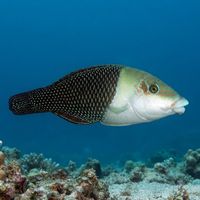
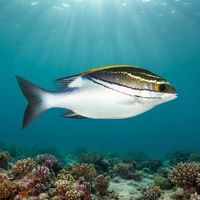
Napoleon Wrasse and Green Sea Turtle are observed across virtually all sites and are the species most reliably encountered. Giant Trevally appear regularly, particularly at sites with open-water exposure such as Dolphin Point. Eagle Ray and Harlequin Tuskfish are also among the signature species recorded at Hook Island.
The majority of sites are rated beginner level, including Mantaray Bay, Cockatoo Point, Butterfly Bay, Mackerel Bay and Saba Bay. Ship Wreck Bay is the main exception, rated advanced due to moderate currents. Intermediate divers will find Dolphin Point a good step up, with open-water conditions and pelagic visitors.
Nearly all sites require boat access, and several operators serve the area including Whitsunday Dive Adventures, Kiana Sail And Dive and Red Cat Adventures. Mackerel Bay is the one exception with a shore-entry option, making it accessible without a charter for those already on the island.
Reef diving is the dominant format, with hard and soft coral structures featuring at sites like Cockatoo Point. Wall topography appears at Ship Wreck Bay and Blue Pearl Bay, adding depth variety. Depths across the network range from very shallow reef gardens through to deeper wall profiles, giving divers a broad range of underwater terrain within a compact area.