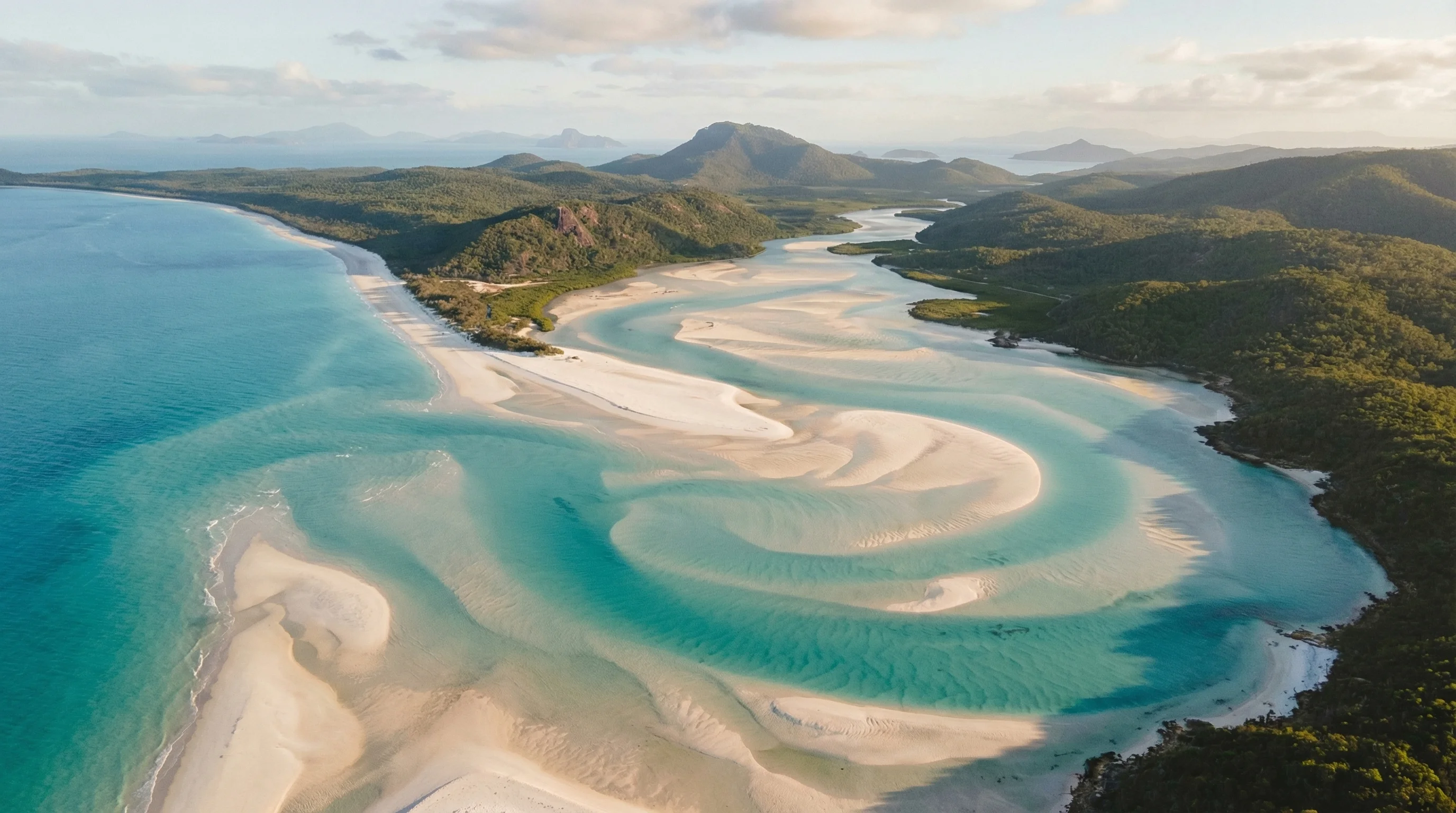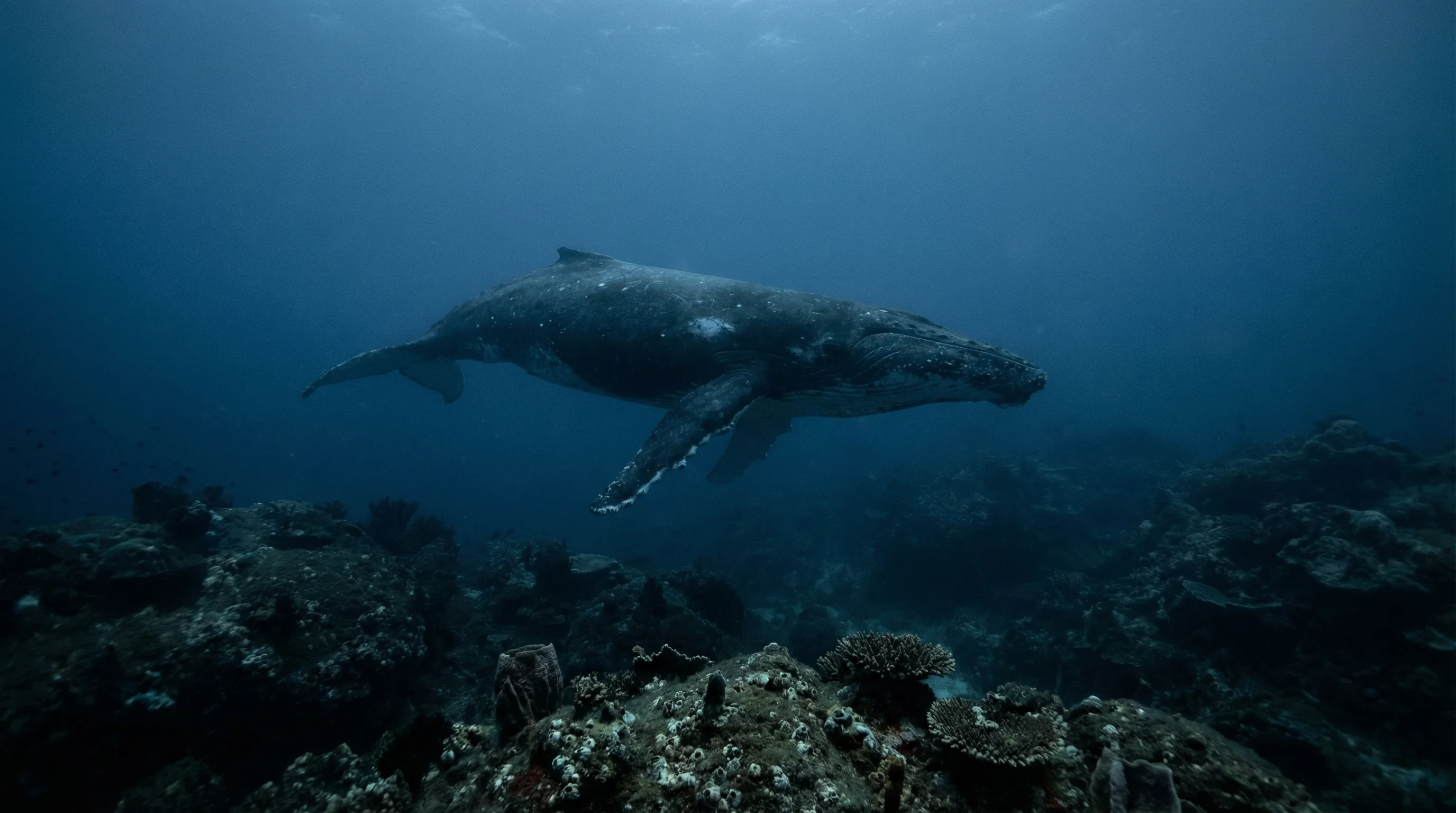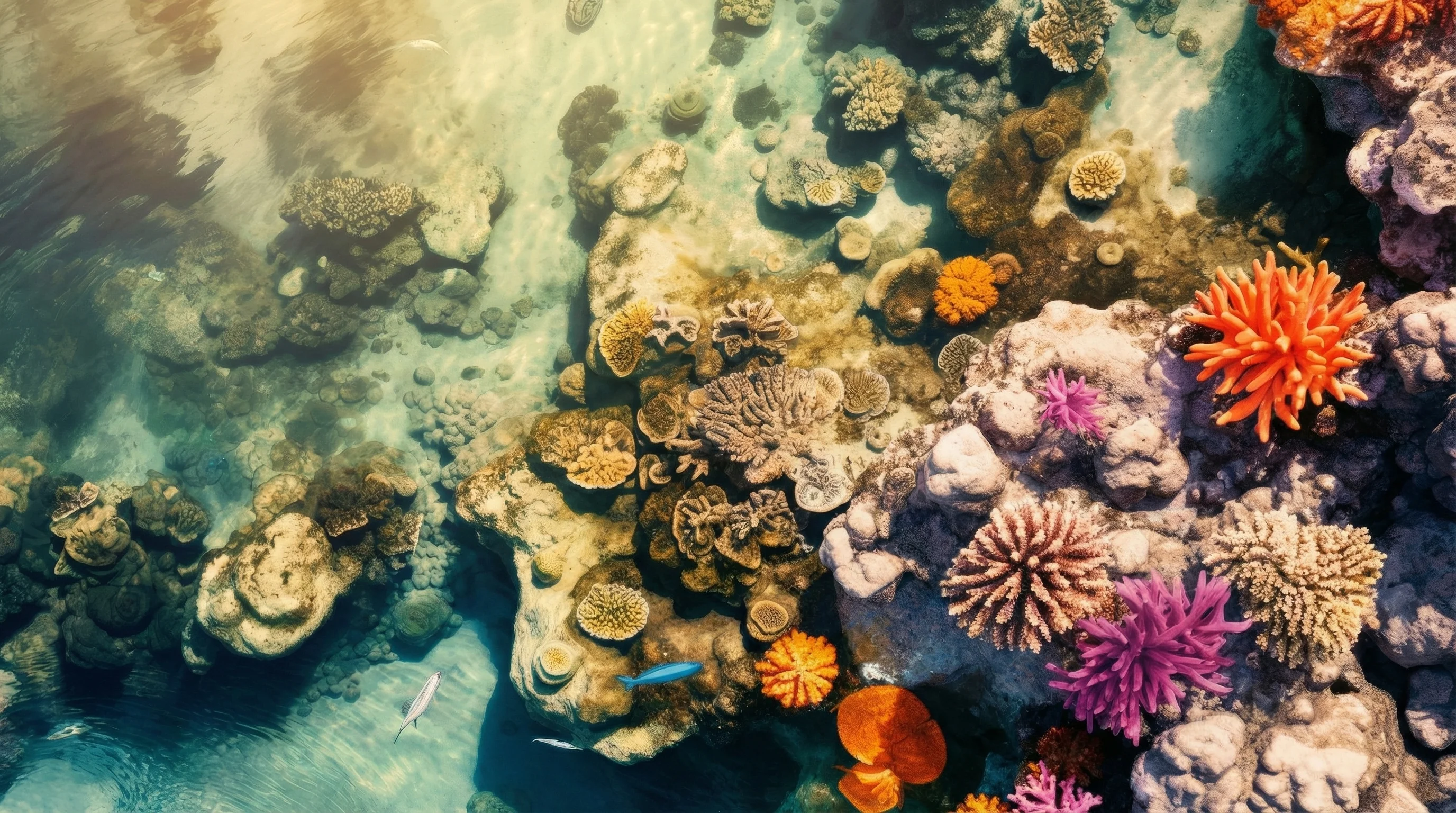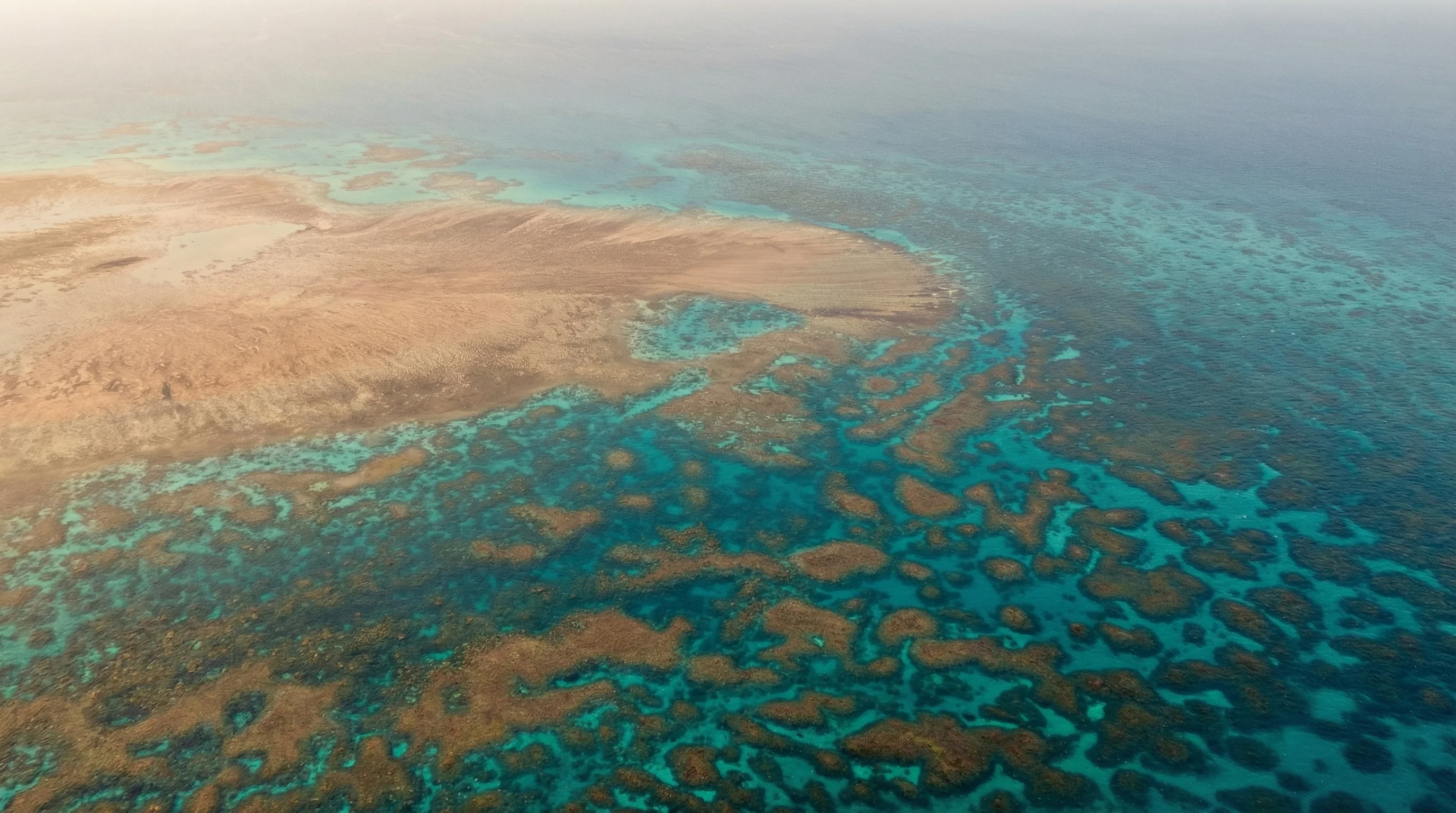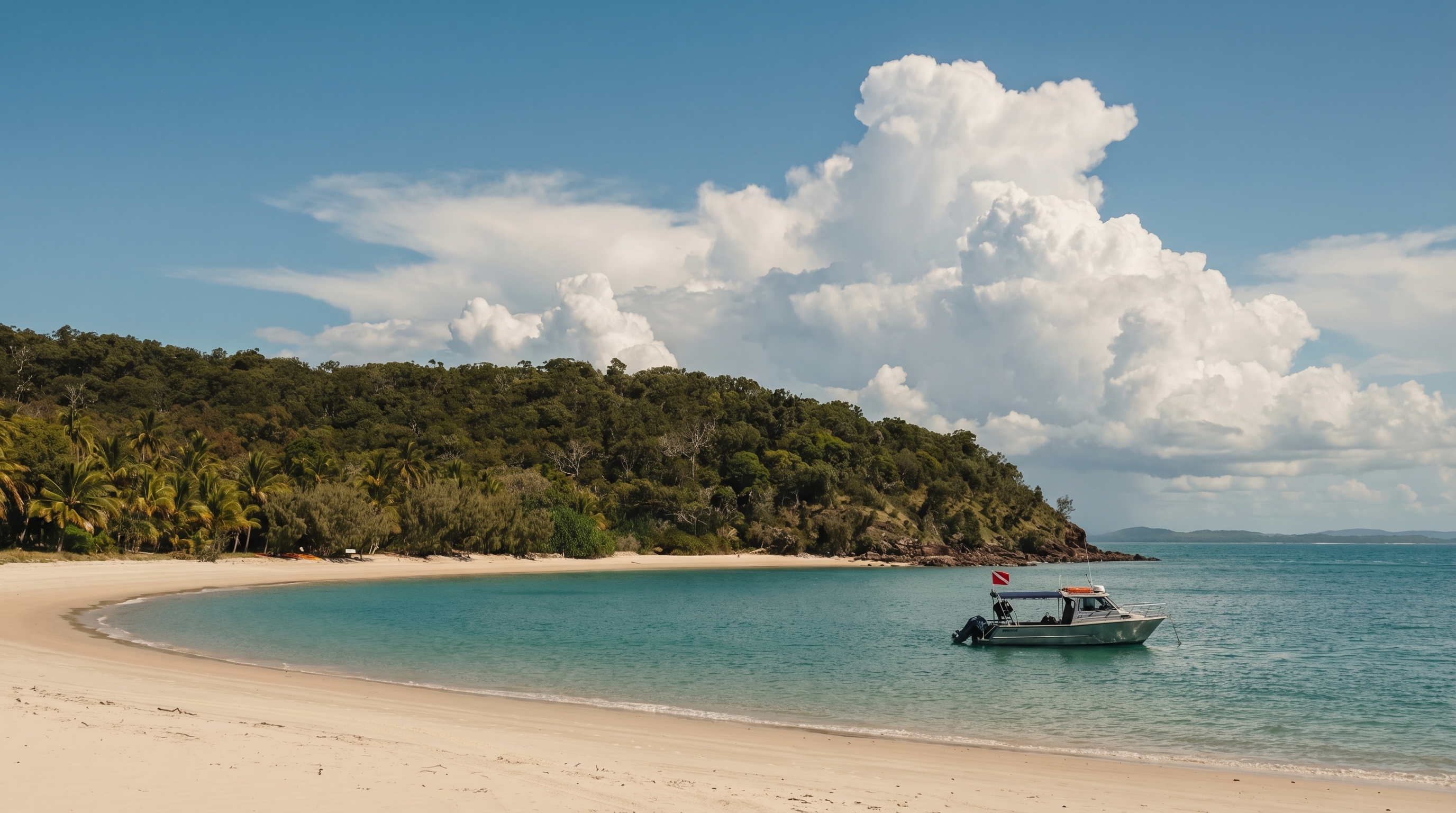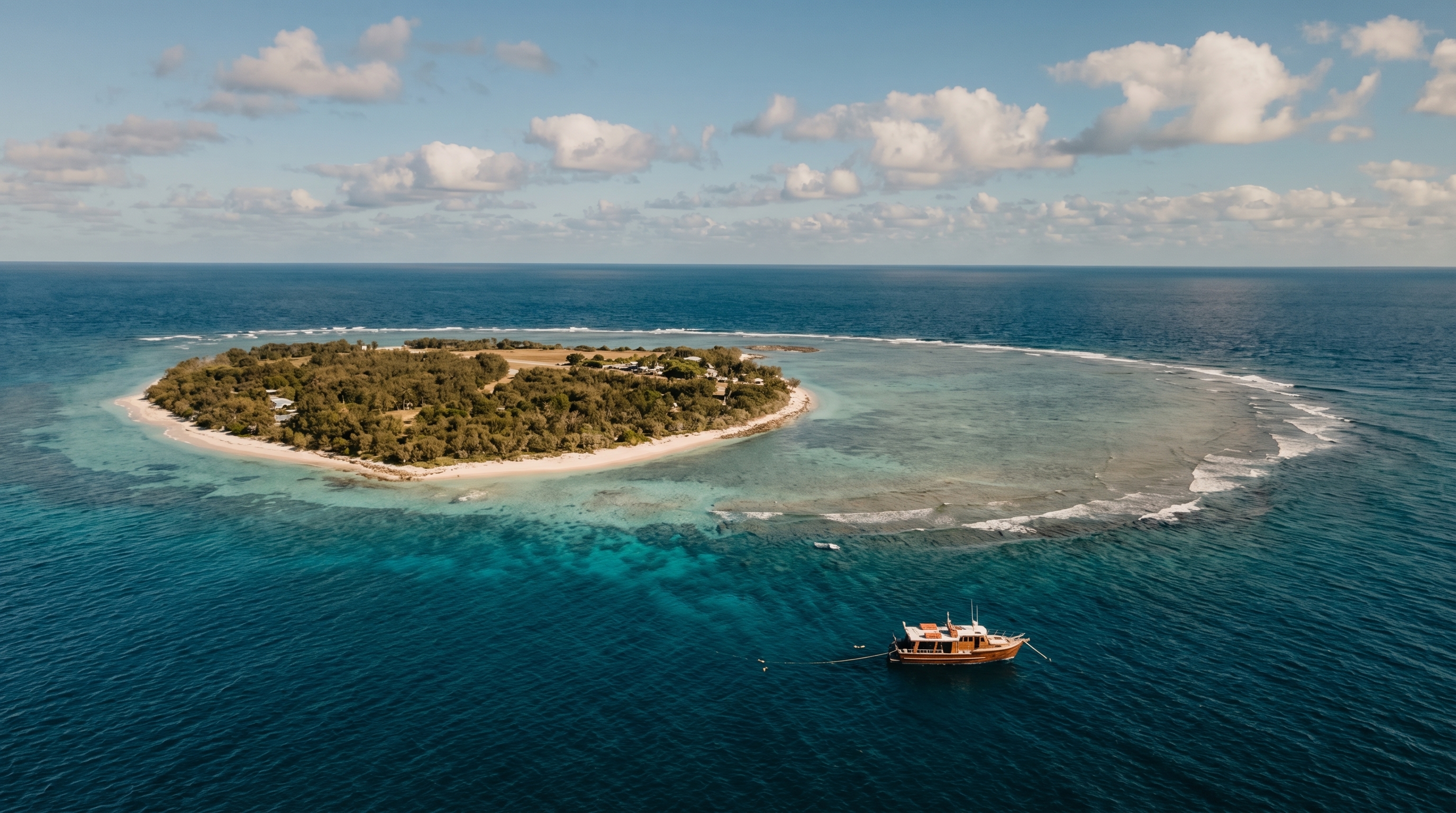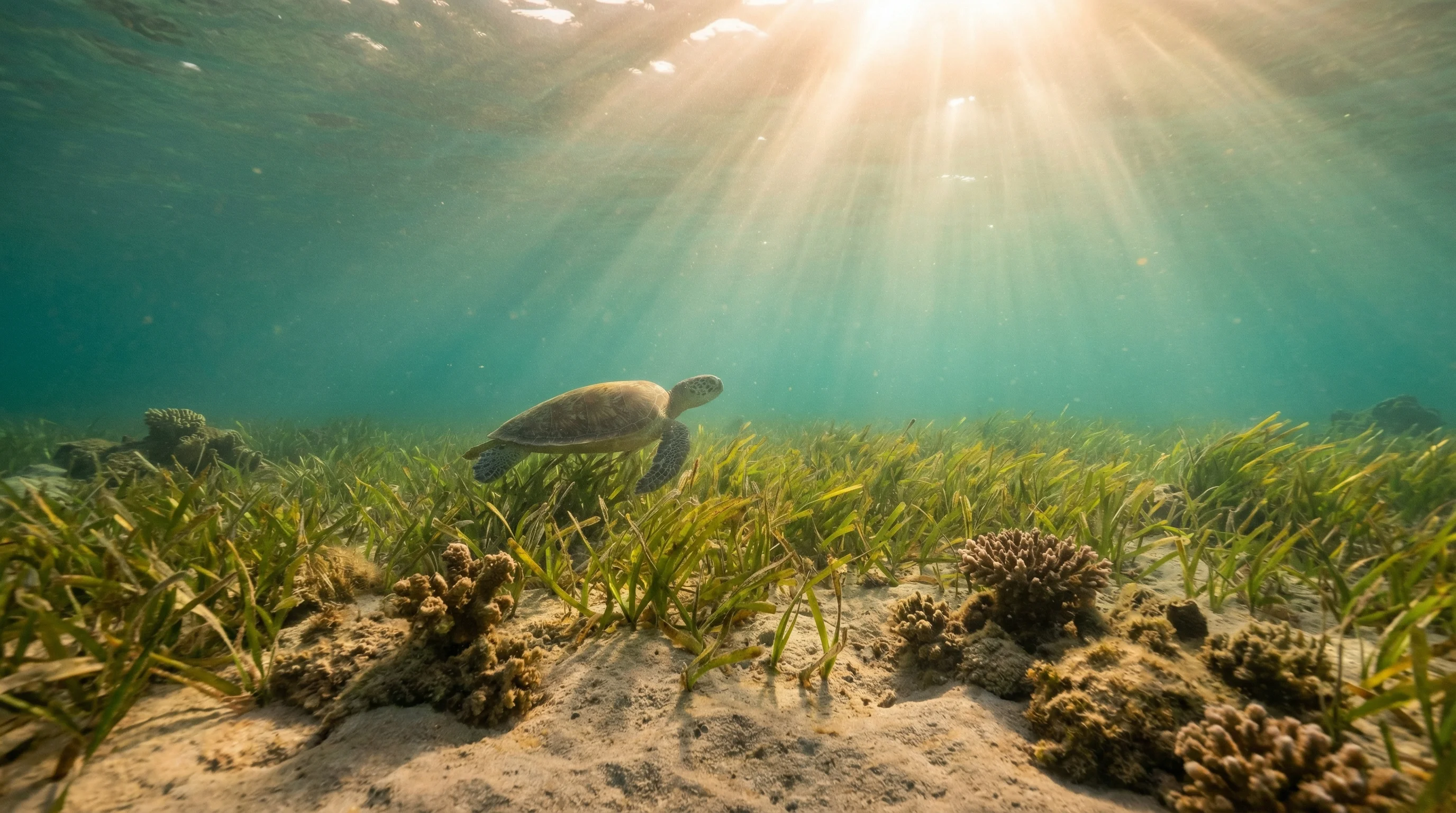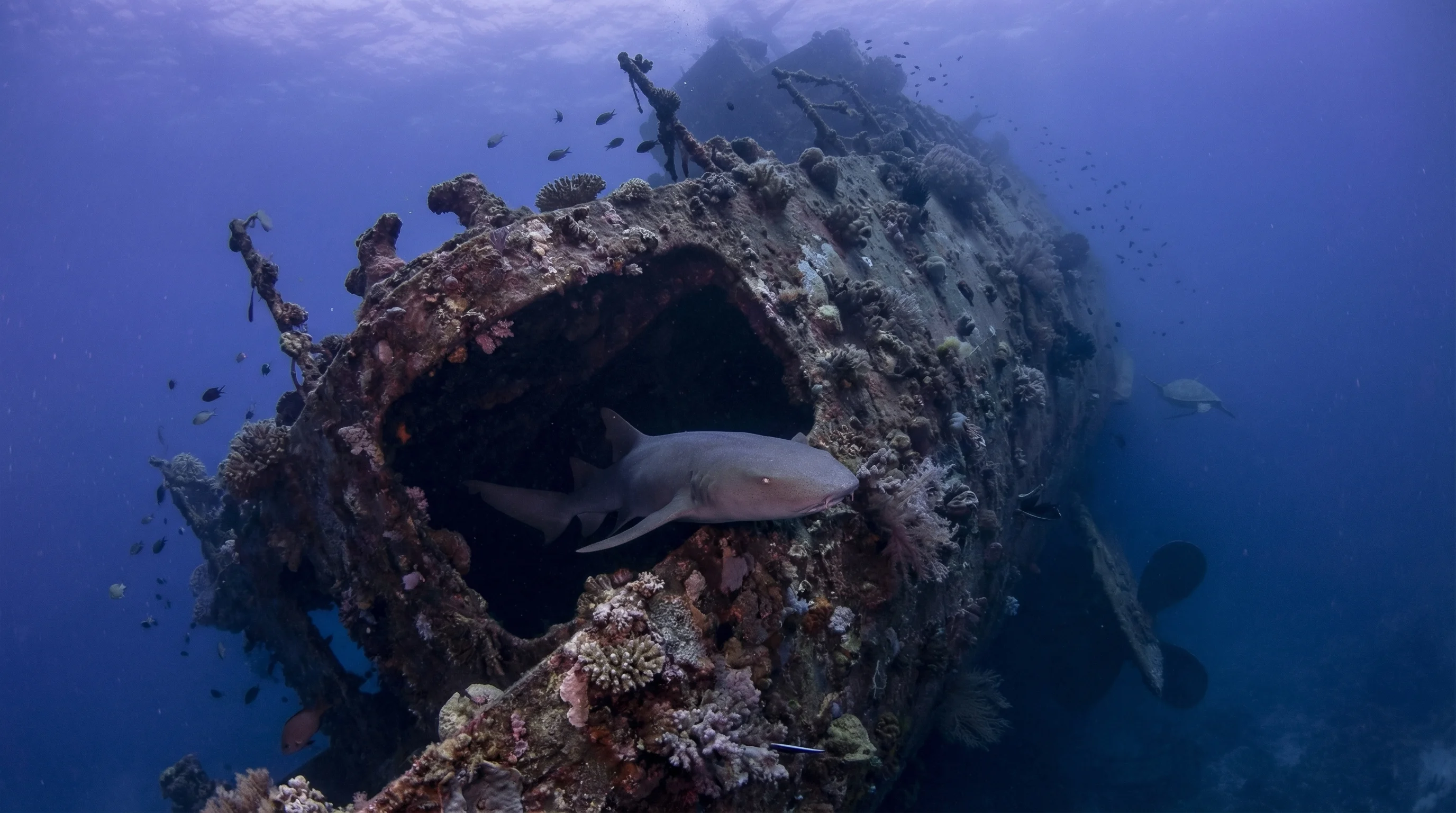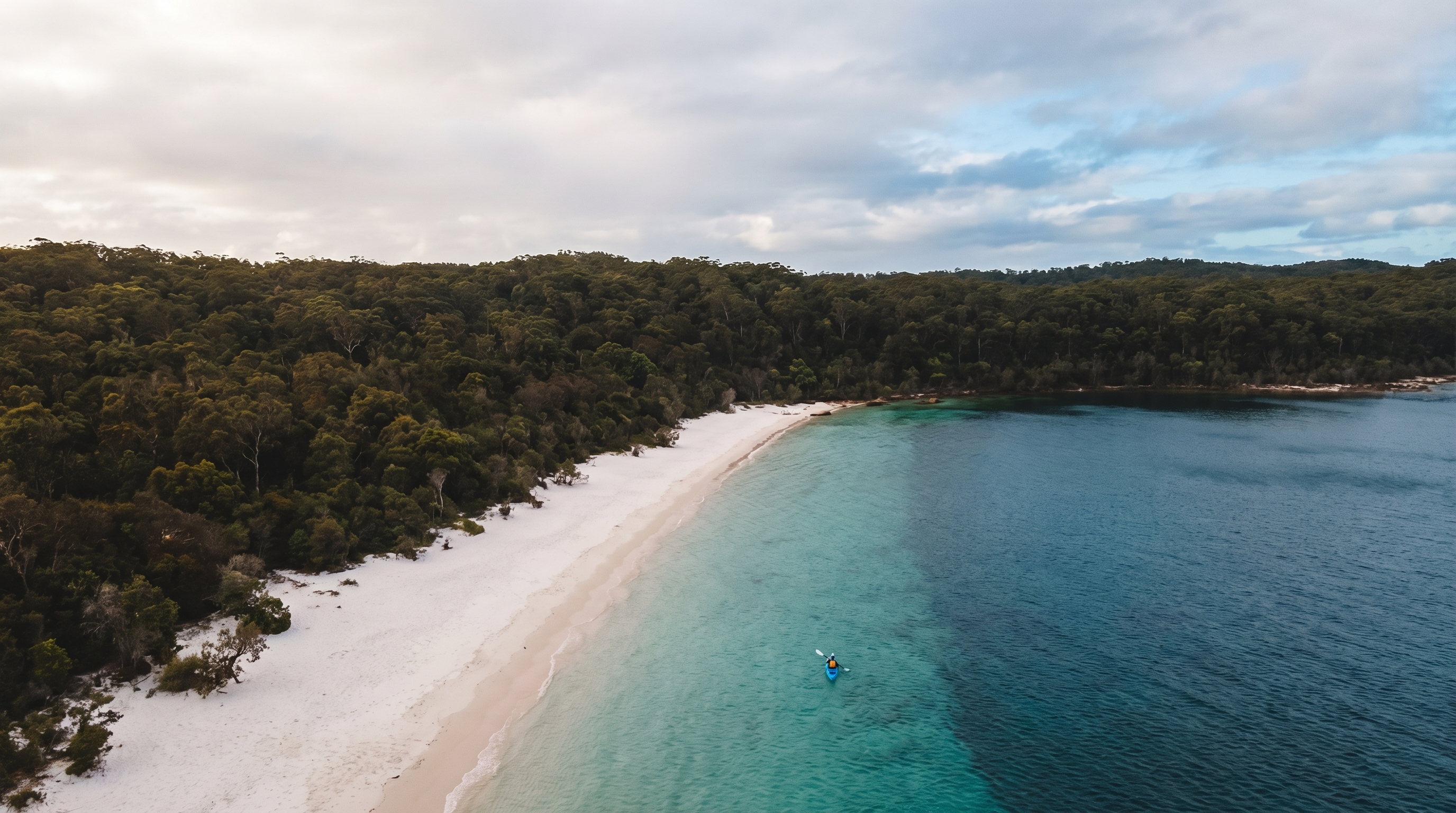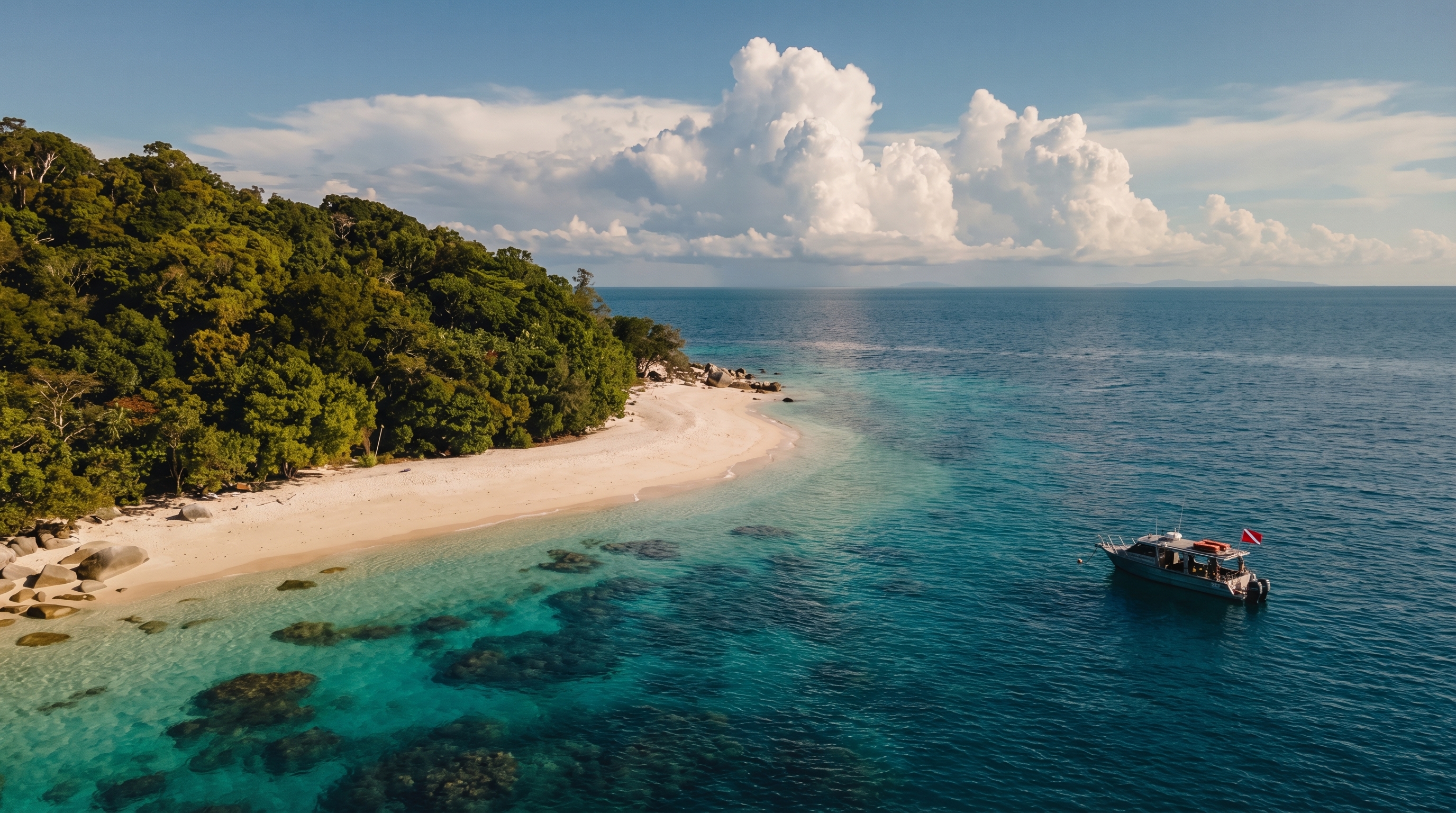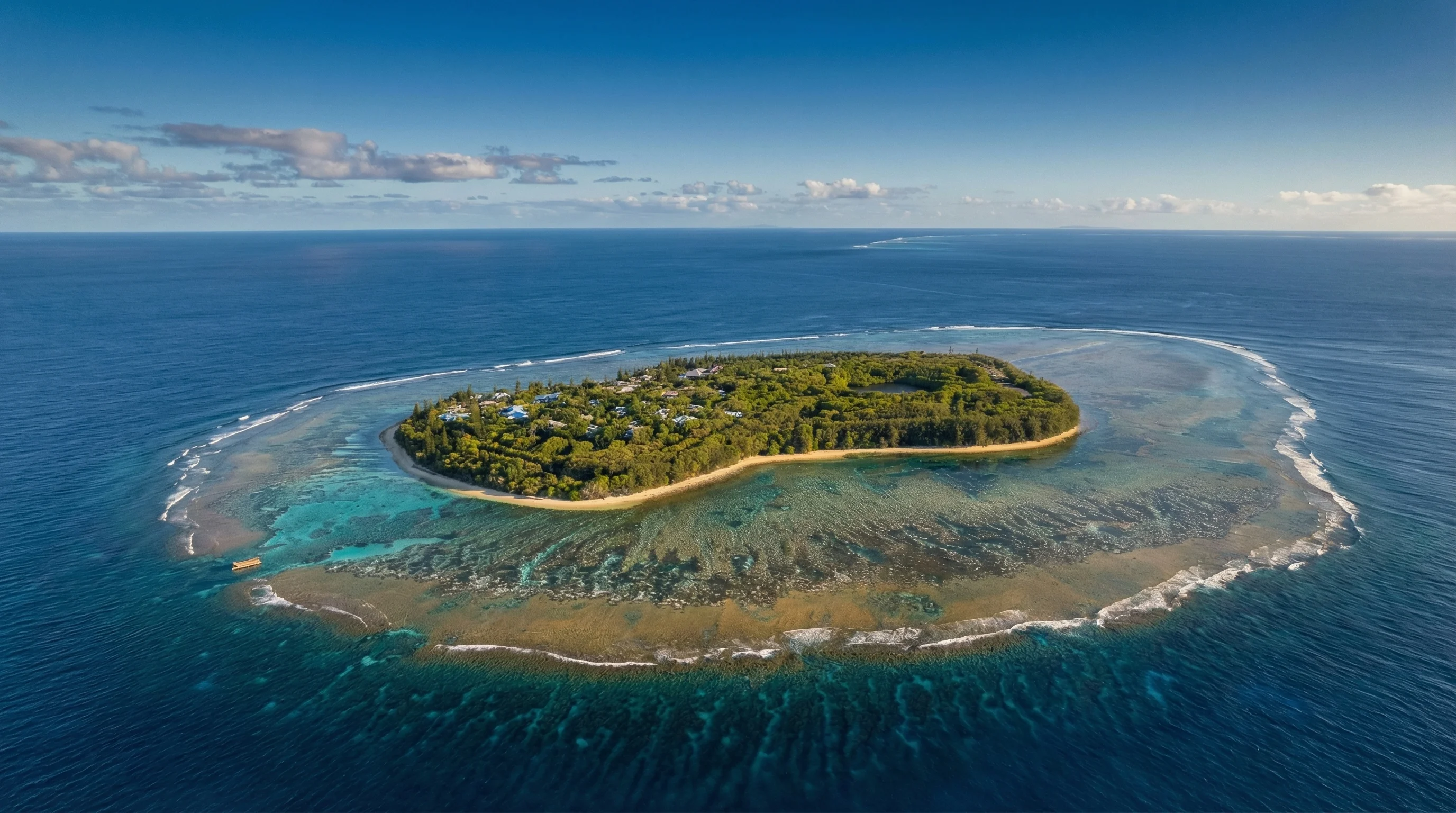
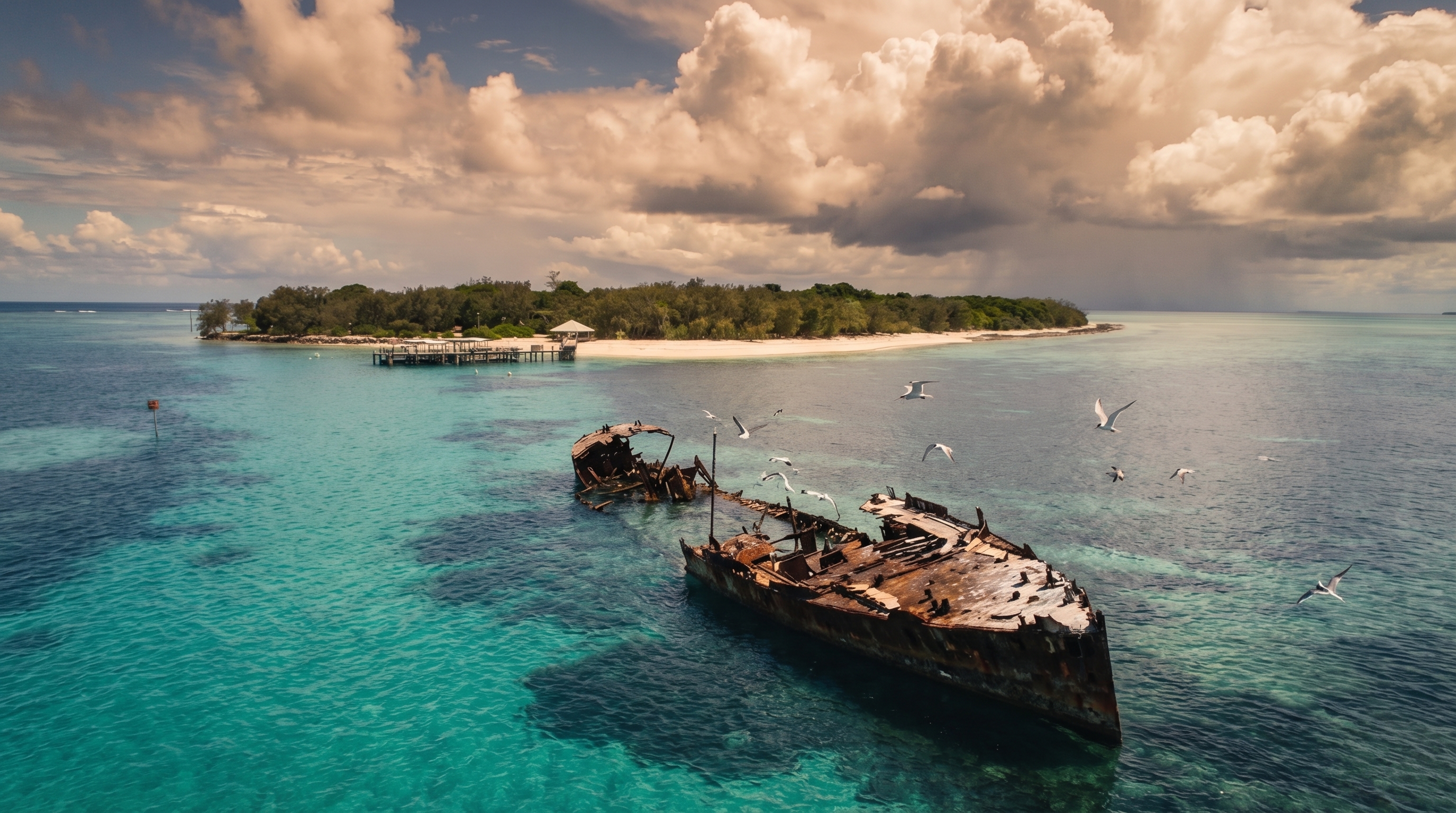
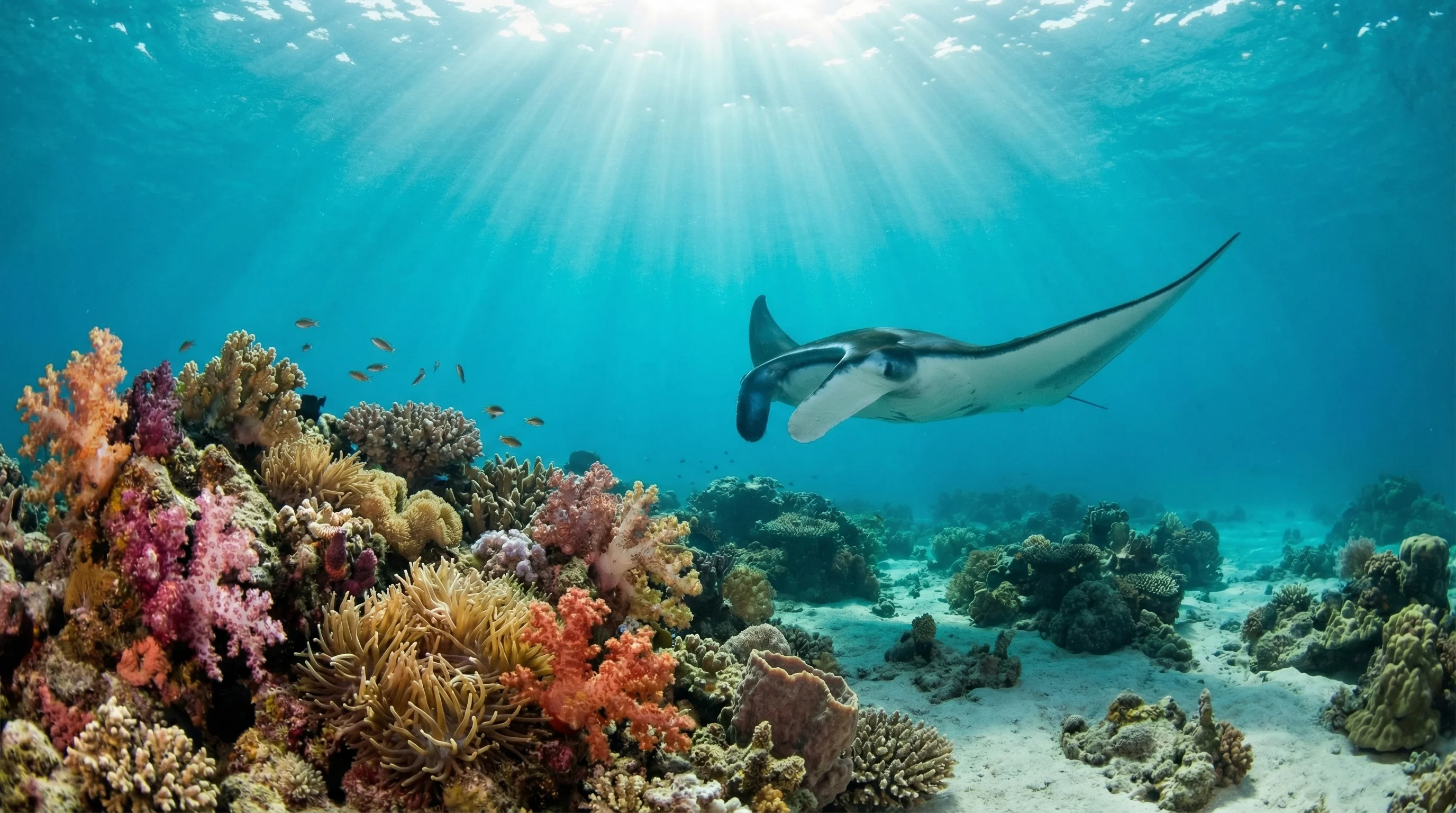
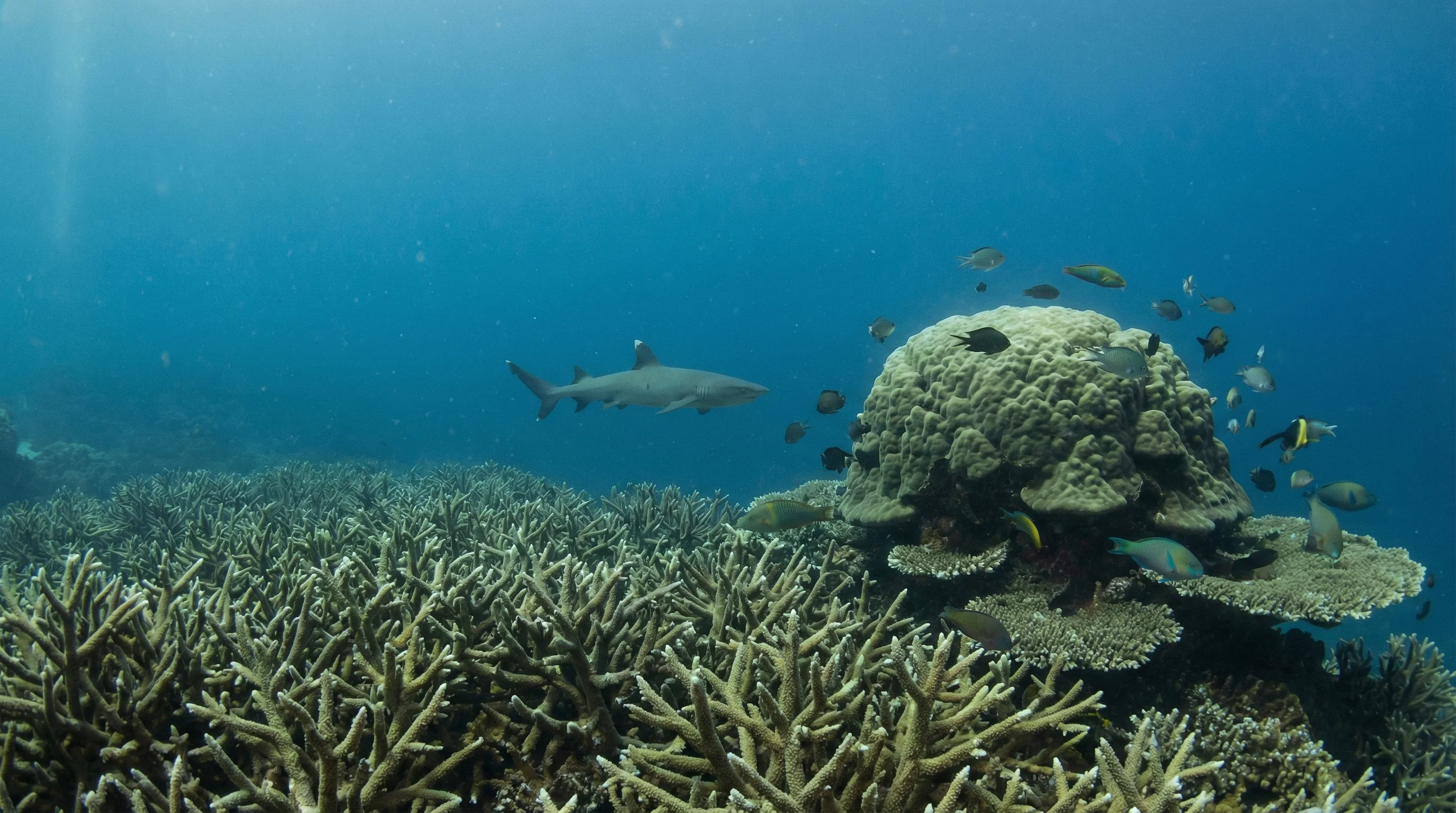
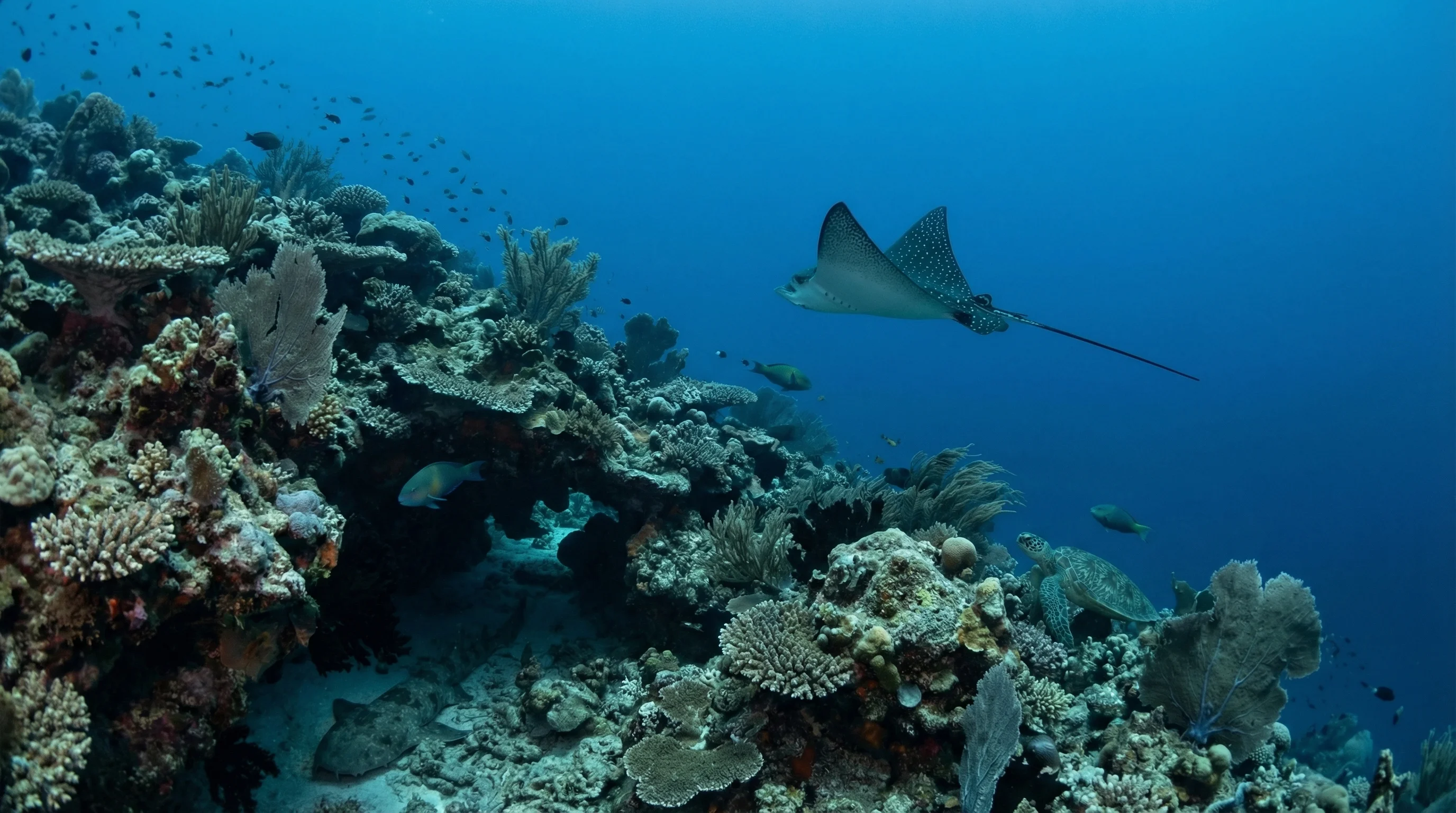
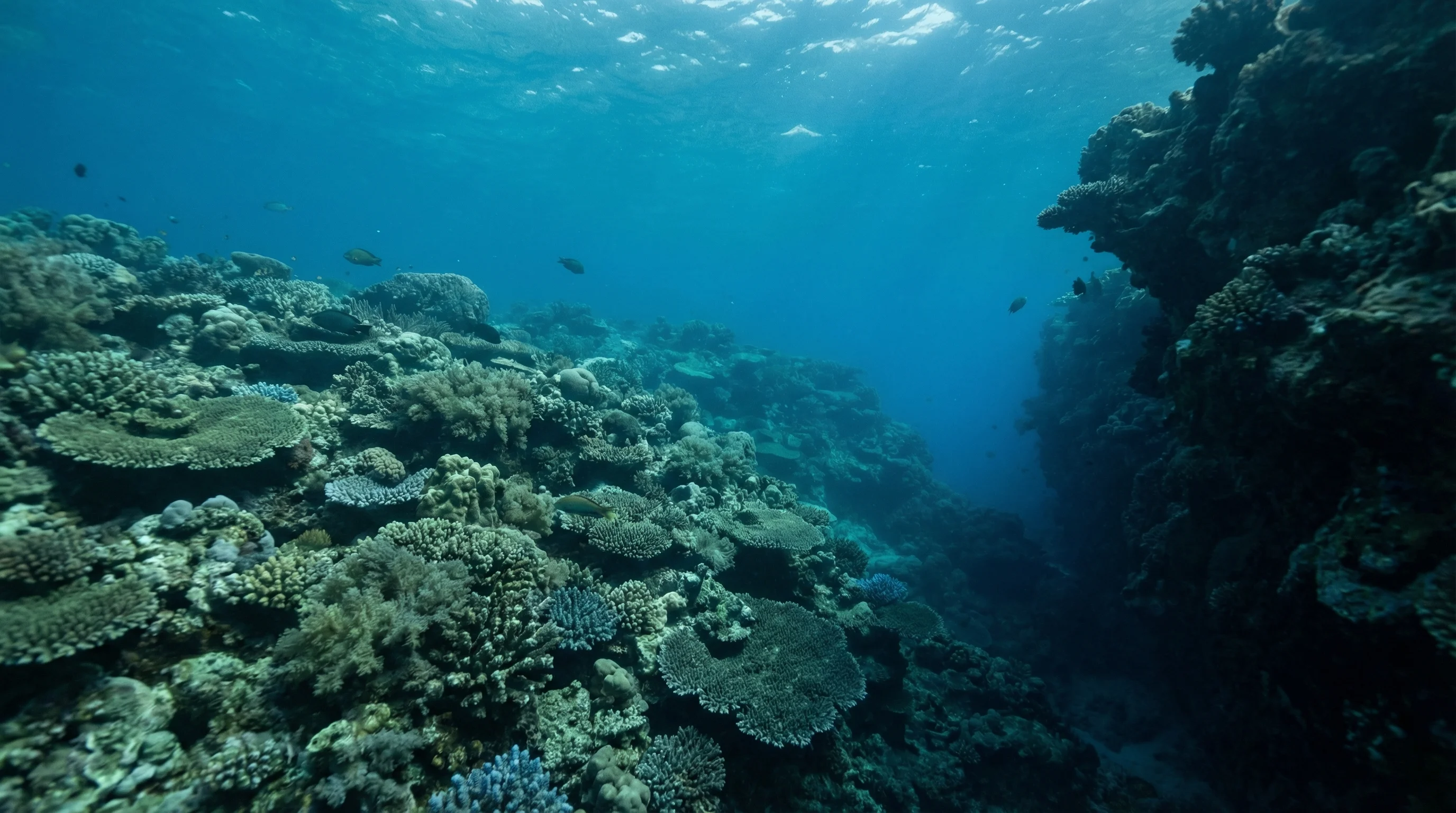
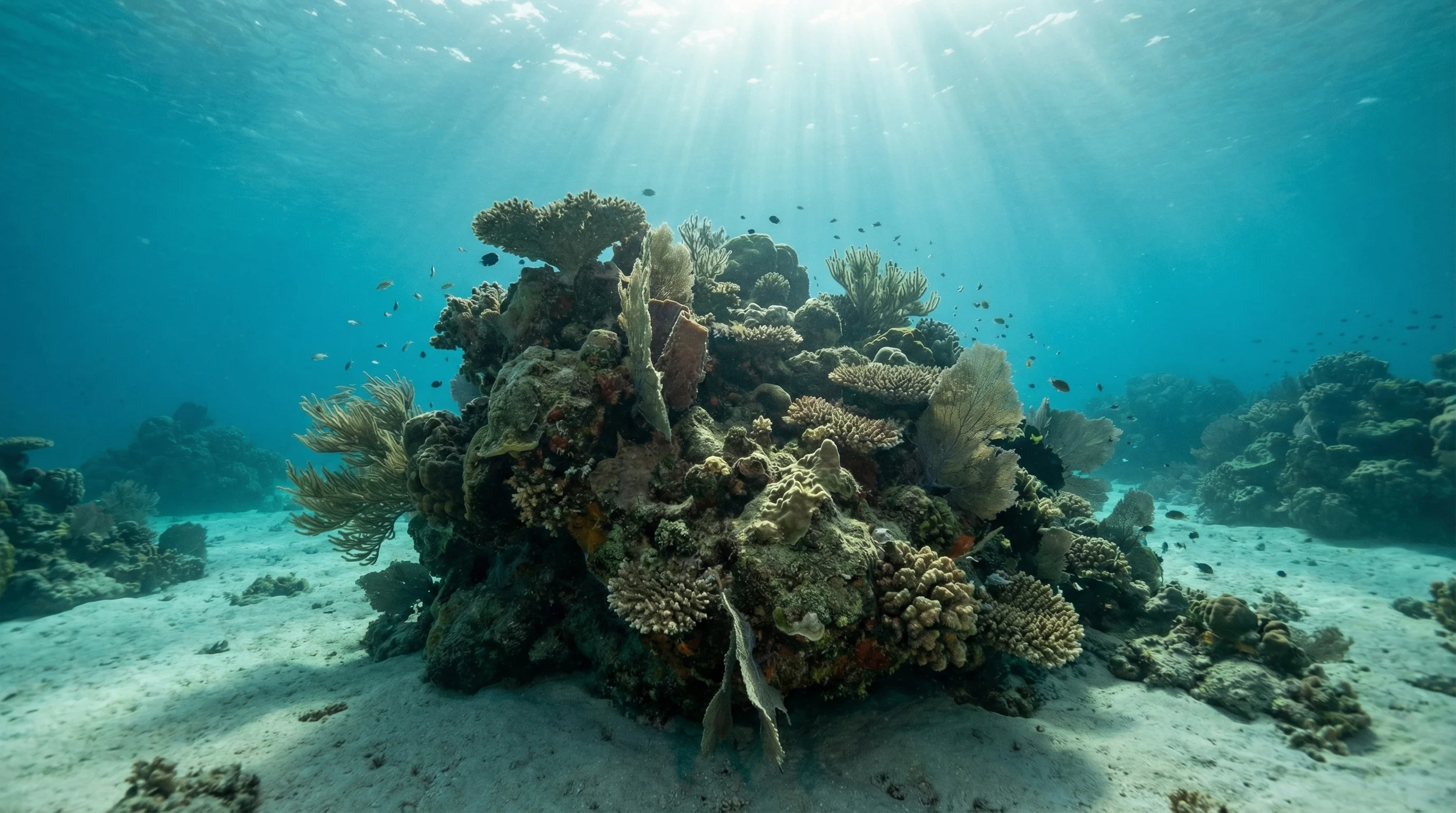
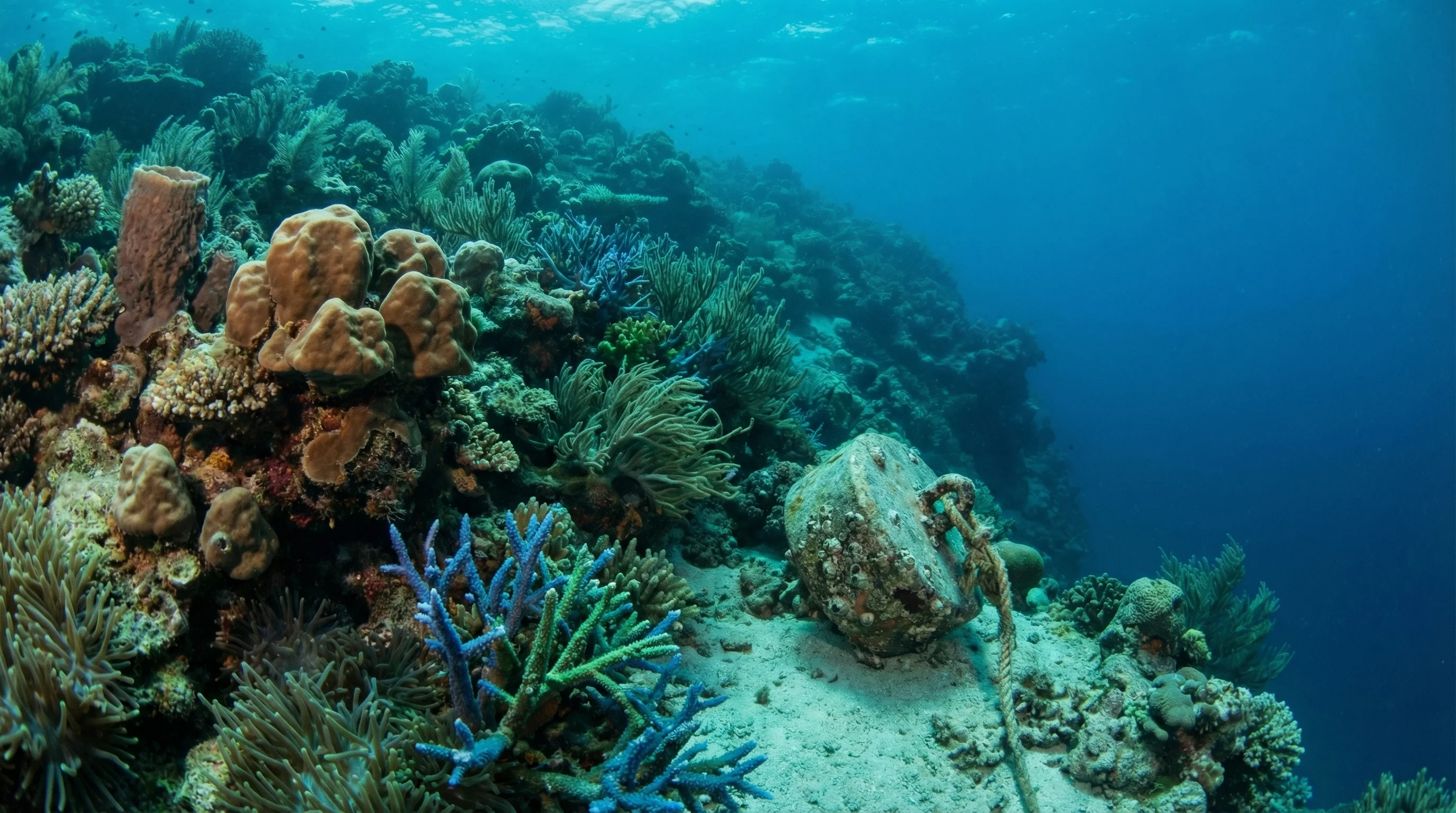
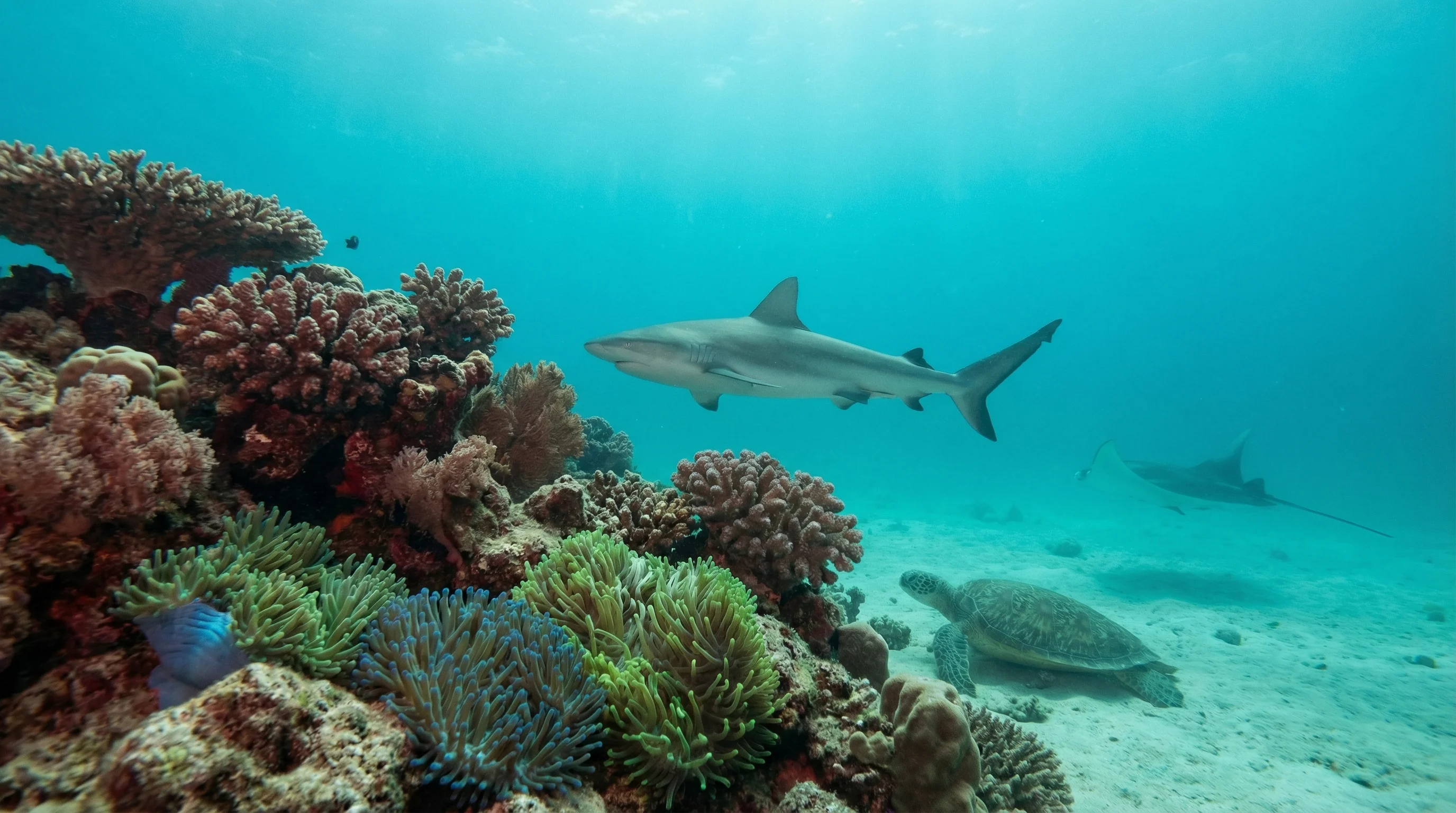
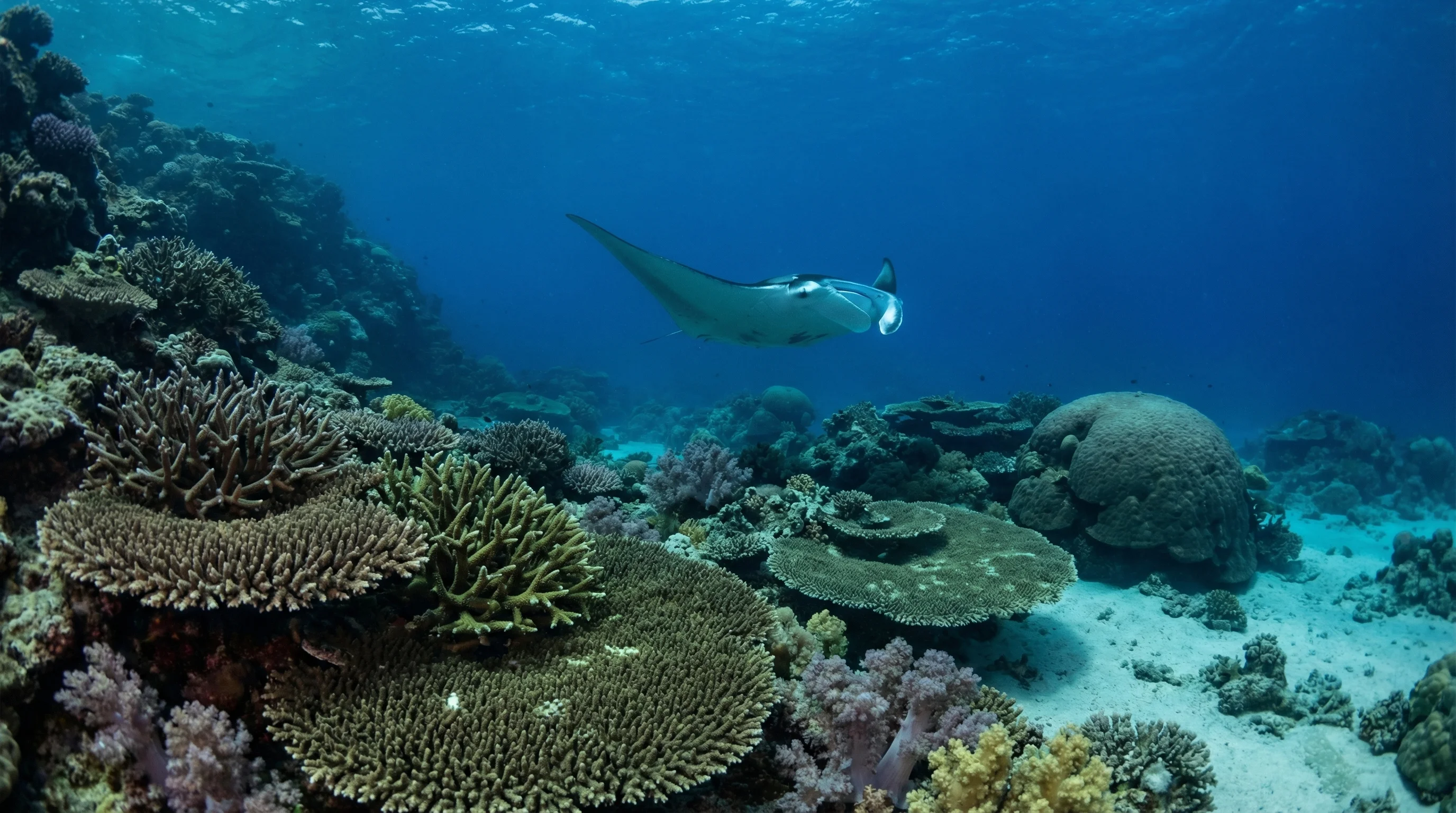
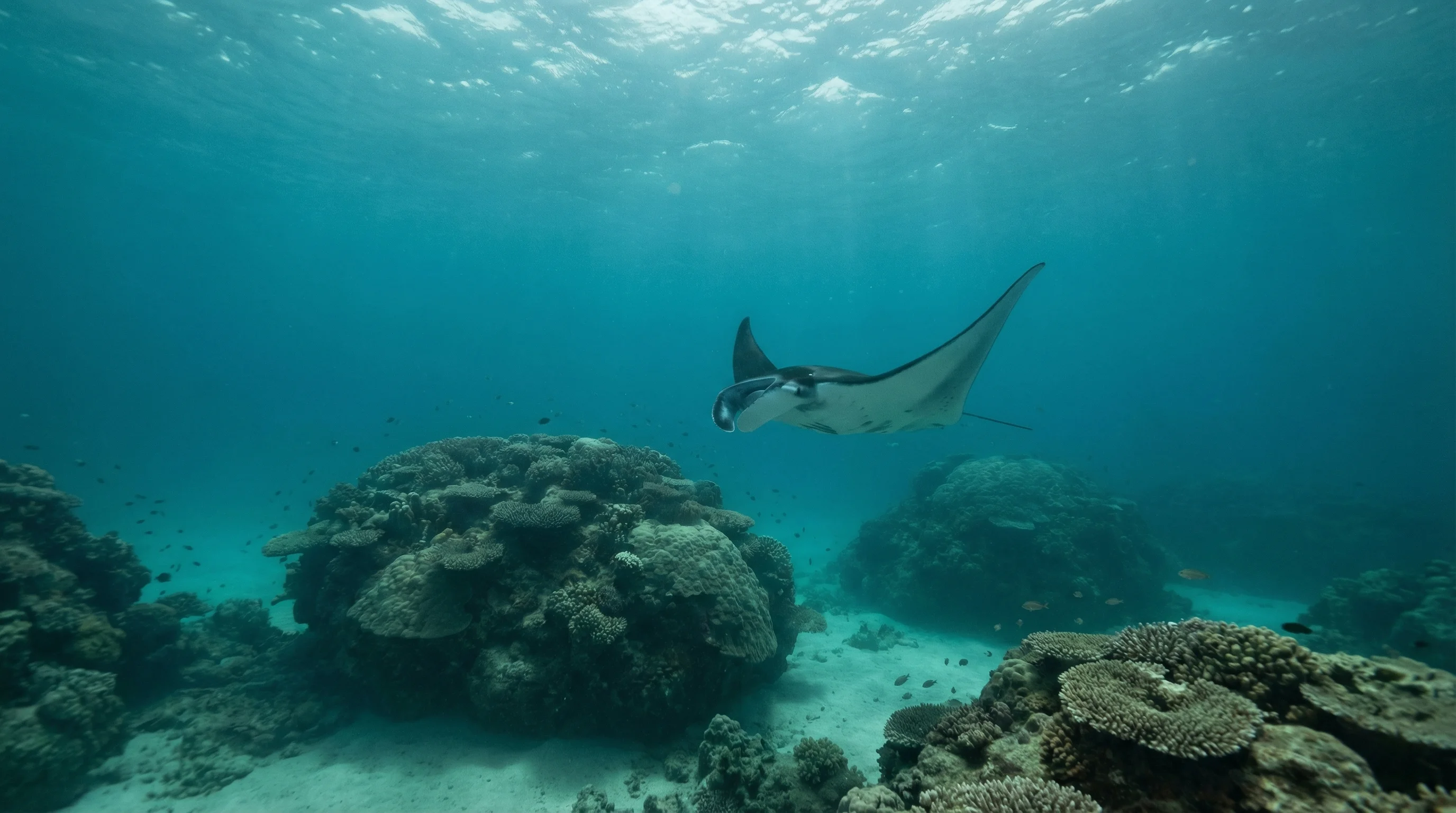
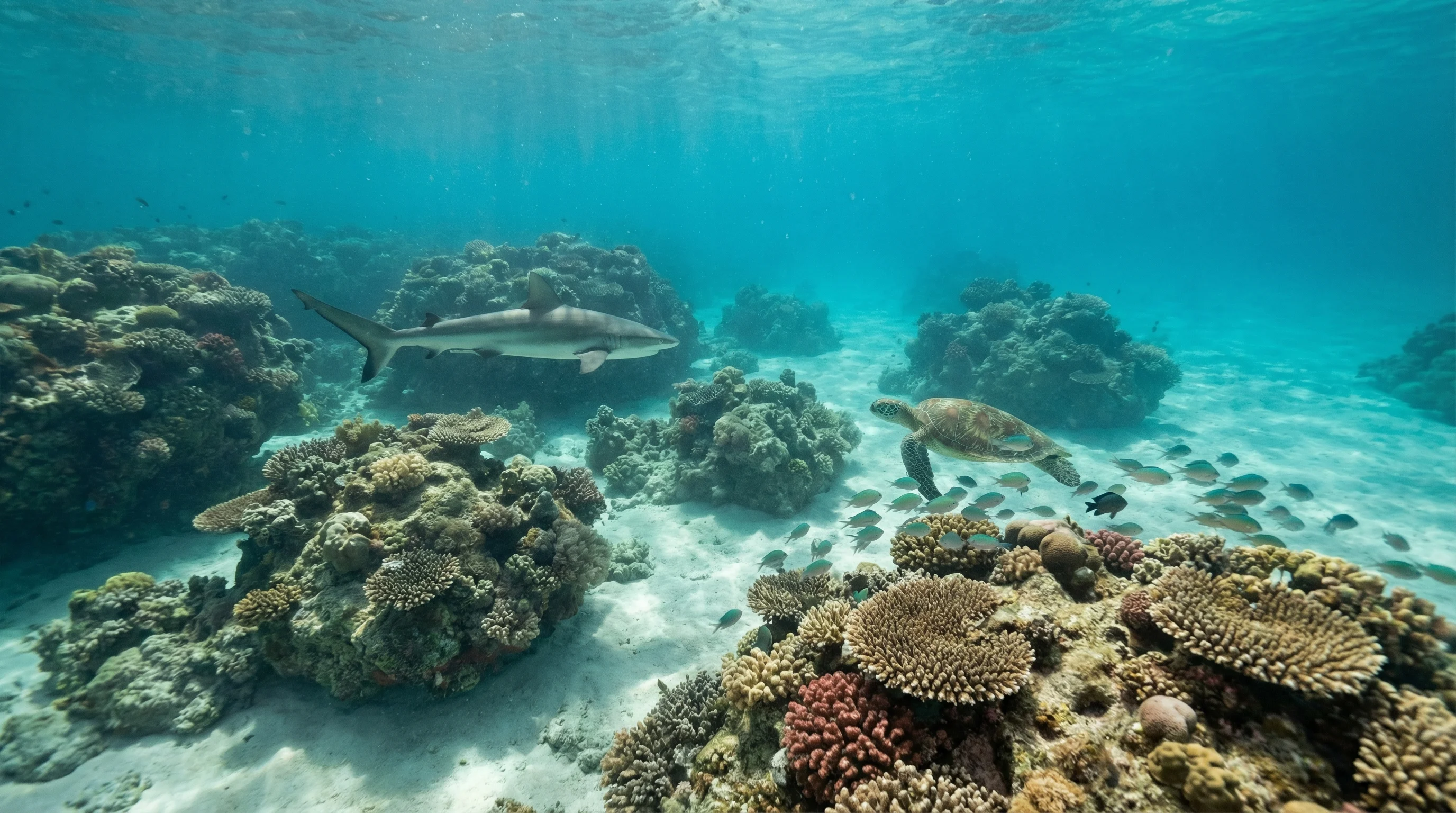
Southern Reef spans a chain of island groups and coastal areas across Queensland, from Keppel Islands in the north through Heron Island and Lady Musgrave Island to Lady Elliot Island in the south. Reef and wall topography dominate, with drift dives, bommies, and a handful of shallow artificial reef and wreck sites rounding out the mix. Three species of sea turtle are observed across the region, alongside Epaulette Shark, Whitetip Reef Shark, Bluespotted Fantail Ray, and occasional Reef Manta Ray. Most sites suit beginners, and the cooler months draw the strongest diver preference.
8 areas
Monthly water temperature across Southern Reef's sites, from satellite sea-surface data corrected for depth. The band shows the site-to-site spread.
Water temperature peaks through the warmest months of January to March before cooling noticeably by mid-year, with the coolest conditions running from July through September. Diver preference, however, runs counter to the temperature curve: the cooler months from May through October attract the most activity, likely reflecting better visibility and calmer sea conditions. Drift and wall dives at sites such as Jeff's Edge and Coral Garden add variety, though most of the region's sites suit beginners on boat access.
23 operators

52 more sites to explore
A compact reef destination with multiple shark species, three sea turtle species and gentle sites that suit beginners straight from the shore.
Water temperature around Southern Reef ranges from about 22°C in July to 28°C in February, based on satellite sea-temperature data for its dive sites.
In the warm season (about 28°C) a rash guard or 3mm shorty is comfortable in Southern Reef; in the coldest months (about 22°C) step up to a 3mm full suit.
Fin maps 64 sites in Southern Reef (57 scuba diving sites and 29 snorkelling spots, with some suited to both), organised into 8 areas.
Across Southern Reef's dive sites, May, June, July, August, September and October are most often reported as the best months to visit.
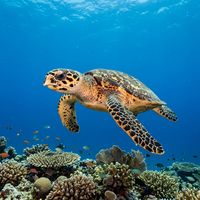
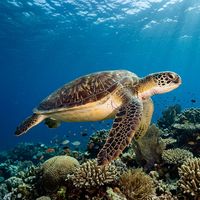
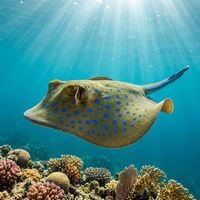
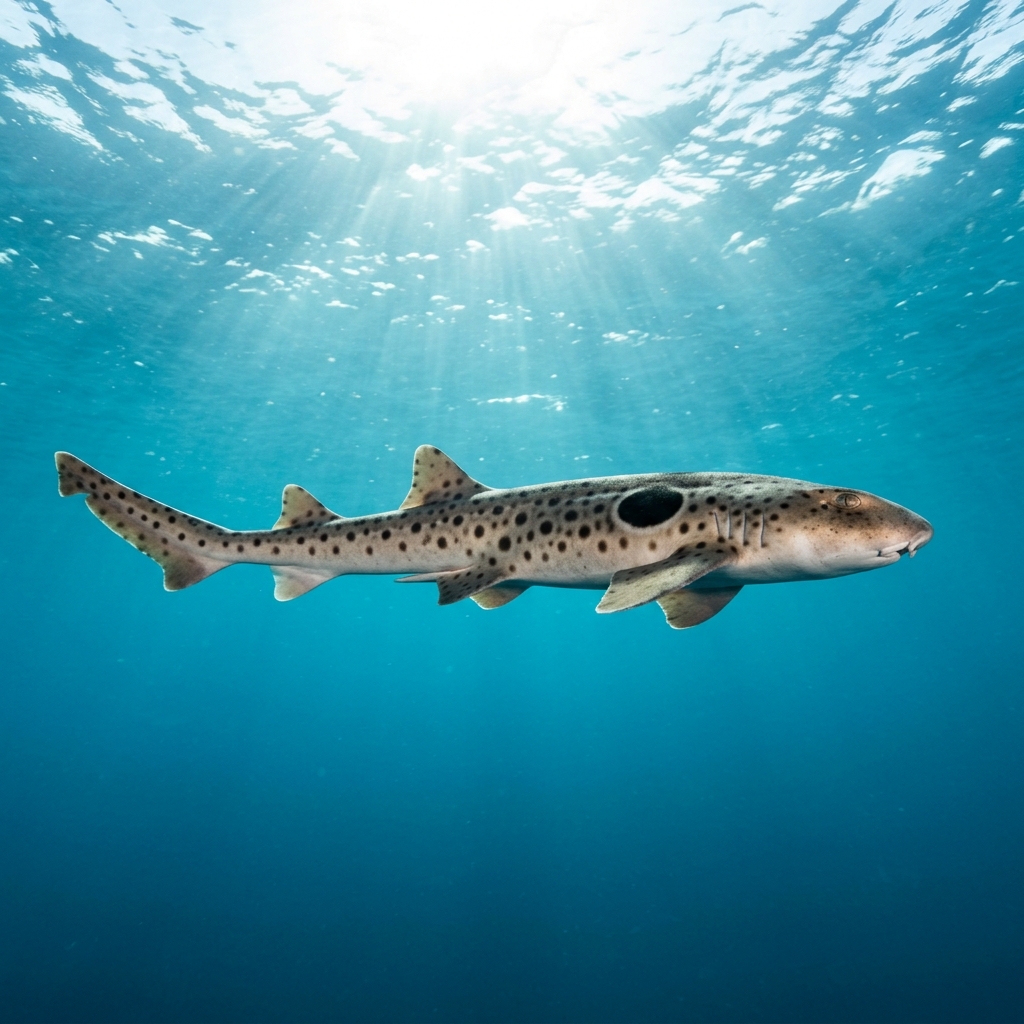
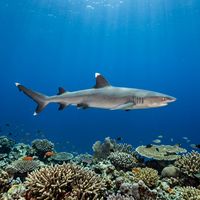
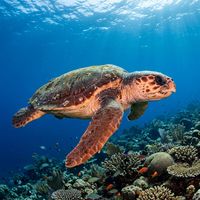
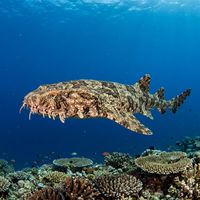
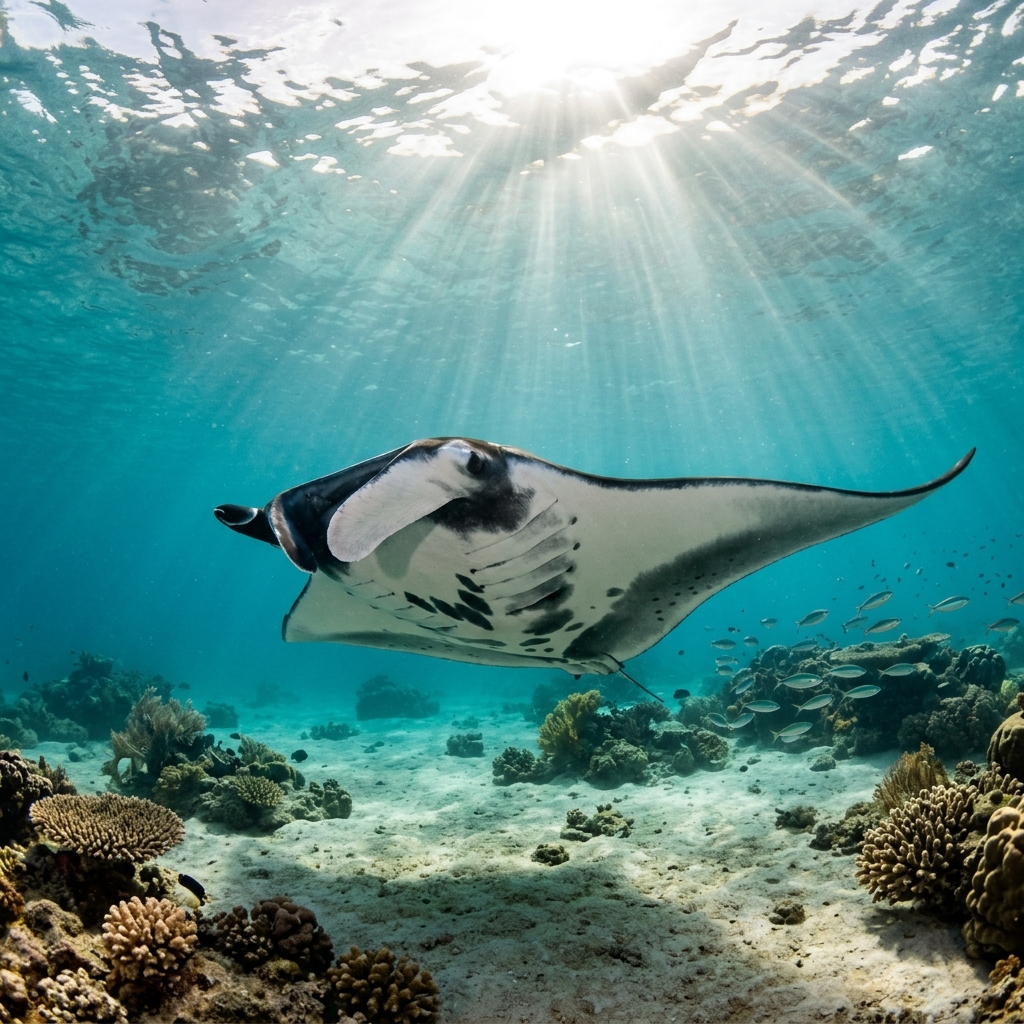
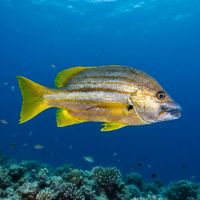
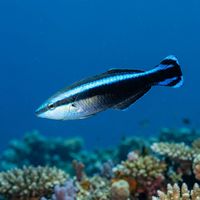
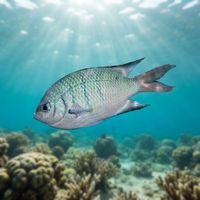
Three species of sea turtle are commonly observed across the region: Hawksbill Sea Turtle, Green Sea Turtle, and the occasional Loggerhead Sea Turtle. Shark encounters are a regular feature, with Epaulette Shark and Whitetip Reef Shark seen frequently, and Blacktip Reef Shark also observed at a number of sites. Rays are well represented too, from the Bluespotted Fantail Ray to the occasional Spotted Eagle Ray and Reef Manta Ray. Reef fish including Wrasses, Rock Cod, Moorish Idol, and Yellow Boxfish are common throughout.
The majority of sites in Southern Reef are rated for beginner divers, and the region has a broad range of shallow reef and bommie dives accessible by boat. Sites such as Forty Five at Lady Elliot Island, Boomies at Heron Island, and Butterfish Bay at Great Keppel Island all offer gentle entry points for those newer to diving. A handful of intermediate sites, including Jeff's Edge and Bald Rock, provide progression for divers building their skills. Operators including Dive Coaching Australia, Turtle Town Scuba, and Bundaberg Aqua Scuba are active in the region.
Heron Island and Lady Musgrave Island each hold the largest collections of sites and offer a strong mix of reef, wall, and drift diving. Lady Elliot Island is a smaller cluster with notably shallow sites well suited to snorkellers and beginners. Keppel Islands, including Great Keppel Island, add cave diving and more varied topography, along with shore-entry options at Butterfish Bay. Gladstone Harbour, K'gari, Bundaberg Coast, and Fitzroy Reef contribute a smaller number of sites each, broadening the region's geographic spread.
Boat access is the standard entry method across Southern Reef, covering the offshore island sites at Heron Island, Lady Musgrave Island, Lady Elliot Island, and Keppel Islands. Butterfish Bay at Great Keppel Island is one of the few sites offering both shore and boat entry, making it particularly flexible. The shallow Observatory site is also boat-accessed but sits at very shallow depth, suiting beginners and snorkellers arriving by vessel. Shore entry is limited, so most visitors will need to arrange trips through one of the region's operating dive businesses.