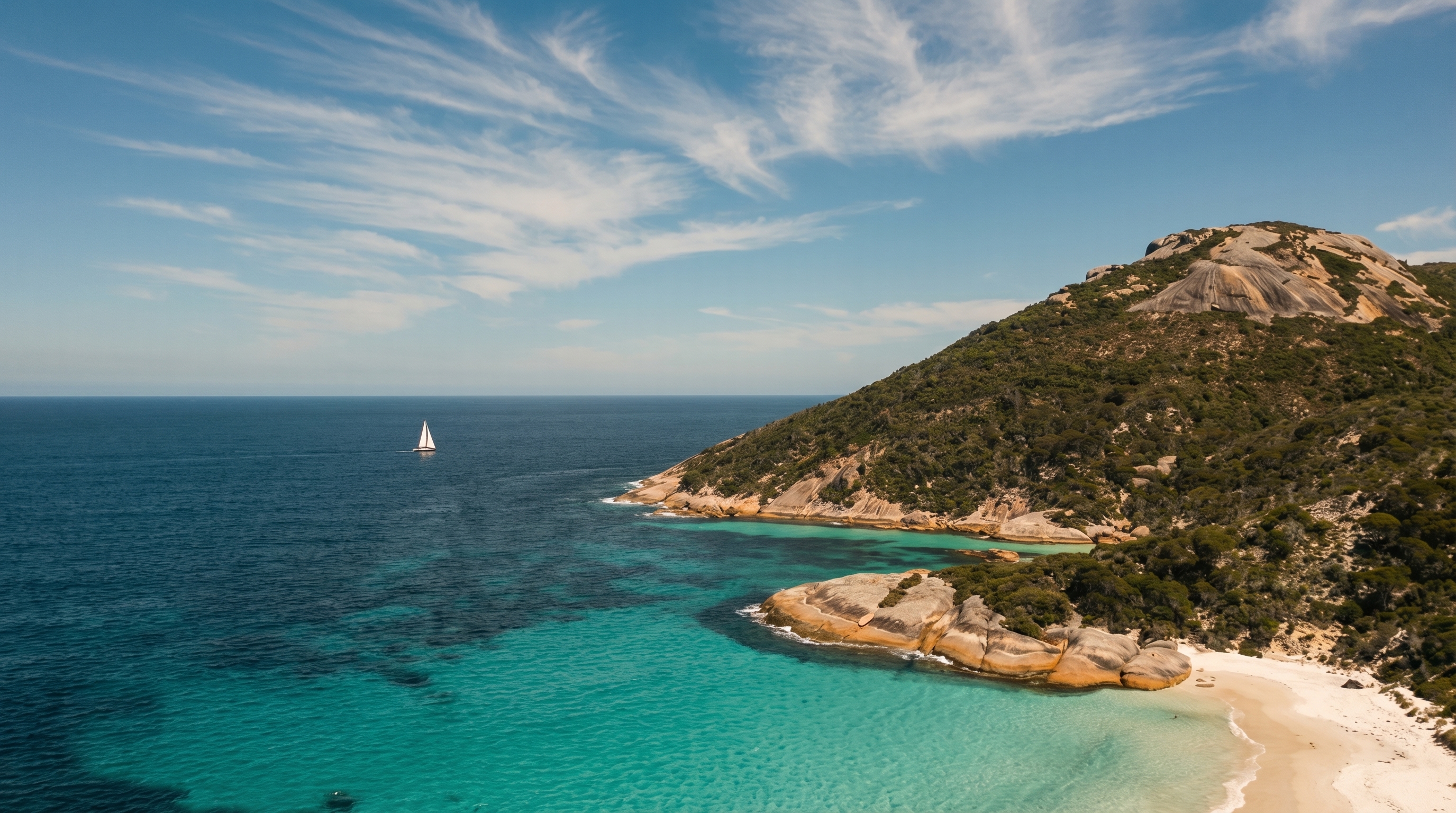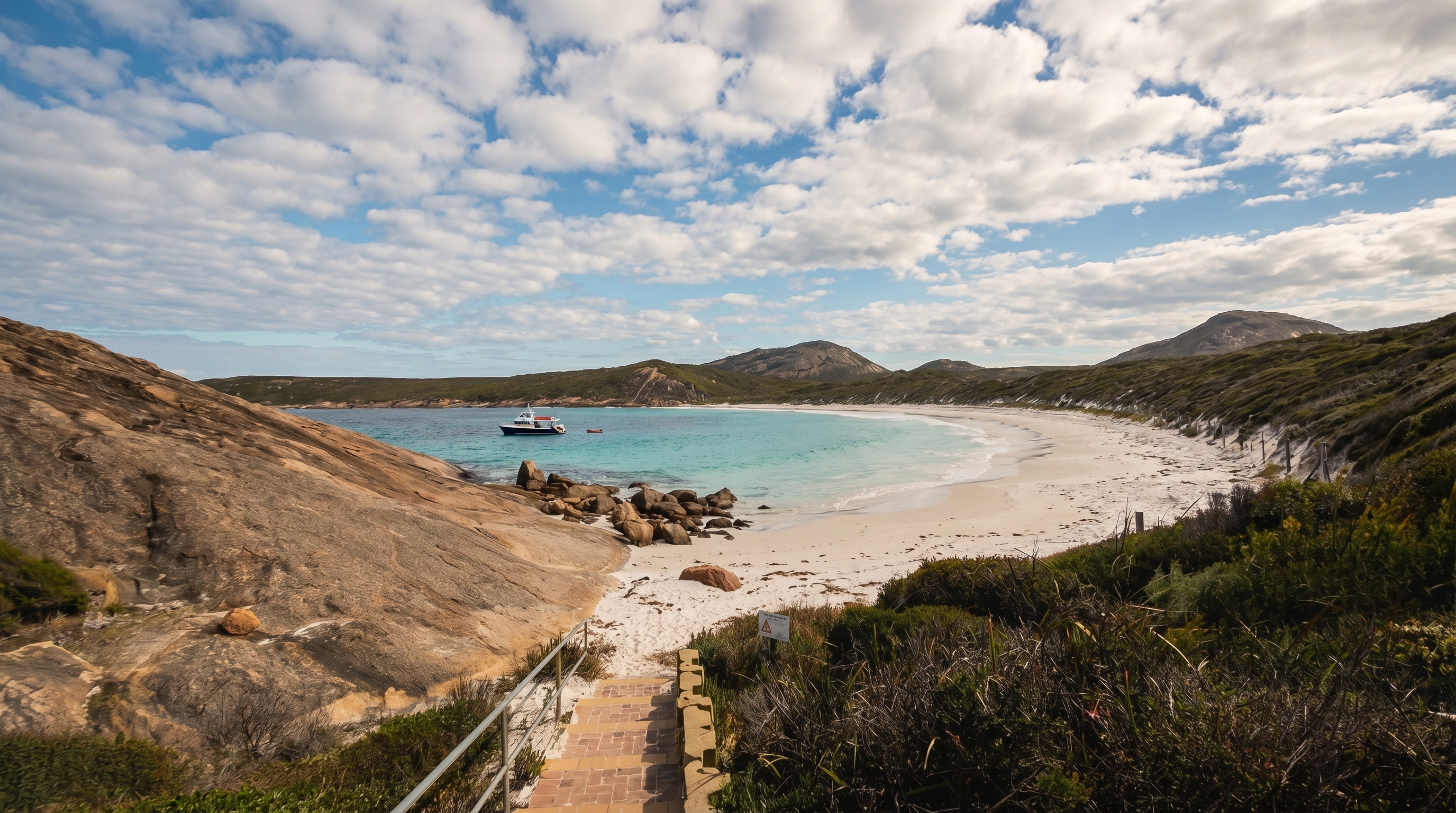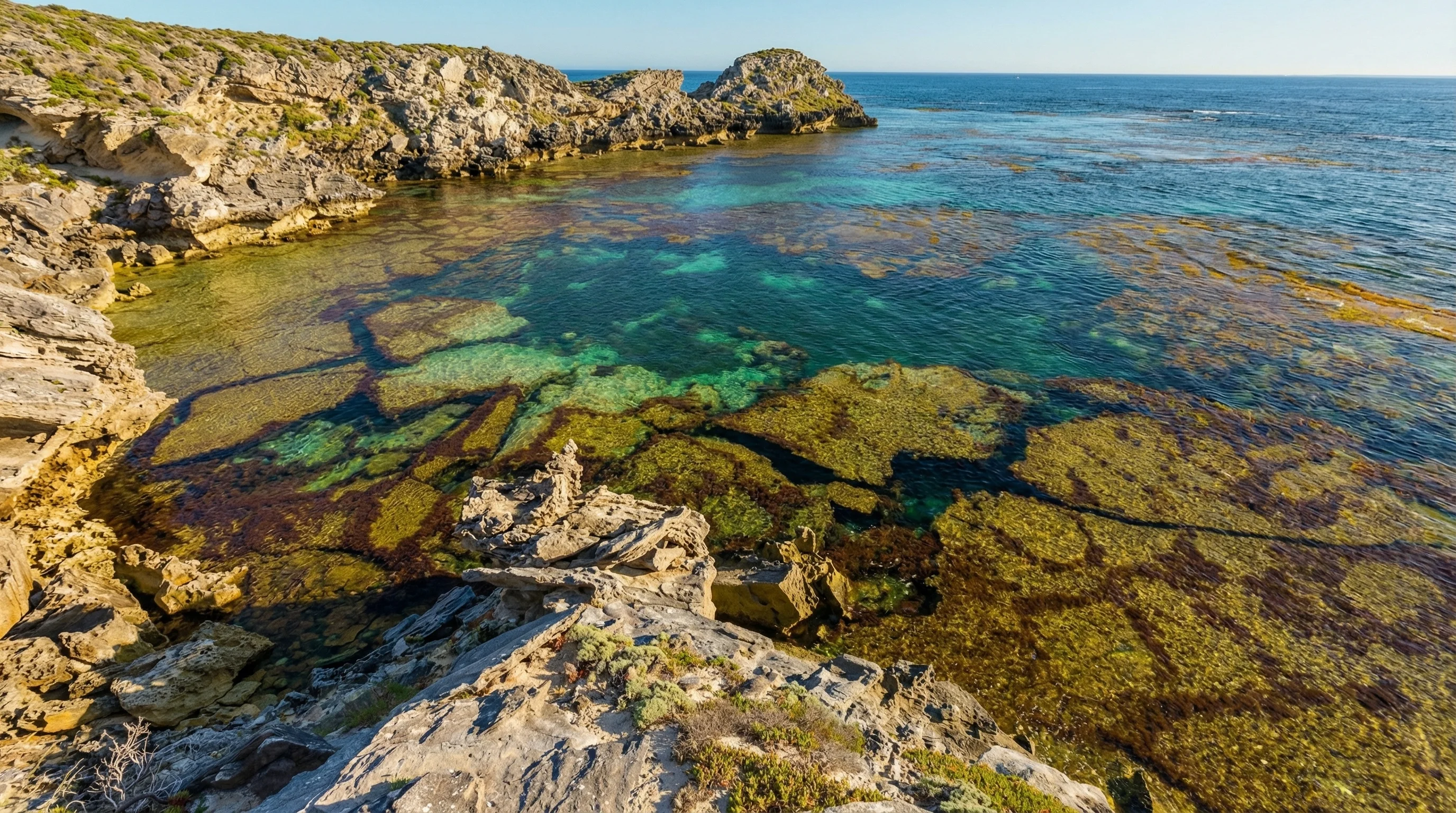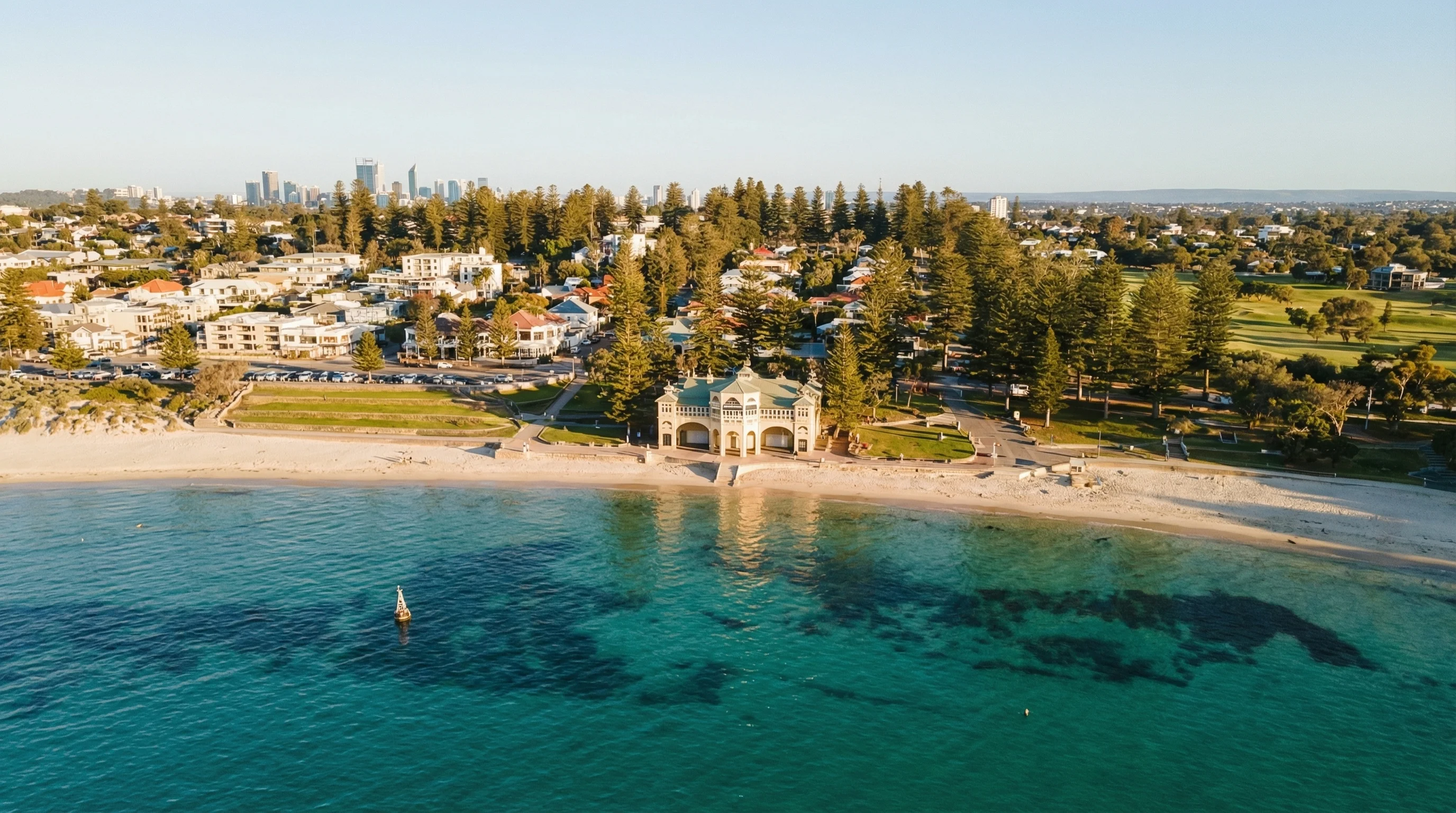
Perth's dive and snorkel scene spans four distinct sub-areas: Cottesloe, Rottnest Island, Rockingham and Jurien Bay. Shore-entry reefs and shallow artificial structures dominate closer to the city, while Rottnest Island's cave and reef systems and Jurien Bay's deeper boat dives reward those who venture further. The signature species list is unusually characterful, with Weedy Seadragon, Pygmy Pipehorse, Giant Cuttlefish and two wobbegong species all observed across the region. Most sites suit beginners, and conditions are warmest from late summer into autumn.
4 areas
Monthly water temperature across Perth's sites, from satellite sea-surface data corrected for depth. The band shows the site-to-site spread.
Water temperature peaks through late summer and autumn, making March to May among the most popular months according to the best-months data. A cooler period runs through winter, with temperatures at their lowest in late winter and early spring. Visibility is variable across the region, and exposed sites can carry swell, so calm days reward boat trips to Rottnest Island and Jurien Bay.
28 operators

88 more sites to explore
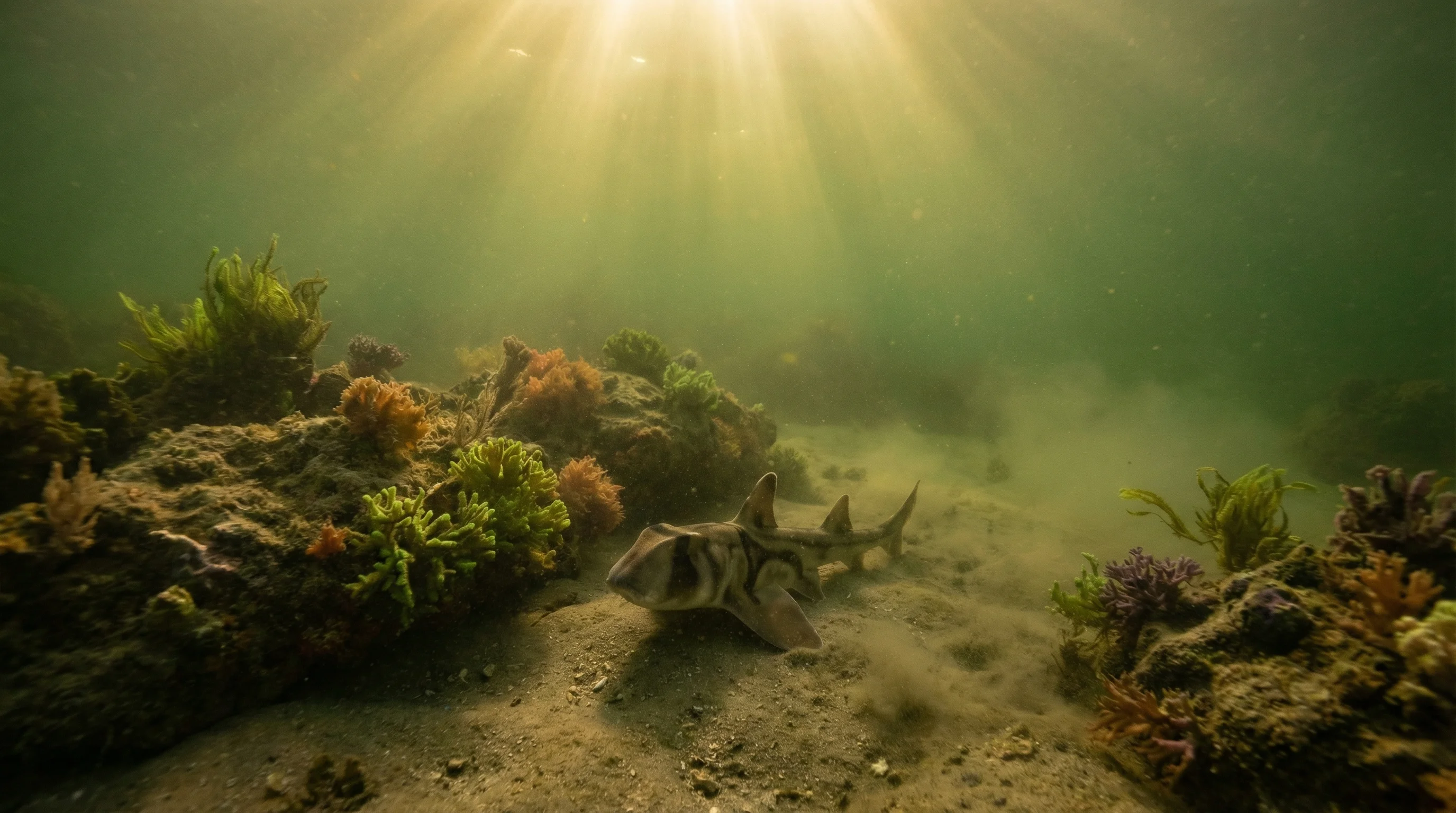
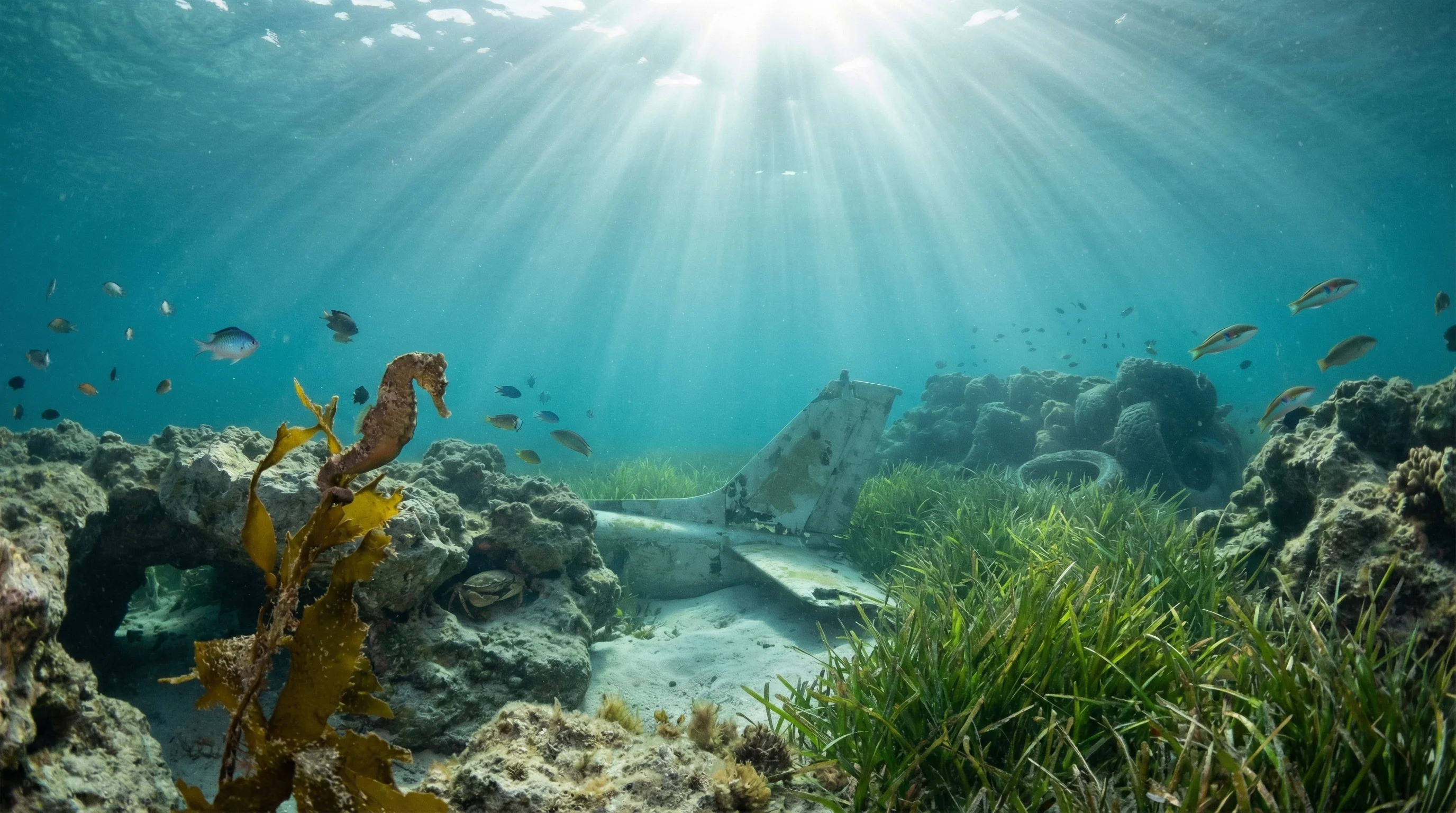
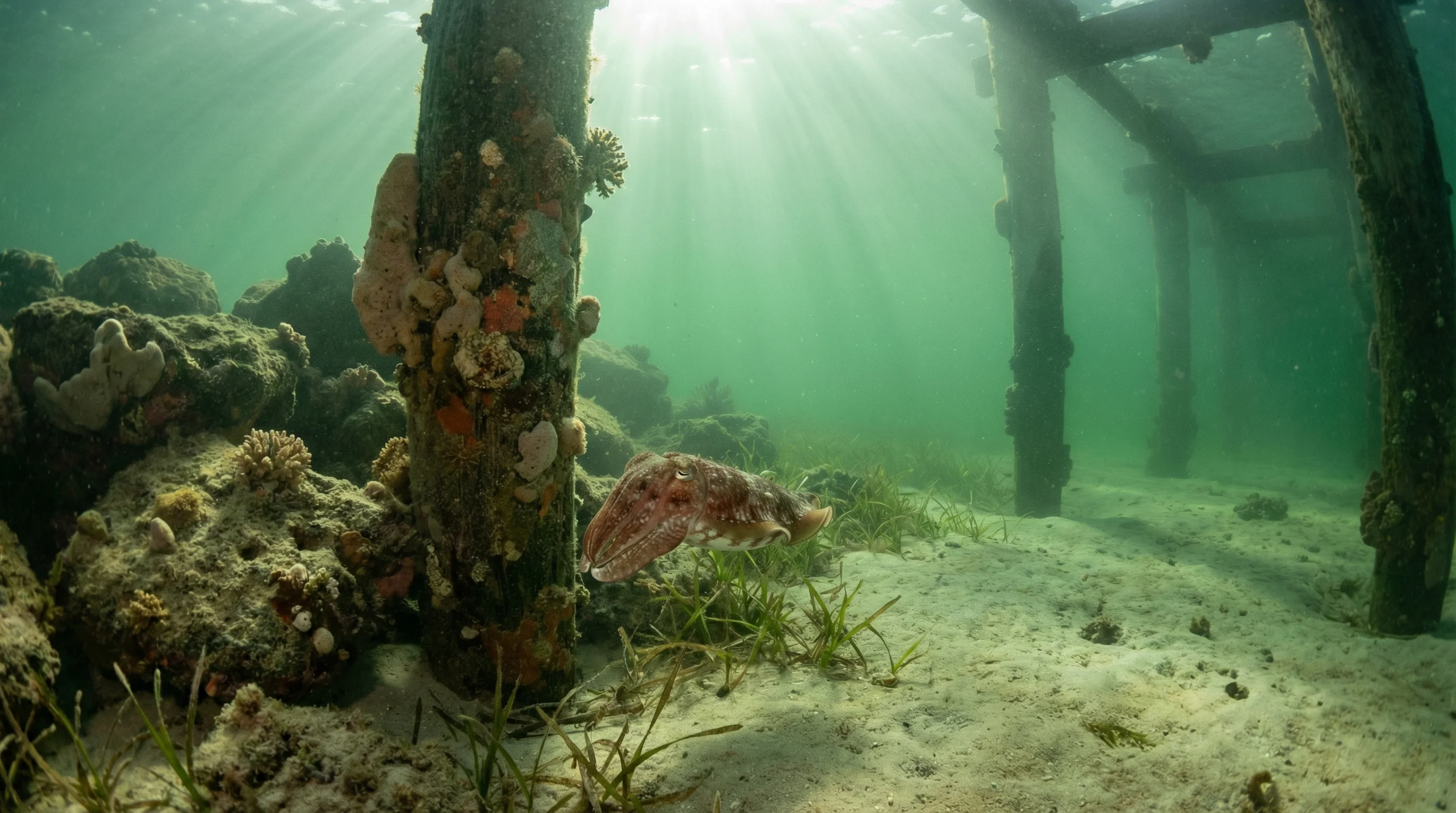
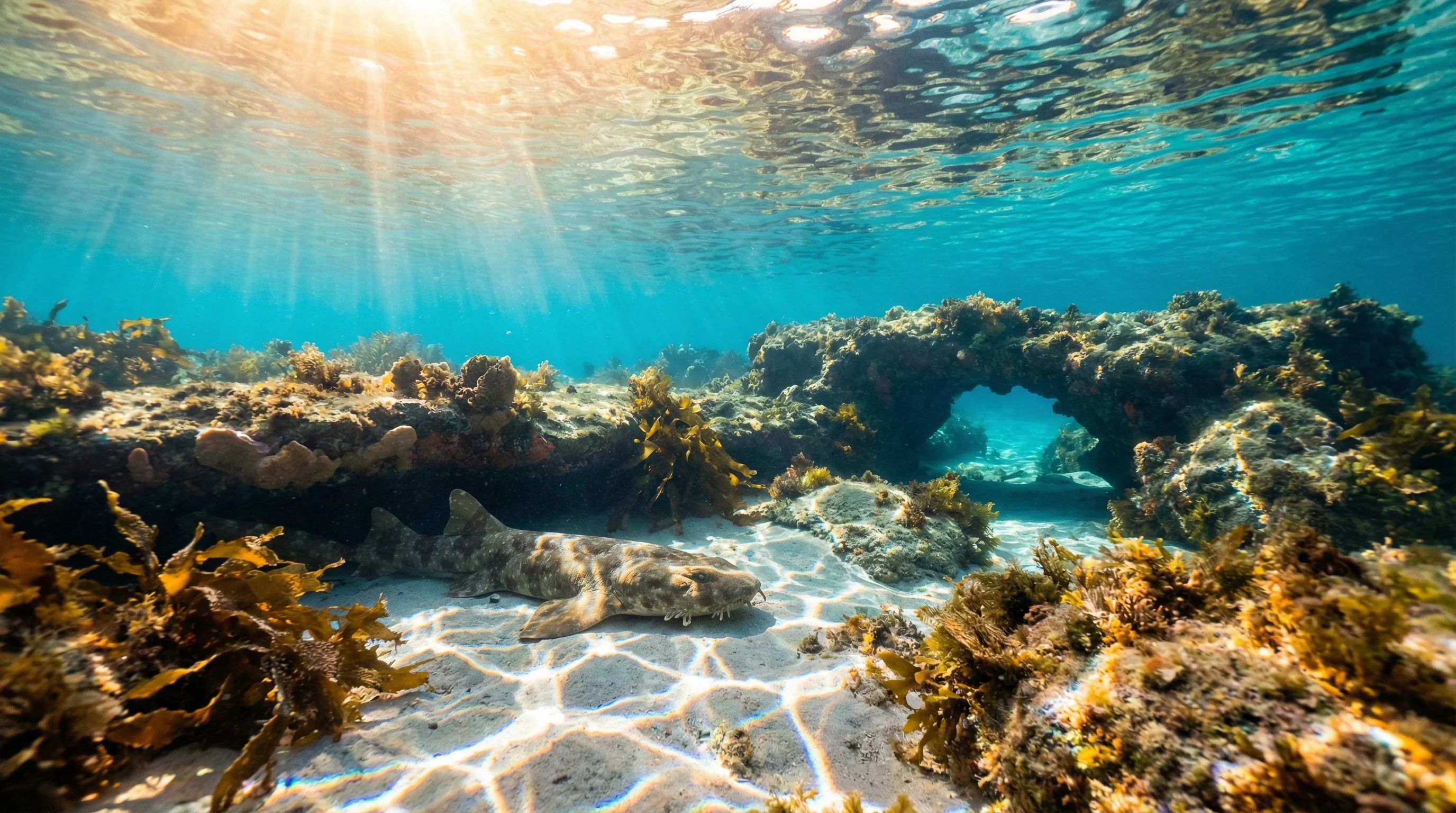
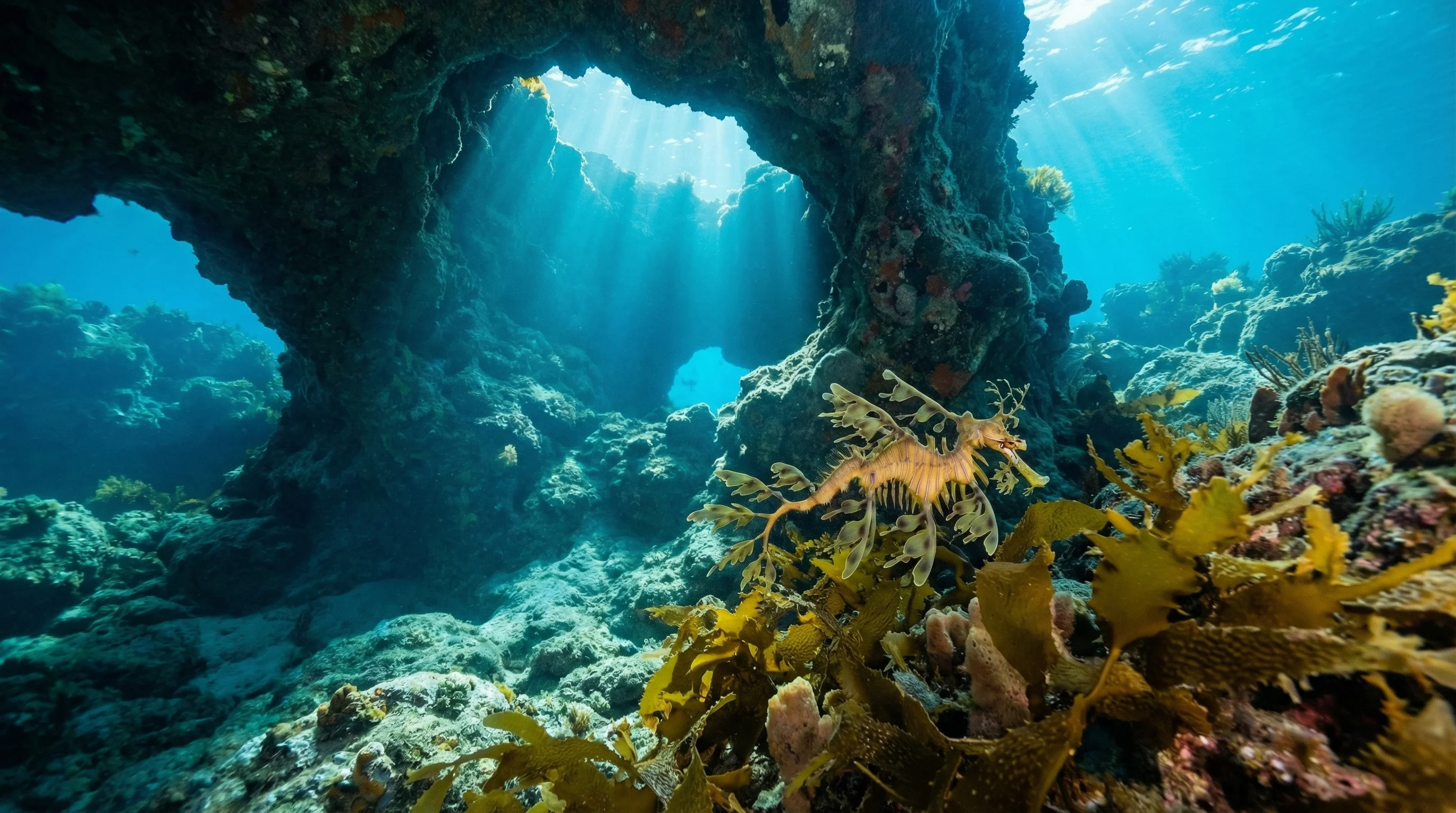
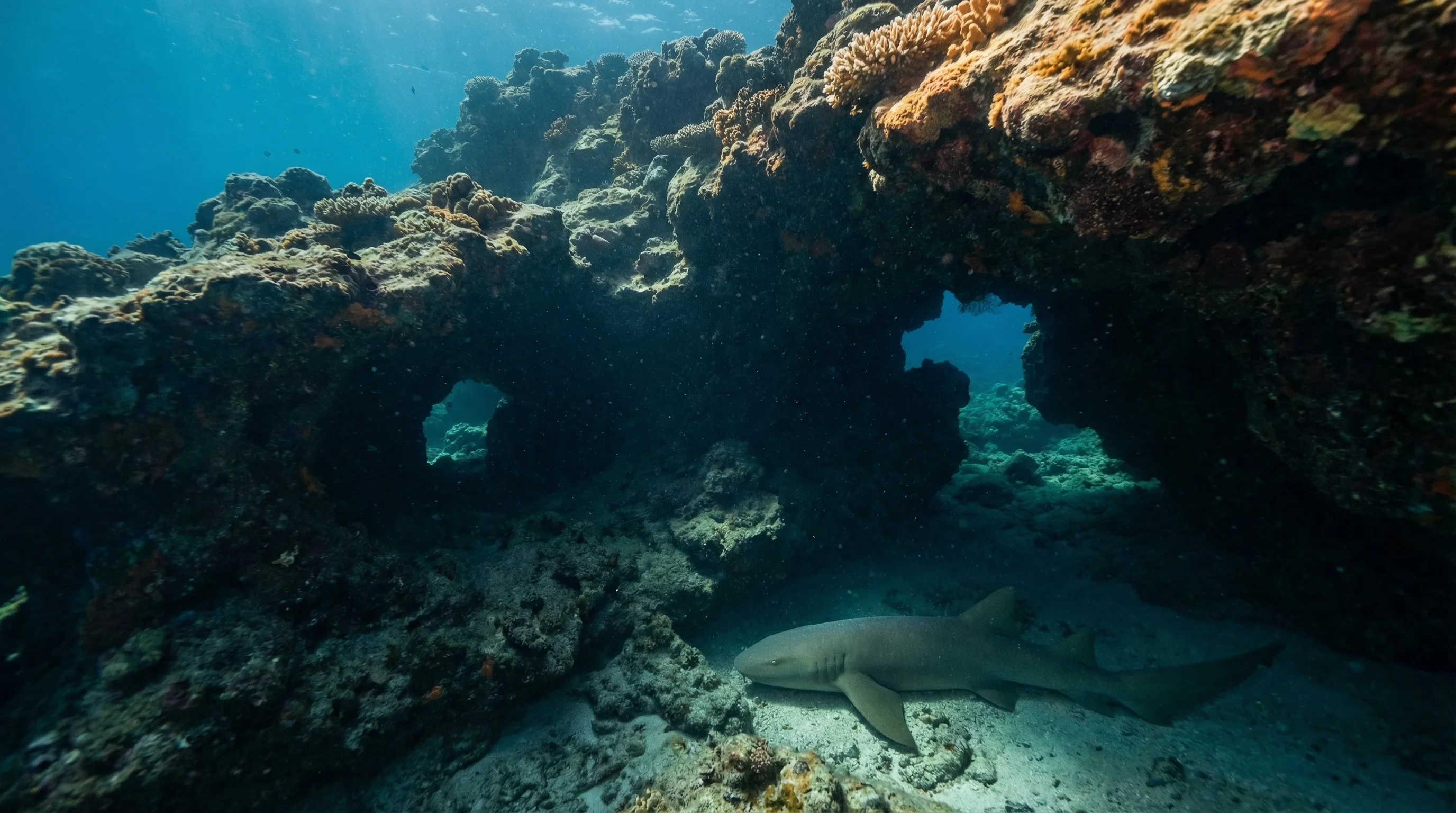
Shore reefs, deep wrecks and a remarkable cast of local species including Weedy Seadragon and Port Jackson Shark.
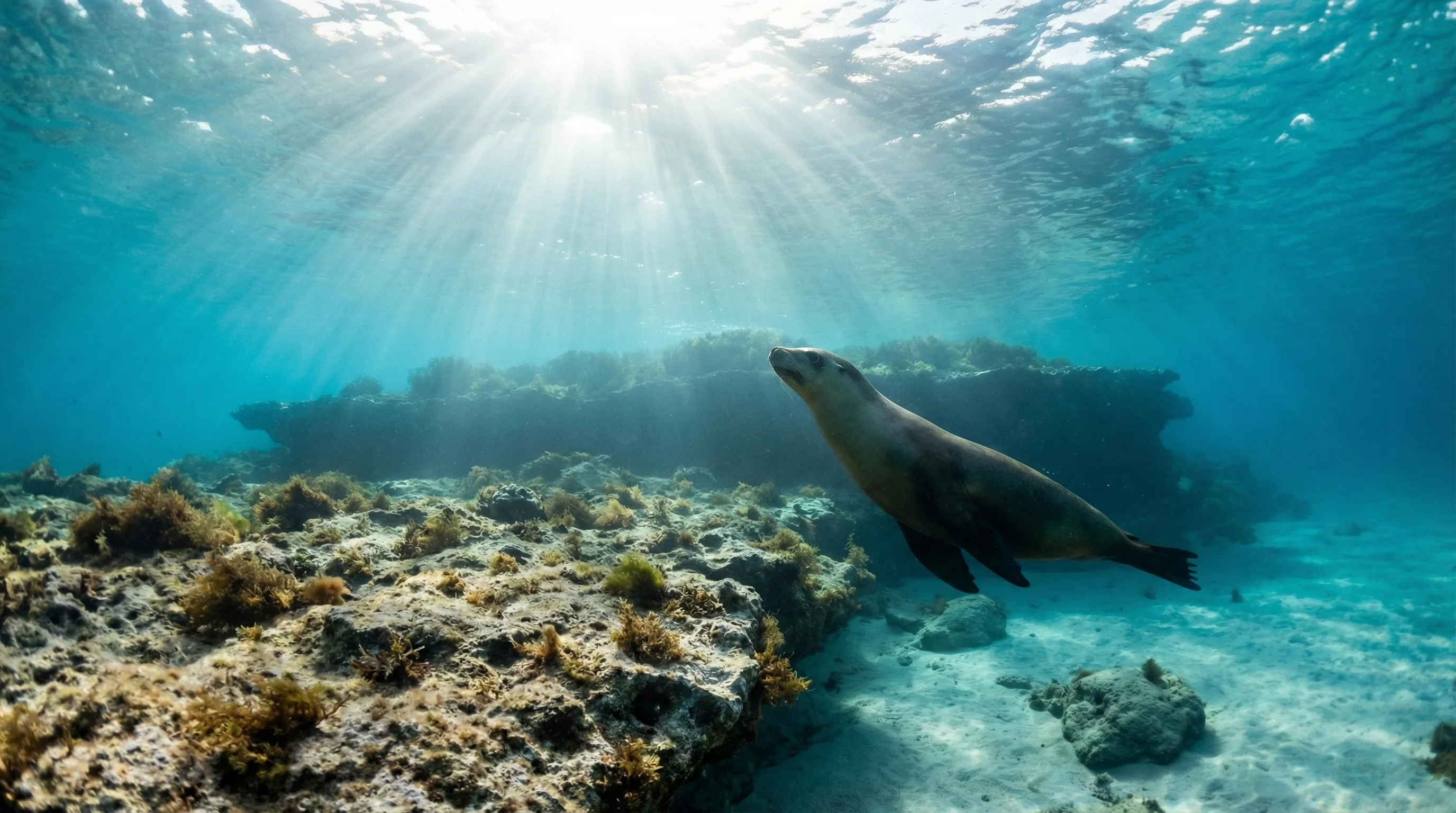
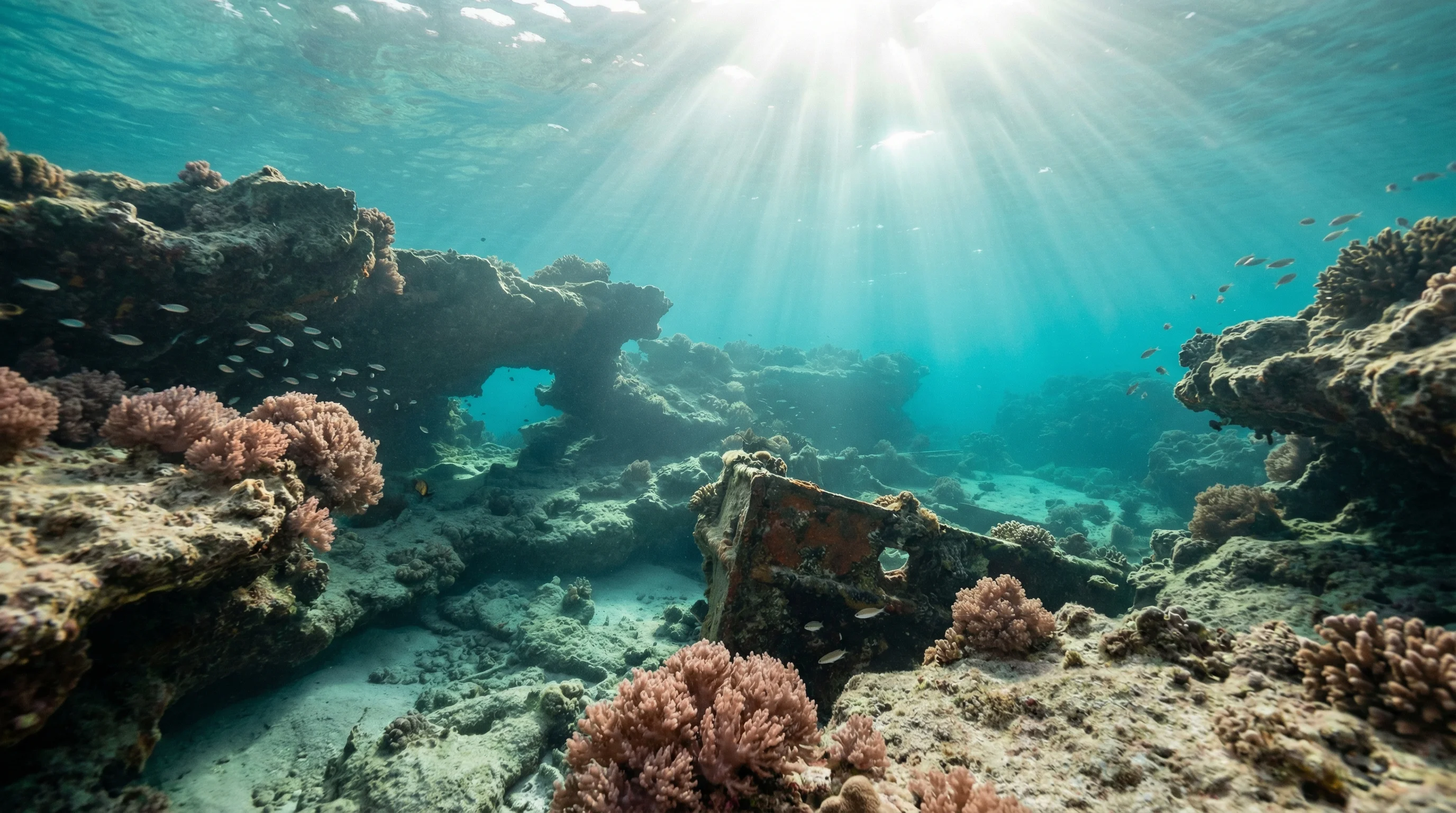
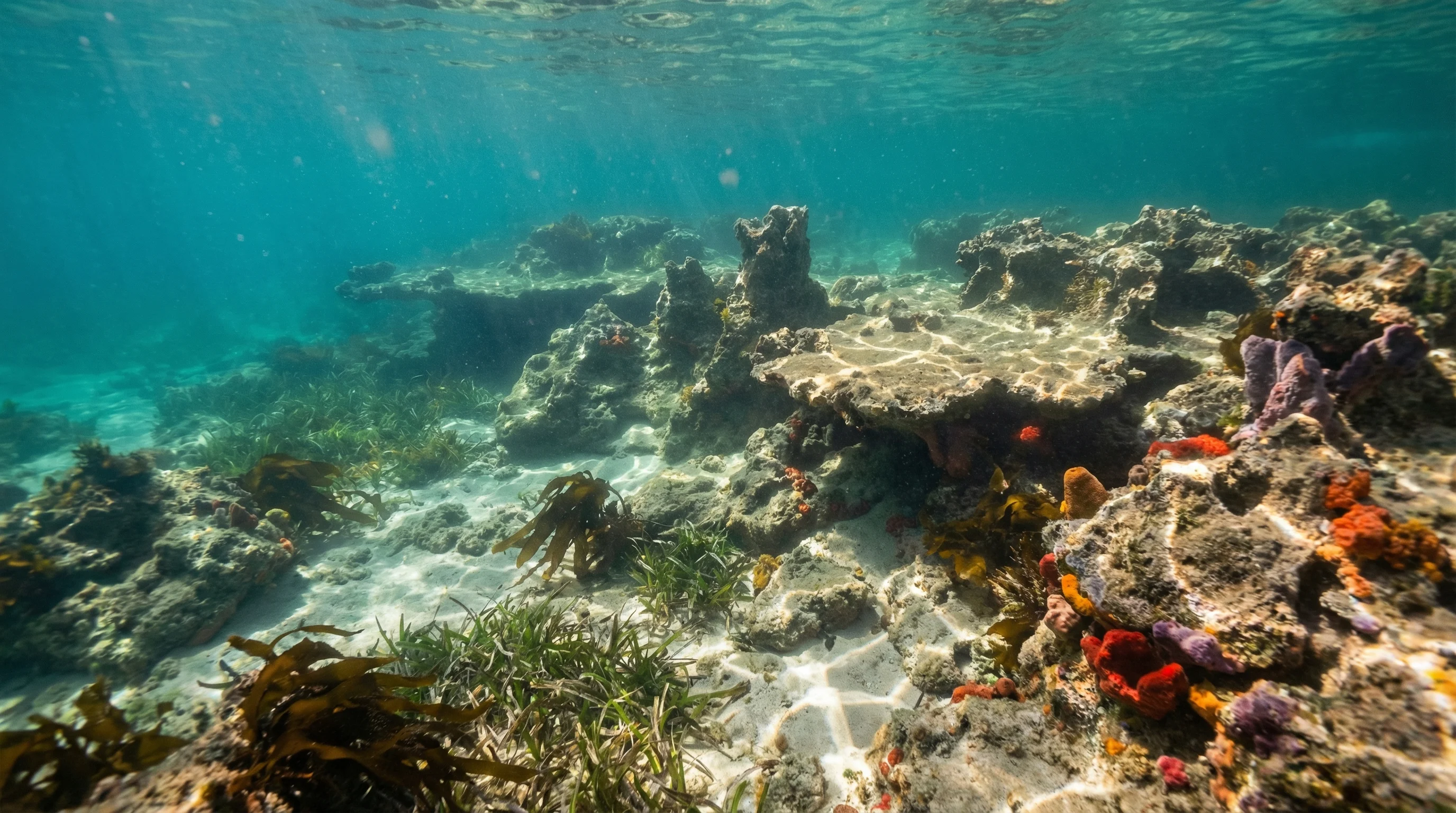
Water temperature around Perth ranges from about 19°C in August to 23°C in March, based on satellite sea-temperature data for its dive sites.
In the warm season (about 23°C) a 3mm full suit is comfortable in Perth; in the coldest months (about 19°C) step up to a 5mm suit.
Fin maps 100 sites in Perth (93 scuba diving sites and 29 snorkelling spots, with some suited to both), organised into 4 areas.
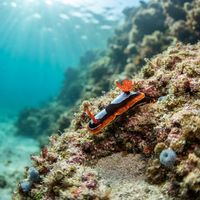
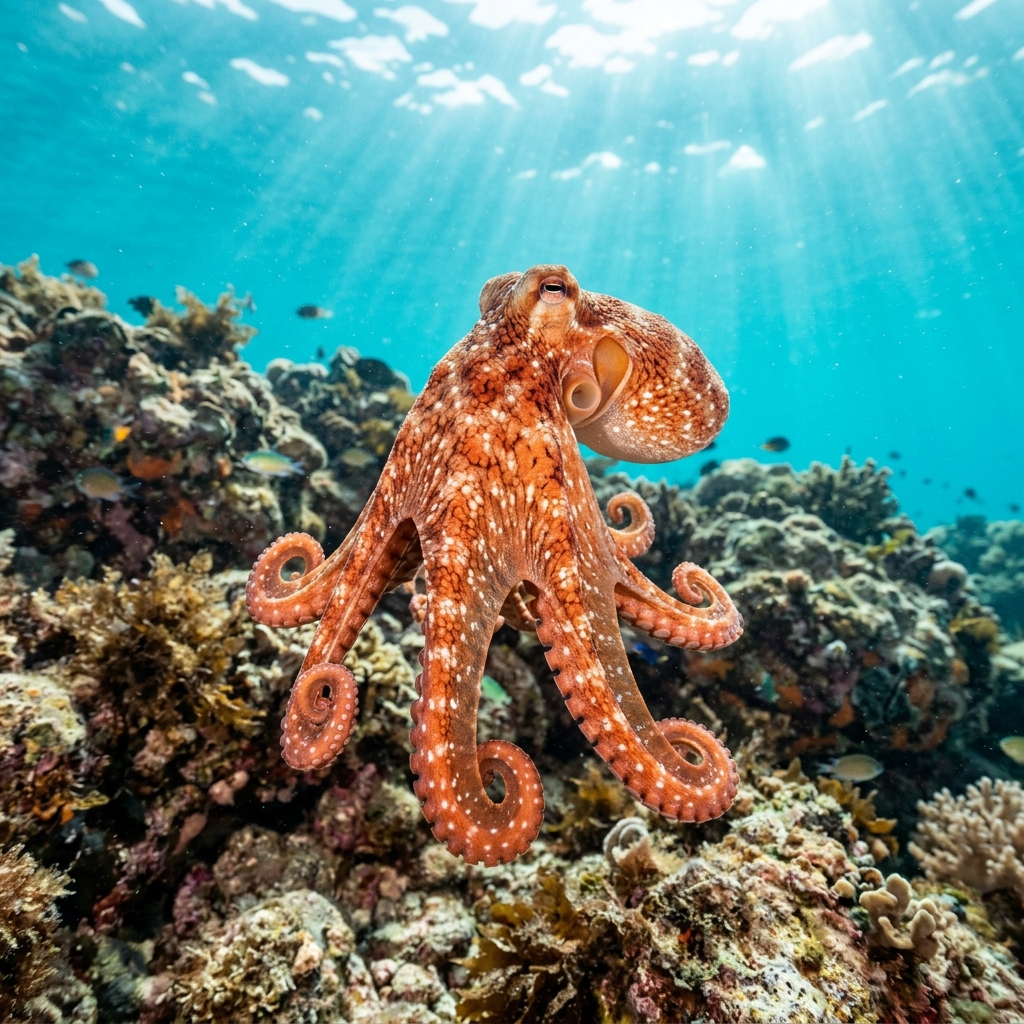
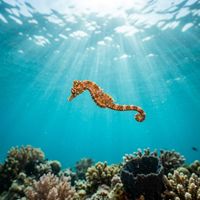
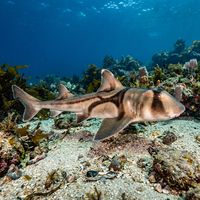
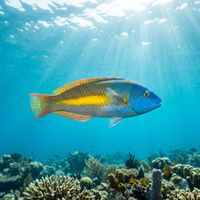
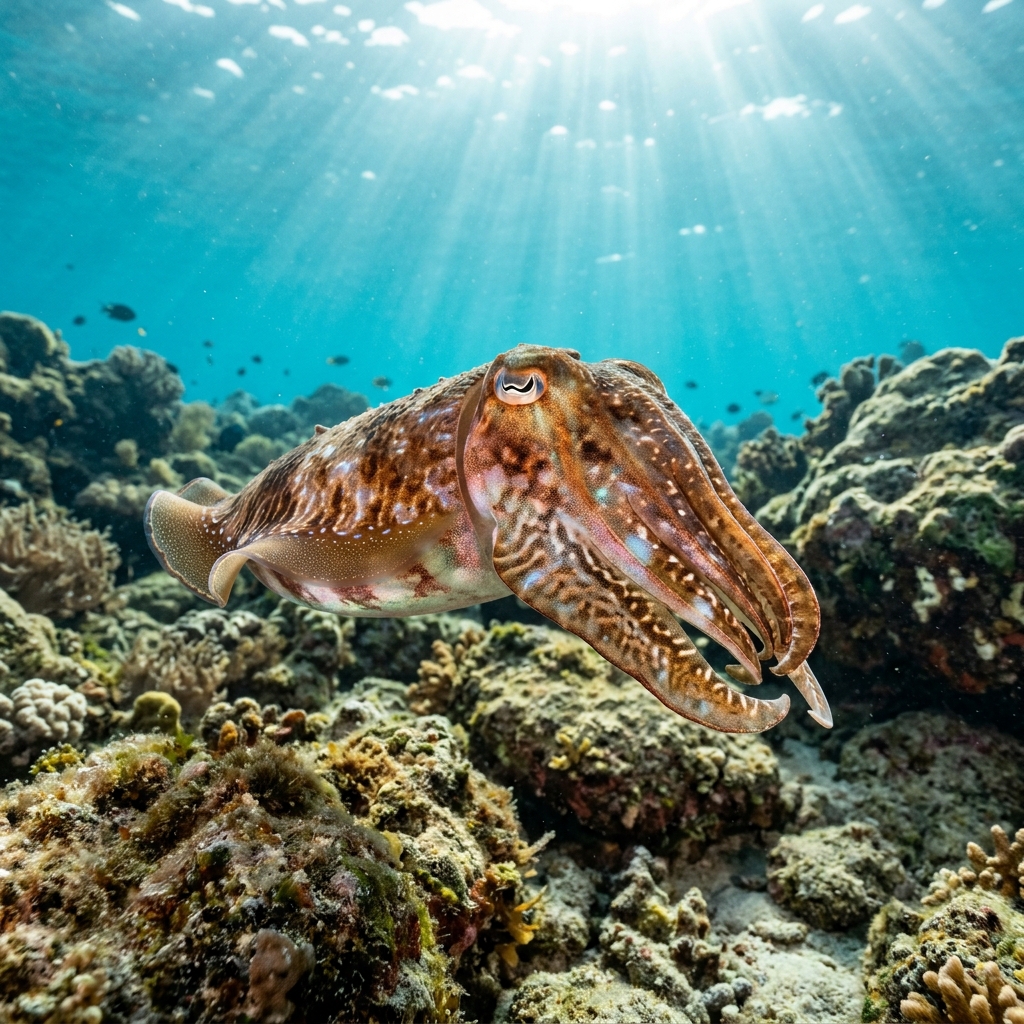
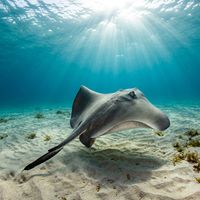
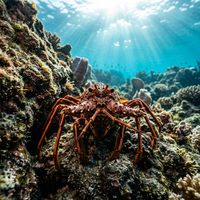
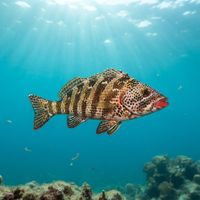
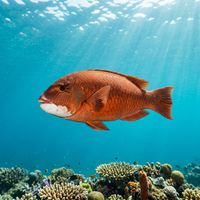
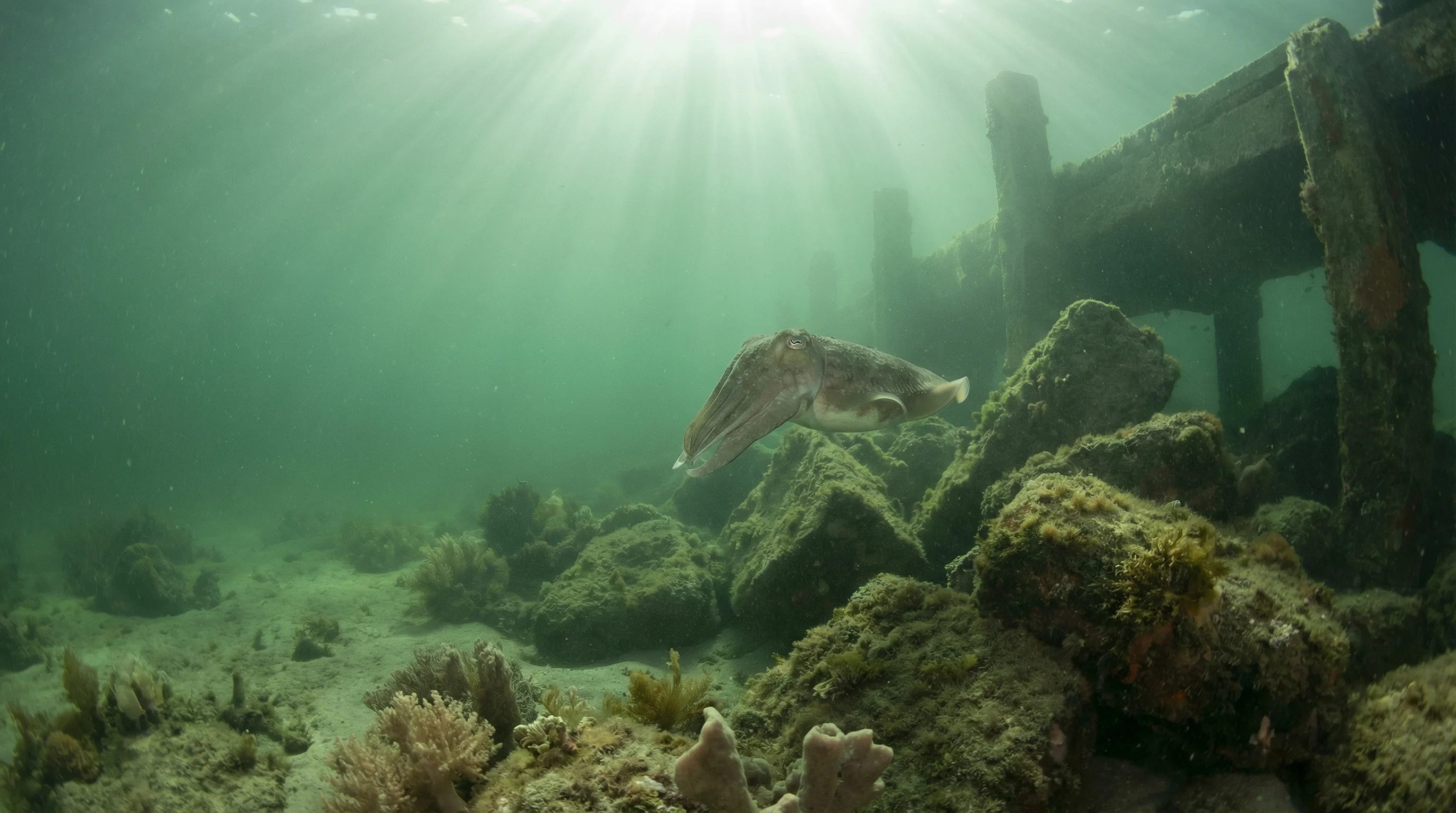
Perth has a notably varied list of observed species. The Chromodoris Nudibranch is very common across the region, and Western King Wrasse and Western Rock Lobster appear frequently. More sought-after encounters include Weedy Seadragon, Pygmy Pipehorse, Giant Cuttlefish, Ornate Wobbegong, Spotted Wobbegong and Seahorse, all of which have been recorded here. Port Jackson Shark, Common Stingray, Smooth Ray and Eagle Ray are also regularly observed.
The majority of Perth's sites are rated beginner level, and many are accessible directly from the shore. Sites like Sue's Groyne, Woodman Point, Rocky Bay and Wells Park Jetty offer shallow, sheltered conditions ideal for those new to diving. A handful of boat-access sites at Rottnest Island and Jurien Bay, such as Jackson Rocks and Fisherman Island, step up to intermediate level for those ready to progress.
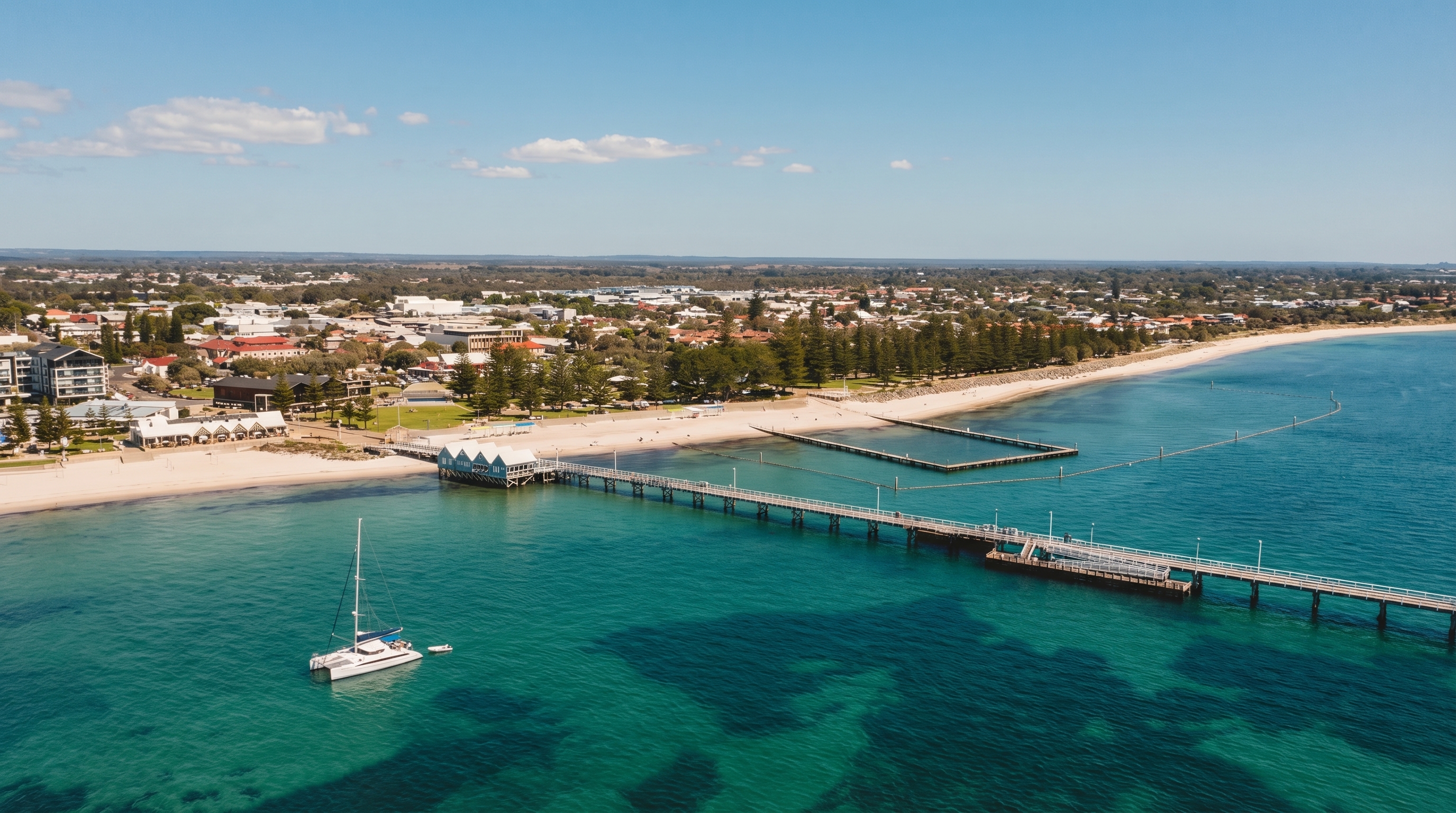
Cottesloe offers easy shore-entry reef dives close to the city, while Rockingham is known for artificial reefs, wrecks and jetty structures including the Rockingham Wreck Trail. Rottnest Island adds cave systems and reef dives reached by boat, with sites ranging from beginner to intermediate depth. Jurien Bay sits furthest from the city and includes deeper boat-access reef and cave diving at sites like Fisherman Island.
Shore diving is a strong feature of the region. Sue's Groyne, Woodman Point, Grain Terminal, Bulk Jetty and the Rockingham Wreck Trail can all be entered from the shore in Rockingham. In Cottesloe, Rocky Bay and North Cottesloe Reef are also shore-accessible. Nancy Cove at Rottnest Island offers both shore and boat entry, and Bicton Baths provides a sheltered shore option on the Swan River.