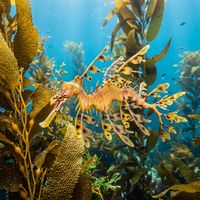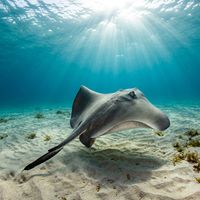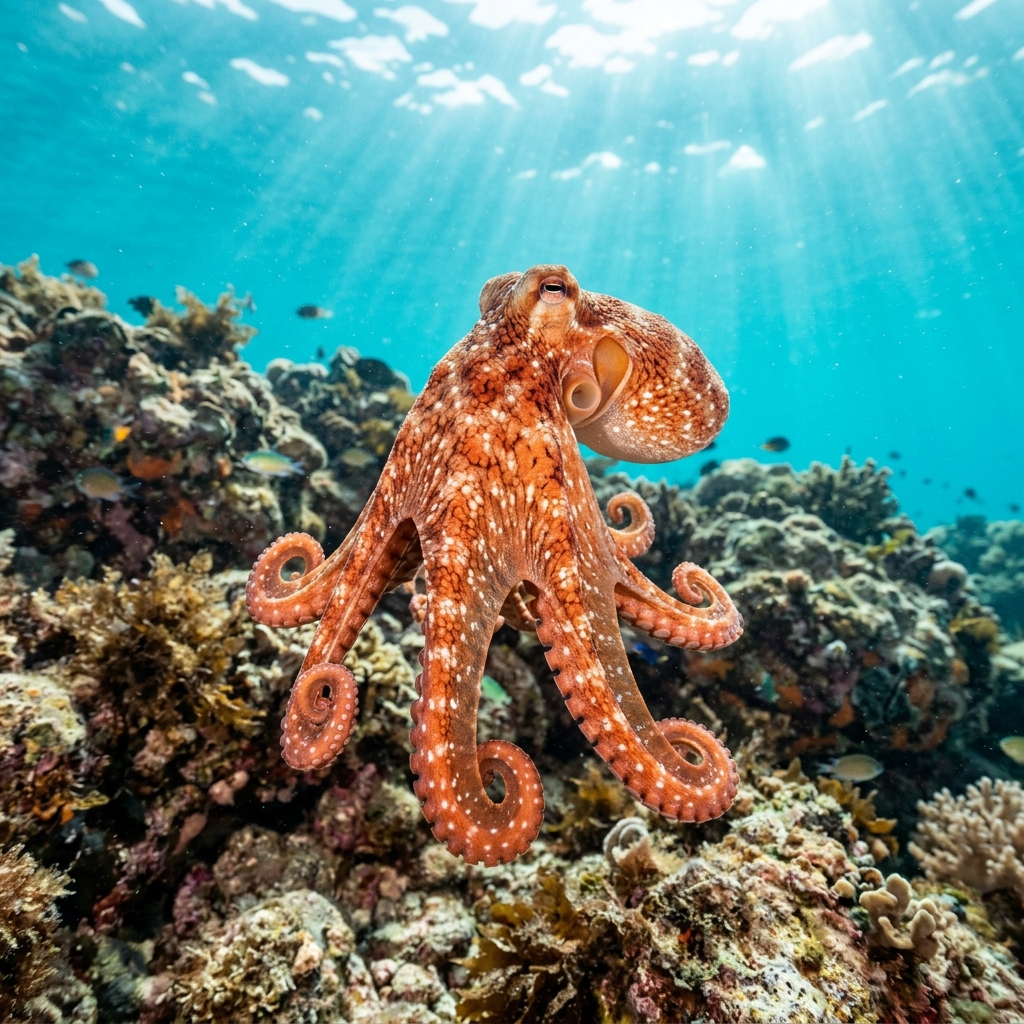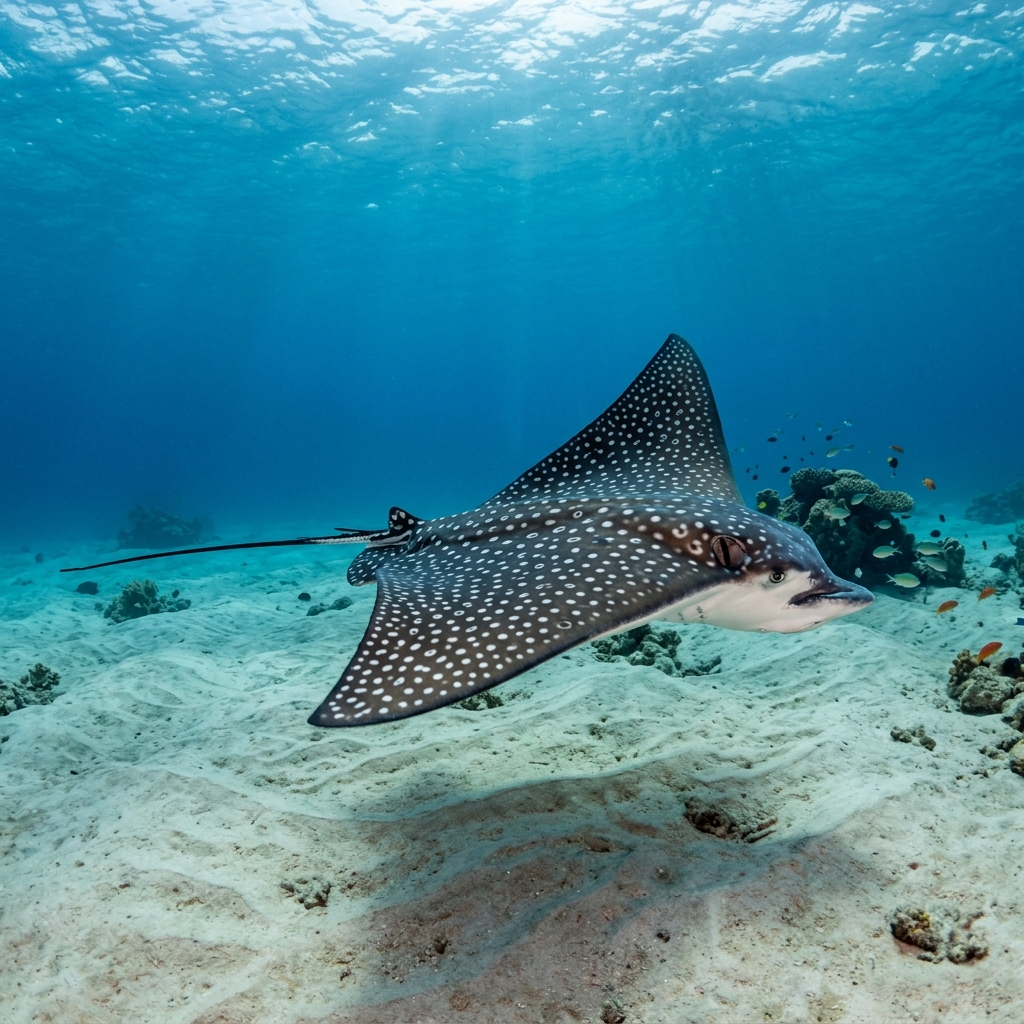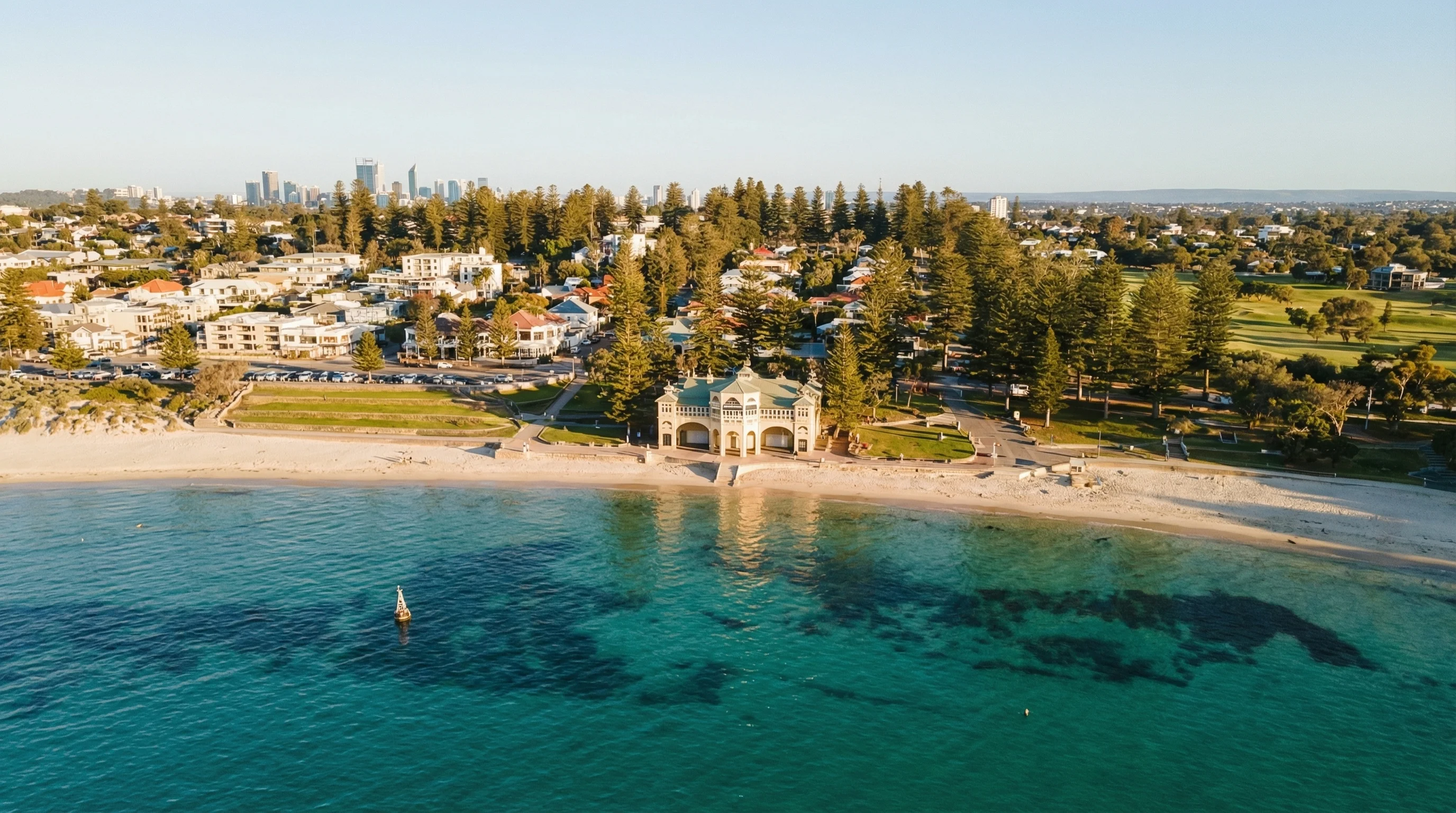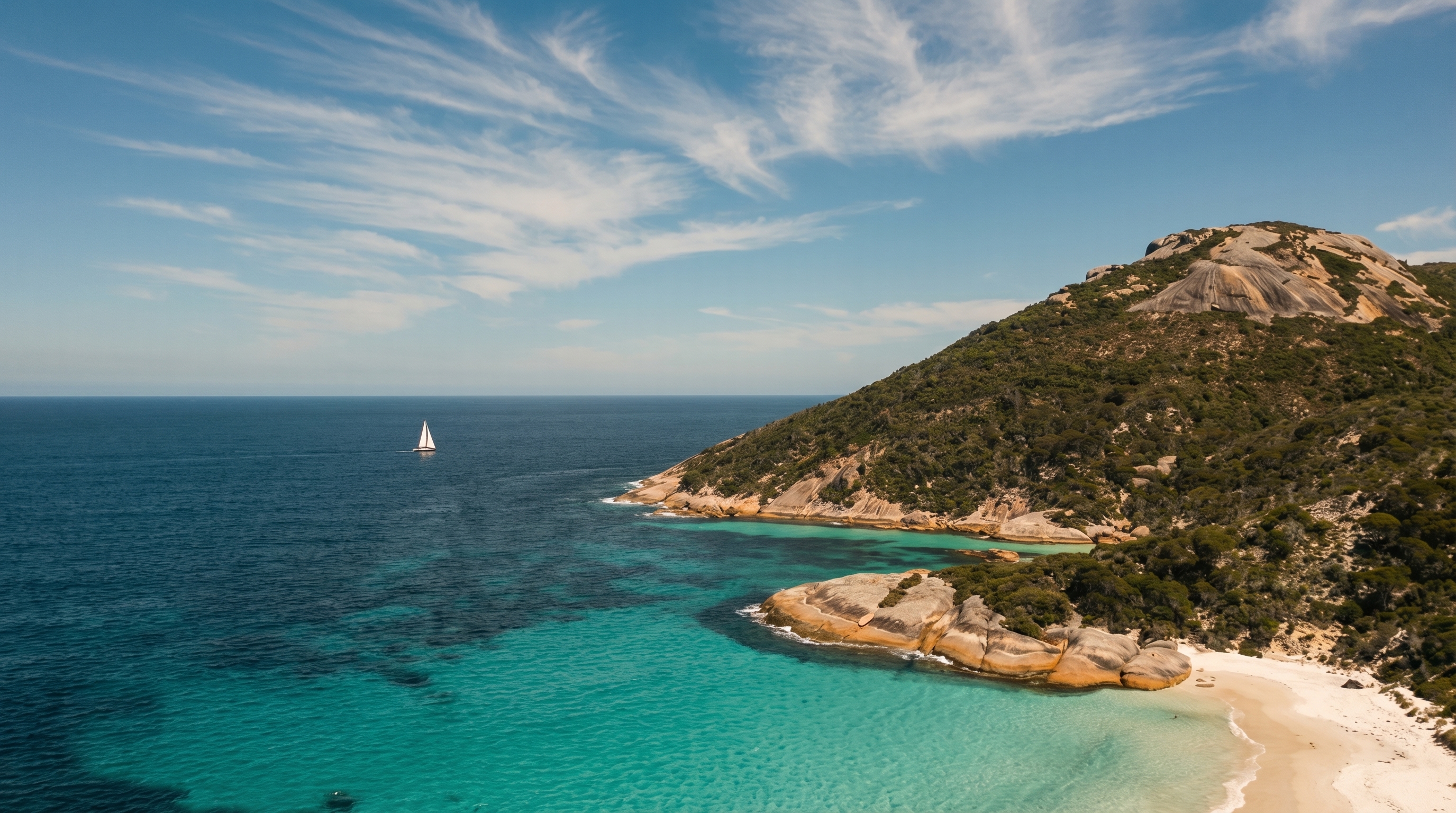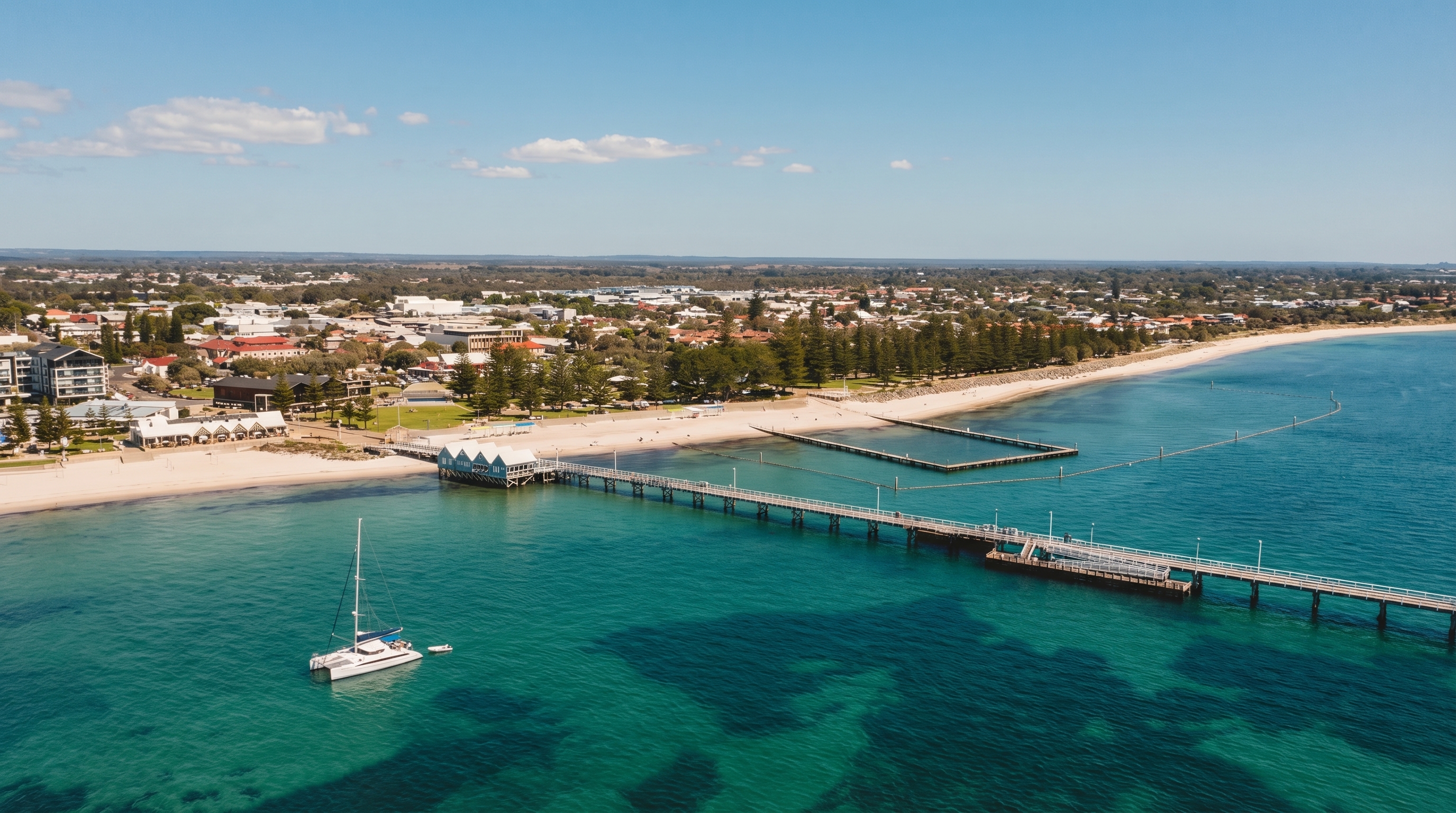
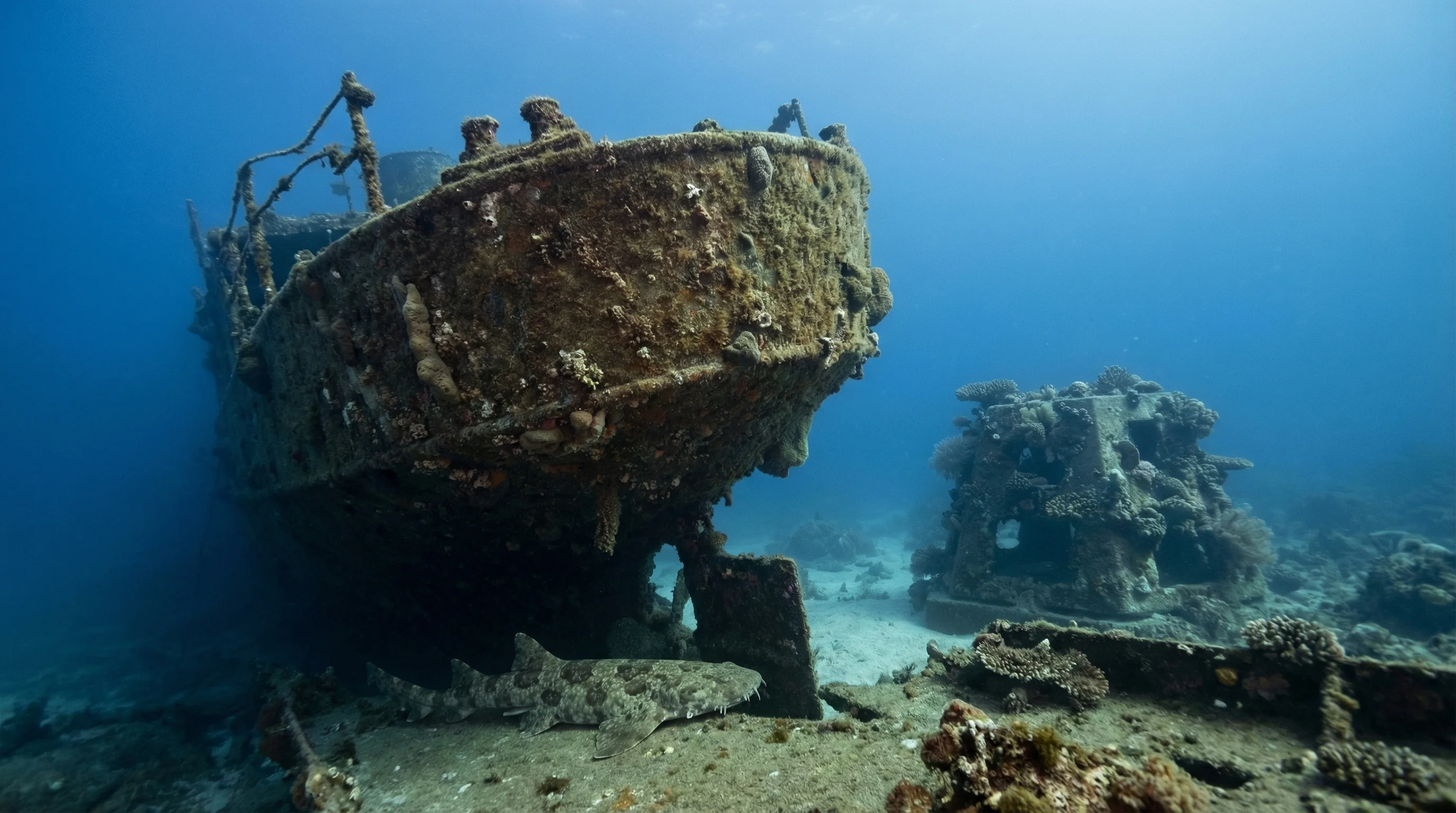
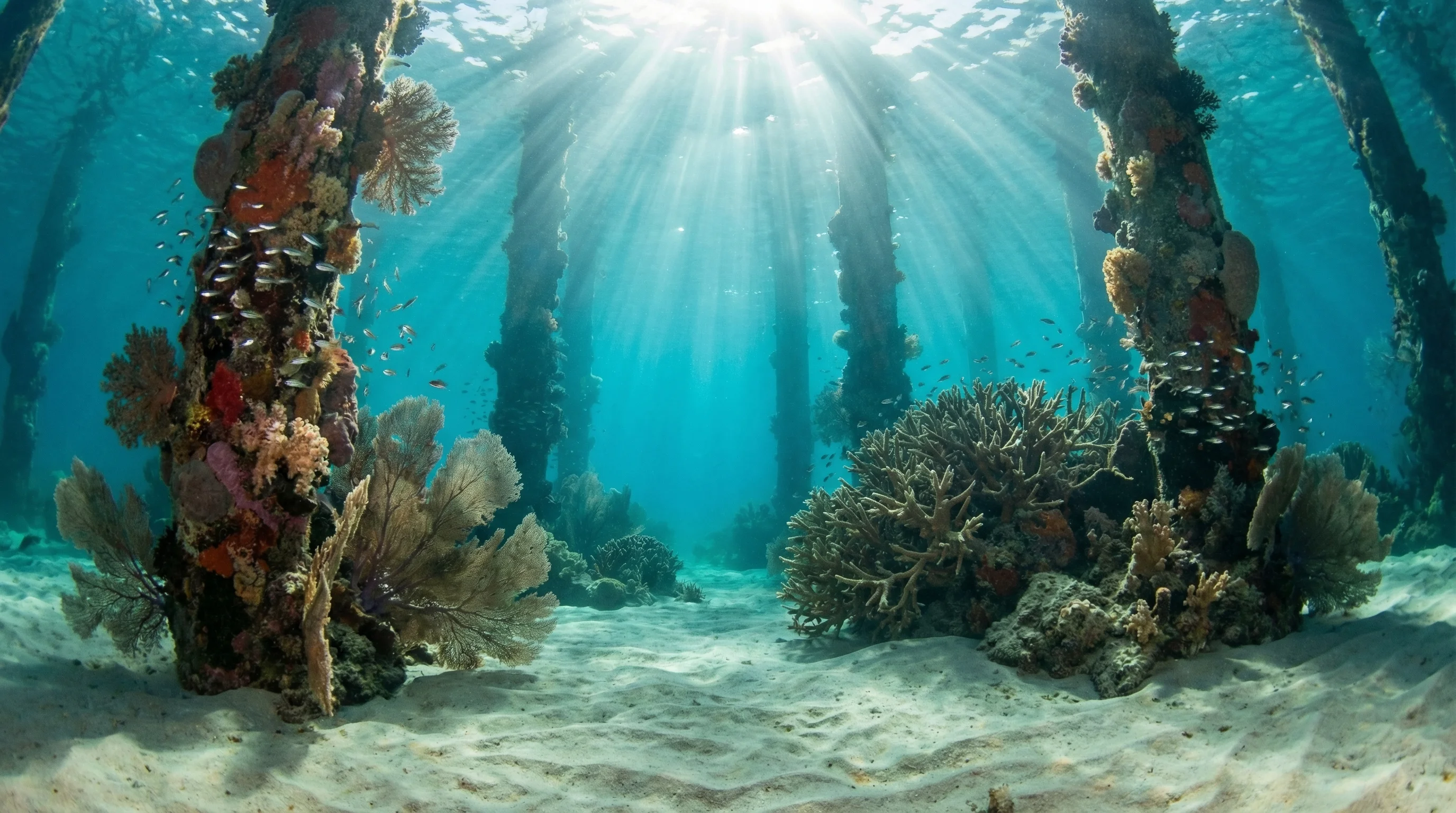
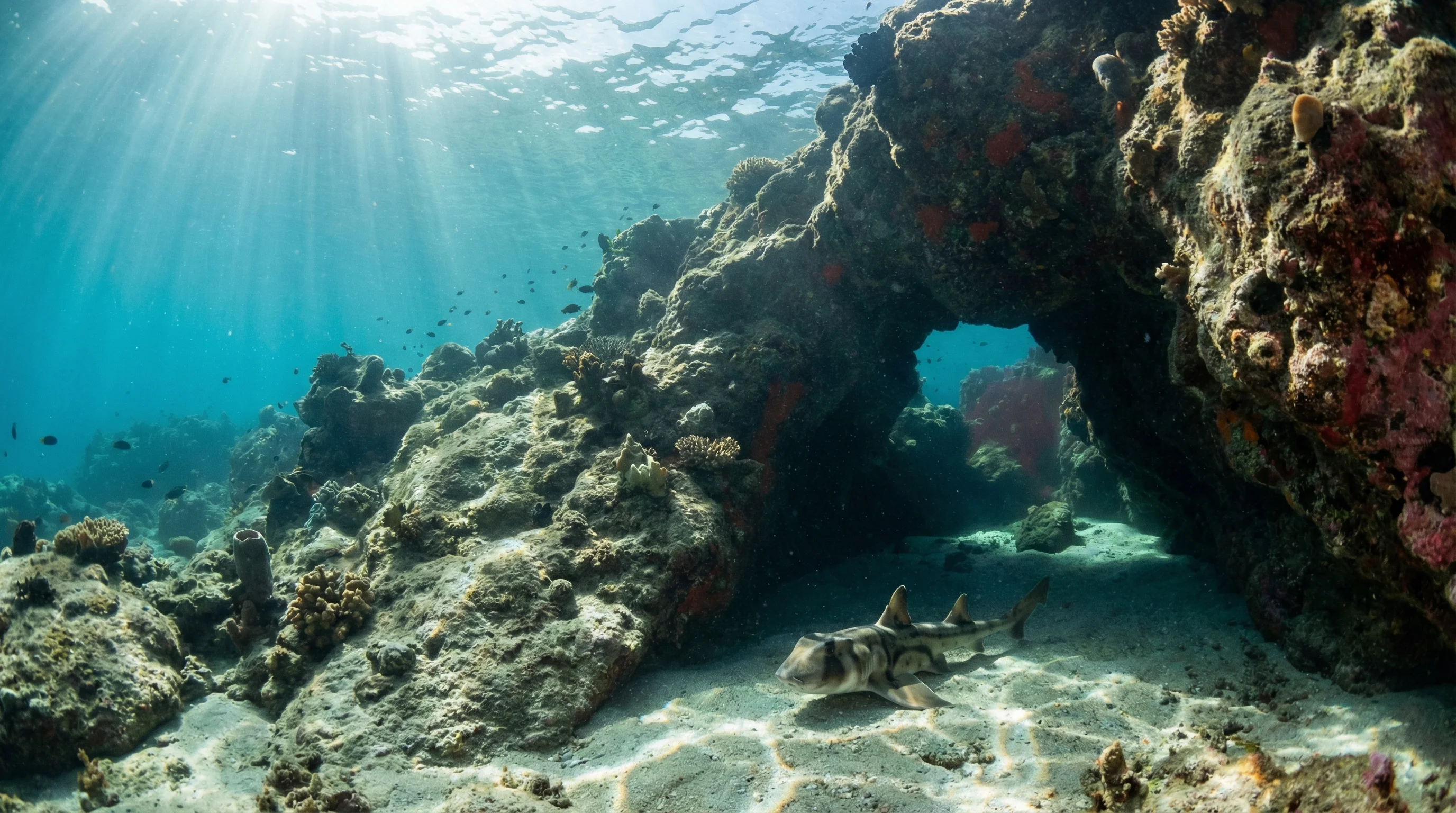
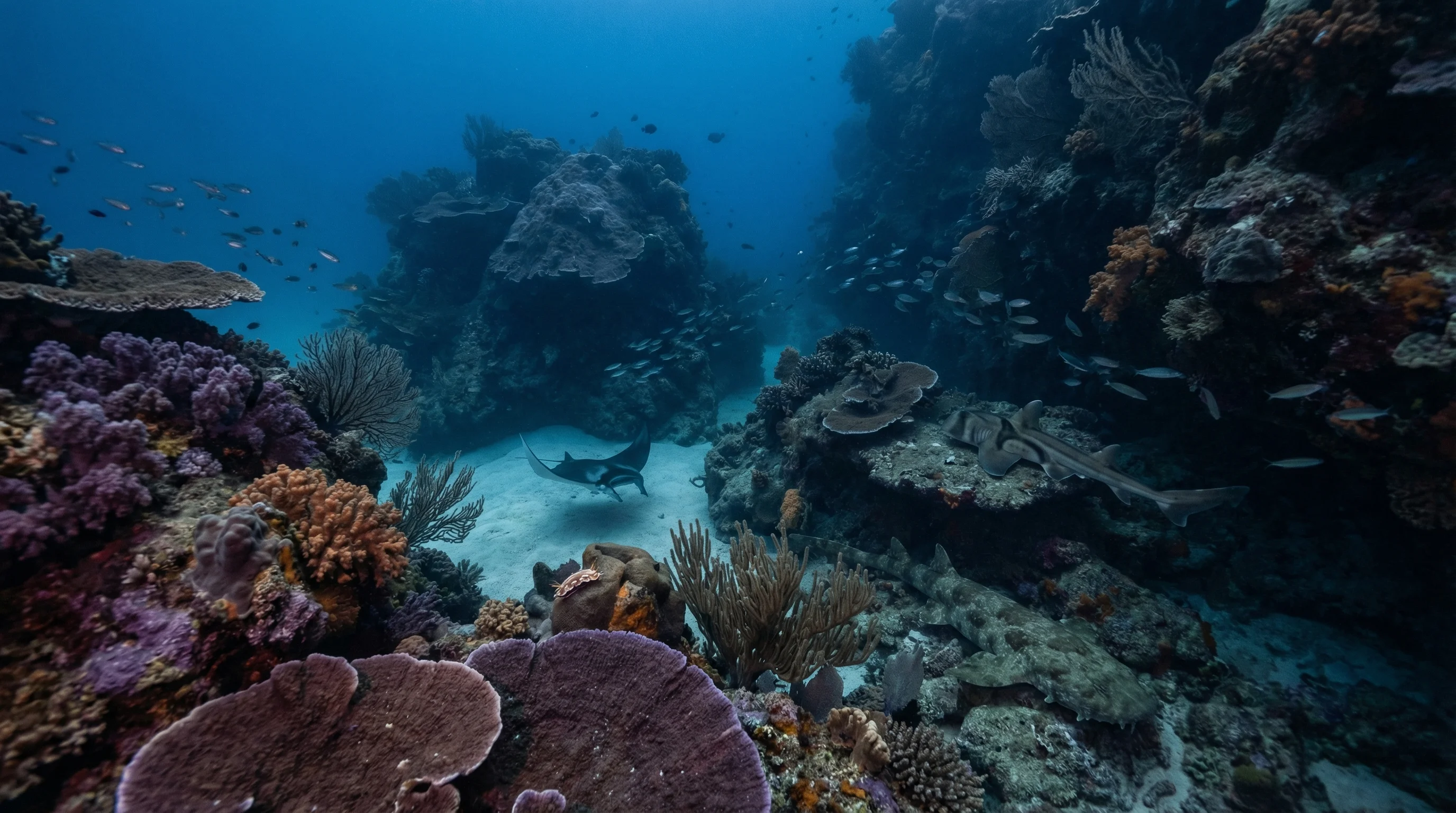
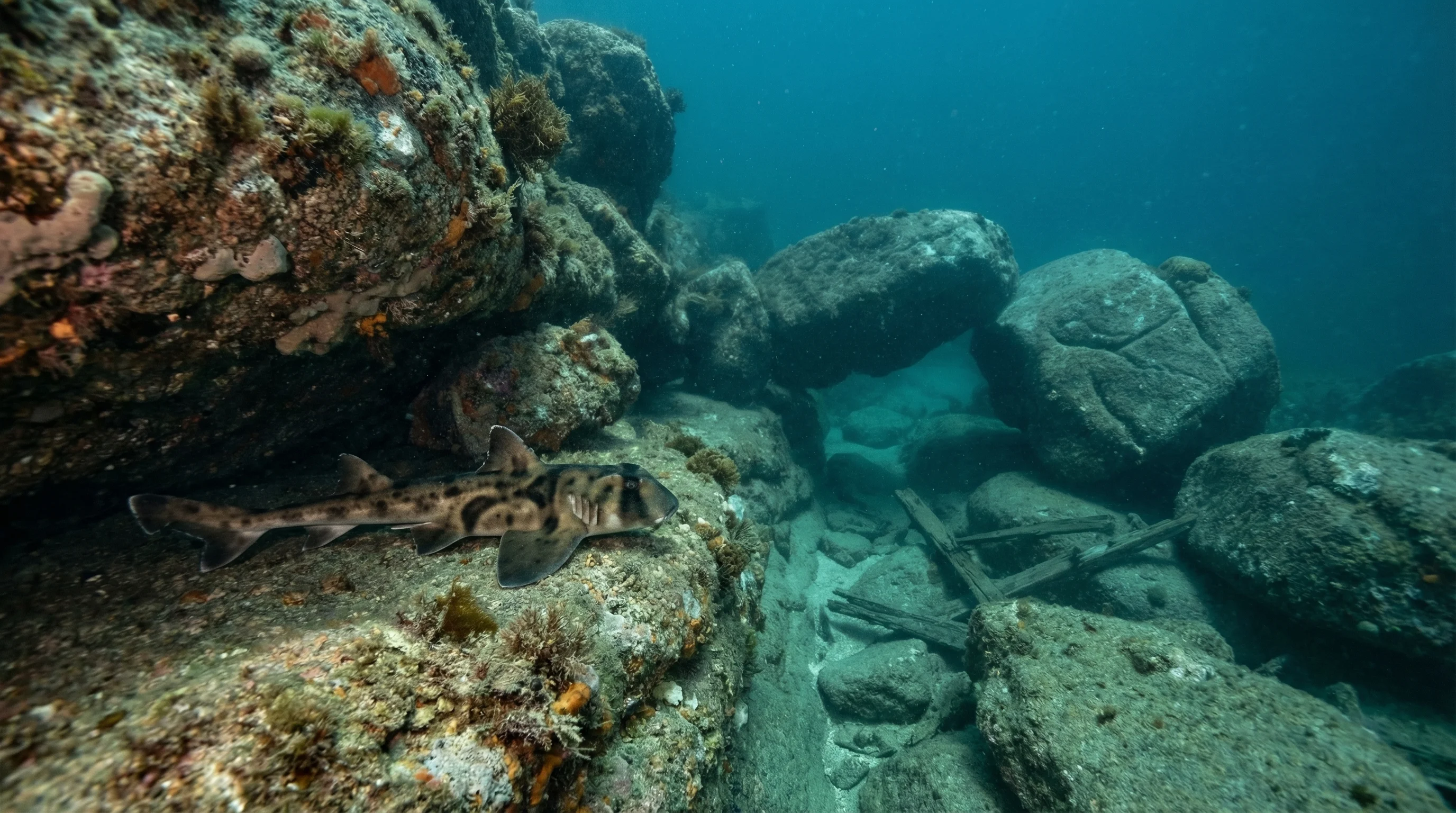
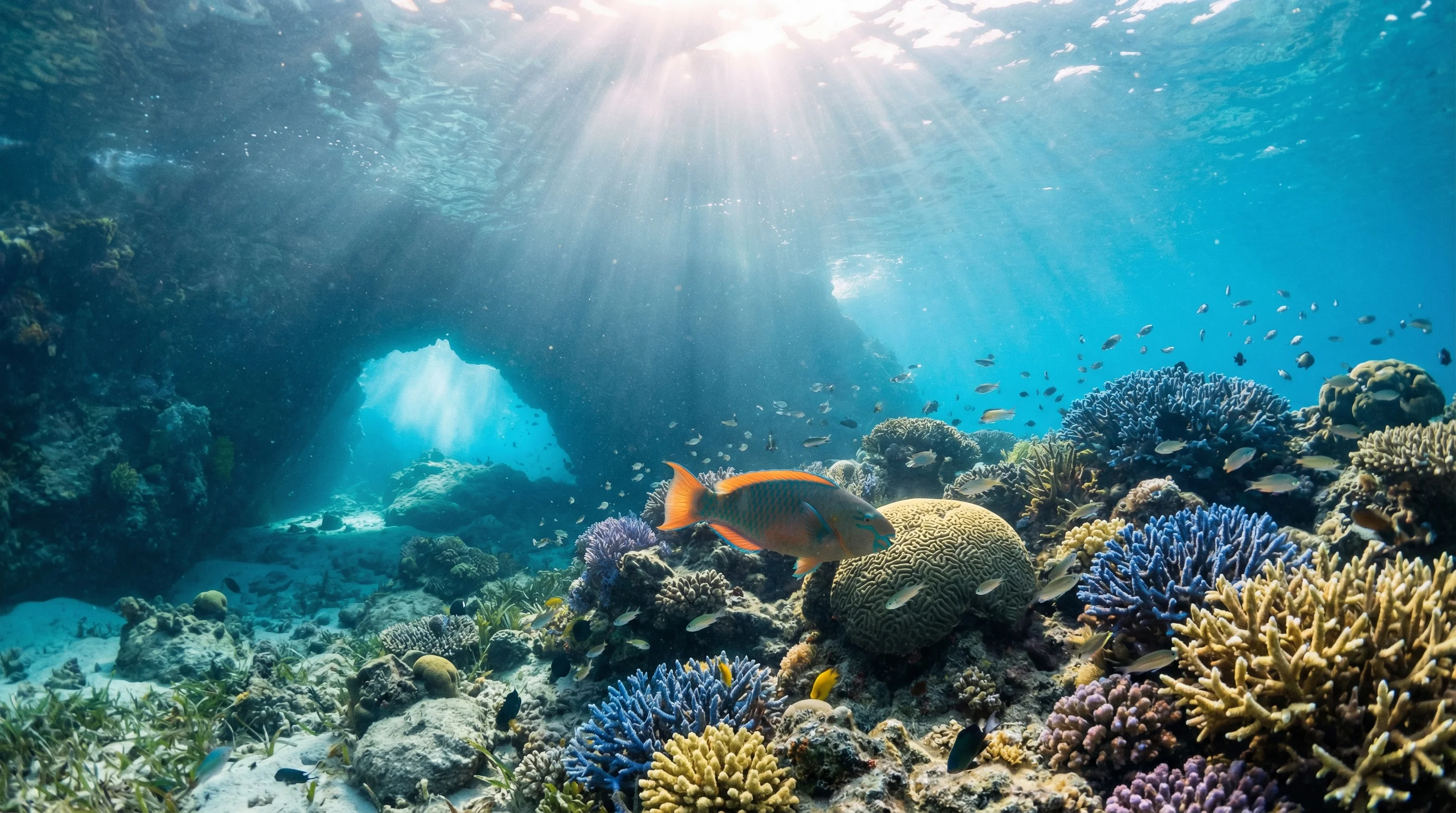
Busselton offers a distinctive mix of temperate reef diving, shallow snorkelling sites and two artificial wrecks that anchor the region's appeal. The HMAS Swan draws intermediate divers with its deep, upright hull, while beginner-friendly reefs like The Honeycombs and Busselton Jetty suit newer divers and snorkellers alike. Signature species include the Weedy Seadragon, Spotted Wobbegong, Smooth Ray and Star Octopus. Conditions vary across the region, with sheltered bays offering calm entries and more exposed sites demanding awareness of surge and current.
Monthly water temperature across Busselton's sites, from satellite sea-surface data corrected for depth. The band shows the site-to-site spread.
Water stays warm through the summer months and cools noticeably from late winter into spring. Conditions are most settled from late spring through late summer, when calmer seas and better visibility coincide with warmer water. Exposed sites such as Canal Rocks and Sugar Loaf Rock carry stronger surge and current, so timing dives to conditions pays off.
5 operators

Australia
8 more sites to explore
Water temperature around Busselton ranges from about 18°C in August to 21°C in January, based on satellite sea-temperature data for its dive sites.
With water around 18–21°C, a 5mm suit works in Busselton year-round.
Fin maps 20 sites in Busselton (18 scuba diving sites and 9 snorkelling spots, with some suited to both).
Across Busselton's dive sites, January, February, March, April, May and December are most often reported as the best months to visit.
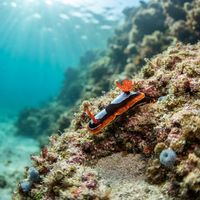
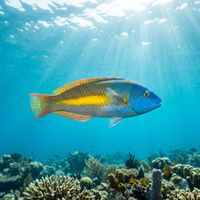
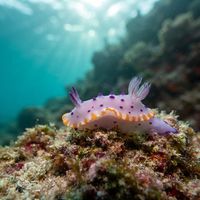
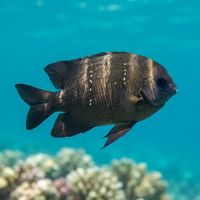
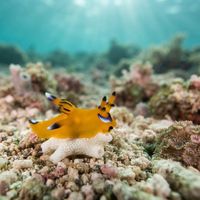
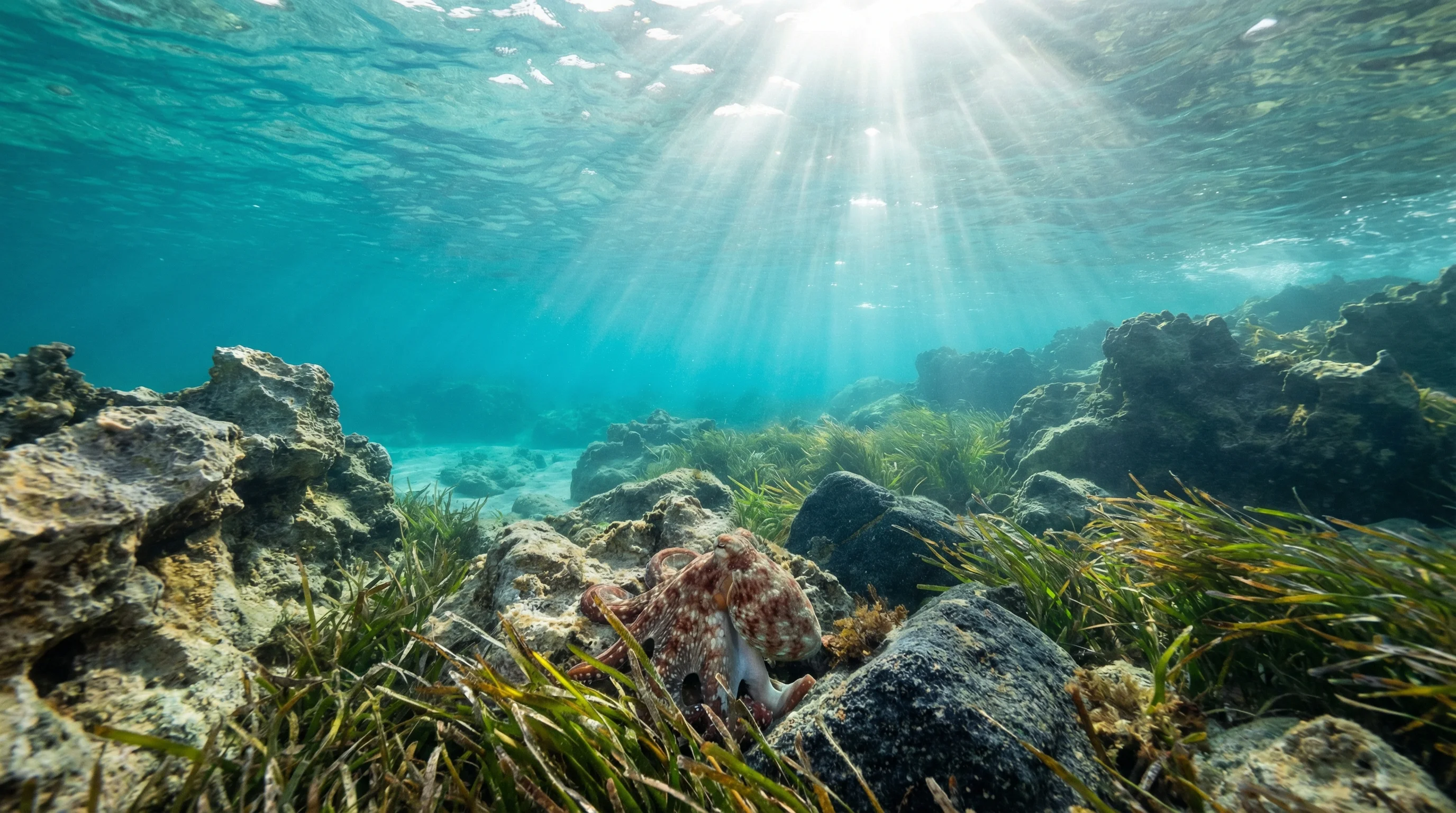
Busselton's reefs host an impressive range of temperate species. Weedy Seadragon, Spotted Wobbegong, Smooth Ray and Star Octopus are among the most frequently observed. Western King Wrasse, Old Wife and Bullseye are seen at the majority of sites, and the Chromodoris Nudibranch is a reliable find across the region.
Most sites in Busselton are rated beginner level, including shore entries at Castle Rock, Meelup Beach and Aquarium, as well as boat dives to Four Mile Reef and The Lena wreck. A handful of sites, such as Canal Rocks and the HMAS Swan, are rated intermediate due to depth, current or surge and are better suited to divers with some experience.
Both options are well represented. Shore entry is available at sites including Busselton Jetty, The Honeycombs, Yallingup Beach and Castle Rock. Boat access opens up offshore reefs and the wrecks, including the HMAS Swan and Four Mile Reef. Operators Coastal Water Dive and Geographe Dive can assist with boat-based trips.
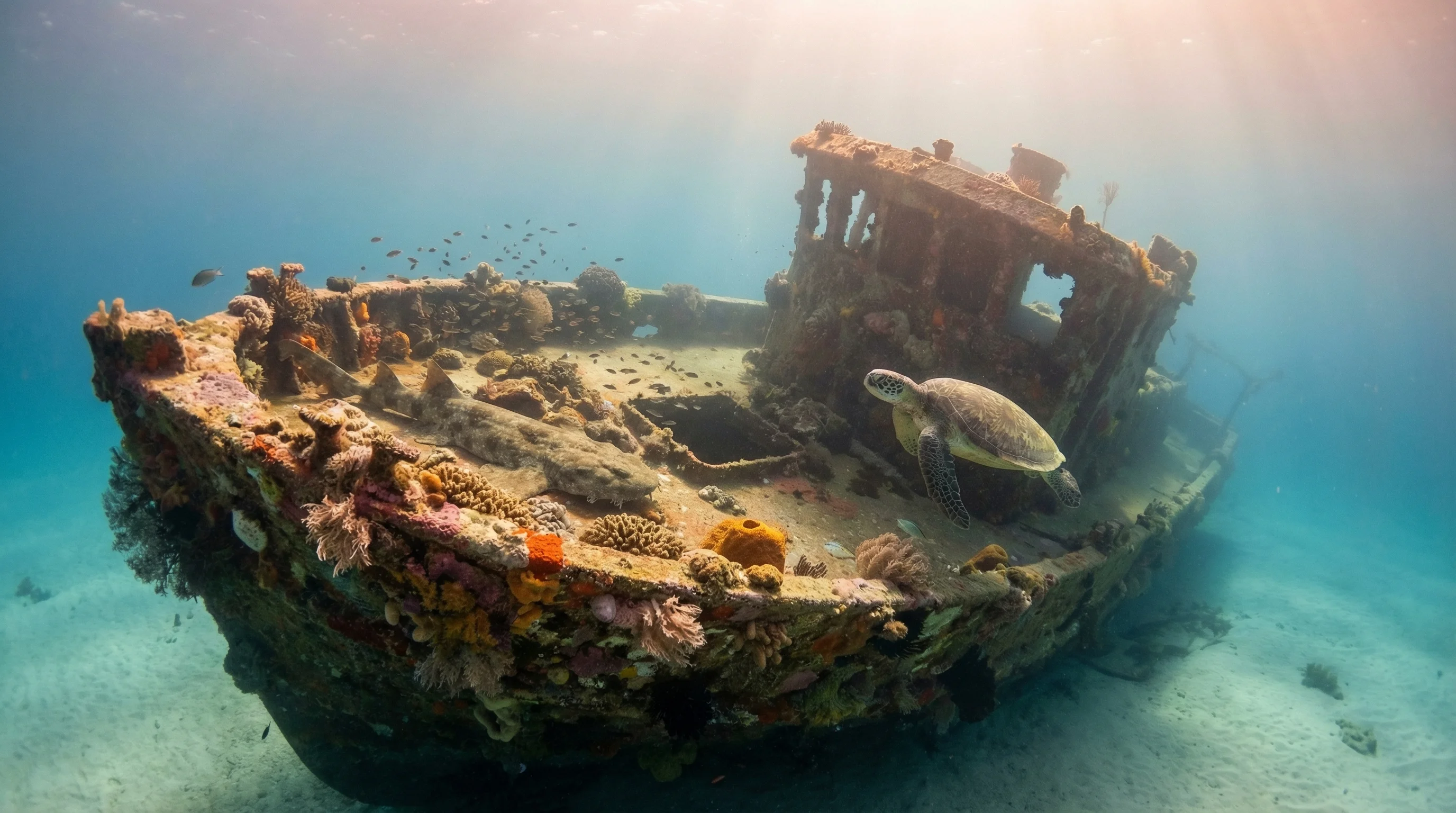
The HMAS Swan is the deeper and more demanding of the two, sitting upright on the sandy seabed and reaching a depth suited to intermediate divers. The Lena and FV Lena are shallower artificial reef wrecks accessible to beginners by boat, offering a gentler introduction to wreck diving in the region.