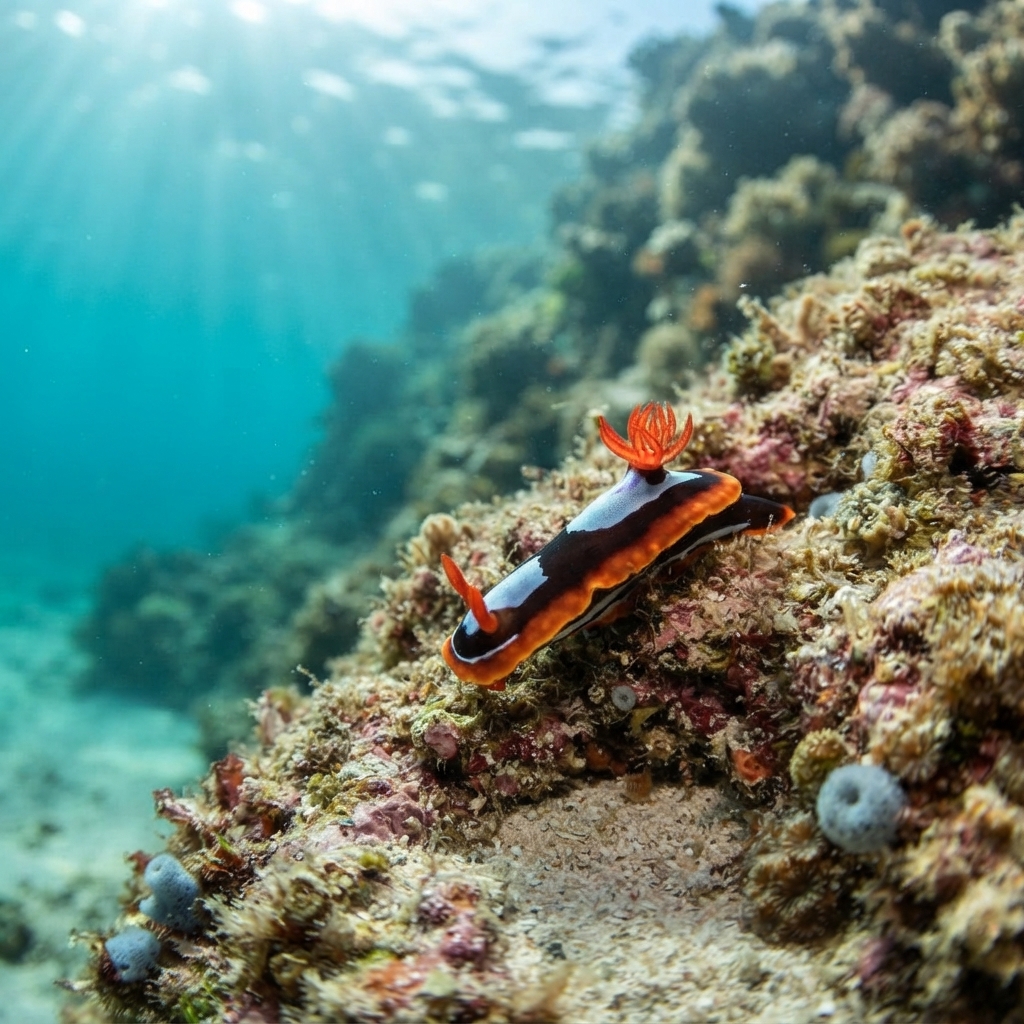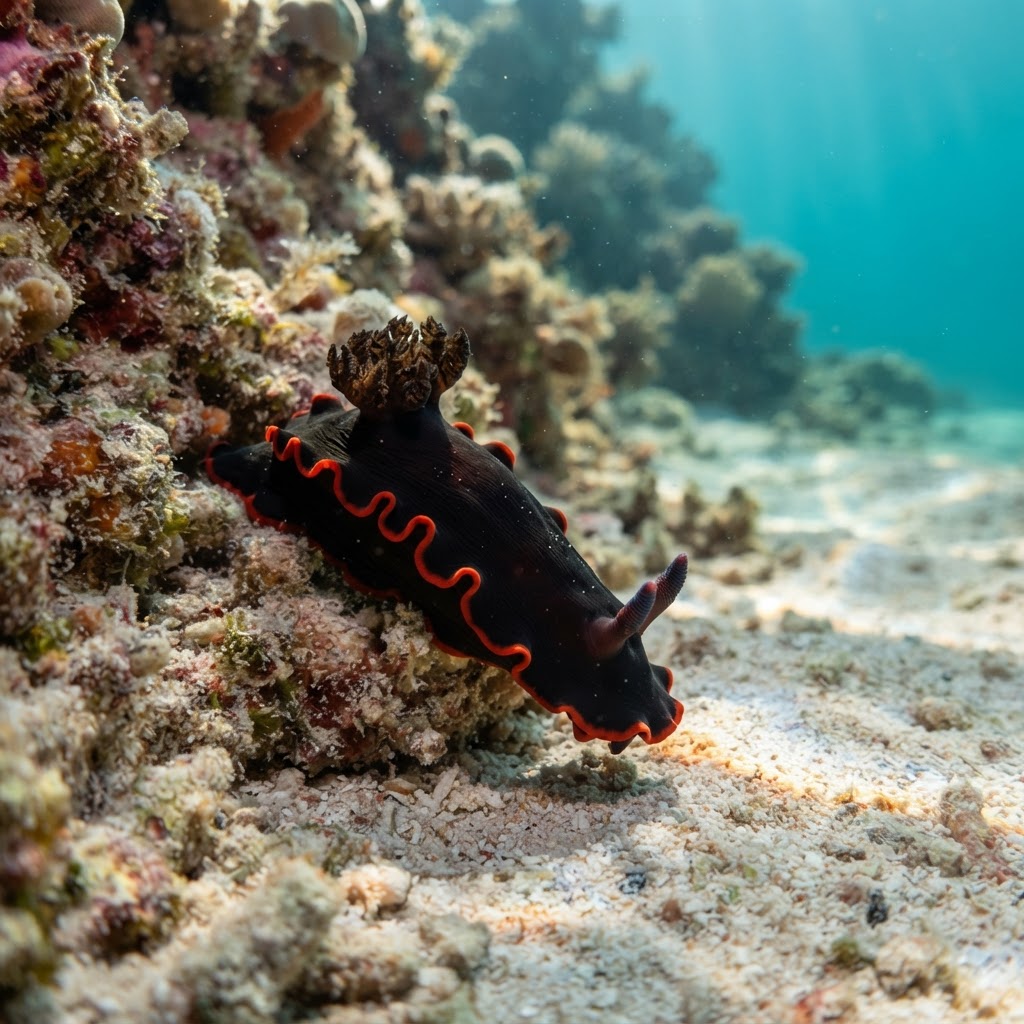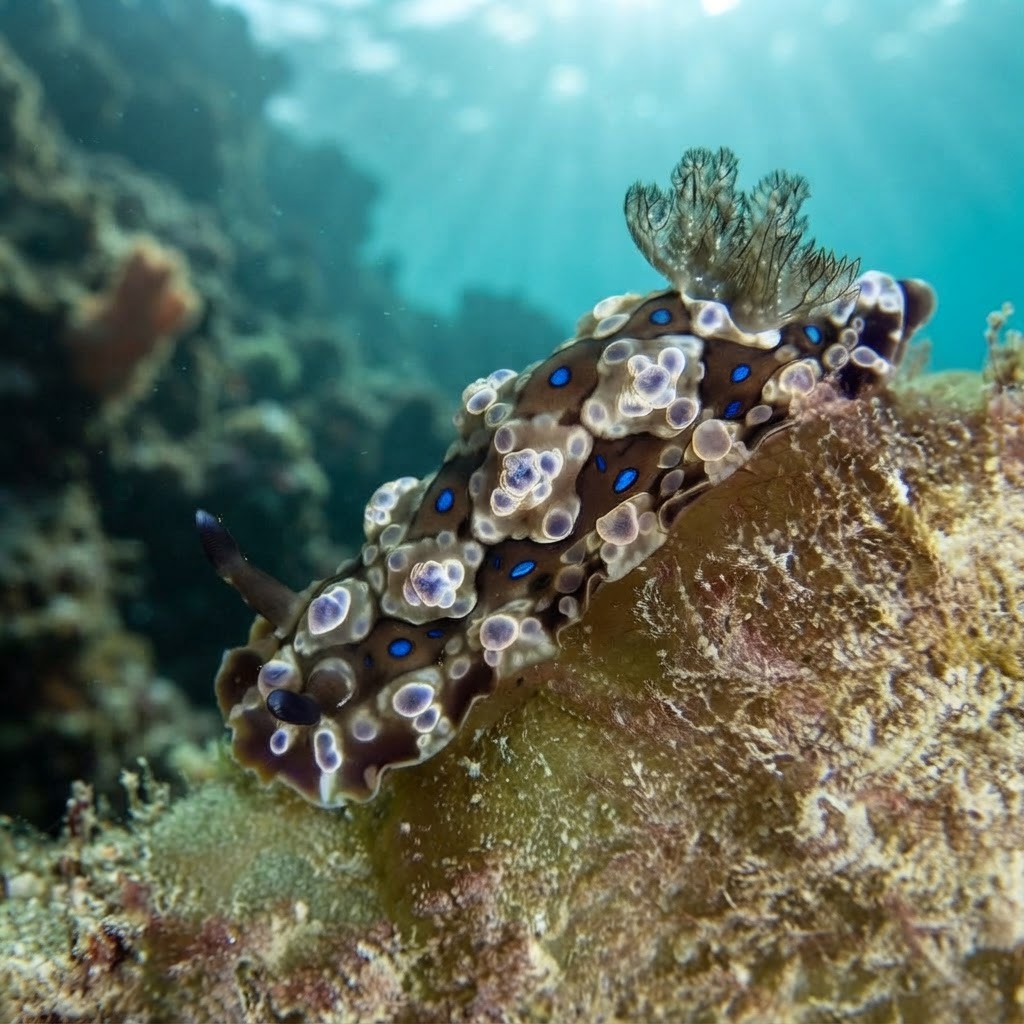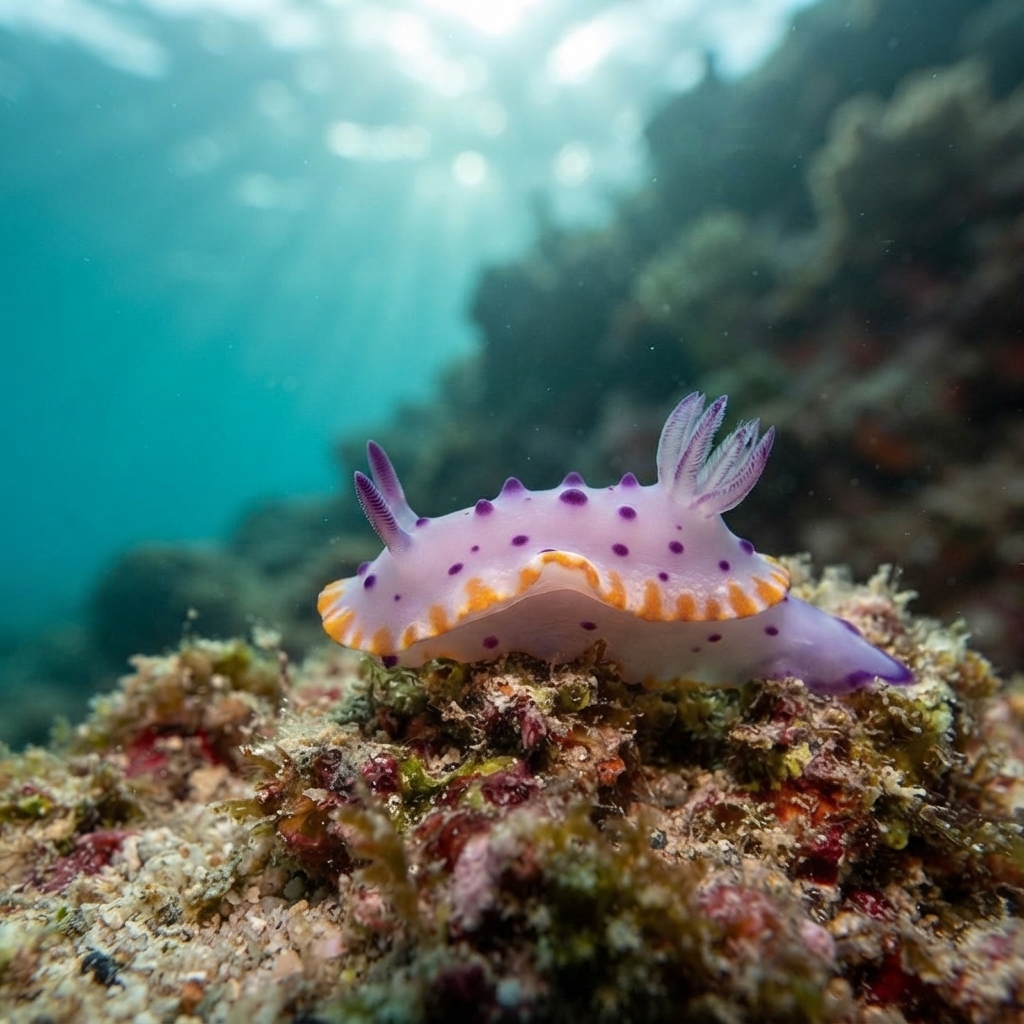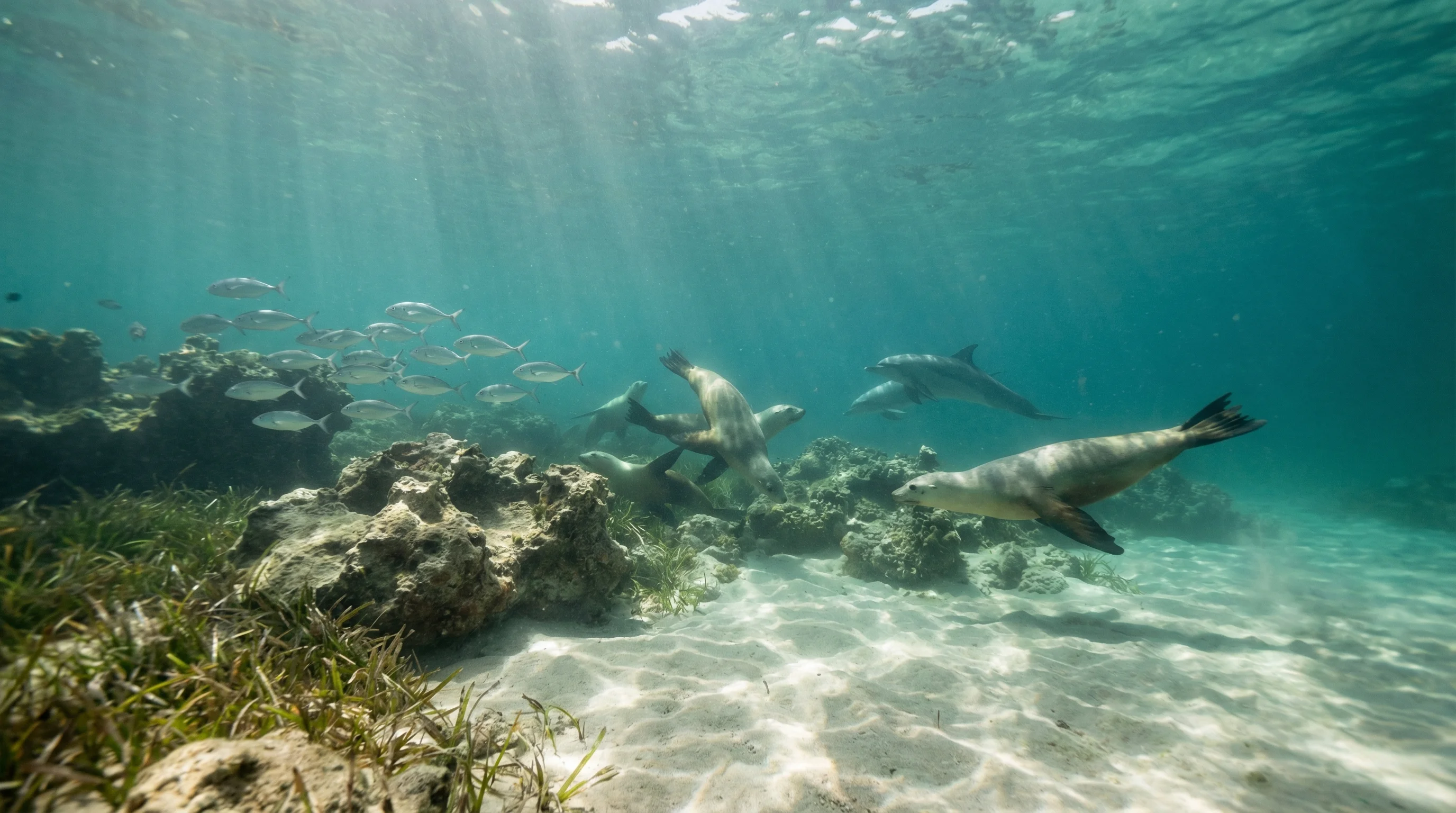
Best for beginner divers, 3-8m, boat entry, mild current.
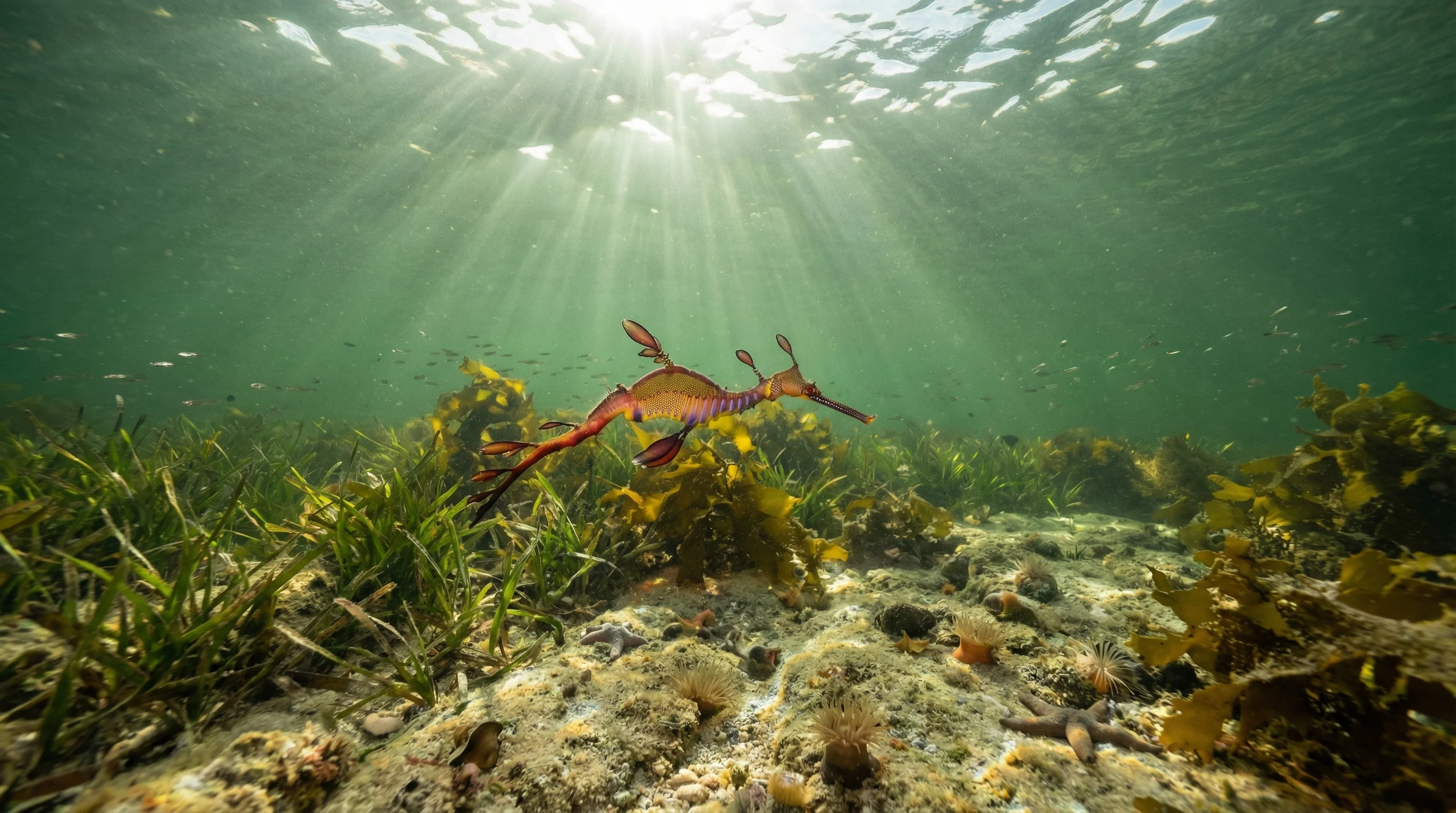
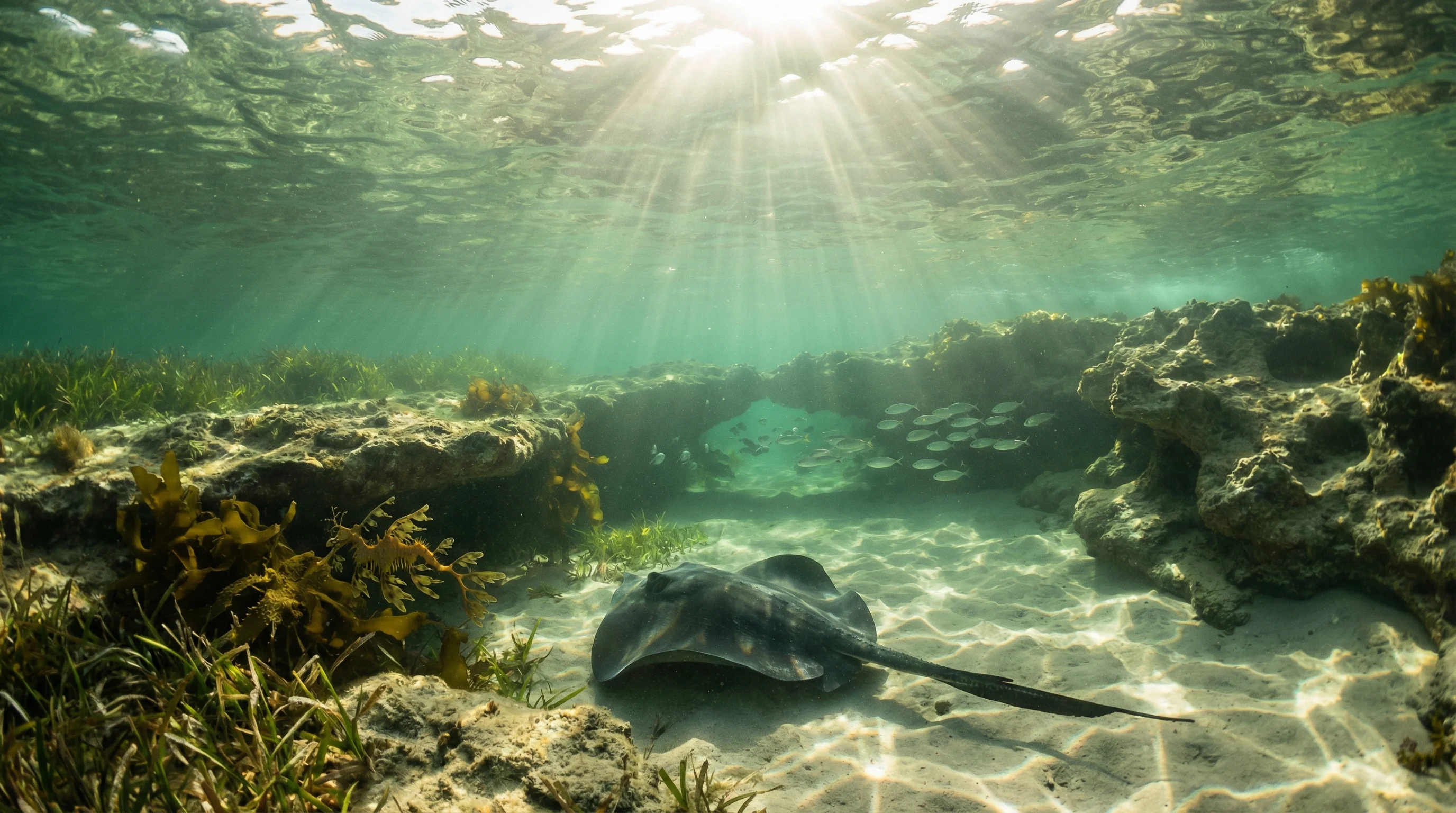
Seal Island in Rockingham is a shallow site featuring a mix of reef and seagrass habitats. With depths ranging from 3 to 8 metres and an average of 5 metres, the site is suitable for beginners. Access is by boat only, with the island located 900 metres from the mainland. Visibility typically fluctuates between 10 and 15 metres. Divers and snorkellers should be aware of mild currents, which are best managed by timing entries with the change of tide. The area experiences significant boat traffic, requiring caution during ascents. Water temperatures range from 18C to 22C throughout the year.
-32.29270, 115.69150
The best months to visit run from September through February, when conditions are generally more settled and sea lion activity tends to be reliable. Keep a close eye on the current before entering, as it can pick up quickly around the island.
The site is approximately 900m offshore and must be accessed by boat, kayak, or a guided tour. Private kayaks can be launched from Shoalwater Foreshore Reserve. Commercial tours often depart from Mersey Point Jetty in Rockingham. Landings on the island itself are restricted.
Recorded nearby, within 20km
Depth
3-8m
Visibility
10-15m
Skill Level
Beginner
Entry
Boat
Boat required
Water Temp
18-22°C
Current
Mild
Typical Dive
45 min
Best Time
Jan, Feb, Sep, Oct, Nov, Dec
Yes, the site is suitable for beginners due to its shallow average depth of 5 metres.
The depth at this site ranges from 3 to 8 metres, with an average depth of 5 metres.
Boat access is required to reach Seal Island, which is situated 900 metres from the mainland.
Yes, the site is used for both diving and snorkelling.
Diving at Seal Island in Rockingham requires the following certifications: Open Water. Always dive within your training limits.
A 5mm wetsuit is recommended for diving at Seal Island in Rockingham. Water temperatures range from 18°C to 22°C.
The best months to visit Seal Island in Rockingham are January, February, September, October, November, and December. Conditions outside these months can still be good but are less predictable.
Divers at Seal Island in Rockingham should be aware of sharks. These encounters are generally rare and avoidable with proper awareness. Follow local safety guidance and maintain a respectful distance from all marine life.
Seal Island in Rockingham typically has mild currents that most divers can handle comfortably.
Visibility at Seal Island in Rockingham typically ranges from 10 metres to 15 metres. Conditions vary with weather, tides, and seasons.