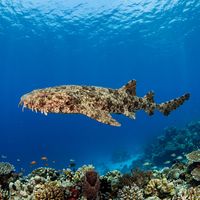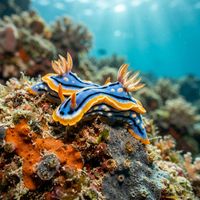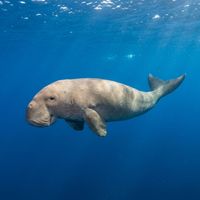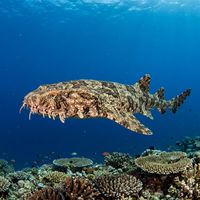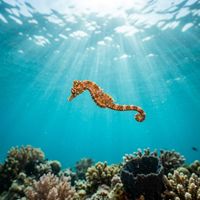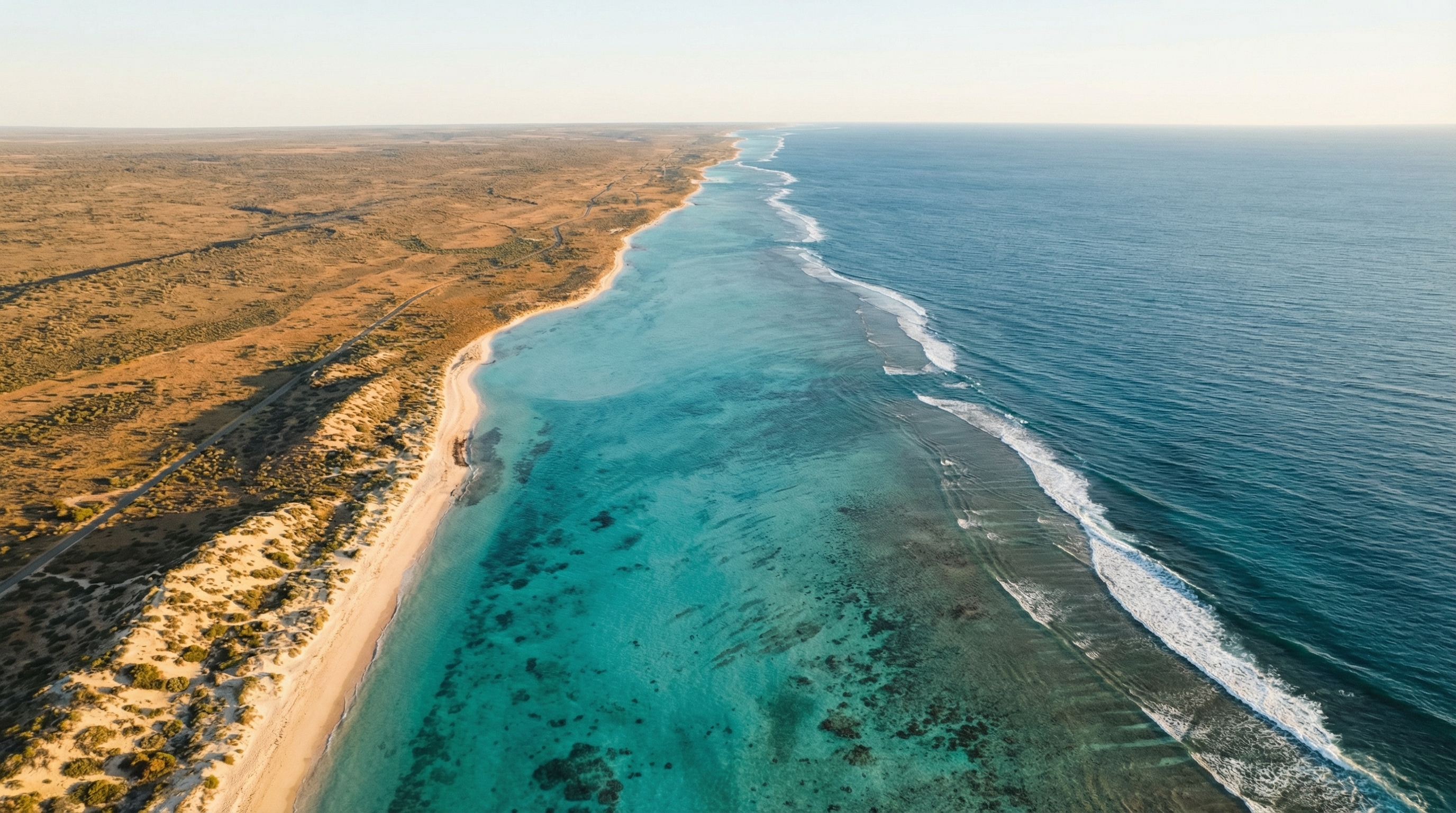
Western Australia offers one of the most varied underwater landscapes in Australia, stretching from the shallow beginner-friendly reefs of Perth and Busselton through to the remote walls and caverns of the Kimberley. Sub-areas shift dramatically in character: Ningaloo Reef draws divers and snorkellers to its accessible coral gardens, while Albany and Esperance offer cooler, temperate conditions with their own distinct marine life. Signature encounters include the Spotted Wobbegong, Ornate Wobbegong, Dugong, Pygmy Pipehorse, and Chromodoris Nudibranch. Site types span reef, wall, cave, seagrass, artificial reef, and drift diving, with both shore and boat entry well represented across the region.
7 areas
 100
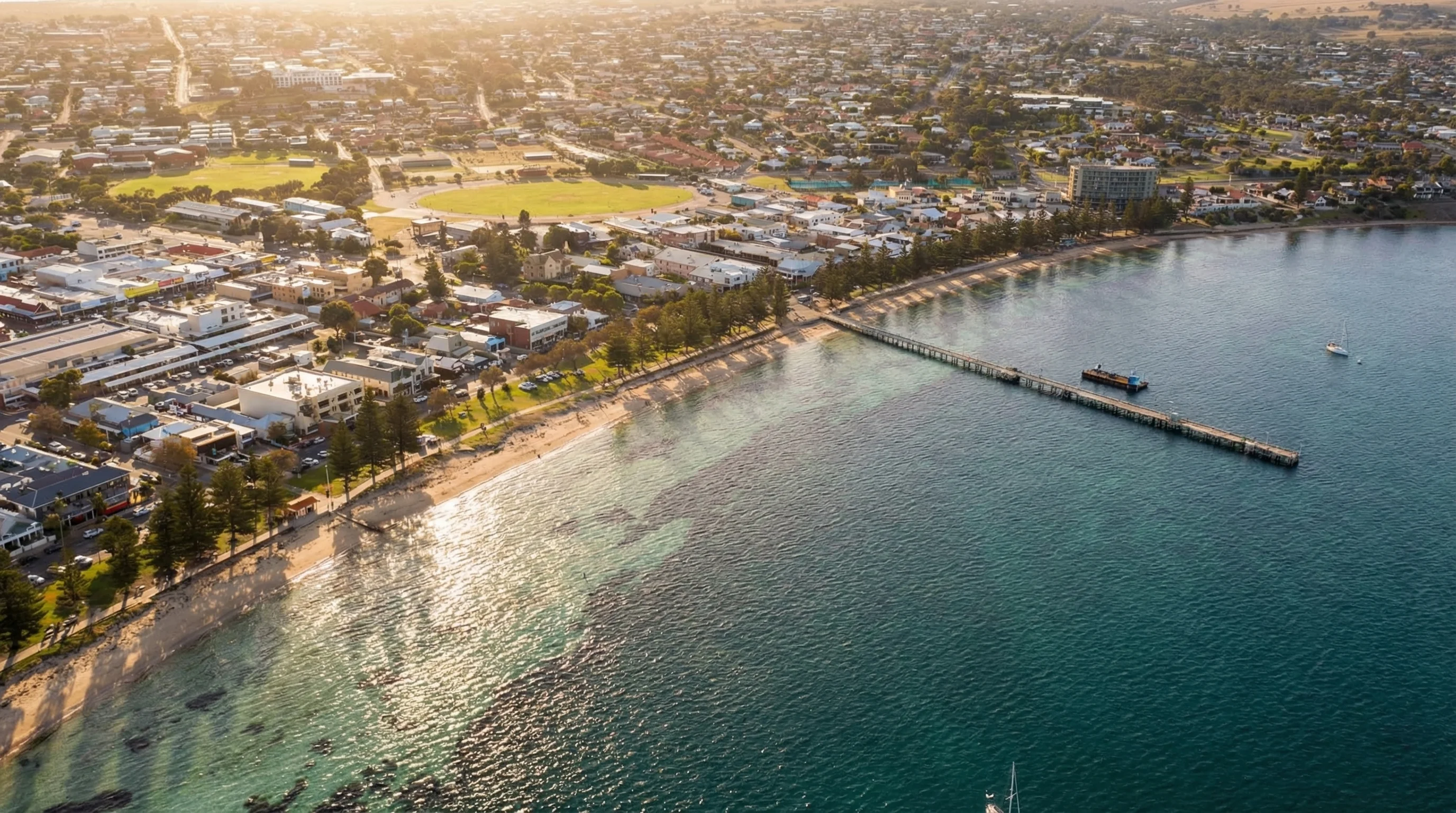
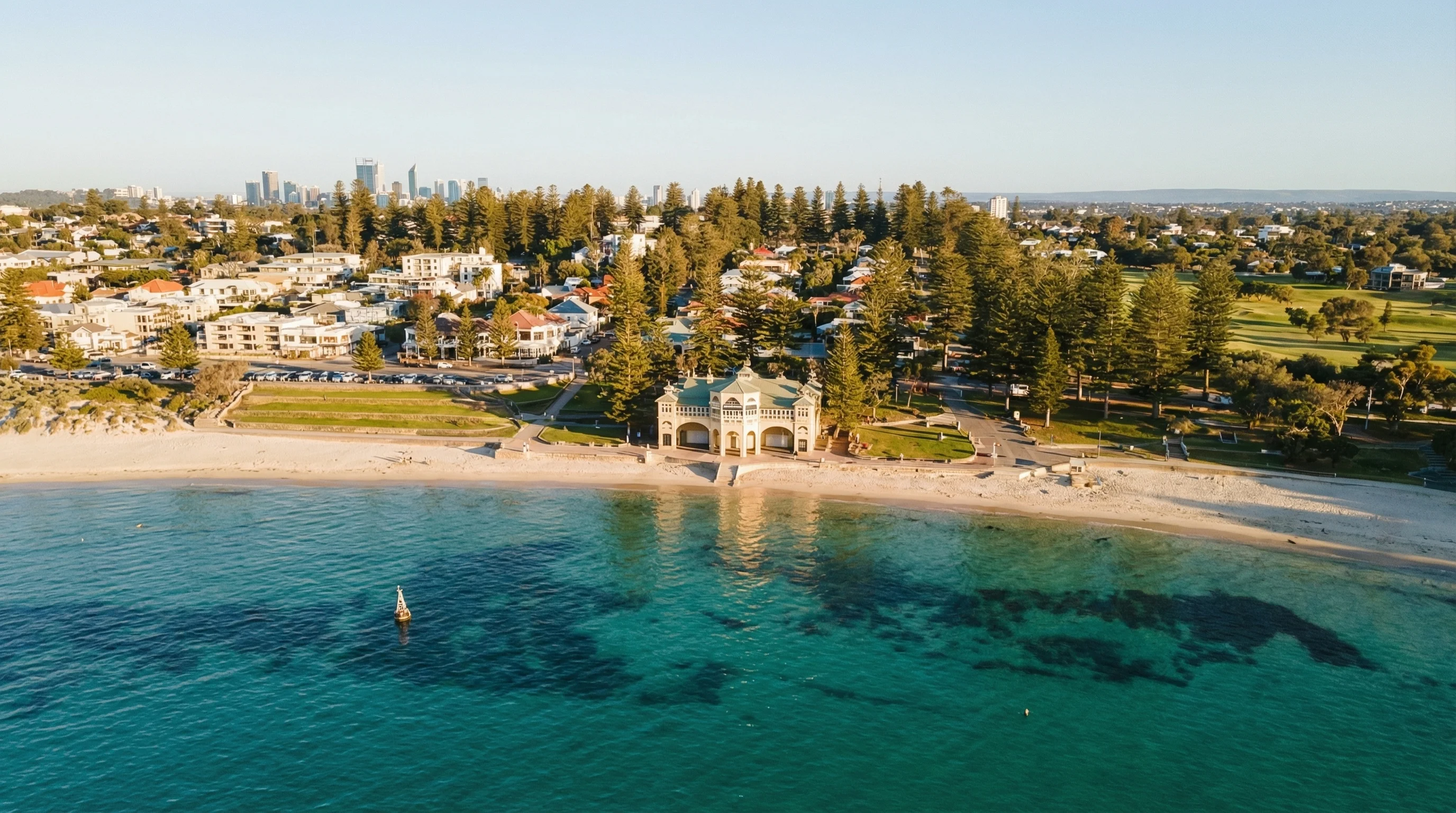
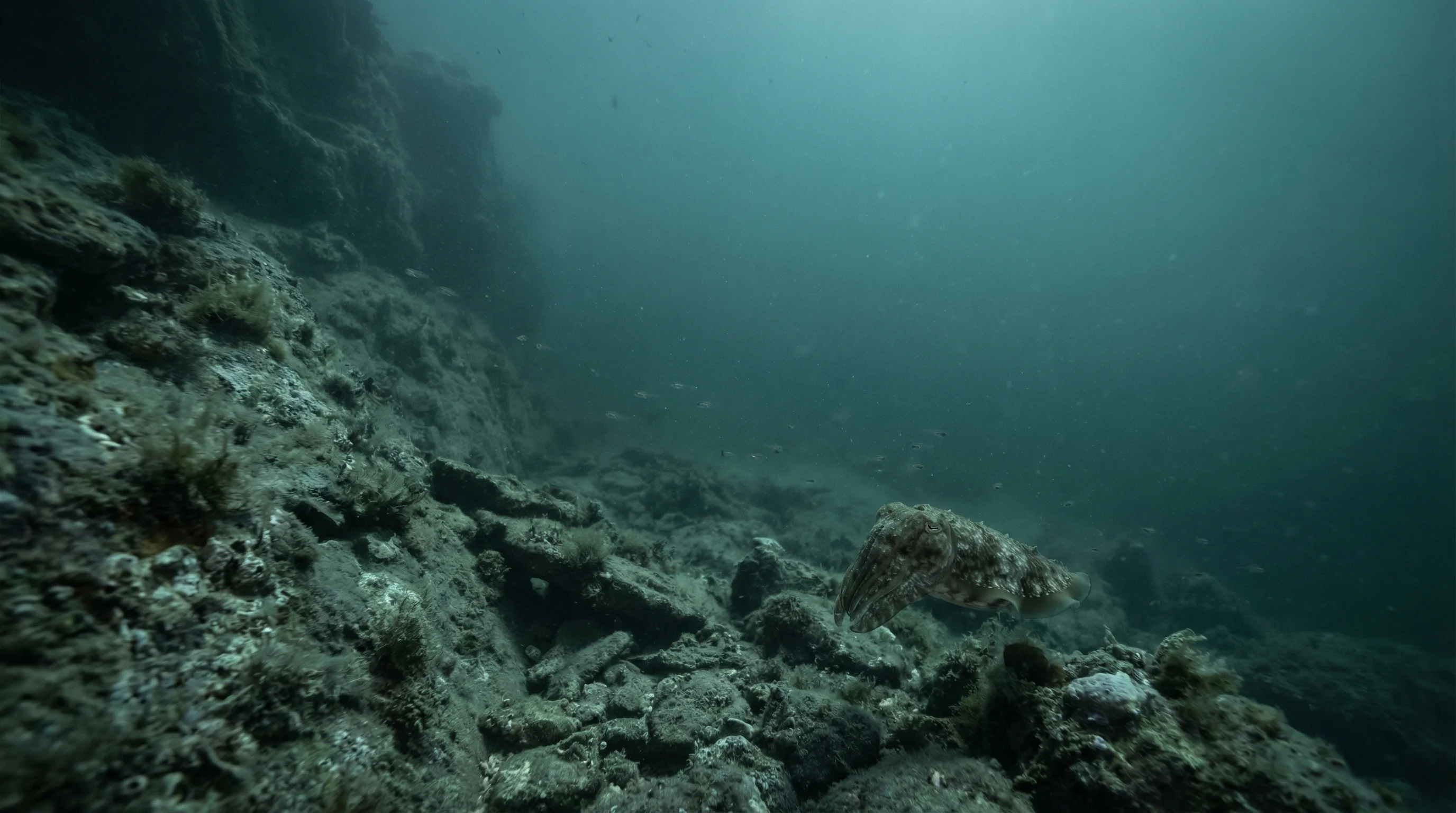
100Shore reefs, wrecks and caves across four sub-areas, with Weedy Seadragon, Giant Cuttlefish and wobbegong among the observed highlights.
 47
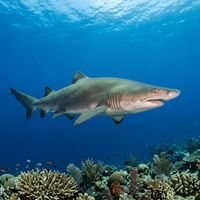
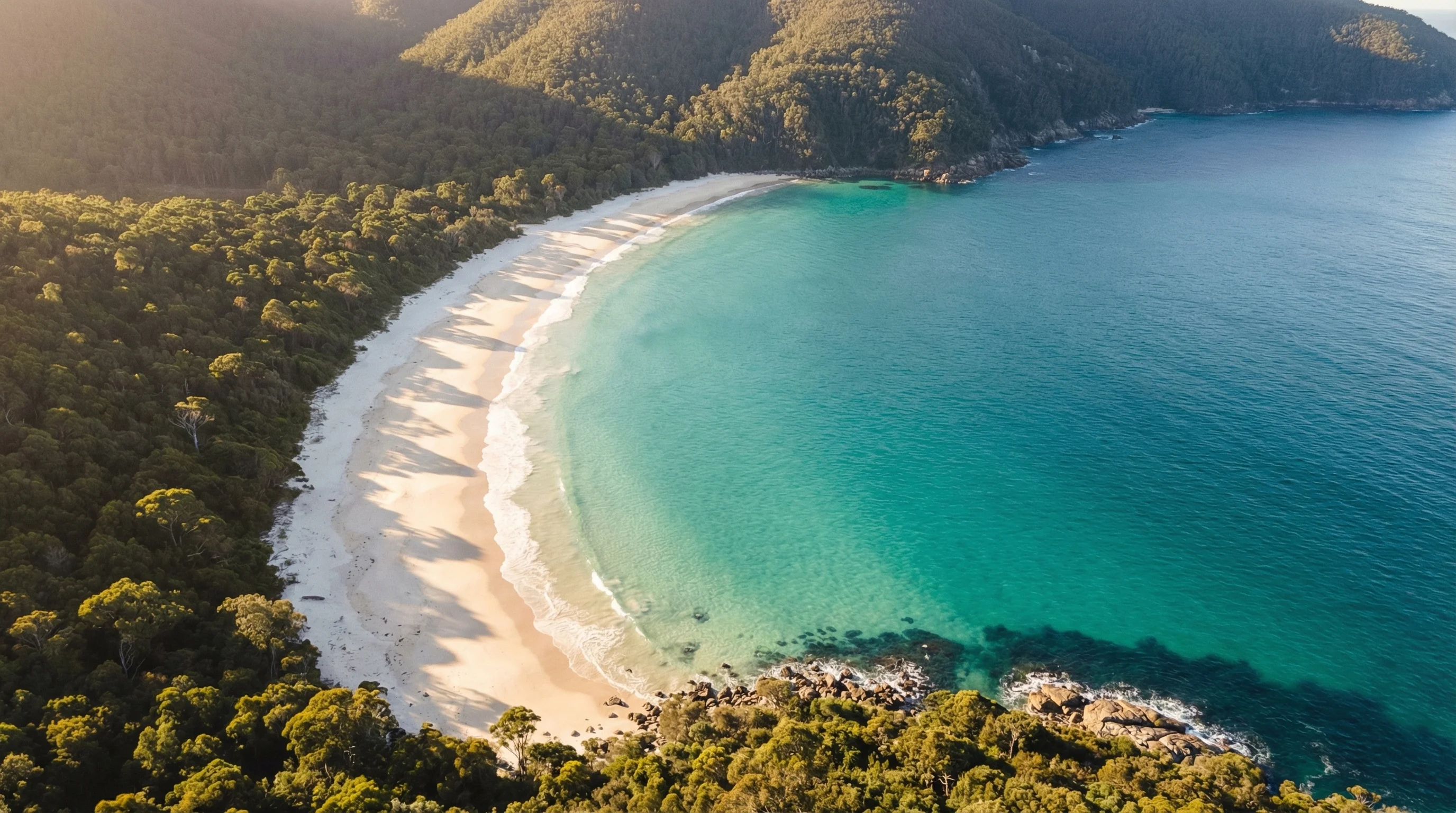
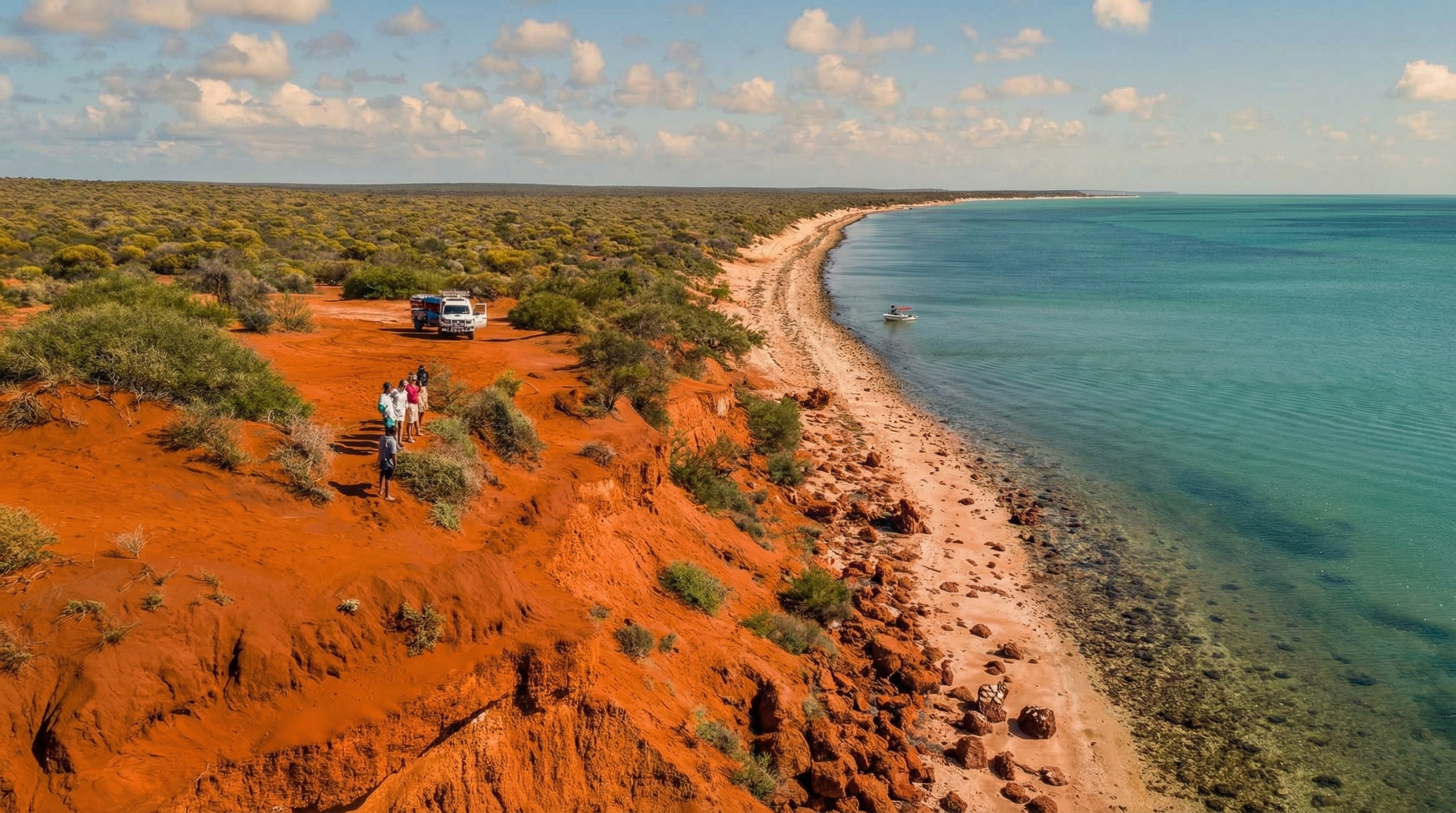
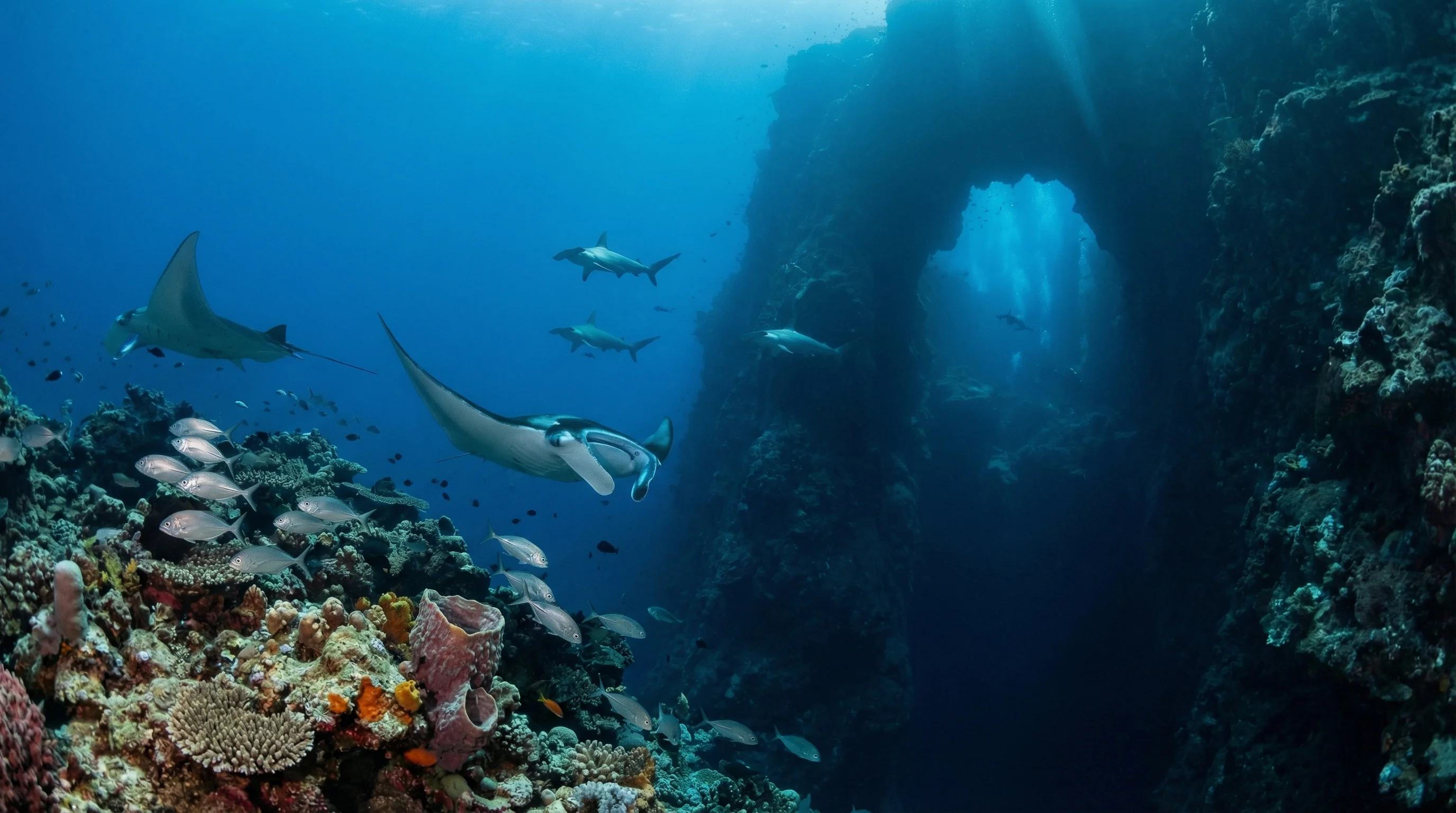
47Shore and boat diving across seagrass bays, offshore reefs, and historic wrecks, with Dugong, Grey Nurse Shark, and Whale Shark among the signature encounters.
 45
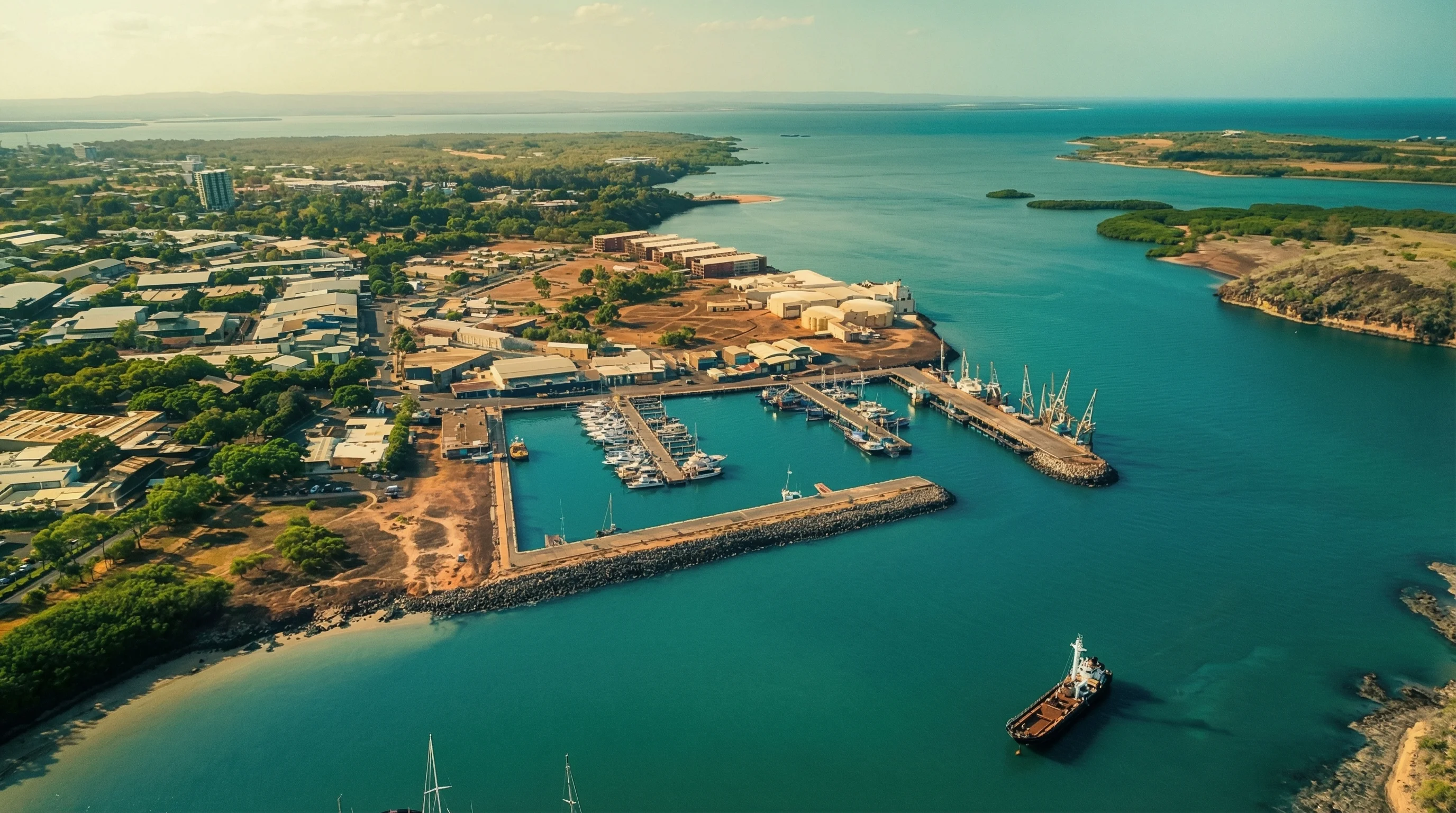
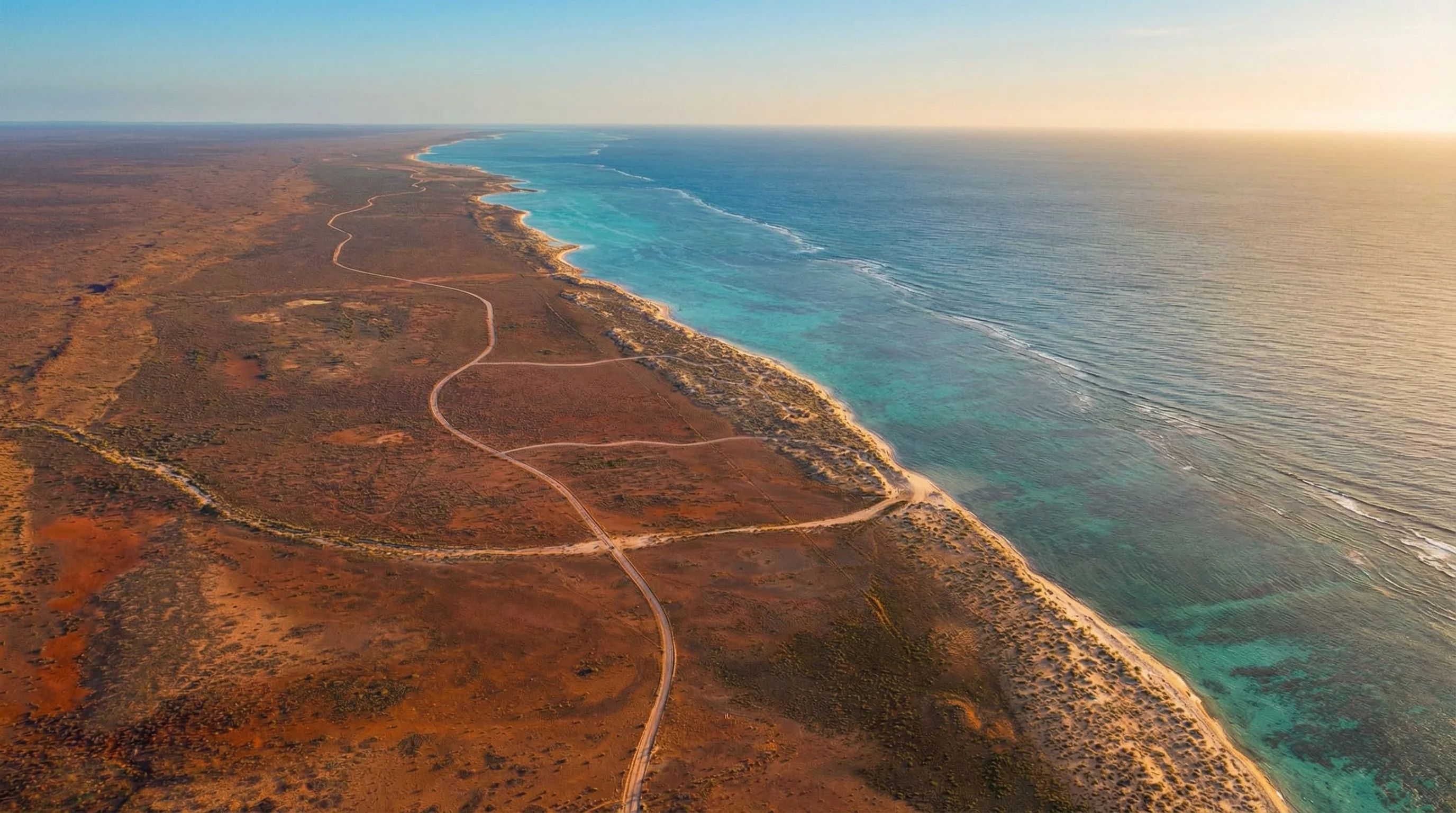
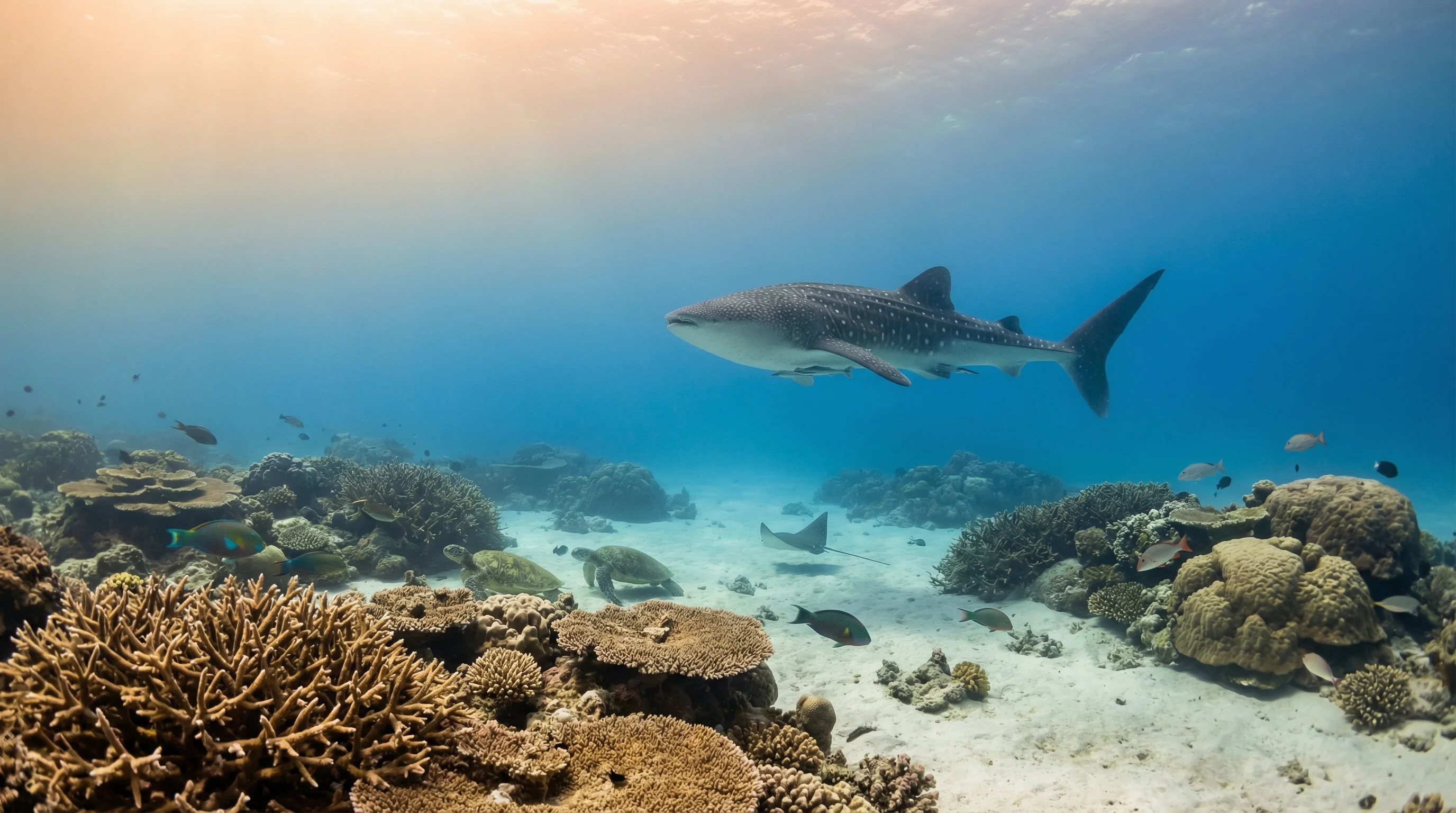
45A reef-rich coastline split between Exmouth and Coral Bay, where Whale Sharks, Whitetip Reef Shark and vibrant nudibranch species reward divers and snorkellers alike.
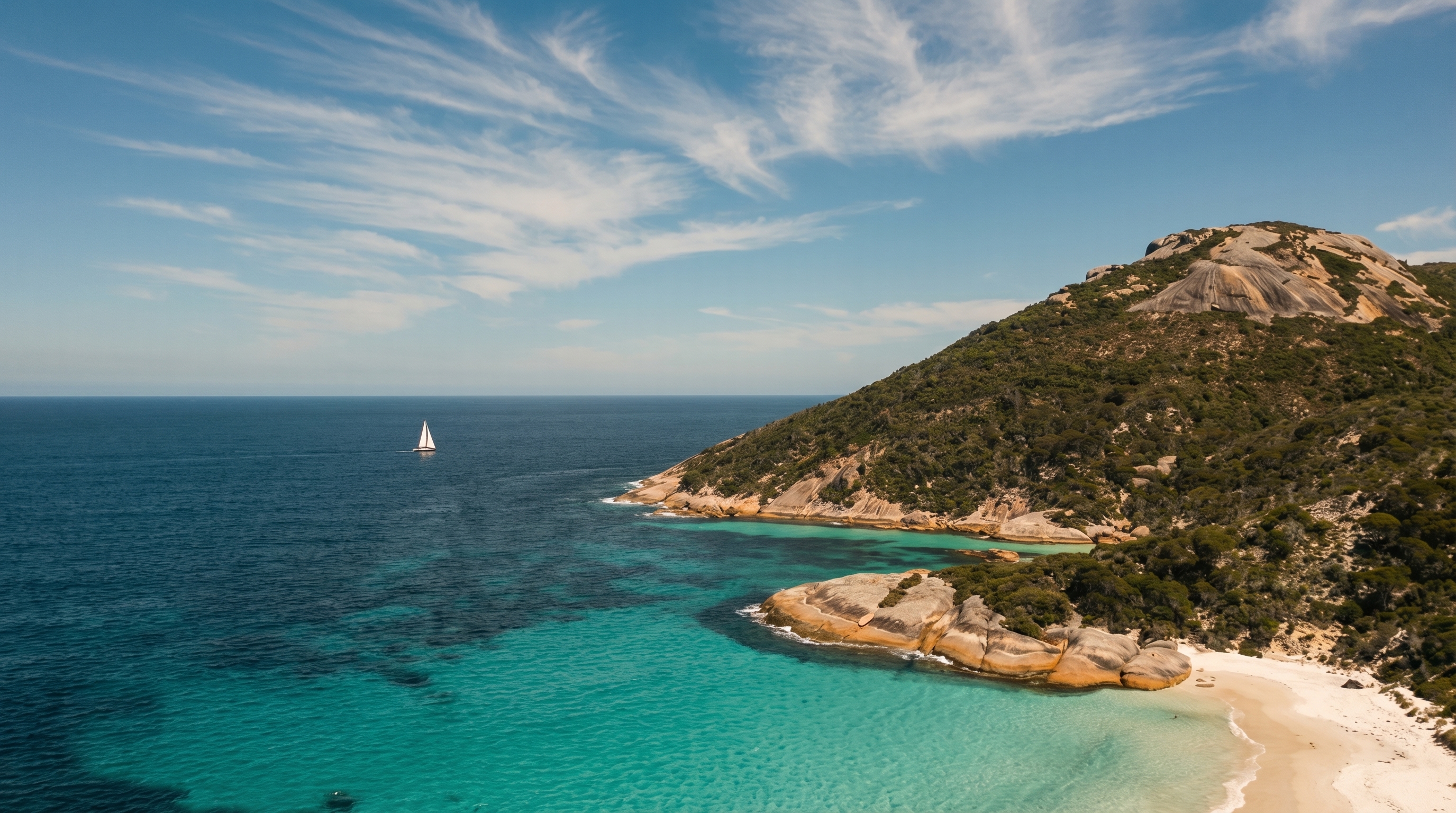
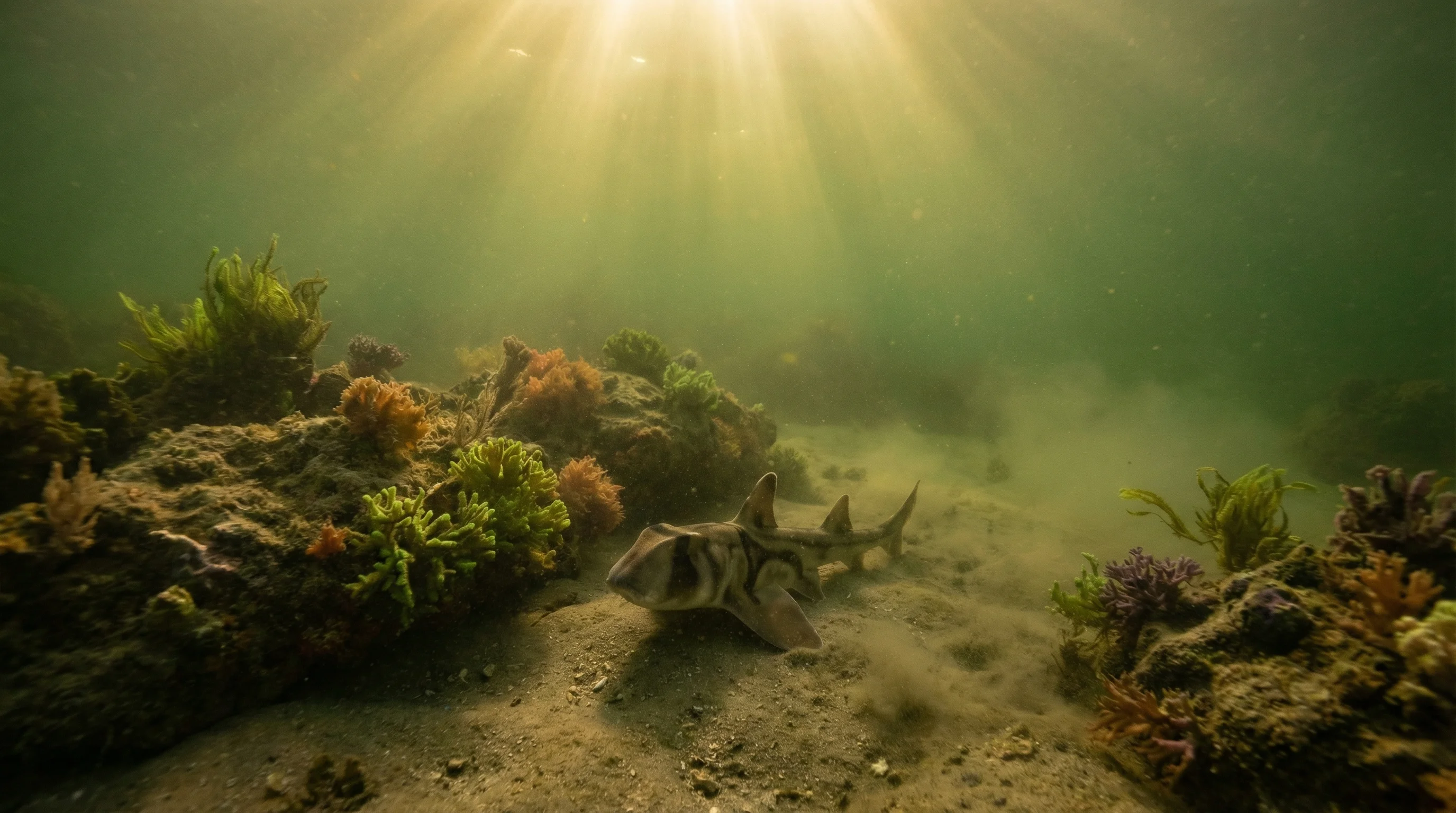
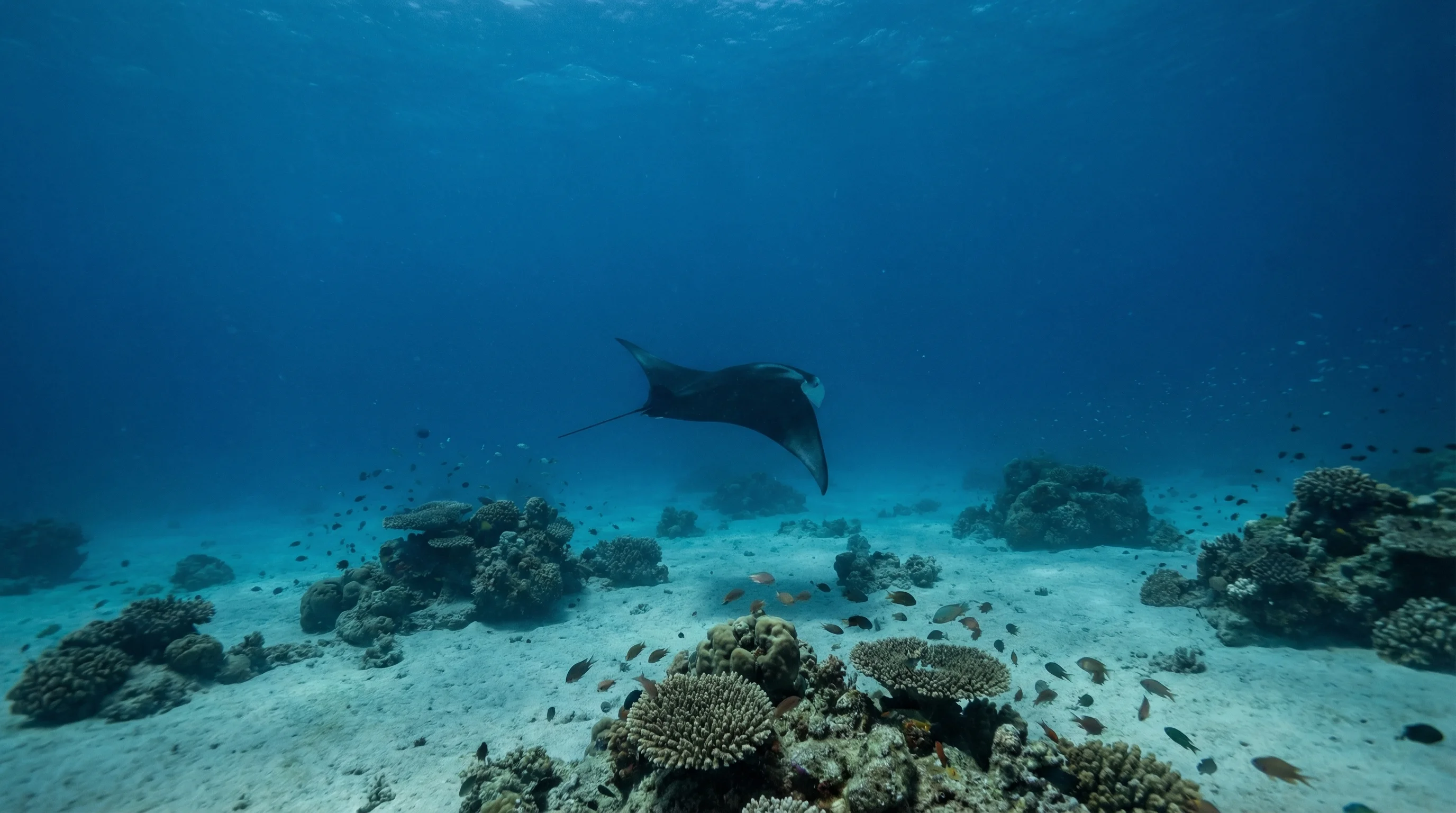
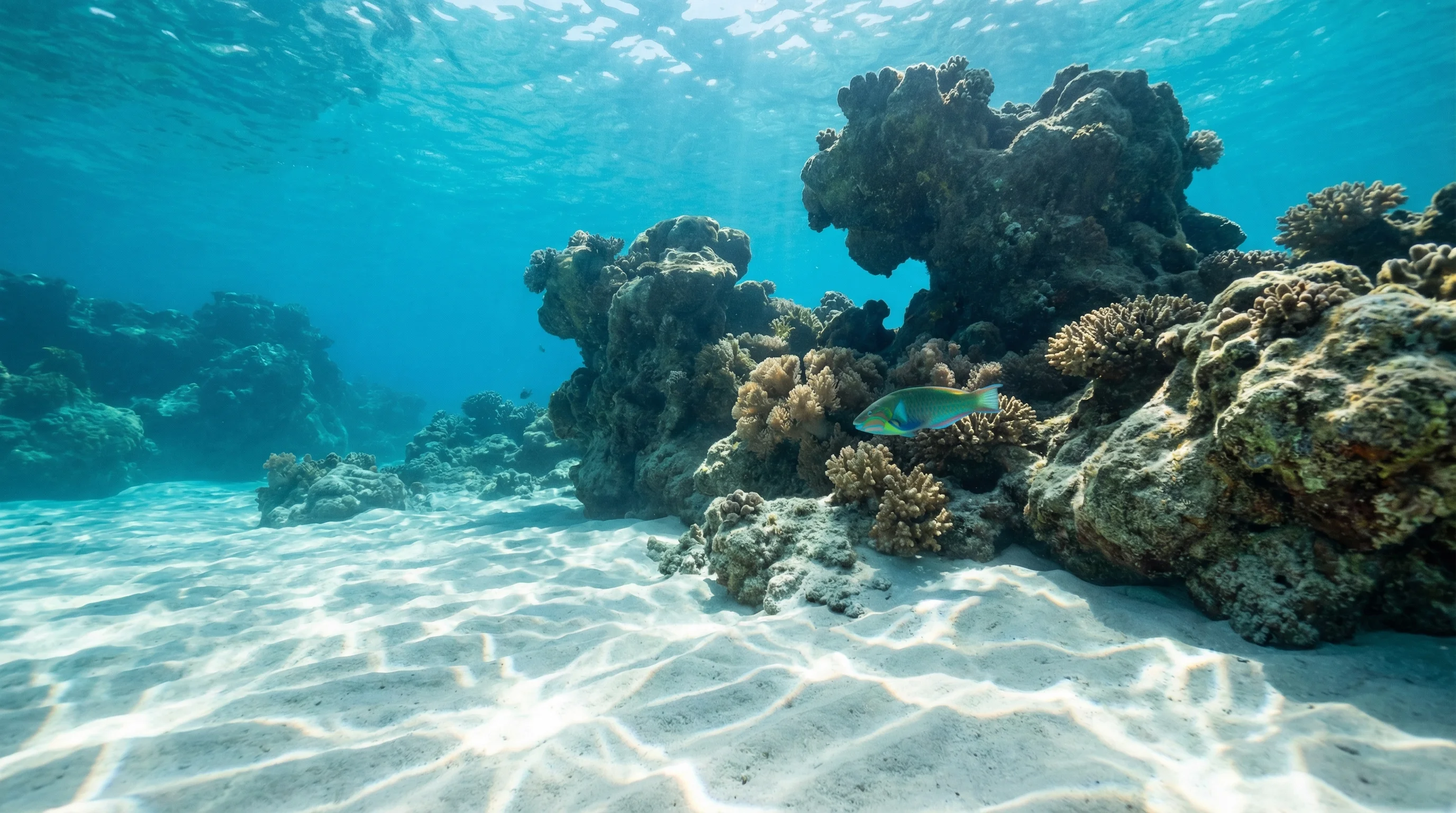
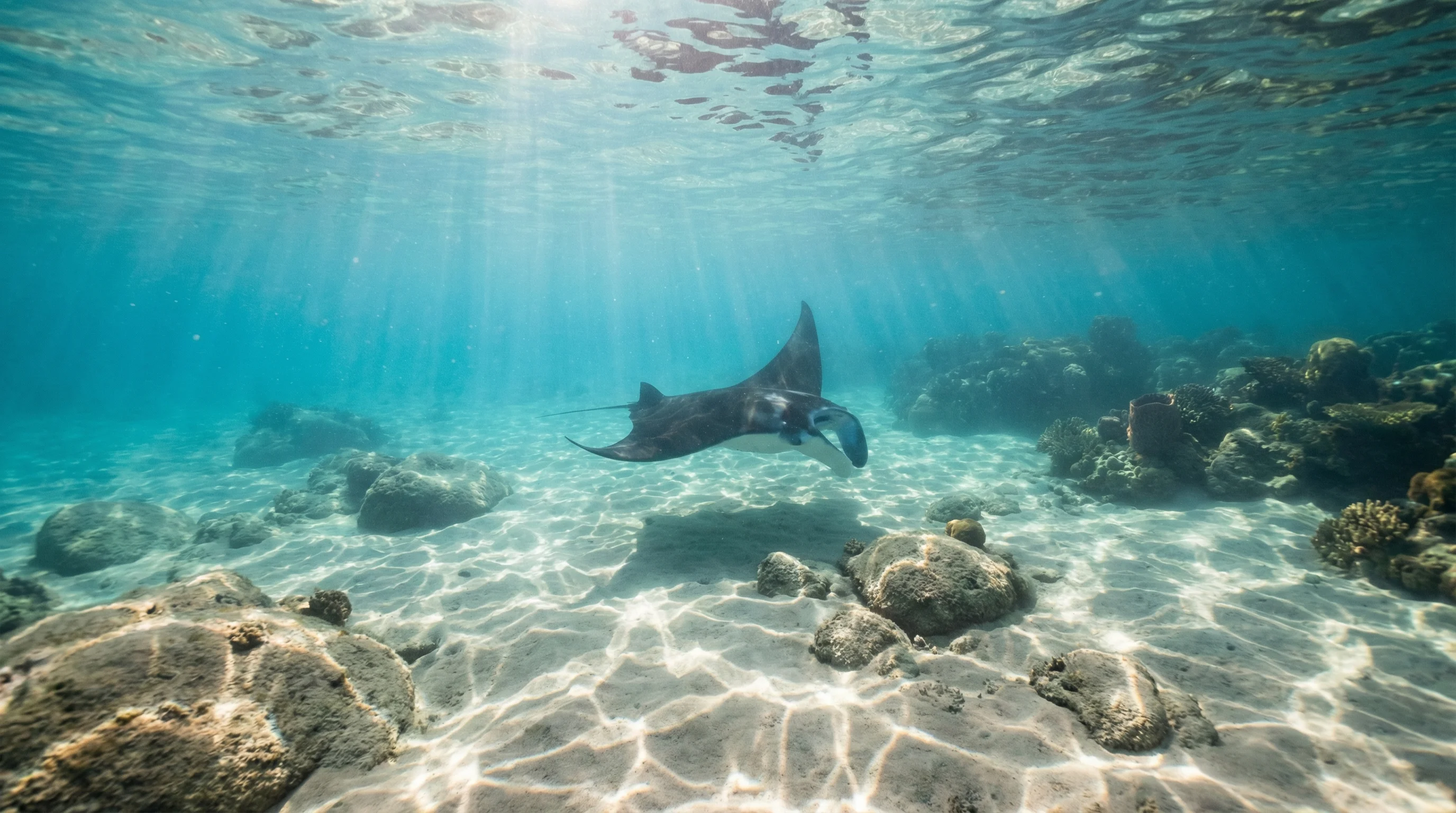
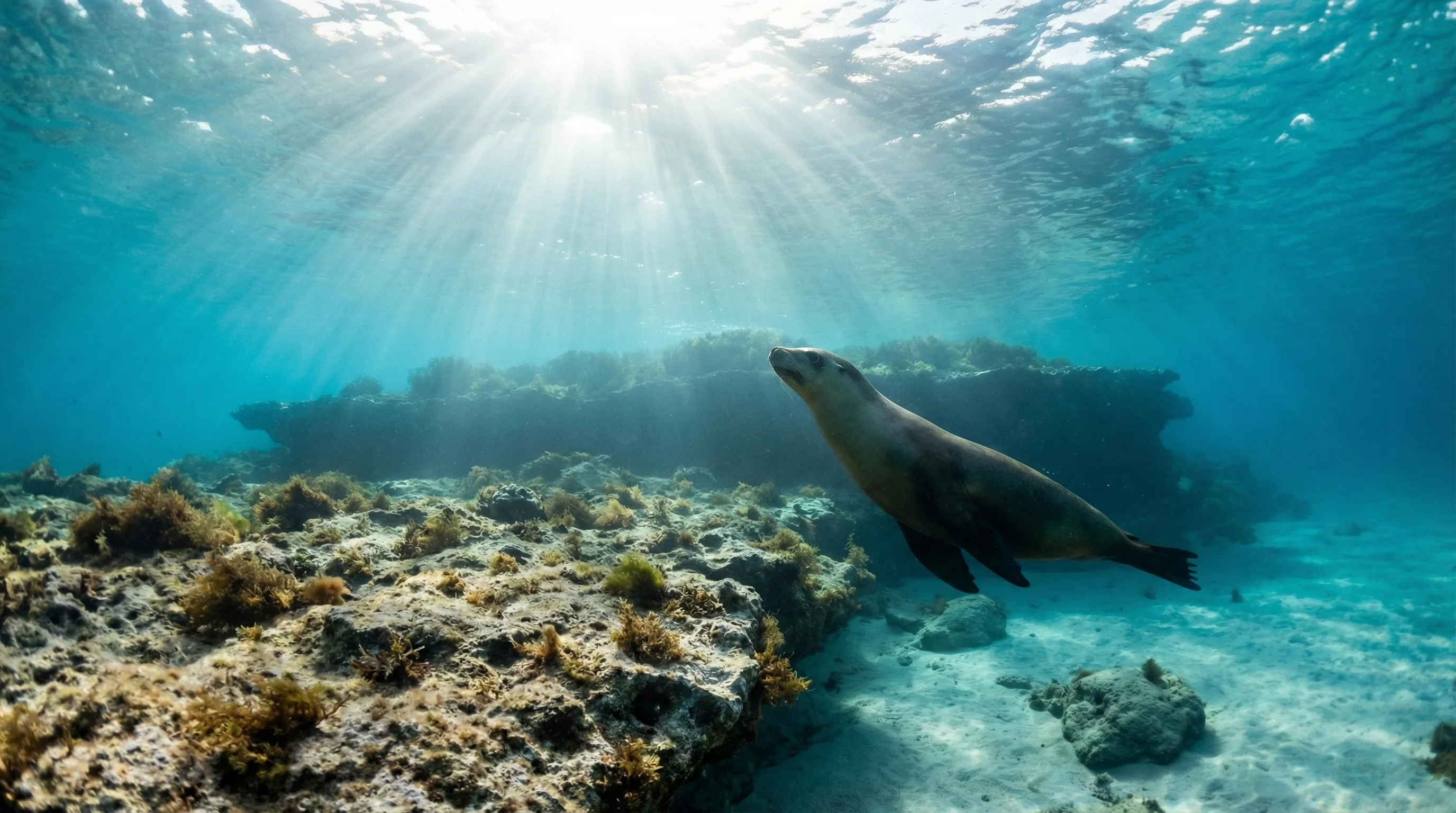
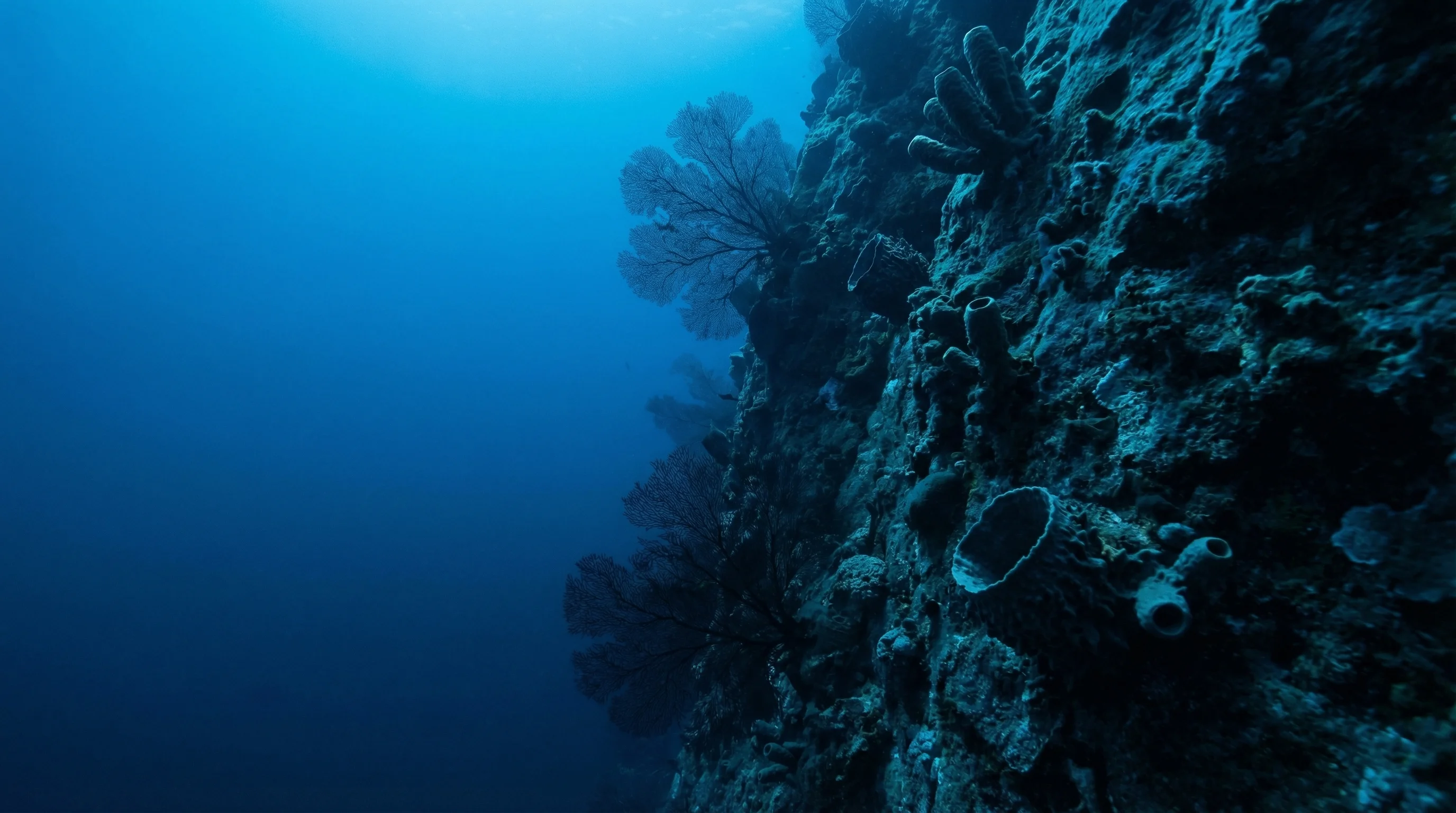
Western Australia covers a wide stretch of coastline, so conditions vary by area. The band below shows the spread across its sites through the year.
Water temperatures are warmest from late spring through autumn, making March to May a particularly comfortable period for diving. Cooler conditions in the winter months, especially from July through September, suit those who enjoy temperate marine life and are comfortable in a thicker wetsuit. Some exposed sites and those like Roe Reef experience strong tidal movement, so conditions vary considerably across sub-areas.
78 operators

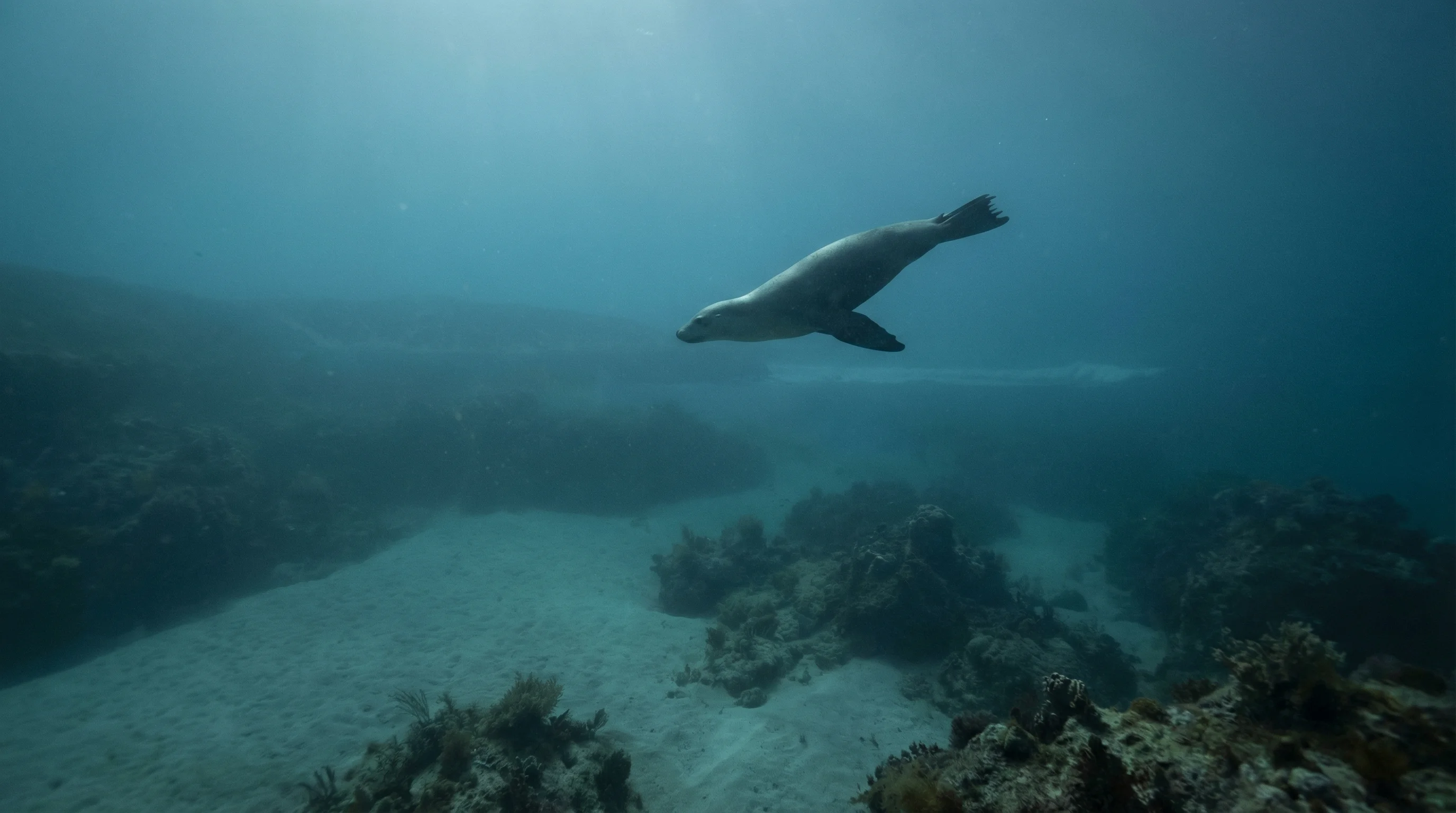
Temperate reefs hosting Western Blue Devil, Giant Cuttlefish, and Australian Sea Lion, with sites for all skill levels across walls, wrecks, and artificial structures.
Western Australia spans a wide latitude range, so water temperature varies a lot by area: roughly 18-29°C across its dive sites. Check the individual area pages for local conditions.
Fin maps 289 sites in Western Australia (261 scuba diving sites and 109 snorkelling spots, with some suited to both), organised into 7 areas.
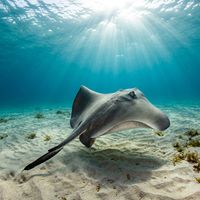
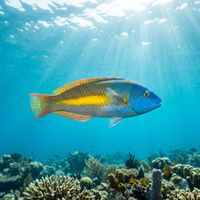
Western Australia has a rich and distinctive species list. Commonly observed species include the Chromodoris Nudibranch, Western King Wrasse, and Smooth Ray. Occasional sightings of the Spotted Wobbegong, Ornate Wobbegong, Grey Nurse Shark, Dugong, Pygmy Pipehorse, Port Jackson Shark, Bobtail Squid, and Weedy Seadragon make the region particularly rewarding for observant divers.
Yes, a good proportion of sites across the region are rated for beginner divers. Shore-entry sites such as Sue's Groyne, North Cottesloe Reef, and Separation Point offer shallow, accessible conditions for those building confidence. Beginner-friendly boat sites are also available at locations like Manta Point and Mistaken Island.
Perth has the largest concentration of sites, including accessible urban shore dives and nearshore reefs. Ningaloo Reef and the Coral Coast offer warmer water and coral-rich environments suited to both diving and snorkelling. Albany and Esperance sit further south with cooler, temperate conditions. The Kimberley hosts remote, more challenging sites including Roe Reef, which features powerful currents and dramatic cavern topography rated for advanced divers.
Both shore and boat access are well represented across Western Australia. Shore entries include sites in Perth such as Rocky Bay, Woodman Point, and North Cottesloe Reef, as well as Separation Point on the Coral Coast. Boat access opens up more remote or offshore sites, including Fisherman Island, Manta Point, and Roe Reef in the Rowley Shoals. Several operators across the region offer guided boat charters.