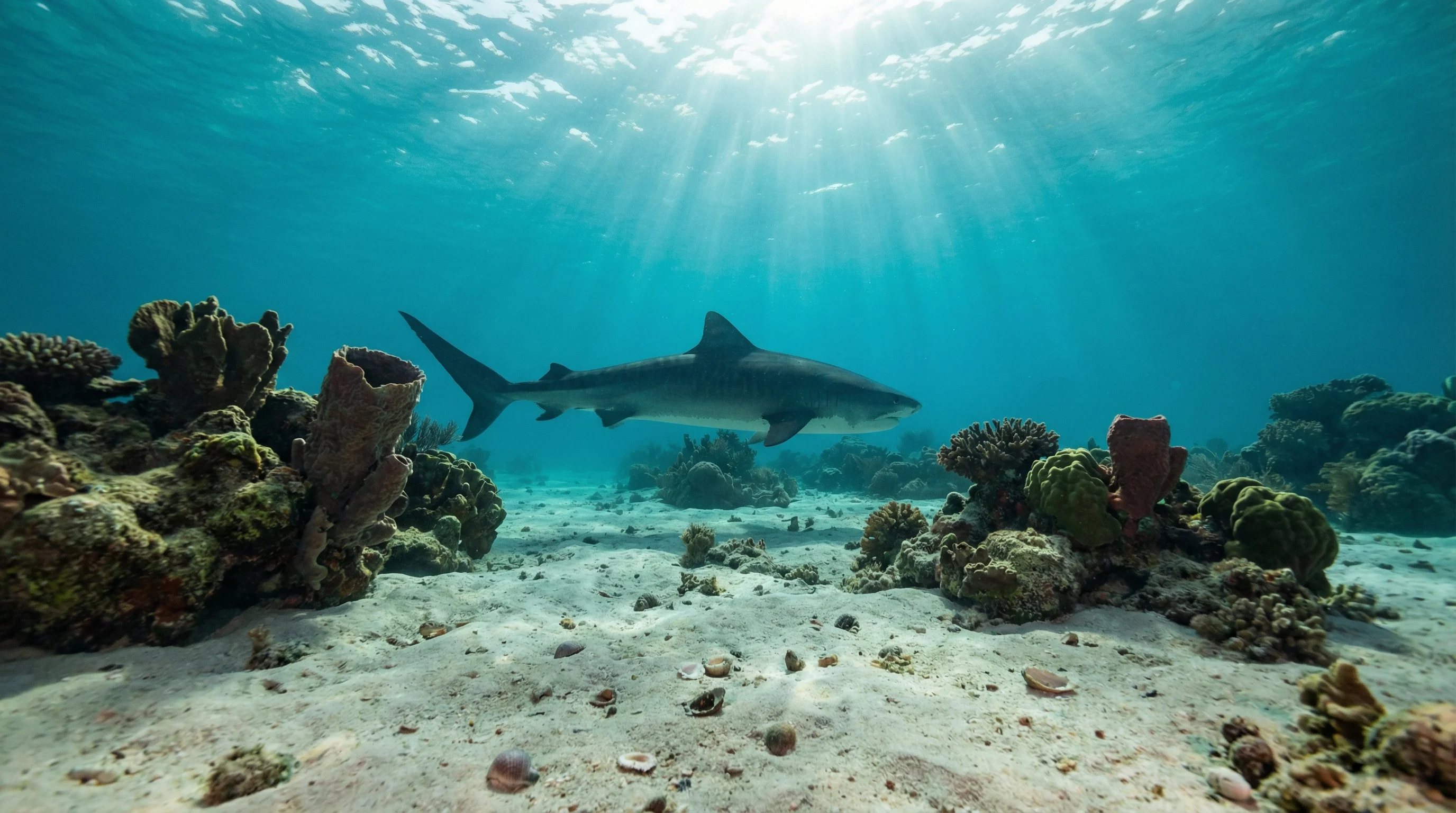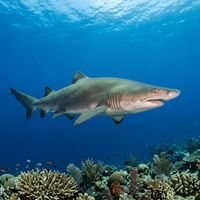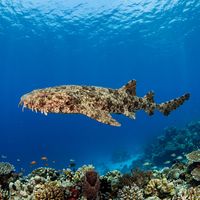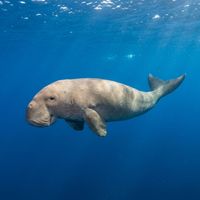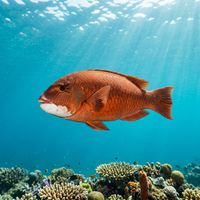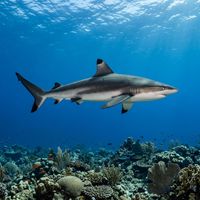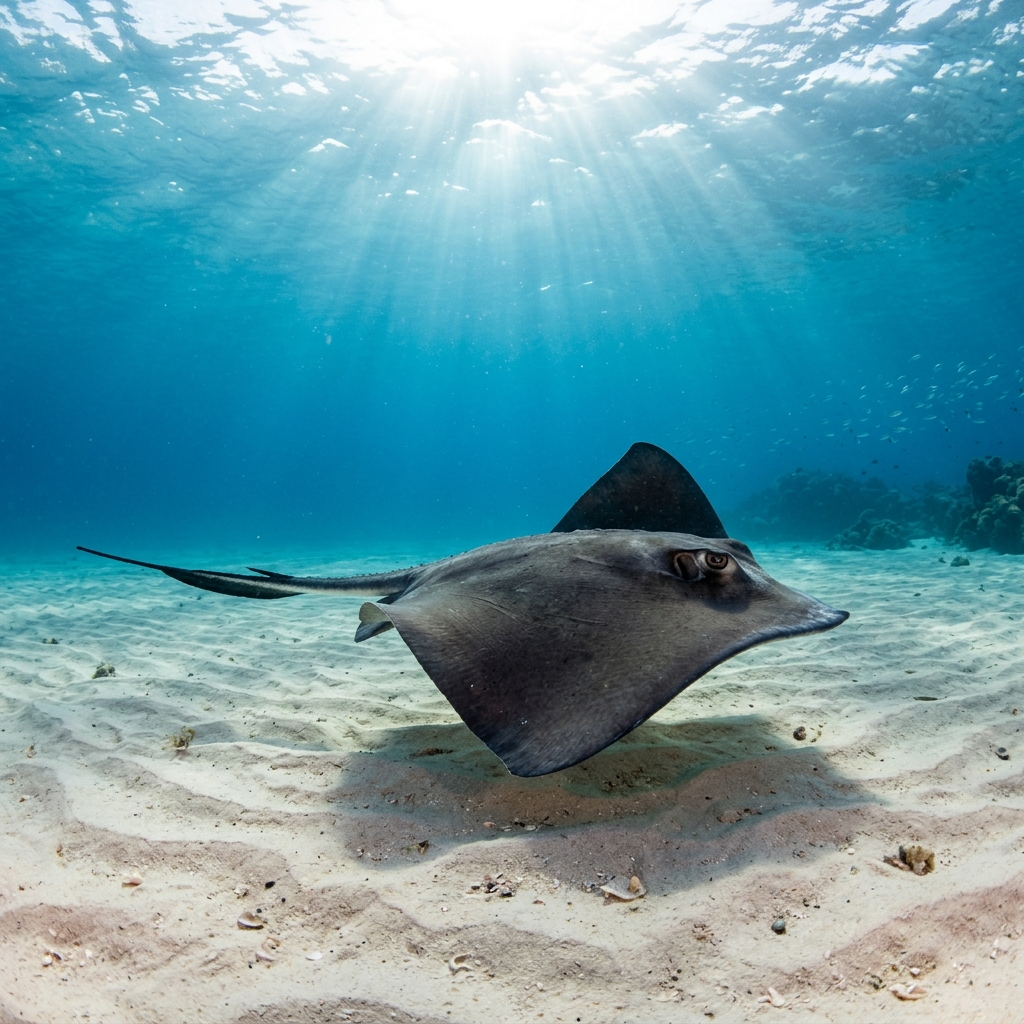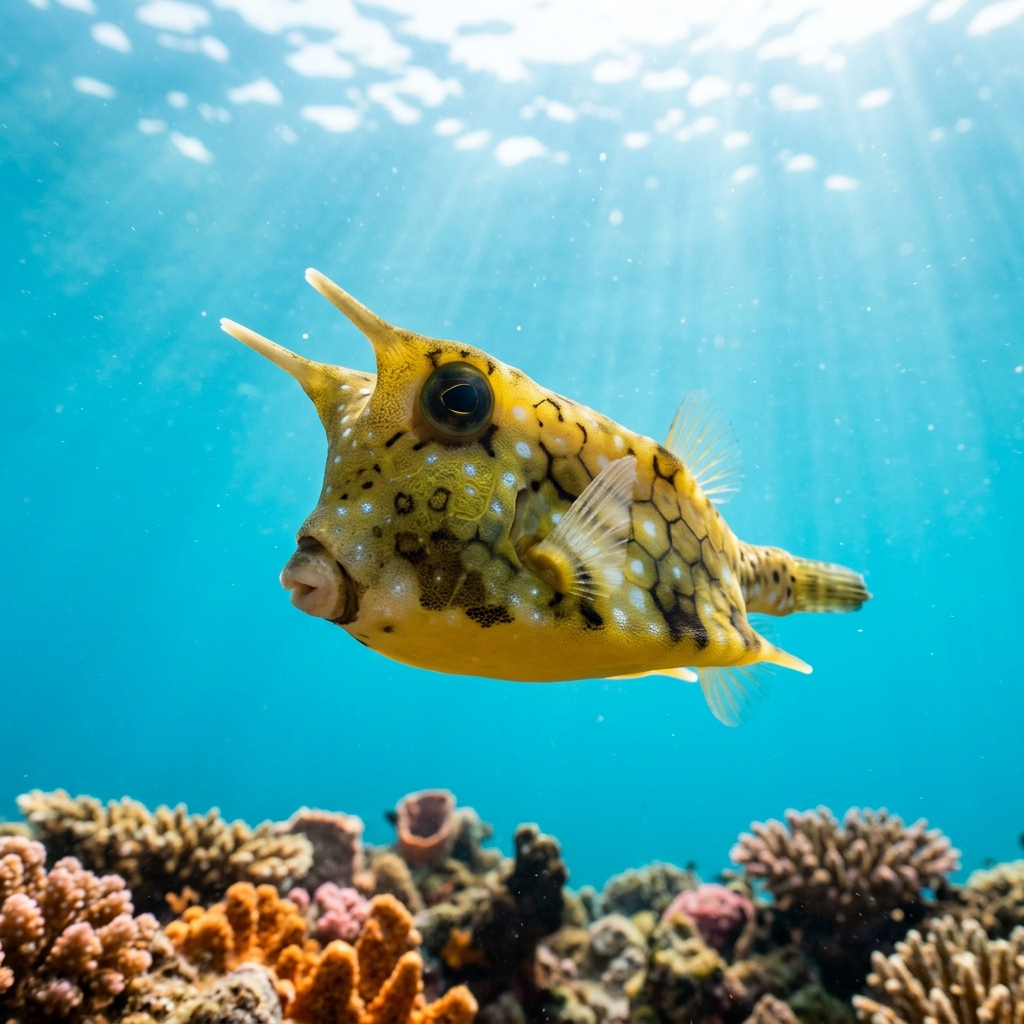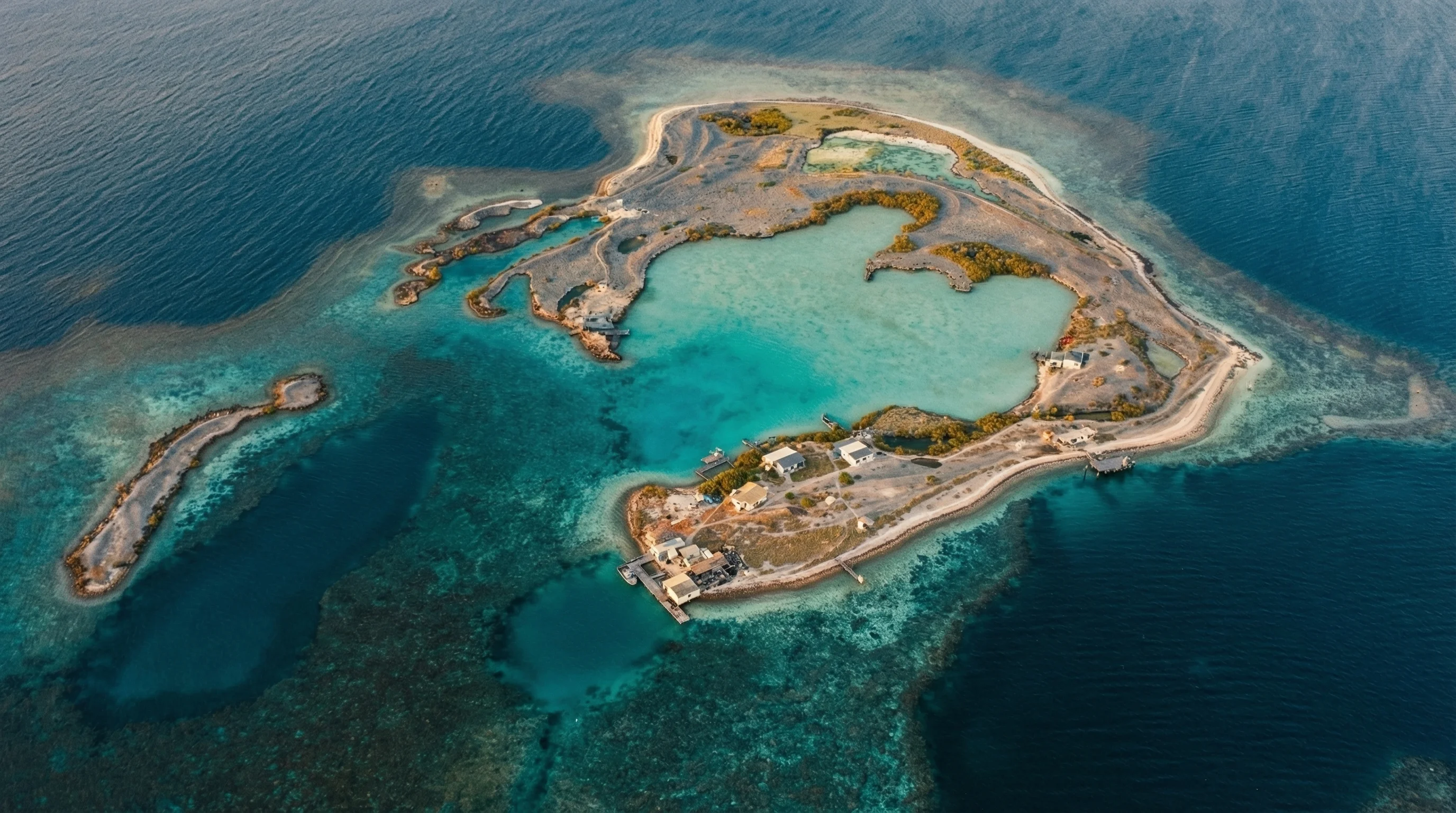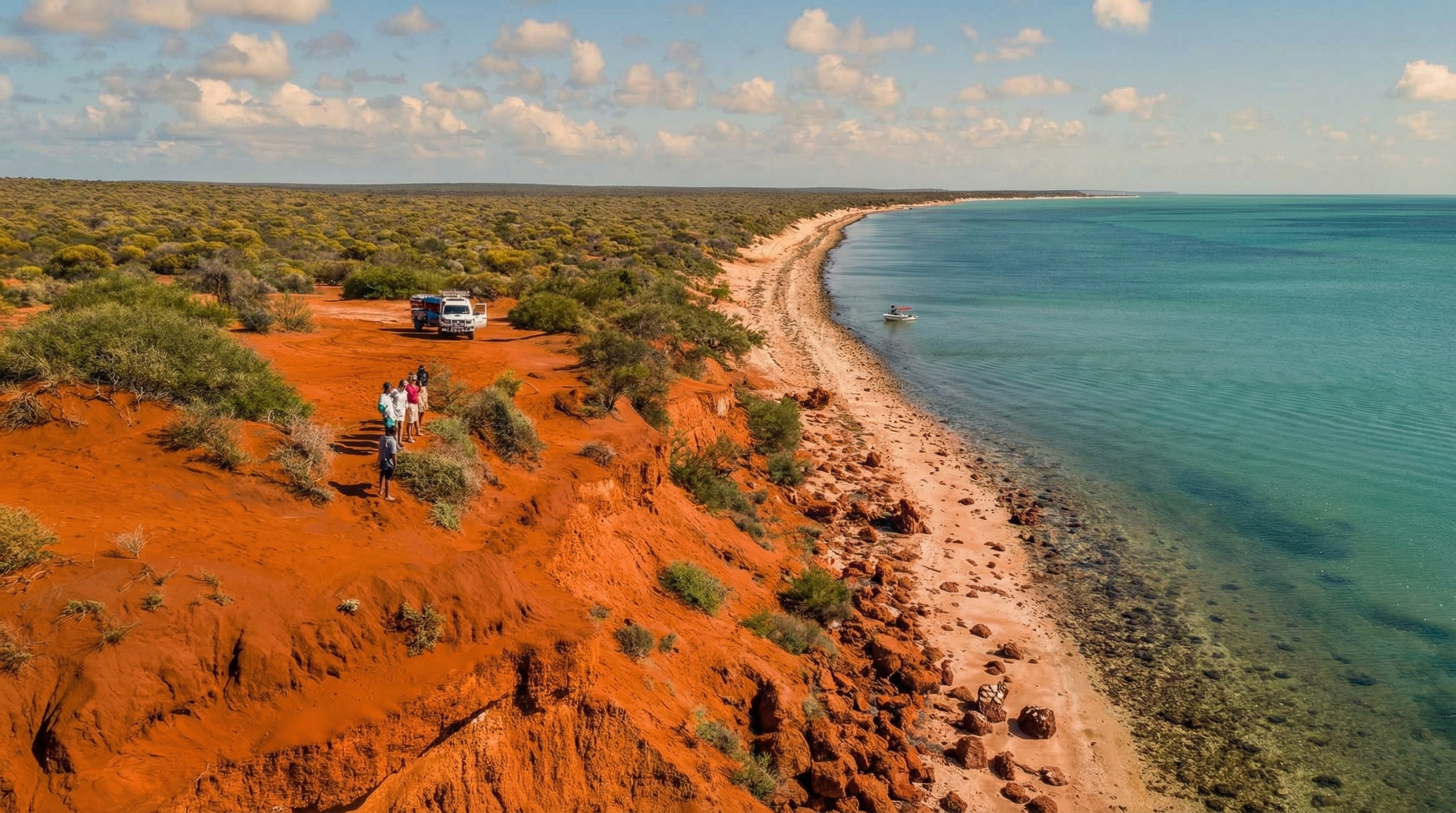
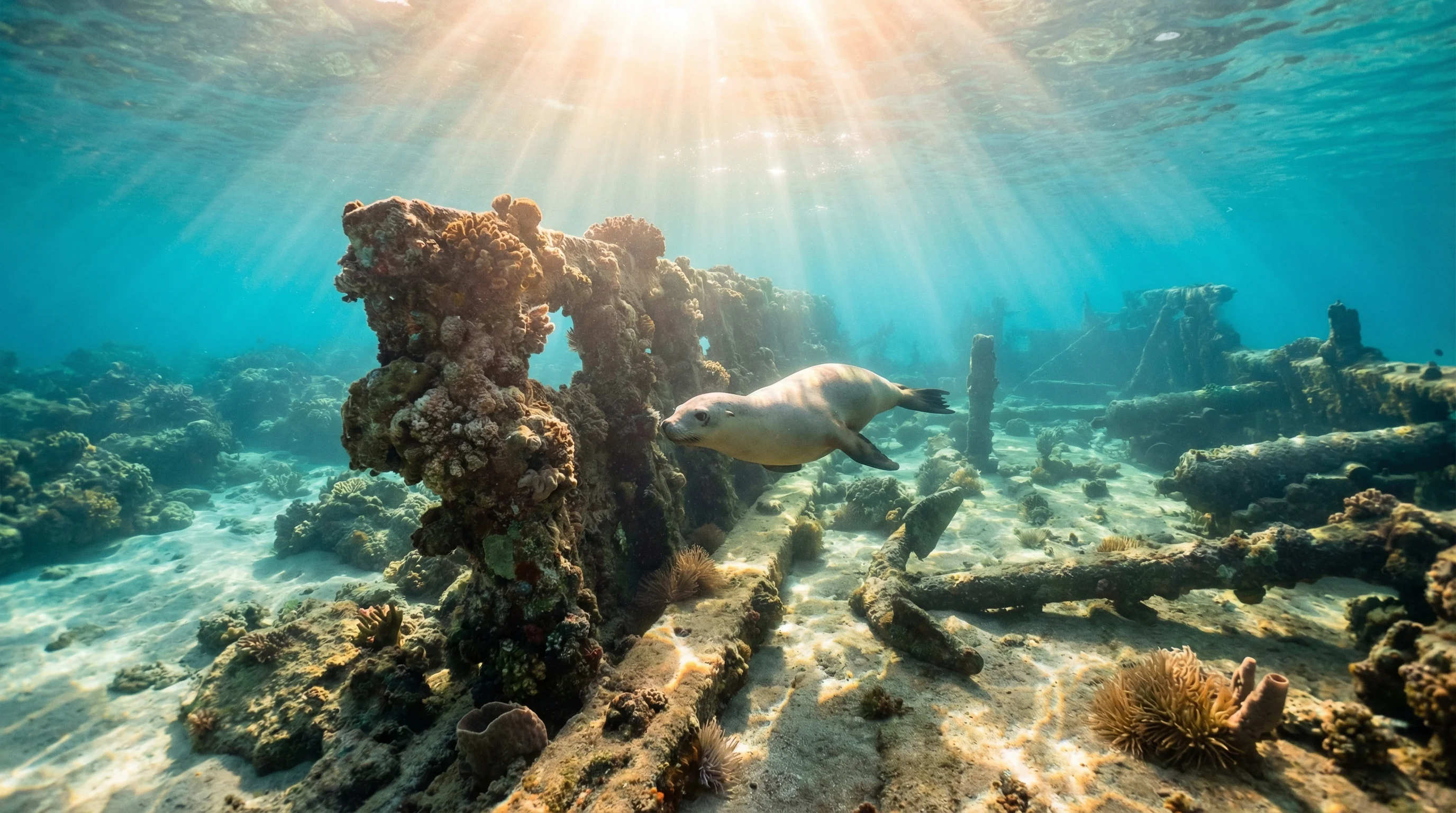
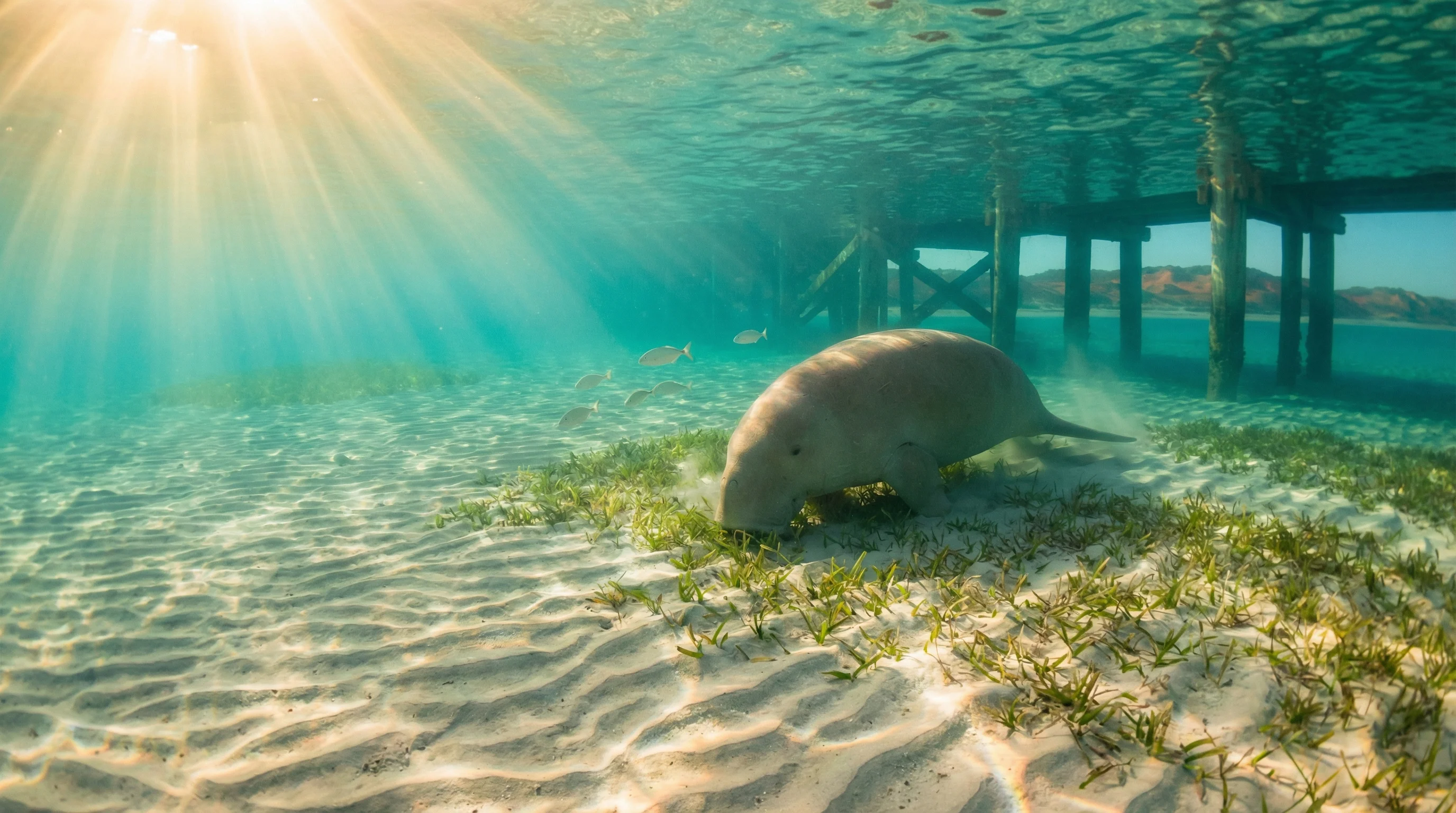
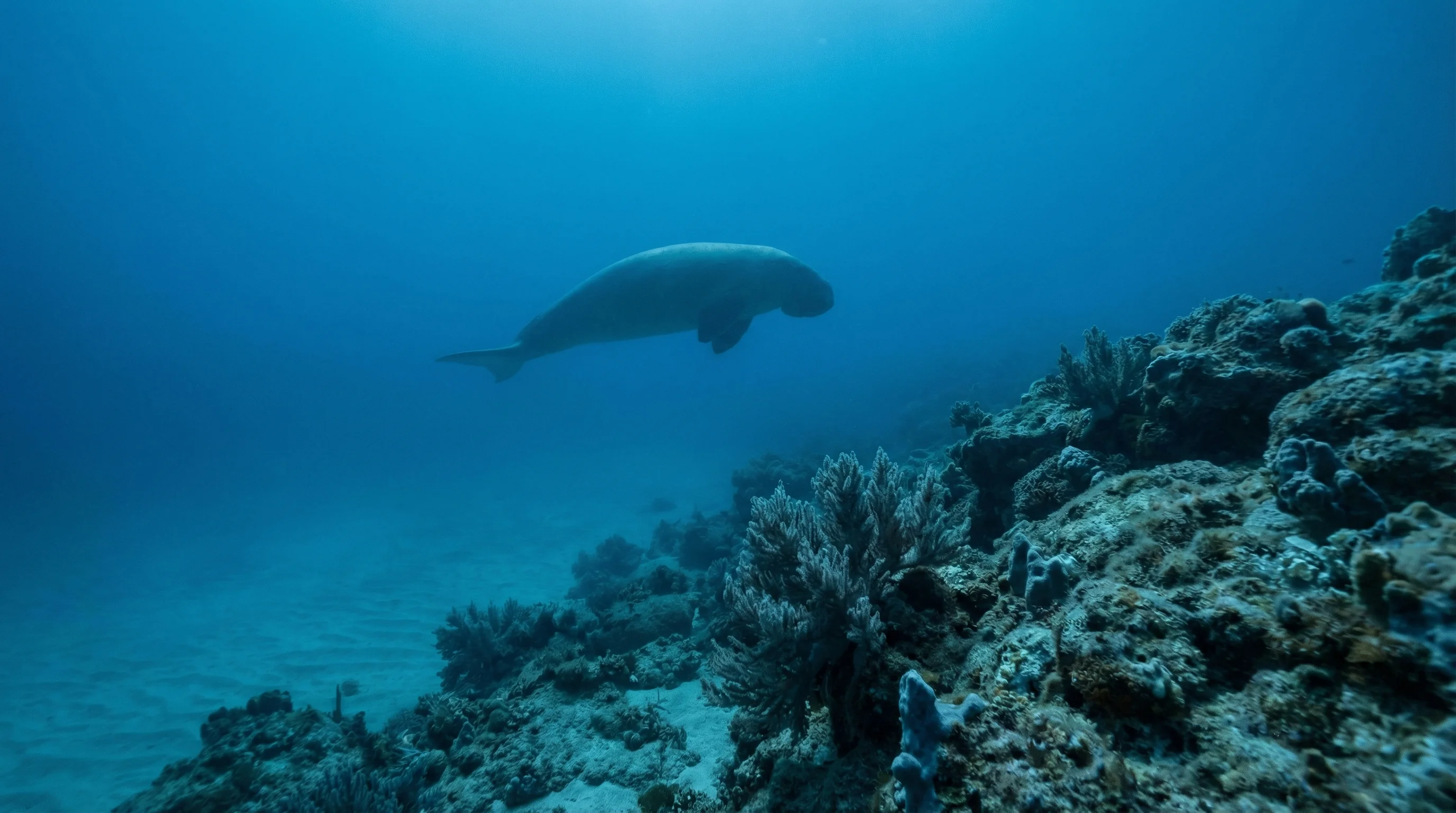
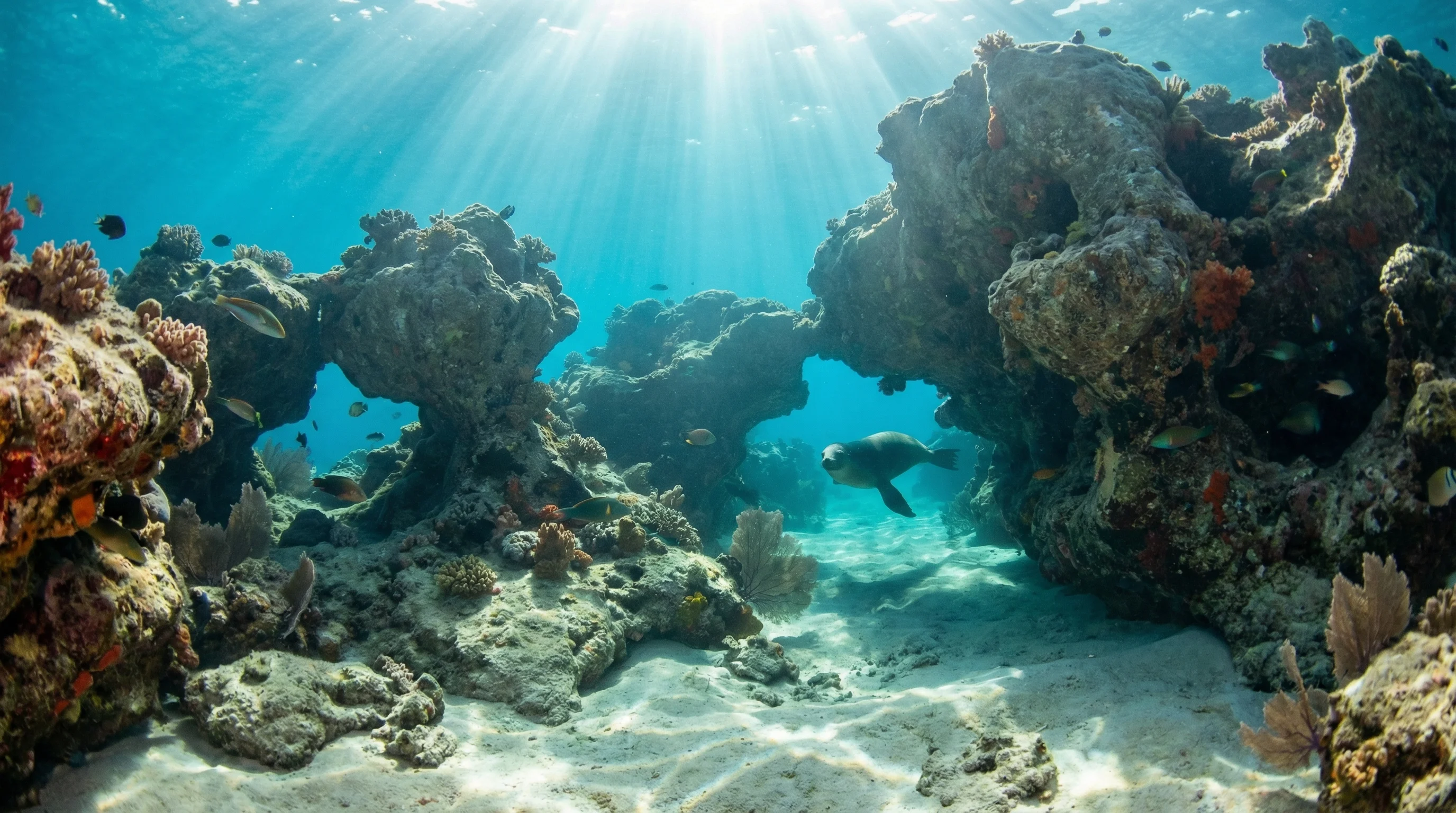
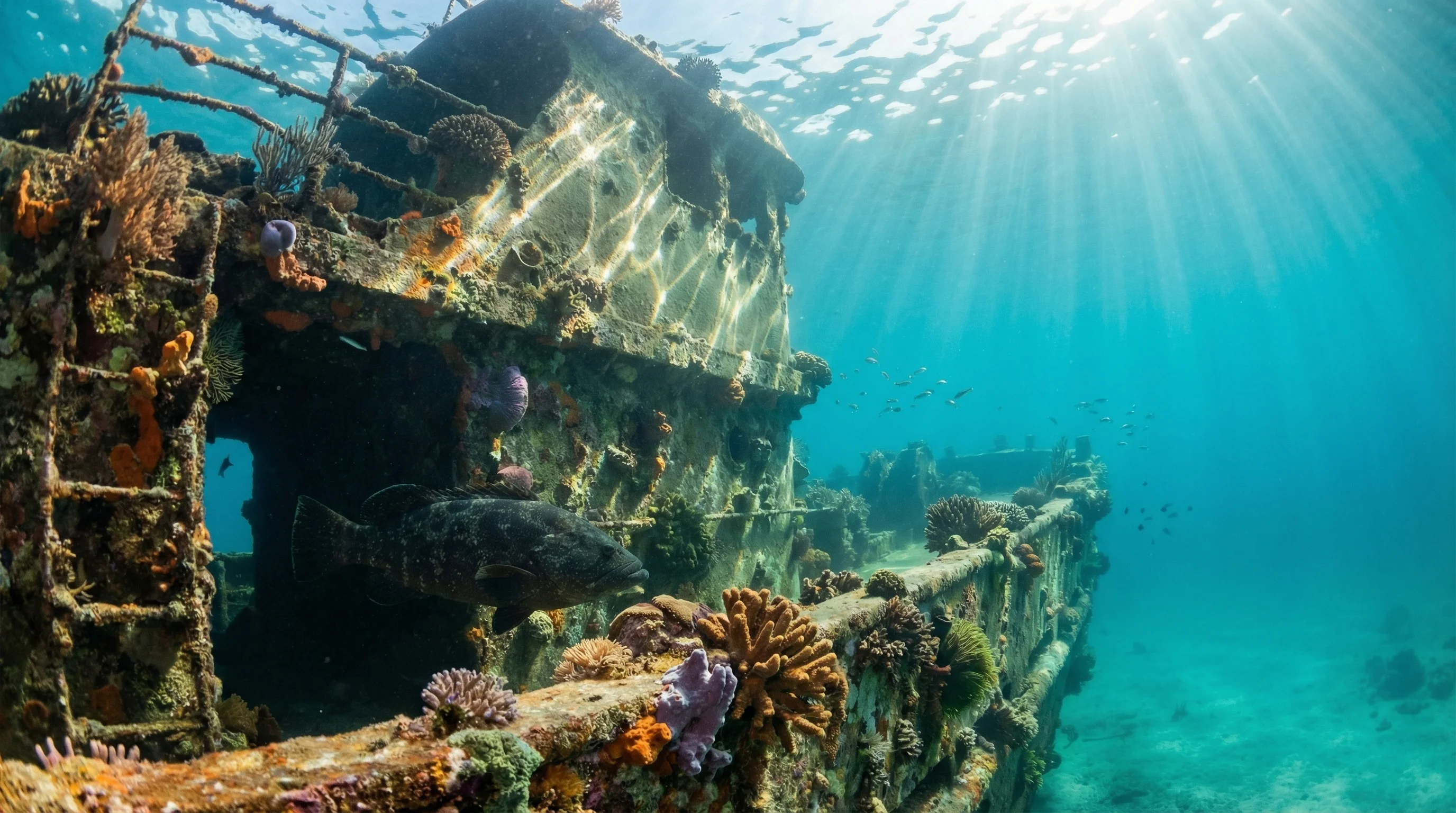
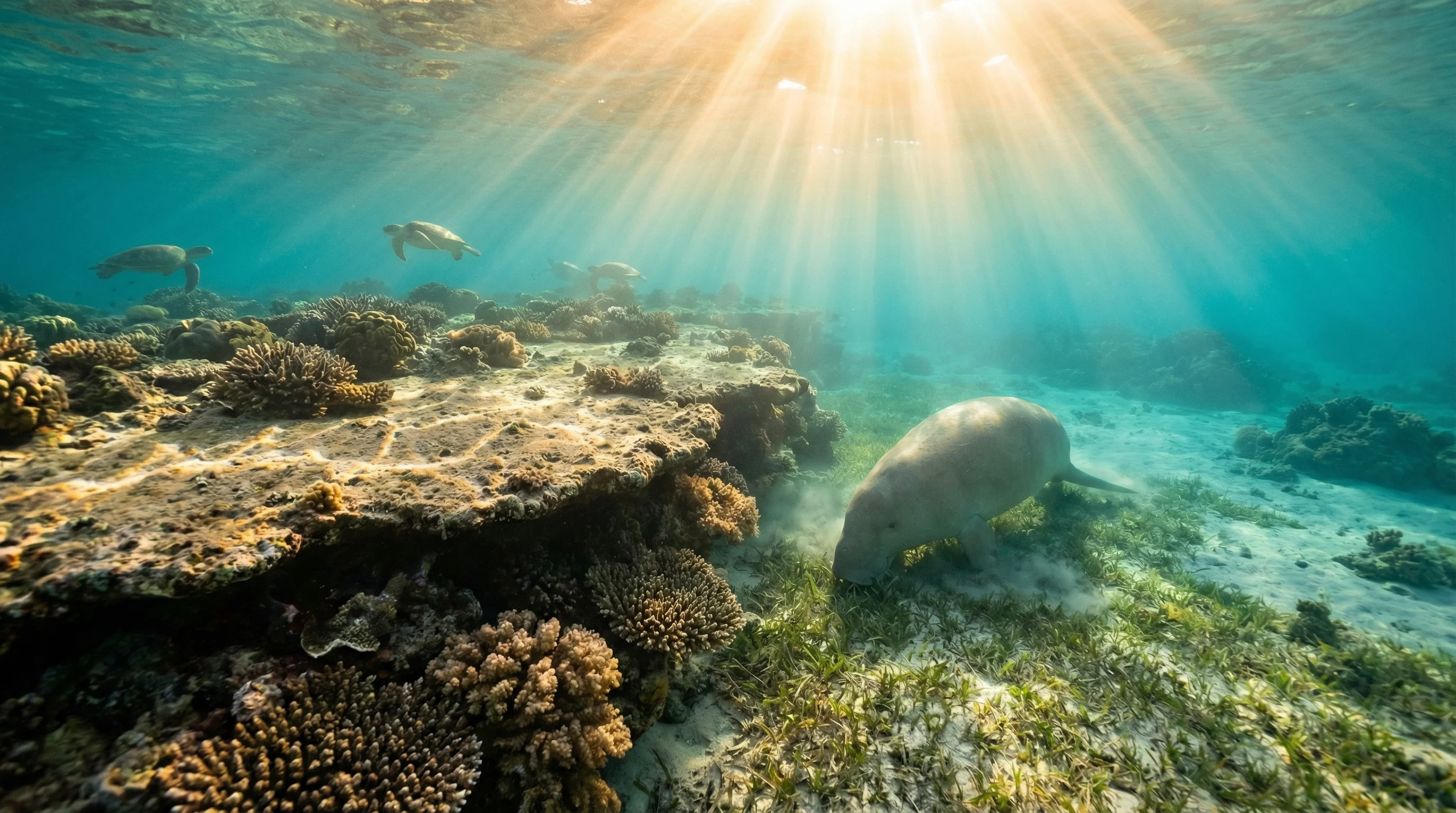
The Coral Coast spans two distinct sub-areas, Shark Bay and the Abrolhos Islands, each offering a different character. Shark Bay favours accessible shore dives over seagrass, reef, and muck habitats, where the Dugong is a real draw. The Abrolhos Islands shift the focus to offshore reefs, wrecks including the Batavia Shipwreck, and cave structures. Signature encounters across the region include the Spotted Wobbegong, Grey Nurse Shark, Baldchin Groper, and occasional Whale Shark.
2 areas
Monthly water temperature across Coral Coast's sites, from satellite sea-surface data corrected for depth. The band shows the site-to-site spread.
Water temperatures are warmest from late summer into autumn, making March through May a popular window. A cooler period settles in mid-year, when a light exposure layer is worth packing. The histogram points to October as a strong second peak, offering good conditions as waters begin to warm again.
8 operators
Australia
Australia
35 more sites to explore
Water temperature around Coral Coast ranges from about 20°C in August to 24°C in February, based on satellite sea-temperature data for its dive sites.
In the warm season (about 24°C) a 3mm full suit is comfortable in Coral Coast; in the coldest months (about 20°C) step up to a 5mm suit.
Fin maps 47 sites in Coral Coast (41 scuba diving sites and 19 snorkelling spots, with some suited to both), organised into 2 areas.
Across Coral Coast's dive sites, March, April, May and October are most often reported as the best months to visit.
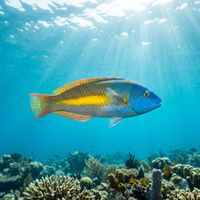
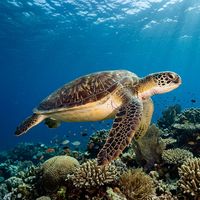
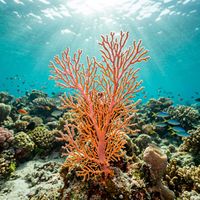
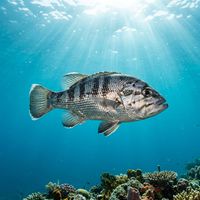
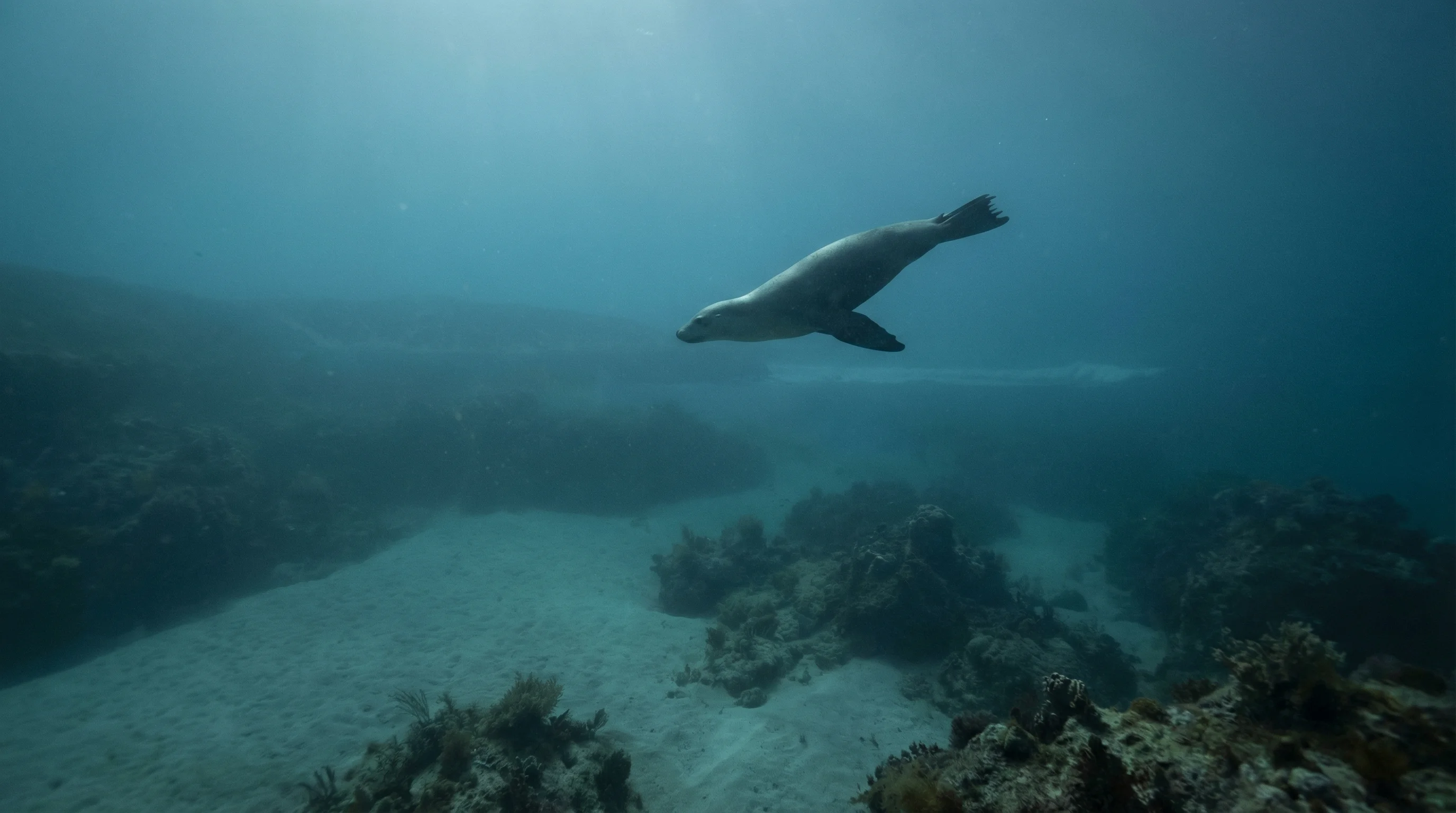
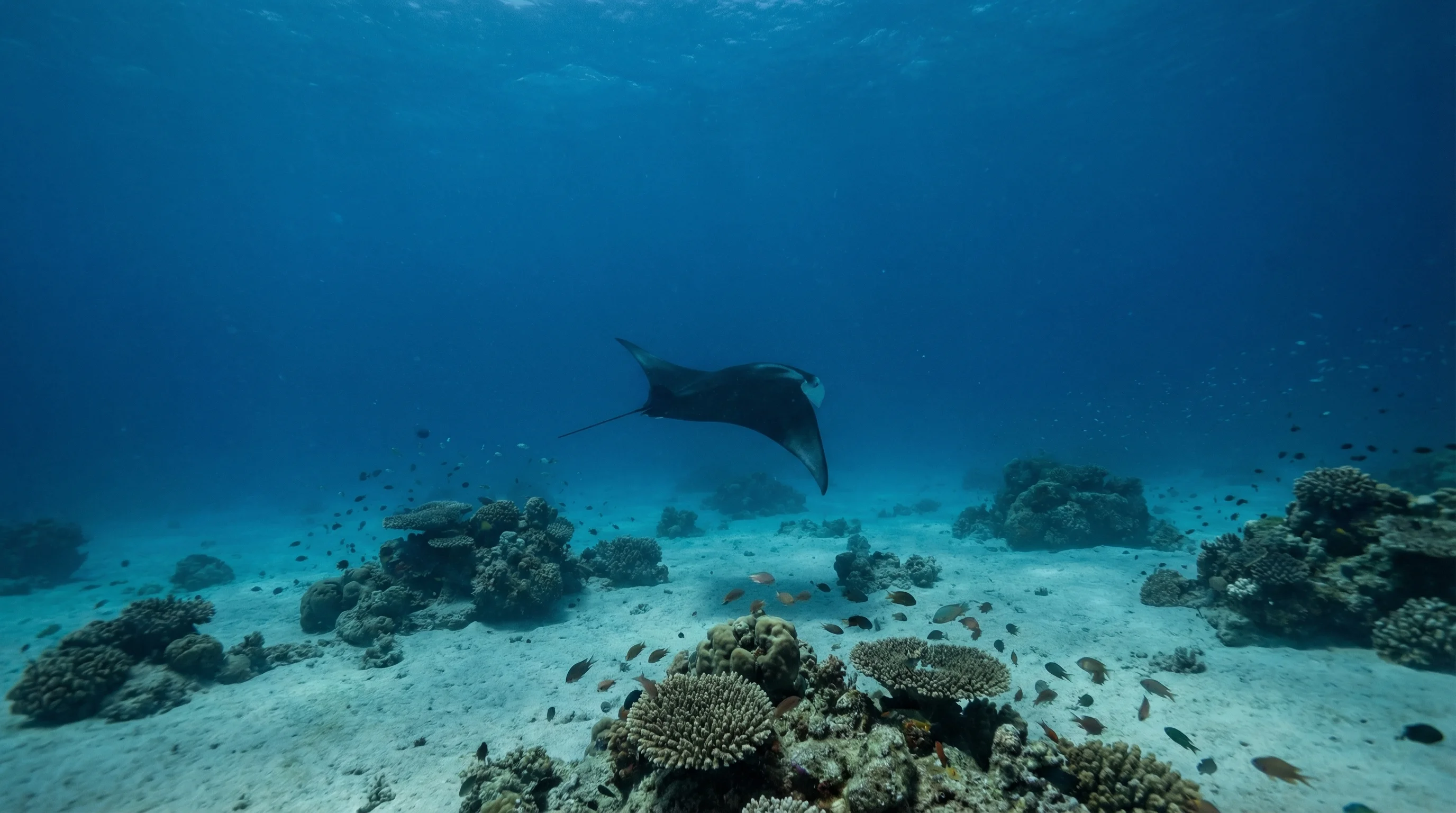
The region has a strong observation record for Spotted Wobbegong, Grey Nurse Shark, Common Blacktip Shark, Baldchin Groper, Dhufish, and Western King Wrasse. Dugong are commonly encountered, particularly around seagrass sites in Shark Bay. Whale Shark sightings are occasional, and Chromodoris Nudibranch and Gorgonian are found across many reef sites.
A large share of the sites are rated beginner level, including shore-entry spots such as Separation Point, Sandy Point, and Denham Jetty in Shark Bay. Boat-access beginner sites like Blue Holes and Turtle Bay offer very shallow depths and mild currents. Intermediate and advanced sites such as South Tomi and Steep Point are also available for more experienced divers.
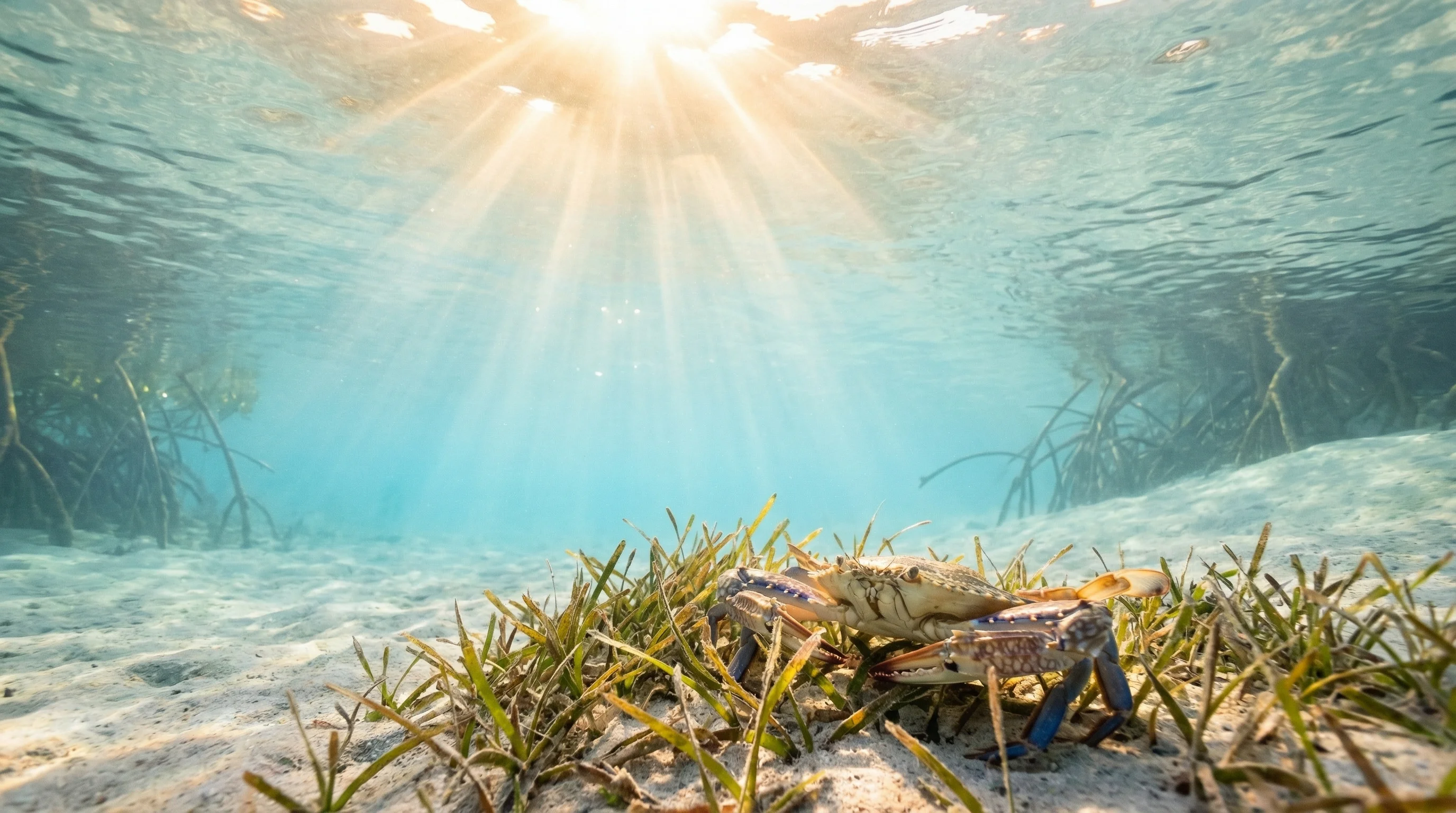
Shark Bay leans toward sheltered, shallower diving with a strong mix of seagrass, reef, and muck habitats, and several sites are accessible directly from shore. The Abrolhos Islands concentrate on offshore reef and wreck diving, including the historic Batavia Shipwreck, and are generally reached by boat. Both sub-areas share the same signature species but offer meaningfully different topography and access styles.
Both shore and boat entry are represented across the region. Shore-entry sites include Separation Point, Explosives, Sandy Point, and Denham Jetty, making independent access straightforward for suitably equipped divers. The majority of sites, especially in the Abrolhos Islands, require a boat, and Batavia Coast Dive and Watersports is the listed operator serving the region.