Best for beginner divers, 5-8m, shore entry, mild current.
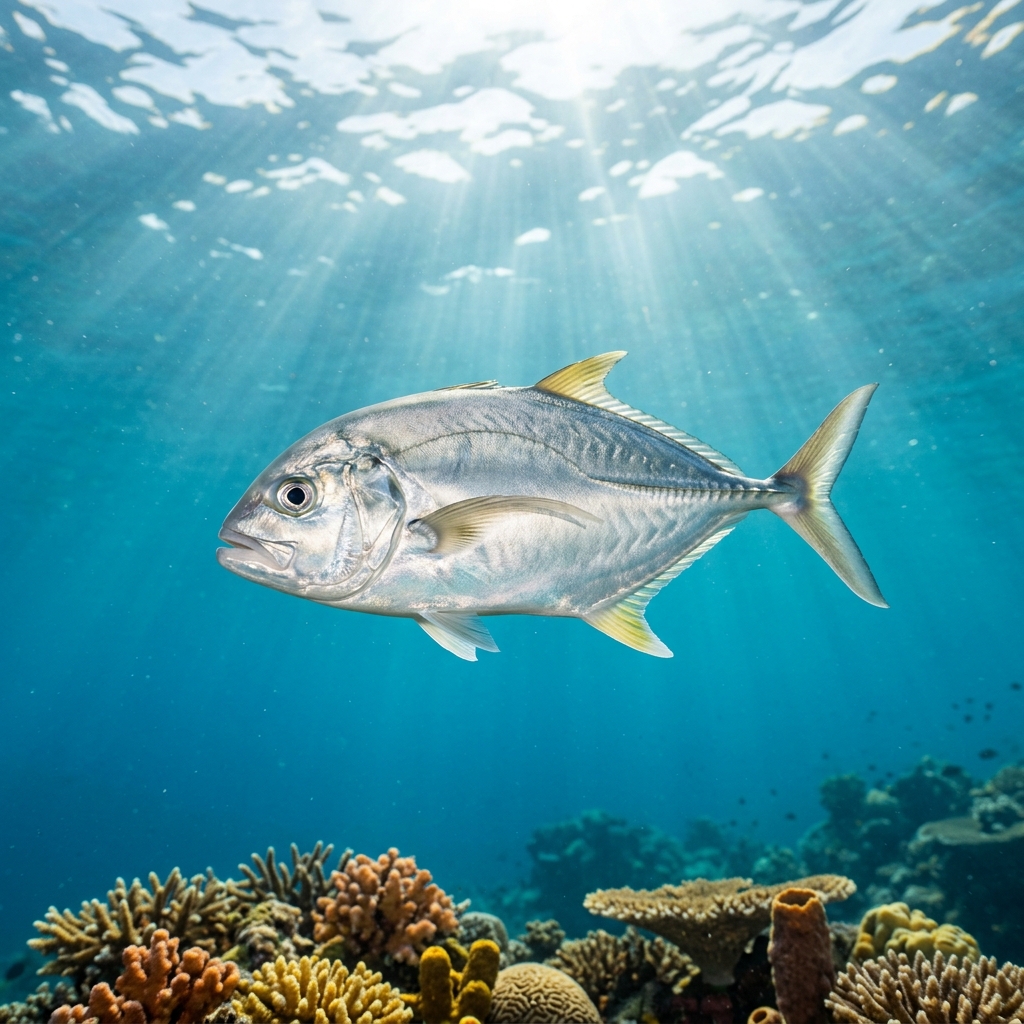
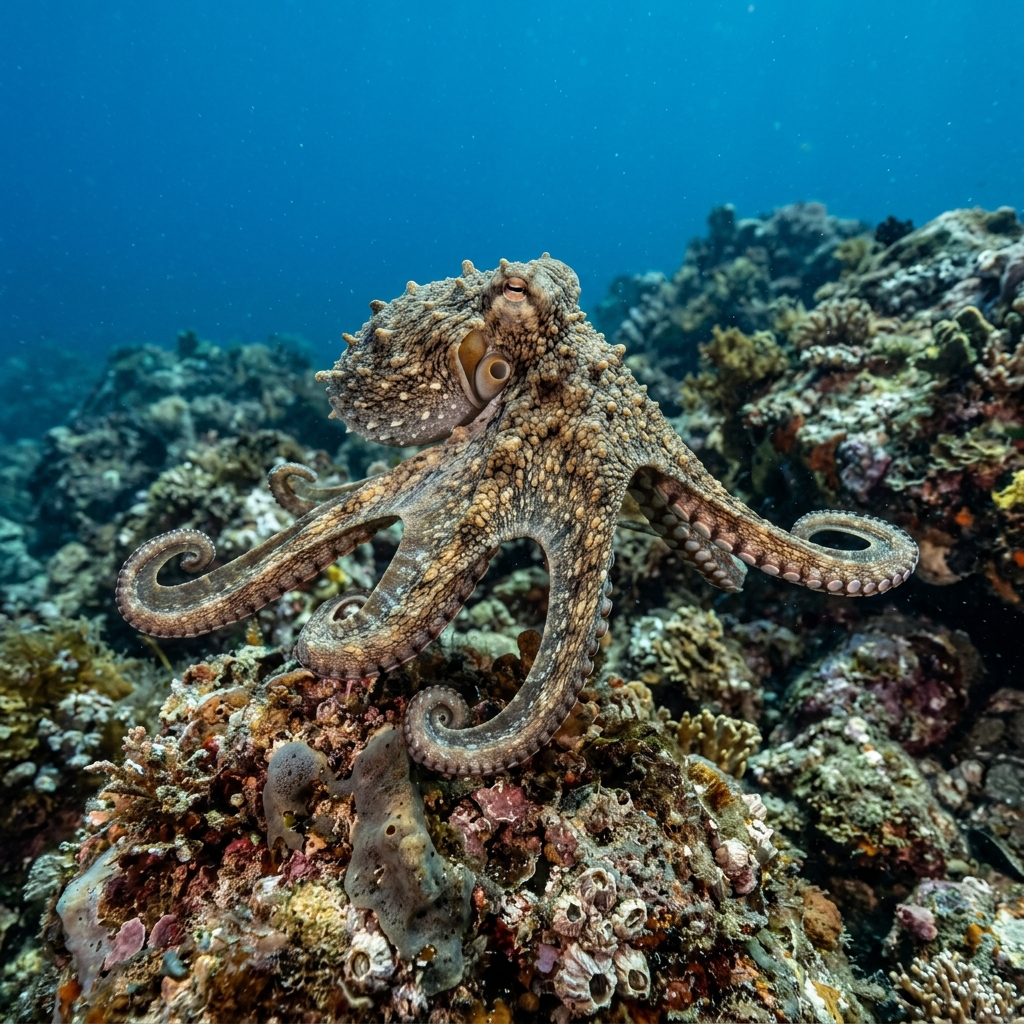
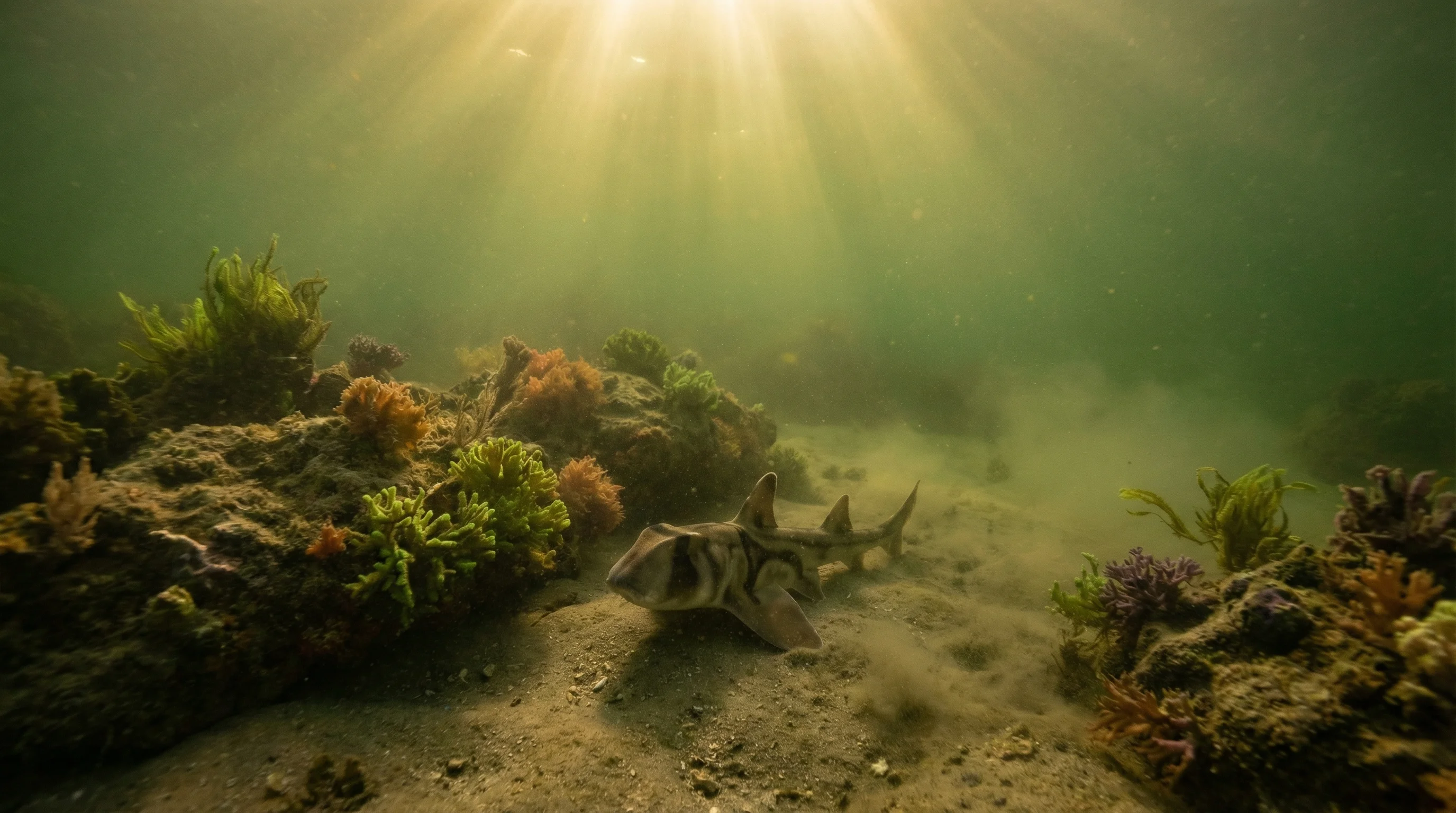
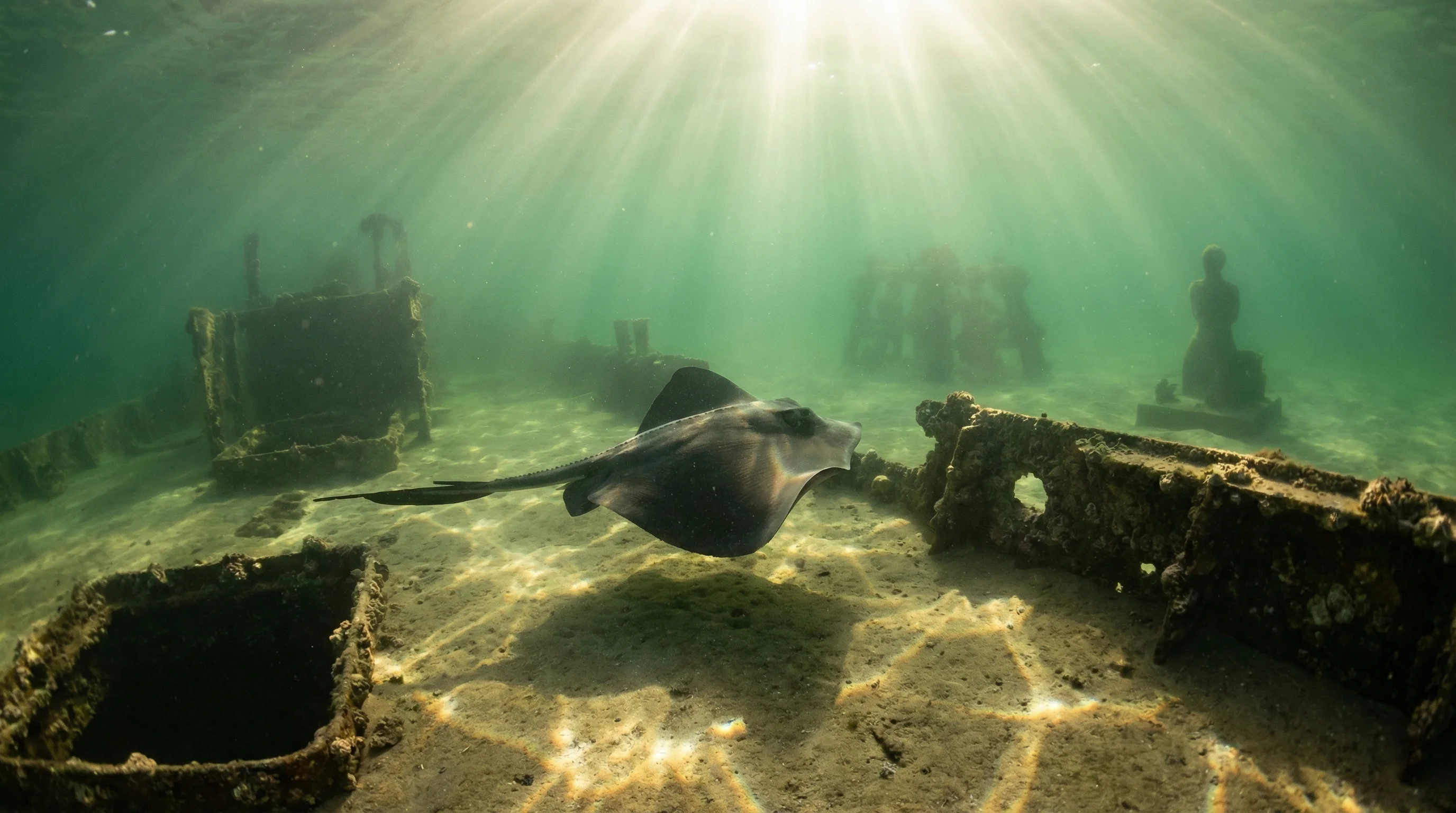
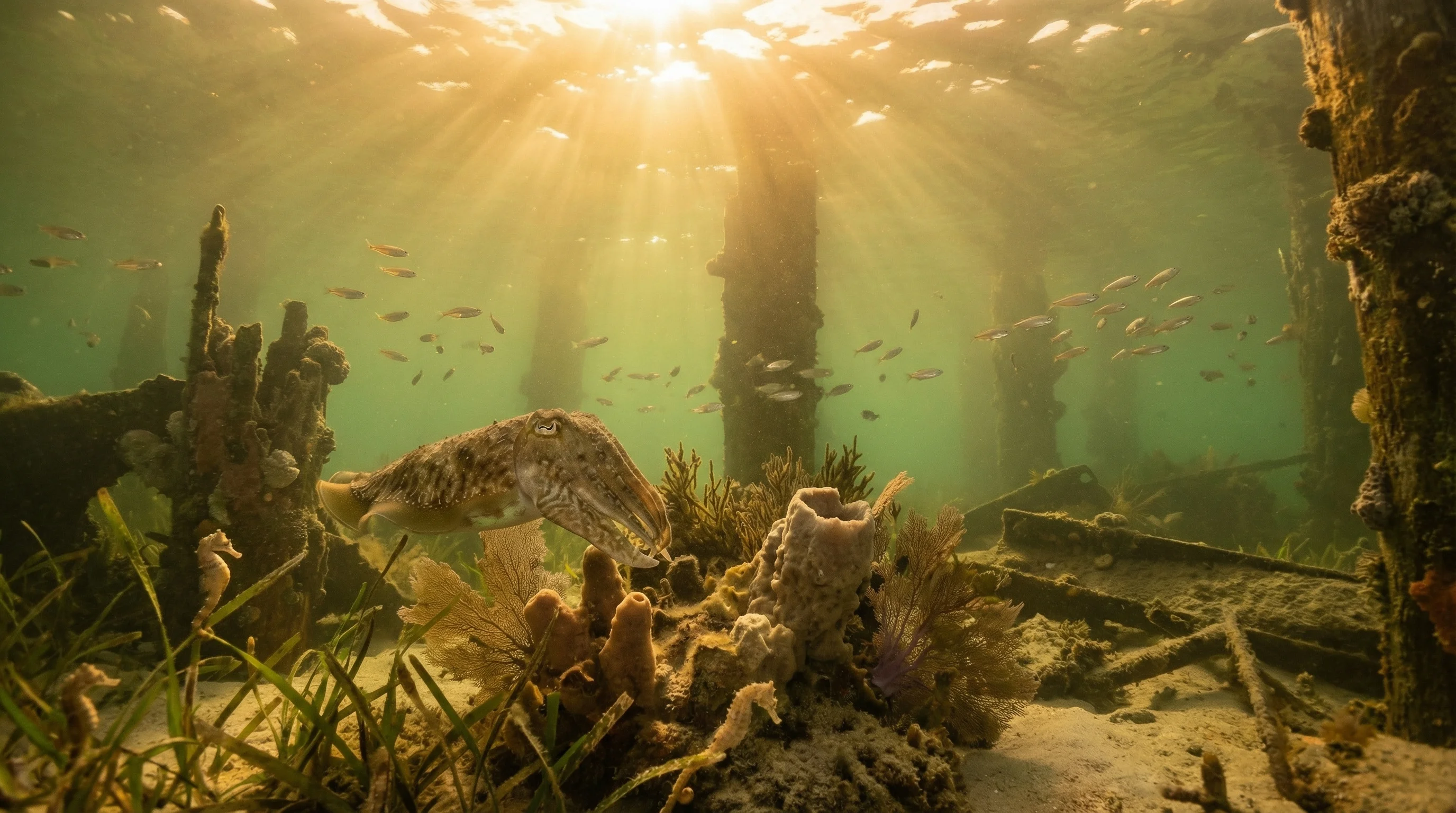
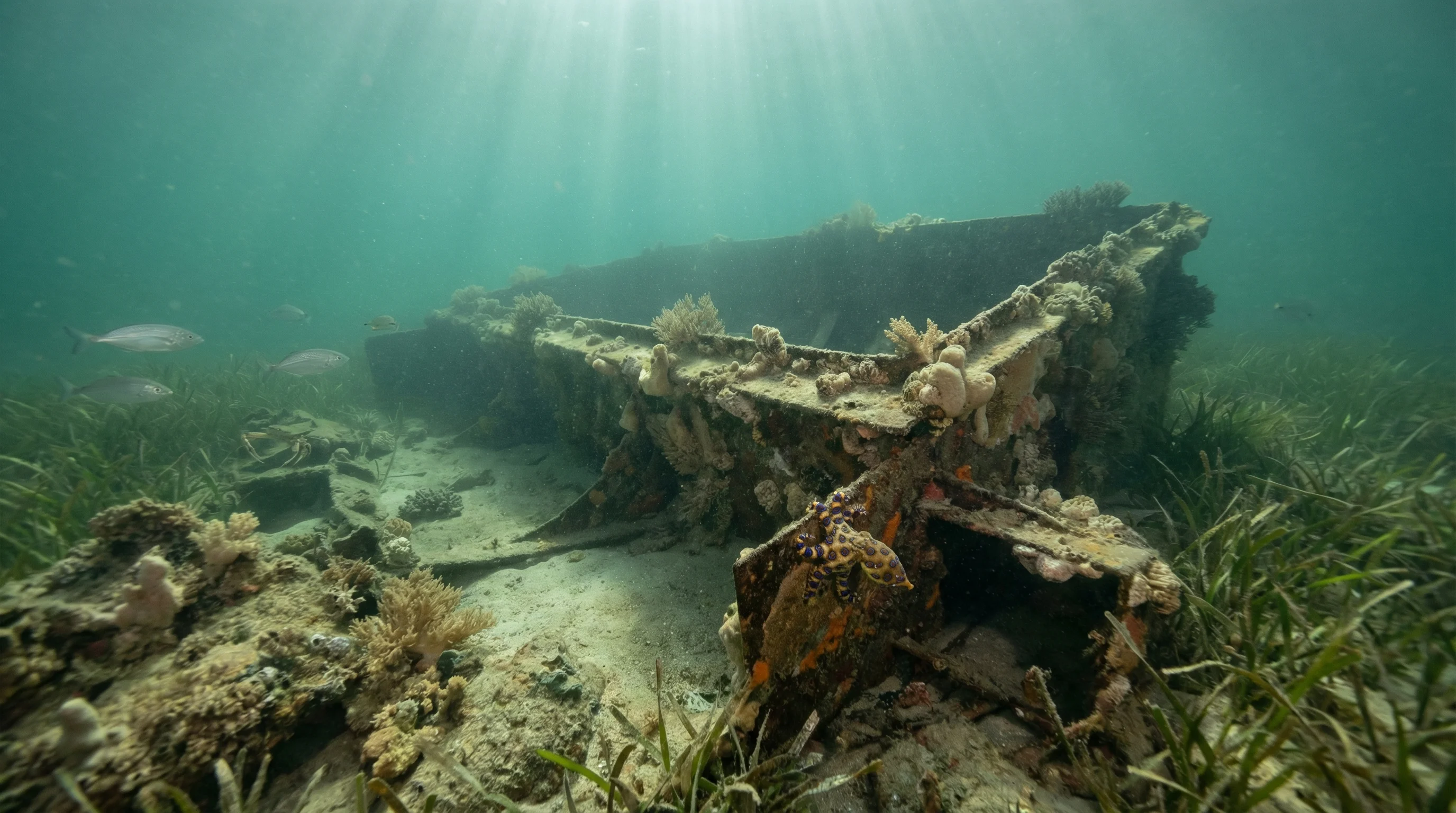
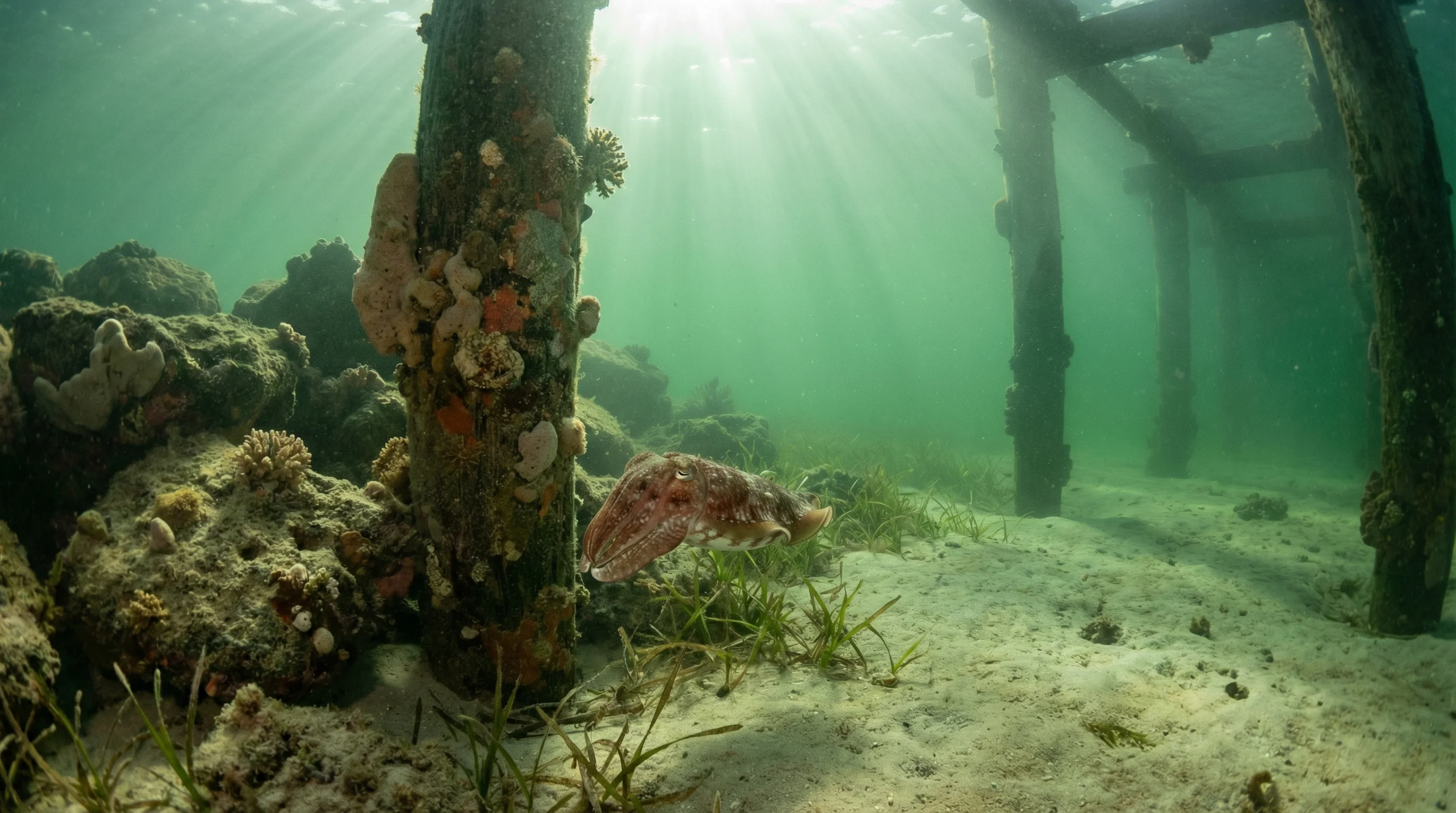
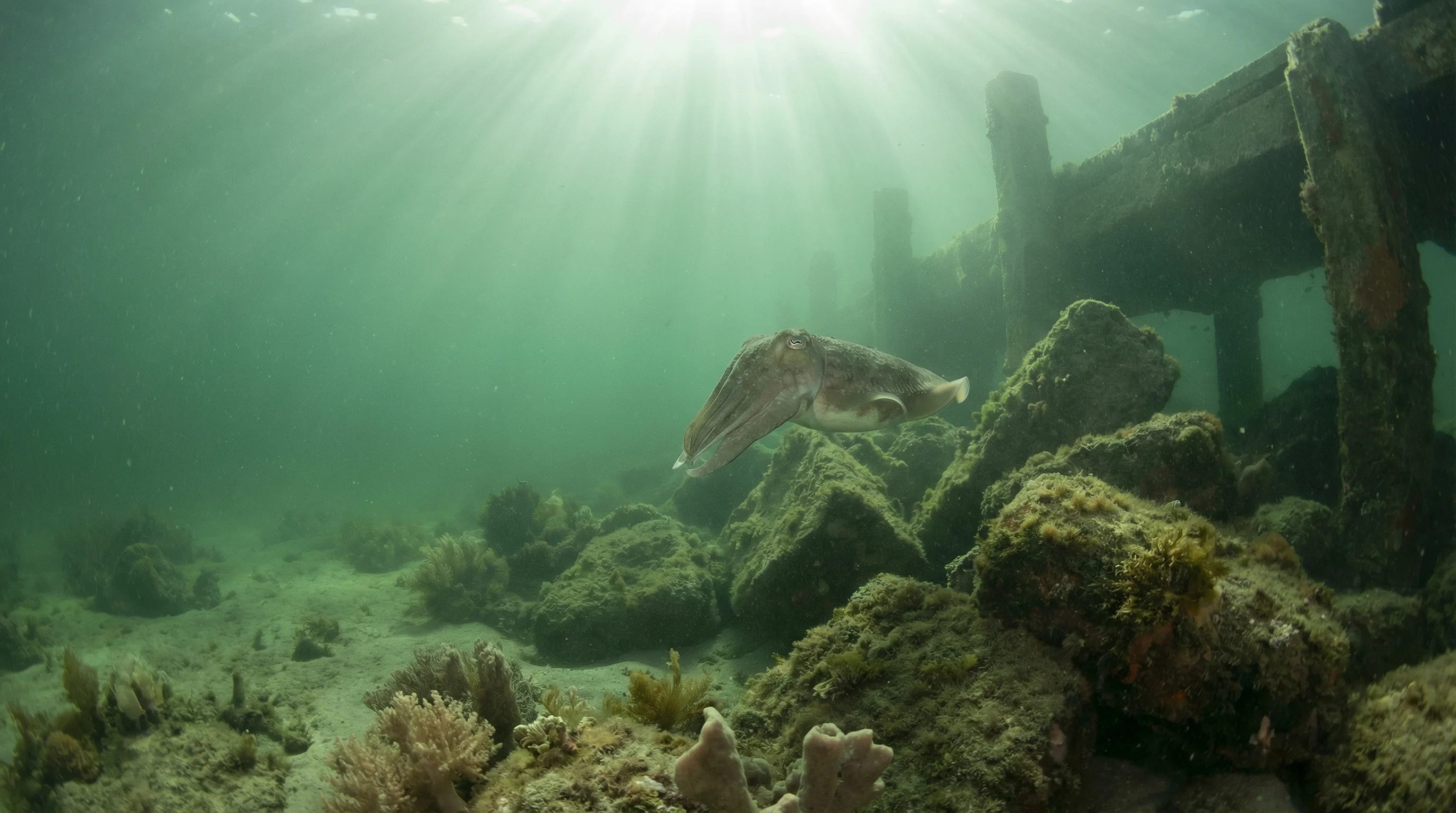
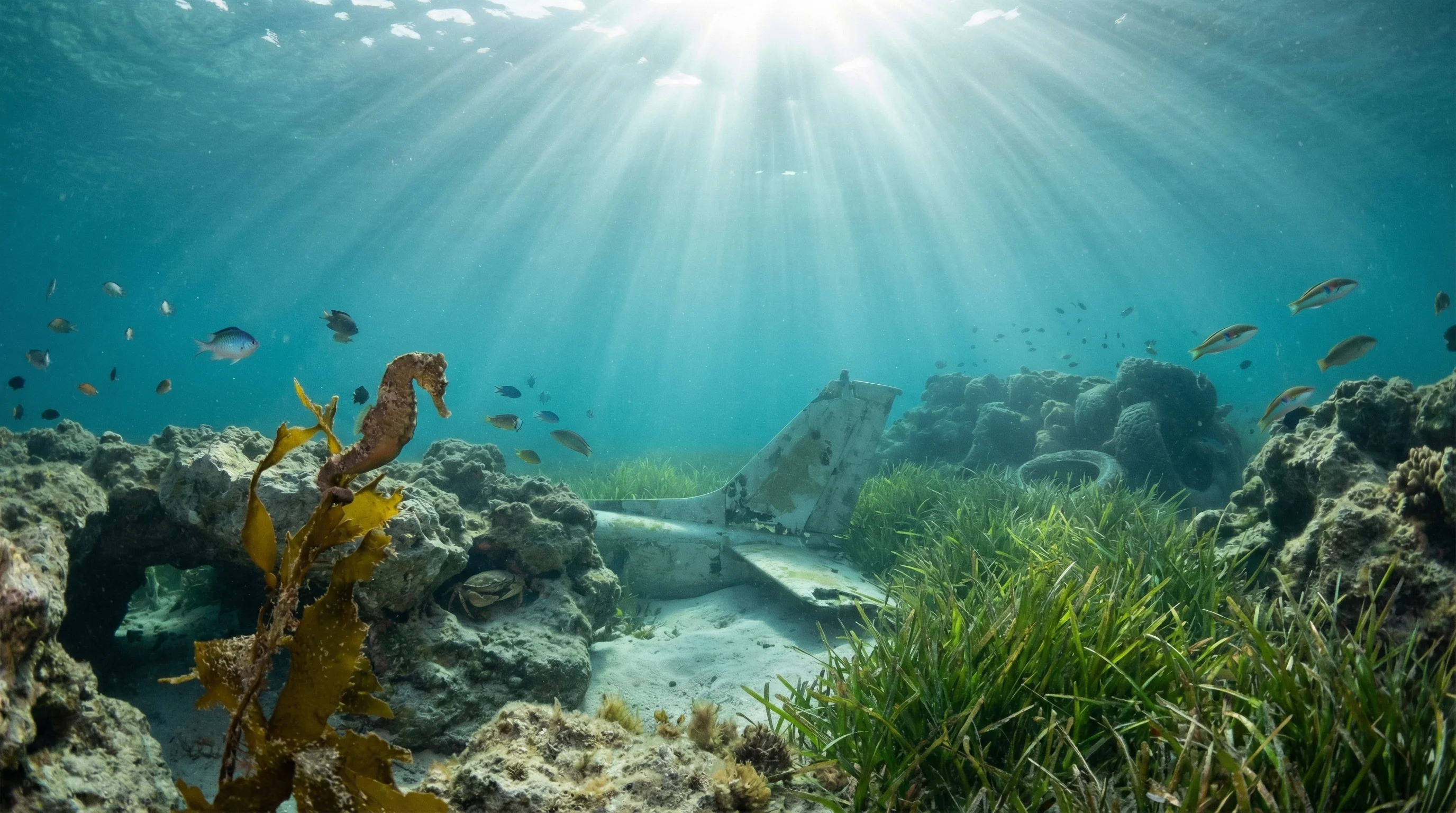
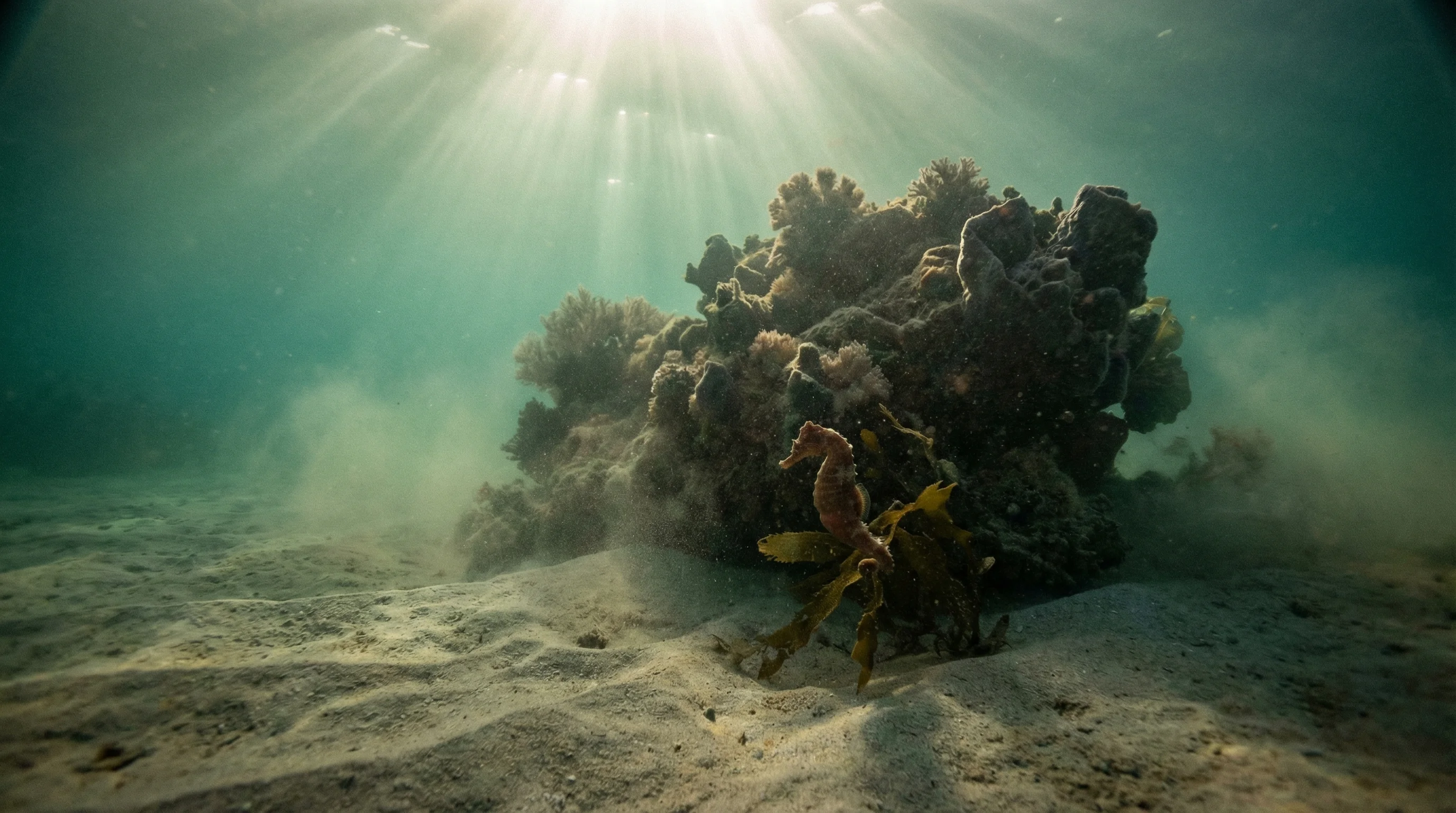
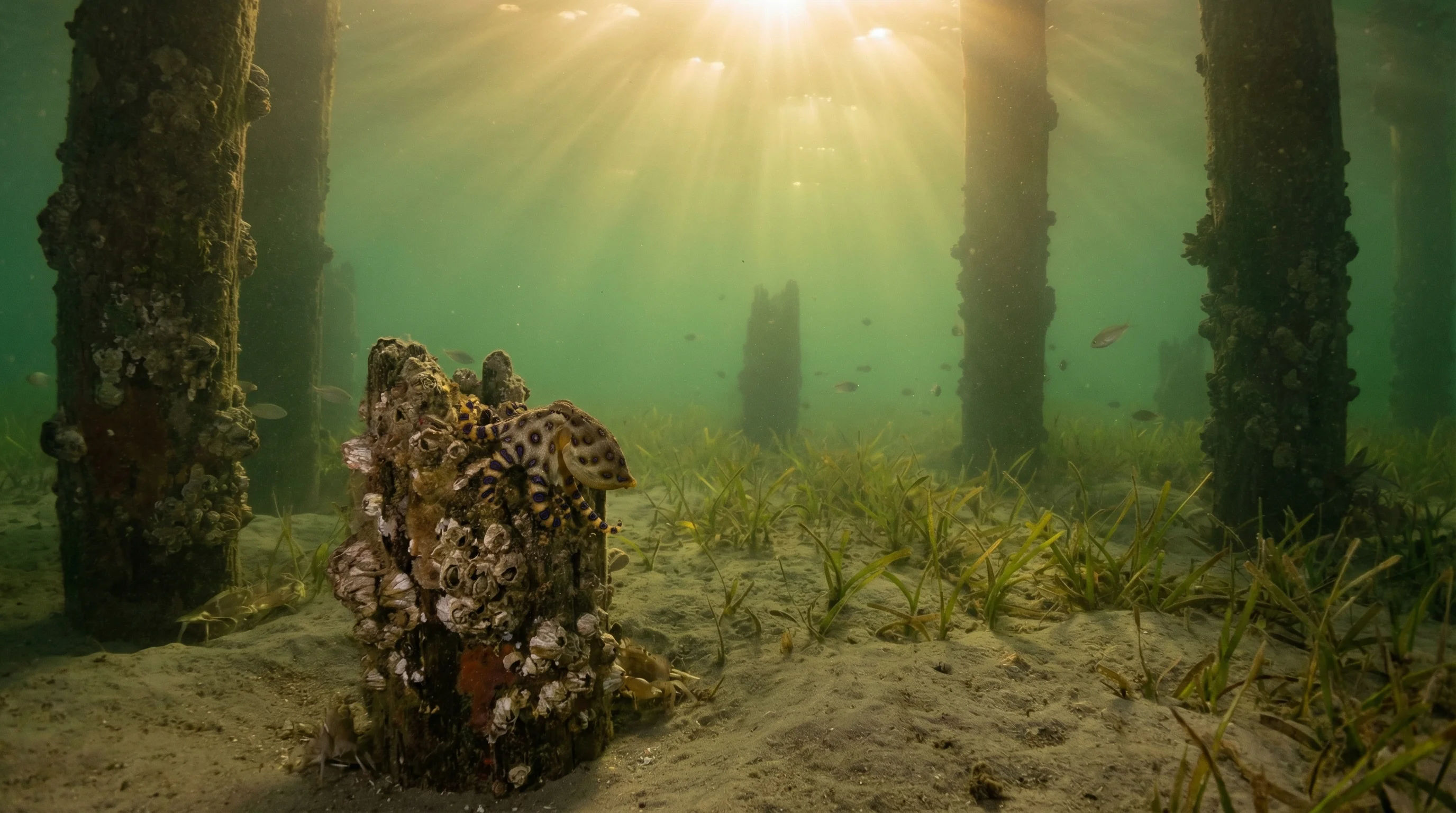
Robb's Jetty in Rockingham is a shallow shore dive reaching depths of 5 to 8 metres. The site features a combination of reef, seagrass beds, and artificial structures, located 120 metres from the shore. Divers and snorkellers can encounter species including giant cuttlefish, star octopus, bobtail squid, stonefish, striped pyjama squid, fingered dragonet, and various nudibranchs. Wrasses, snake eels, pufferfish, kingfish, shovelnose rays, scorpionfish, and tentacled pipefish are also recorded. Conditions are generally mild, though surge and currents occur. Visibility varies between 1 and 10 metres. Hazards include boat traffic, surf, and fishing lines or traps. Facilities at the site include parking, toilets, and showers.
-32.08922, 115.75490
The site is best dived with soft easterly winds and a swell period no greater than 11.5 seconds.
Access is from the car park at the end of McTaggart Cove, North Coogee. From the car park, walk over a sand dune path (known locally as the 'dune of death') to the beach. The entry point is near the C.Y. O'Connor statue. A surface swim of approximately 120 meters on a 245-degree (WSW) bearing is required to reach the submerged jetty pylons.
Recorded at this site
Depth
5-8m
Visibility
1-10m
Skill Level
Beginner
Entry
Shore
Water Temp
19-23°C
Current
Mild
Typical Dive
62 min
Best Time
Mar, Apr, May, Sep, Oct, Nov
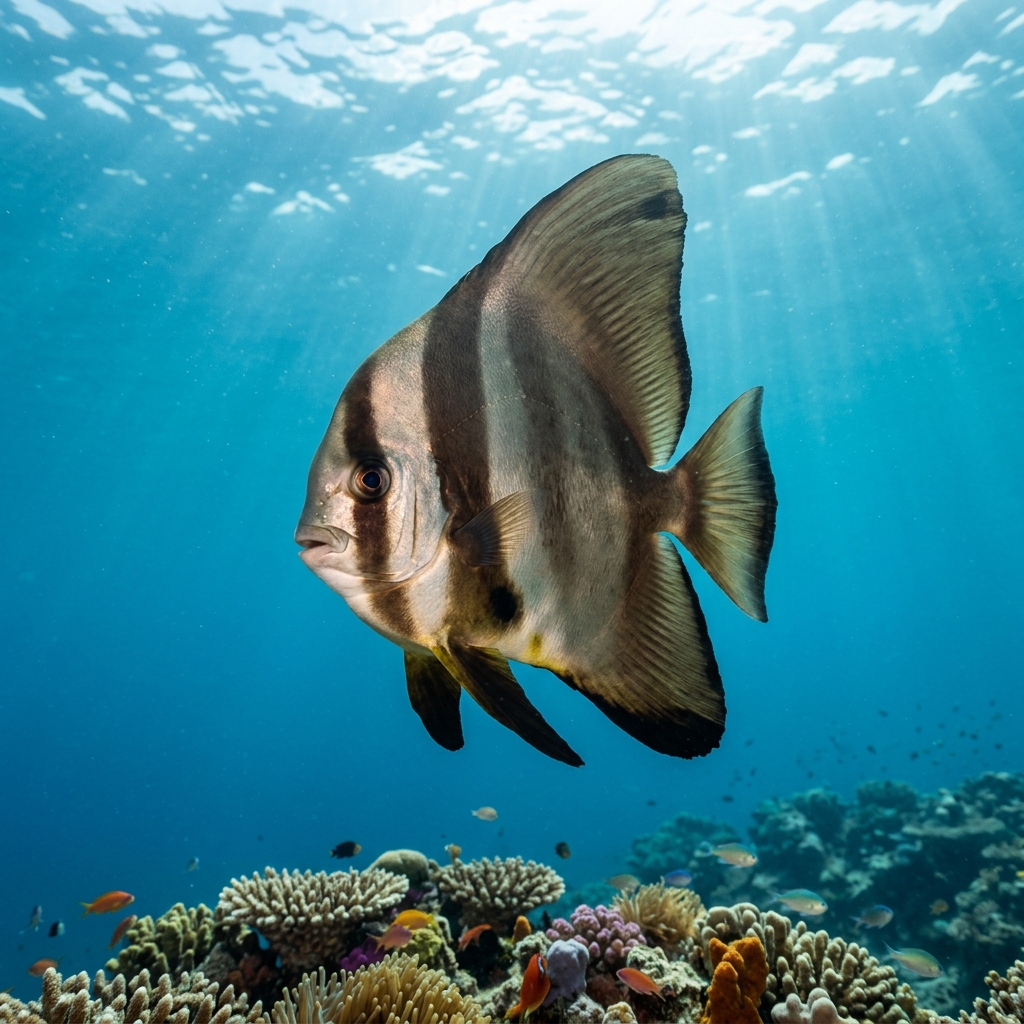
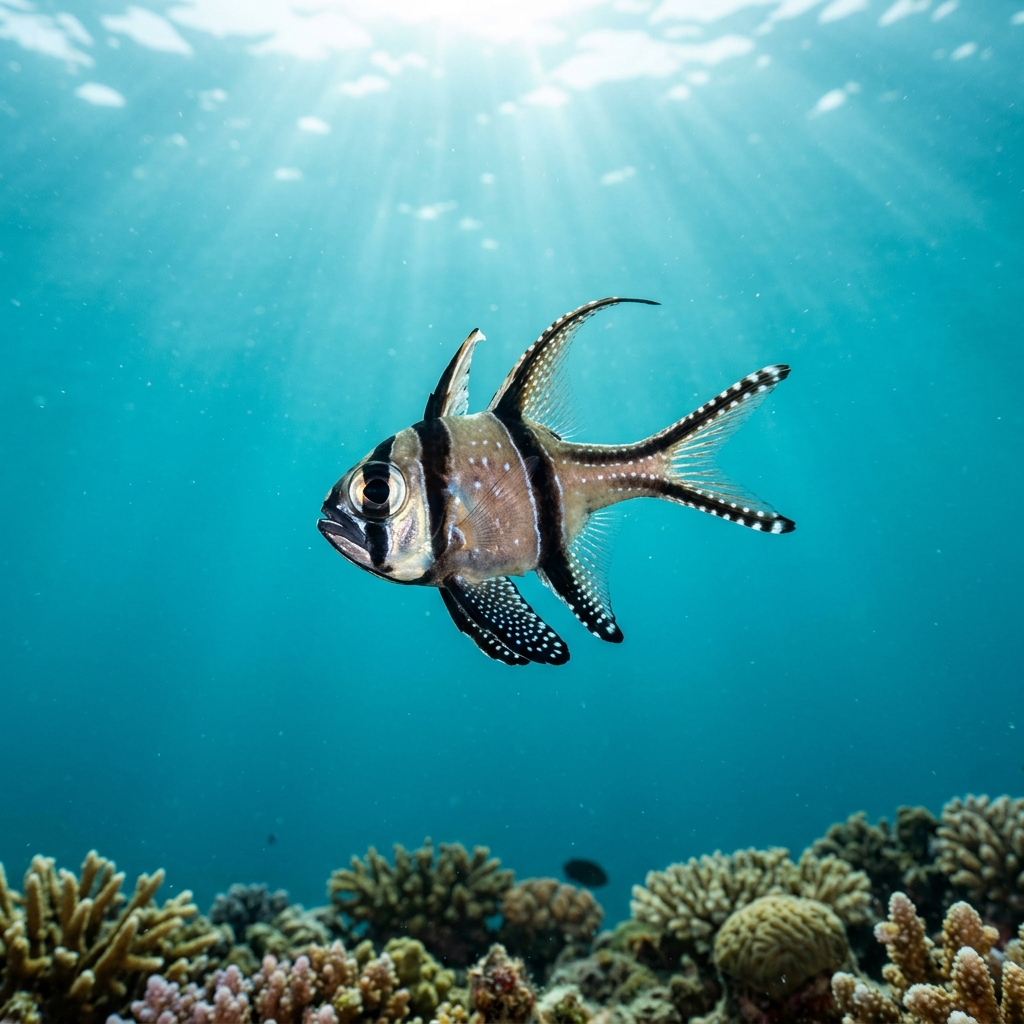
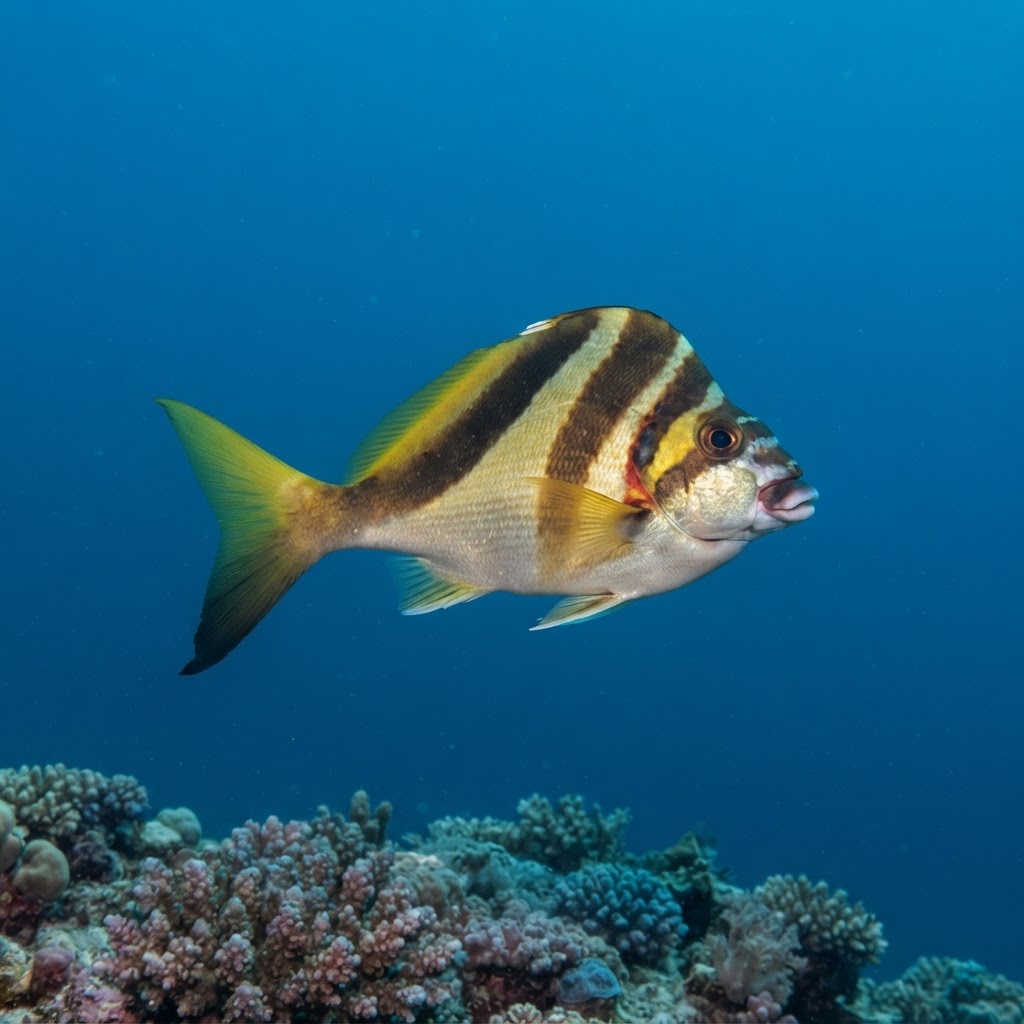
Divers can encounter giant cuttlefish, star octopus, bobtail squid, stonefish, striped pyjama squid, fingered dragonet, and nudibranchs. Other species recorded include wrasses, snake eels, pufferfish, kingfish, shovelnose rays, scorpionfish, and tentacled pipefish.
Yes, the site is suitable for beginners due to its shallow depth and generally mild currents.
The depth ranges from 5 to 8 metres, with an average depth of 5 metres.
Robb's Jetty is a shore dive located 120 metres from the beach.
Yes, the site is suitable for both diving and snorkelling.
The best months to visit are March, April, May, September, October, and November, when conditions are typically more settled.
Diving at Robb's Jetty in Fremantle requires the following certifications: Open Water. Always dive within your training limits.
A 5mm wetsuit is recommended for diving at Robb's Jetty in Fremantle. Water temperatures range from 19°C to 23°C.
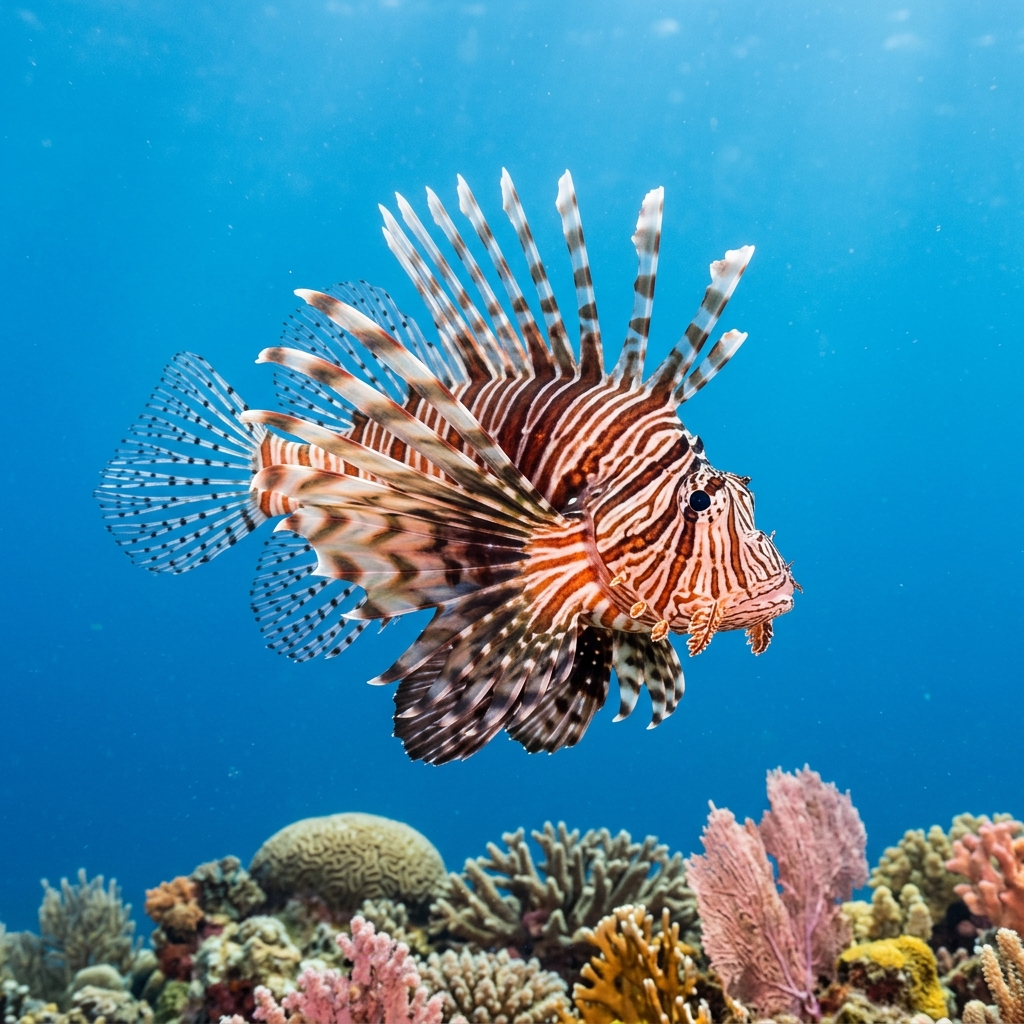
Divers at Robb's Jetty in Fremantle should be aware of lionfish. These encounters are generally rare and avoidable with proper awareness. Follow local safety guidance and maintain a respectful distance from all marine life.
Robb's Jetty in Fremantle typically has mild currents that most divers can handle comfortably.
Visibility at Robb's Jetty in Fremantle typically ranges from 1 metres to 10 metres. Conditions vary with weather, tides, and seasons.