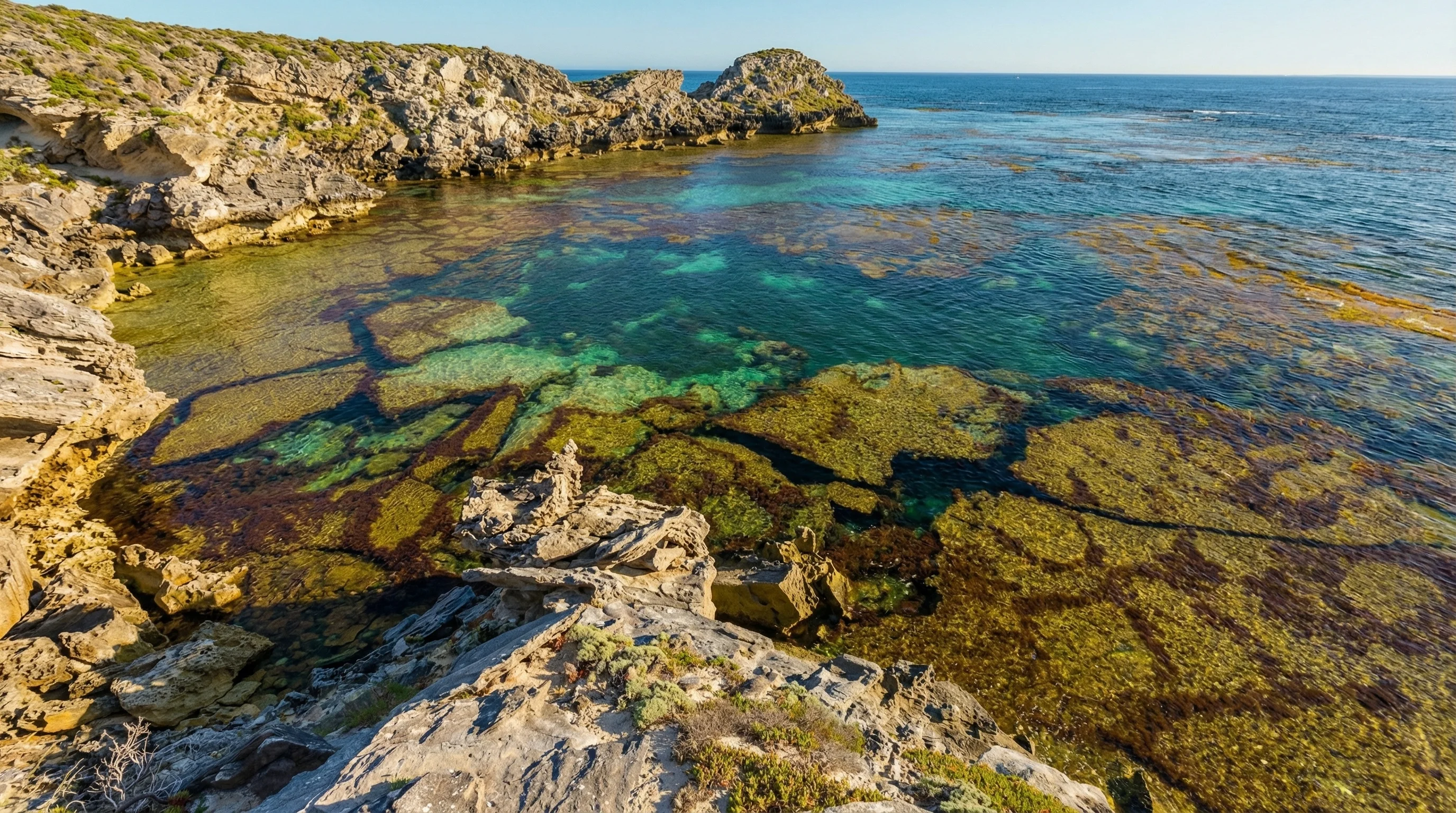
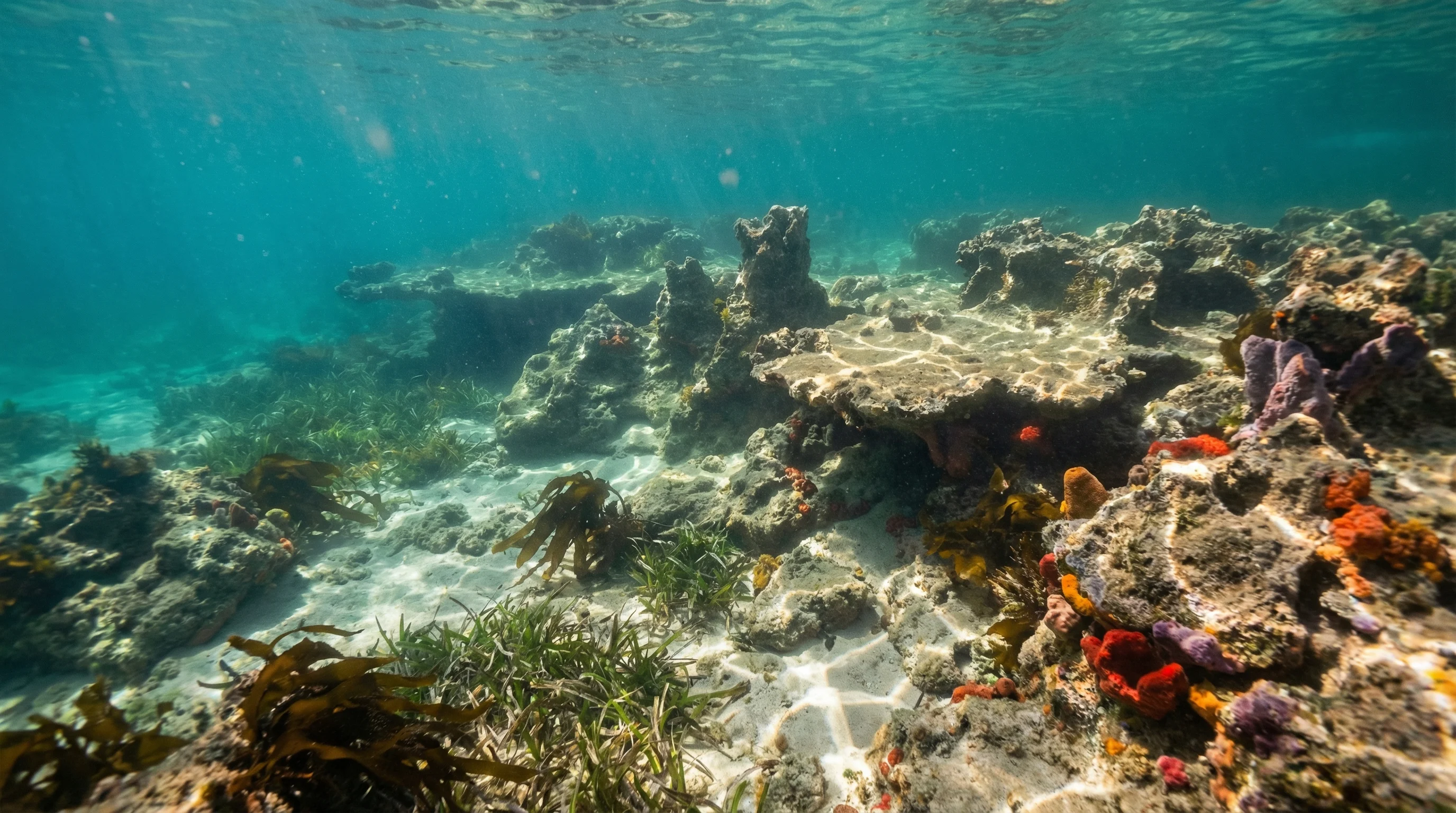
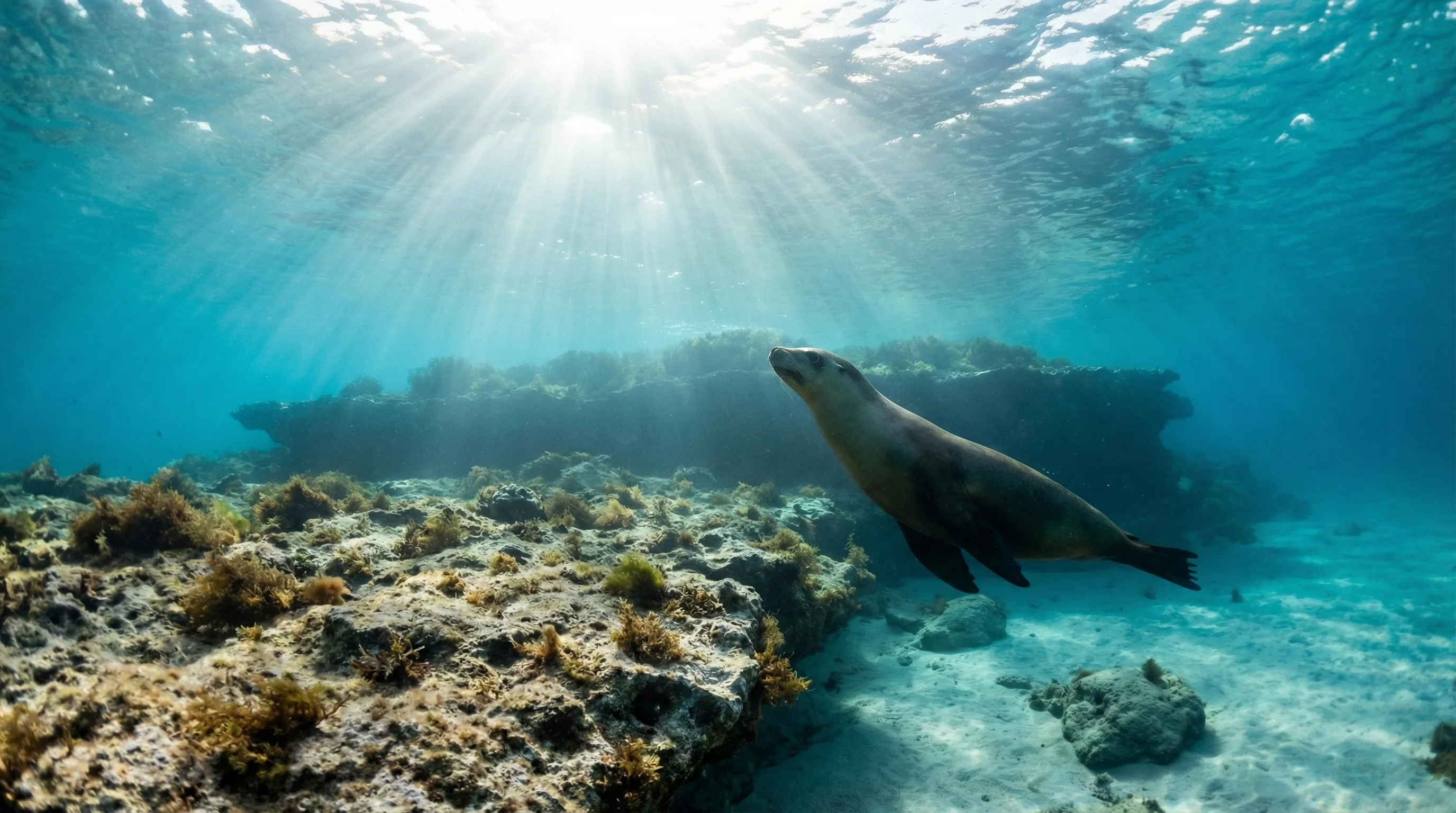
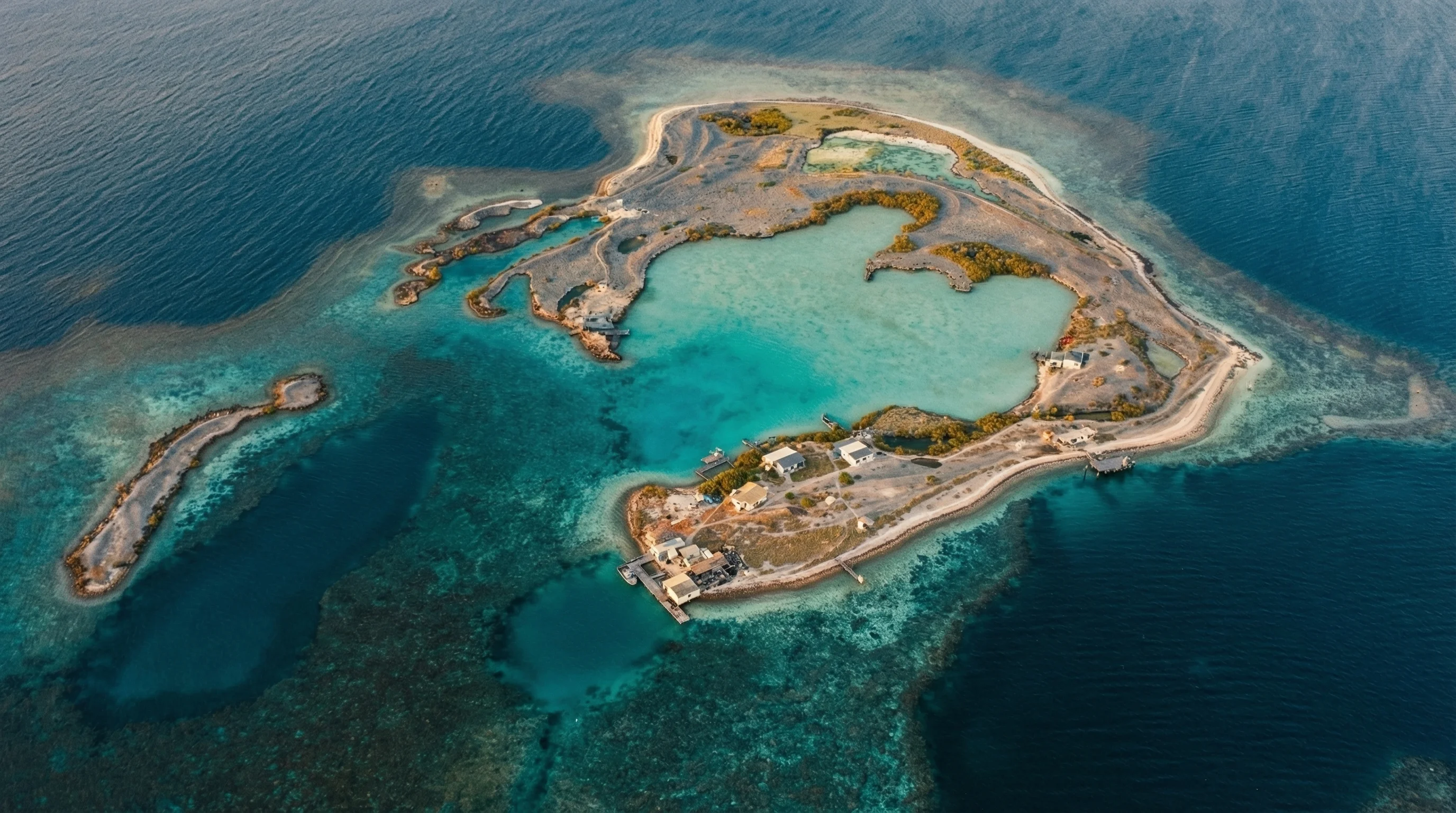
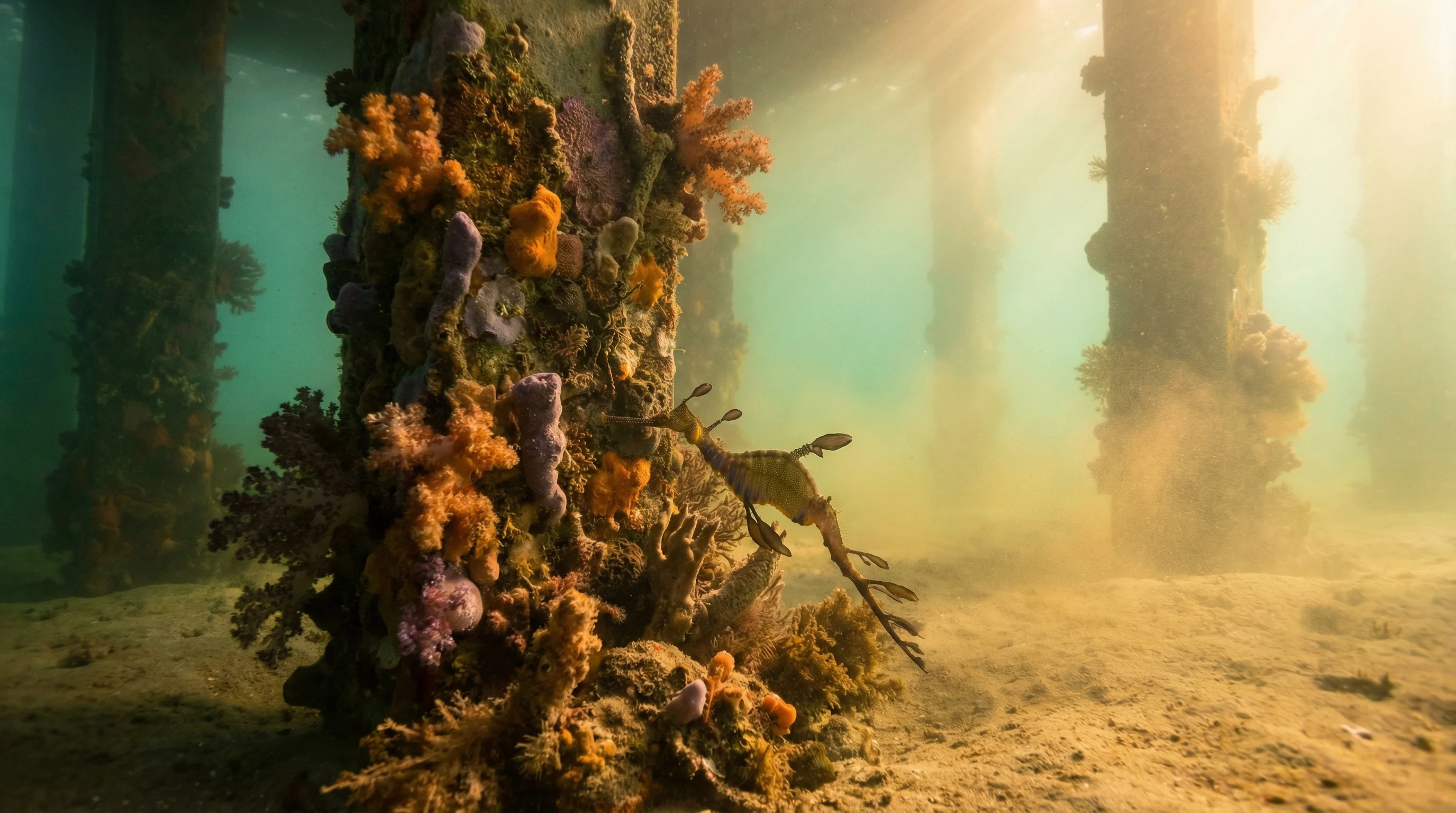
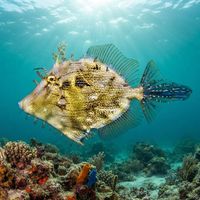
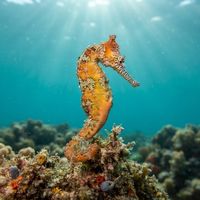
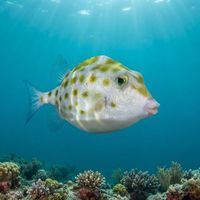
Rockingham's underwater character is shaped by an unusually strong collection of artificial reefs, jetty structures and wrecks, most accessible directly from shore. The Star Octopus and Western Smooth Boxfish turn up reliably across the sites, while the Giant Cuttlefish, Tiger Snout Seahorse and Weedy Seadragon reward patient observers. Seagrass meadows at sites like Woodman Point and Penguin Island sit alongside reef and wall habitats. Most sites suit beginners, with a handful of boat-access sites offering greater depth and challenge.
Monthly water temperature across Rockingham's sites, from satellite sea-surface data corrected for depth. The band shows the site-to-site spread.
Water is warmest through late summer and cools into winter, with the cooler months seeing fewer divers rating conditions favourably. The peak window runs from late summer through autumn and again from spring into early summer, when calmer conditions and reasonable visibility make the most of Rockingham's sheltered shore entries. Visibility is variable and can be affected by swell and surge at more exposed sites.
8 operators



Australia
9 more sites to explore
Water temperature around Rockingham ranges from about 19°C in August to 23°C in March, based on satellite sea-temperature data for its dive sites.
In the warm season (about 23°C) a 3mm full suit is comfortable in Rockingham; in the coldest months (about 19°C) step up to a 5mm suit.
Fin maps 21 sites in Rockingham (21 scuba diving sites and 7 snorkelling spots, with some suited to both).
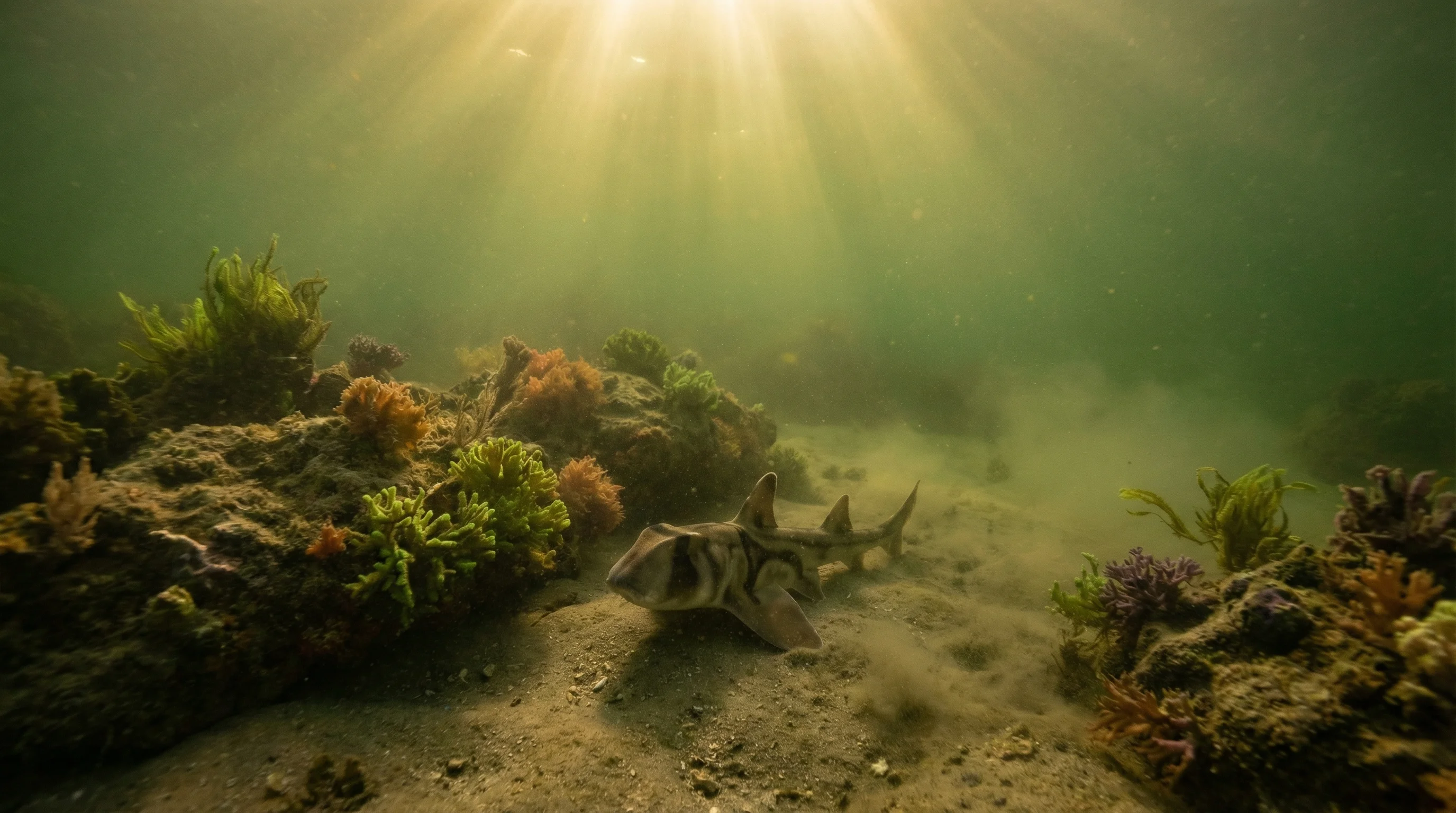
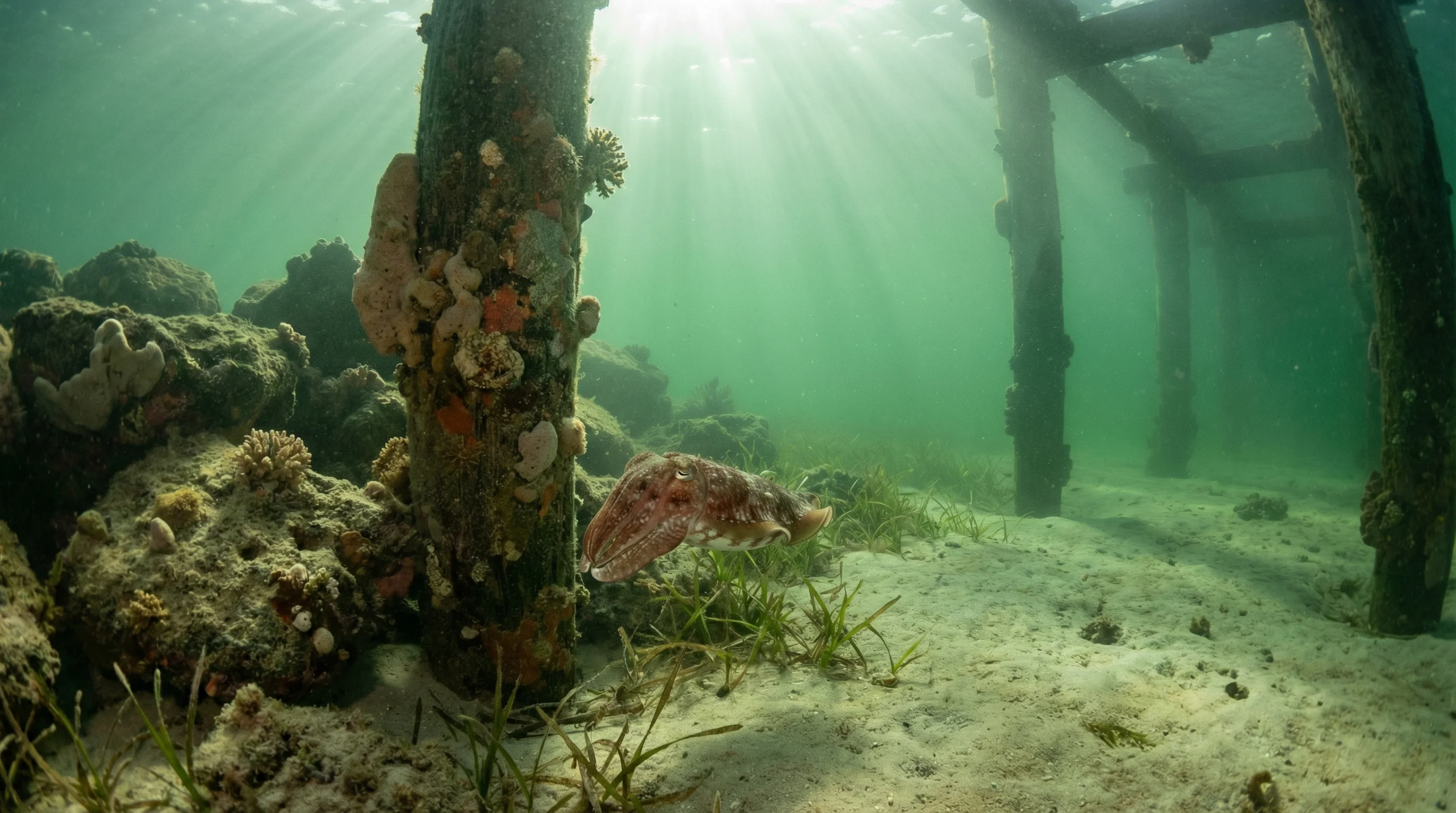
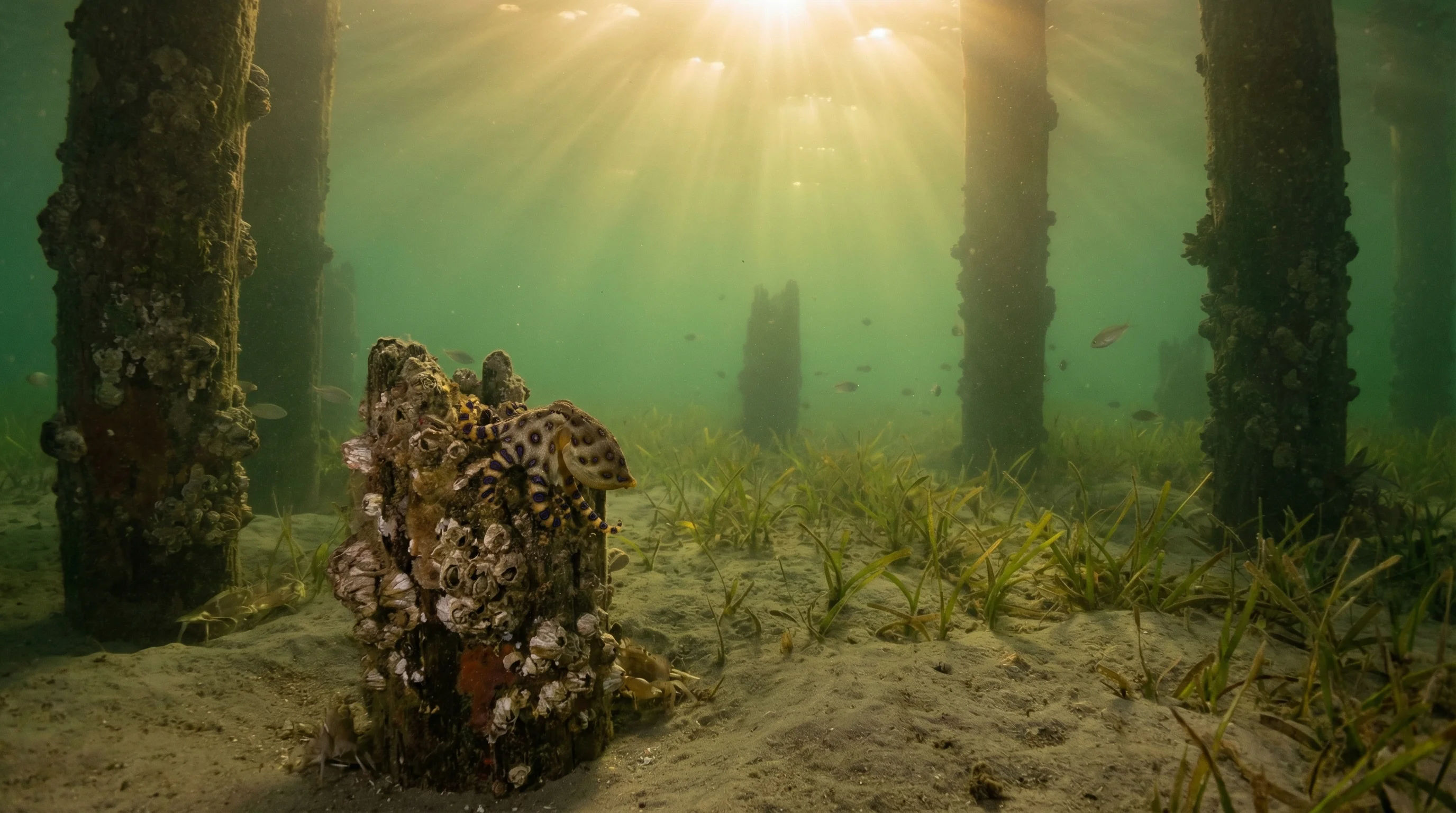
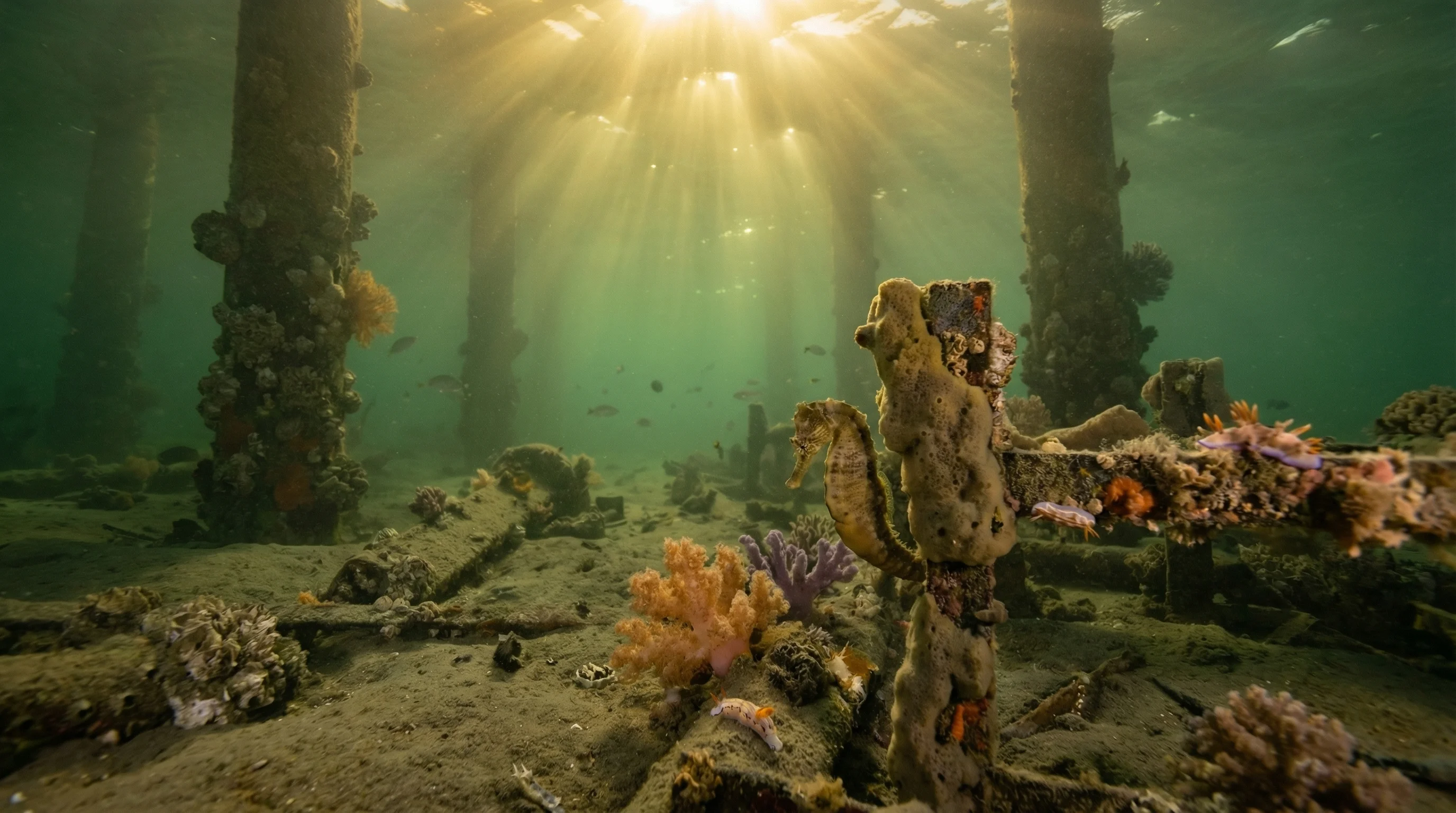
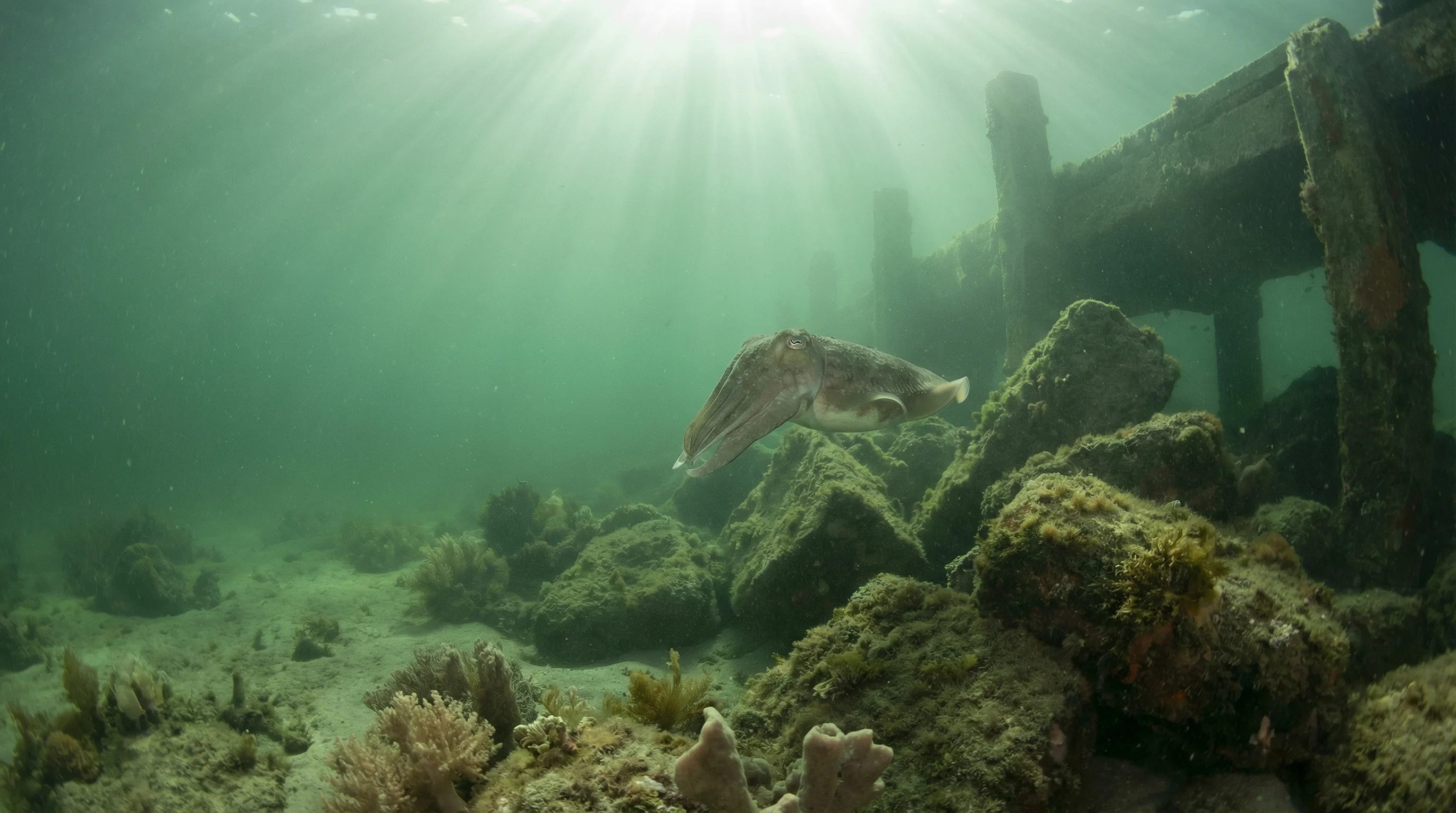
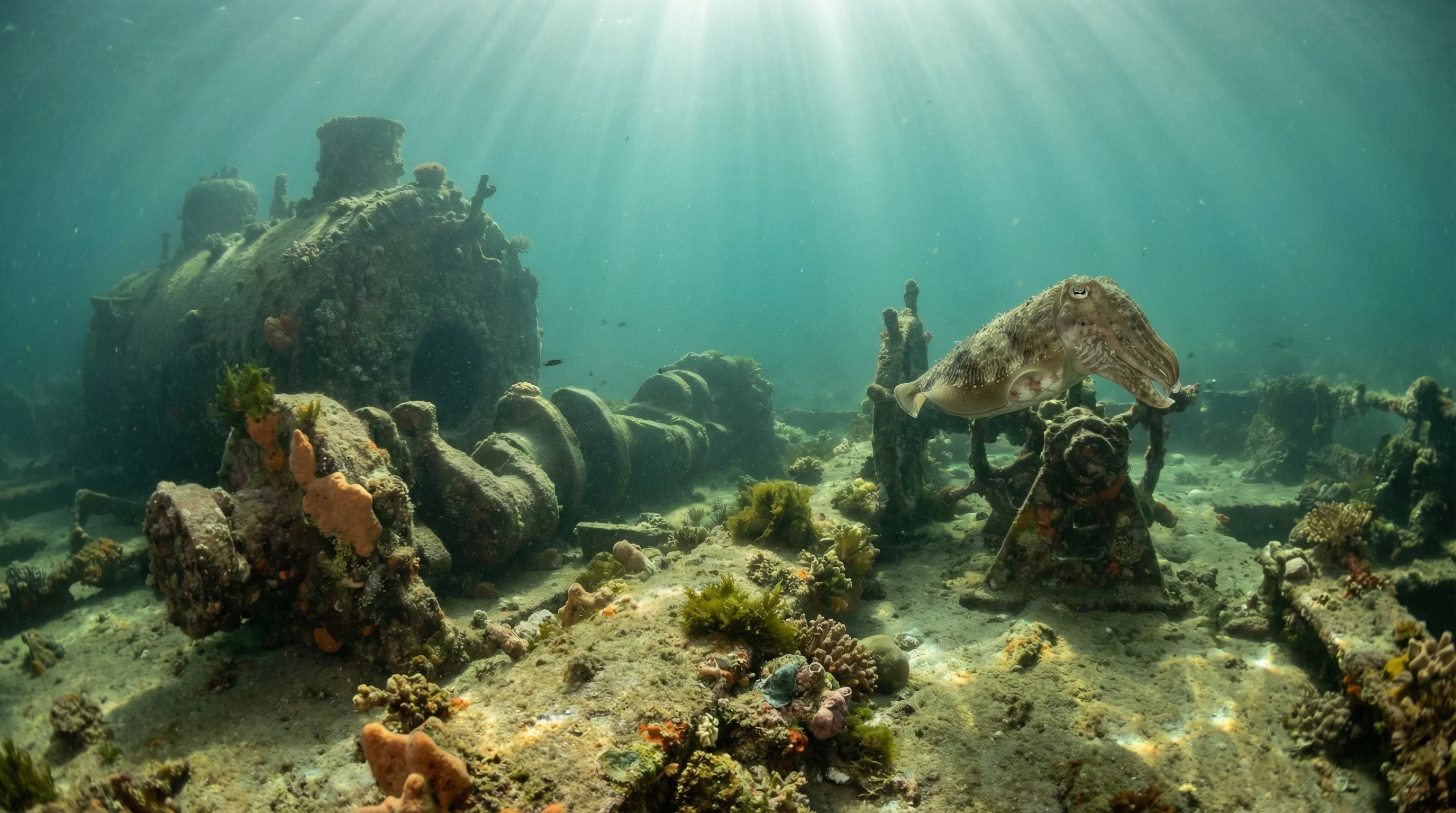
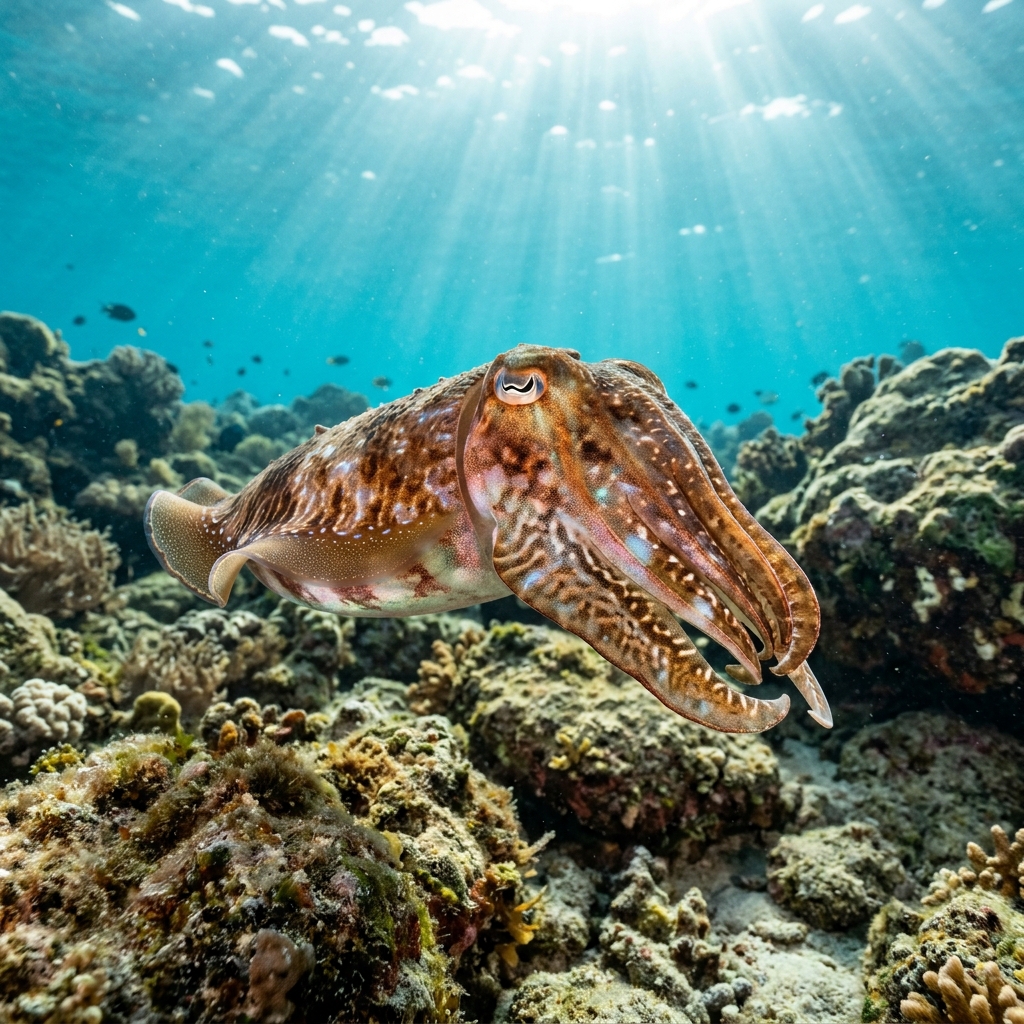
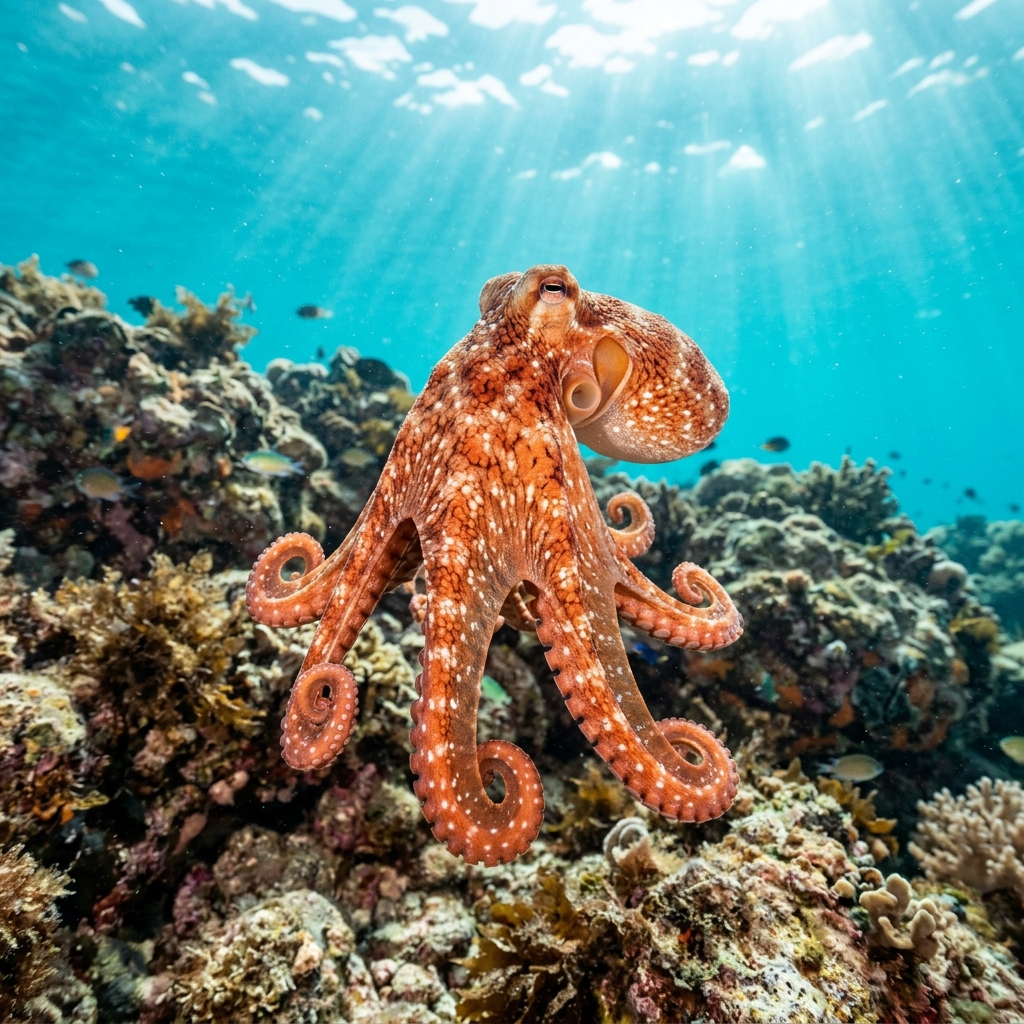
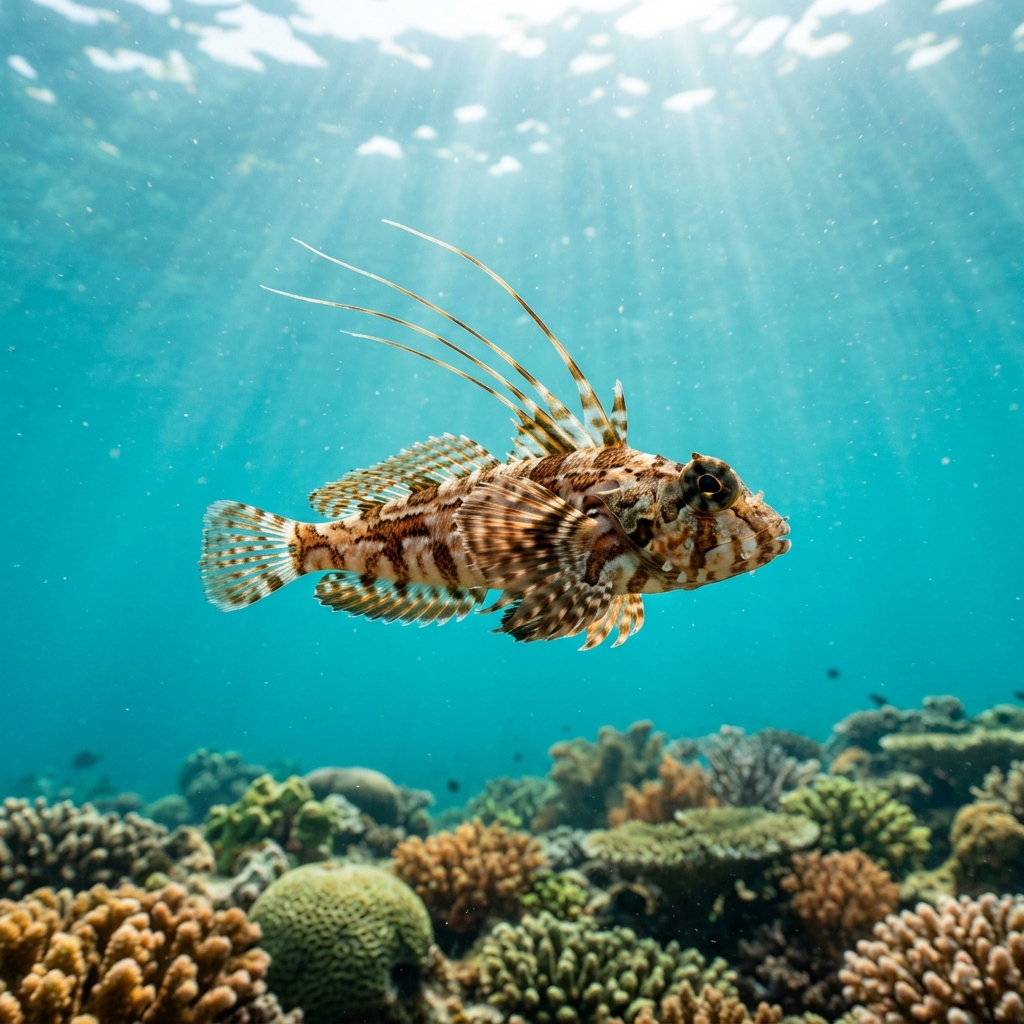
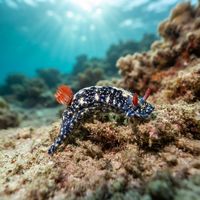
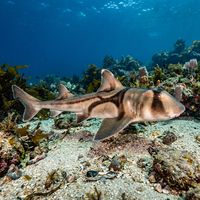
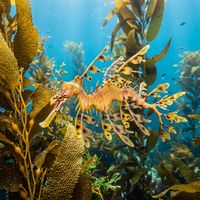
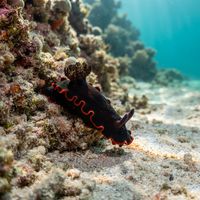
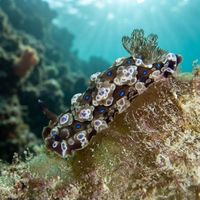
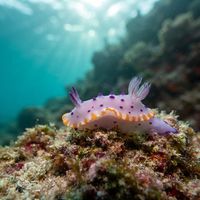
Rockingham has a notably strong showing of cephalopods and cryptic species. The Star Octopus is very commonly sighted across many sites, and the Giant Cuttlefish is a regular presence. Divers also encounter the Tiger Snout Seahorse, Weedy Seadragon, Fingered Dragonet, Tasselled Leatherjacket, Port Jackson Shark and a wide variety of nudibranchs including Hypselodoris saintvincentius and the Orange-barred Mexichromis. The Blue-ringed Octopus is occasionally seen, so divers should look carefully but never handle it.
The majority of Rockingham's sites are rated for beginners, and most can be reached from shore without a boat. Sites like Sue's Groyne, Woodman Point, Ammo Jetty and Wells Park Jetty are shallow and sheltered, making them well suited to new divers building confidence. A small number of sites, including Saxon Ranger and Challenger Rock, require boat access and are rated for intermediate divers seeking greater depth or more challenging conditions.
The large majority of sites in Rockingham are accessible from shore, which makes independent diving straightforward and reduces the need to book a boat charter for most dives. Boat-only sites include the Orizaba wreck, Saxon Ranger, D9 Wreck, Challenger Rock and The Sisters, each offering slightly different terrain or depth. Several local operators, including Perth Scuba, Oceano Dive Centre and Scubanautics Diving Academy, run guided boat trips to these offshore sites.
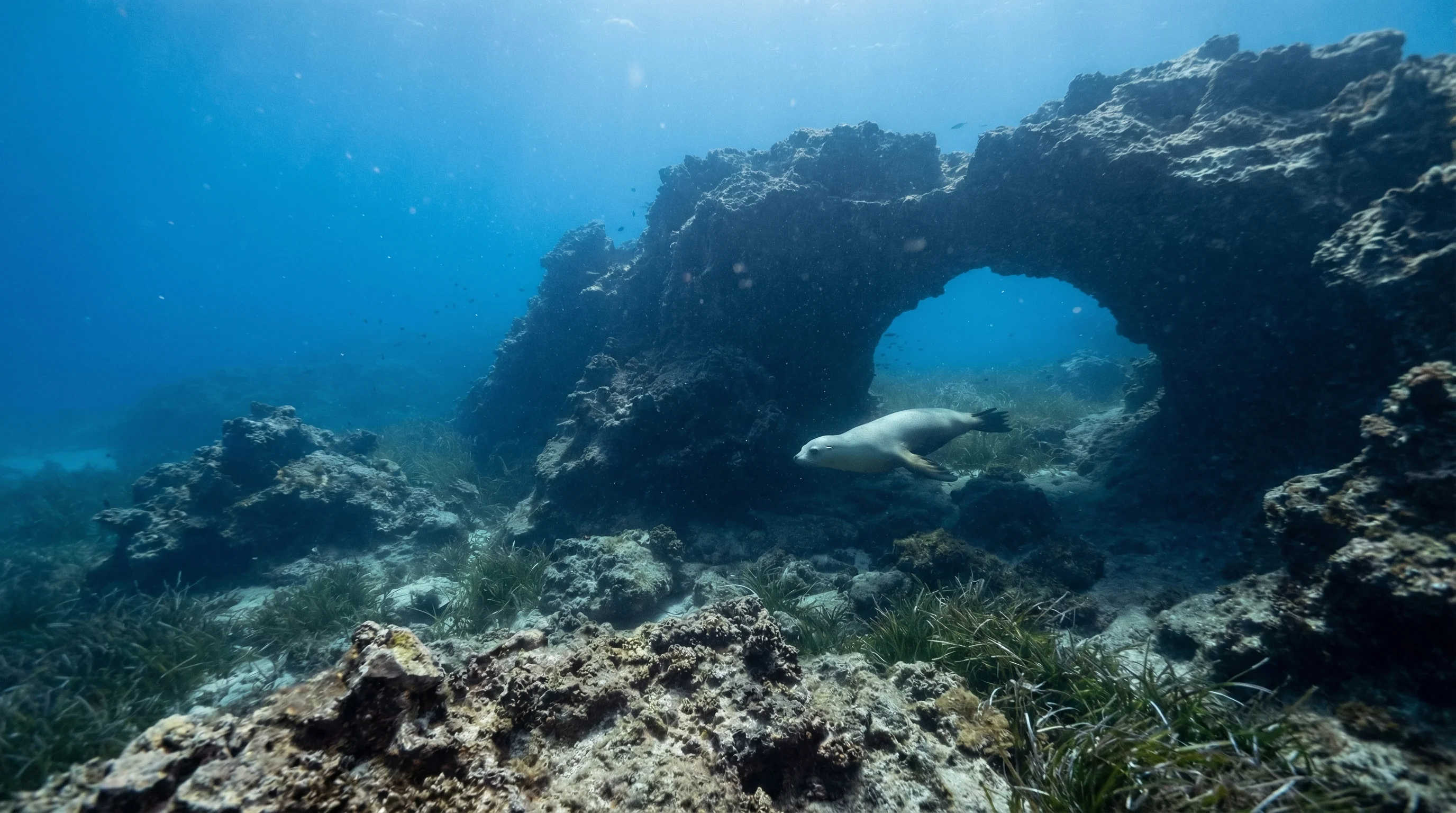
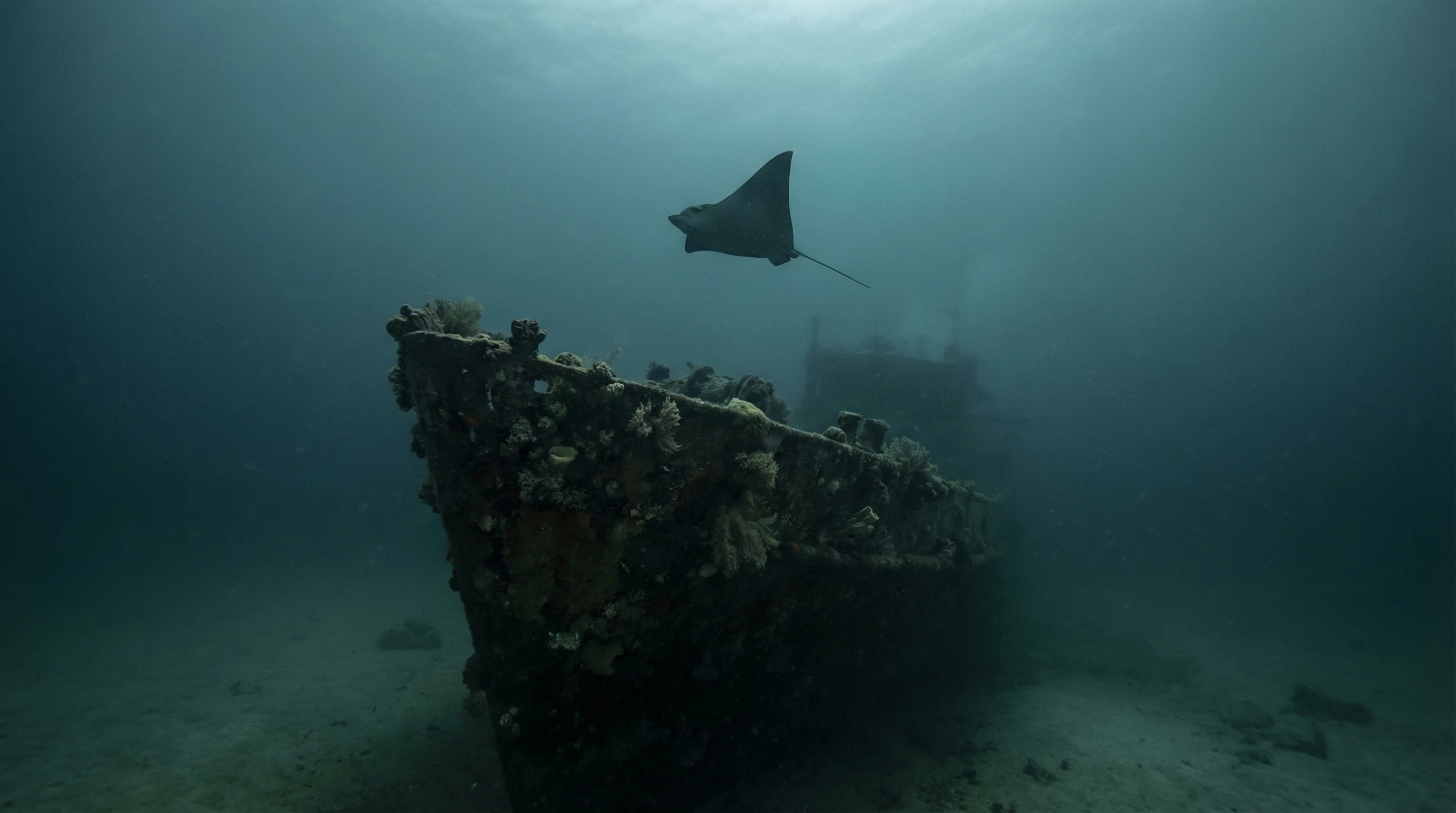
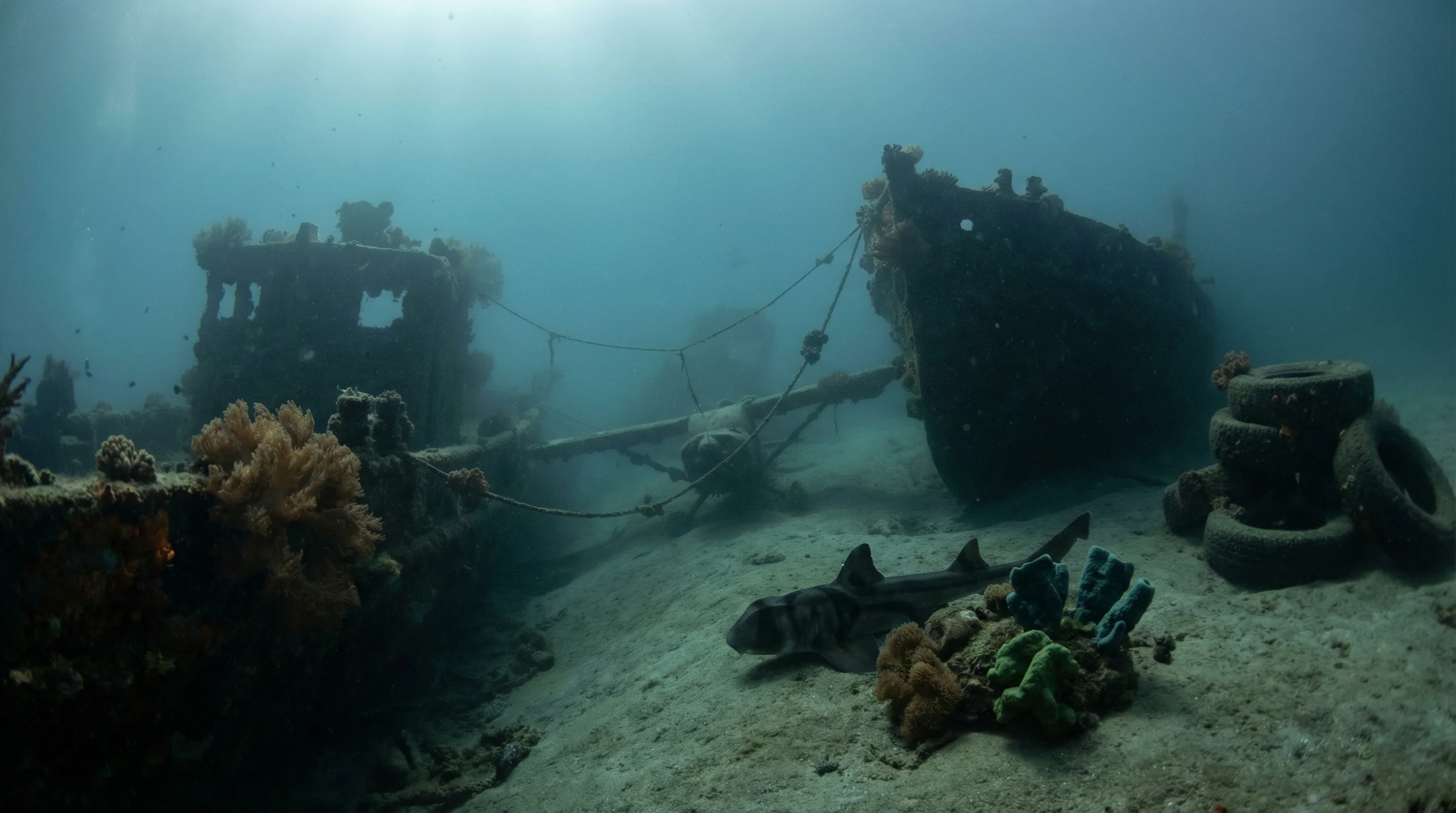
Rockingham is dominated by artificial reefs, many formed by jetty pylons, submerged structures and deliberately sunk wrecks. Sites like Bulk Jetty, Jervoise Wall and the Rockingham Wreck Trail are typical of this character. Natural reef and seagrass habitats appear alongside the artificial structures at several sites, and Challenger Rock adds cave and cavern terrain for those wanting something different from the wreck-heavy lineup.