Best for beginner divers, 3-7m, boat entry, mild current.
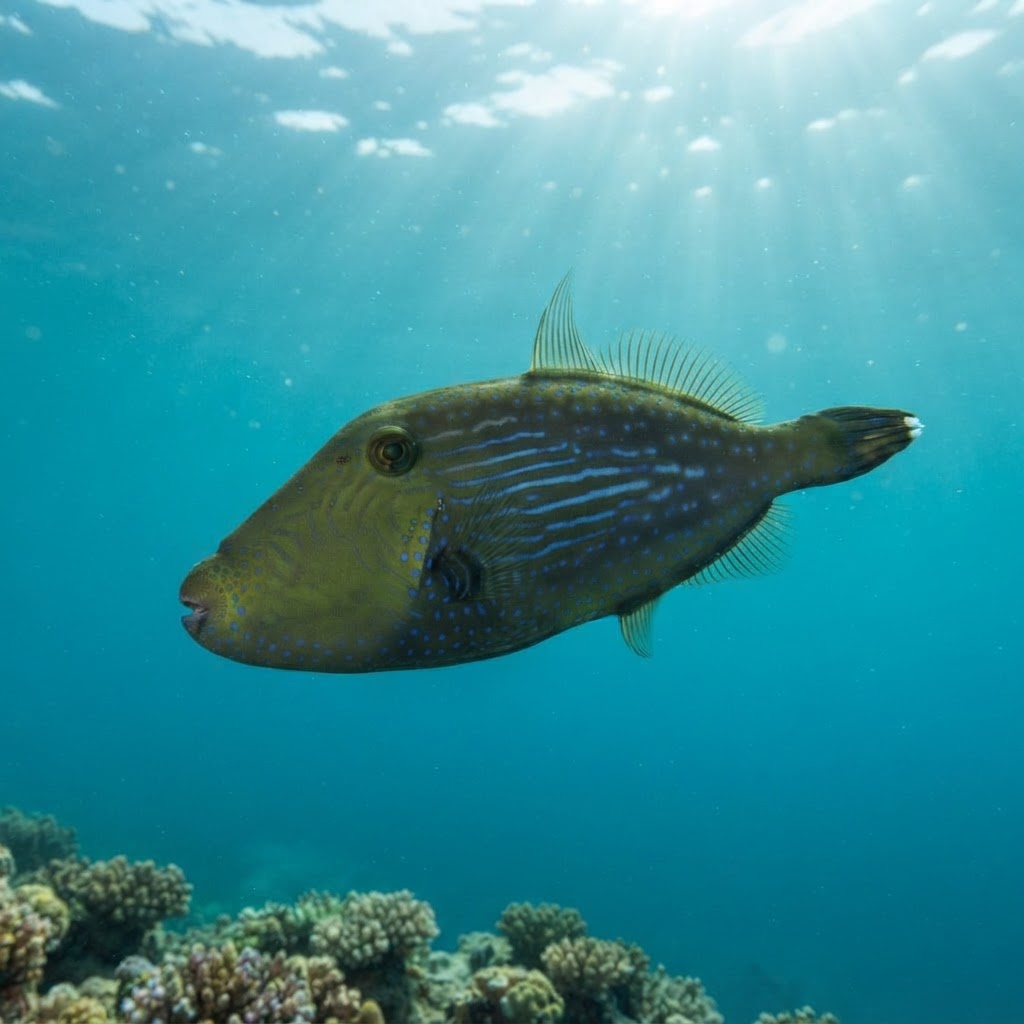
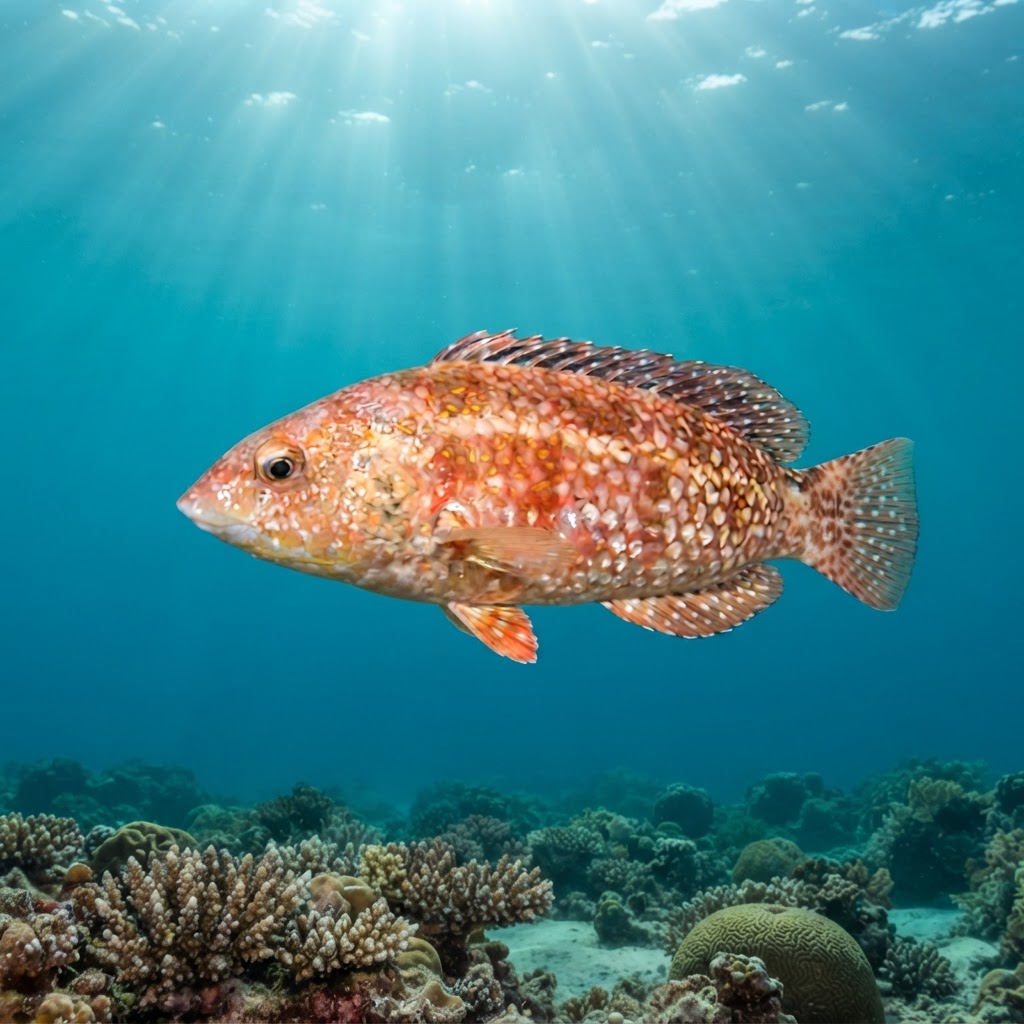
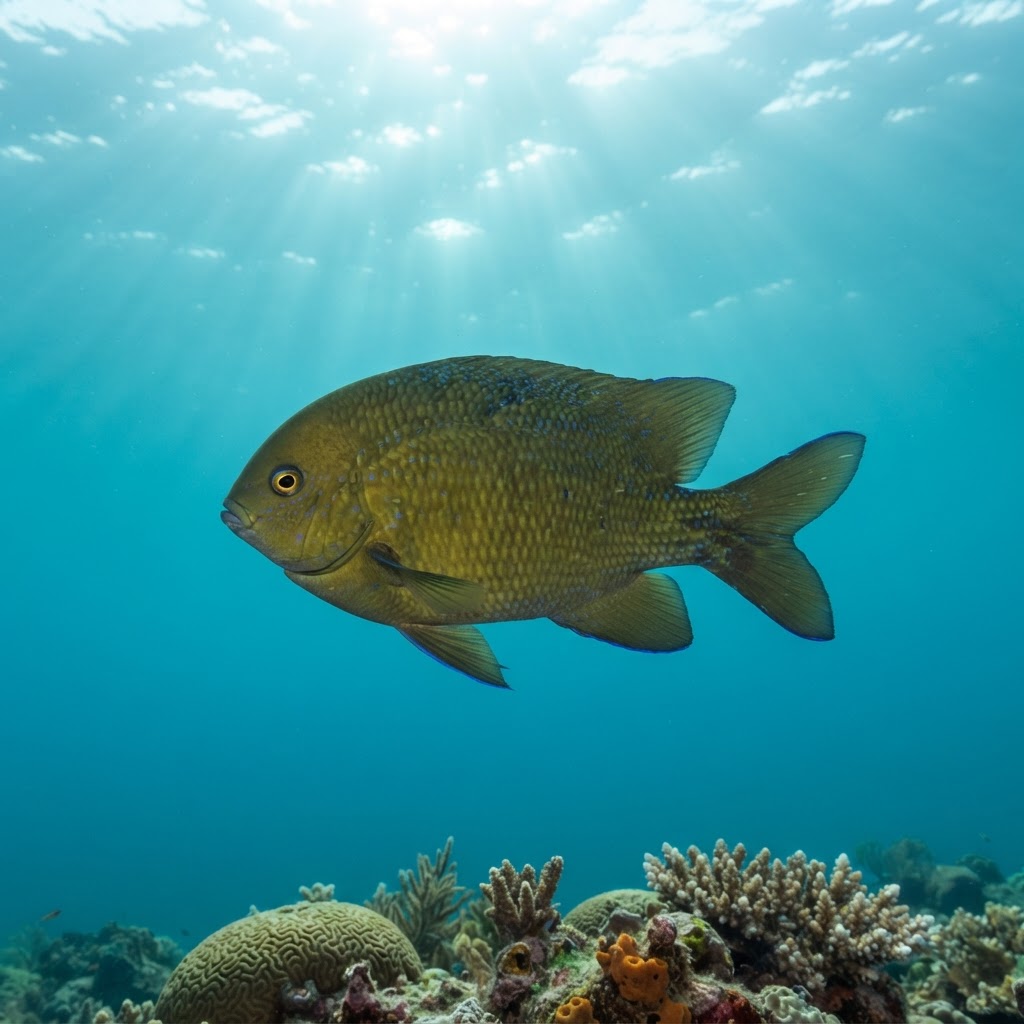
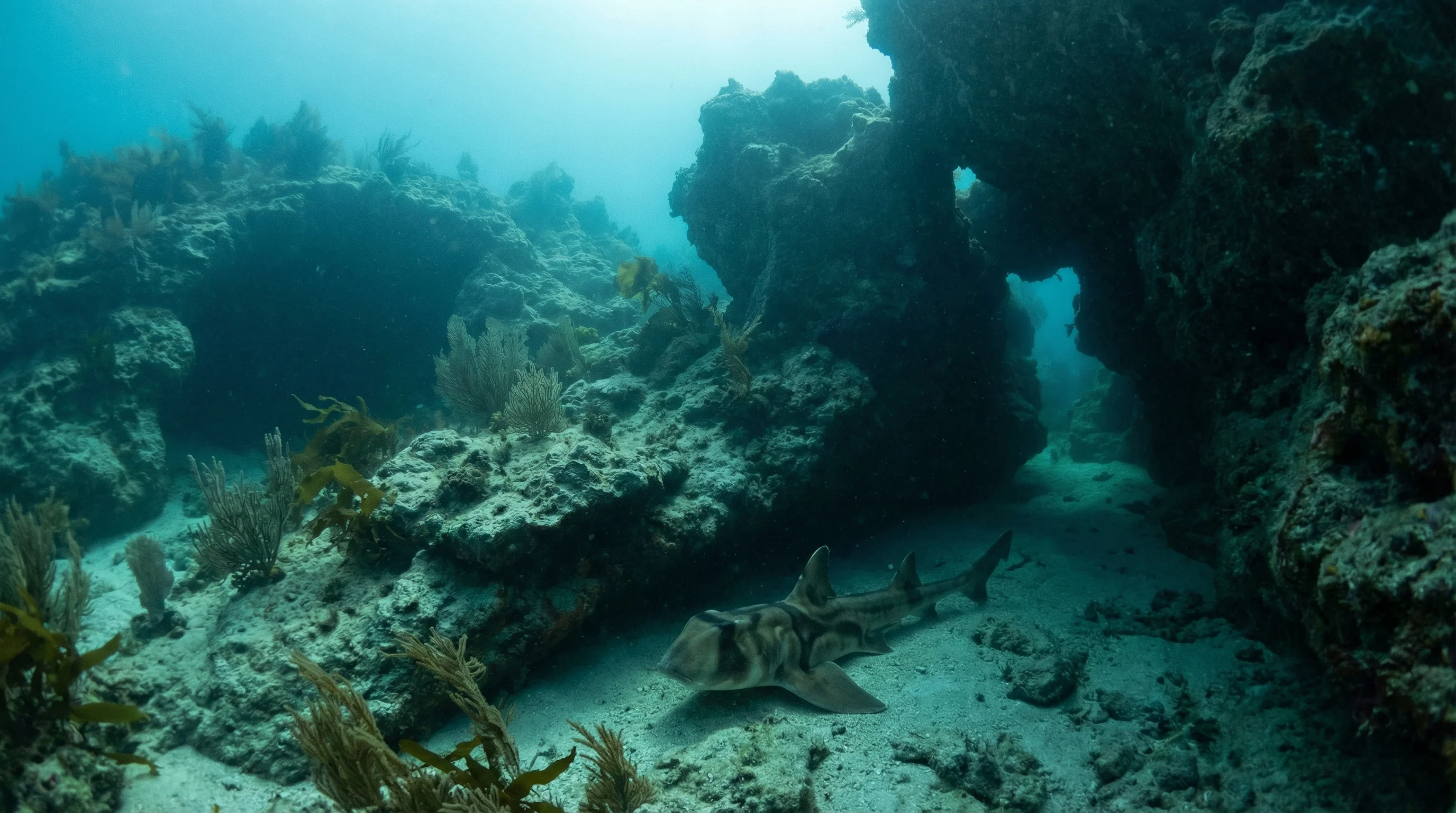
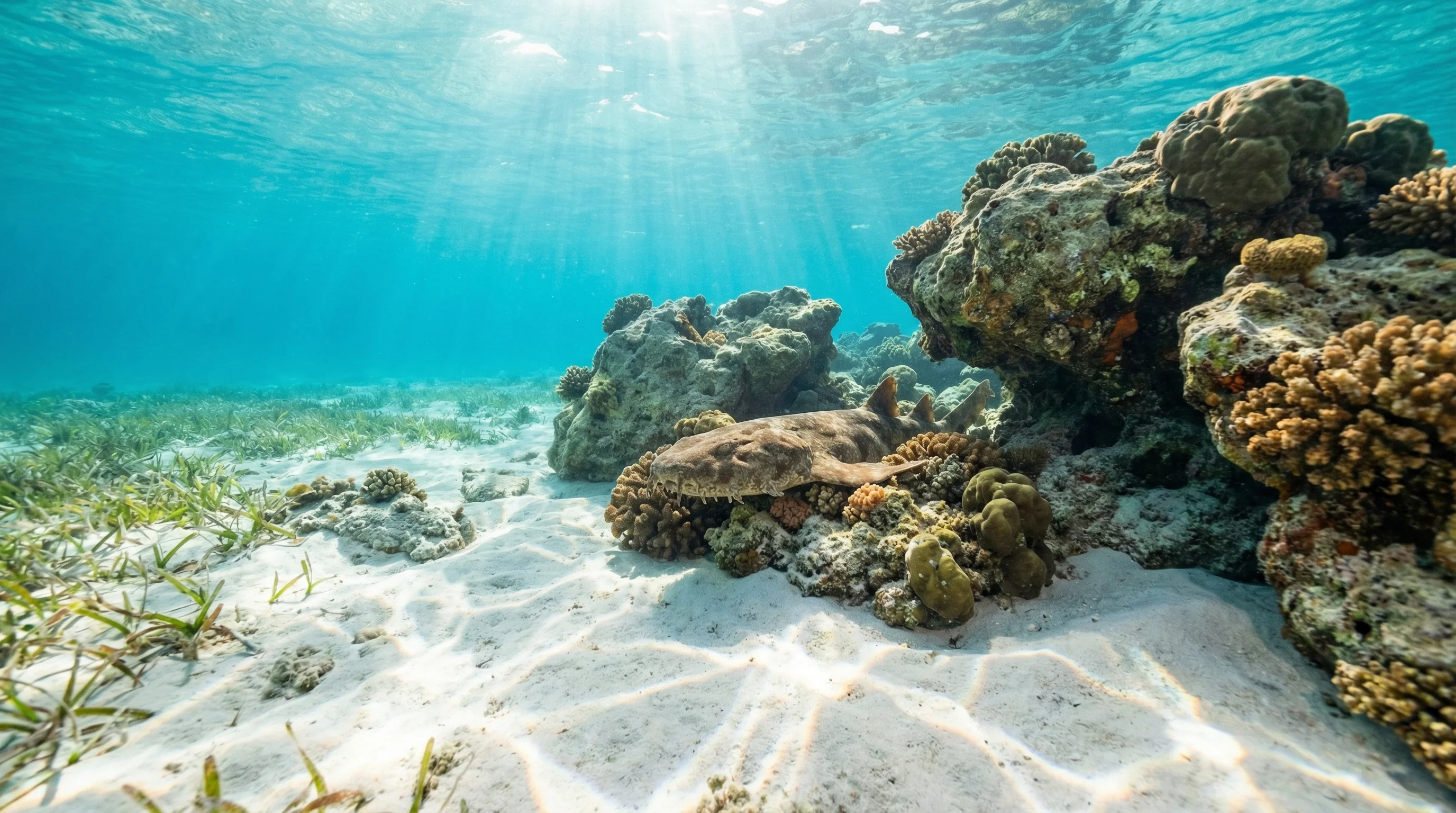
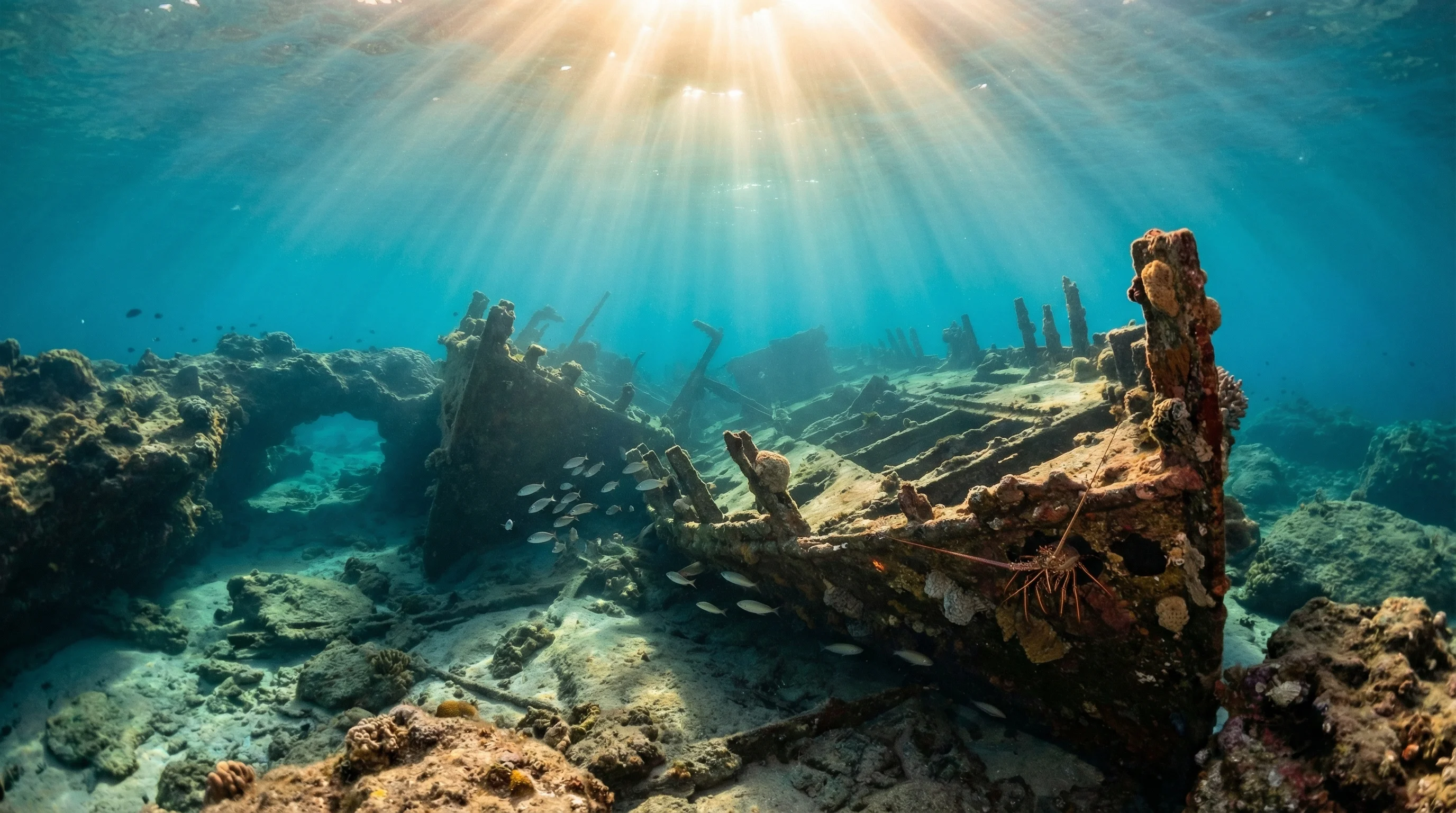
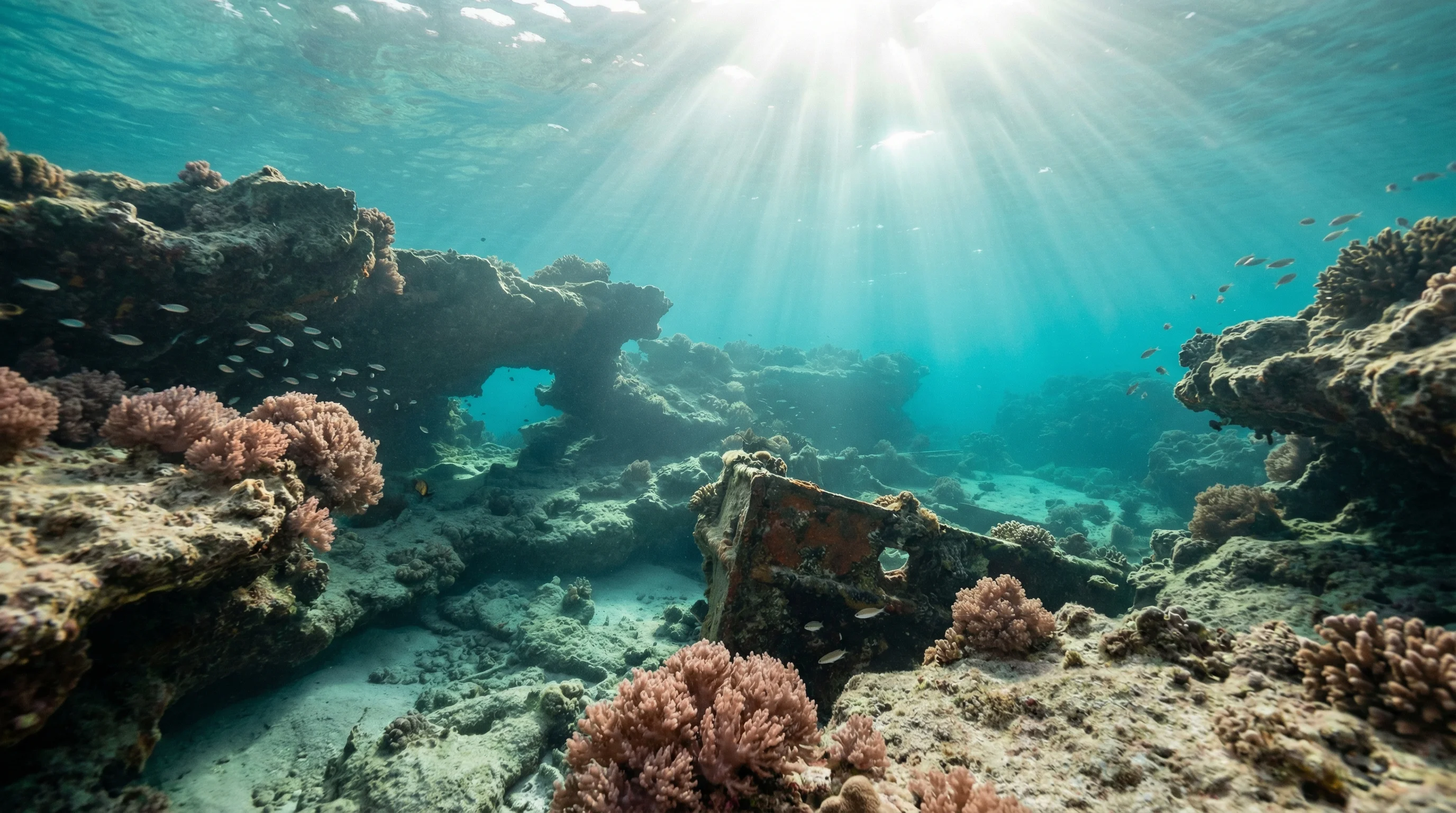
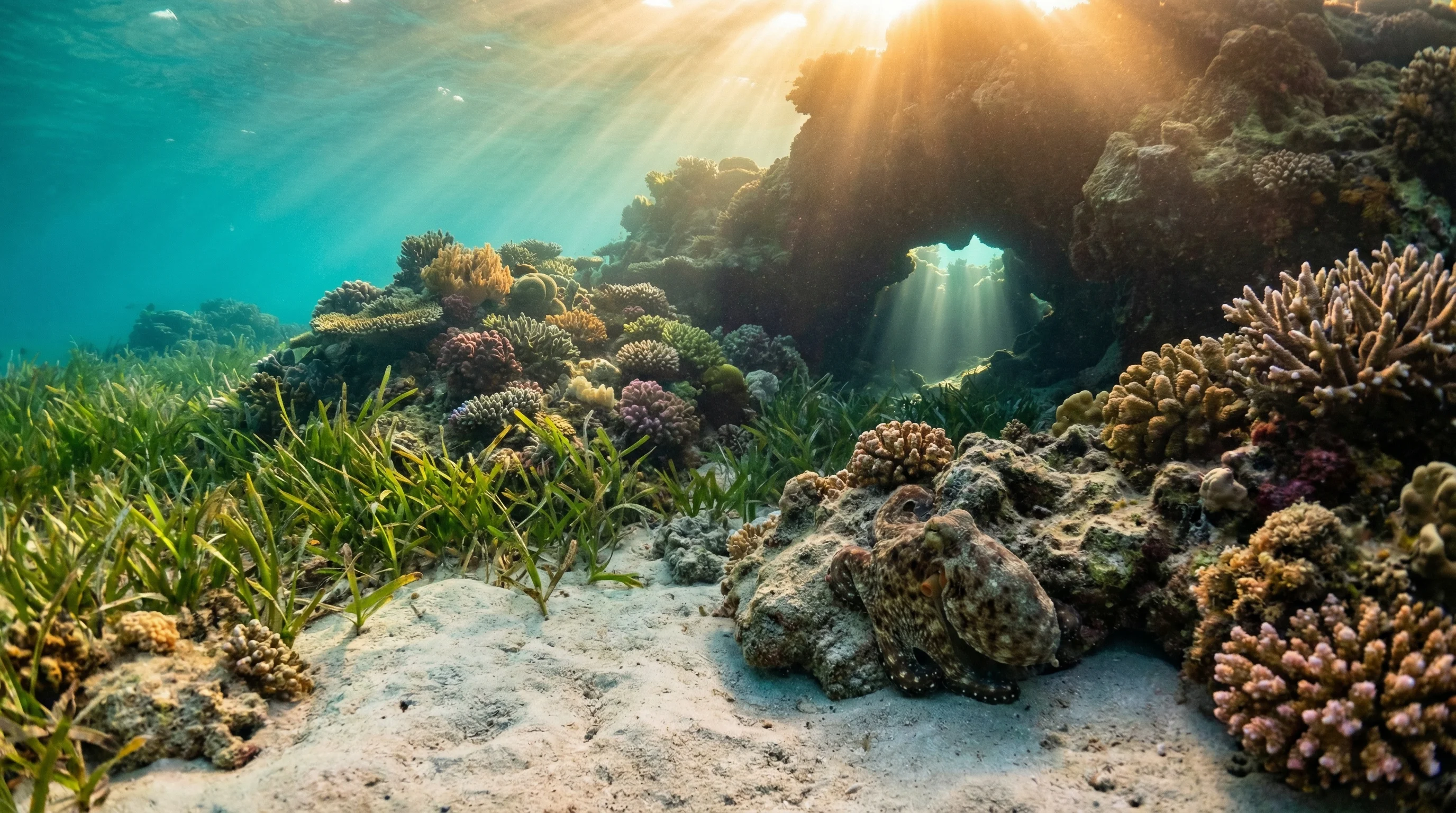
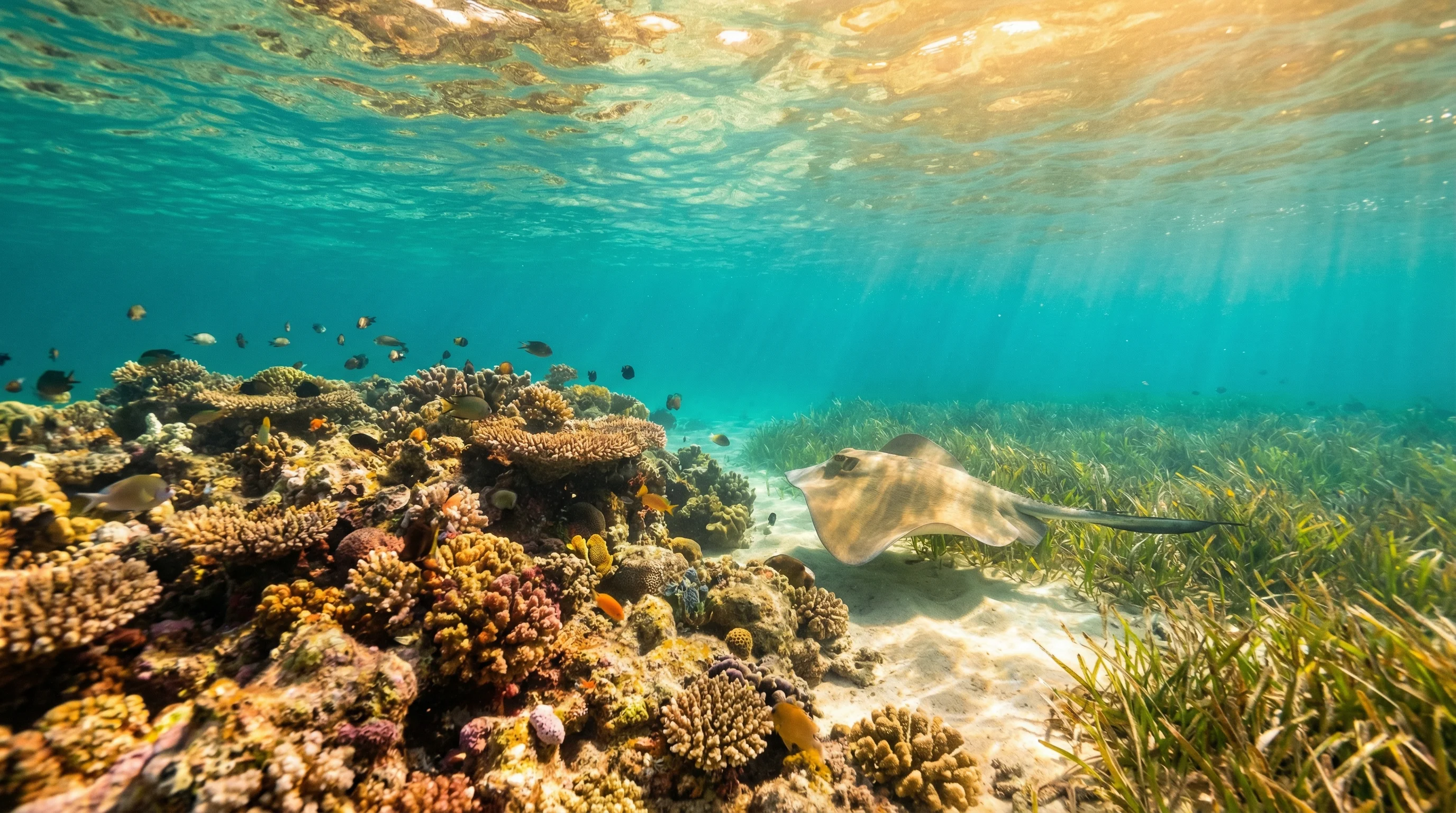
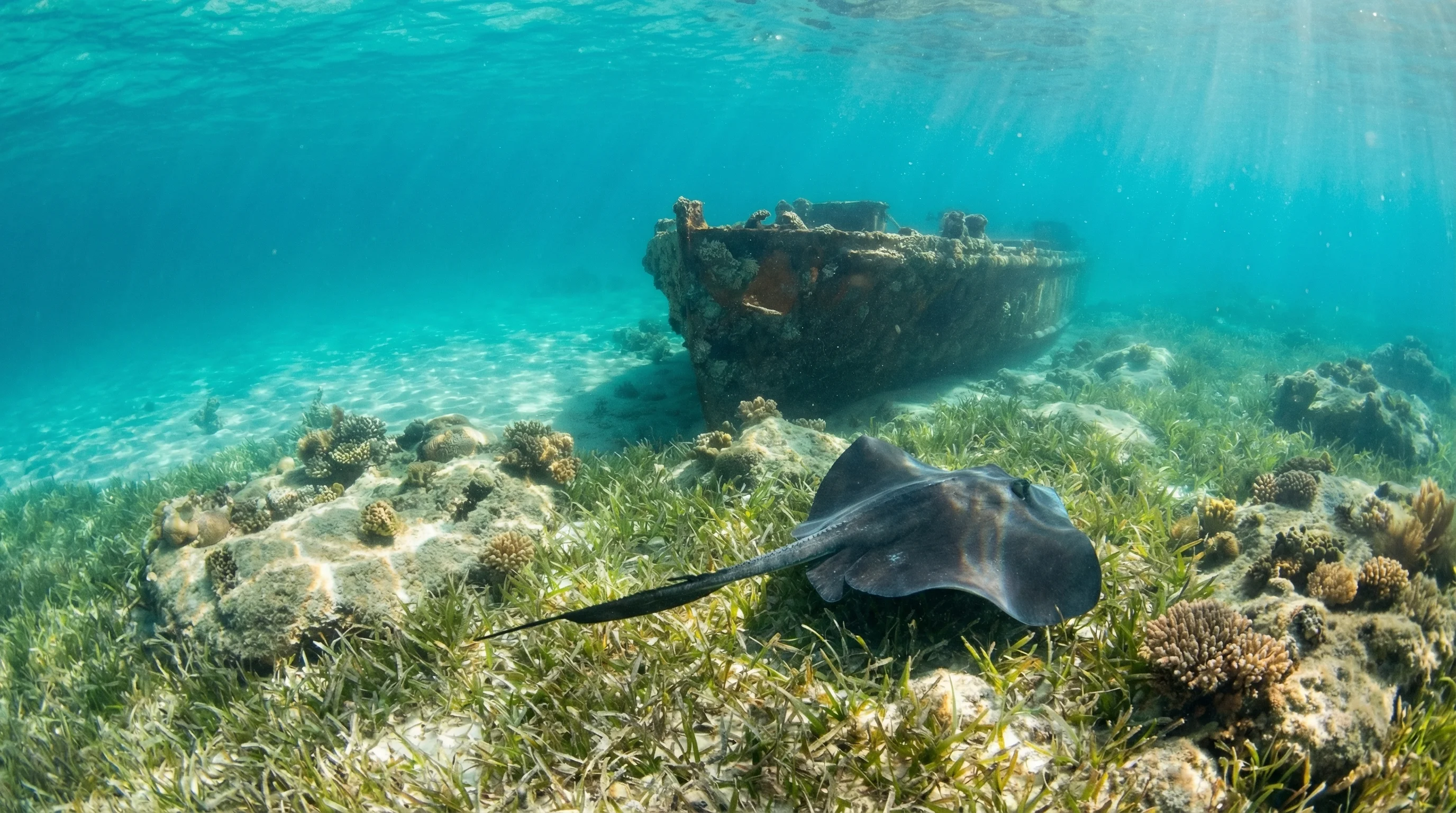
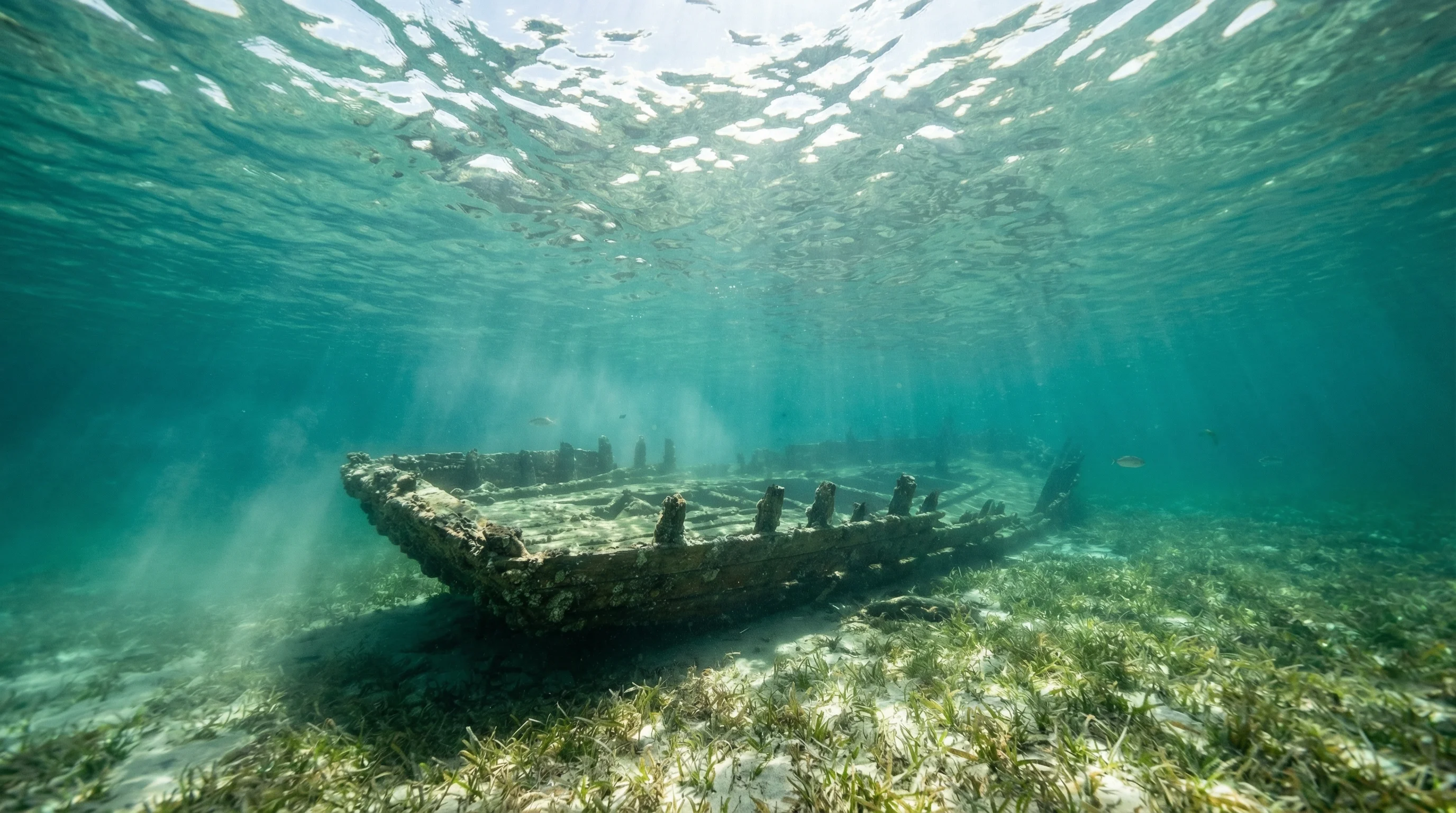
Transit Wreck is a shallow wreck and reef site located off Rottnest Island, Australia. Resting in depths between 3 and 7 metres, it serves as an accessible introduction to wreck diving for beginners. Divers access the site by boat, encountering mild currents that can be unpredictable; timing dives around slack water is recommended for a more relaxed experience. Visibility typically ranges from 5 to 15 metres. Divers should exercise caution around the structure, as sharp coral and potential entanglement hazards exist. Exposure protection is advised to prevent skin abrasions from reef edges. Always remain aware of gear placement and avoid reaching into gaps or cavities within the wreck structure.
-31.98767, 115.54362
Current at this site can be unpredictable, so timing your dive around slack water will make for a more relaxed experience. Wear exposure protection even in the shallows, as the reef edges around the wreck can catch bare skin.
Access info coming soon
Recorded at this site
Depth
3-7m
Visibility
5-15m
Skill Level
Beginner
Entry
Boat
Boat required
Water Temp
19-23°C
Current
Mild
Yes, the site is considered an accessible introduction to wreck diving for beginners due to its shallow depth.
The site lies in 3 to 7 metres of water, with an average depth of 5 metres.
Access to this site is by boat only.
Divers should be cautious of sharp coral and the risk of entanglement on the wreck structure.
While primarily a dive site, the shallow depth of 3 to 7 metres may allow for snorkelling, provided divers remain aware of the wreck structure and potential hazards.
Diving at Transit Wreck in Perth requires the following certifications: Open Water. Always dive within your training limits.
A 5mm wetsuit is recommended for diving at Transit Wreck in Perth. Water temperatures range from 19°C to 23°C.
Transit Wreck in Perth typically has mild currents that most divers can handle comfortably.
Visibility at Transit Wreck in Perth typically ranges from 5 metres to 15 metres. Conditions vary with weather, tides, and seasons.