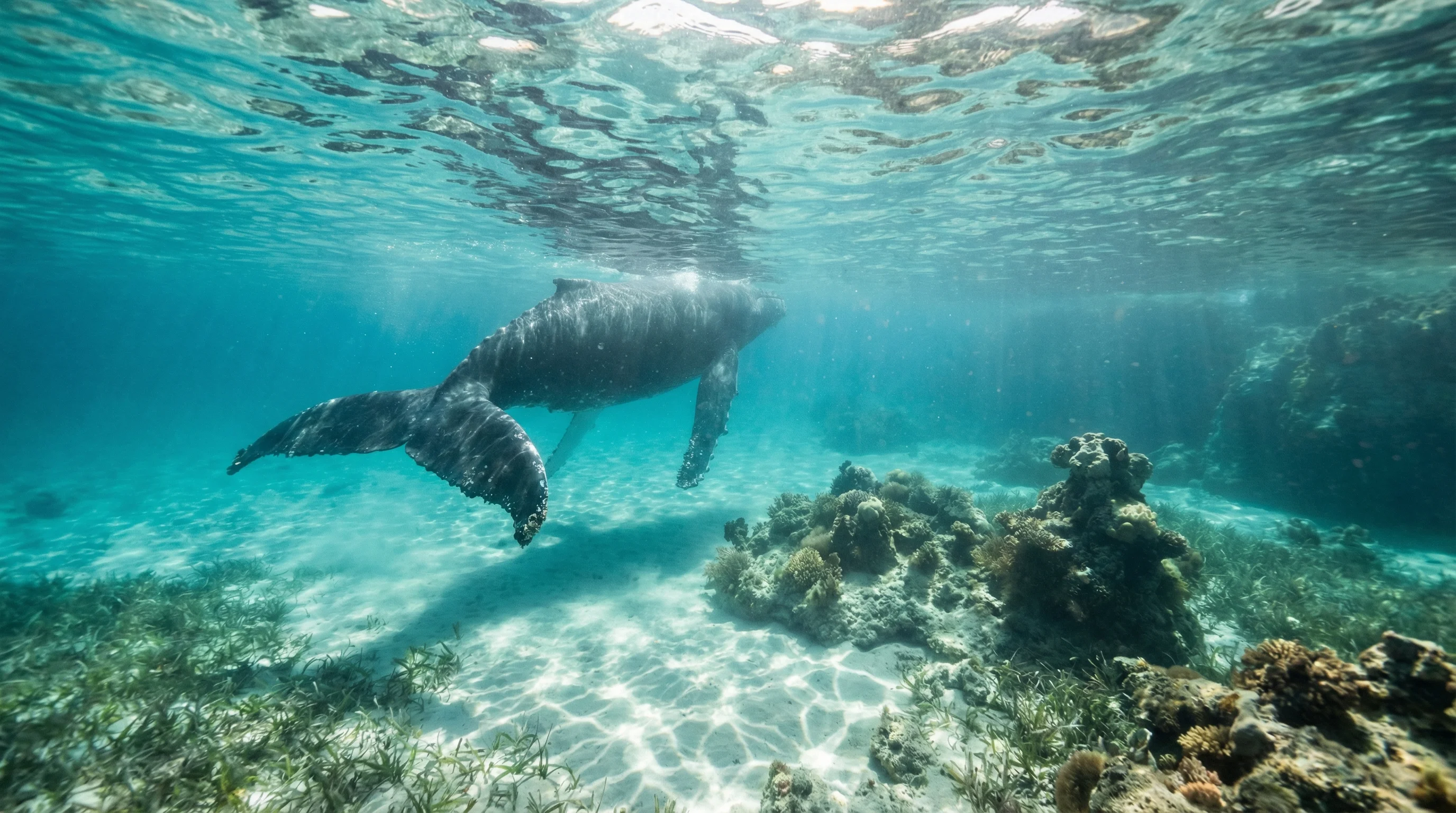
Best for beginner divers, 1-10m, boat entry, mild current.
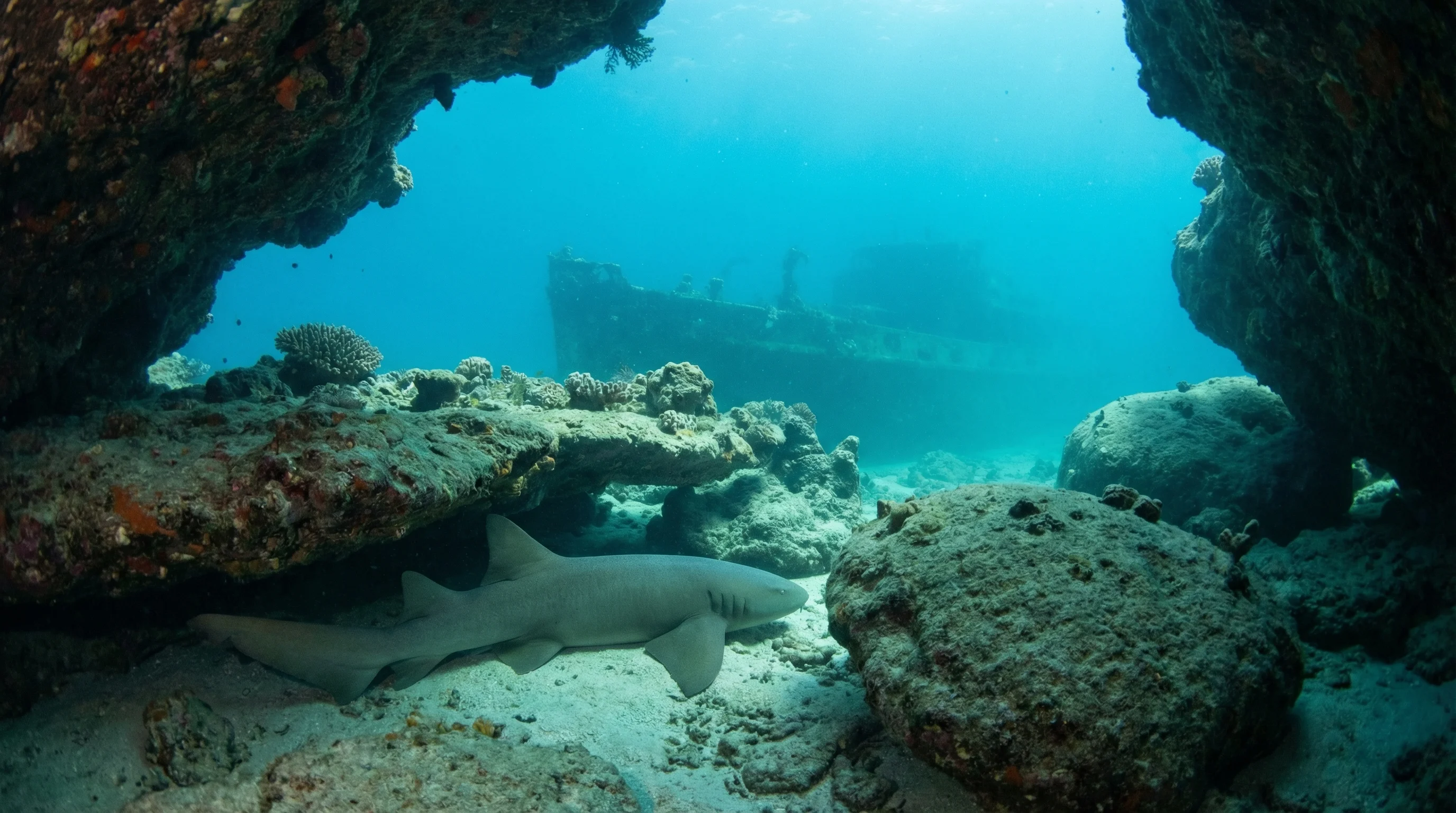
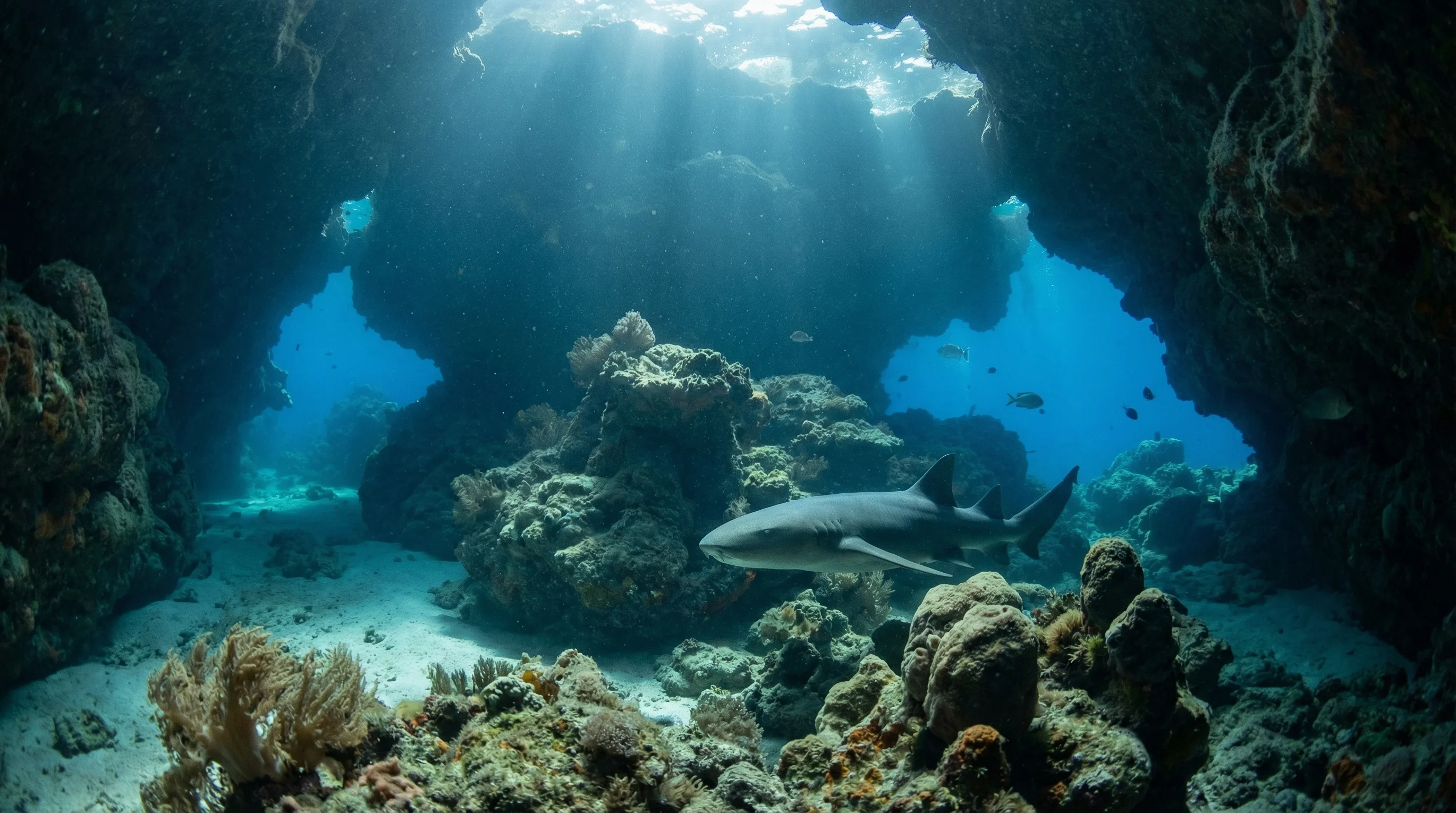
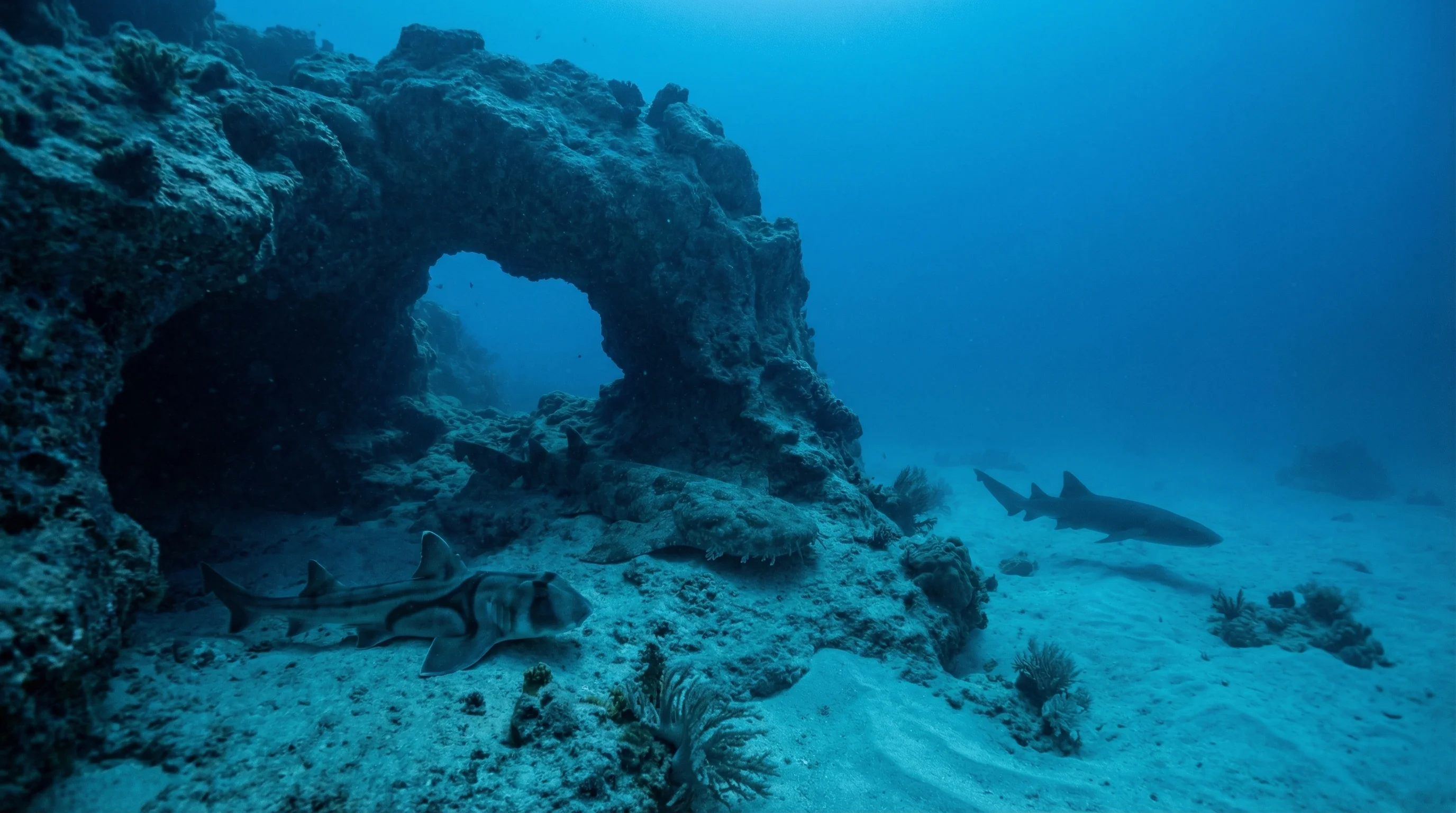
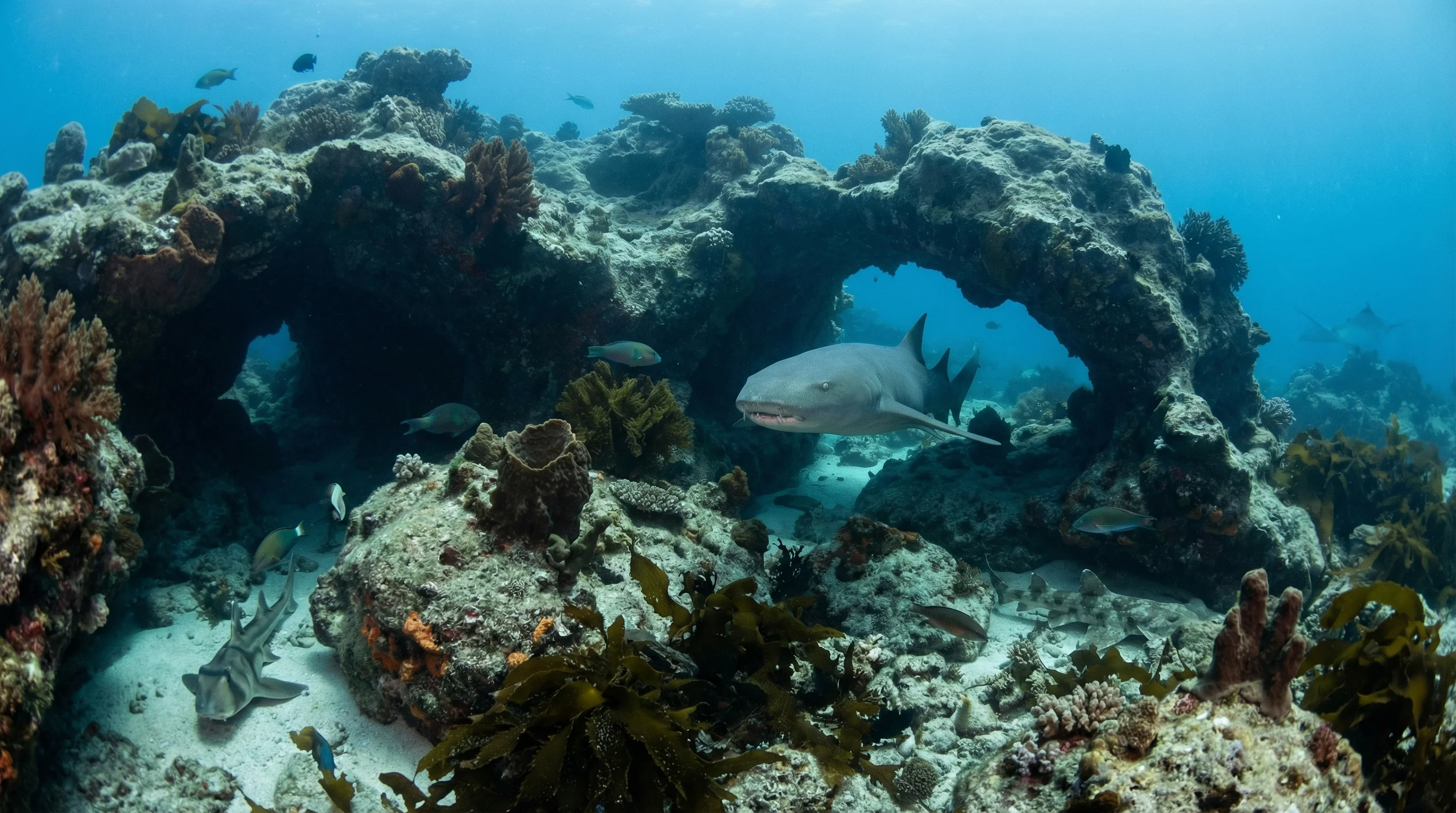
Fish Hook Bay at Rottnest Island provides a shallow, sheltered environment suitable for beginner divers and snorkellers. The site features a mix of reef and seagrass habitats with depths ranging from 1 to 10 metres, averaging 3 metres. Visibility typically reaches 10 to 20 metres, though conditions vary with weather. Access is by boat only. Divers should remain aware of potential surge in depths around 6 metres during moderate swells. General boat traffic is present in the area, and visitors should be mindful of sharks as part of the local marine environment. Typical dive times are approximately 45 minutes.
-32.02389, 115.45139
Visibility tends to be at its best during calmer weather, so check conditions before heading out and ask locally about any active boat traffic in the bay before entering the water.
The site is on the remote western end of Rottnest Island. Access is by private boat or a chartered tour, typically departing from Thomson Bay.
Recorded nearby, within 20km
Depth
Up to 10m
Visibility
10-20m
Skill Level
Beginner
Entry
Boat
Boat required
Water Temp
19-23°C
Current
Mild
Typical Dive
45 min
Best Time
Jan, Feb, Mar, Mar, Apr, Apr, May, May, Jun, Sep, Oct, Nov, Nov, Dec
Yes, the site is considered suitable for beginners due to its shallow depths and typically mild currents.
The depth ranges from 1 to 10 metres, with an average depth of 3 metres.
Yes, both diving and snorkelling are permitted at Fish Hook Bay.
Access to Fish Hook Bay is by boat only.
Hazards include boat traffic, potential surge in depths around 6 metres during moderate swells, and the presence of sharks.
Diving at Fish Hook Bay in Rottnest Island requires the following certifications: Open Water. Always dive within your training limits.
A 5mm wetsuit is recommended for diving at Fish Hook Bay in Rottnest Island. Water temperatures range from 19°C to 23°C.
The best months to visit Fish Hook Bay in Rottnest Island are June, December, November, March, April, May, February, September, October, November, March, January, April, and May. Conditions outside these months can still be good but are less predictable.
Fish Hook Bay in Rottnest Island typically has mild currents that most divers can handle comfortably.
Visibility at Fish Hook Bay in Rottnest Island typically ranges from 10 metres to 20 metres. Conditions vary with weather, tides, and seasons.