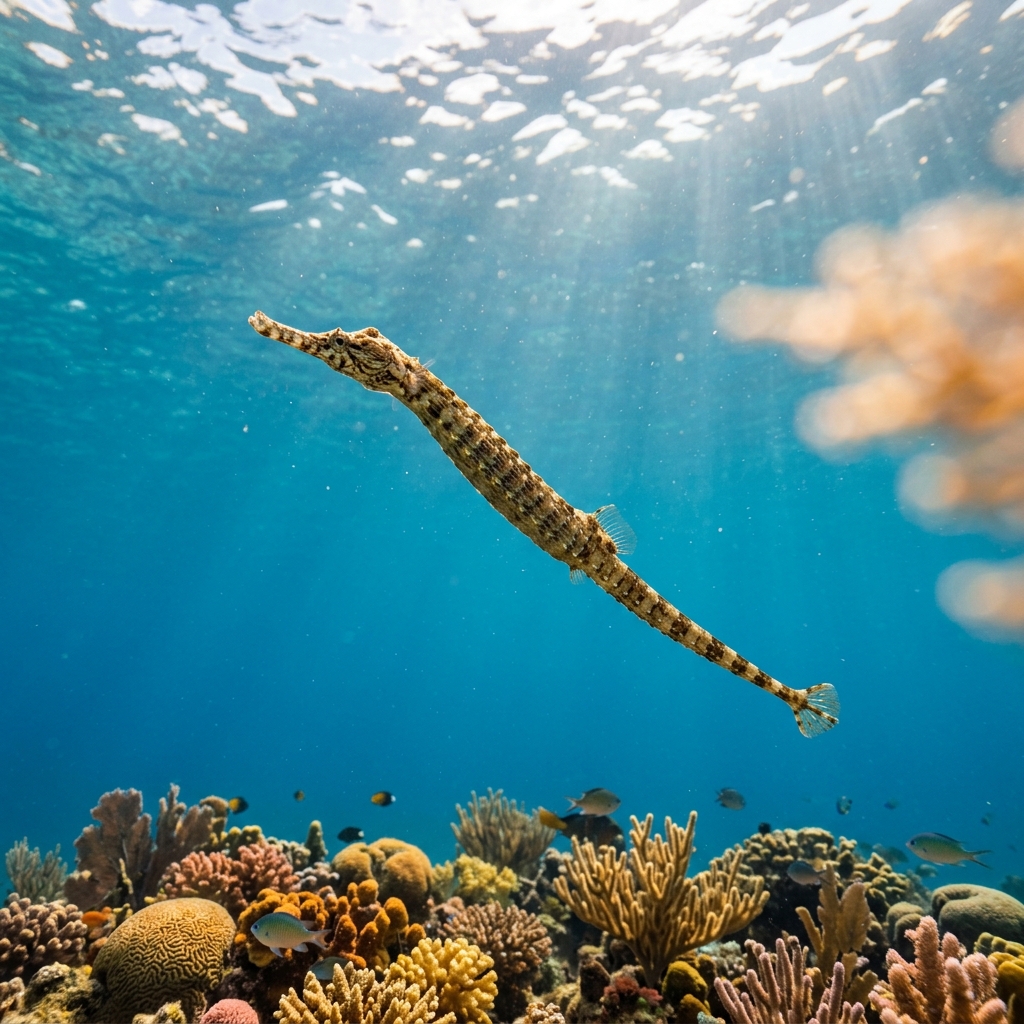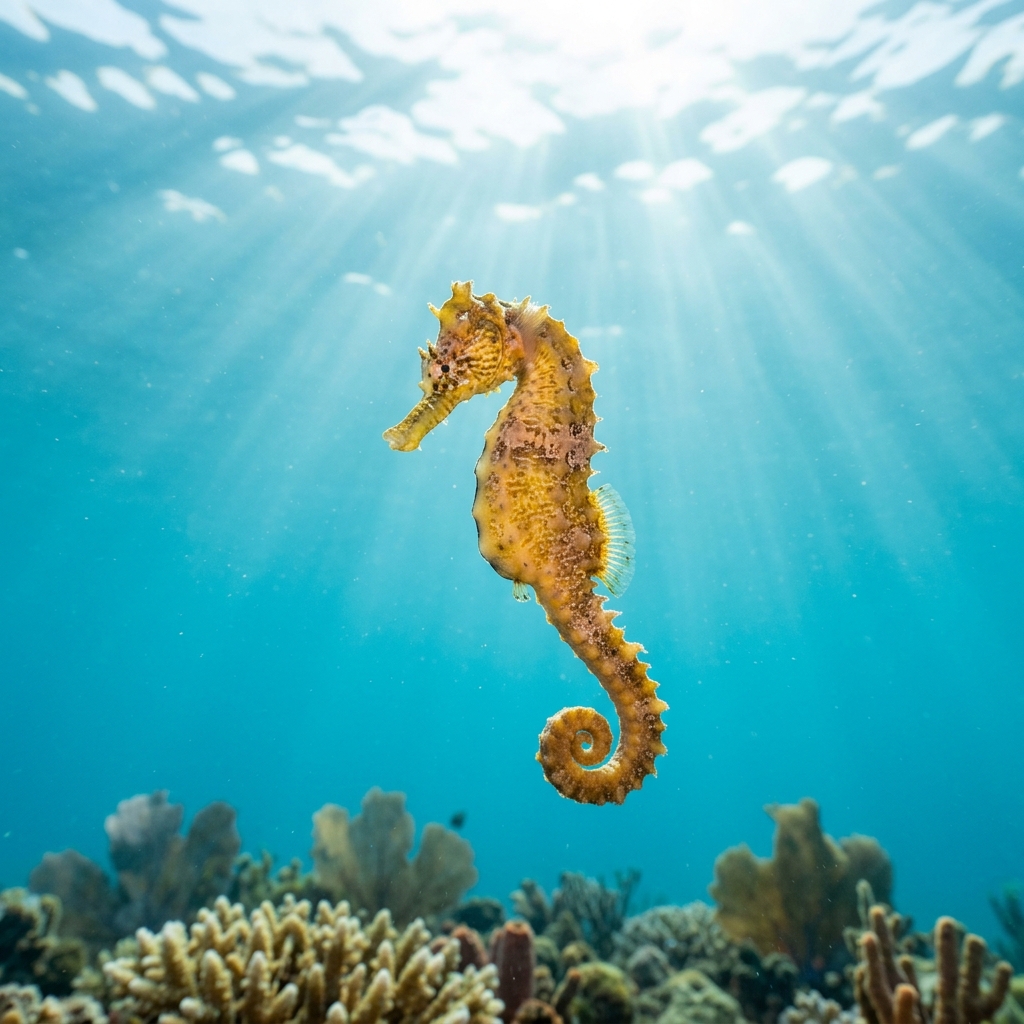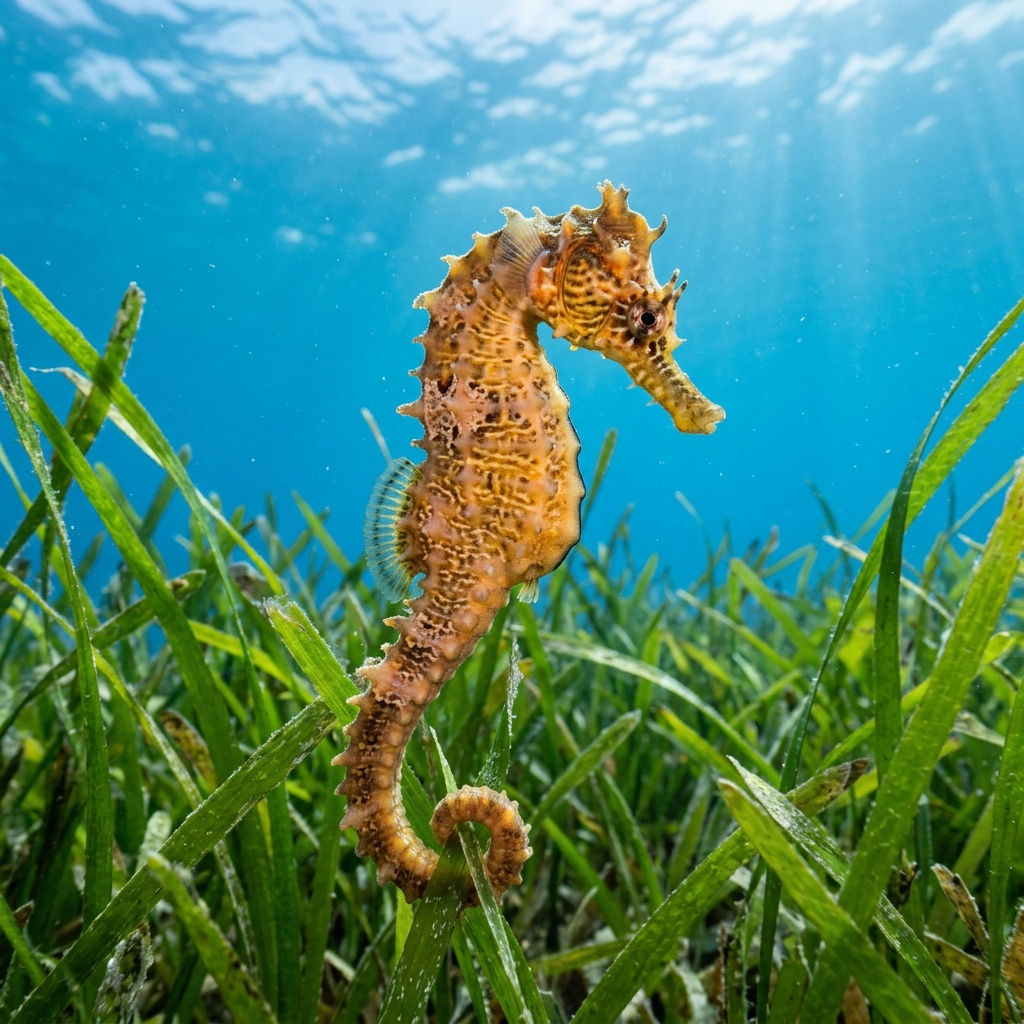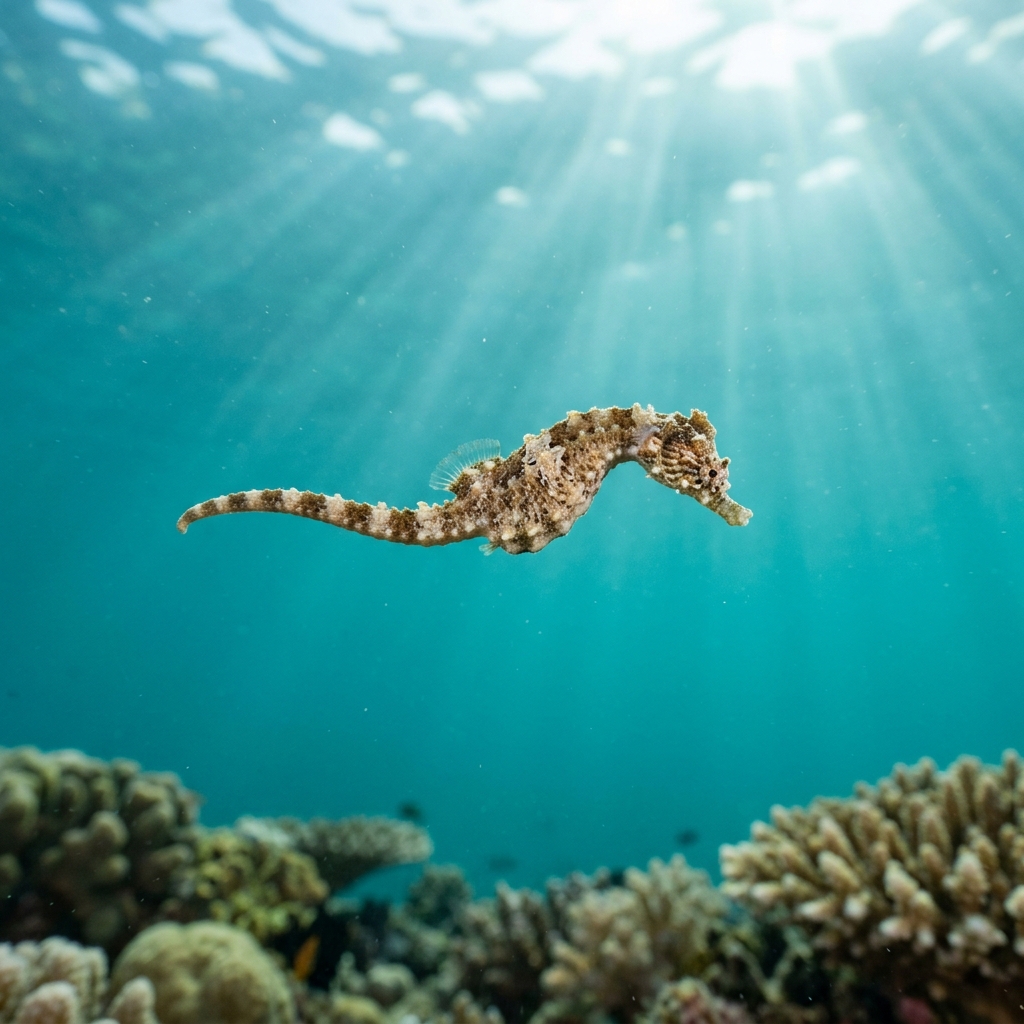
Idiotropiscis spp.
Pygmy Pipehorses are most reliably logged in Western Australia. Spot these tiny, cryptic fish in 16-24°C waters, peaking in autumn (Mar, May).
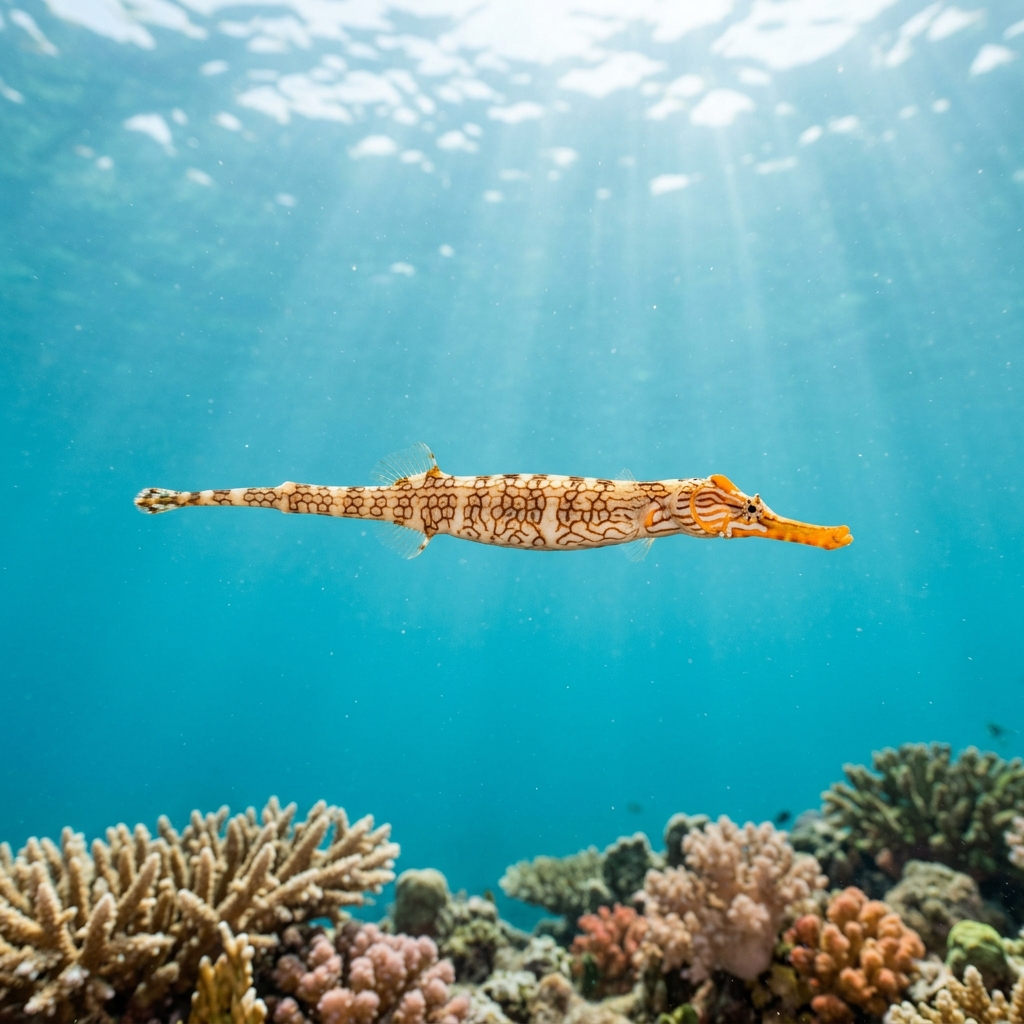
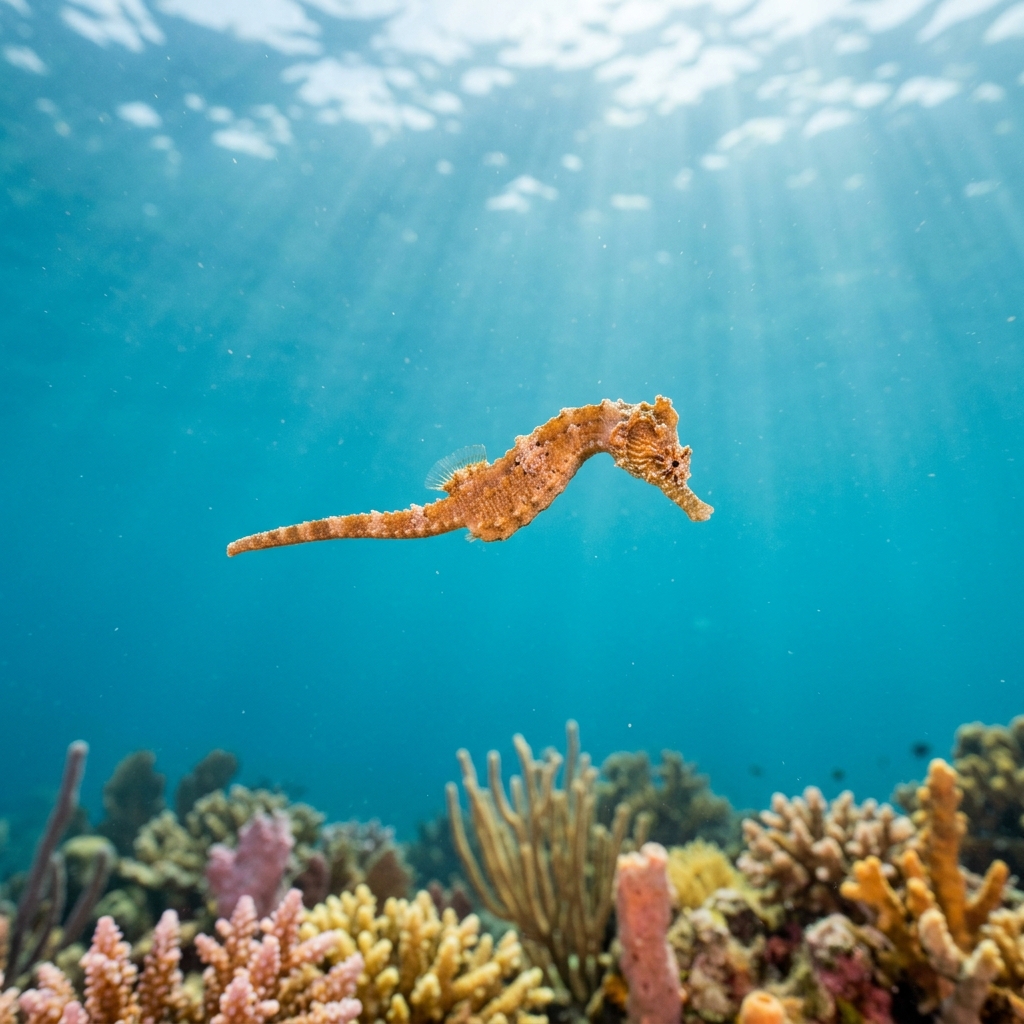
Pygmy pipehorses are tiny, twig-like fish with a rigid, segmented body and a prehensile (grasping) tail they use to anchor to algae or seagrass. Their colouration tends to match their surroundings closely, ranging through browns, greens, and creamy whites, making them very easy to miss. The body posture is often upright or angled, and they hold almost completely still when approached. Males carry eggs in a visible brood pouch on the underside of the tail, which appears swollen compared to the smoother tail of a female.
You will almost always find pygmy pipehorses anchored to a piece of algae, seagrass, or encrusting growth, gripping tight with their curled tail and doing their best impression of a bit of dead plant matter. They are sluggish movers and typically freeze or barely shift when a diver approaches, relying entirely on camouflage rather than flight. Searching slowly through weedy, low-profile reef areas at depth ranges typical of sheltered bays rewards patient divers who take time to scan centimetre by centimetre.
Like seahorses, it is the male pygmy pipehorse that carries and broods the eggs in a pouch on his tail, giving birth to live young once they are fully developed.
Based on logged sightings, autumn in the Southern Hemisphere (March to May) is the concentrated season to look for pygmy pipehorses. This aligns with the cooler end of their observed temperature range (16 to 24°C), typical of temperate Australian coastal waters as summer warmth fades.
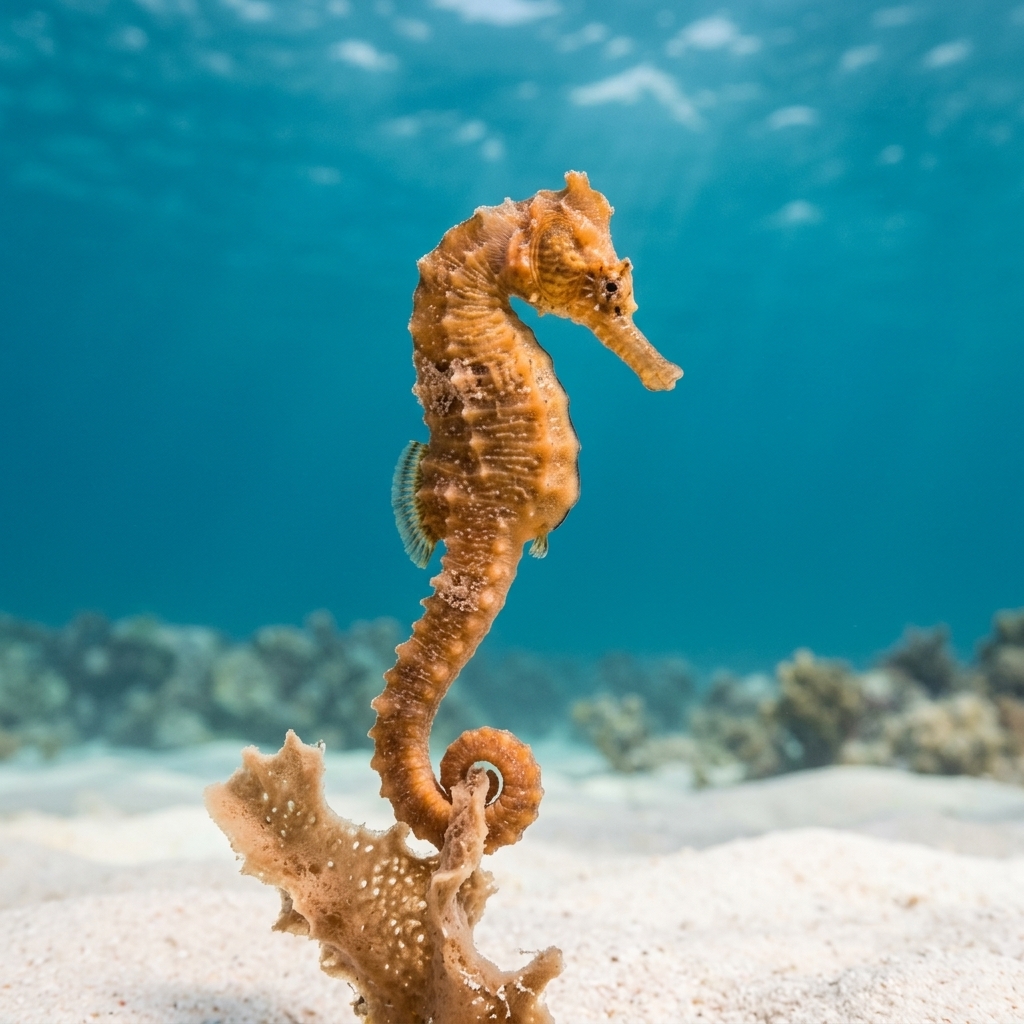
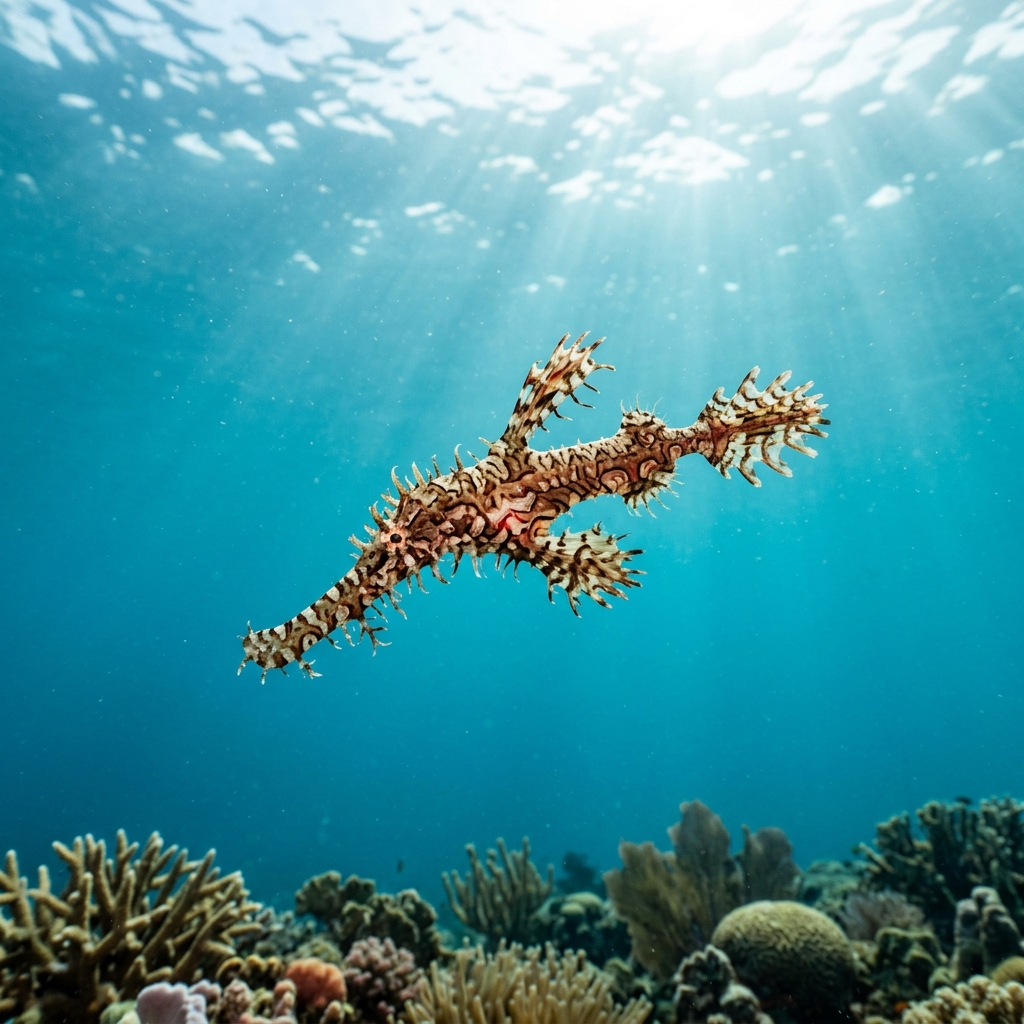
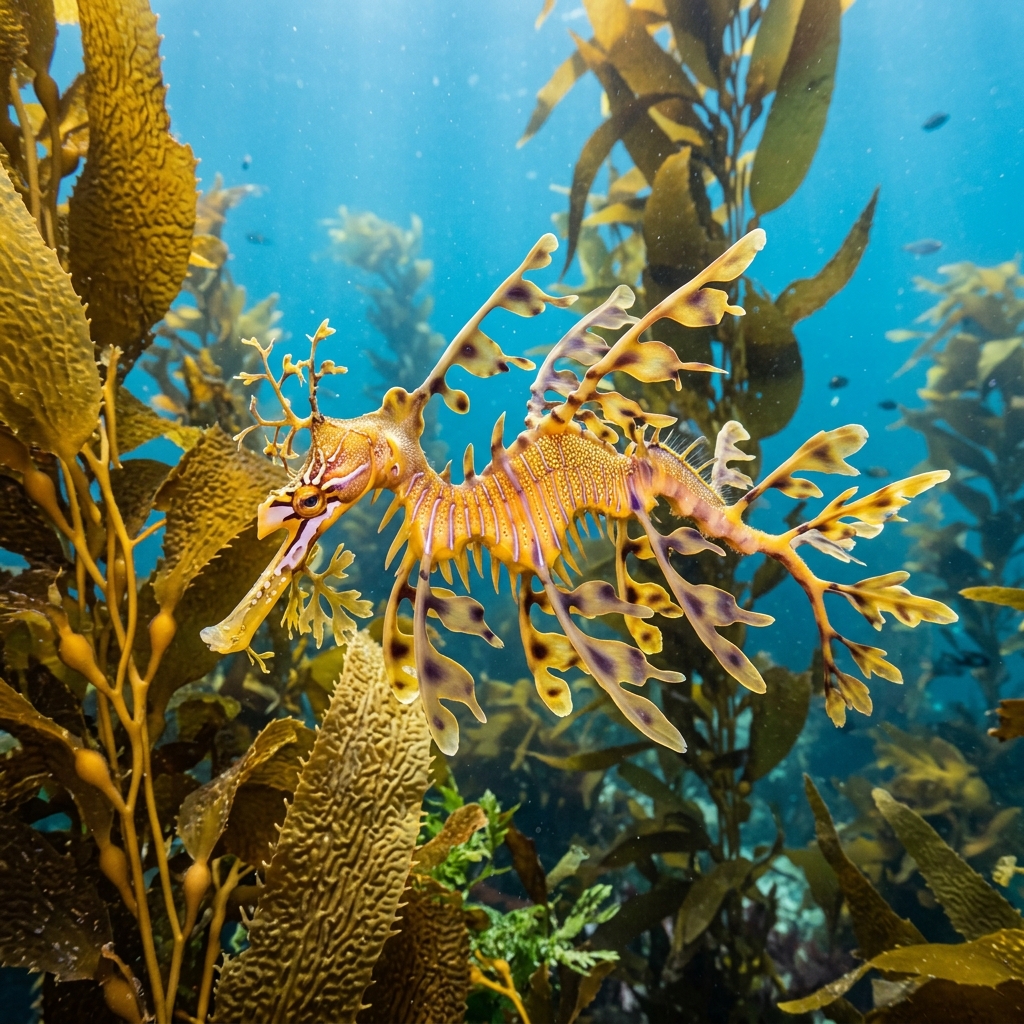
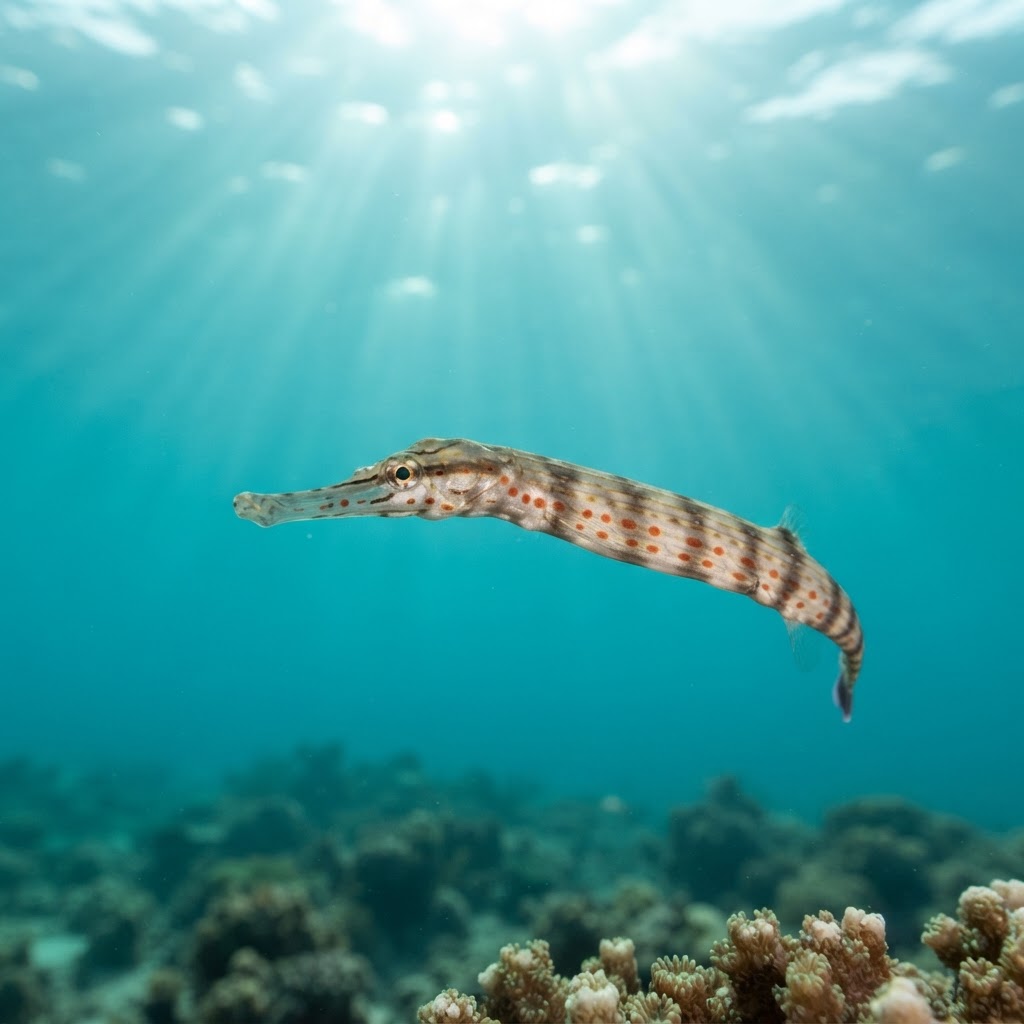
Reef neighbours a diver could mistake it for. Use the identification notes above to tell them apart.
Pygmy pipehorses are an almost exclusively Australian find, with the strong majority of dive-site records coming from Western Australia. New South Wales also holds a solid number of sites, making the south-eastern Australian coast a secondary but worthwhile target. If you are planning a trip specifically to find one, the reefs and seagrass beds of Western Australia give you the best odds.
Mapping where Pygmy Pipehorse is logged…
Pygmy pipehorses are found almost entirely in Australia, with Western Australia holding the largest concentration of dive sites where they have been recorded. New South Wales also offers reliable spots. Look in sheltered bays, seagrass beds, and weedy reef areas along the temperate Australian coast.
Logged sightings concentrate in the Southern Hemisphere autumn, from March through May. This is when water temperatures in their core Australian range sit comfortably within their preferred 16 to 24°C window.
Look for a very small, stiff-bodied fish with a curled, grasping tail clinging motionless to algae or seagrass. The segmented body and upright or diagonal resting posture help separate them from surrounding plant matter. Males show a swollen brood pouch on the underside of the tail.
Pygmy pipehorses are extremely small fish. Precise measurements vary across the species in this group, but they are generally only a few centimetres long, easily overlooked against weedy or algae-covered reef.
Yes. Like their seahorse relatives, male pygmy pipehorses carry the fertilised eggs in a brood pouch located on the underside of the tail. The pouch becomes visibly swollen during pregnancy. The male broods the eggs until they hatch as miniature versions of the adults.
Site and sighting data is aggregated from diver logs, iNaturalist and GBIF. For taxonomy and conservation status:
Seahorse
1,346 sites