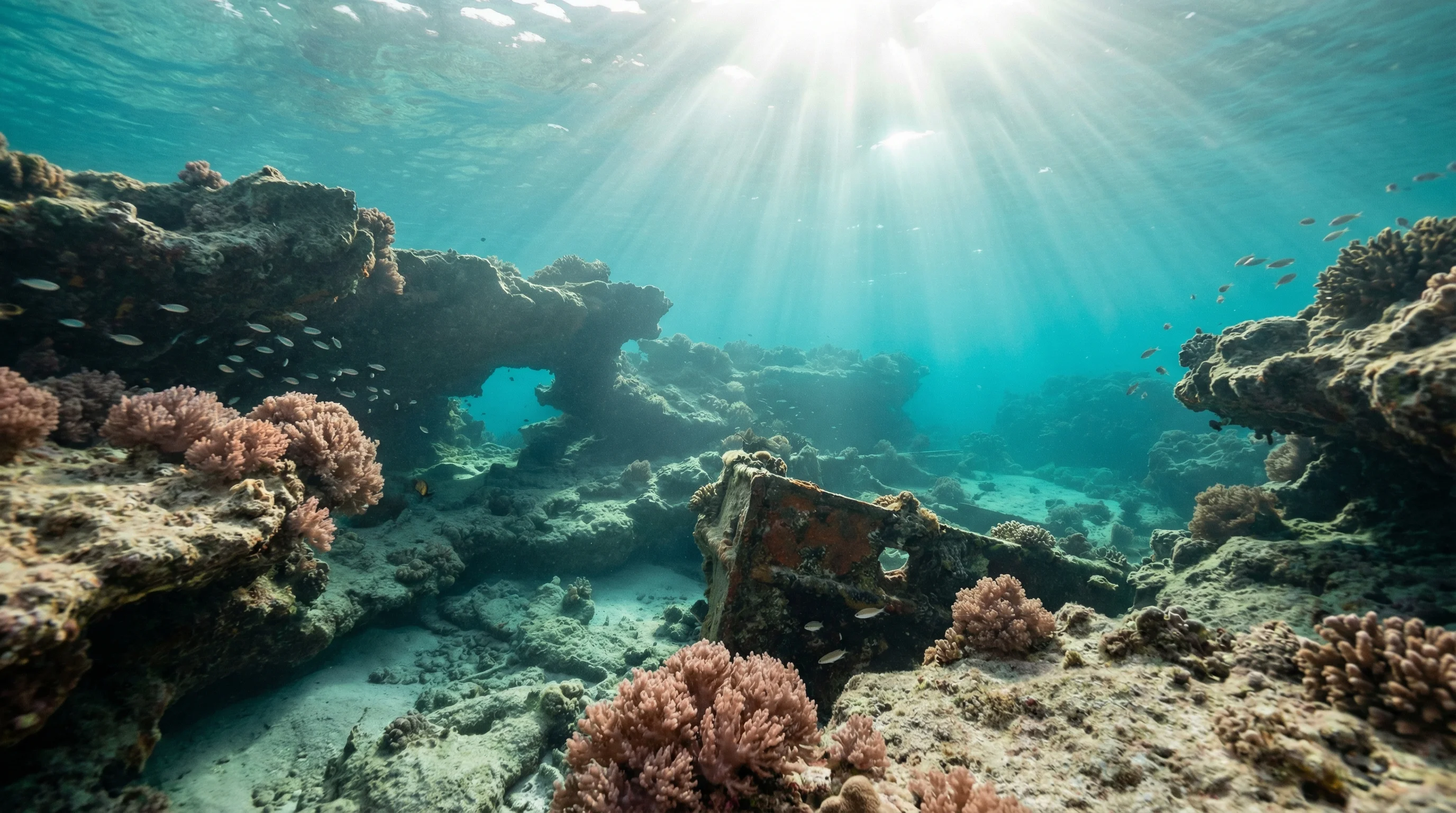
Best for beginner divers, 6-12m, boat entry, mild current.
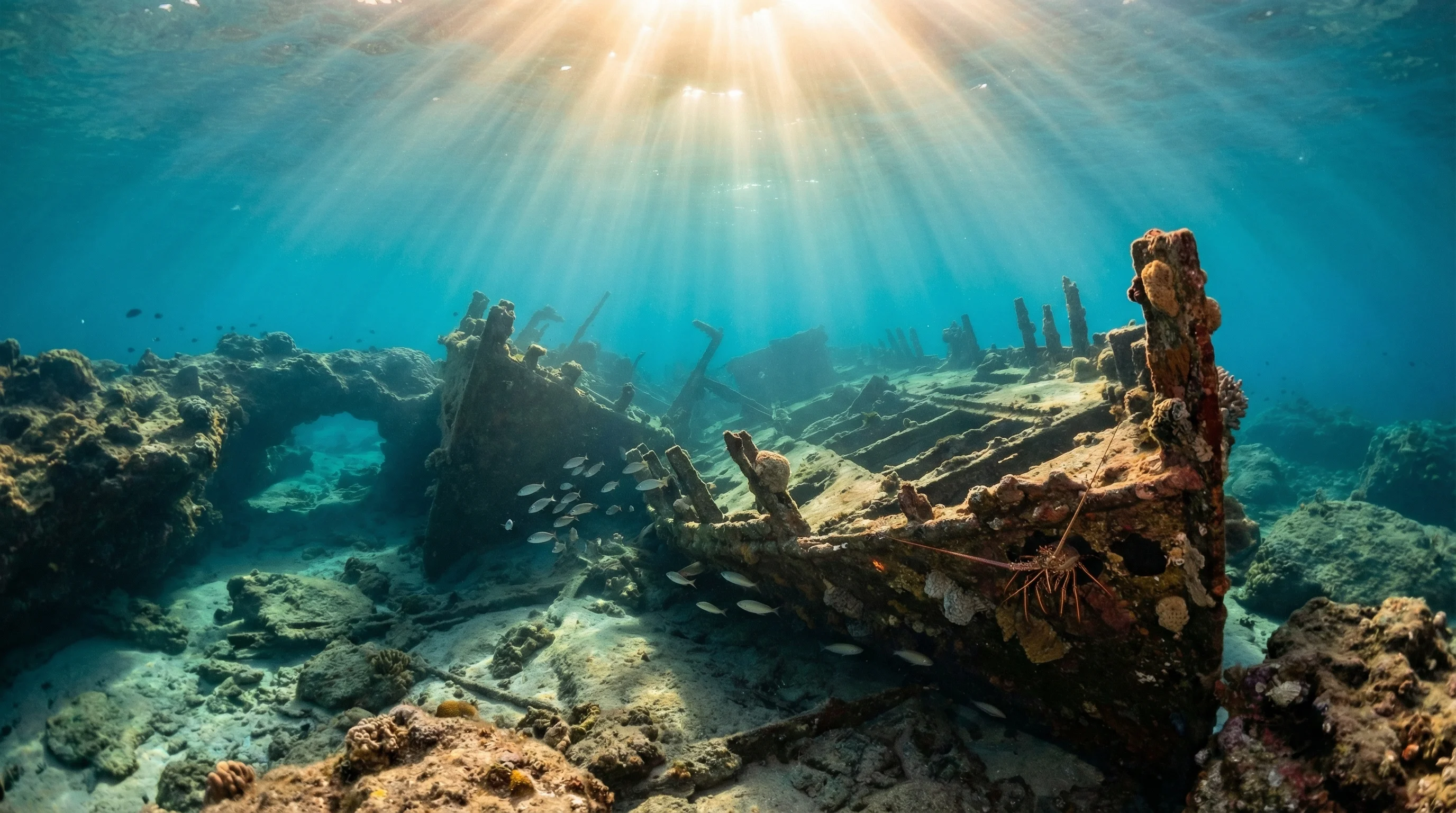
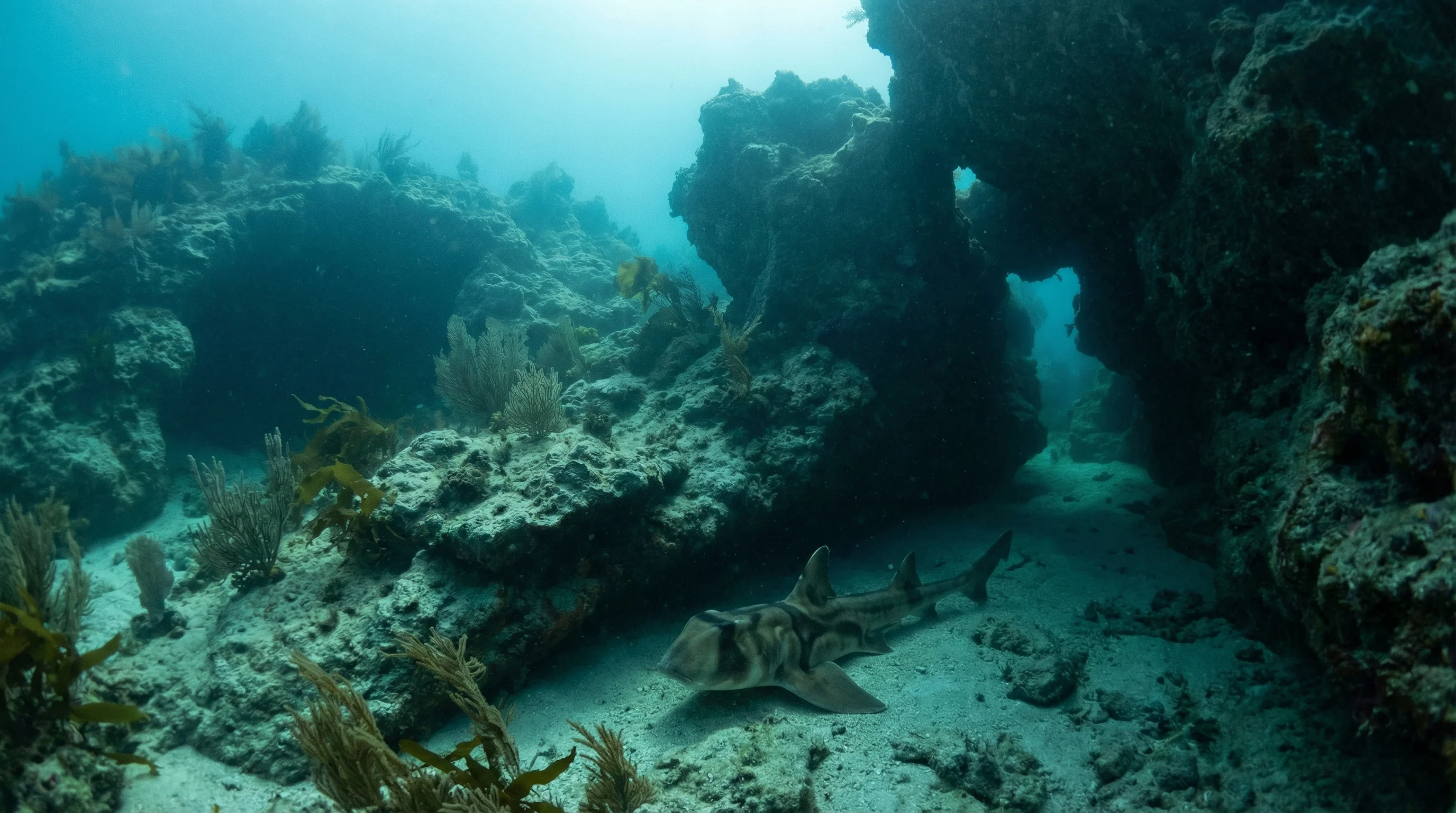
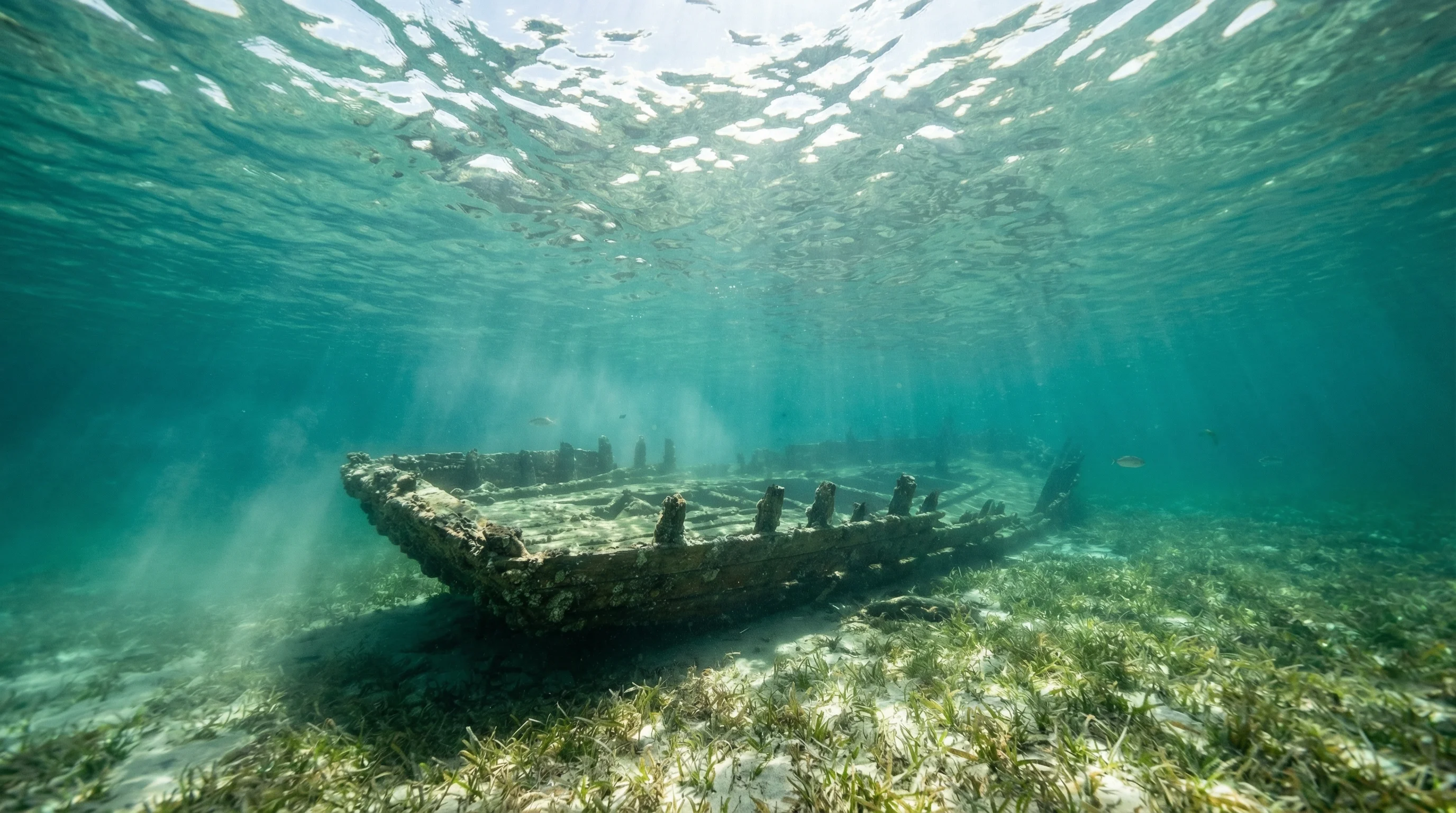
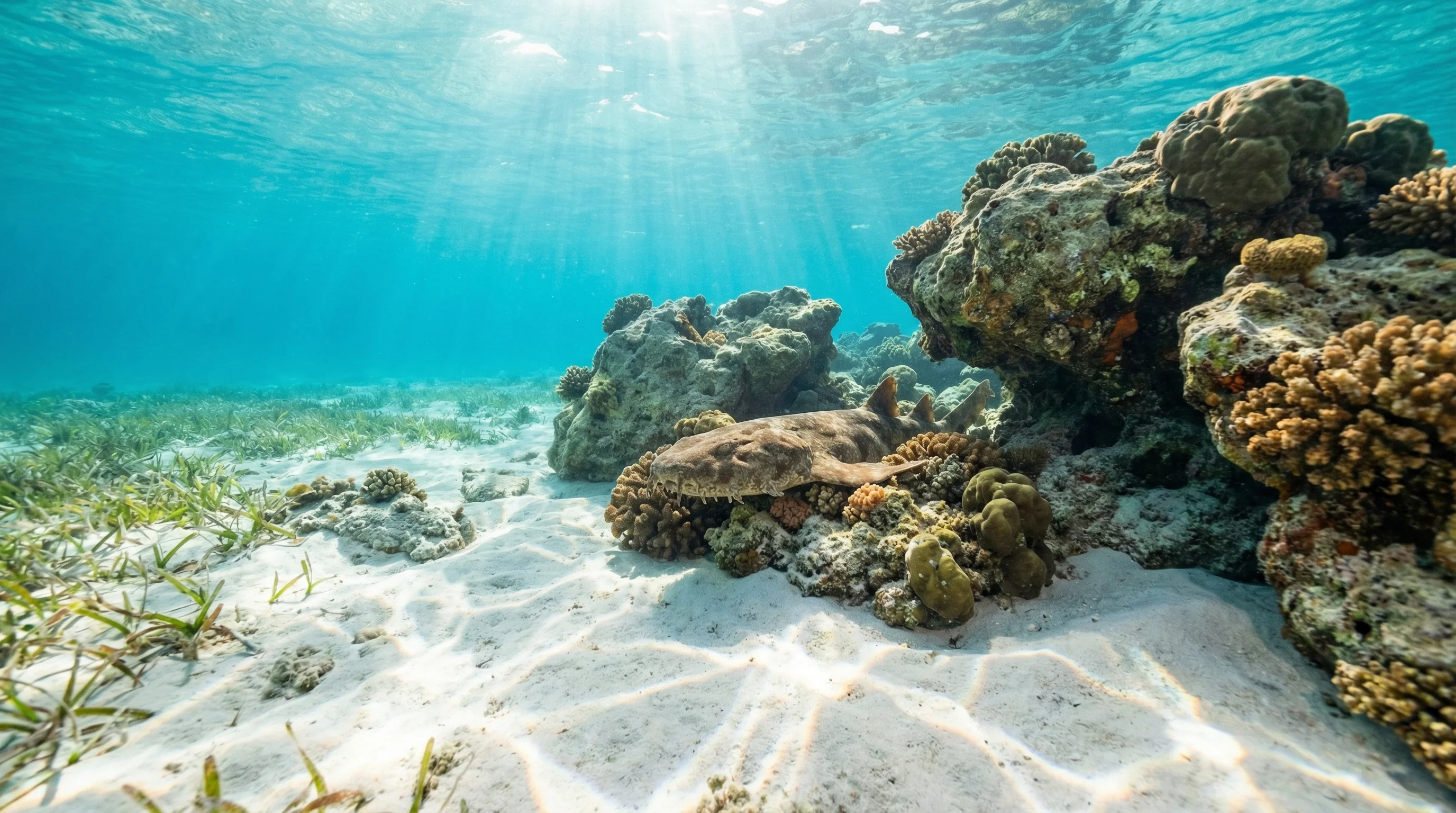
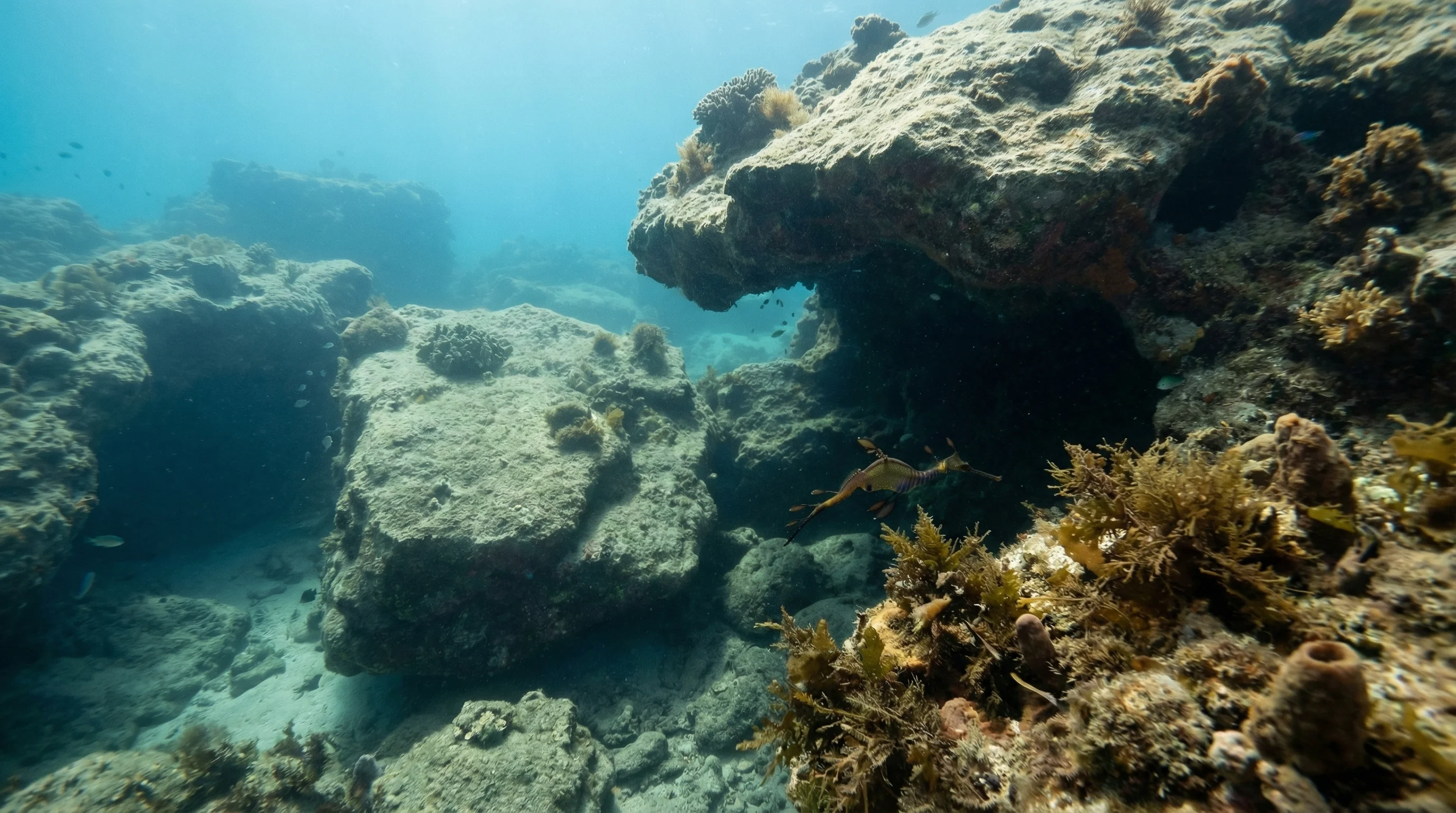
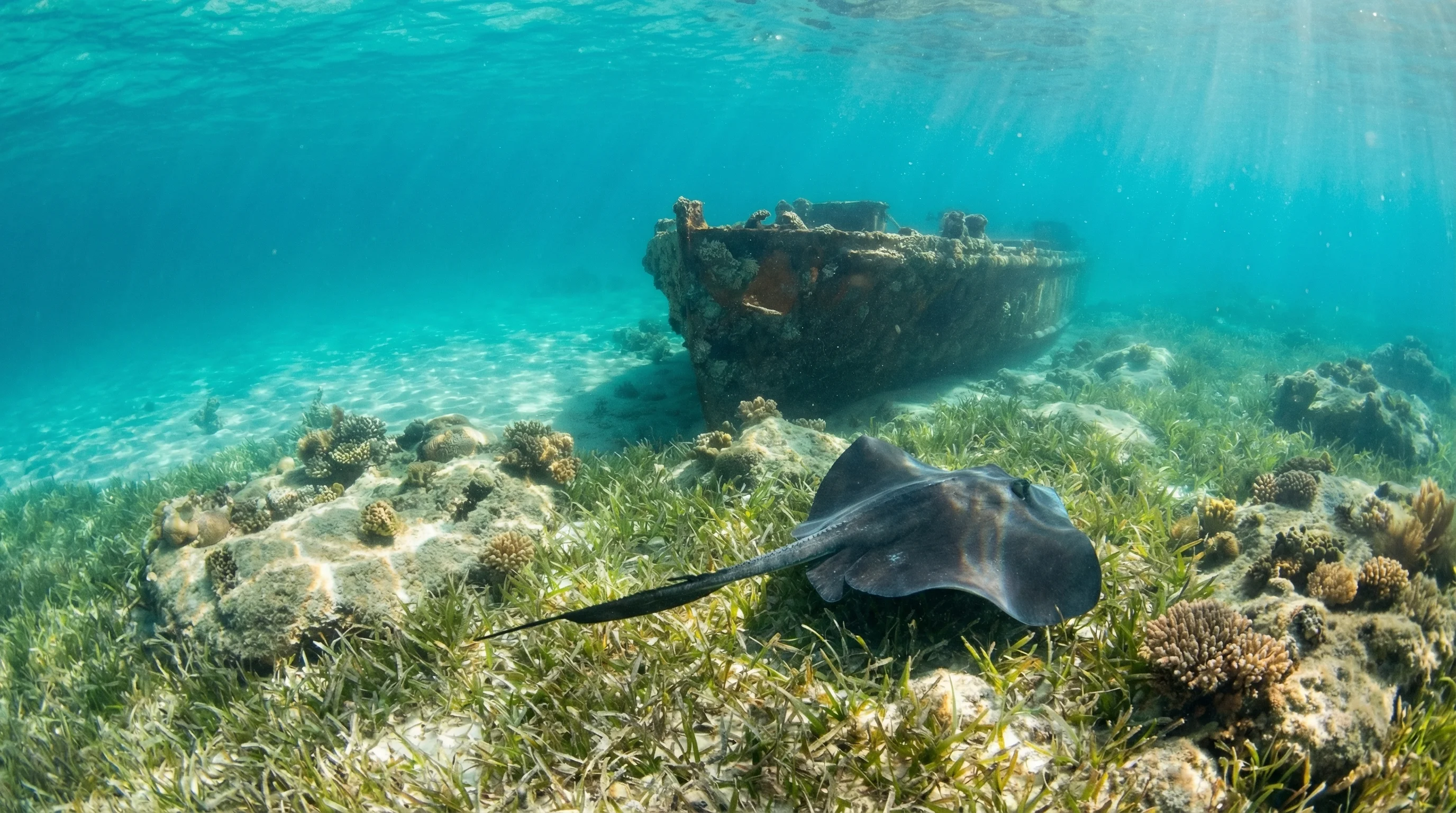
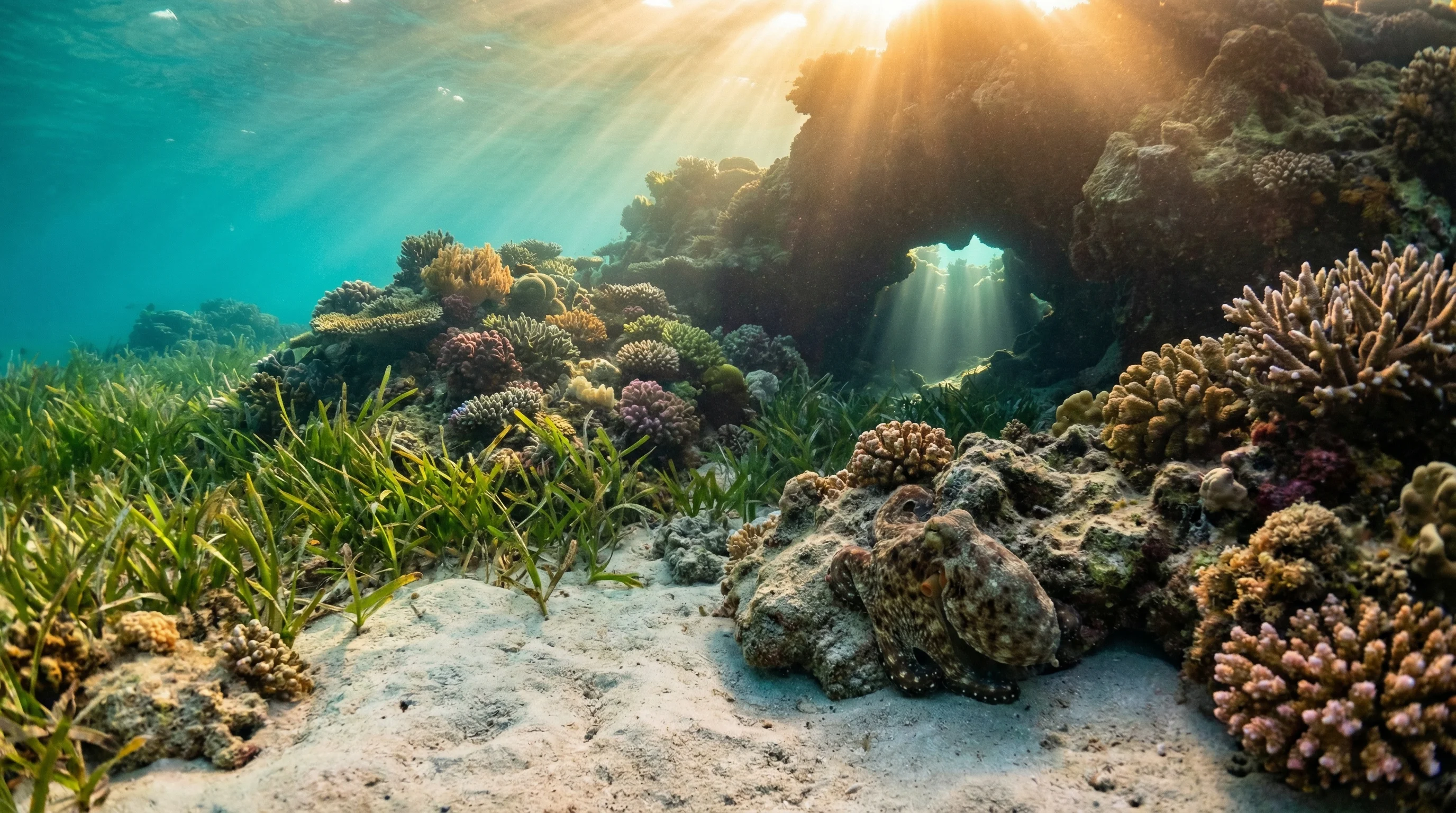
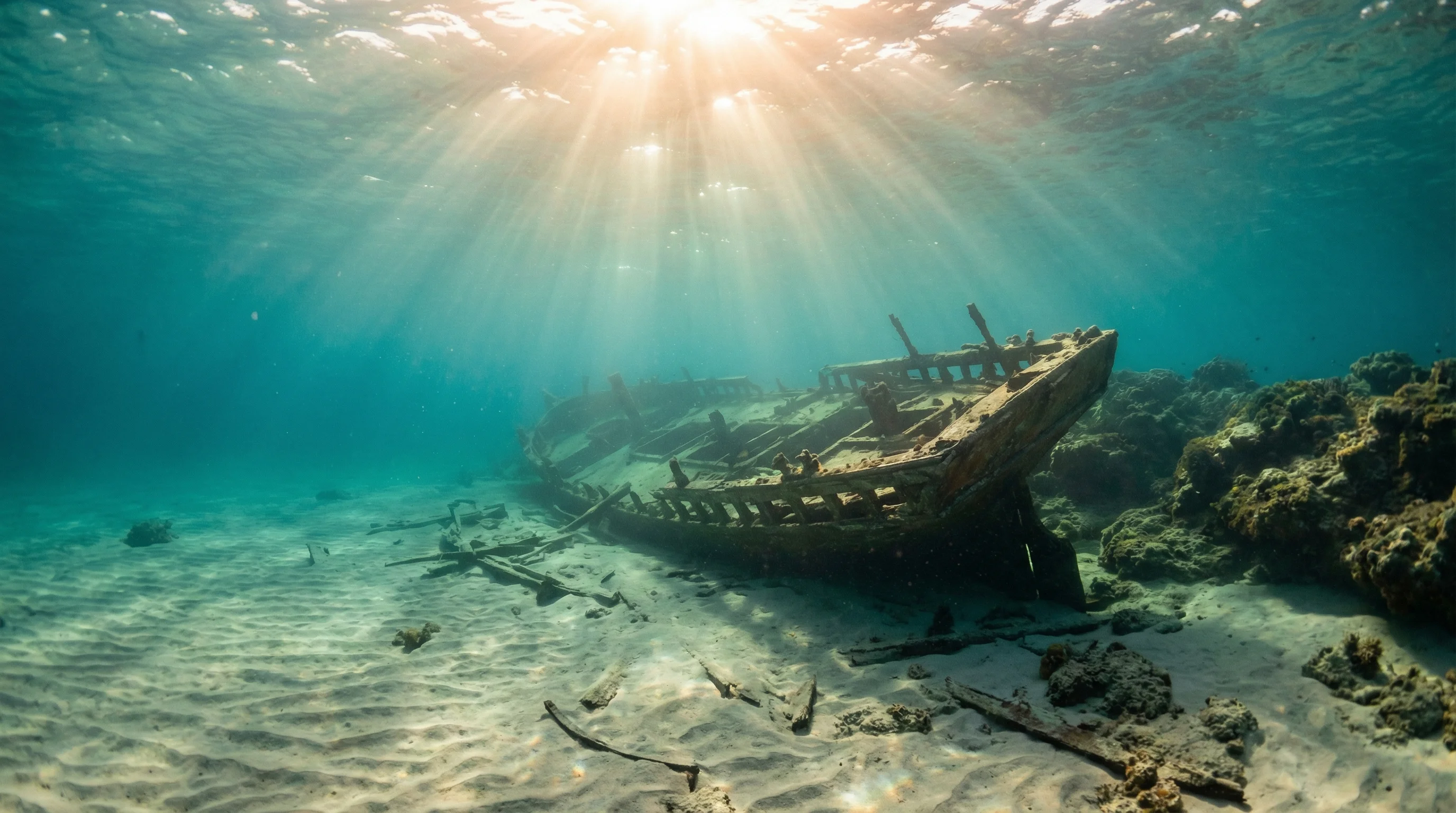
Kingston Reefs, located off Rottnest Island, offers a shallow reef environment suitable for beginner divers. The site features depths ranging from 6 to 12 metres, with an average depth of 10 metres. Divers can expect mild currents and visibility typically between 15 and 30 metres. Access to this site is by boat only. Due to the presence of boat traffic in the area, divers should remain close to their vessel and ensure their dive flag is visible at all times. Typical dive times at this location are approximately 45 minutes.
-31.98630, 115.55750
Boat traffic is the main hazard here, so always surface with your safety sausage deployed and stay aware of vessel movement when you ascend. Check locally for current boat operator schedules and whether facilities are available on the day you plan to go.
Access info coming soon
Recorded nearby, within 20km
Depth
6-12m
Visibility
15-30m
Skill Level
Beginner
Entry
Boat
Boat required
Water Temp
19-23°C
Current
Mild
Typical Dive
45 min
Best Time
Jan, Feb, Mar, Apr, May, Nov, Dec
Yes, the site is suitable for beginners due to the shallow depths of 6 to 12 metres and mild currents.
Access to Kingston Reefs is by boat only.
The best months to visit are January, February, March, April, May, November, and December.
Boat traffic is the primary hazard. Divers should stay close to their boat, keep a dive flag visible, and deploy a safety sausage upon ascent.
While the site is primarily used for diving, the shallow depths of 6 to 12 metres may allow for snorkelling depending on surface conditions and boat support.
Diving at Kingston Reefs in Perth requires the following certifications: Open Water. Always dive within your training limits.
A 5mm wetsuit is recommended for diving at Kingston Reefs in Perth. Water temperatures range from 19°C to 23°C.
Kingston Reefs in Perth typically has mild currents that most divers can handle comfortably.
Visibility at Kingston Reefs in Perth typically ranges from 15 metres to 30 metres. Conditions vary with weather, tides, and seasons.