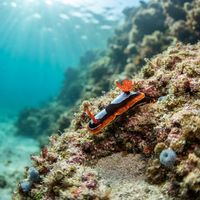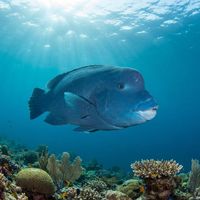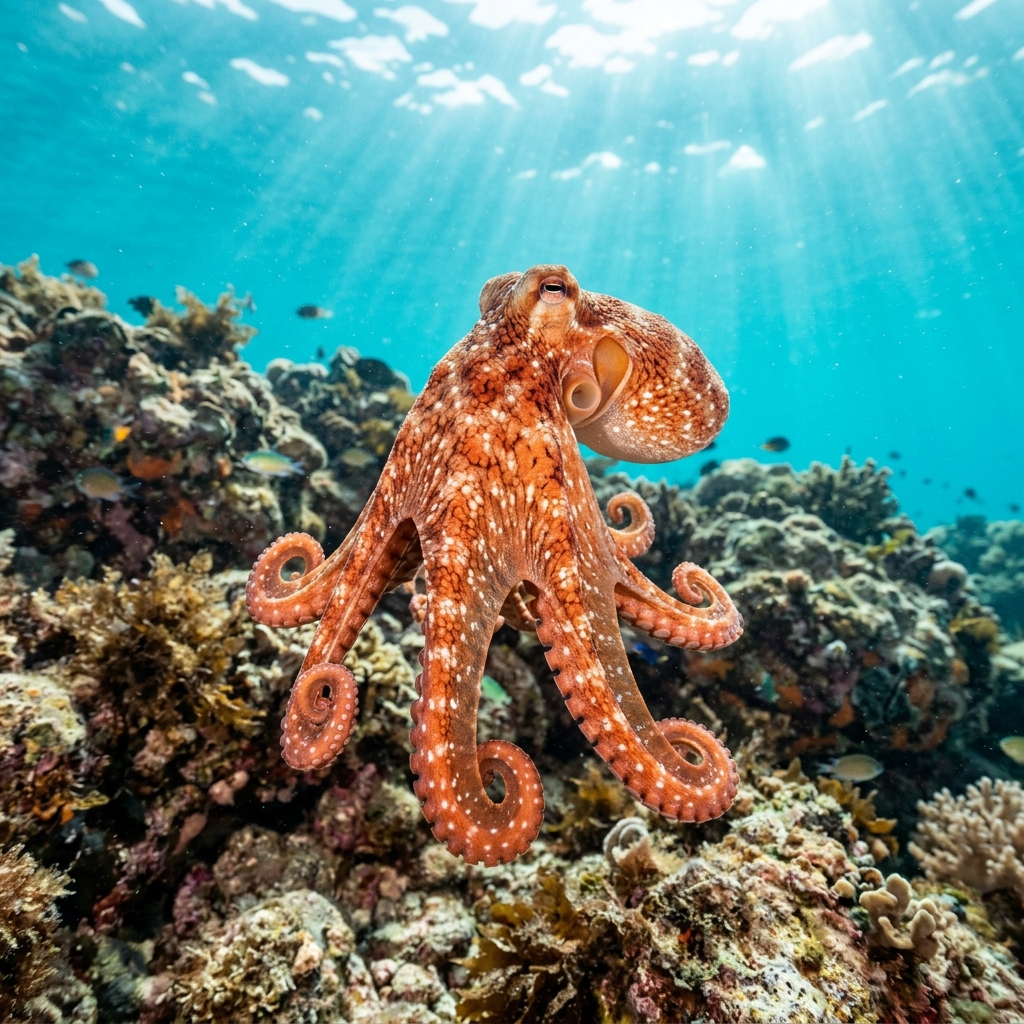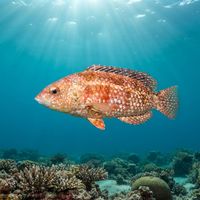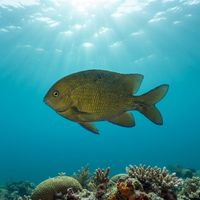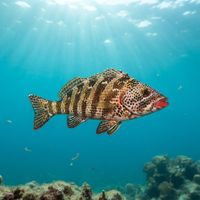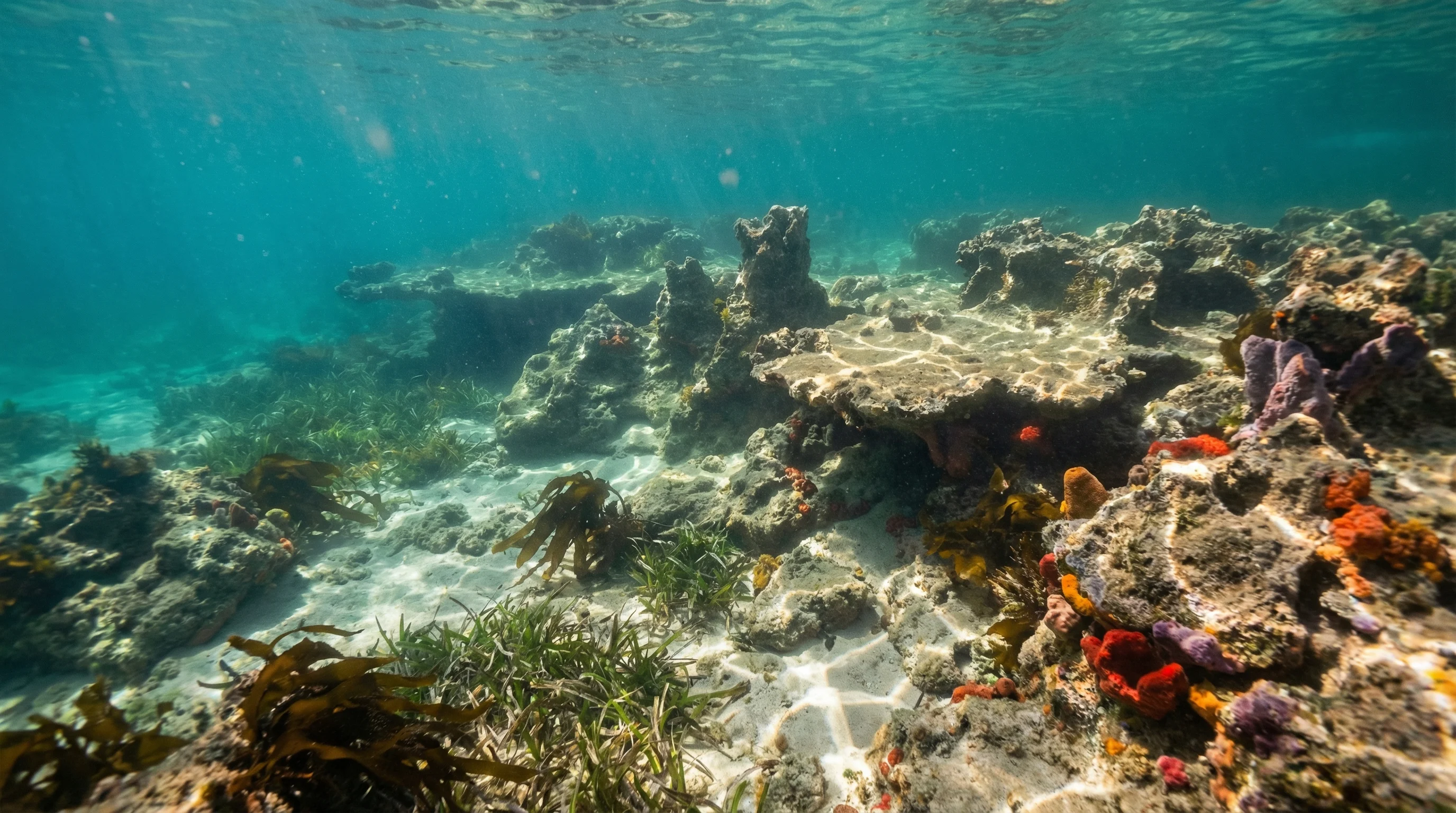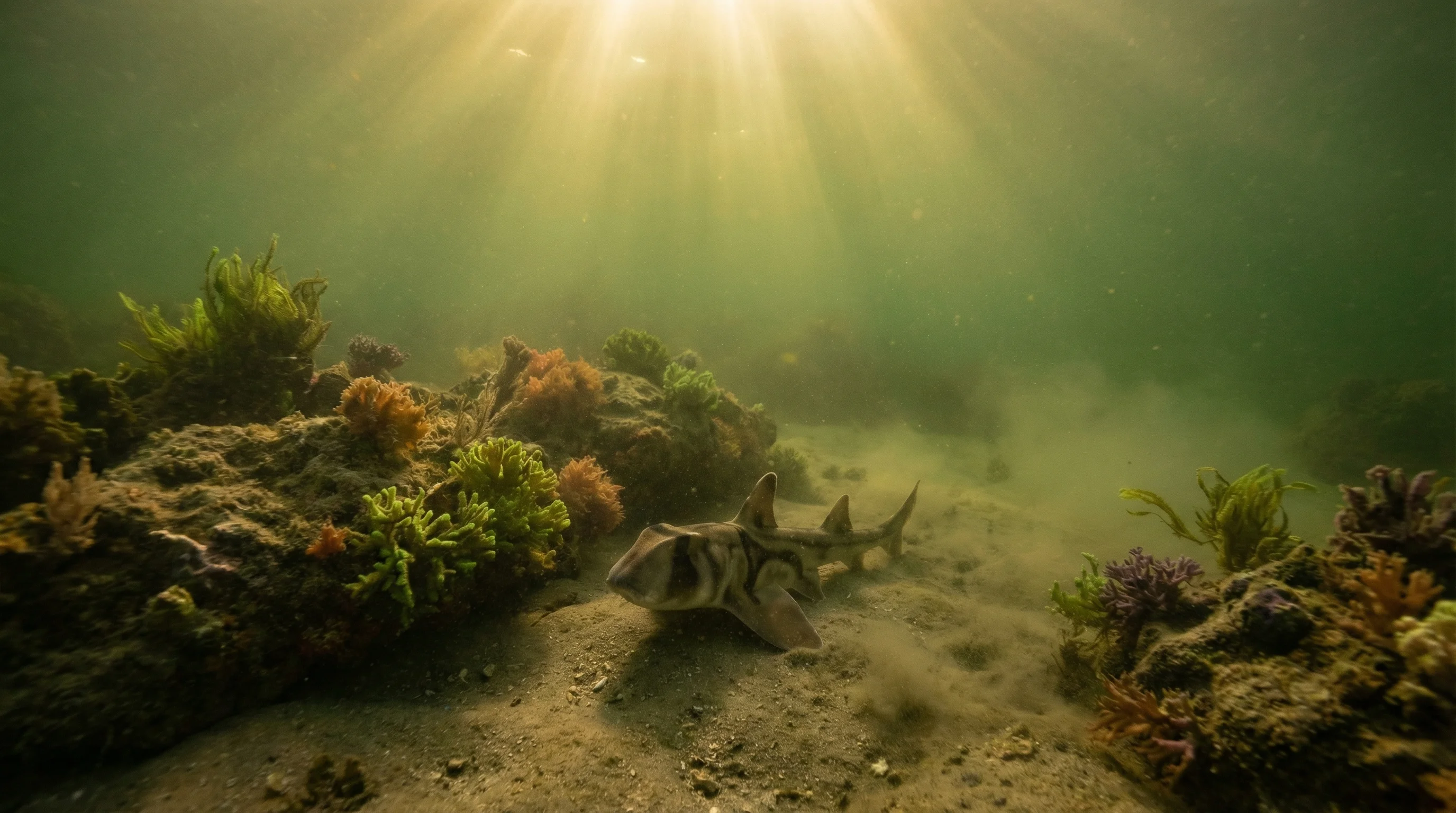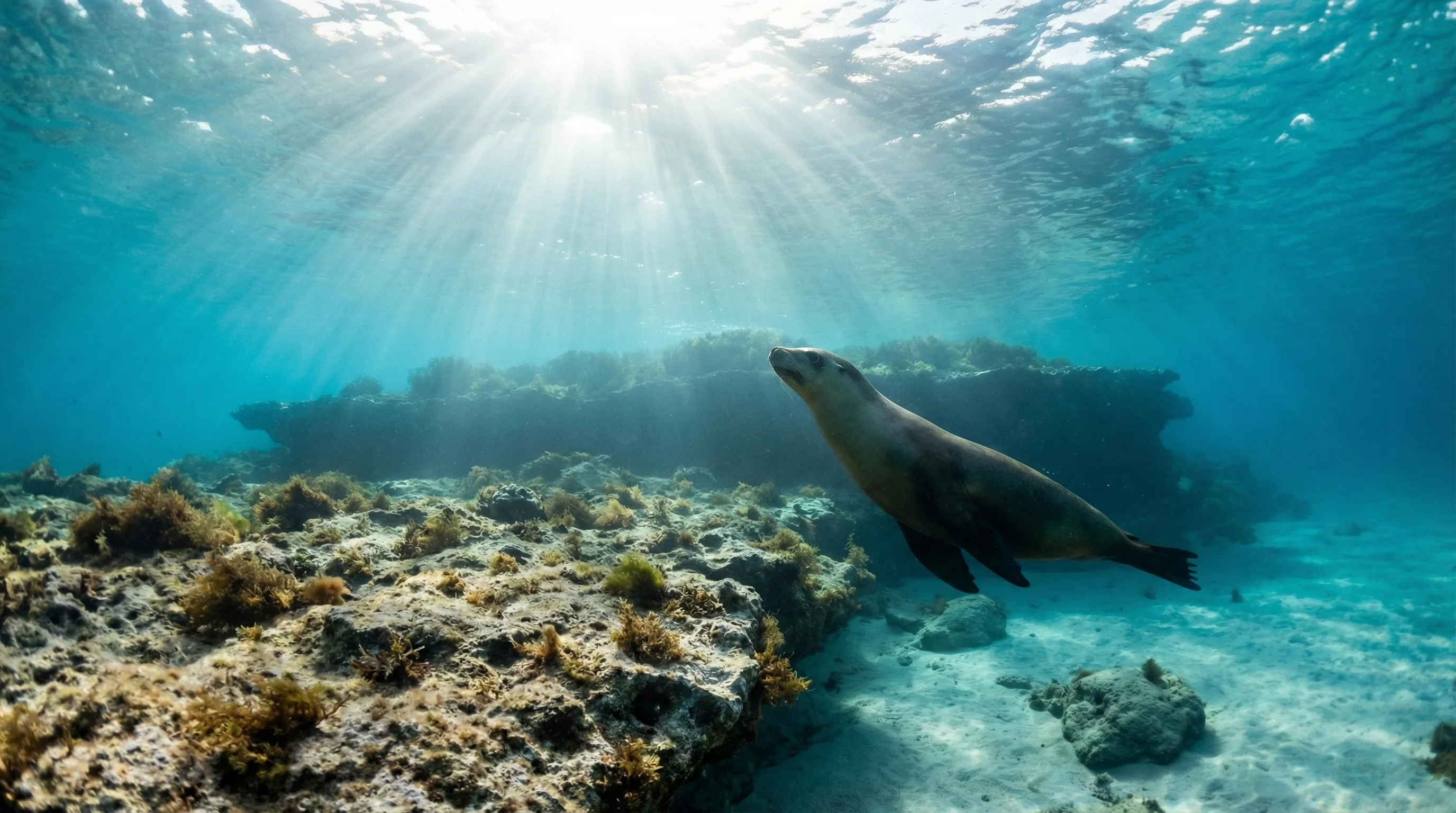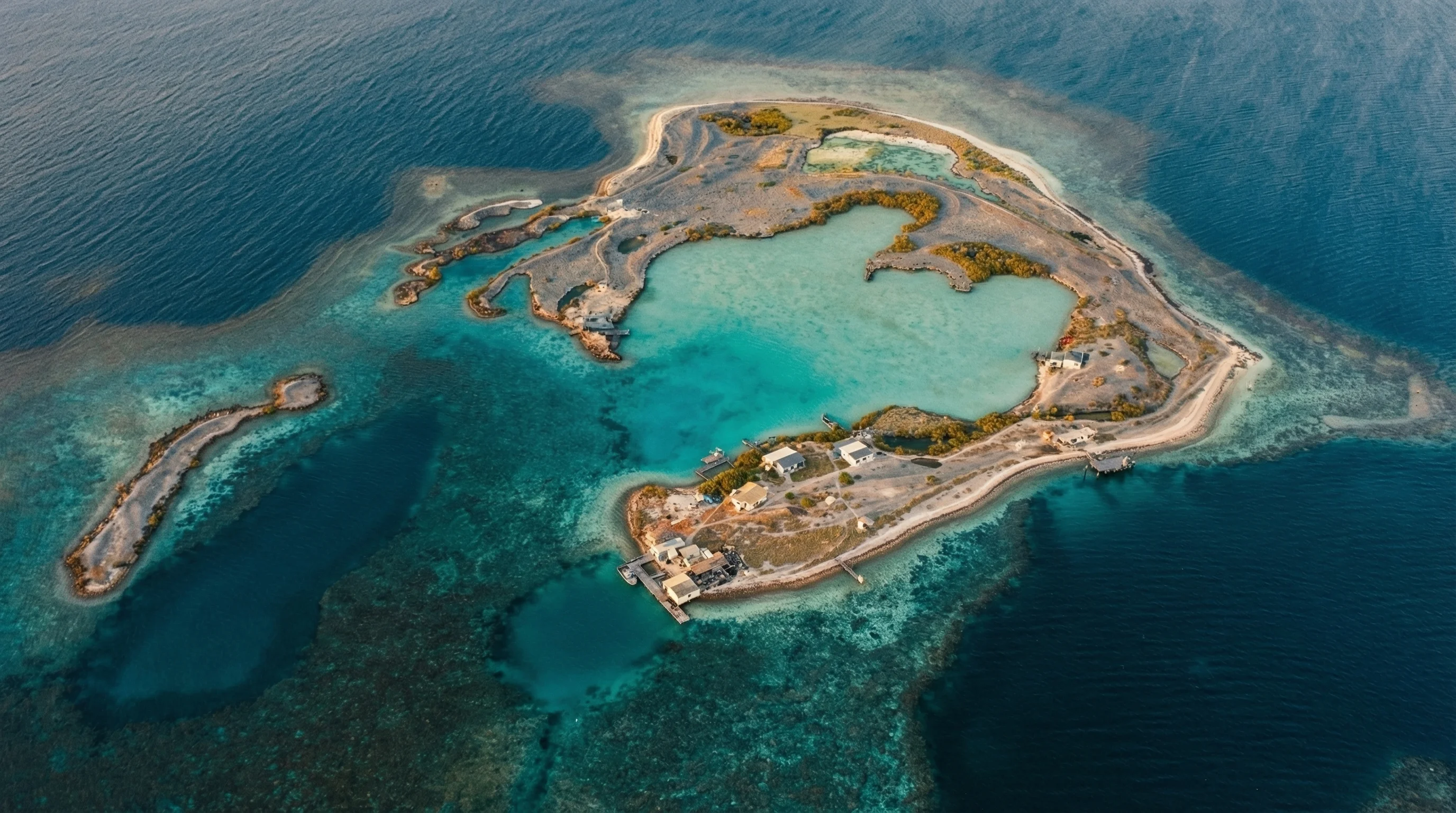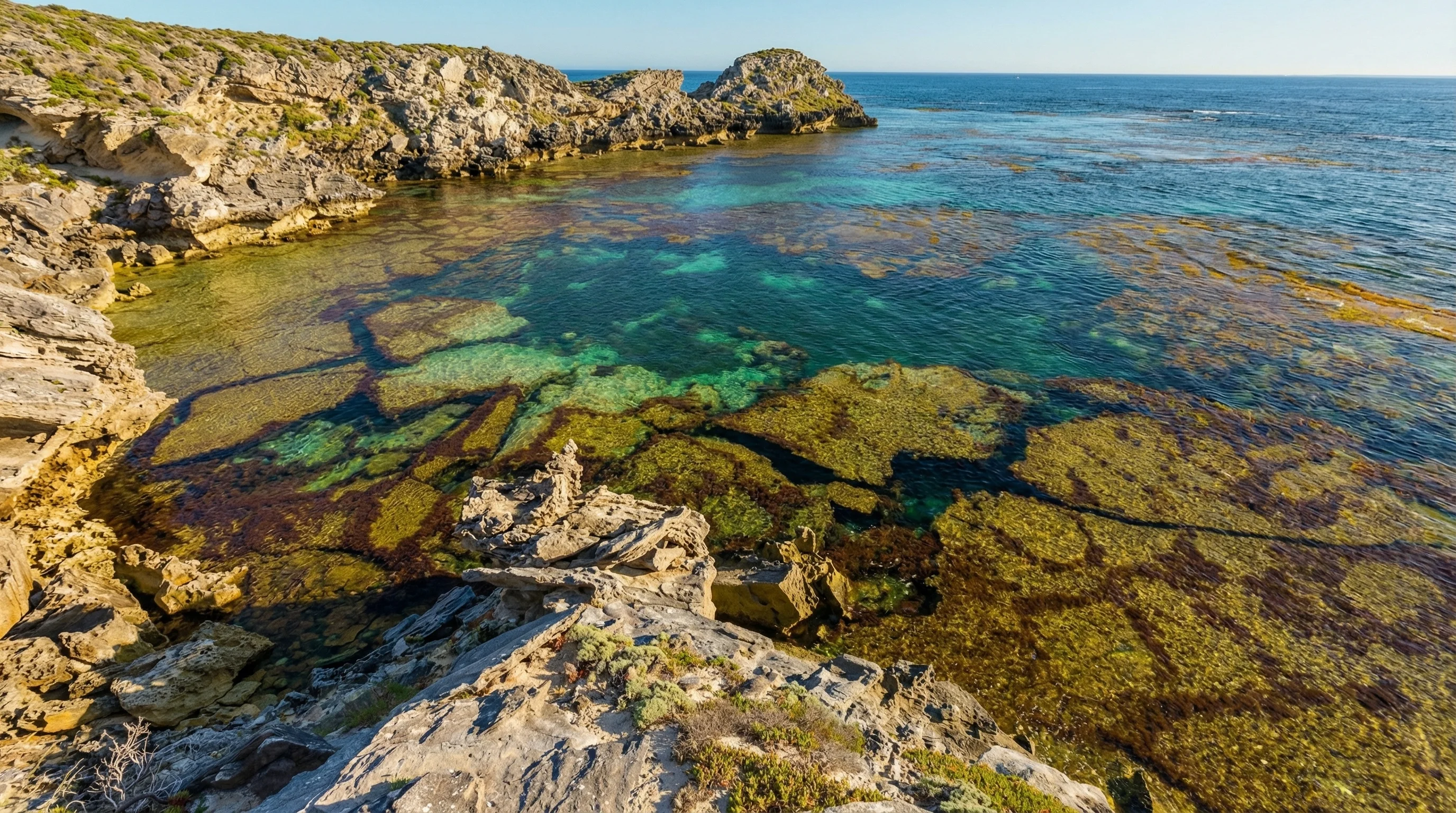
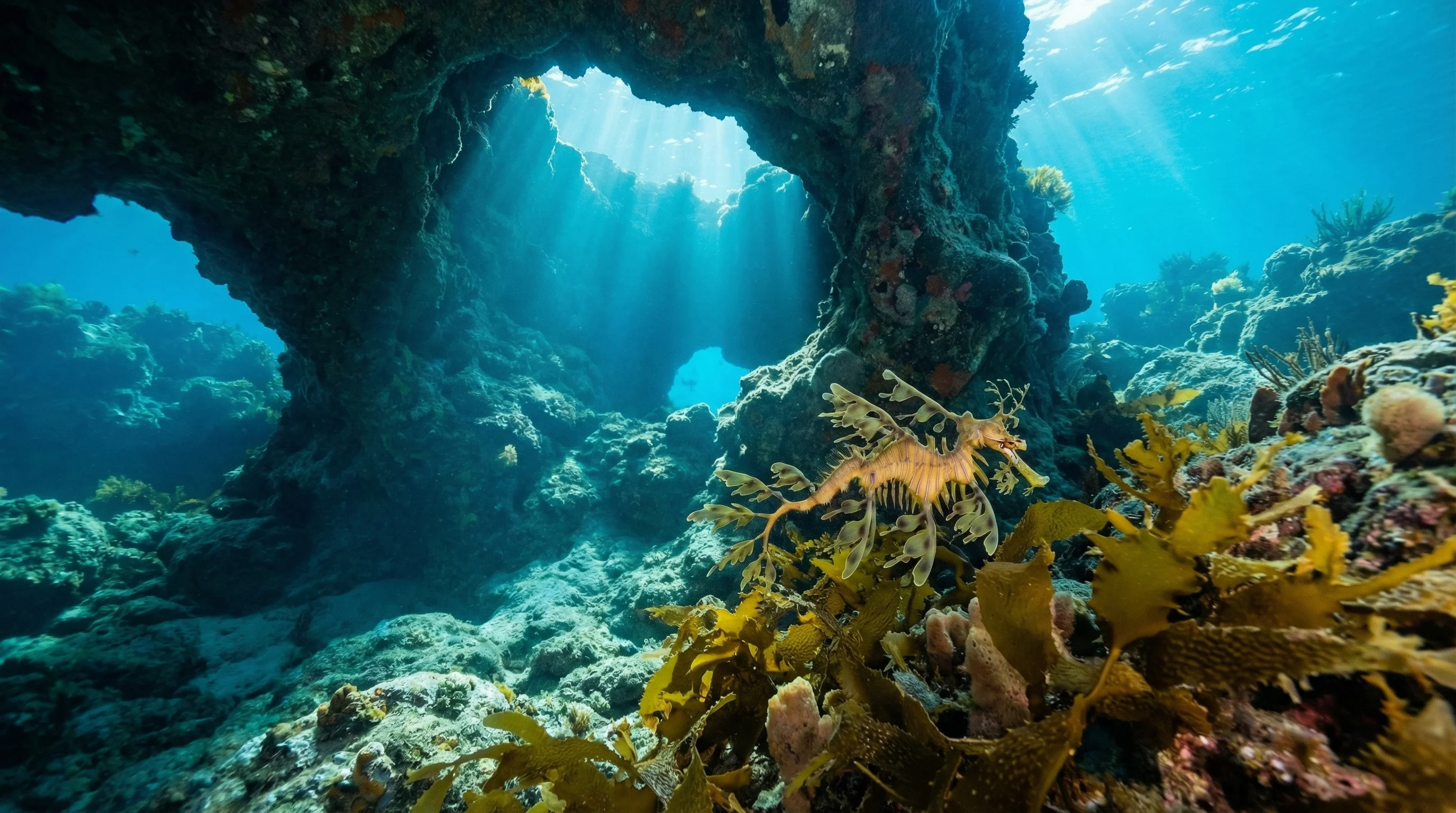
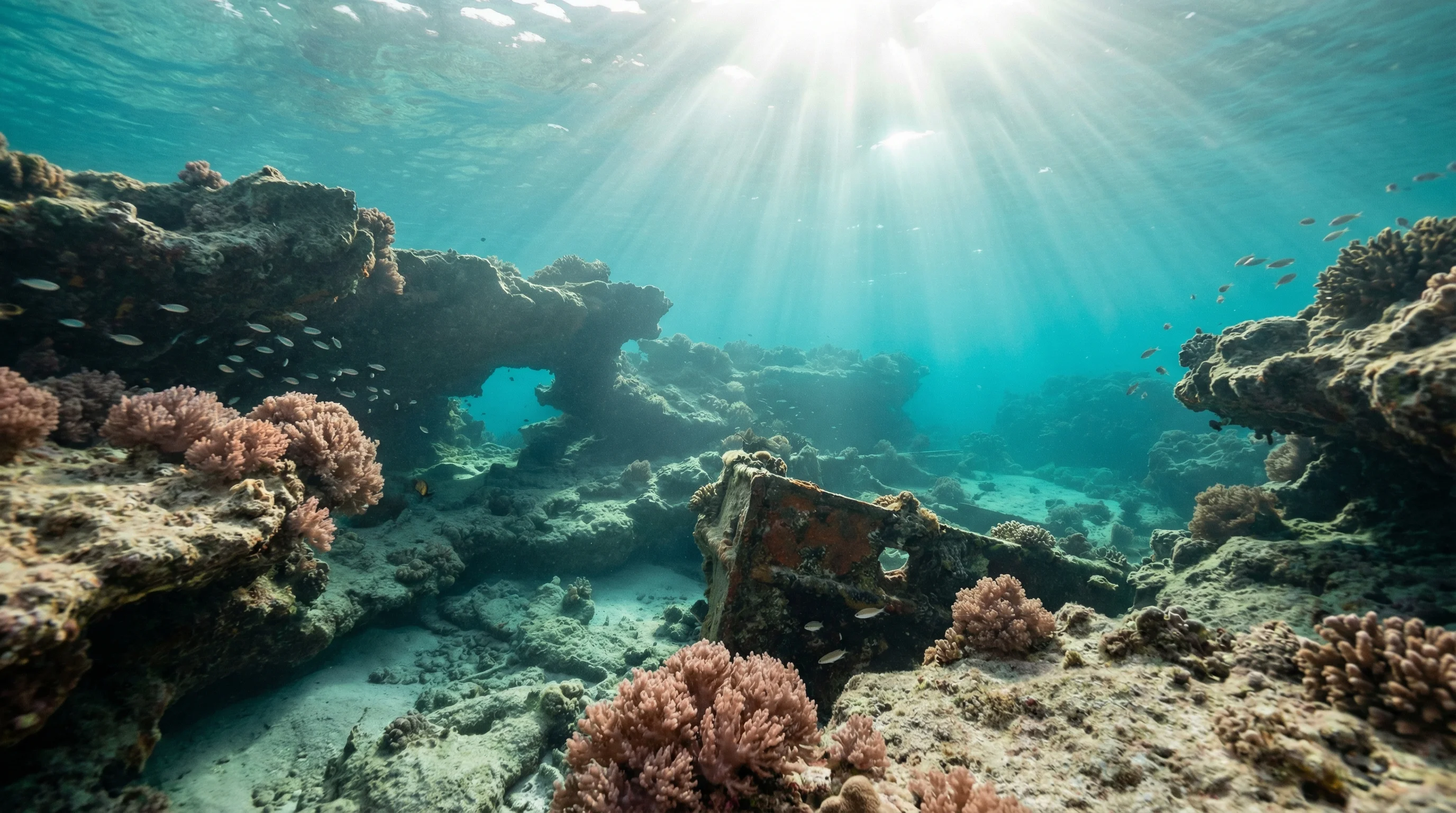
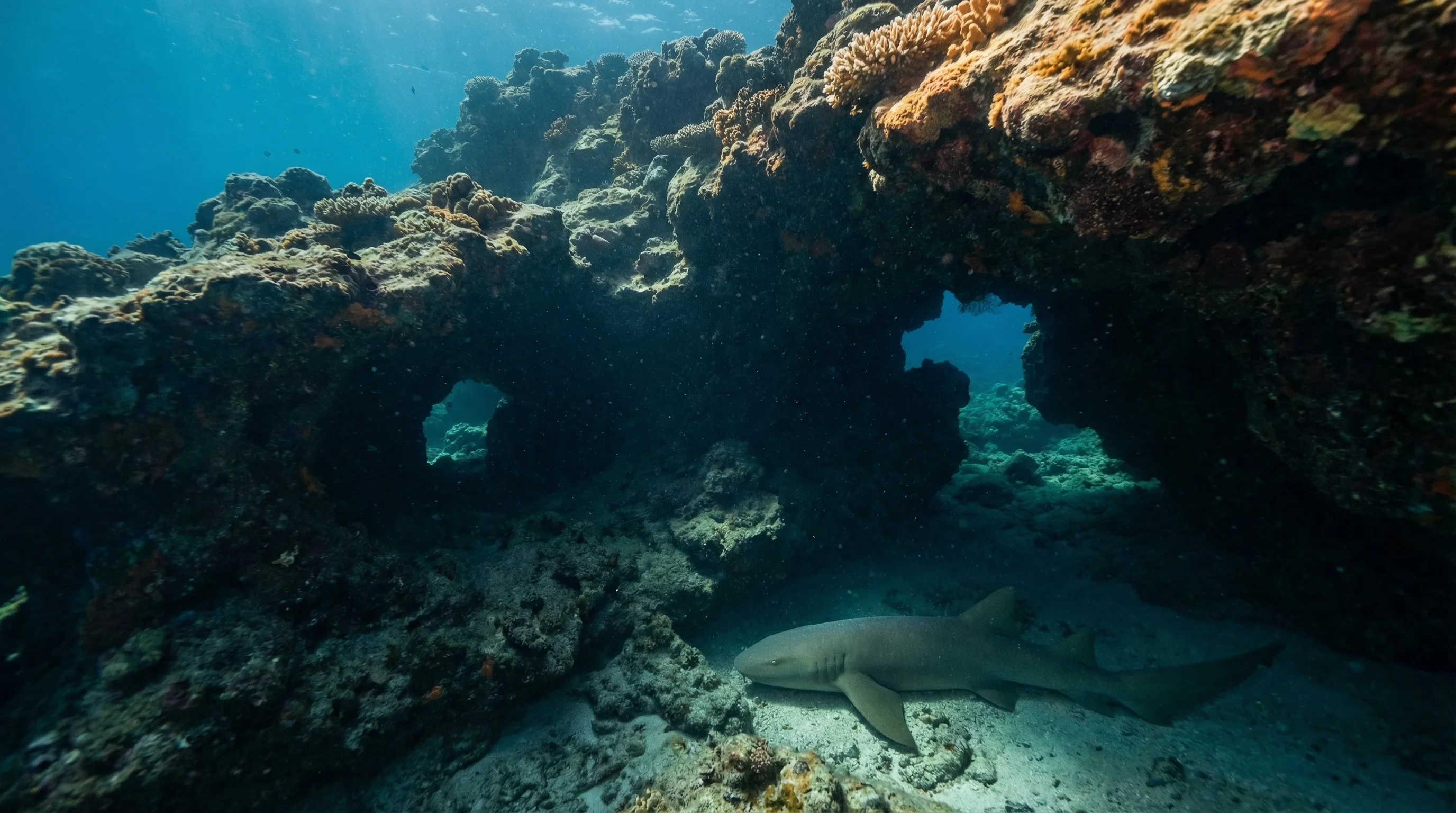
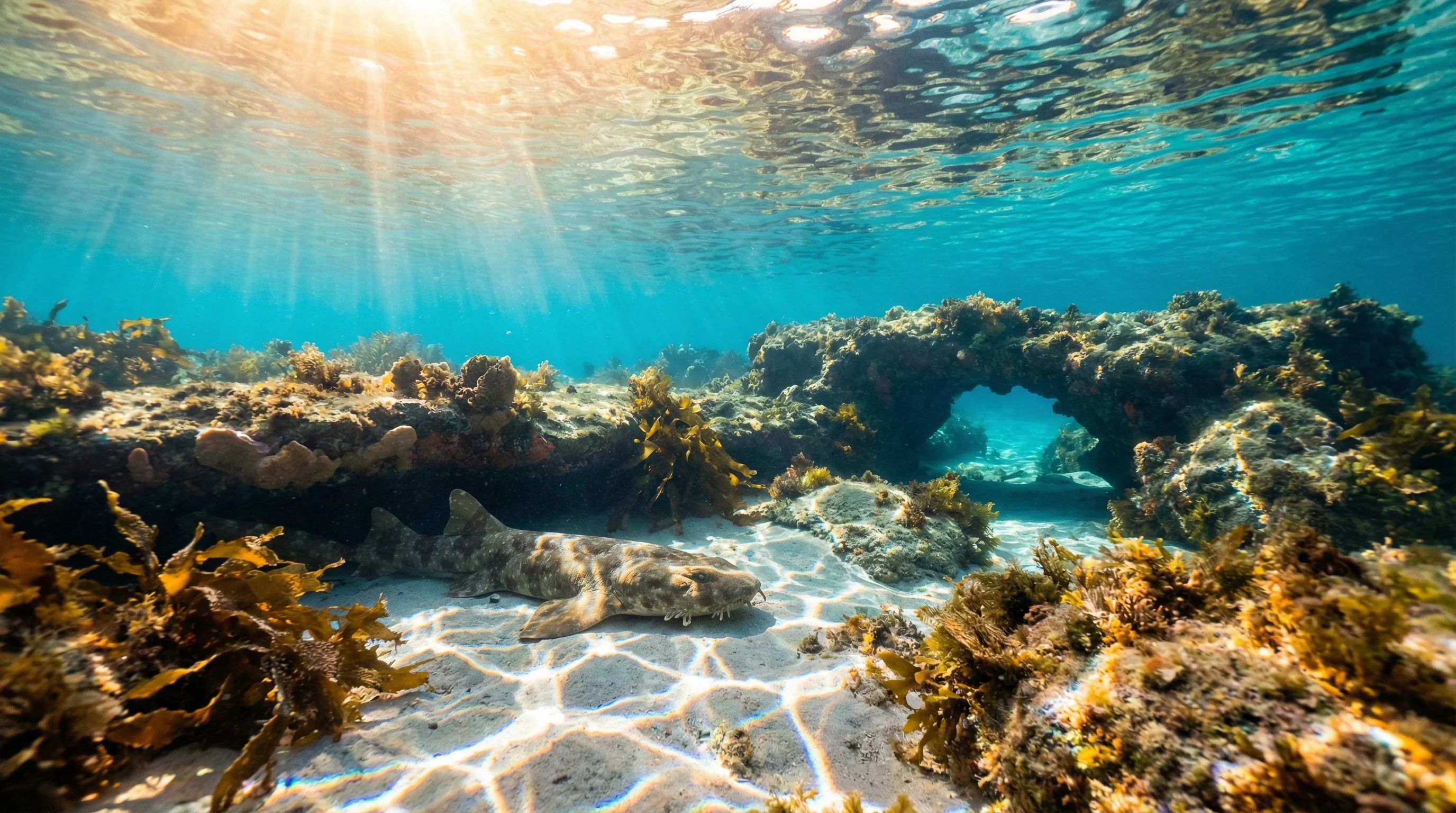
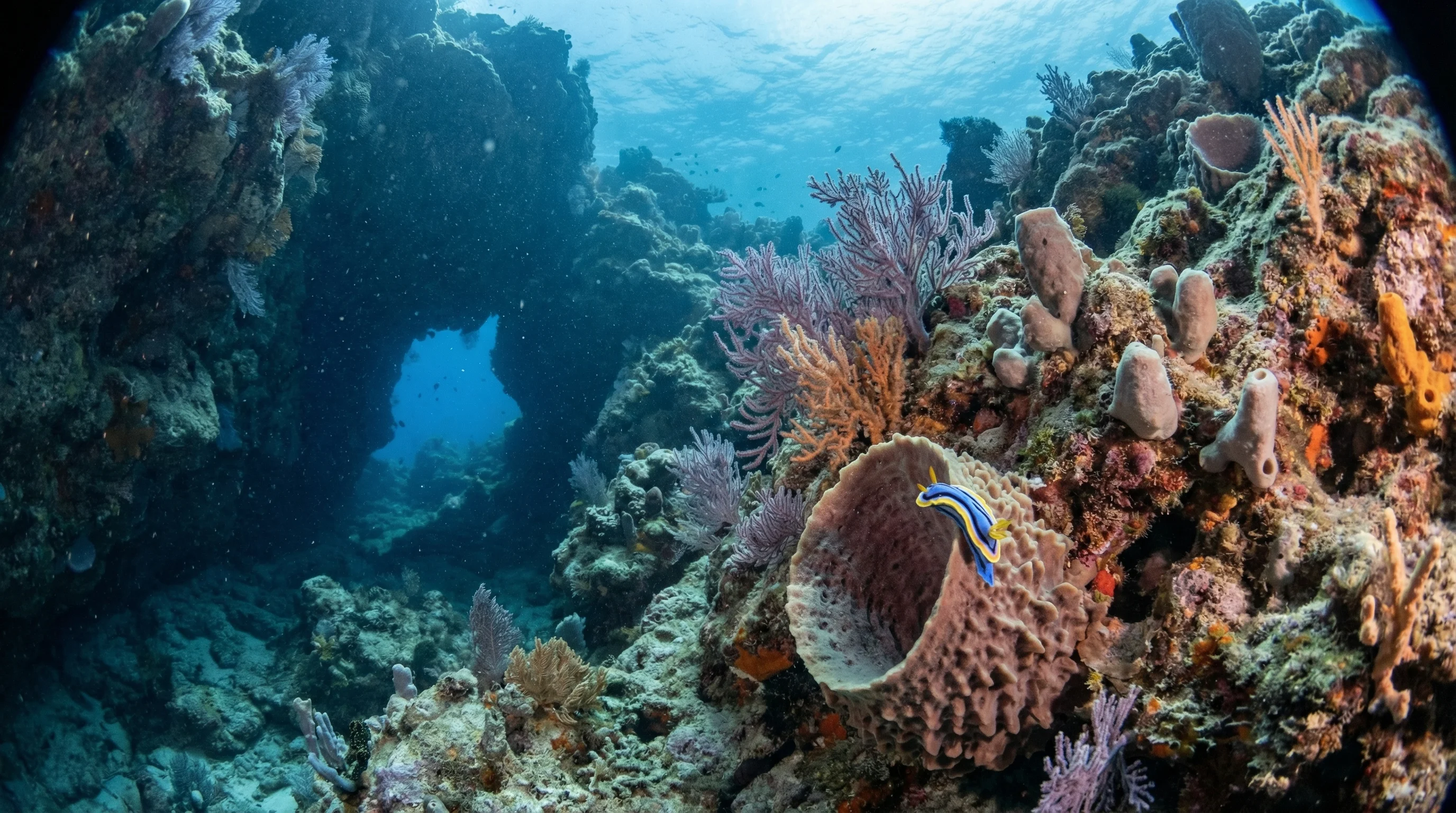
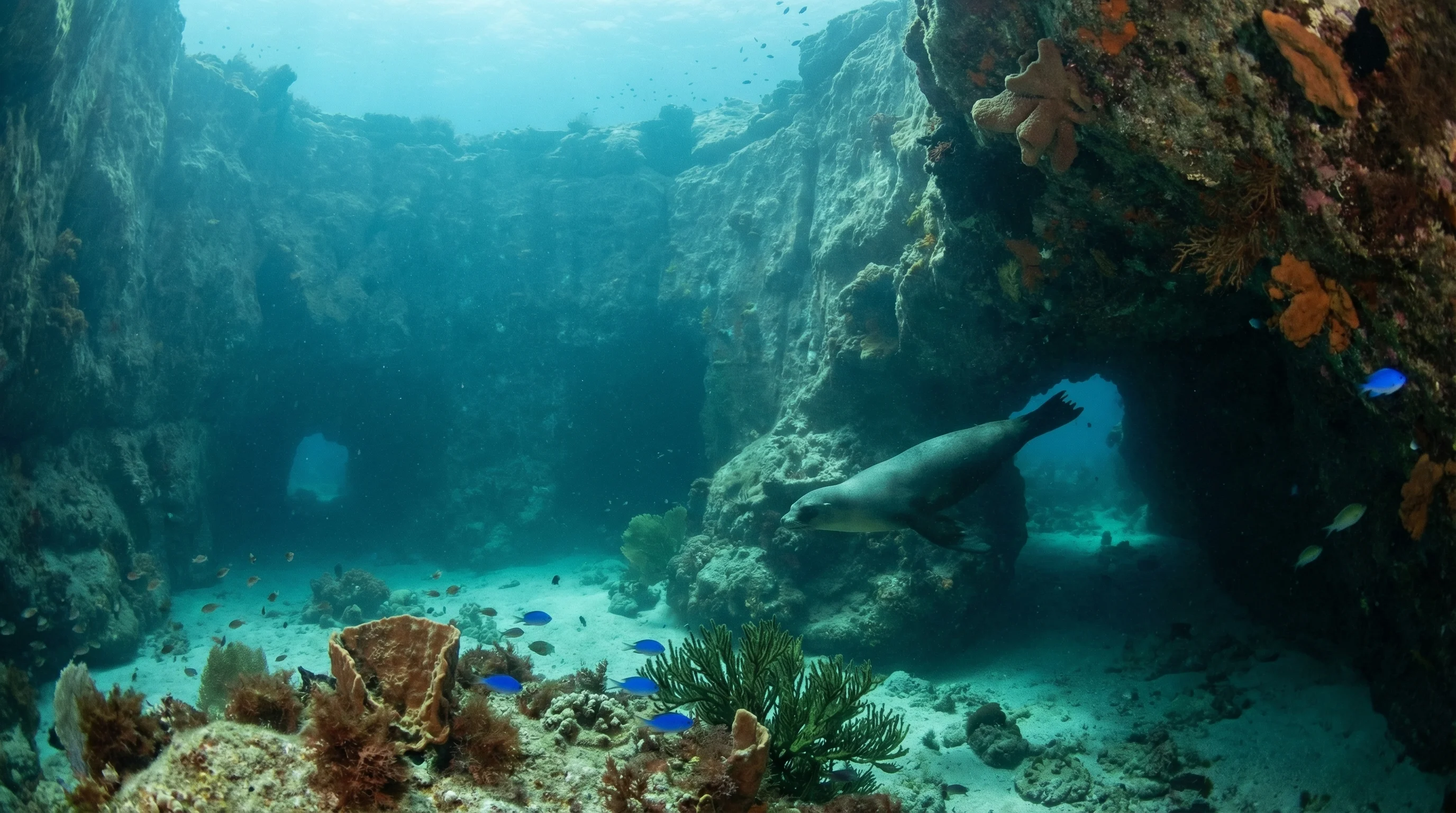
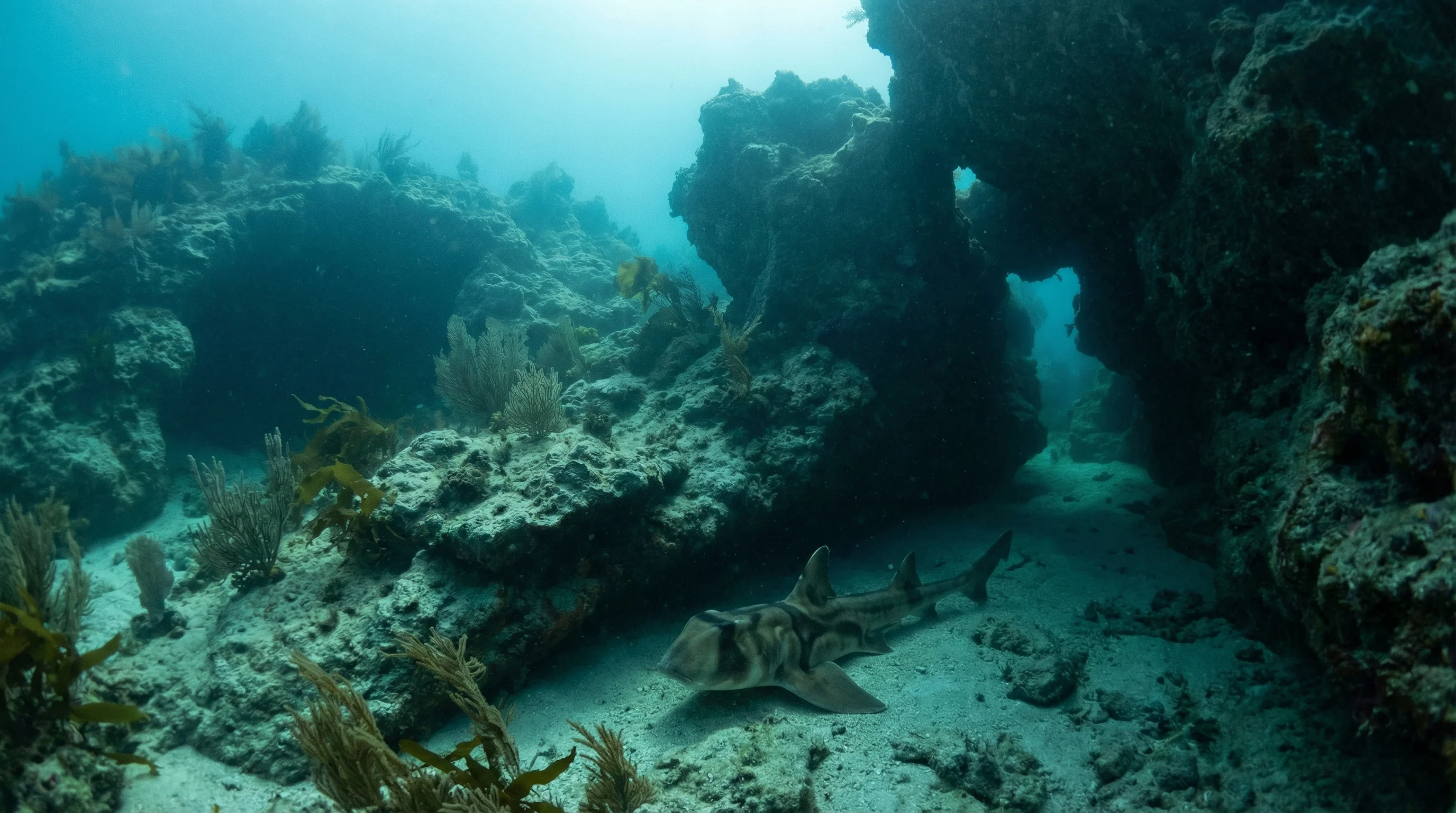
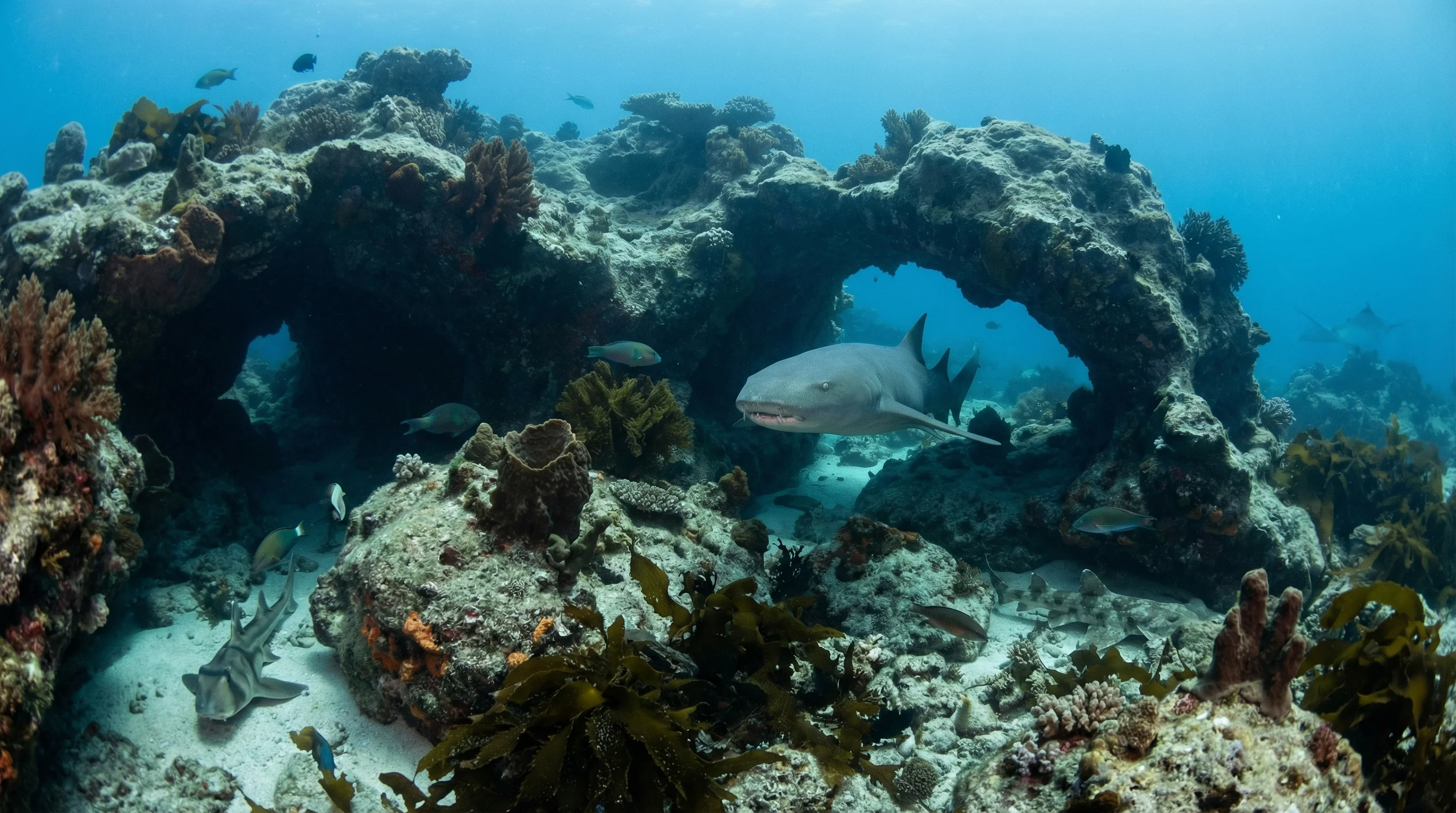
Rottnest Island's underwater character is defined by a dense network of reefs and caves, with wrecks and walls adding variety across a wide range of depths. Shallow, sheltered coves suit beginners and snorkellers, while deeper cave and drift sites challenge advanced divers. The signature fauna is distinctly Western Australian: Western Blue Groper, Western Blue Devil, Star Octopus, and the nudibranch Chromodoris westraliensis appear across sites. Conditions peak in autumn and spring, when visibility is at its best.
Monthly water temperature across Rottnest Island's sites, from satellite sea-surface data corrected for depth. The band shows the site-to-site spread.
Water temperatures are warmest through late summer and early autumn, then cool gradually into winter, with the coldest months in late winter and early spring. The best-months data points clearly to autumn and spring as the prime diving windows, when visibility tends to be at its highest. Winter brings cooler water and quieter conditions, which suits those happy to trade warmth for fewer crowds.
18 more sites to explore
Water temperature around Rottnest Island ranges from about 19°C in August to 23°C in March, based on satellite sea-temperature data for its dive sites.
In the warm season (about 23°C) a 3mm full suit is comfortable in Rottnest Island; in the coldest months (about 19°C) step up to a 5mm suit.
Fin maps 30 sites in Rottnest Island (27 scuba diving sites and 9 snorkelling spots, with some suited to both).
Across Rottnest Island's dive sites, March, April, May, November and December are most often reported as the best months to visit.
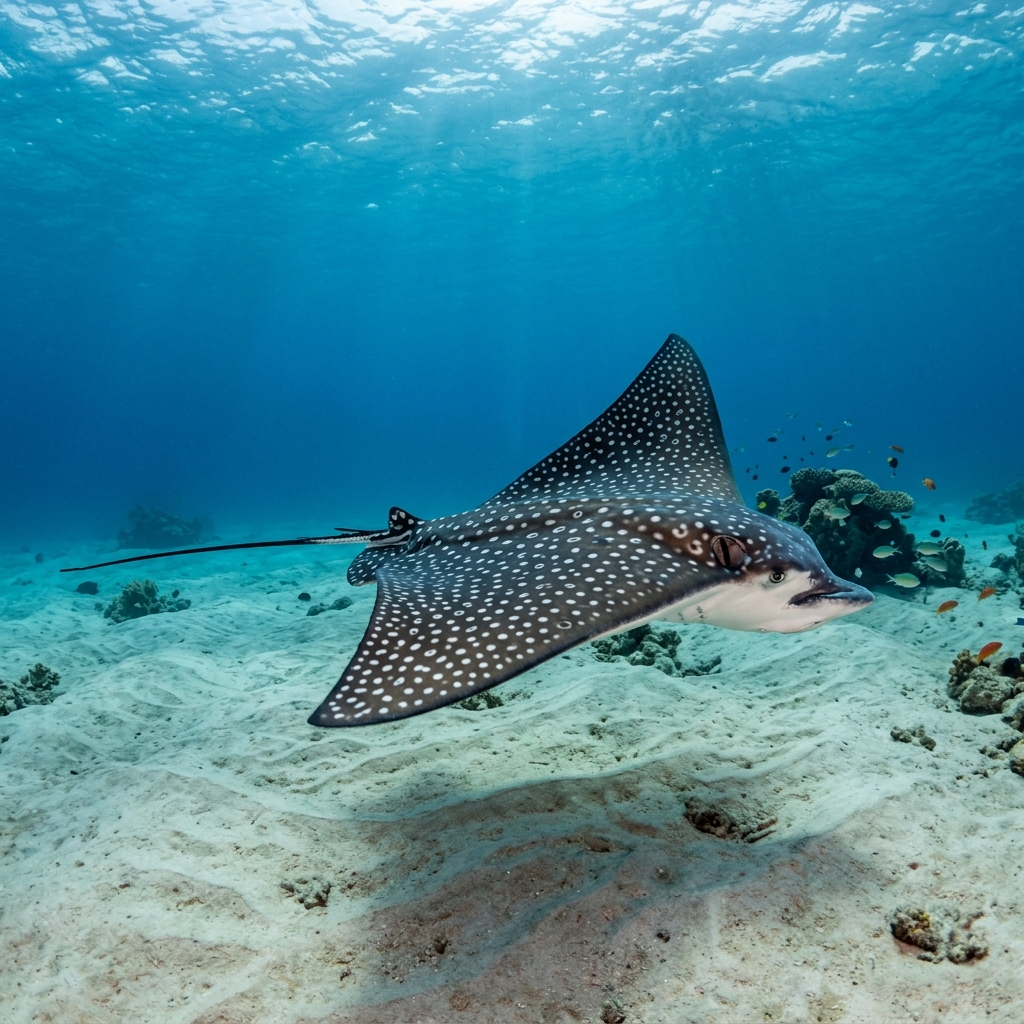
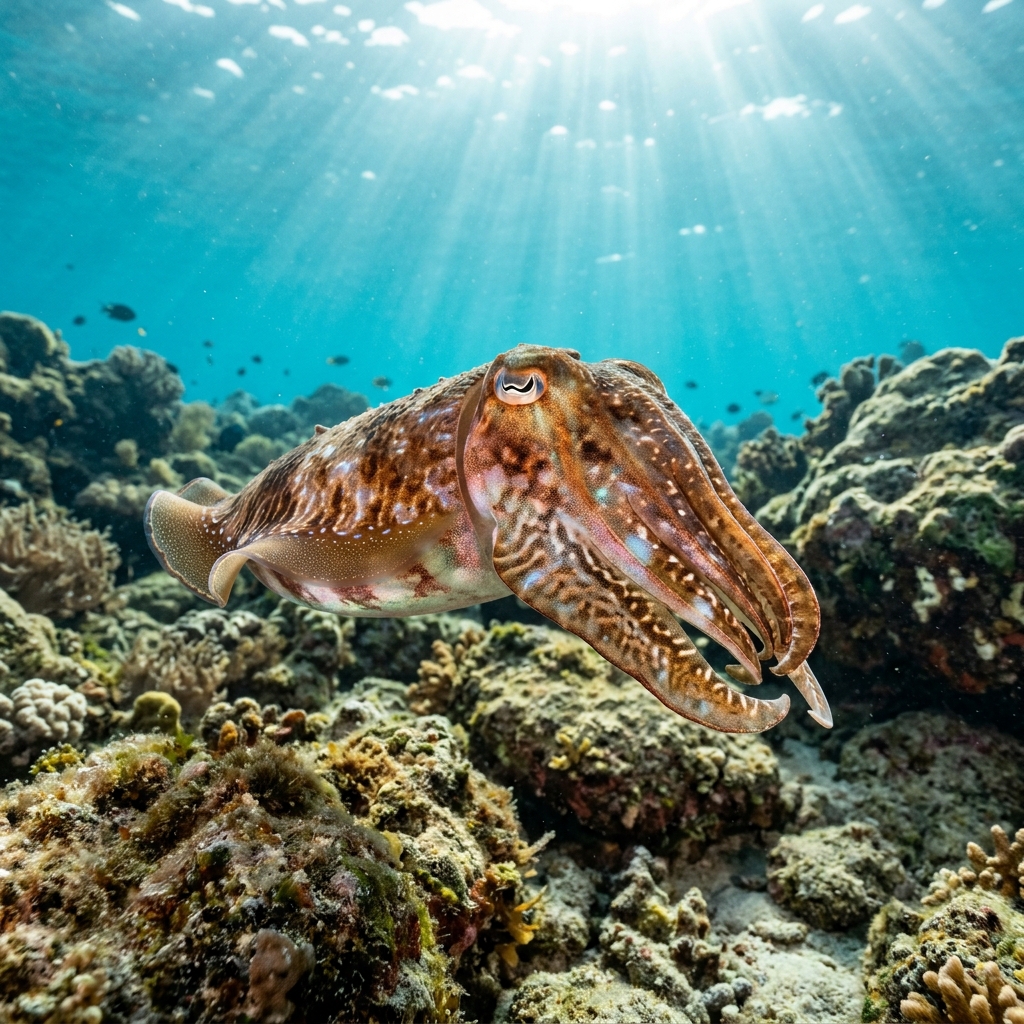
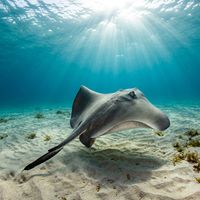
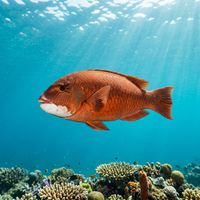
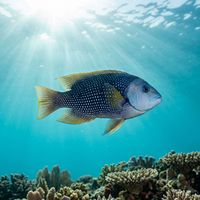
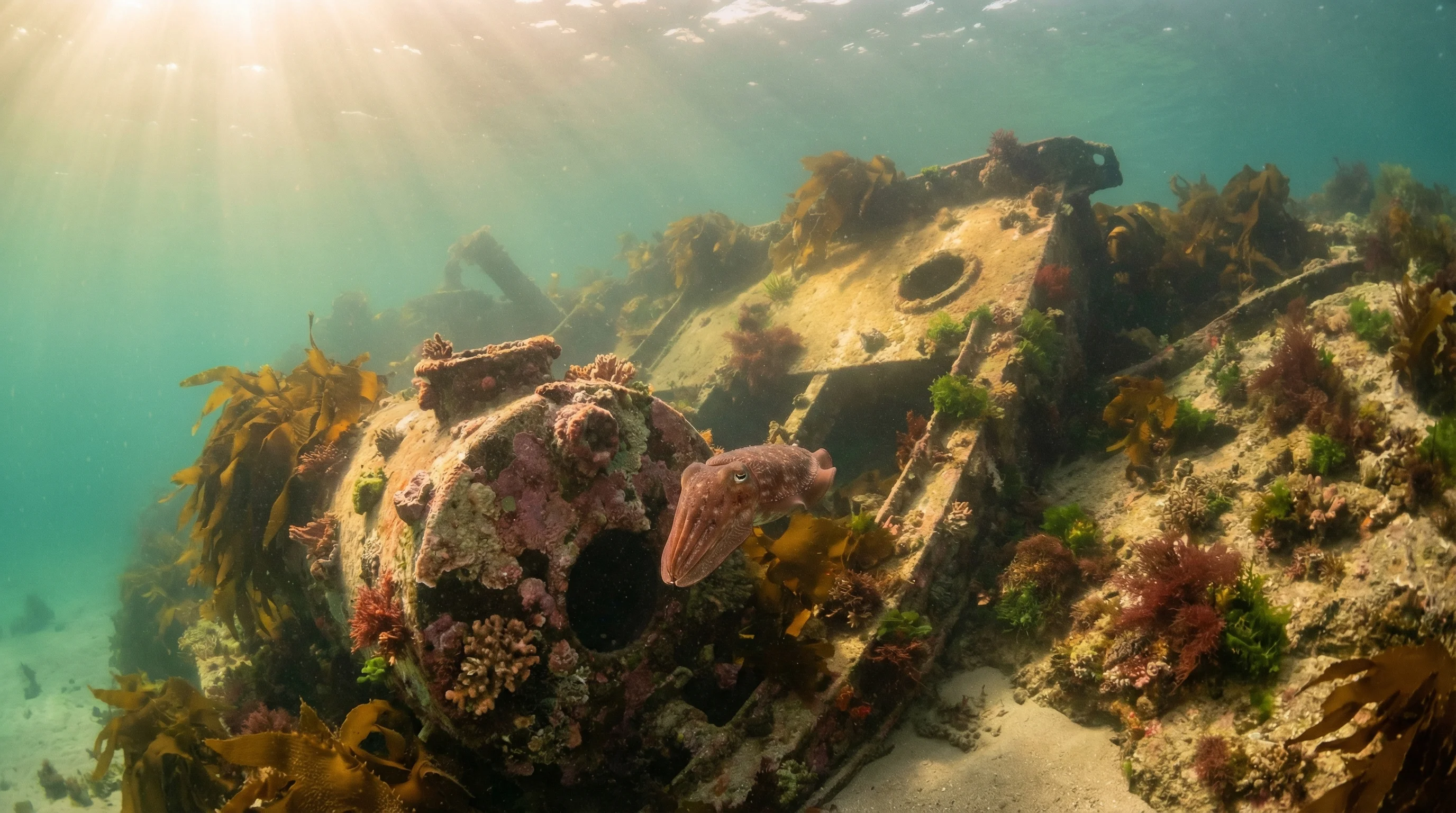
The reefs and caves host a notably diverse mix of species observed across many sites. Western Blue Groper, Baldchin Groper, and Western Blue Devil are frequently encountered, alongside Common Stingray, Smooth Ray, and Eagle Ray. Star Octopus and Giant Cuttlefish are regulars, and the vivid nudibranch Chromodoris westraliensis is one of the most reliably spotted species on the island's reefs.
Yes, a good portion of the sites are rated beginner level. Kingston Reefs, West Kingston Reef, Nancy Cove, and Horseshoe Reef all offer shallow reef and cave terrain on boat trips that are manageable for newly qualified divers. Those looking for more challenge can progress to intermediate and advanced sites such as Opera House or North Point Reef, which include deeper cave systems and drift diving.
The large majority of sites require boat access. Shore entry is possible at a handful of sites, including Nancy Cove. Several operators run trips from the island, including Rottnest Snorkel, Cocos Dive, Great Adventures, and Charter 1, covering both diving and snorkelling itineraries.
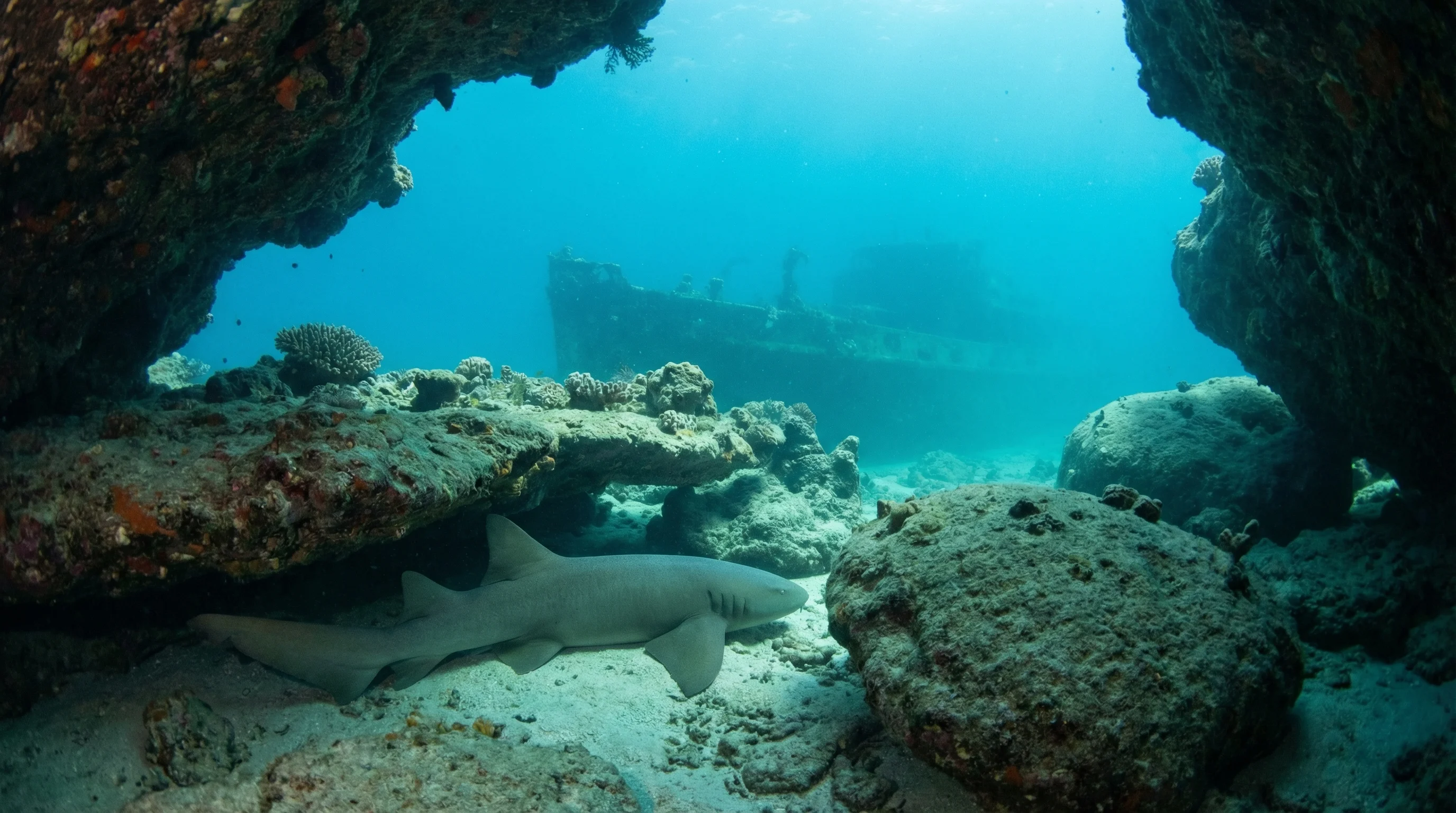
Reef and cave combinations are the dominant format, appearing across beginner through to advanced sites. Eagle Bay adds wreck and artificial reef structures to the mix, while North Point Reef introduces drift diving. Walls and drop-offs also feature, meaning the island covers most major site formats within a relatively compact area.