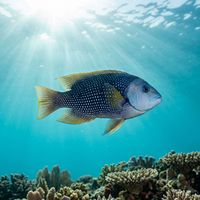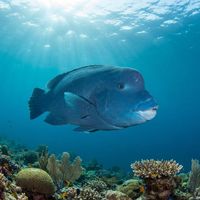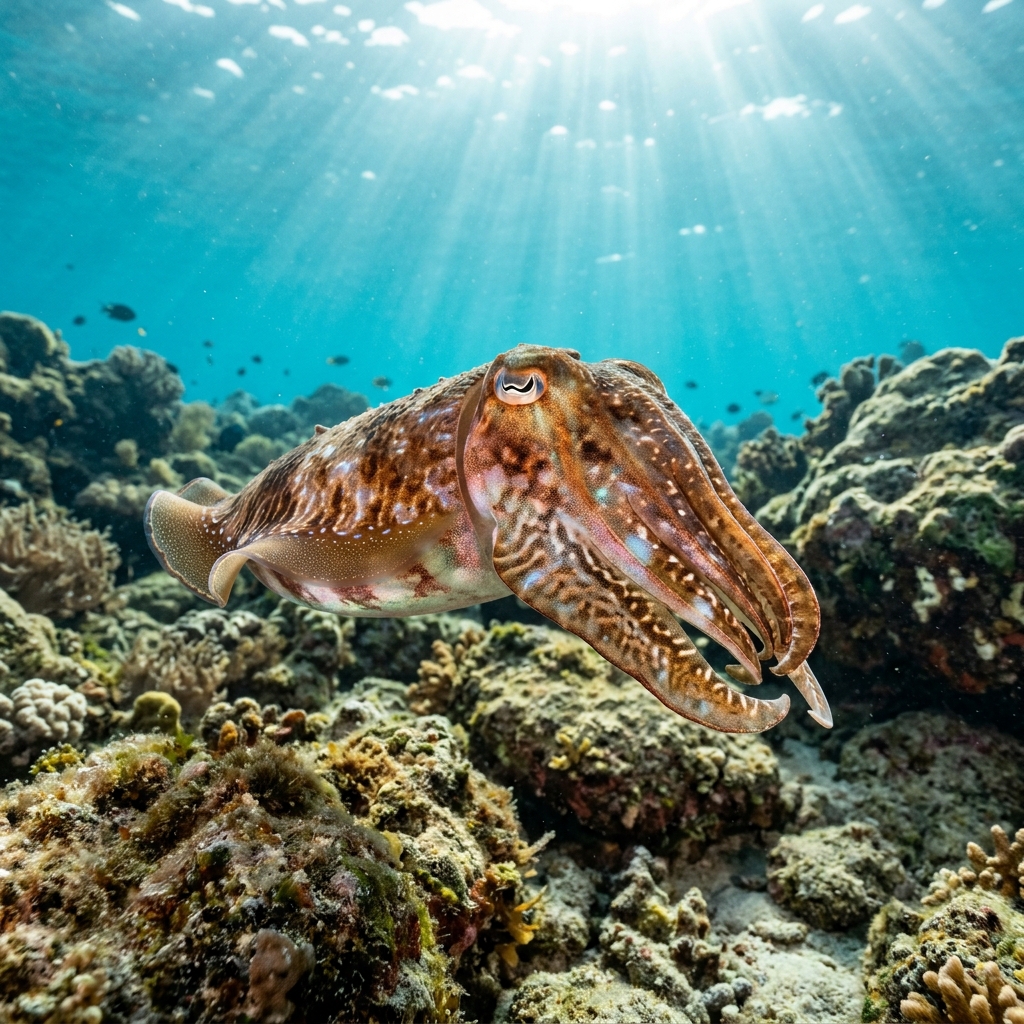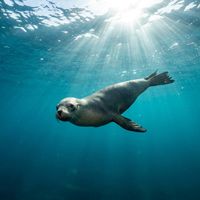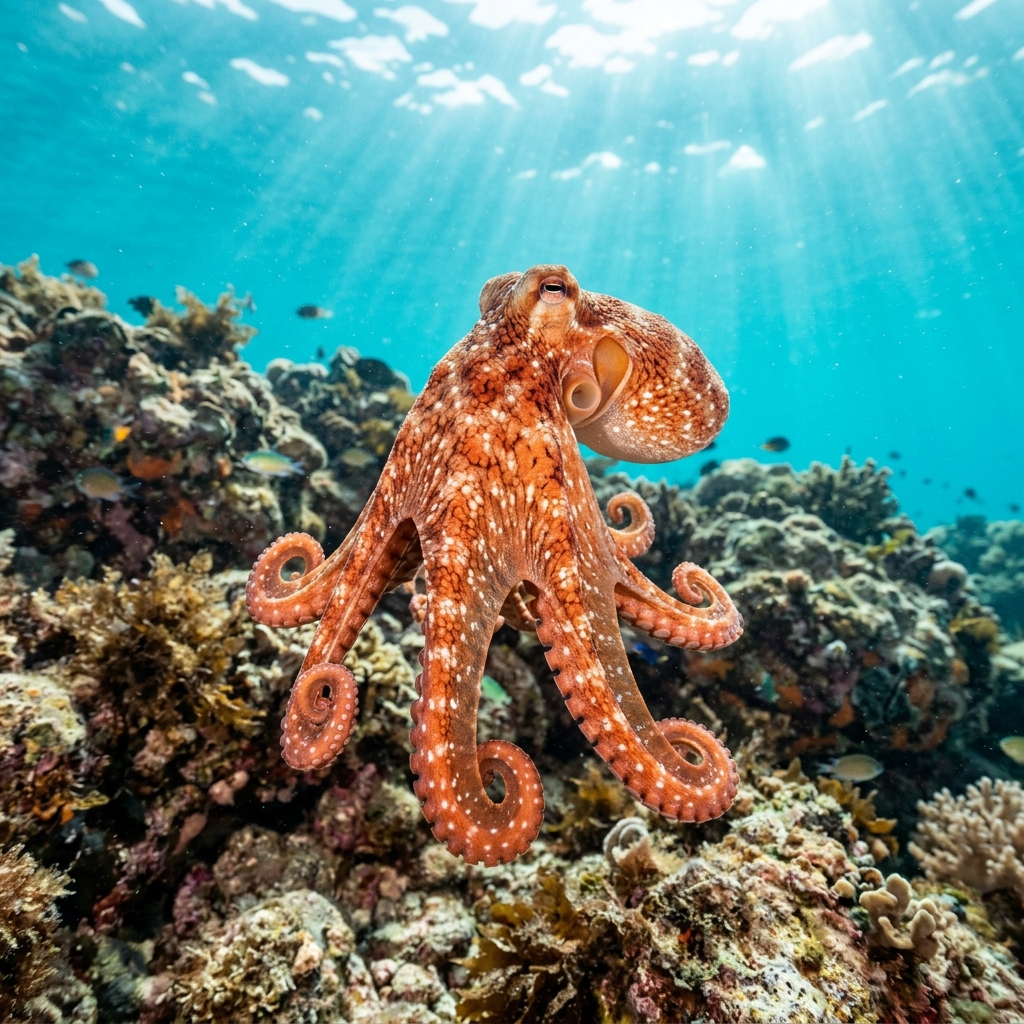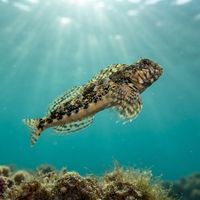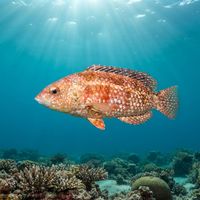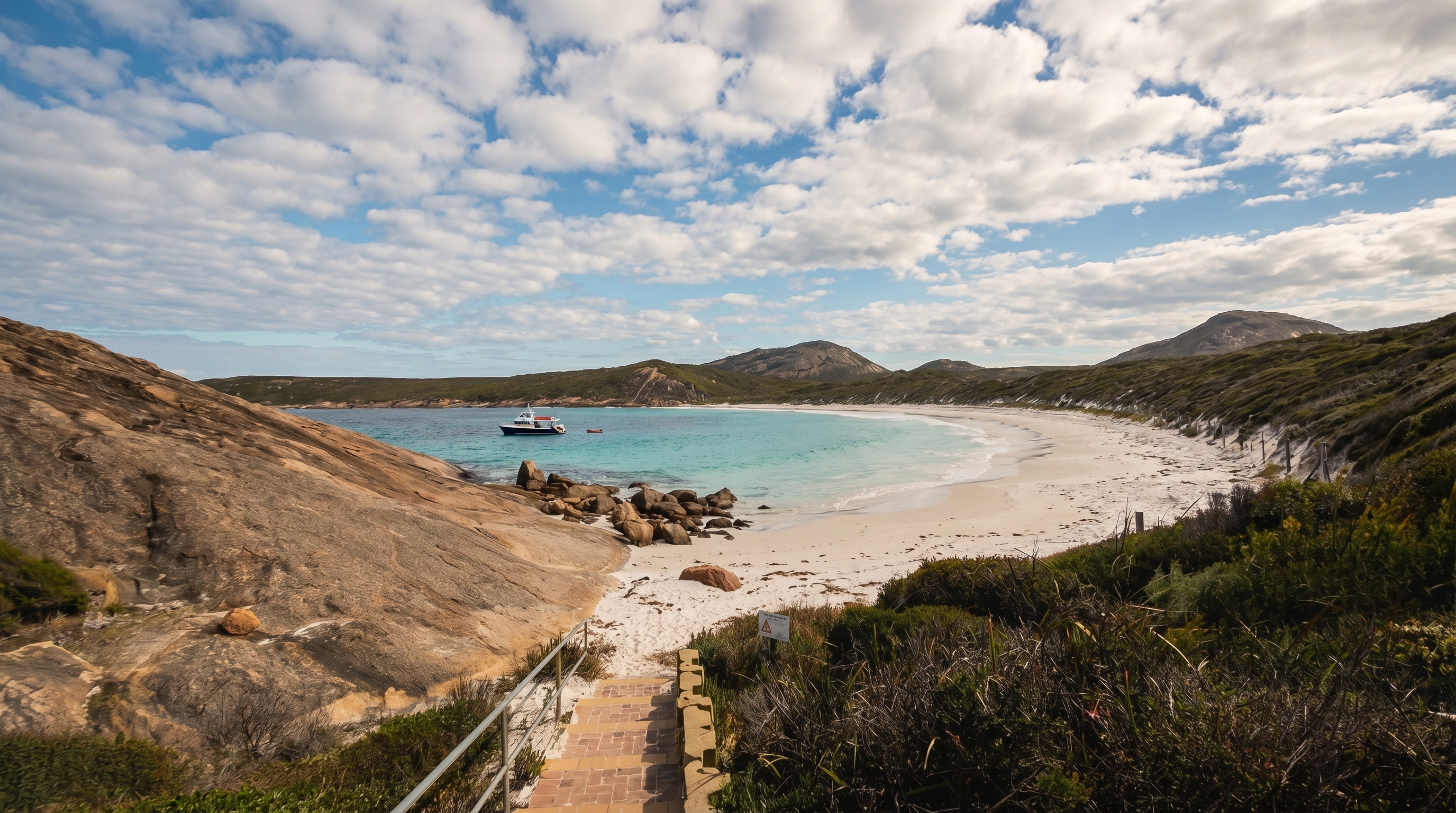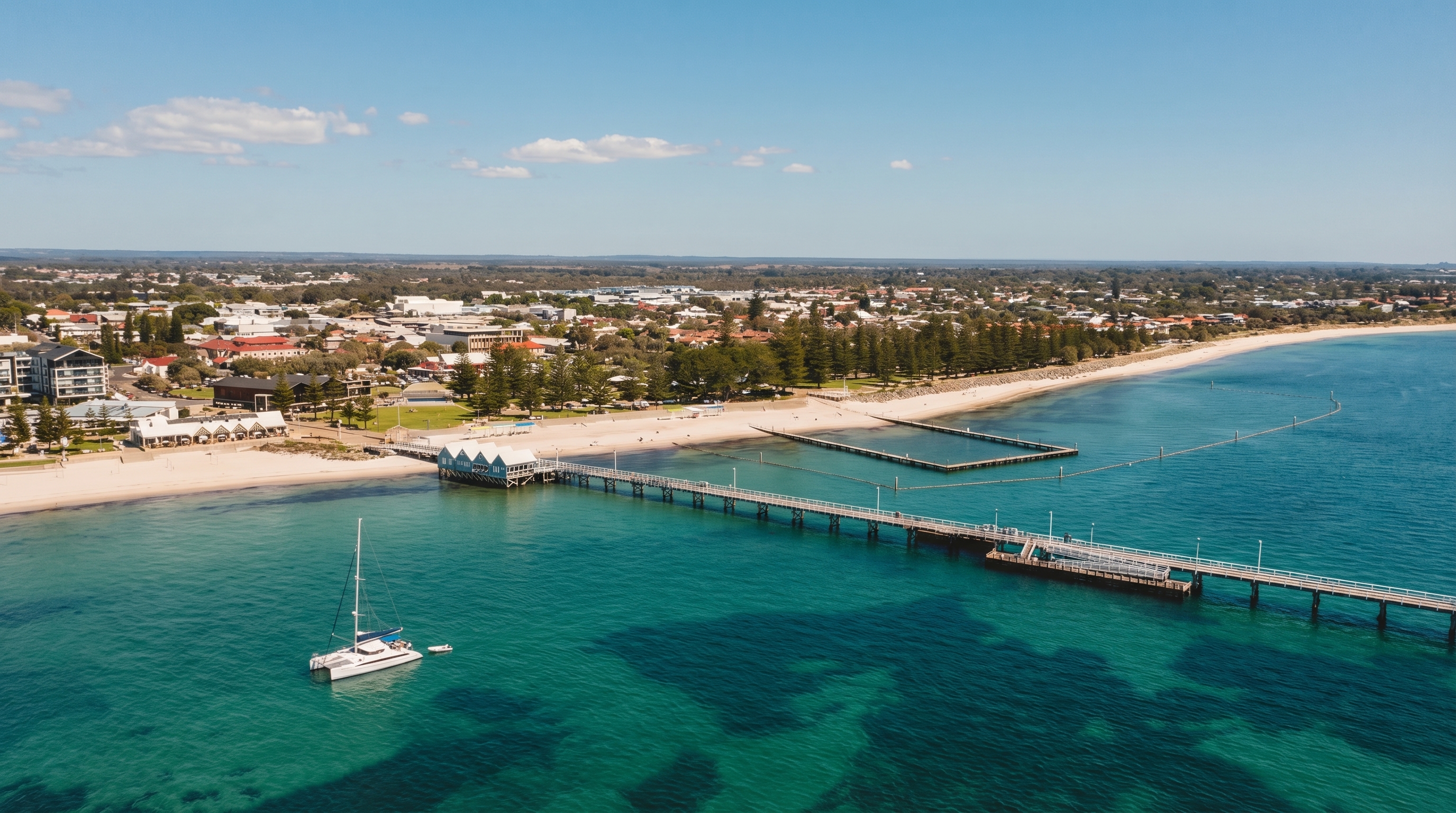
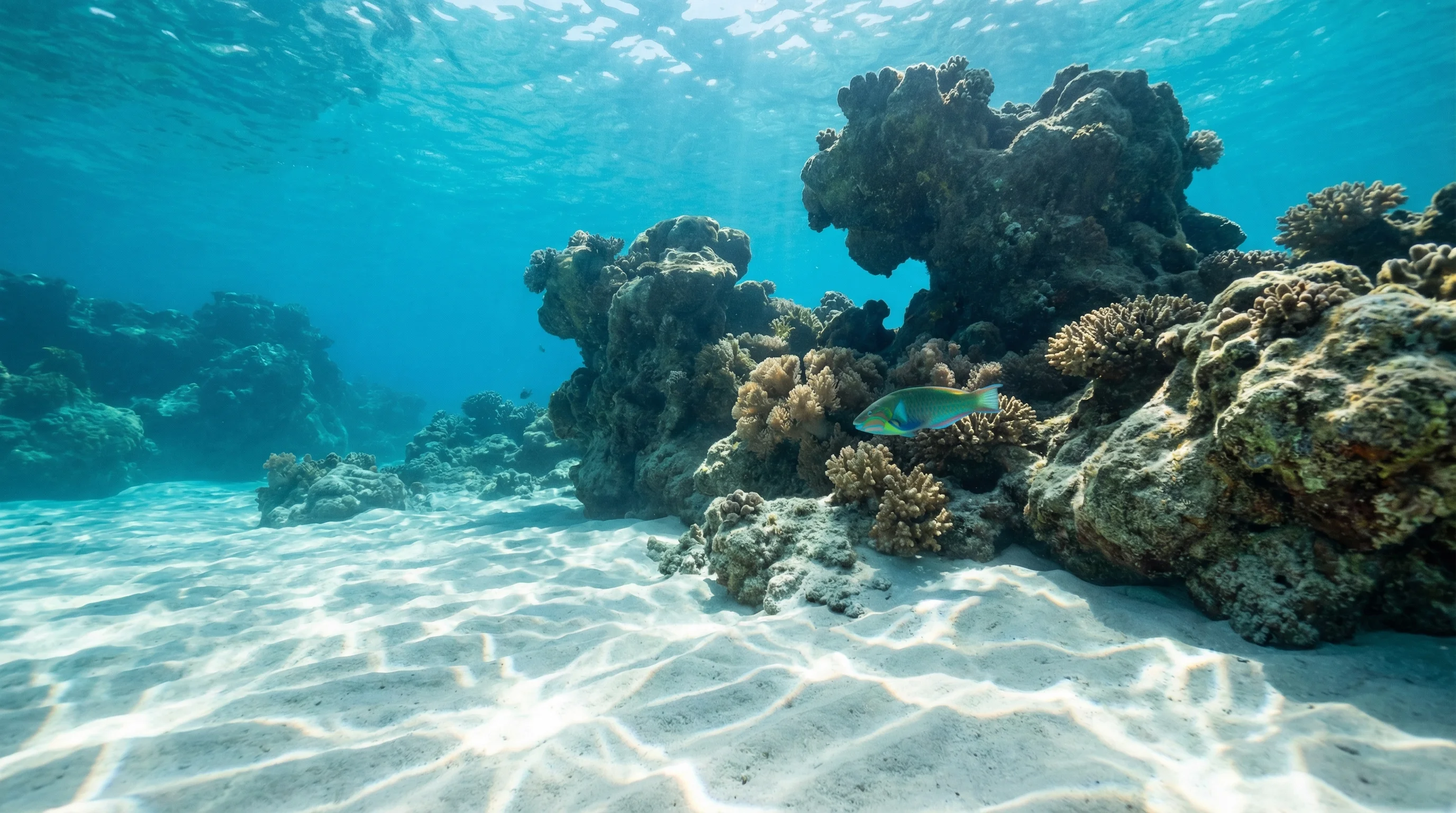
Albany's underwater character is shaped by temperate reefs, walls, drop-offs, and a scattering of wrecks and artificial structures. The signature species tell the story: Western Blue Devil, Giant Cuttlefish, Star Octopus, and the occasional Australian Sea Lion define what makes diving here distinctive. Sites range from sheltered shore entries suitable for beginners to deep boat-access walls for advanced divers. Water stays cool year-round, and conditions are generally best from December through to April.
Monthly water temperature across Albany's sites, from satellite sea-surface data corrected for depth. The band shows the site-to-site spread.
Water temperature remains cool throughout the year, with its warmest period running from late summer into autumn and a slight dip through the cooler months. The best-months data points strongly to summer and early autumn, particularly December through to February, when conditions favour boat trips to exposed walls and drop-offs. Winter months see fewer divers and conditions can be more challenging on open-coast sites.
4 operators
Australia
Australia
20 more sites to explore
Water temperature around Albany ranges from about 18°C in August to 21°C in April, based on satellite sea-temperature data for its dive sites.
With water around 18–21°C, a 5mm suit works in Albany year-round.
Fin maps 32 sites in Albany (31 scuba diving sites and 12 snorkelling spots, with some suited to both).
Across Albany's dive sites, January, February, March, April and December are most often reported as the best months to visit.
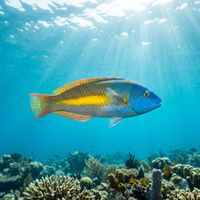
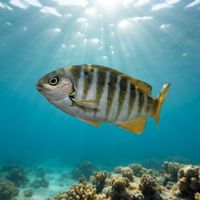
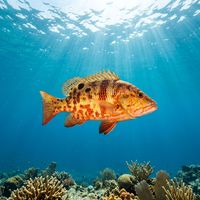
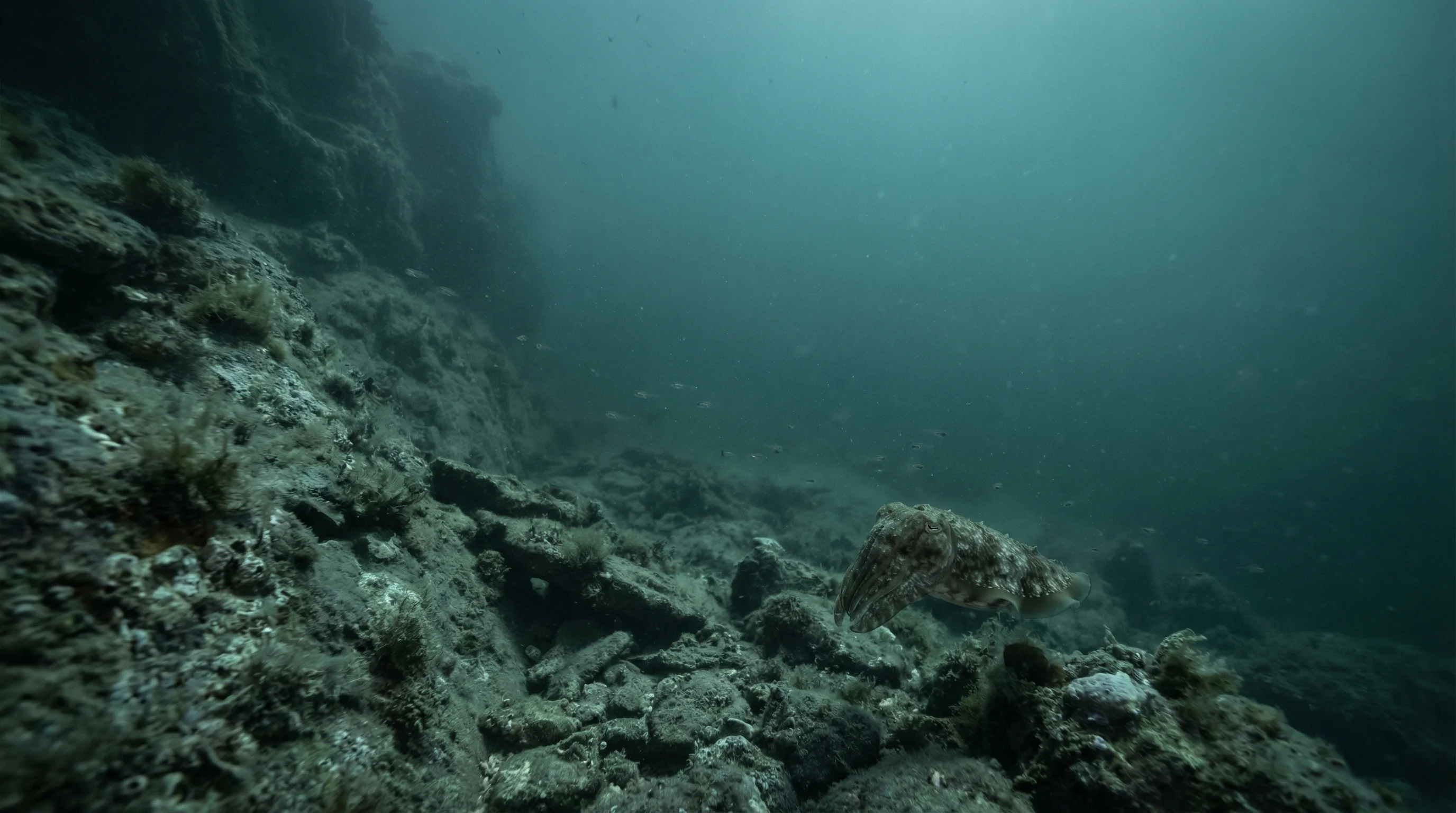
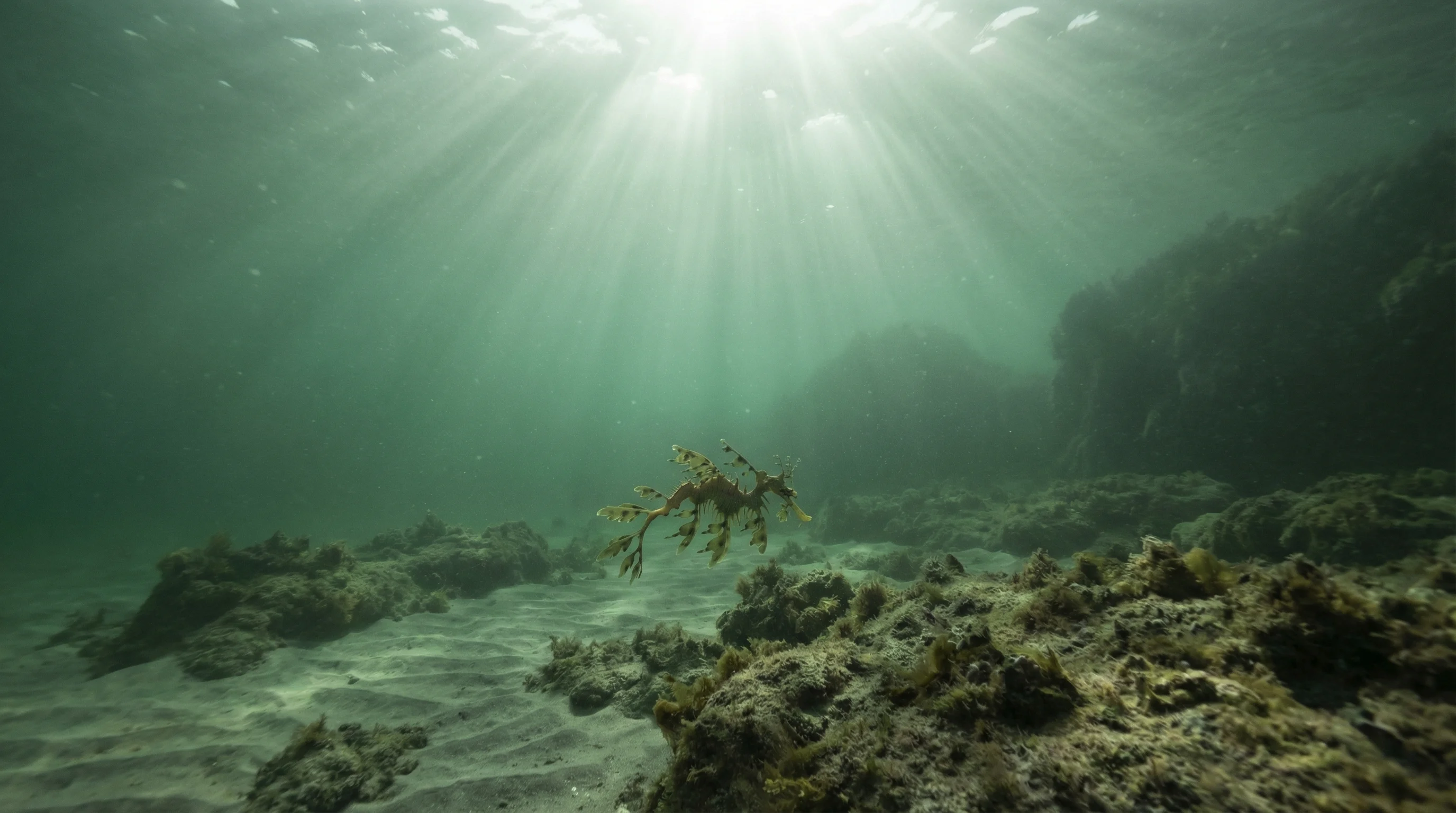
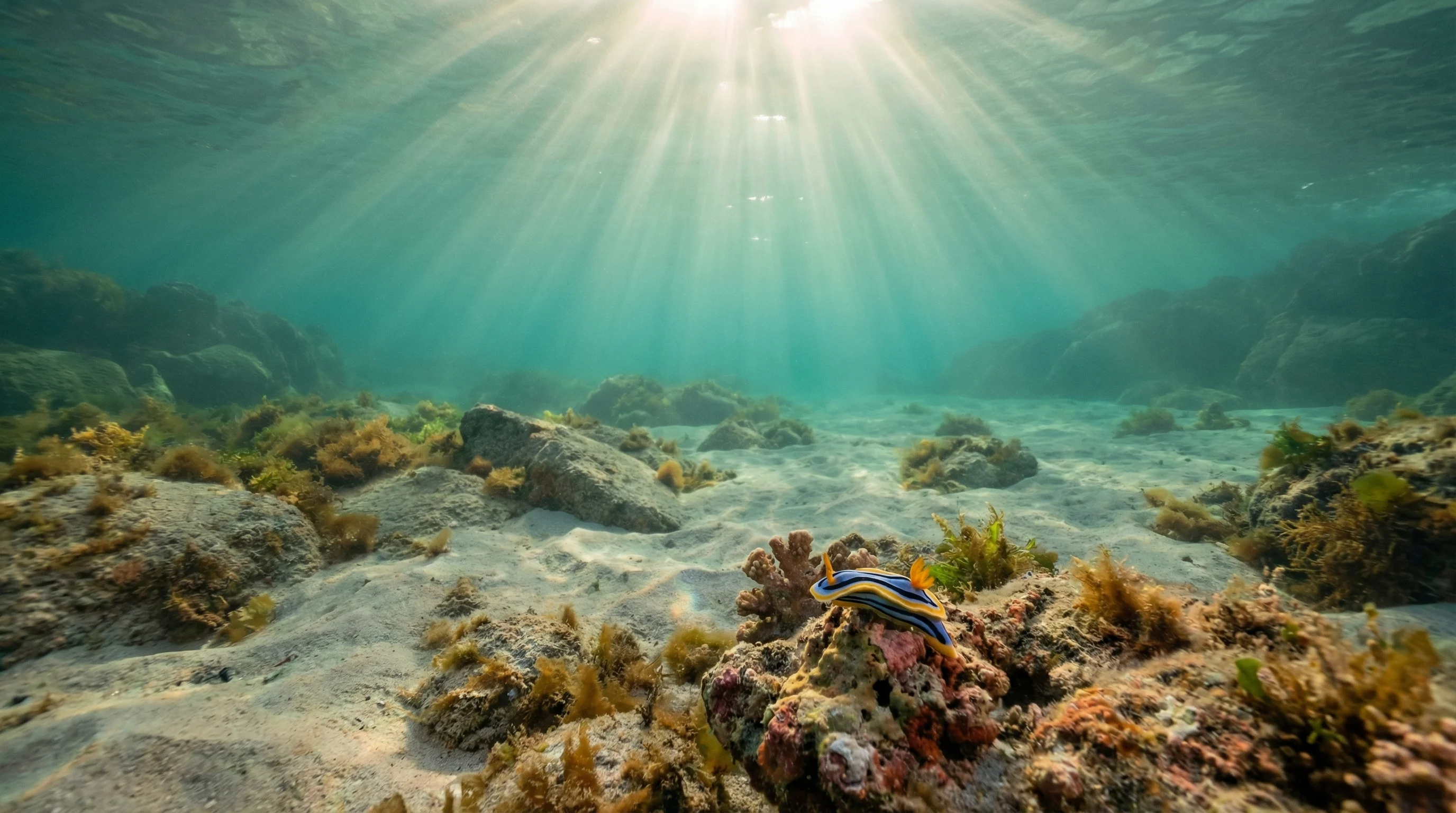
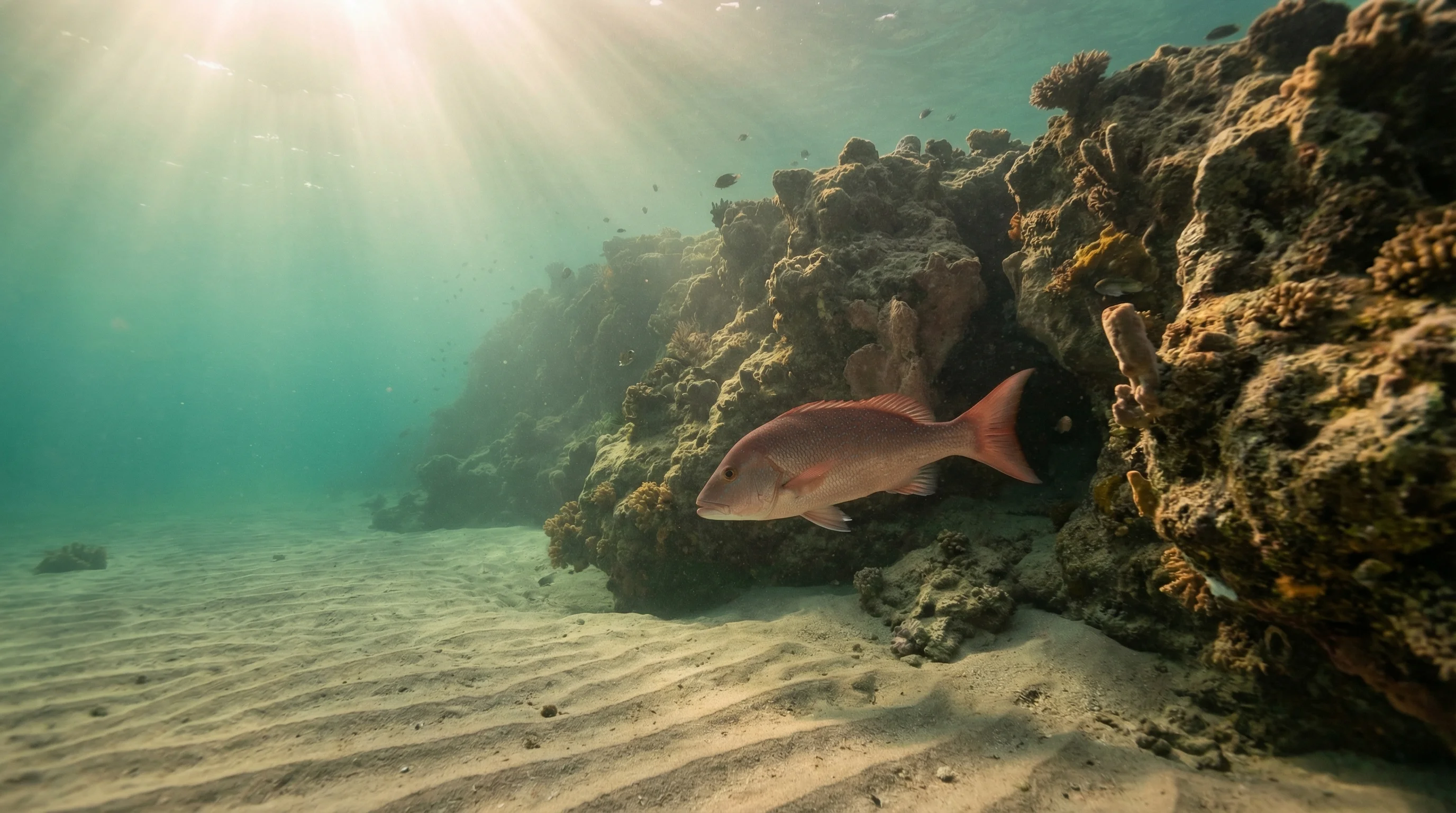
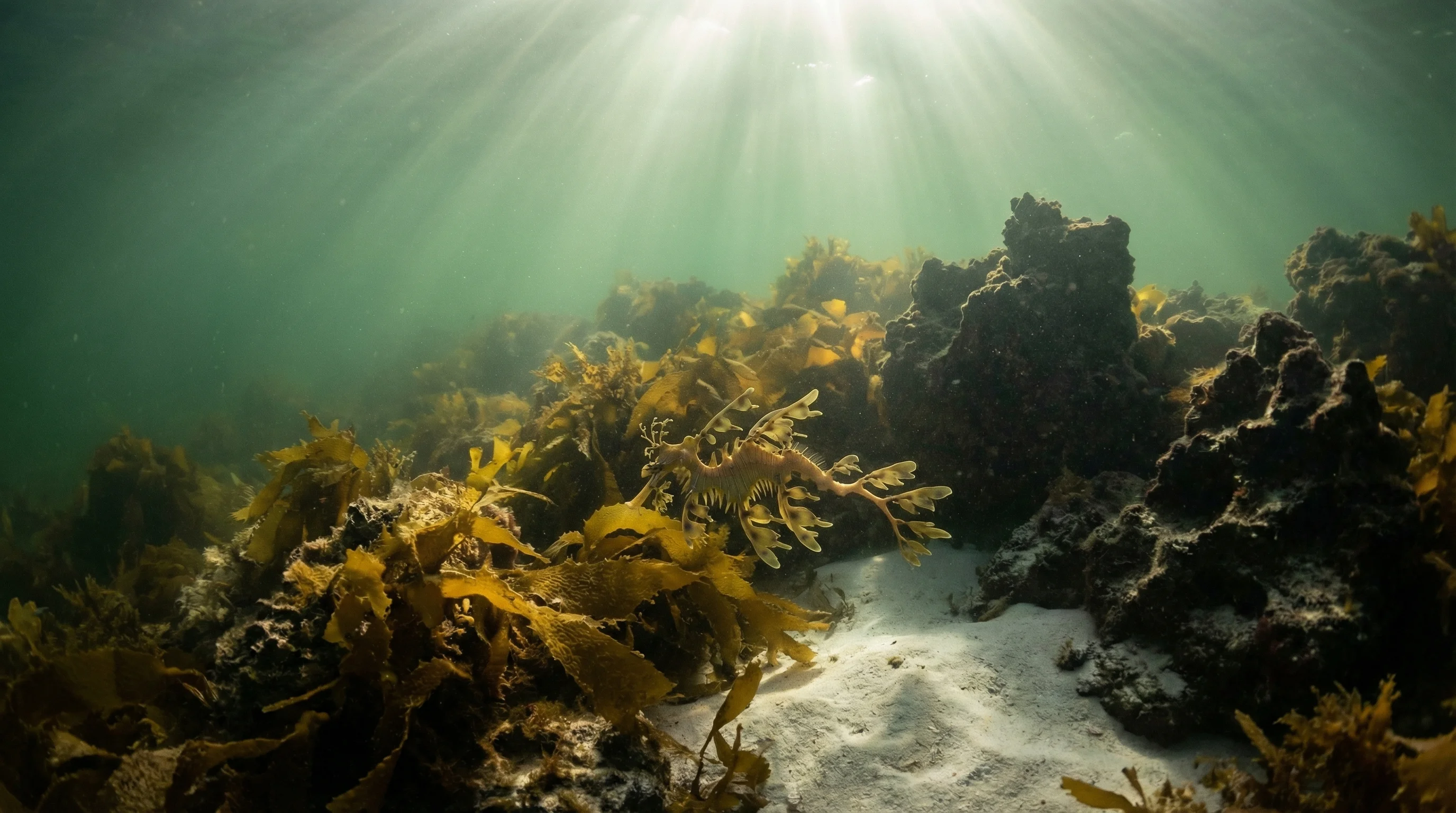
Albany has a distinctive temperate marine community. Western Blue Devil, Giant Cuttlefish, and Star Octopus are all commonly observed across multiple sites. Divers also encounter Australian Sea Lion, Ornate Wobbegong, Weedy Seadragon, and the vivid Harlequin Fish. The Moonlighter and Old Wife are among the most frequently seen reef fish.
Yes, Albany has a good range of beginner-friendly options. Shore-entry sites such as Cheynes Beach, Whaling Cove Beach, and Fisheries Beach Marina offer sheltered, shallow conditions. Boat-access sites like Mistaken Island, The Bone Yard, and Willy's Lump are also rated for beginners and provide easy introductions to local reef life.
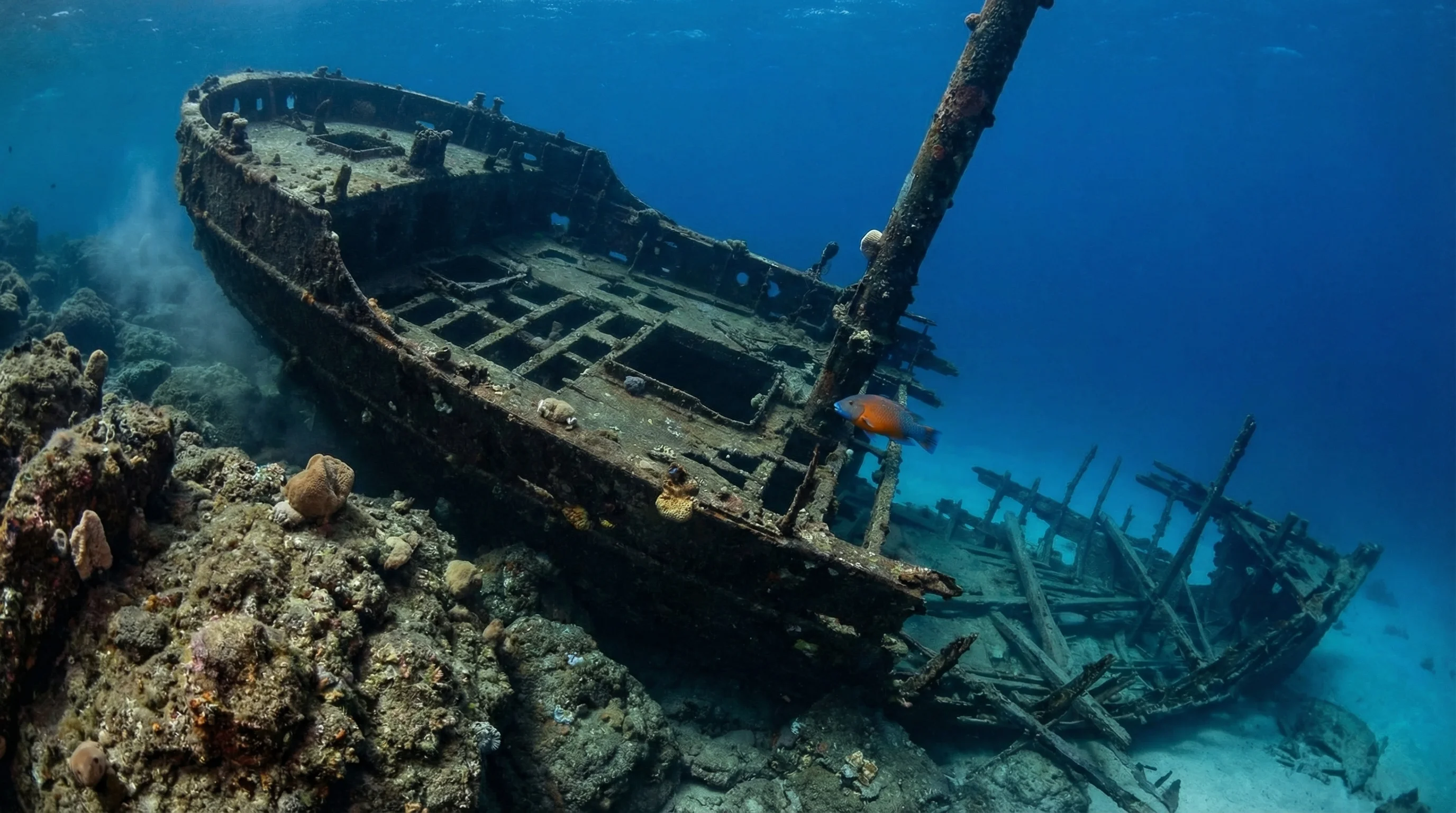
Both options exist. Several sites, including Tourist Rocks, Back Beach, Frenchman Bay Beach, and Cheynes Beach, are accessible directly from shore. However, many of Albany's more varied sites, including walls, drop-offs, and the Herschel wreck, require boat access. A number of sites offer only boat entry, so planning around that is worth doing.
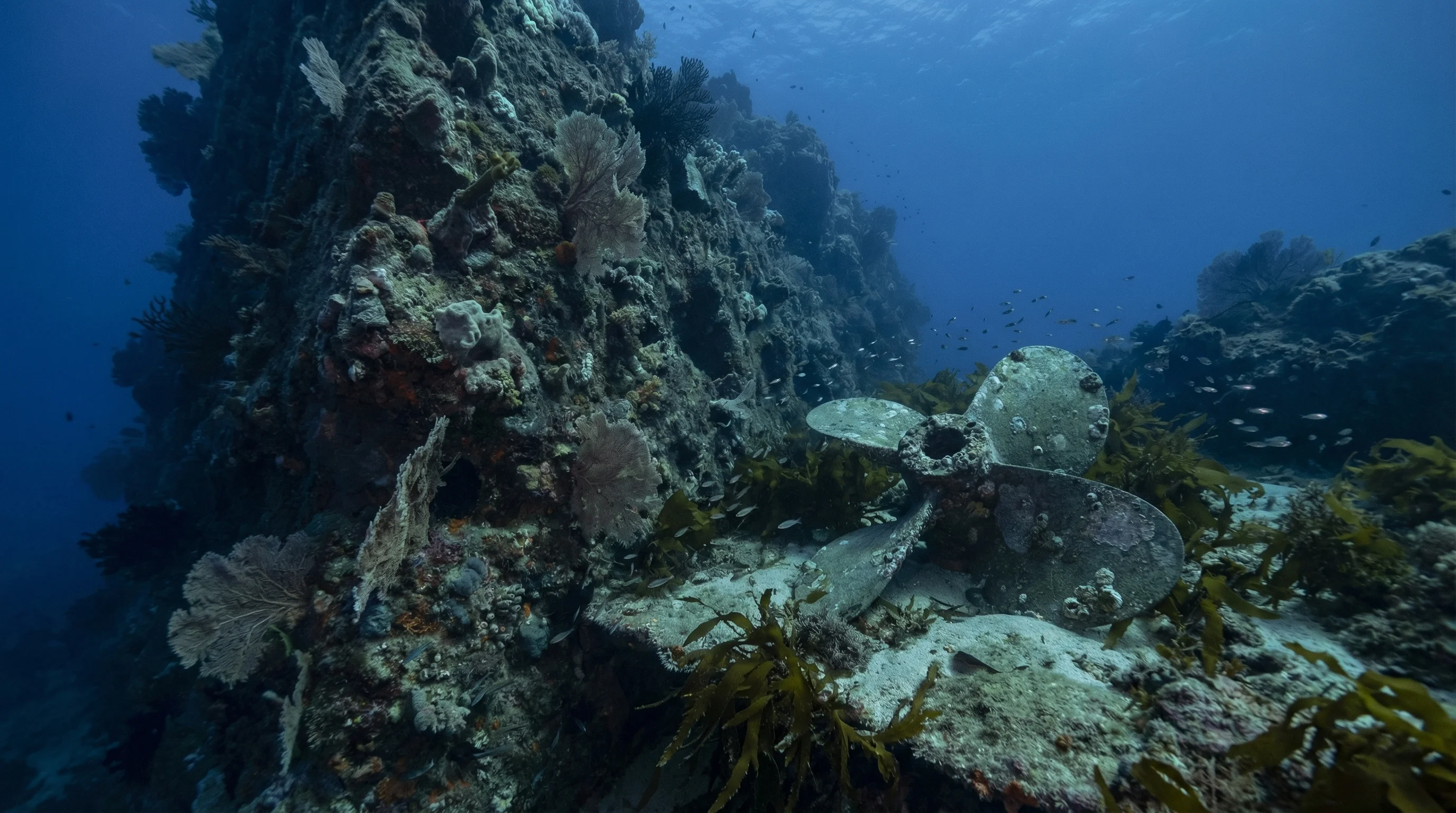
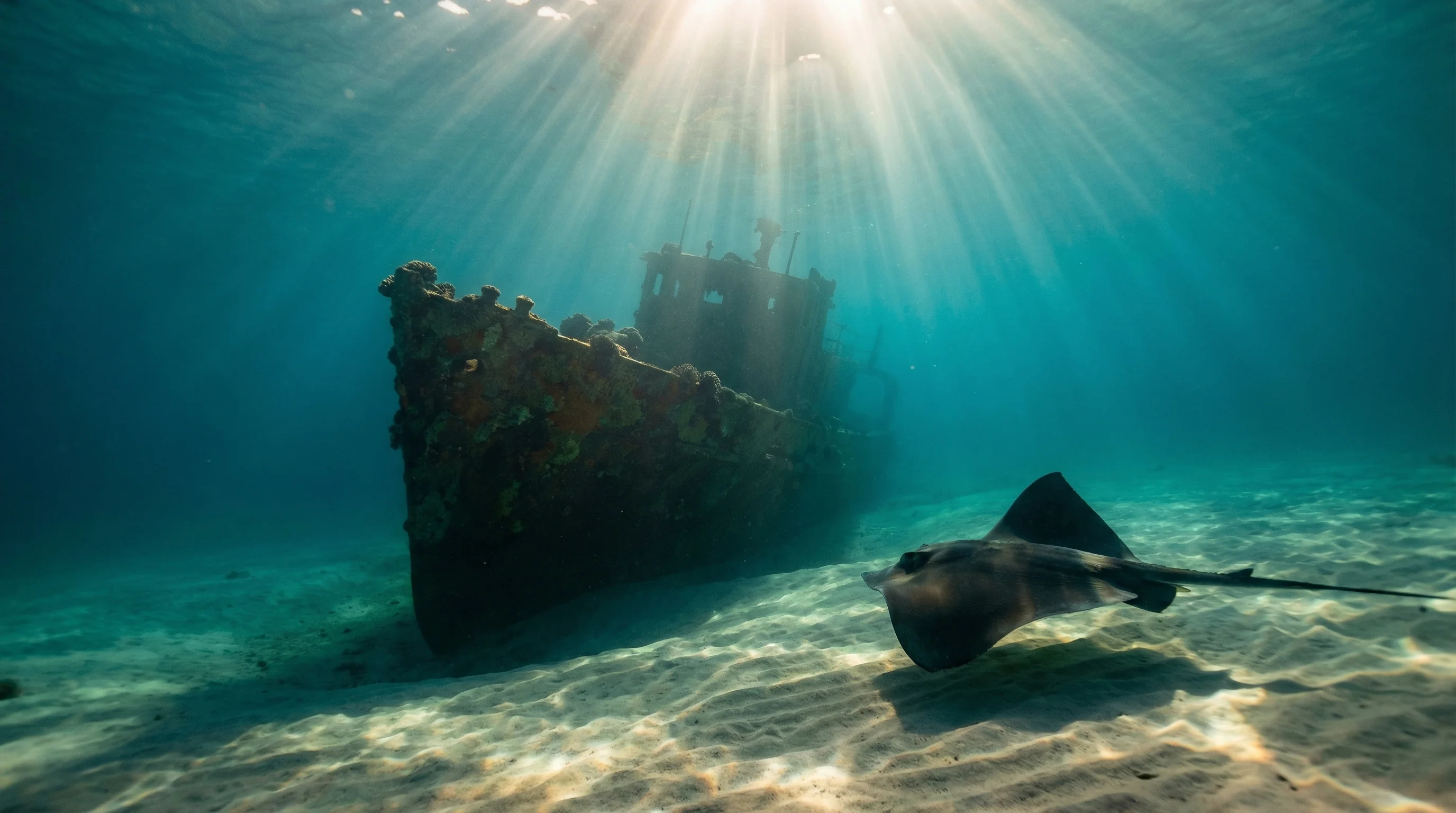
Albany covers a broad range of site types. Reef diving is the foundation, but the area also includes walls and drop-offs such as South Point and The Fingers, wrecks including the Herschel and the wreck at Frenchman Bay Beach, and artificial reef structures at sites like The Bone Yard and The Cables. This variety means divers of different interests and skill levels find something suited to them.