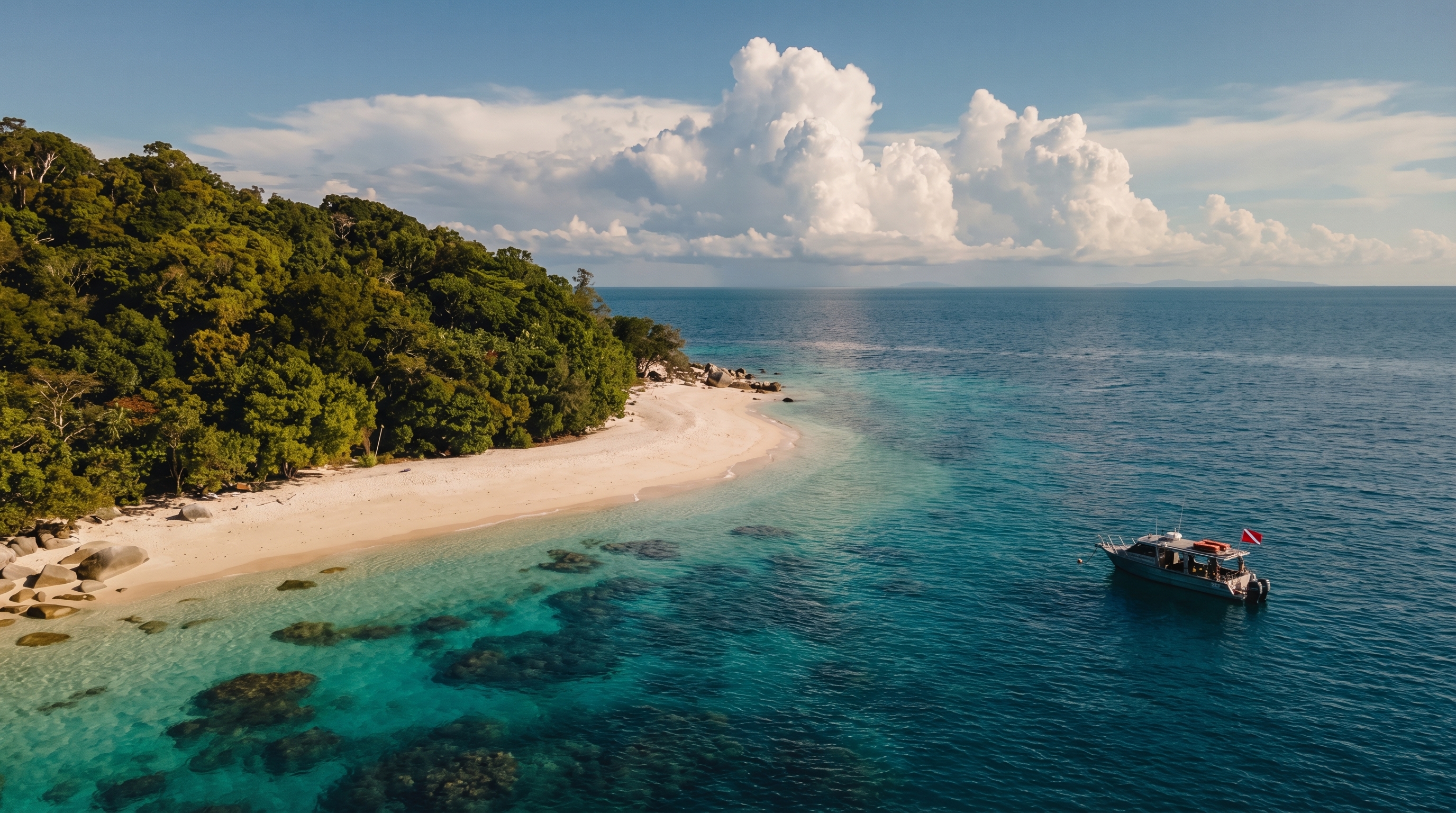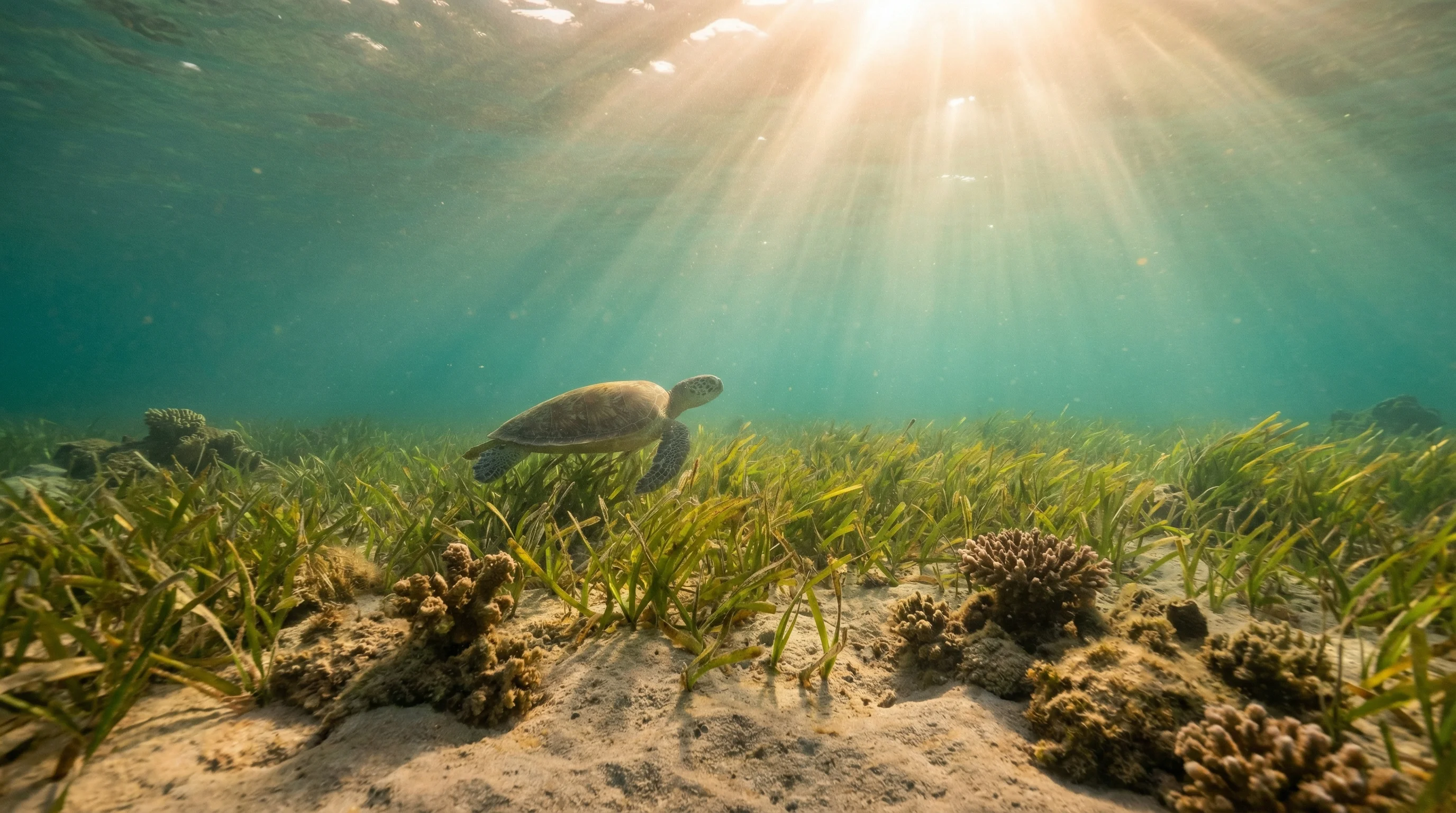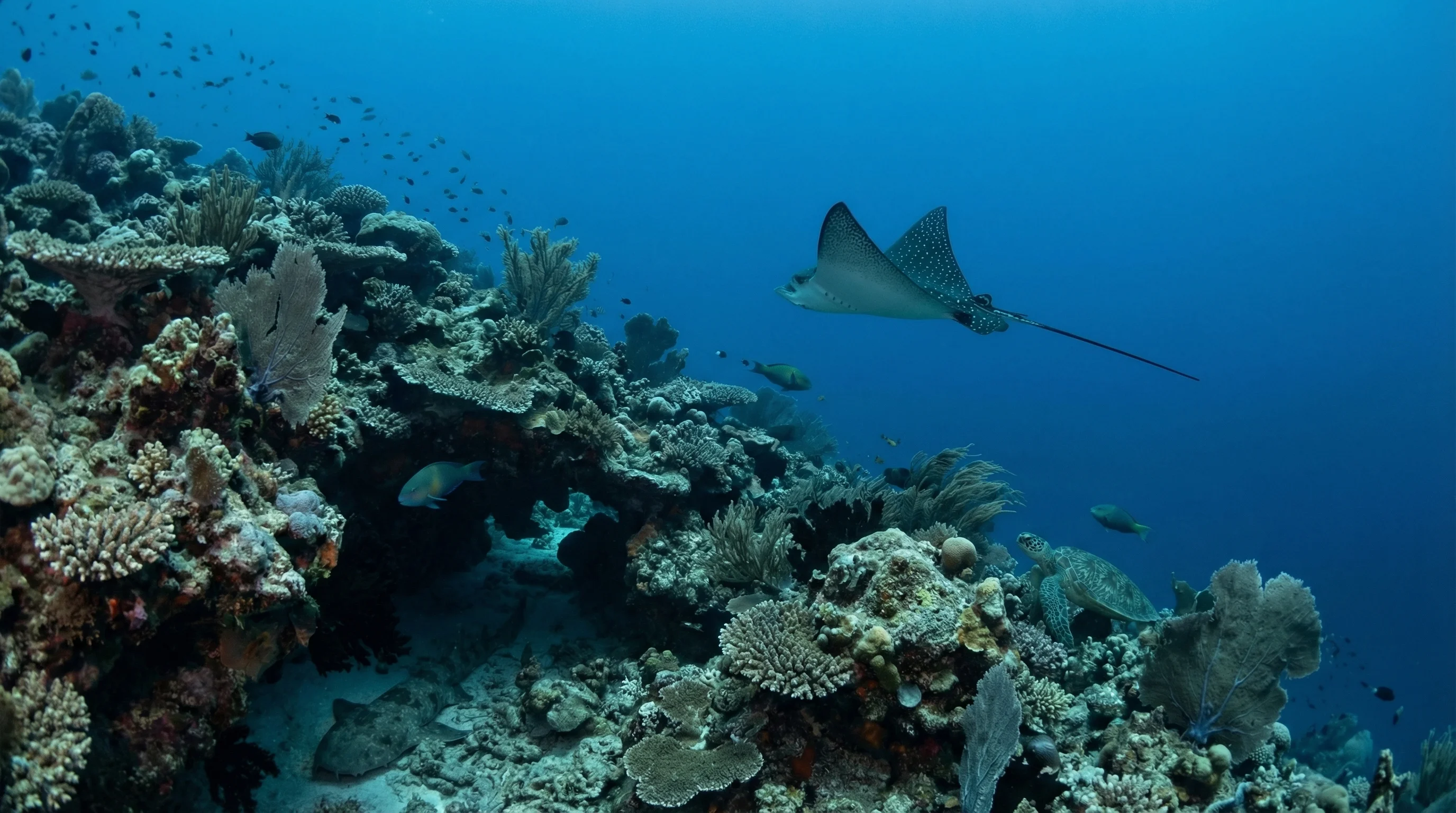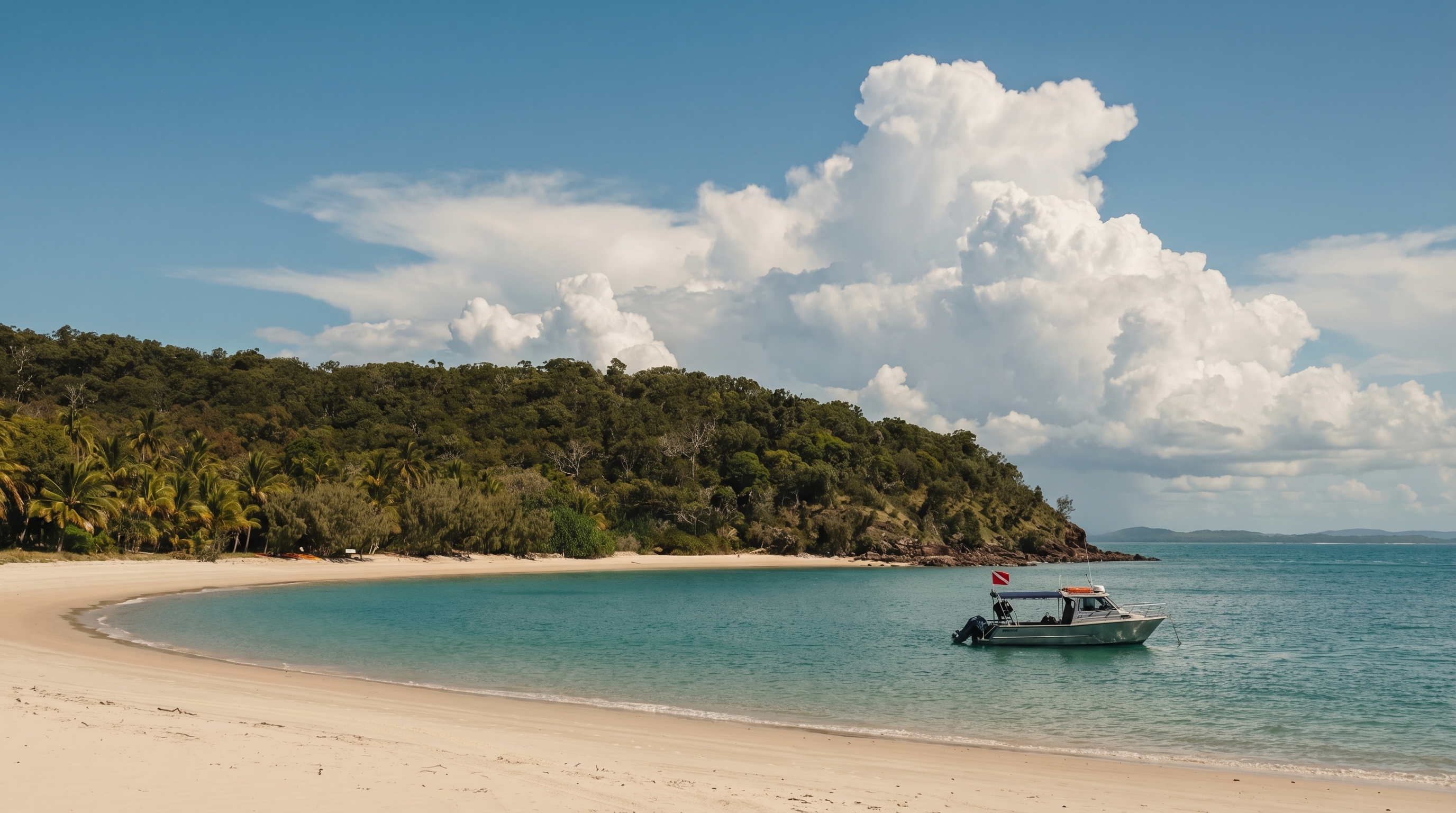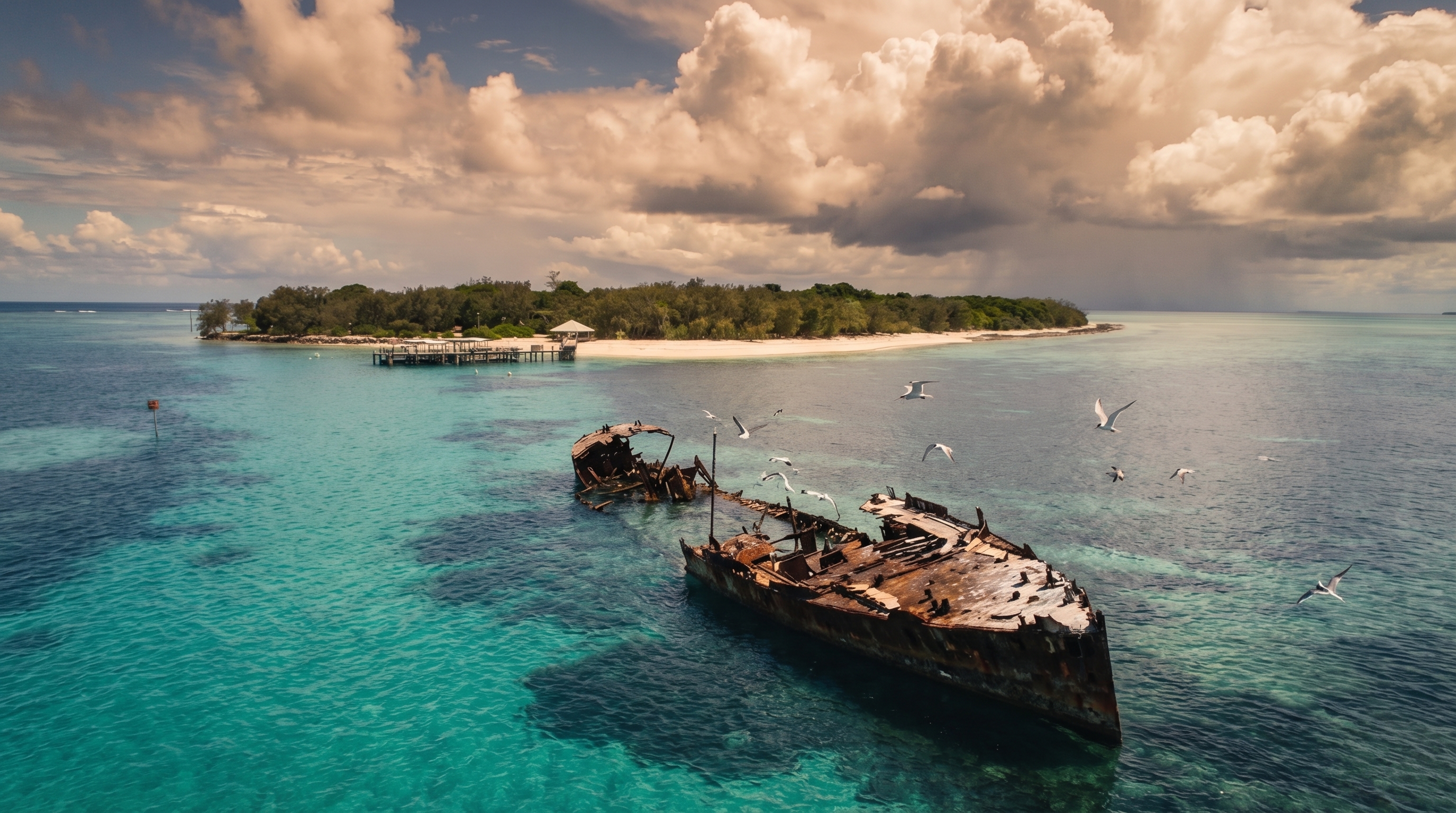
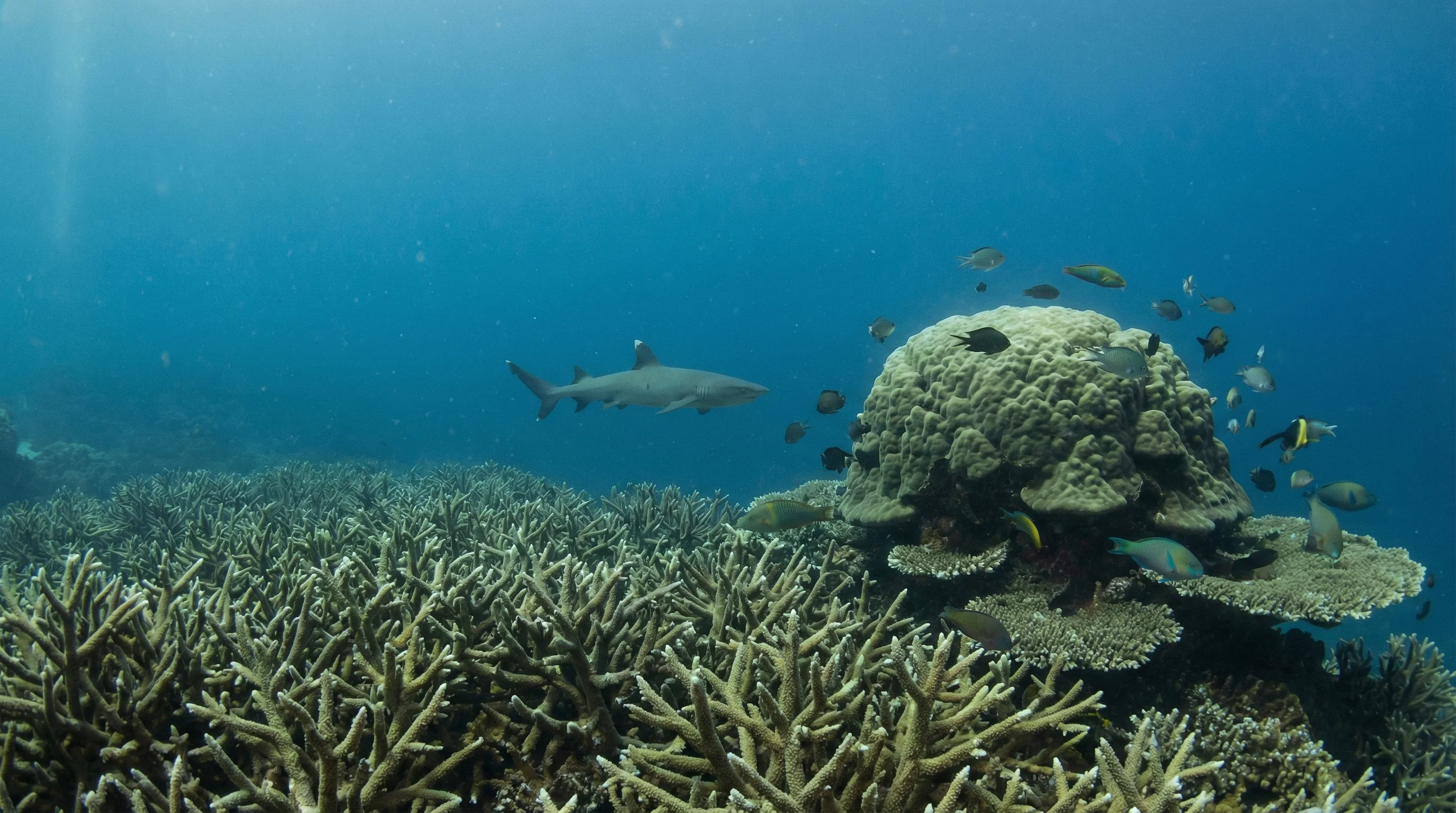
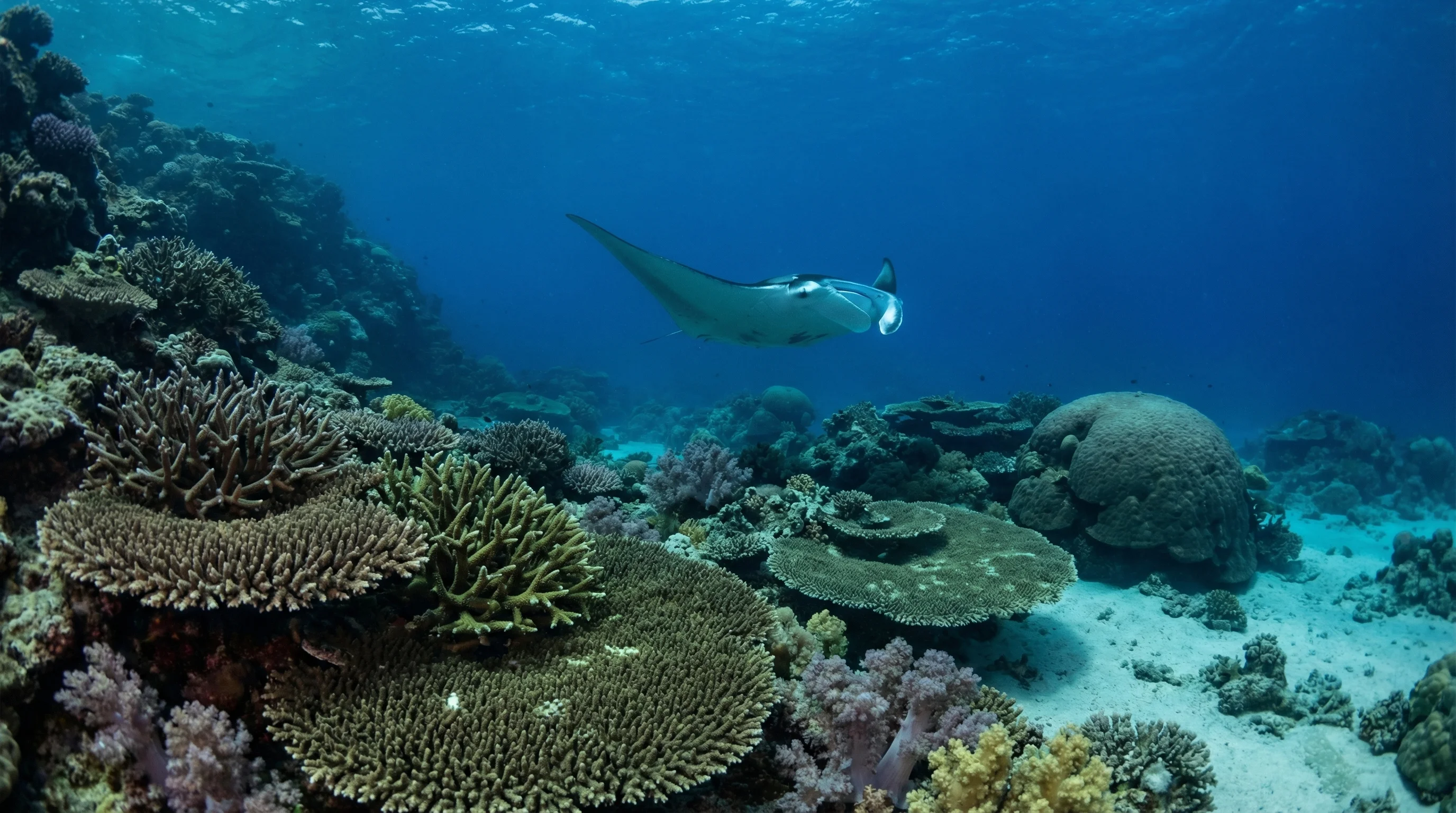
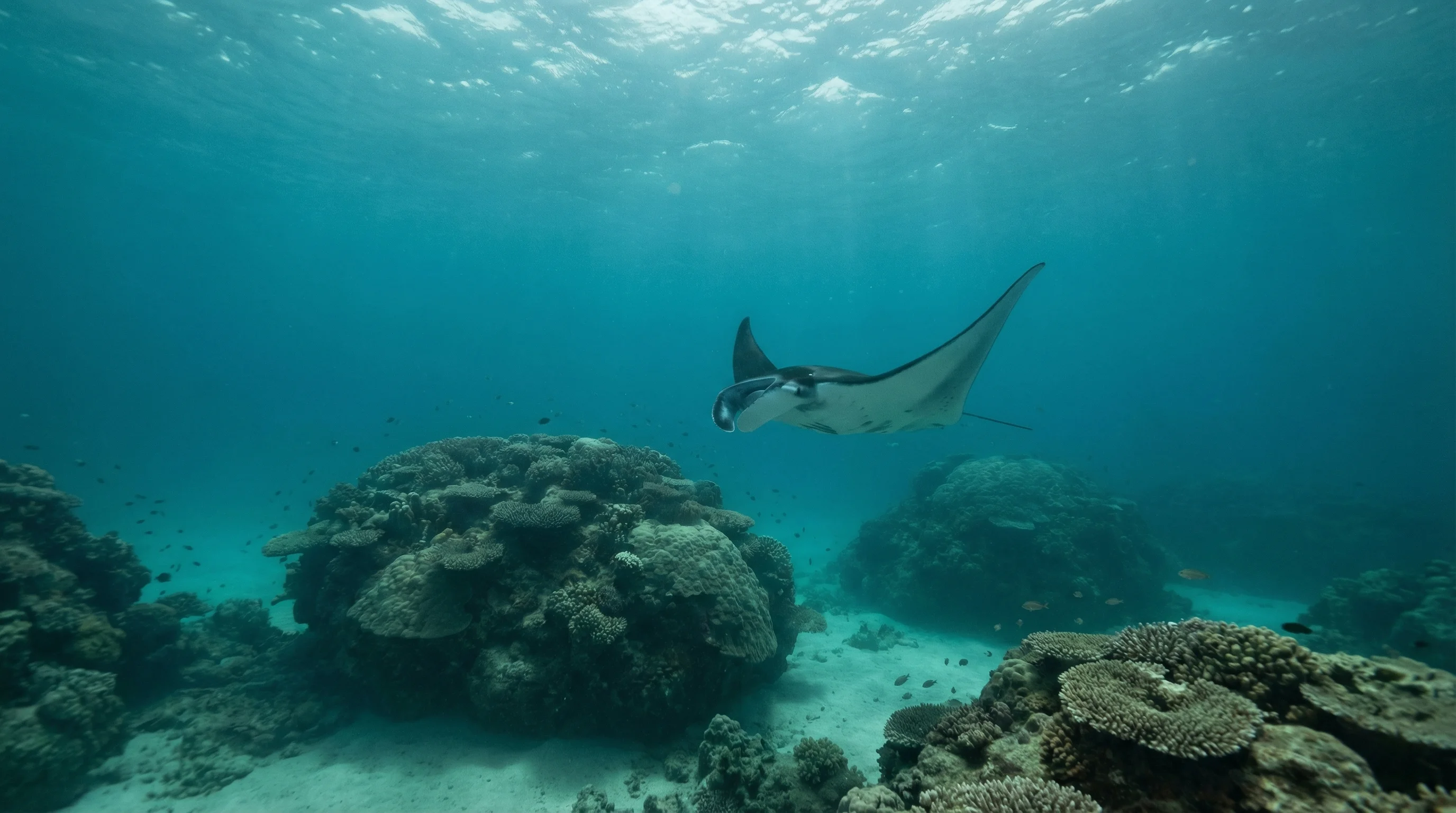
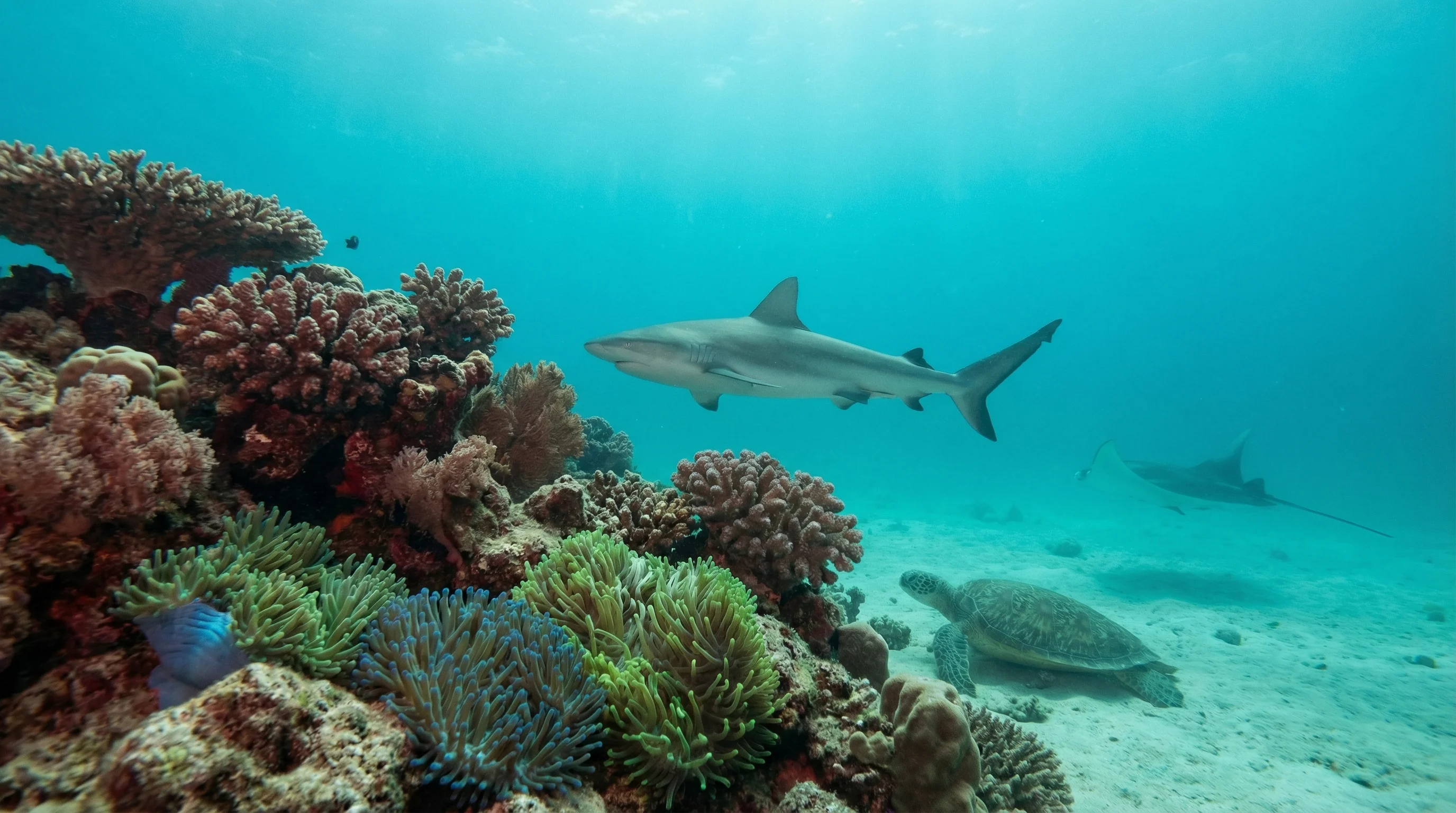
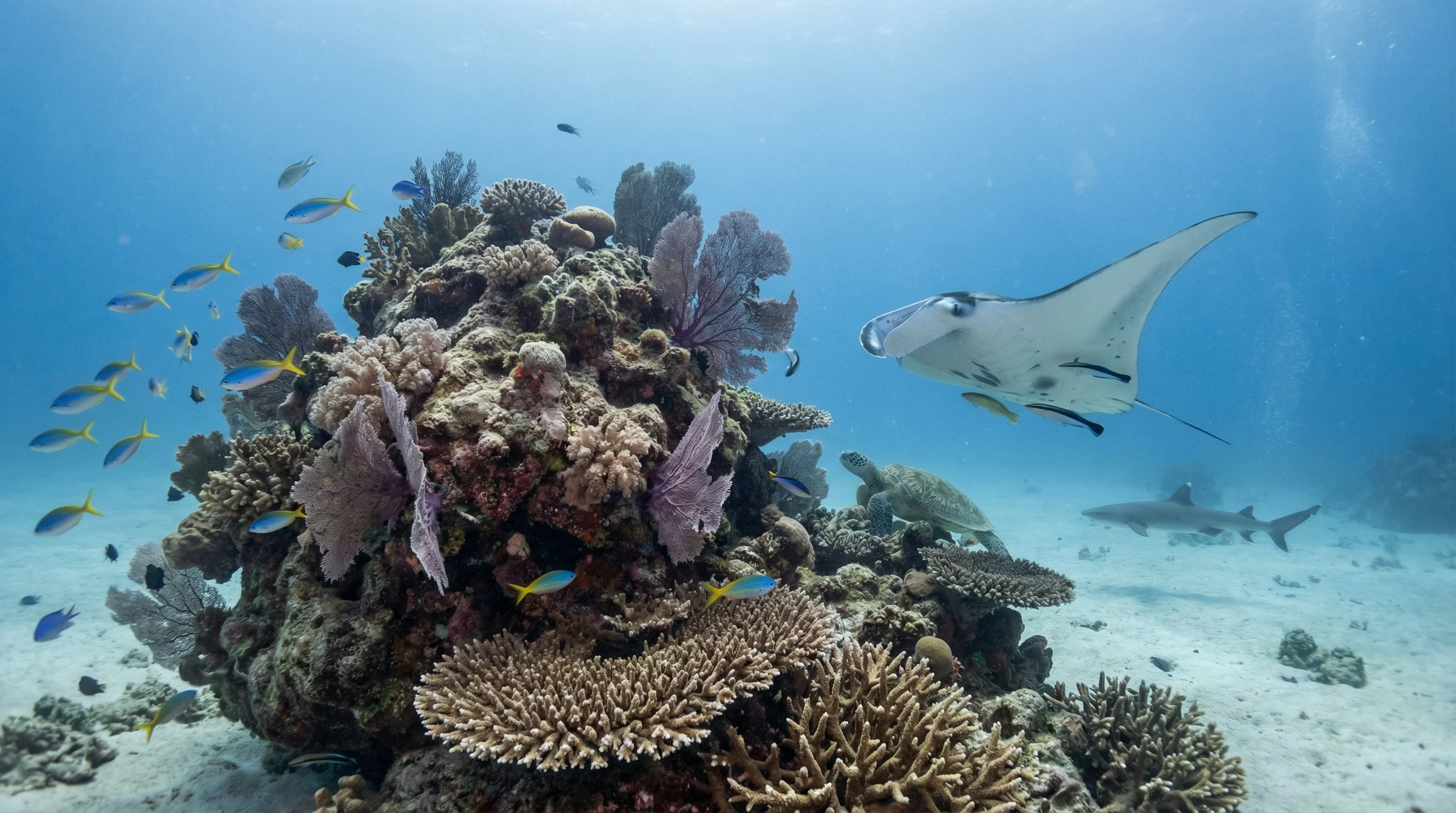
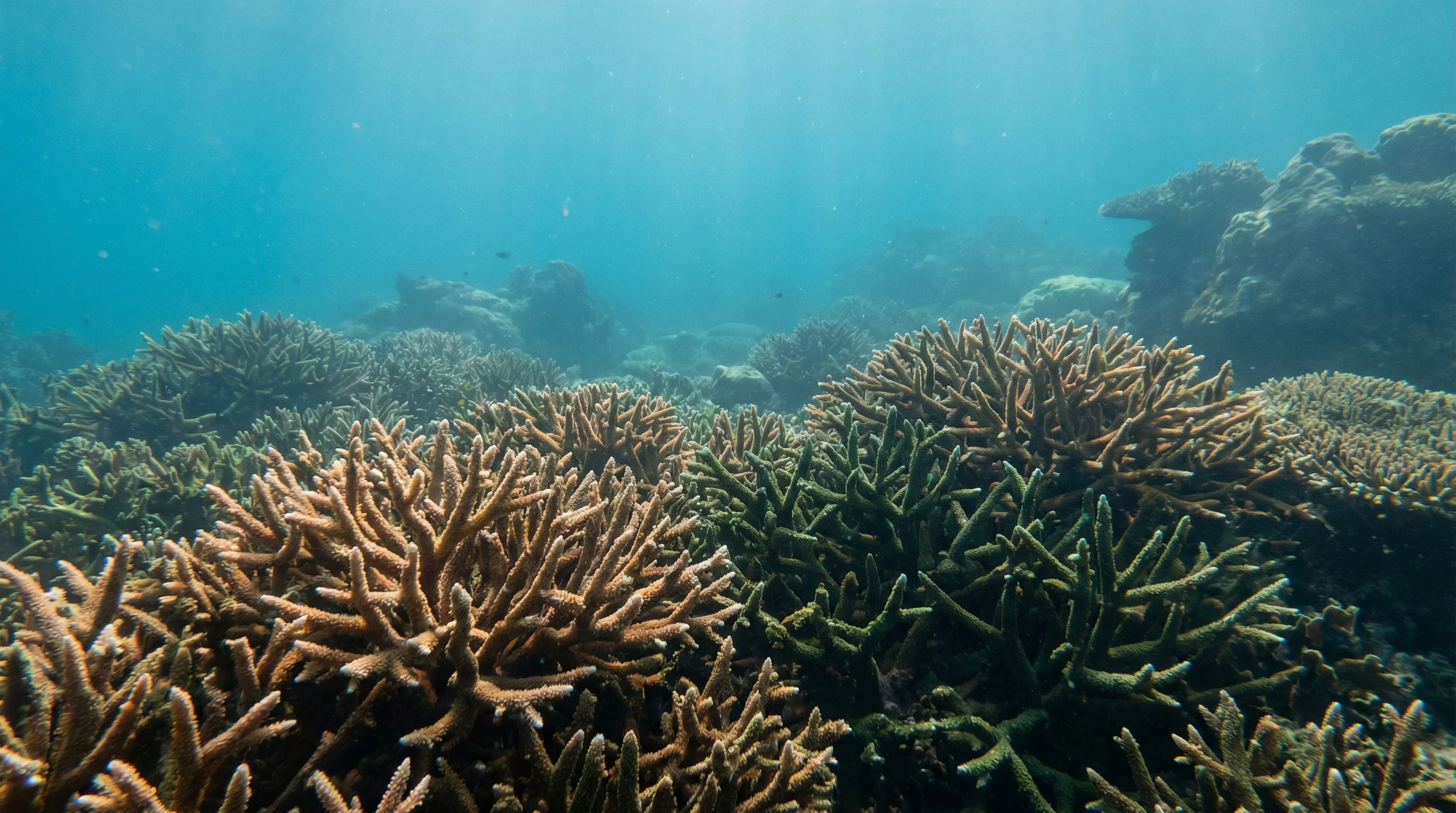
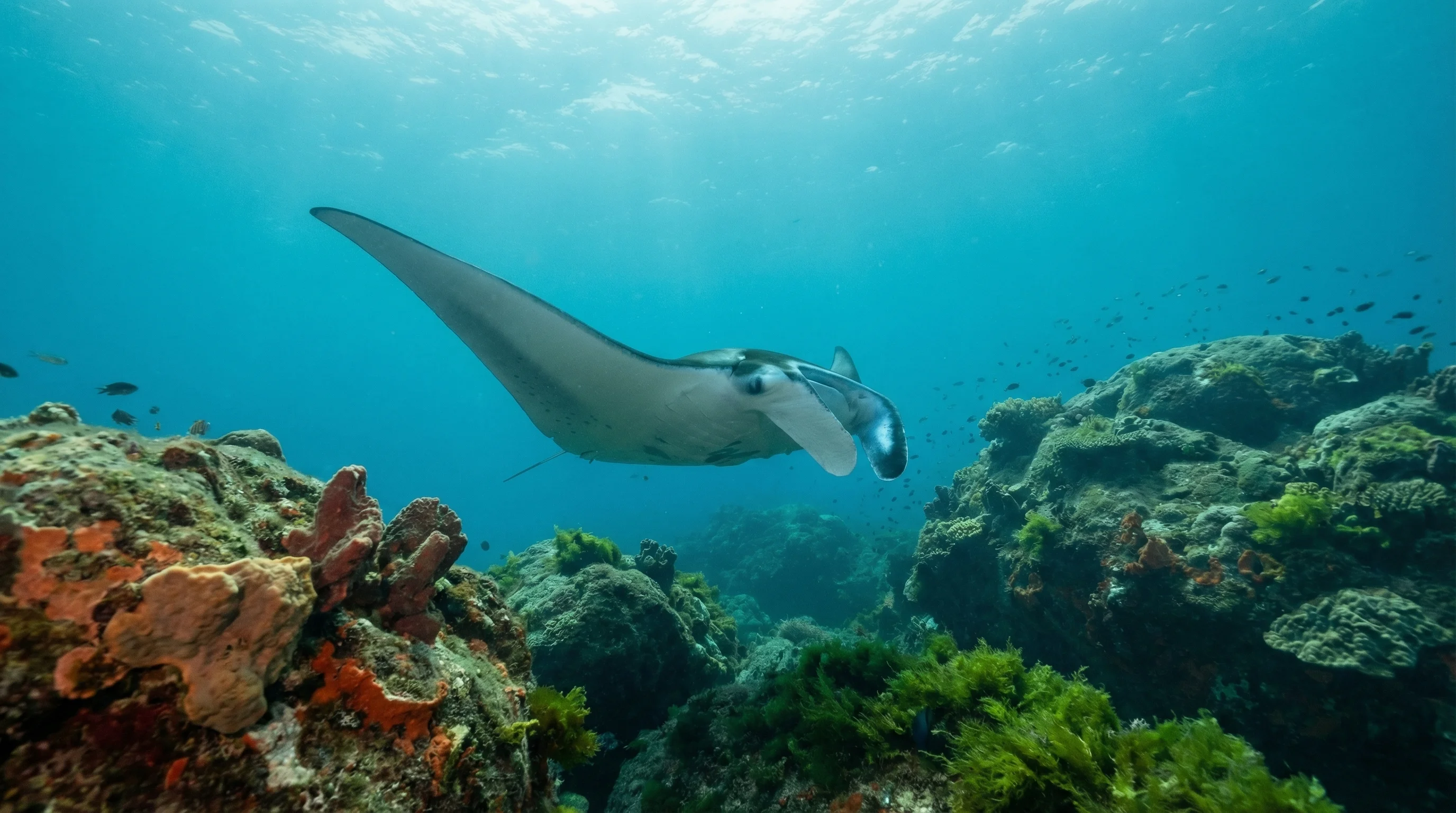
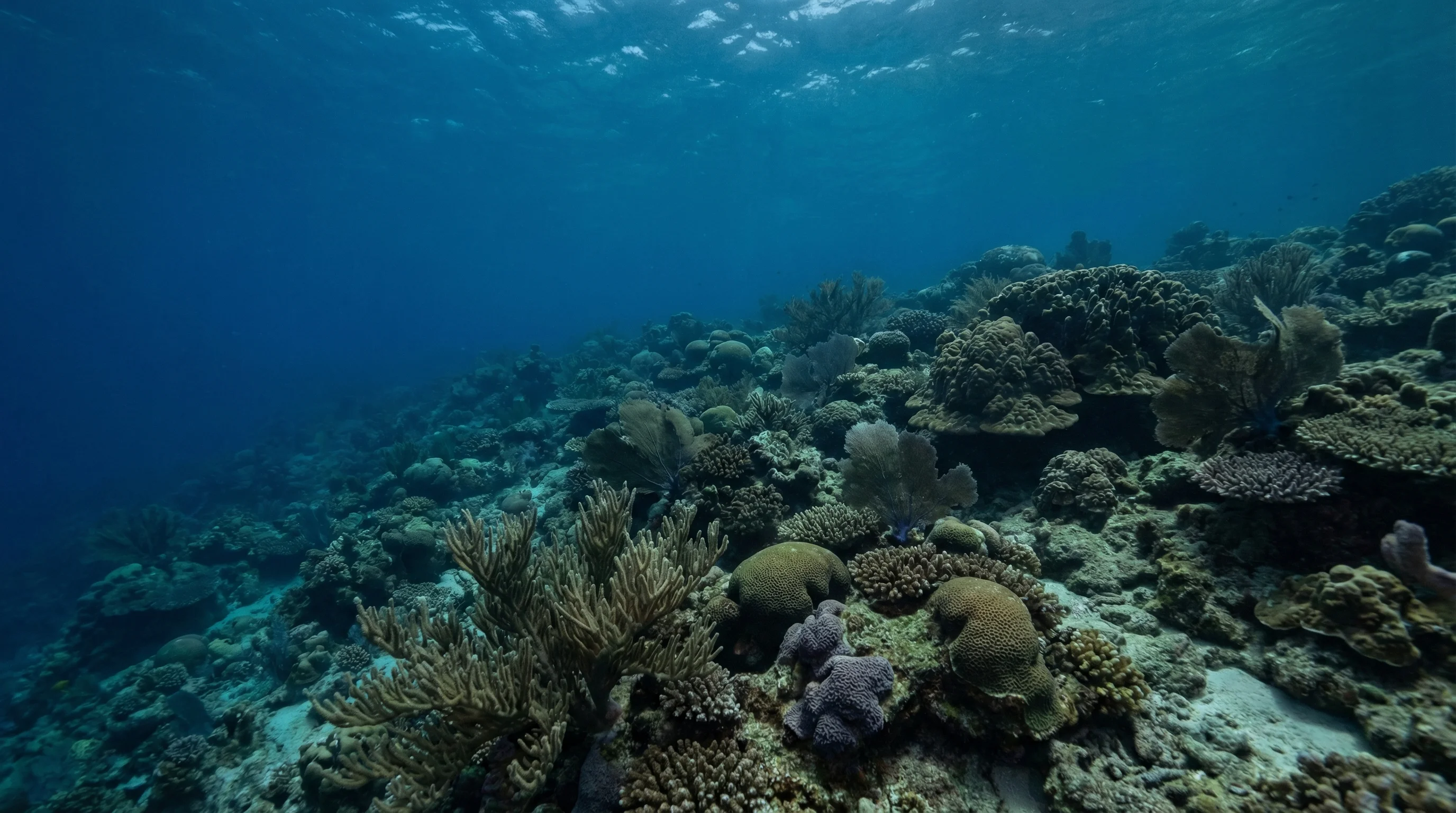
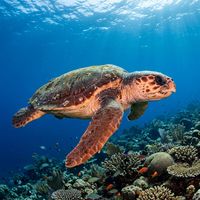
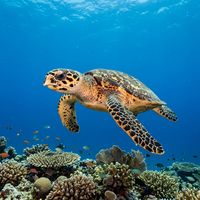
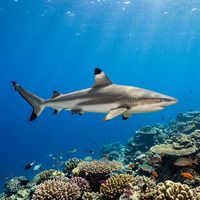
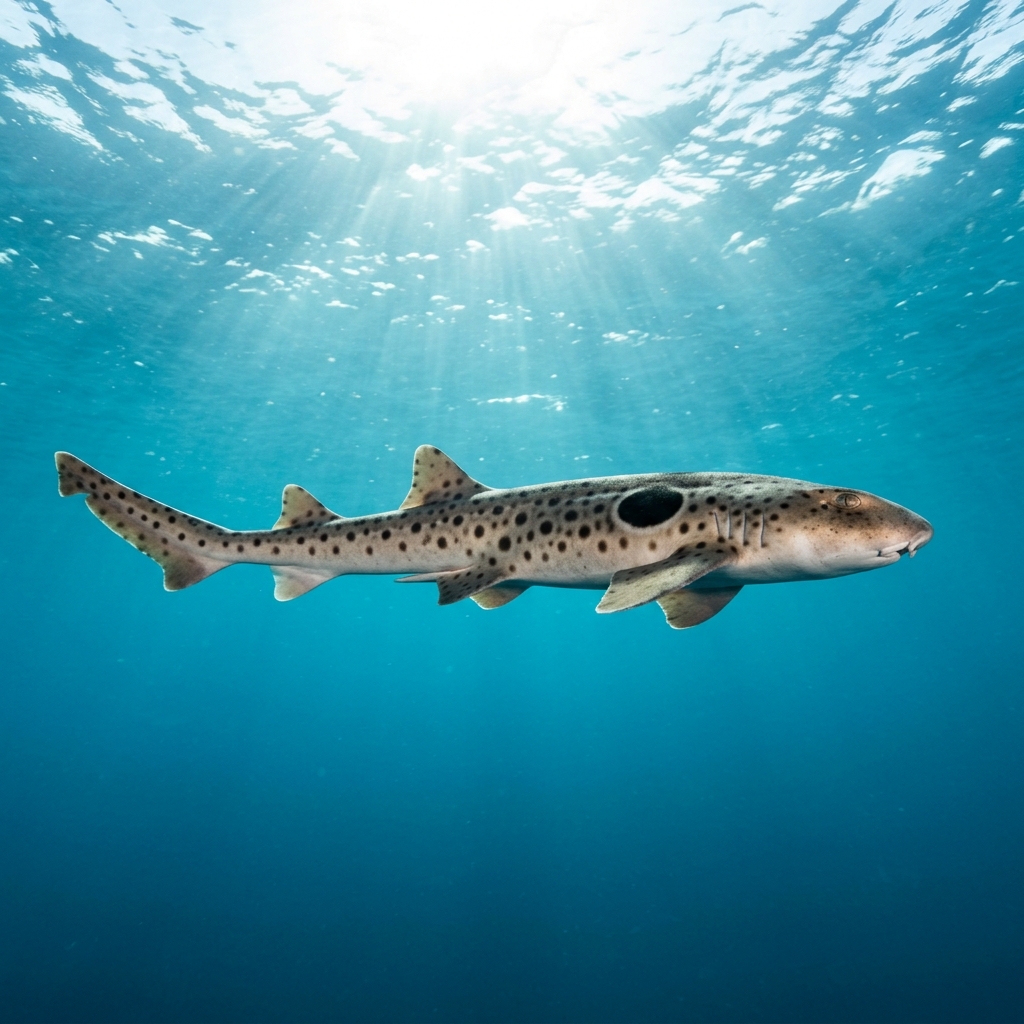
Heron Island's reef wraps closely around the island itself, giving divers immediate access to coral gardens, pinnacles, canyons and drift dives all from a compact site list. The underwater fauna leans heavily on cartilaginous animals: Blacktip Reef Shark, Whitetip Reef Shark, Lemon Shark, Epaulette Shark, Spotted Eagle Ray, Giant Guitarfish and Bottlenose Wedgefish are all observed across the sites. Three species of sea turtle, Green Sea Turtle, Loggerhead Sea Turtle and Hawksbill Sea Turtle, are recorded as very common. Most sites suit beginners, with North Bombie stepping up to intermediate level.
Monthly water temperature across Heron Island's sites, from satellite sea-surface data corrected for depth. The band shows the site-to-site spread.
Water temperature peaks through the warmer months of January to March and eases to its coolest from July through September, when visibility tends to be at its best and diver preferences in the histogram are highest. The cooler, calmer mid-year period from May to September draws the most visits, suggesting clearer conditions and more settled seas. Drift diving is possible at several sites, so checking current state before each dive is worthwhile.
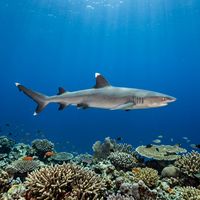
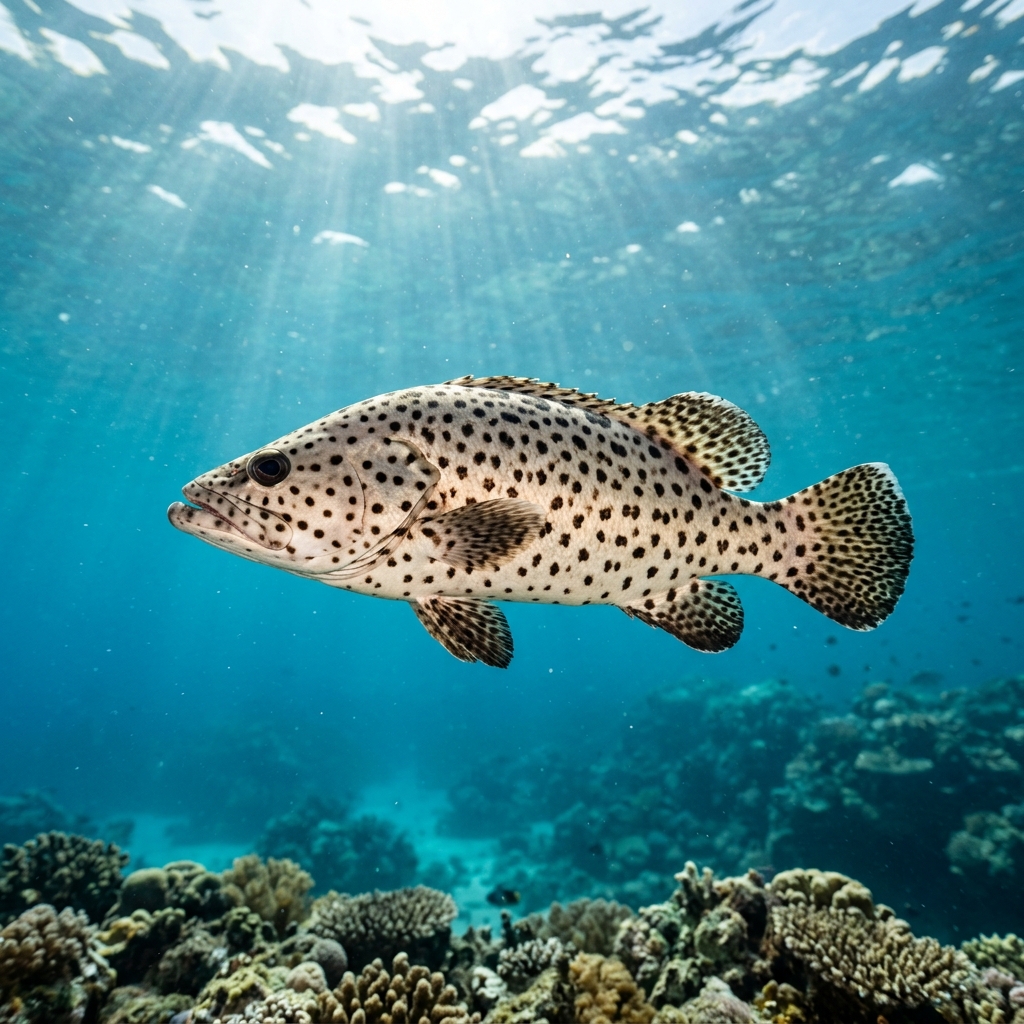
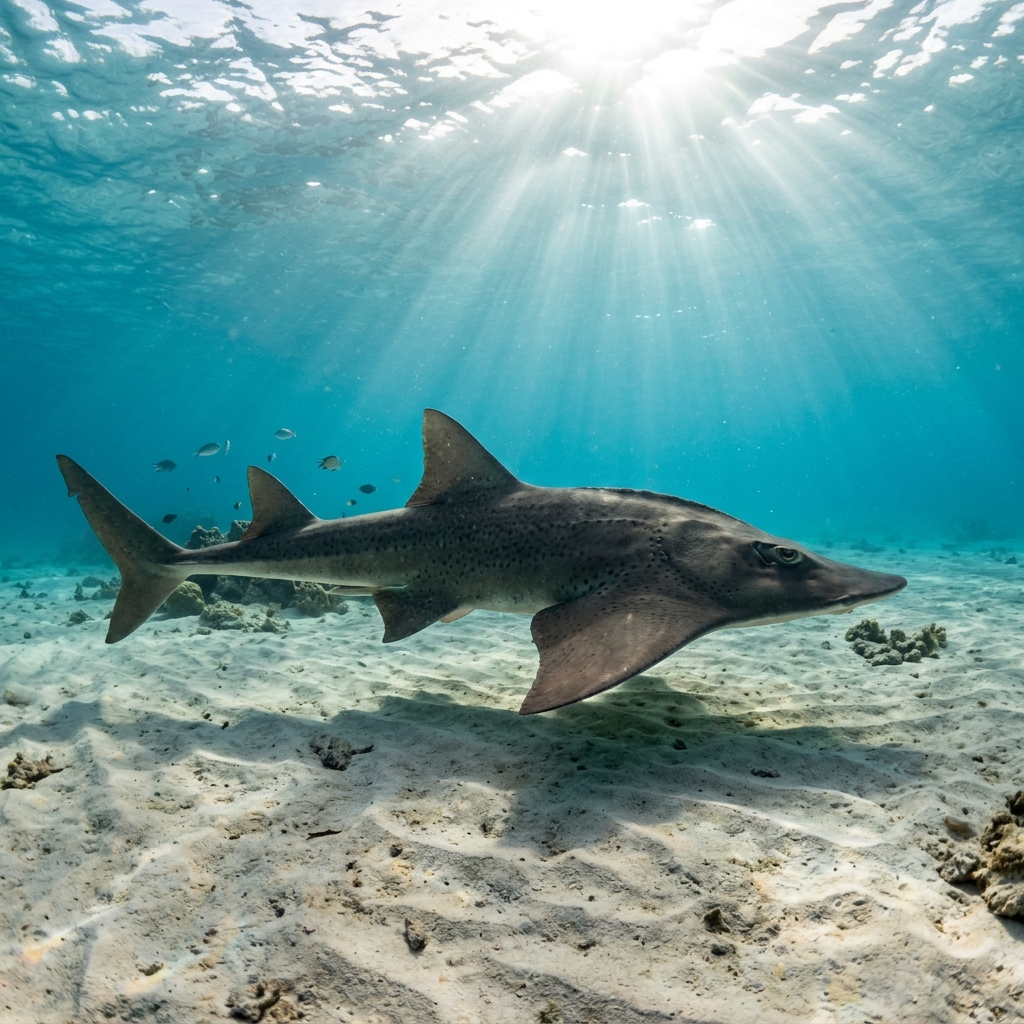
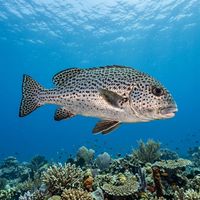
6 more sites to explore
Water temperature around Heron Island ranges from about 22°C in July to 28°C in February, based on satellite sea-temperature data for its dive sites.
In the warm season (about 28°C) a rash guard or 3mm shorty is comfortable in Heron Island; in the coldest months (about 22°C) step up to a 3mm full suit.
Fin maps 16 sites in Heron Island (16 scuba diving sites and 5 snorkelling spots, with some suited to both).
Across Heron Island's dive sites, May, June, July, August, September and October are most often reported as the best months to visit.
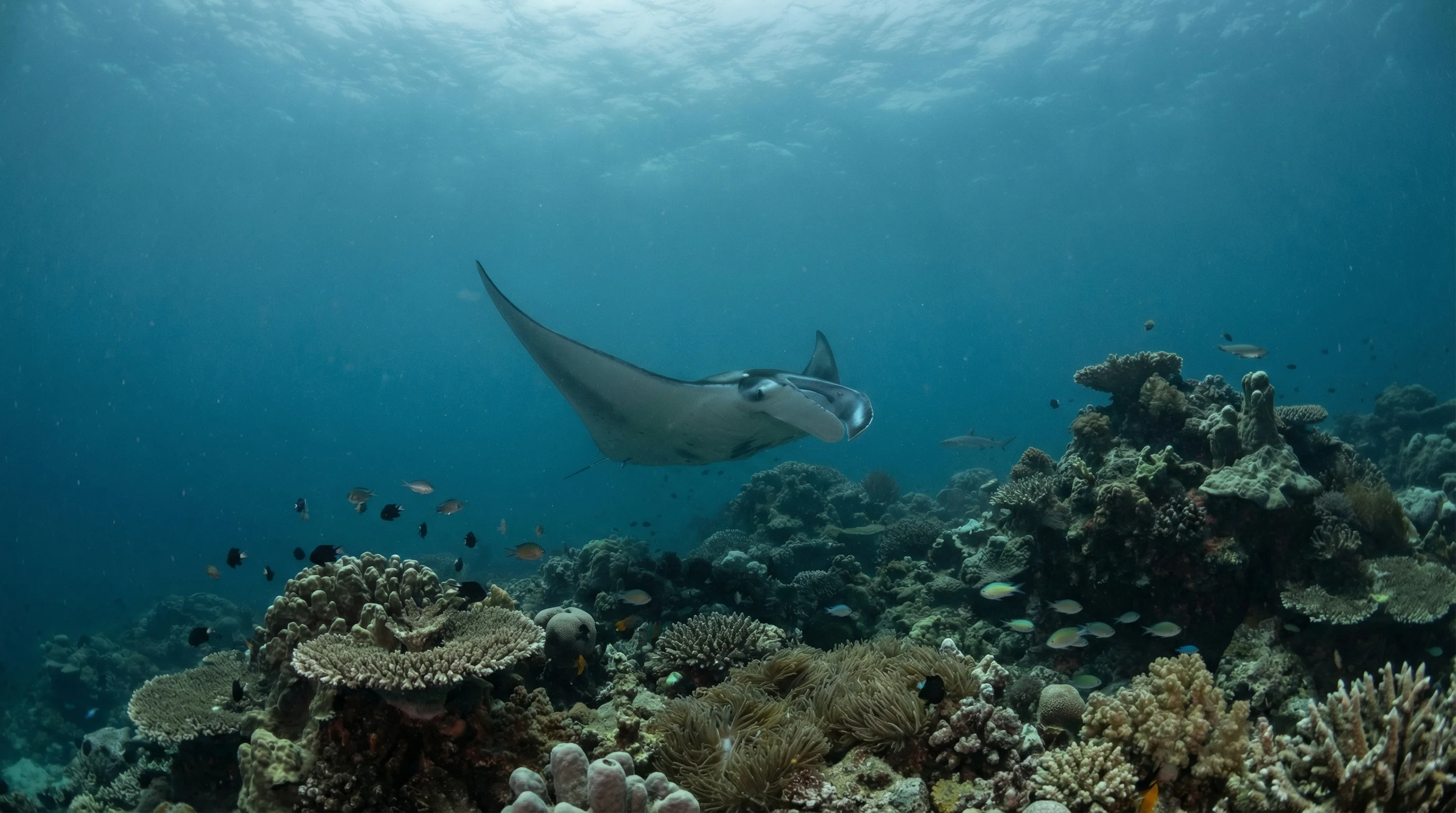
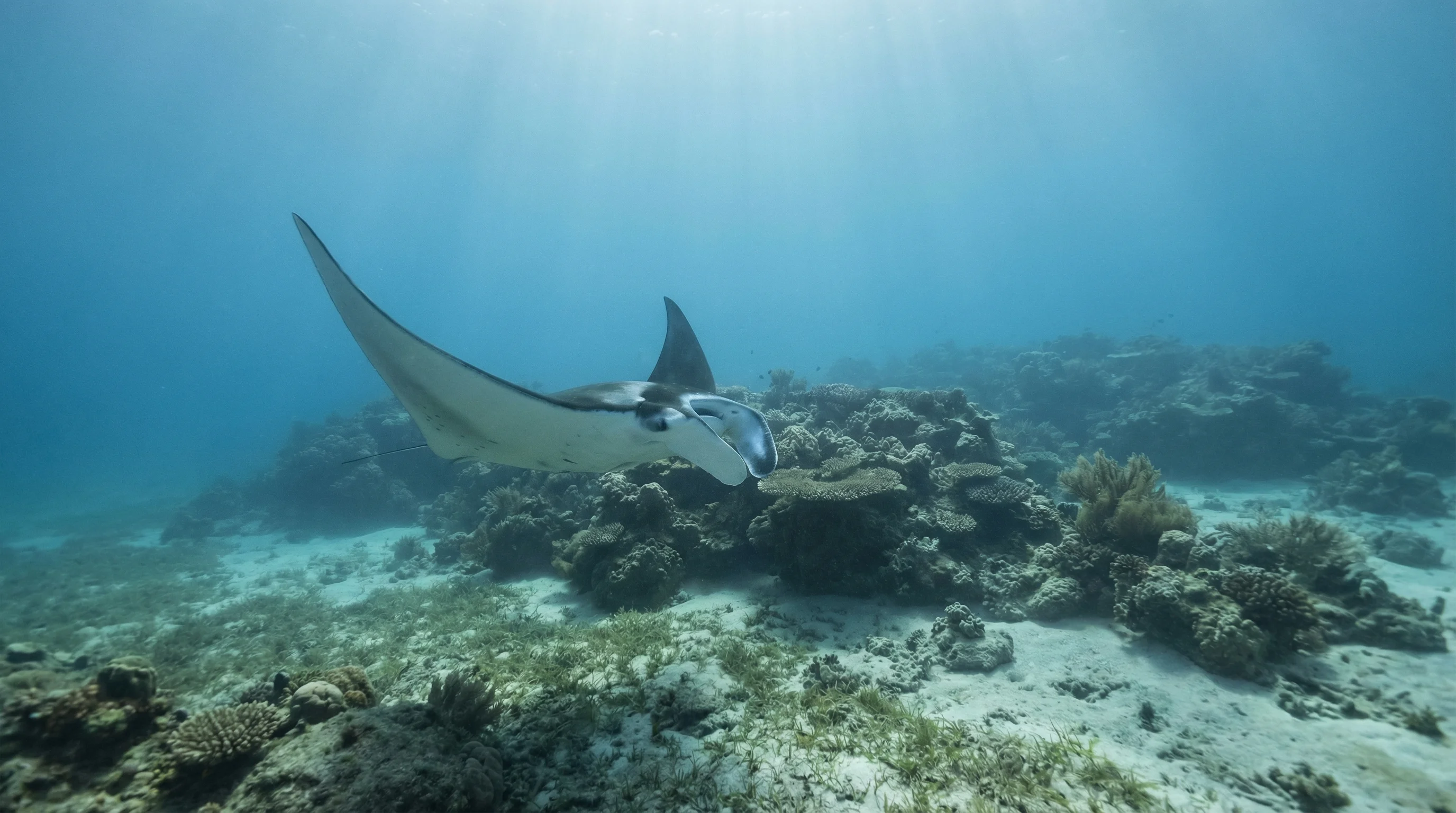
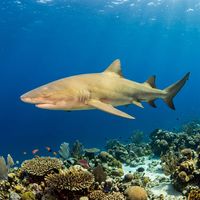
Heron Island has an unusually strong showing of sharks and rays. Blacktip Reef Shark, Whitetip Reef Shark, Lemon Shark and Epaulette Shark are all observed across the reef, alongside Spotted Eagle Ray, Giant Guitarfish, Bluespotted Fantail Ray and Mangrove Whipray. Three sea turtle species, Green Sea Turtle, Loggerhead Sea Turtle and Hawksbill Sea Turtle, are rated very common. Reef fish such as Barramundi Cod, Common Coral Trout, Harlequin Sweetlips and Moorish Idol round out a typical dive.
The large majority of listed sites are rated beginner level, covering reef, pinnacle, canyon and drift formats. Sites such as Boomies, Pams Point and Blue Pools offer gentle conditions with mild currents. North Bombie is the main step up, rated intermediate, so less experienced divers have plenty of options without feeling limited.
Most sites are reached by boat, and operators including Heron Island Marine Centre and Aldesta Heron Island Pty Ltd run trips to the reef. A small number of sites, including the Heron Island site itself and Blue Pools, also offer shore entry, which suits those who want to slip into the water independently. Snorkellers share several of the same boat-access sites as divers.
The site list covers reef, pinnacle, canyon, wall and drift formats, giving the area more variety than a single reef type would suggest. Coral Garden combines wall, reef and drift in one site, while Camp Ground is a dedicated drift reef. The Heron Island site itself includes a canyon alongside its pinnacle and reef structure, offering a noticeably different feel from the shallower bommie-style sites.