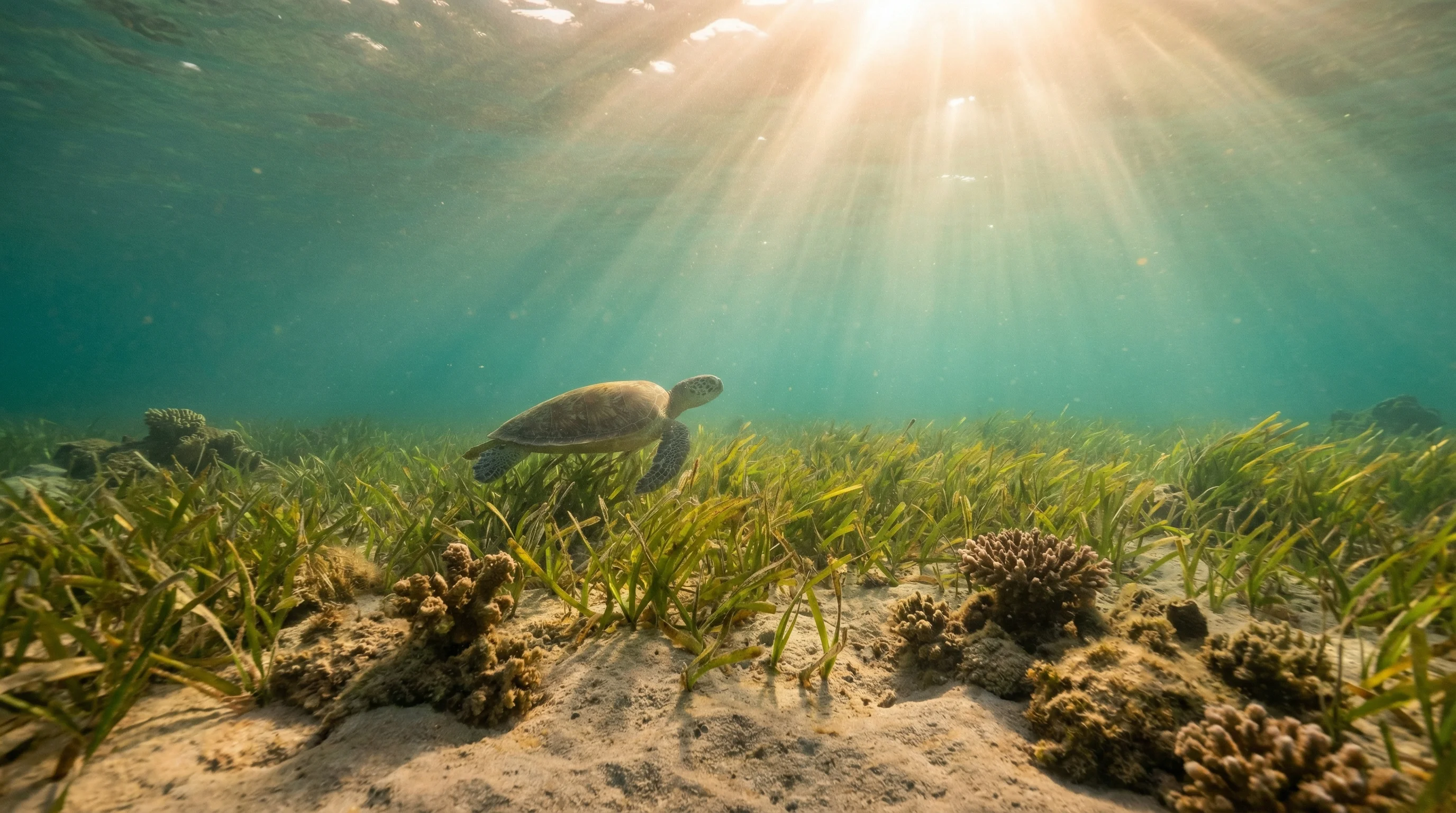
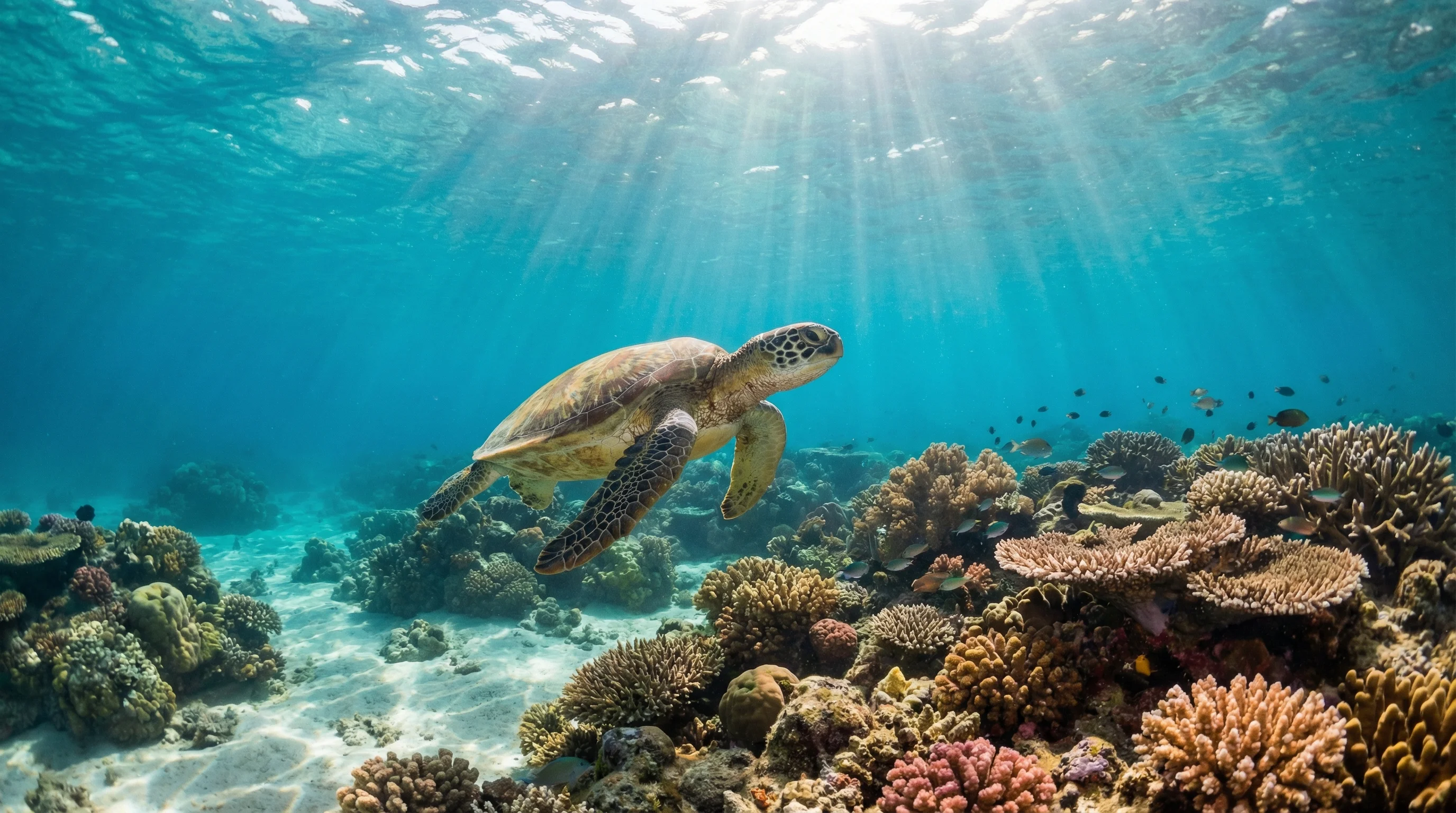
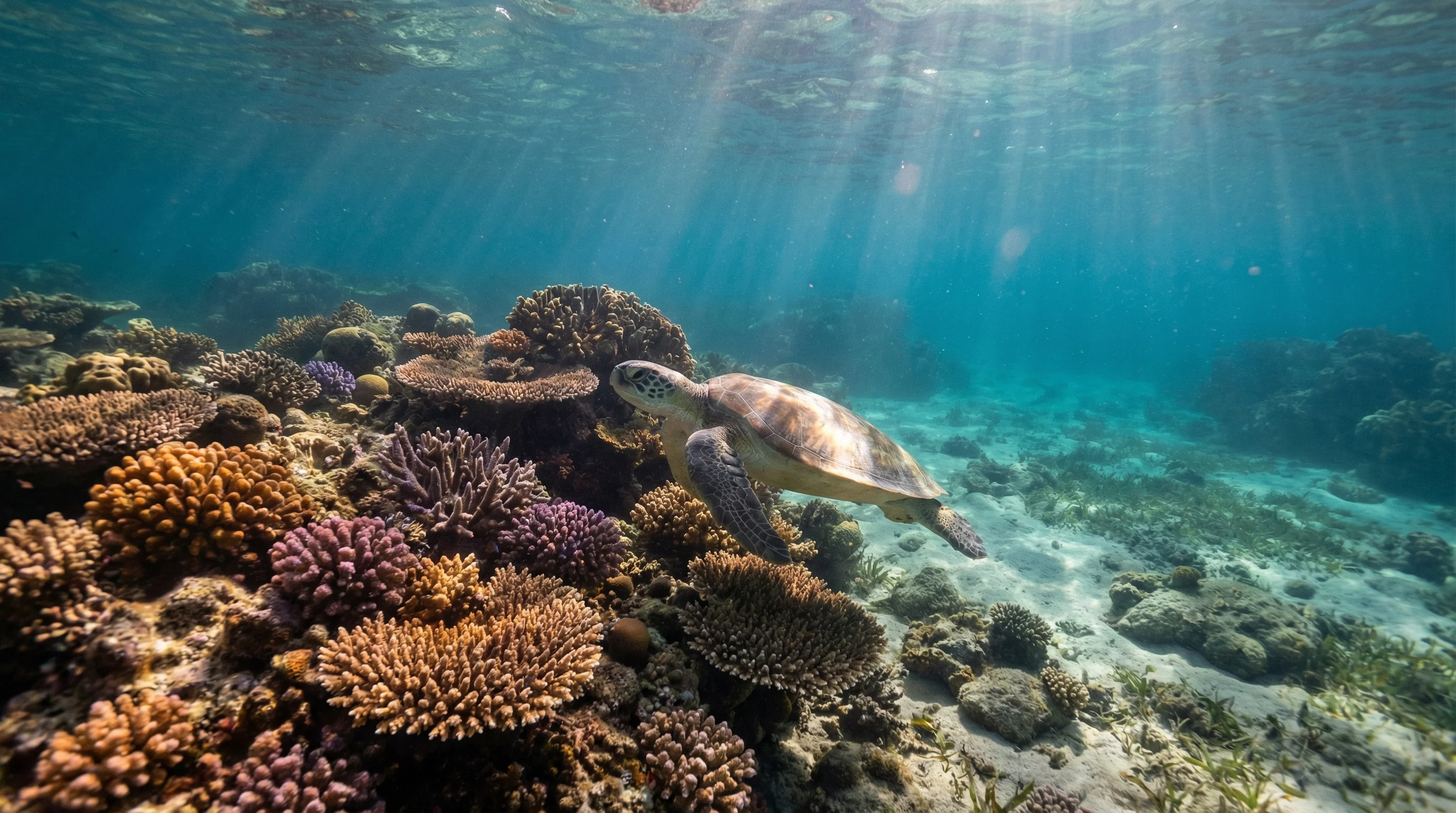
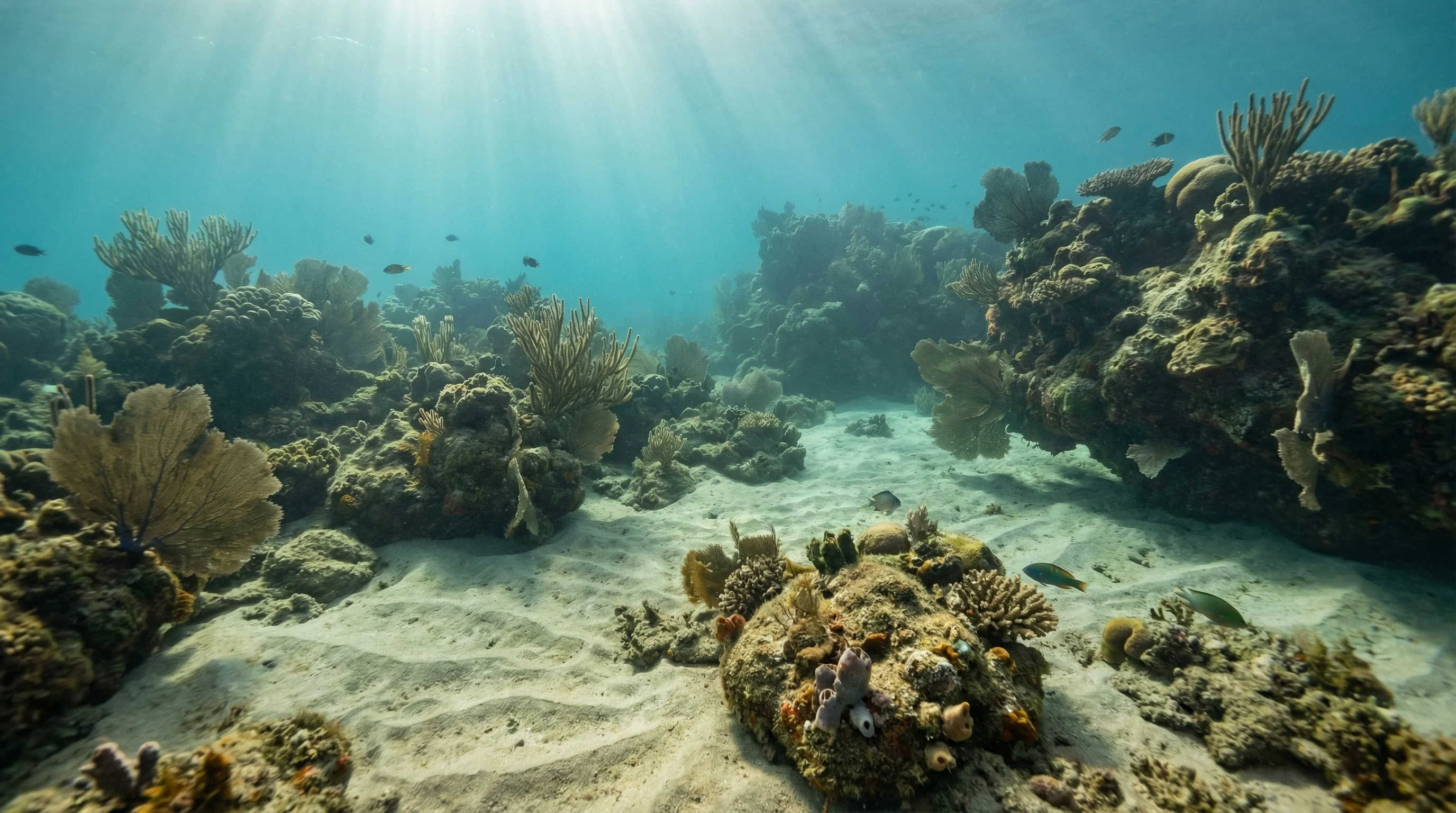
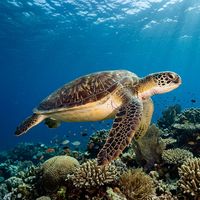
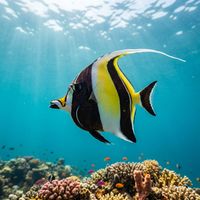
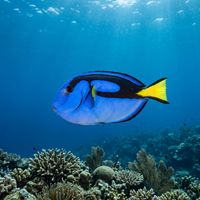
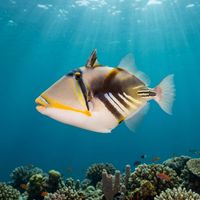
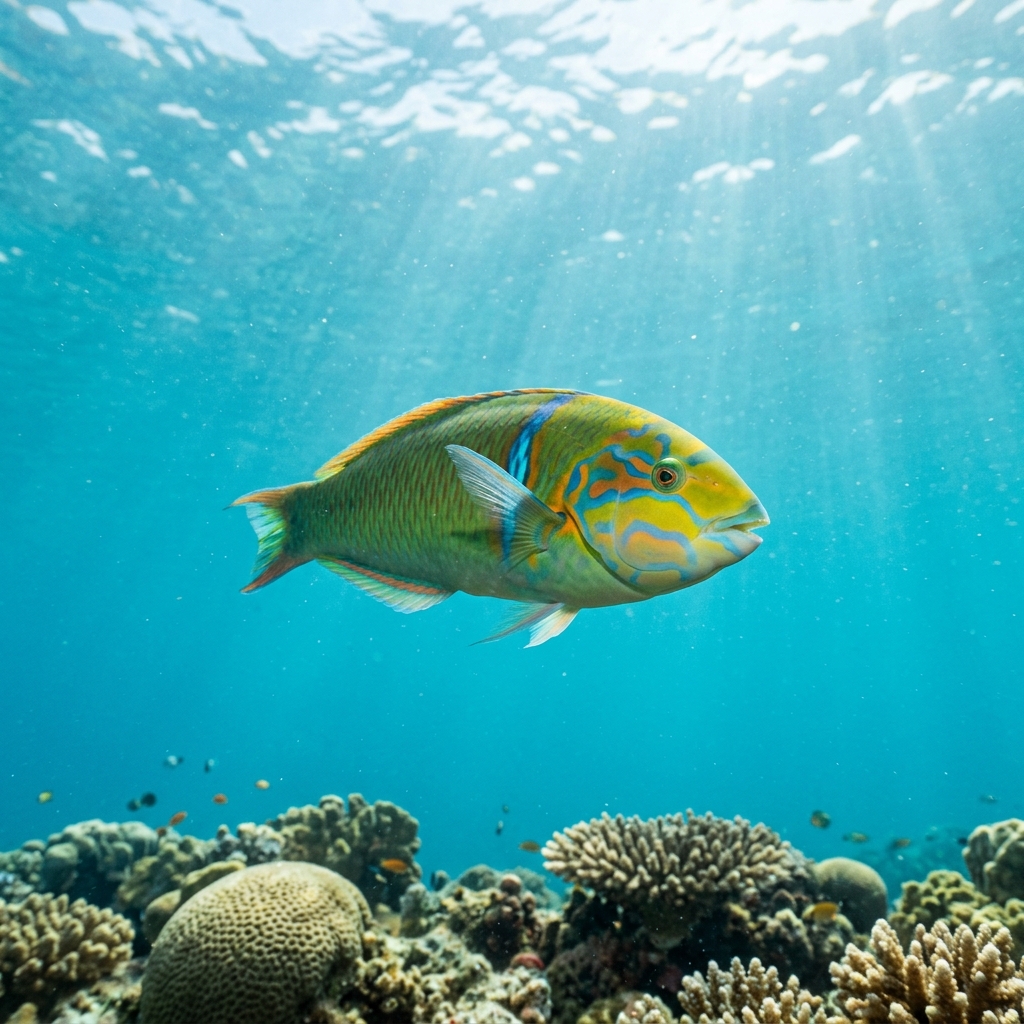
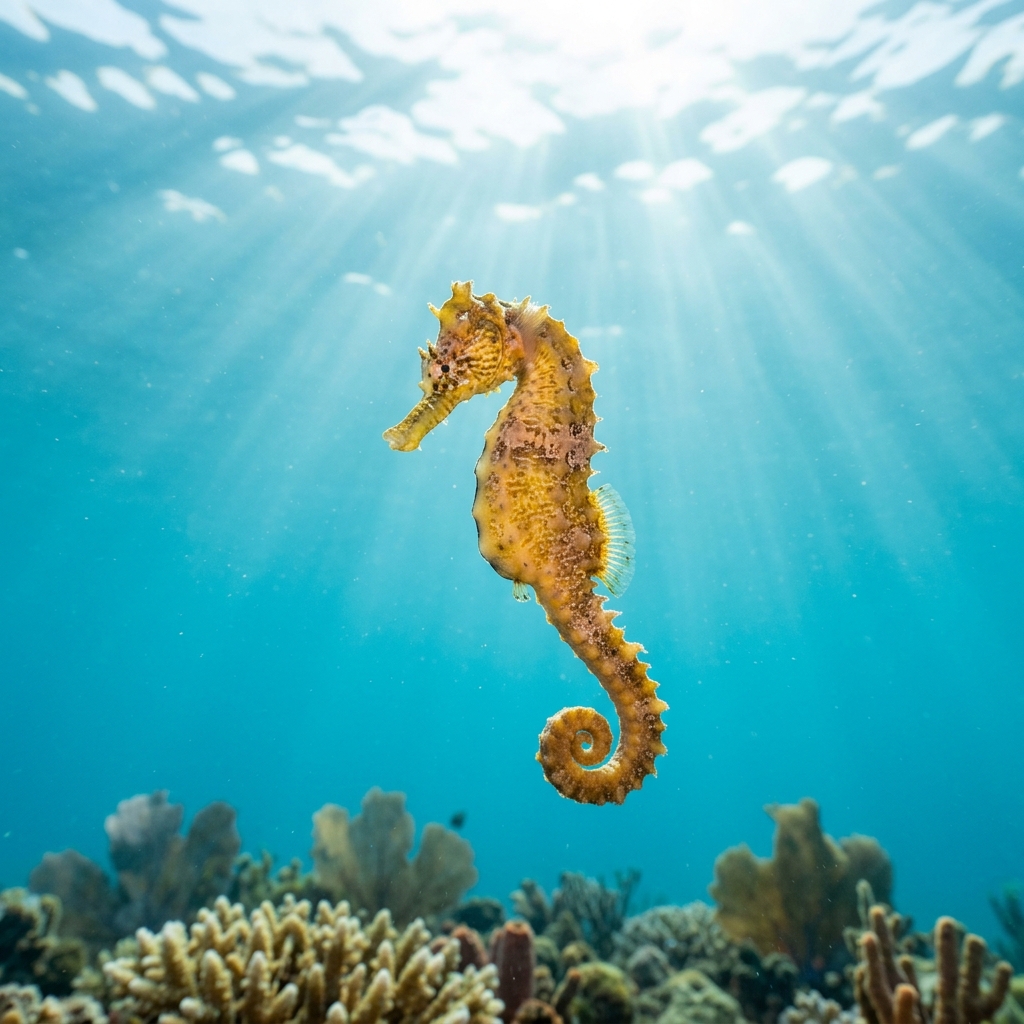
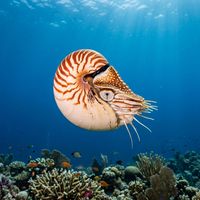
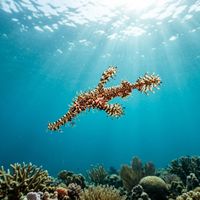
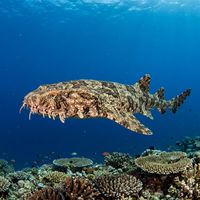
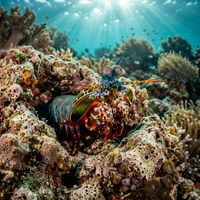
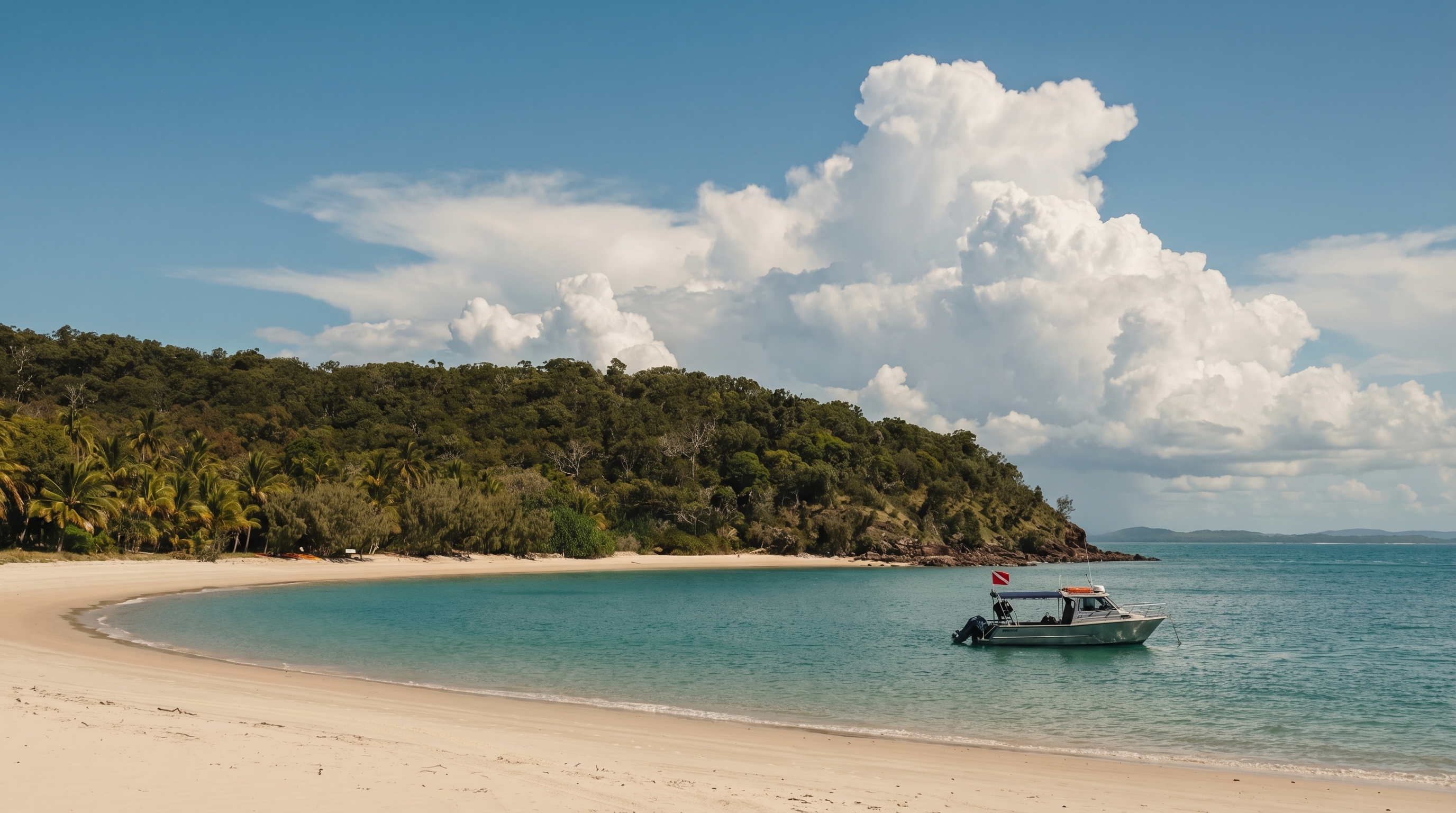
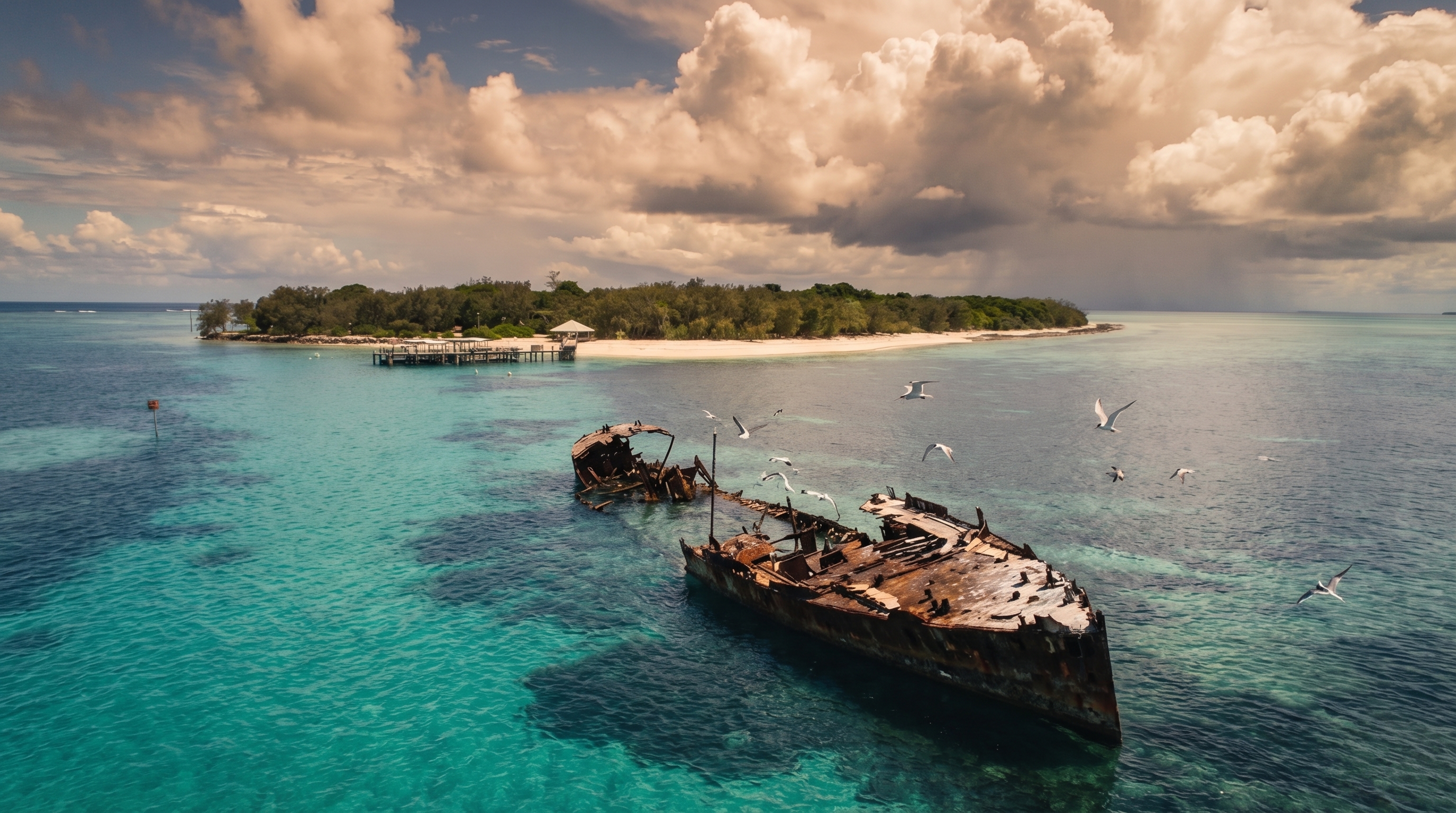
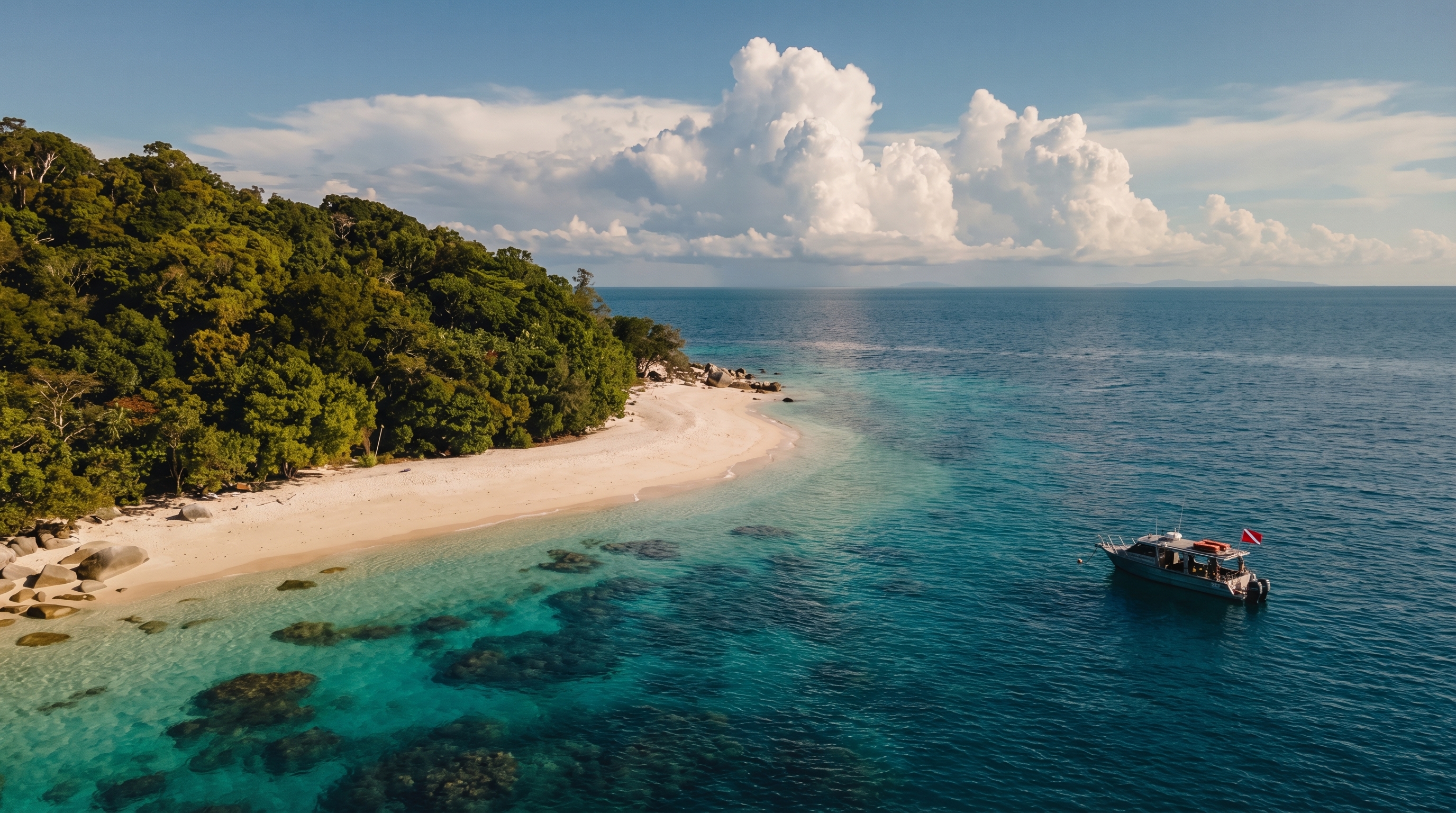
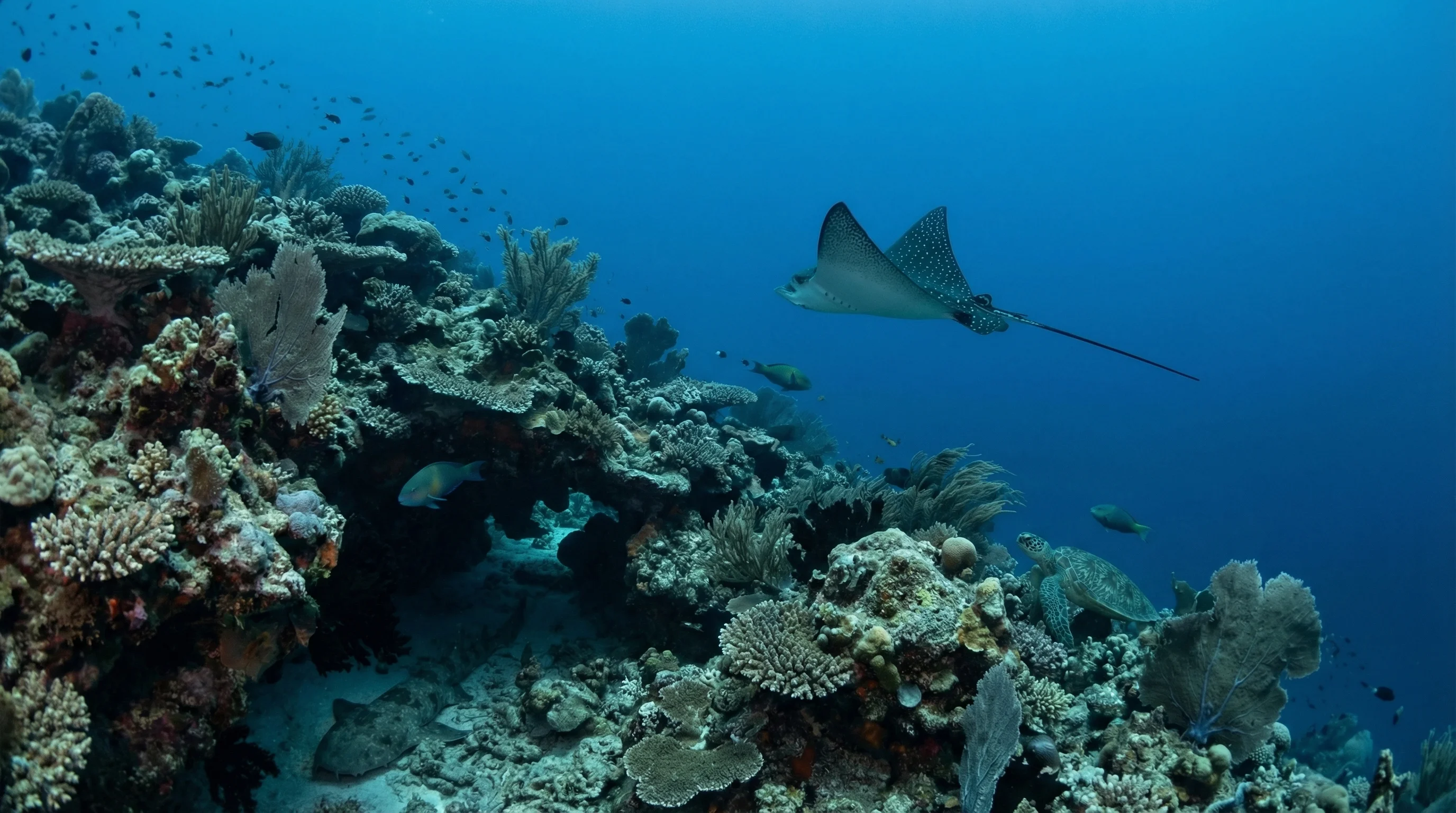
Gladstone Harbour serves as a gateway to the southern Great Barrier Reef, with its own local sites spread across reef, seagrass, and estuarine environments. The four sites in our database range from the sheltered seagrass shallows of Yellow Patch to the more exposed reef at Facing Island and the eastern side of Curtis Island. Sites are generally shallow and suited to beginners and intermediate divers, though currents can be strong, particularly on exposed eastern aspects. Recorded species include green sea turtles, whitetip reef sharks, ornate wobbegong, hairy frogfish, robust ghost pipefish, common seahorses, pharaoh cuttlefish, and knifetooth sawfish. Jellyfish are a noted seasonal hazard, and protective clothing is recommended. Water is warmest through summer and coolest in mid-winter.
Monthly water temperature across Gladstone Harbour's sites, from satellite sea-surface data corrected for depth. The band shows the site-to-site spread.
Water temperatures are warmest through summer and reach their lowest in mid-winter, spanning a moderate range across the year. Tidal flow within the estuary and exposure to open ocean on the eastern Curtis Island sites means currents require careful planning. Jellyfish presence varies seasonally, and a protective suit is advisable.
Water temperature around Gladstone Harbour ranges from about 20°C in July to 28°C in January, based on satellite sea-temperature data for its dive sites.
In the warm season (about 28°C) a rash guard or 3mm shorty is comfortable in Gladstone Harbour; in the coldest months (about 20°C) step up to a 5mm suit.
Fin maps 4 sites in Gladstone Harbour (2 scuba diving sites and 3 snorkelling spots, with some suited to both).
Across Gladstone Harbour's dive sites, May, June, July, August, September and October are most often reported as the best months to visit.
4 more sites to explore