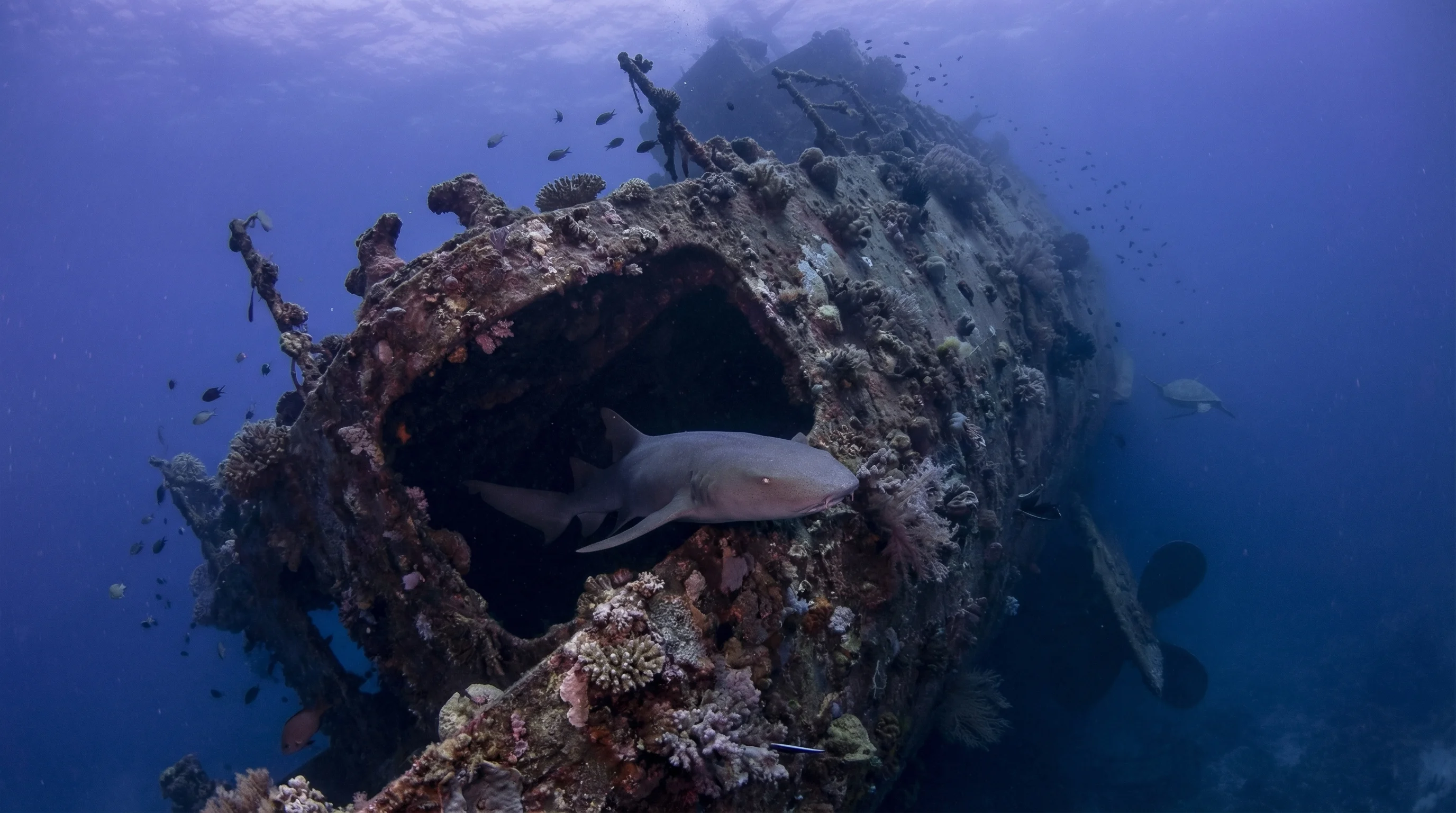
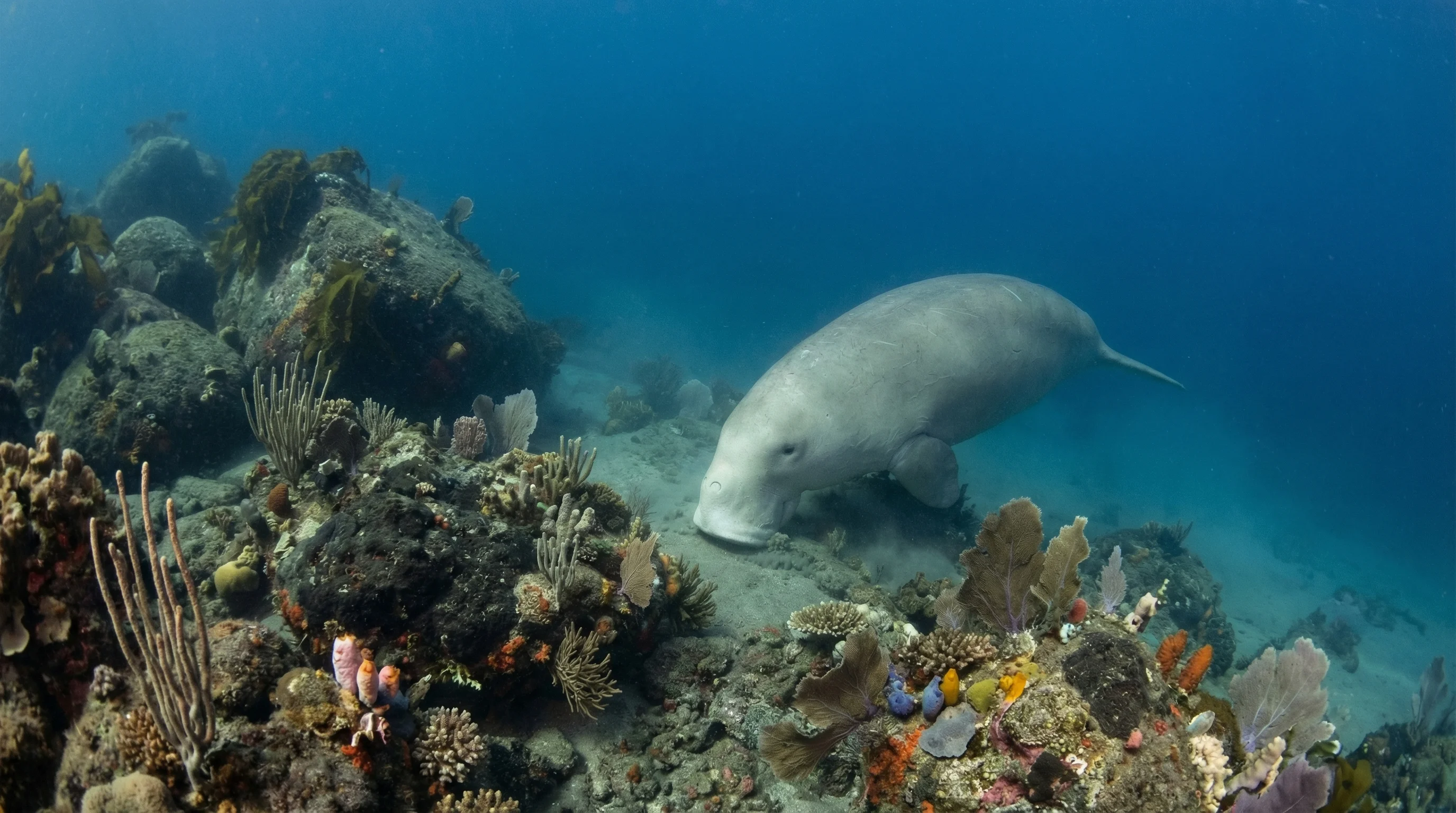
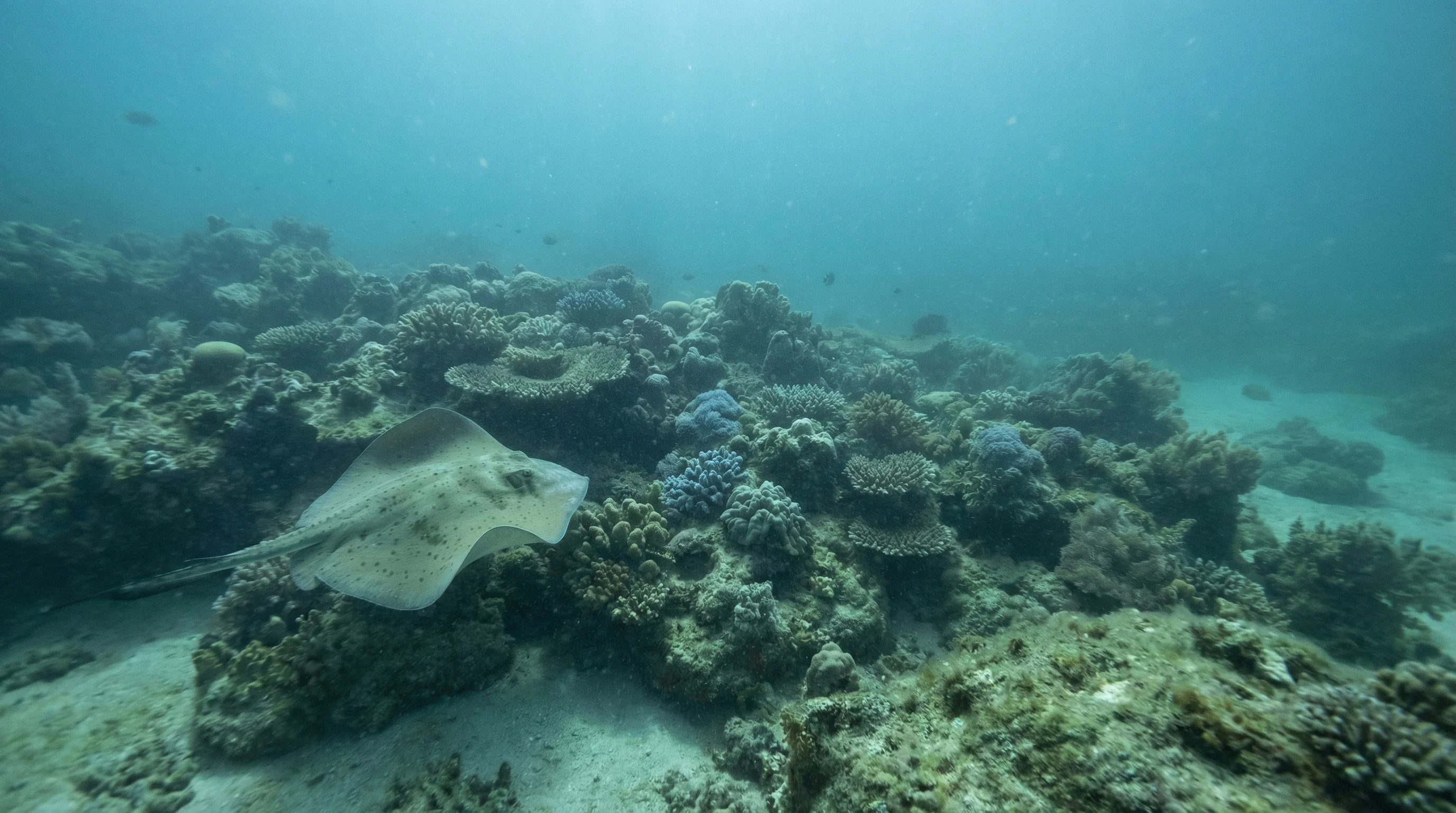
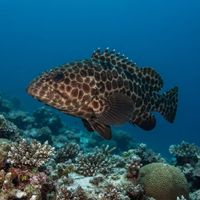
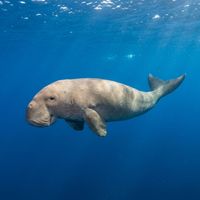
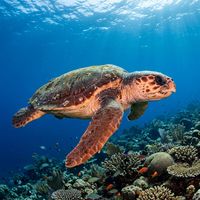
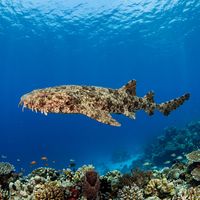
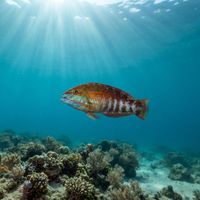
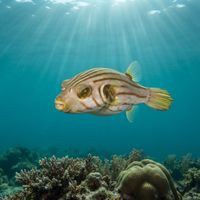
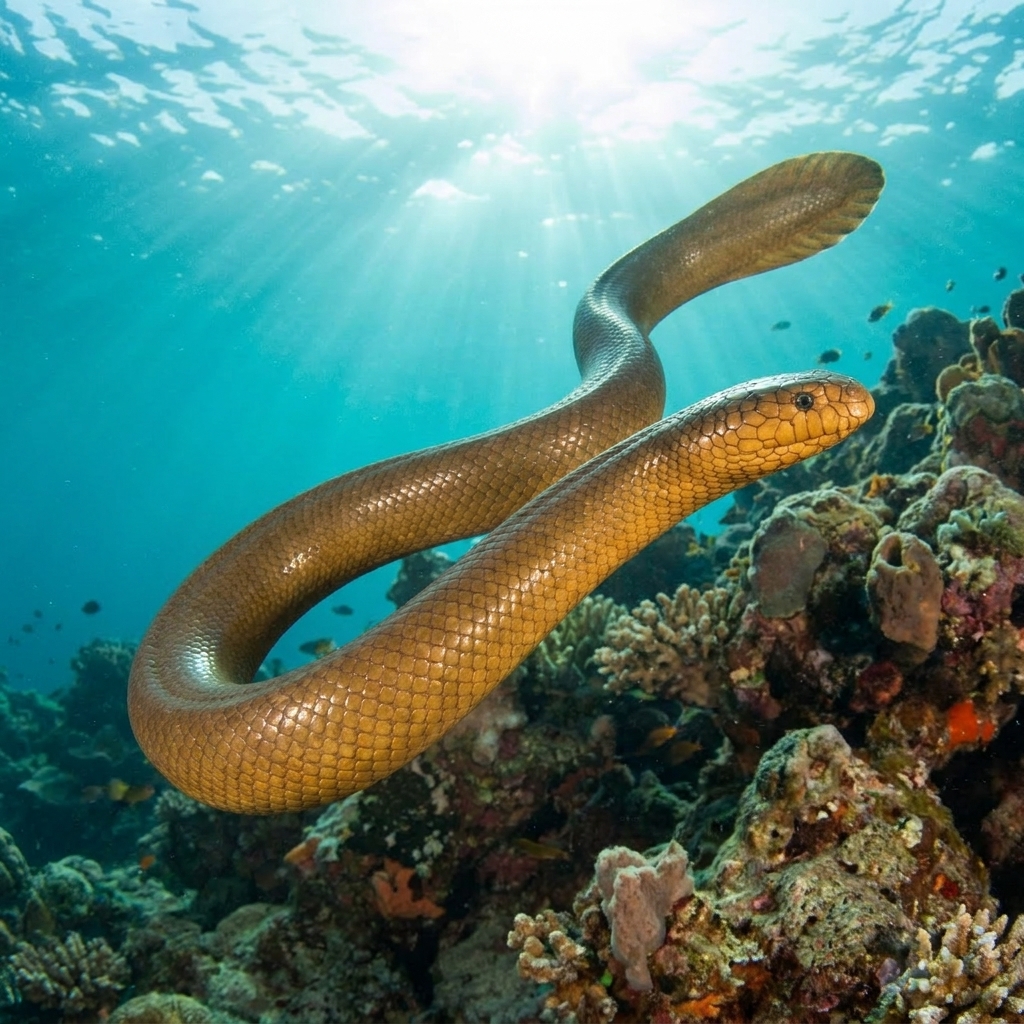
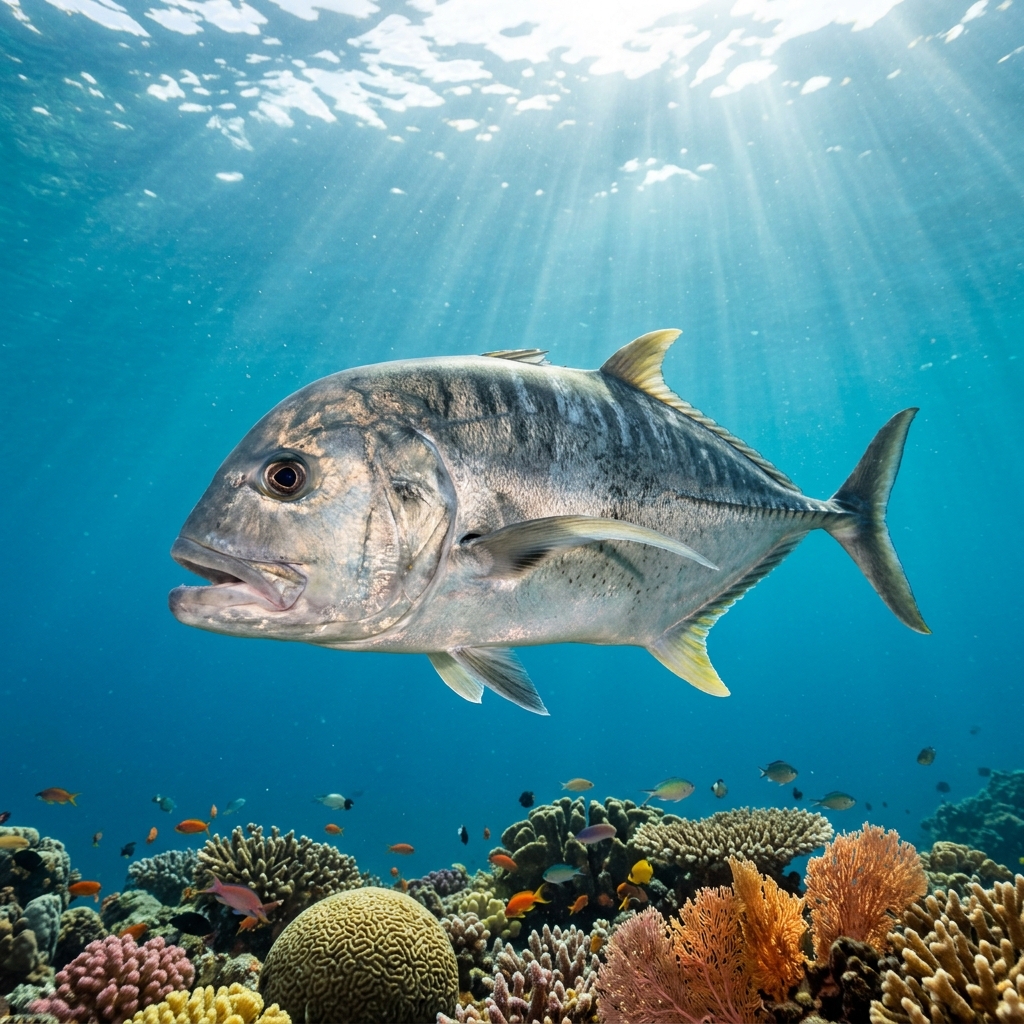
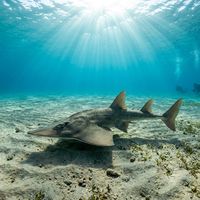
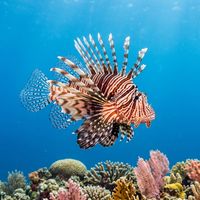
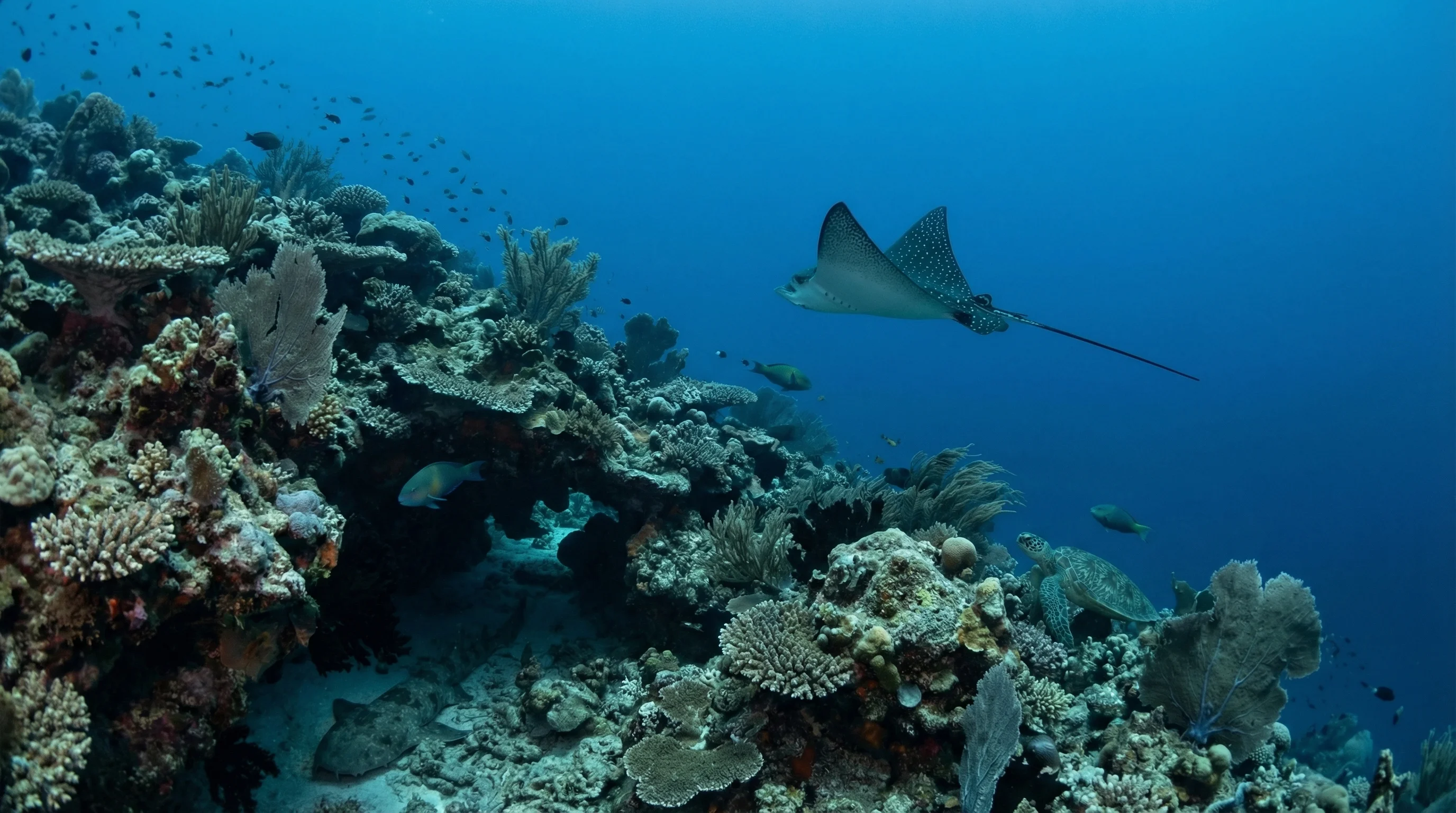
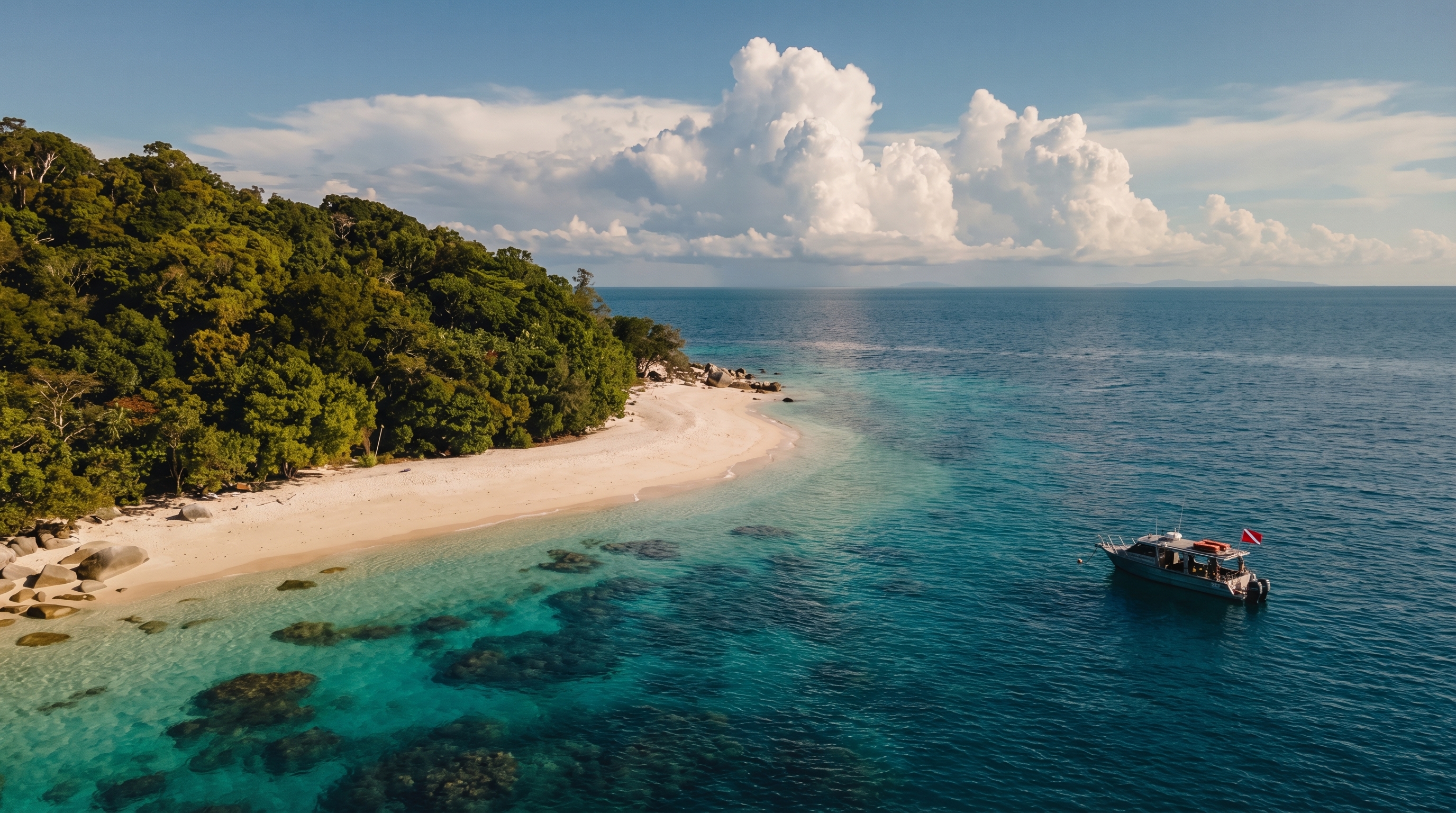
The Bundaberg Coast faces the Pacific Ocean in Queensland and serves as a base for both shore reef dives and the ex-HMAS Tobruk, a decommissioned navy vessel sunk as an artificial reef and accessible by boat. Barolin Rocks and Blue Rocks are shore-accessible volcanic reef sites suited to beginners, though uneven rock entries can be demanding in swell. The Tobruk is strictly advanced diving, with strong currents and depths to thirty metres. Water temperatures are warmest from late spring through summer and coolest in mid-winter. Five operators run from Bundaberg. Recorded species include loggerhead sea turtles, dugong, ornate wobbegong, giant trevally, coral trout, and lionfish.
Monthly water temperature across Bundaberg Coast's sites, from satellite sea-surface data corrected for depth. The band shows the site-to-site spread.
Water is warmest in summer and cools to its lowest in mid-winter, when a thicker wetsuit is worthwhile. Visibility on the Tobruk can reach twenty-five metres in good conditions but drops after rainfall. Shore sites at Barolin Rocks and Blue Rocks can carry a mild tidal current that enables drift diving.
5 operators
Water temperature around Bundaberg Coast ranges from about 19°C in July to 28°C in February, based on satellite sea-temperature data for its dive sites.
In the warm season (about 28°C) a rash guard or 3mm shorty is comfortable in Bundaberg Coast; in the coldest months (about 19°C) step up to a 5mm suit.
Fin maps 3 sites in Bundaberg Coast (2 scuba diving sites and 3 snorkelling spots, with some suited to both).
Across Bundaberg Coast's dive sites, June, July, August and September are most often reported as the best months to visit.
2 more sites to explore