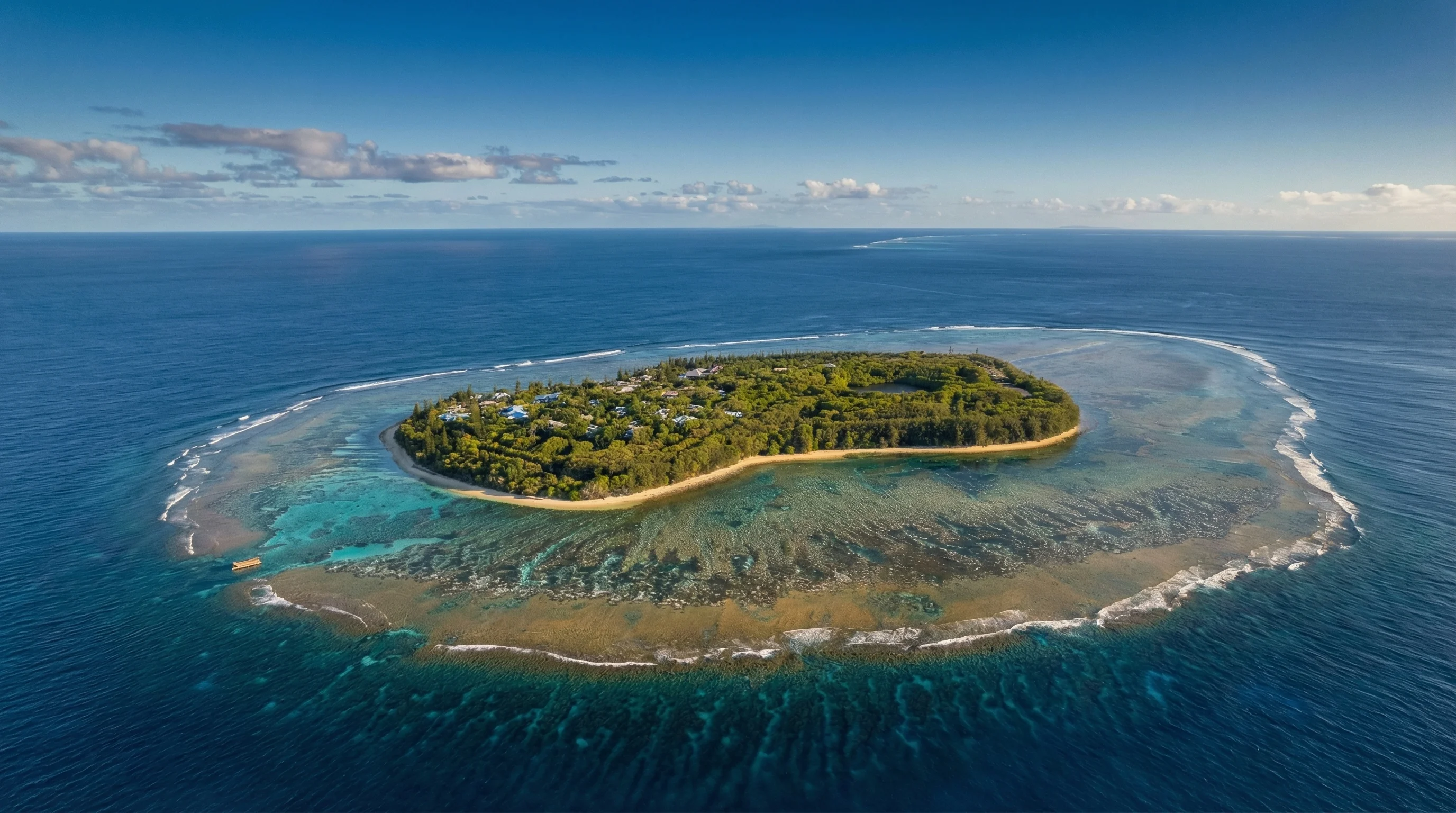
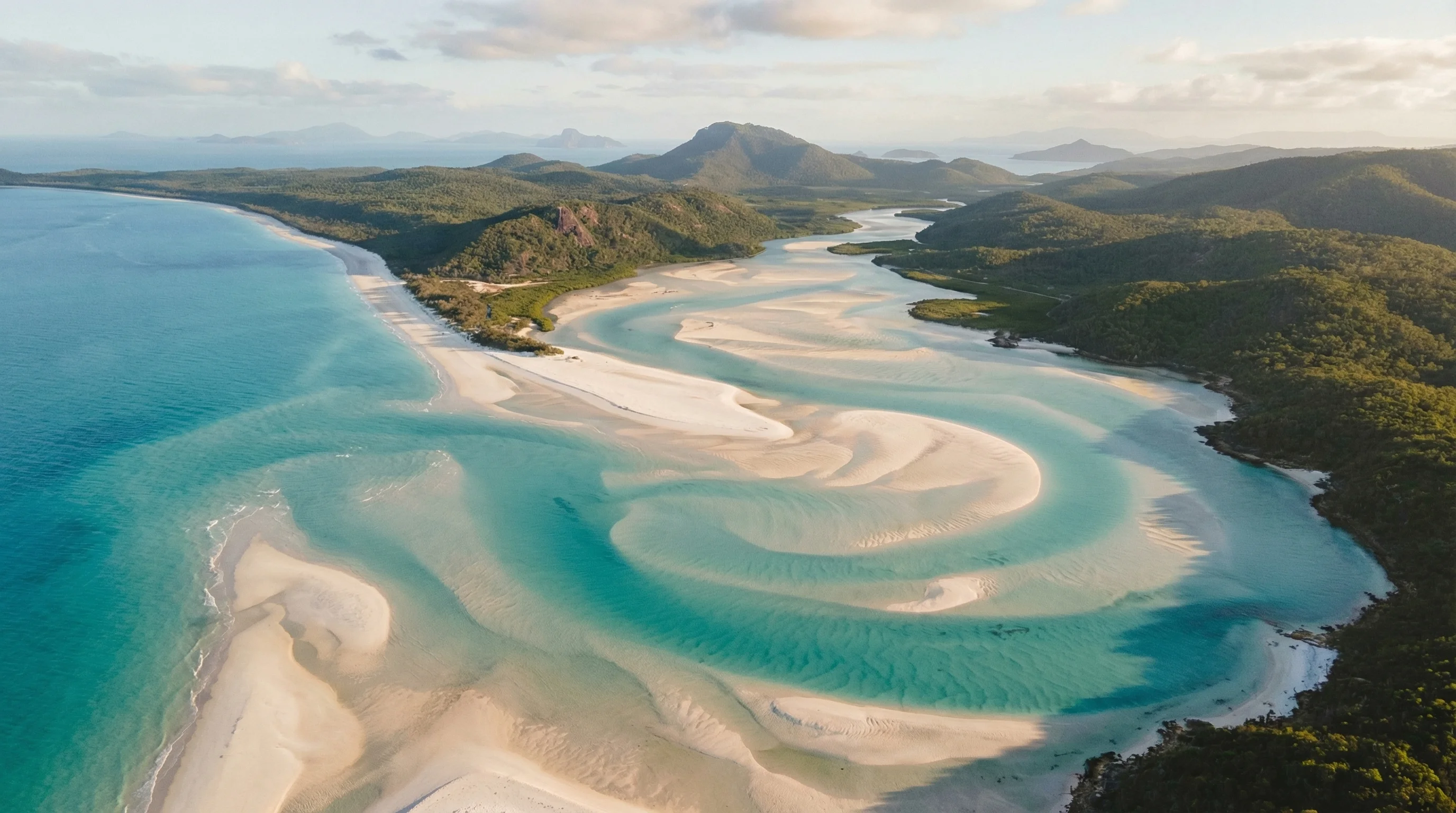
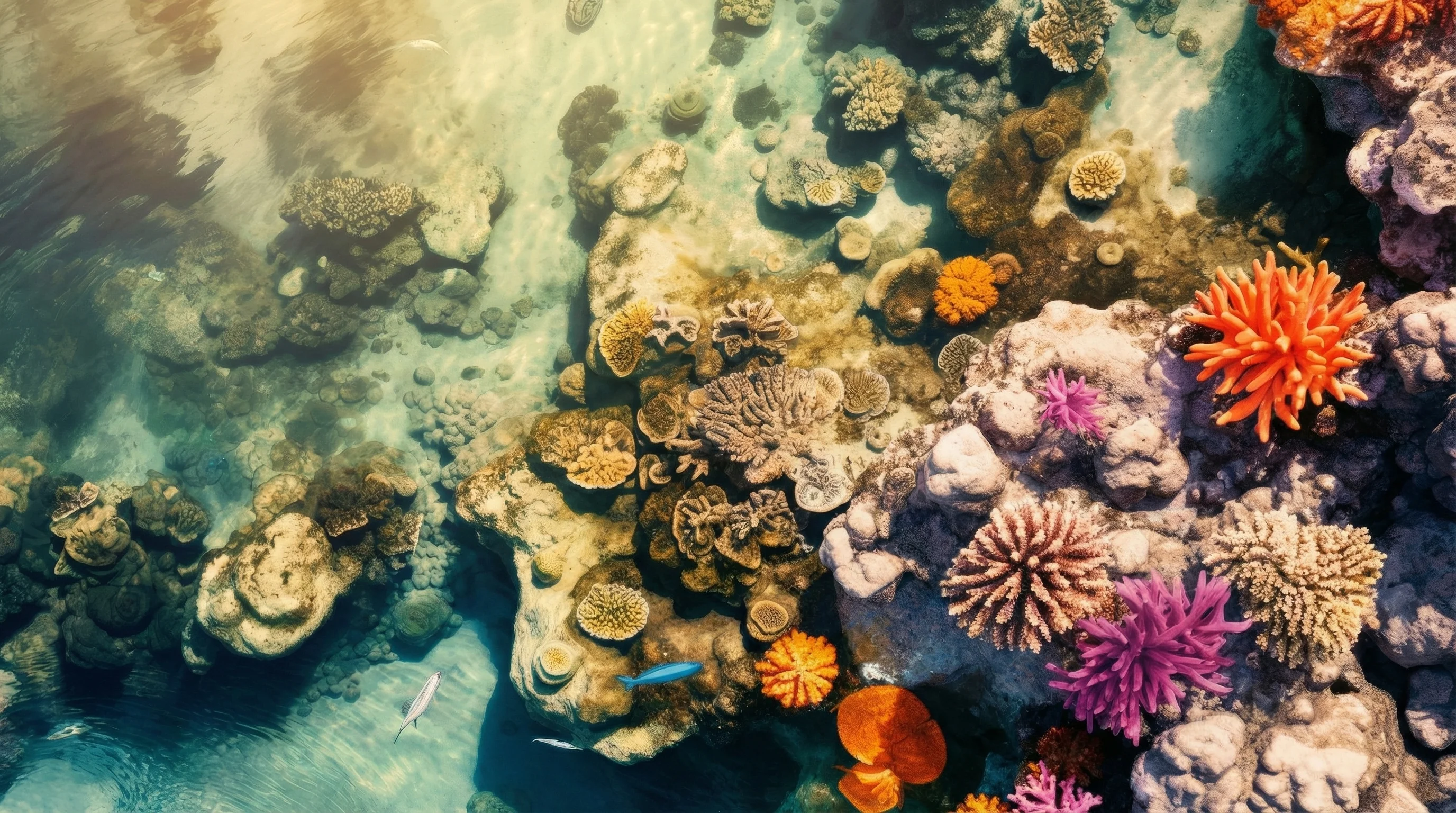
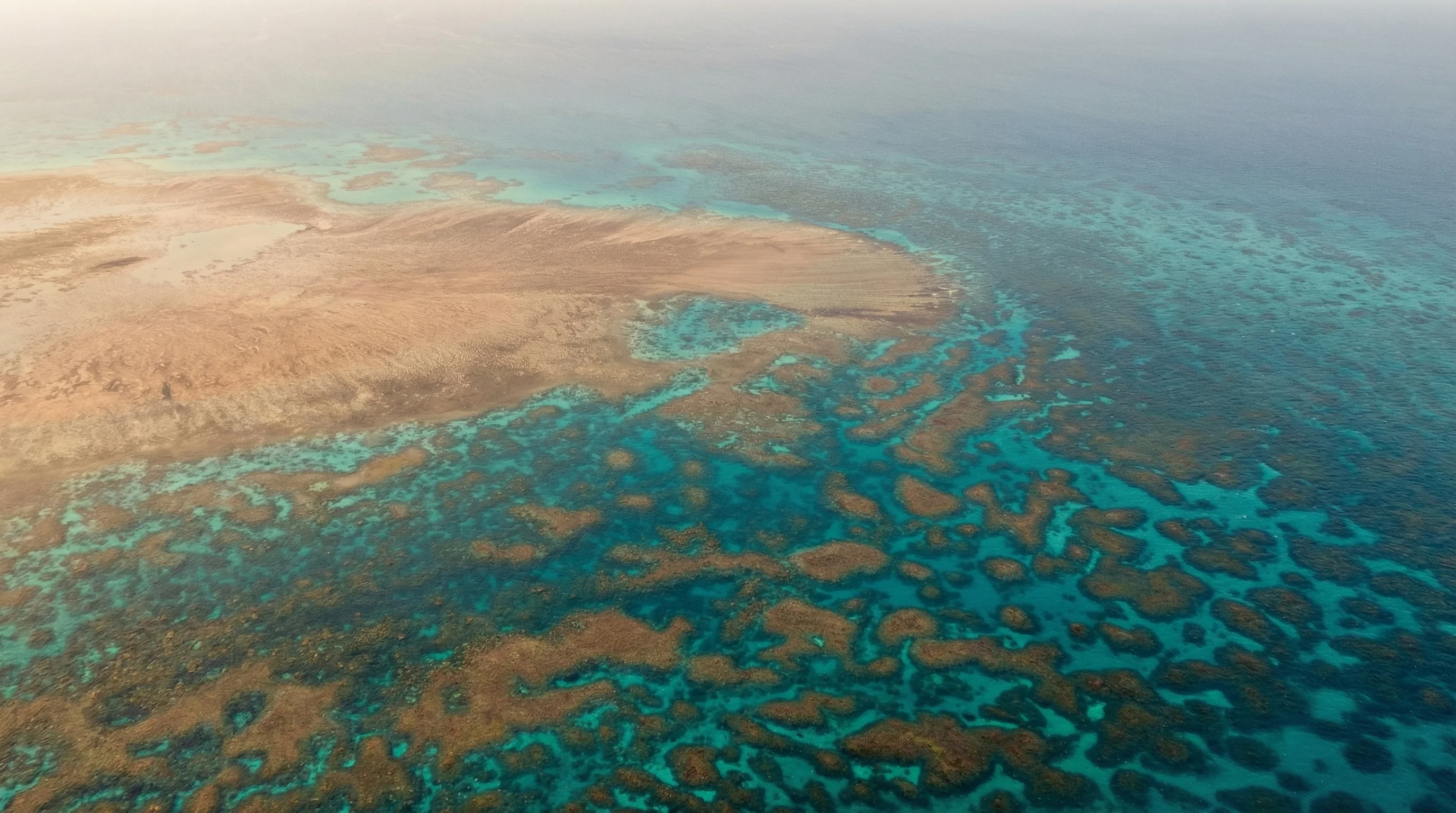
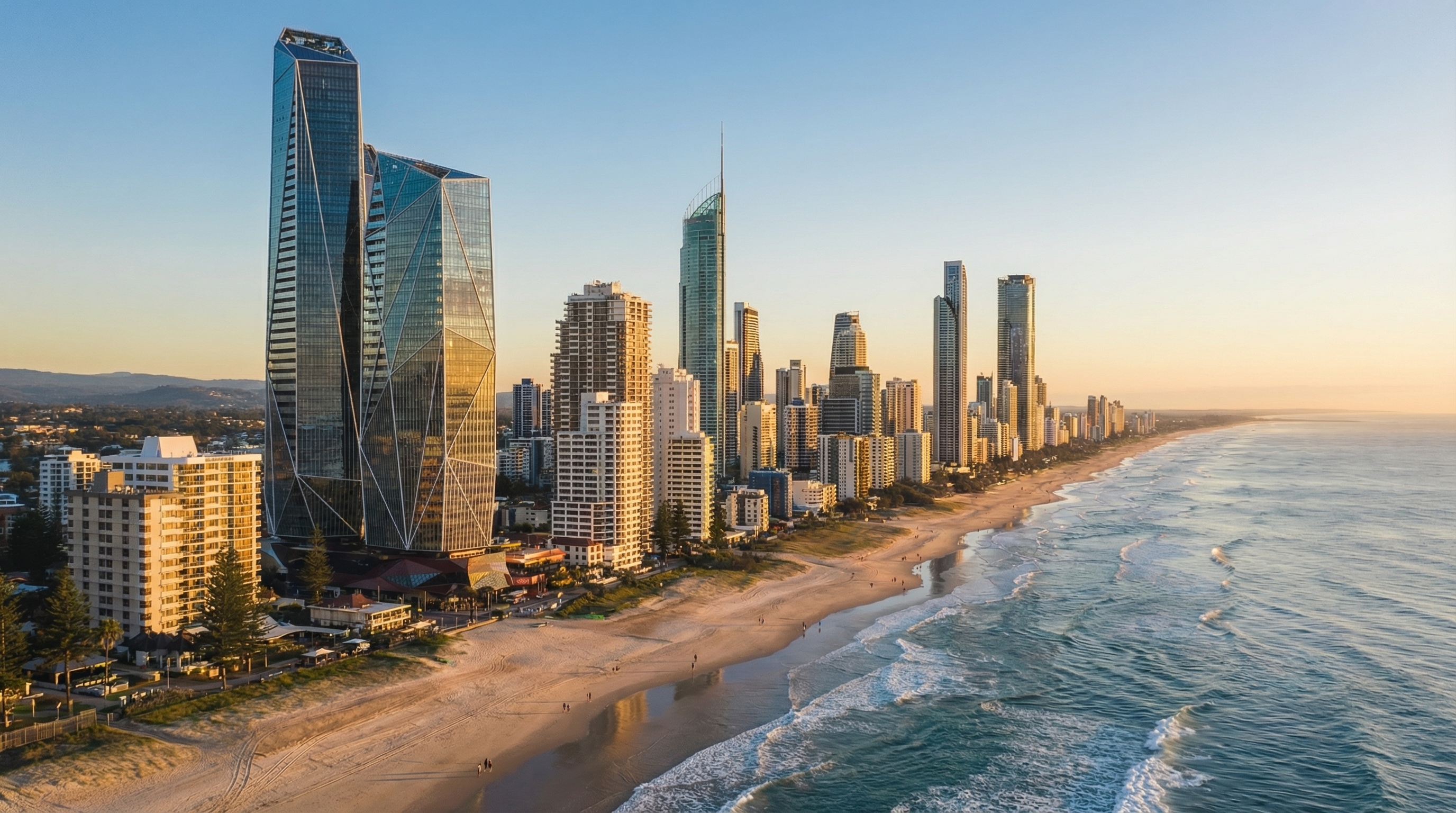
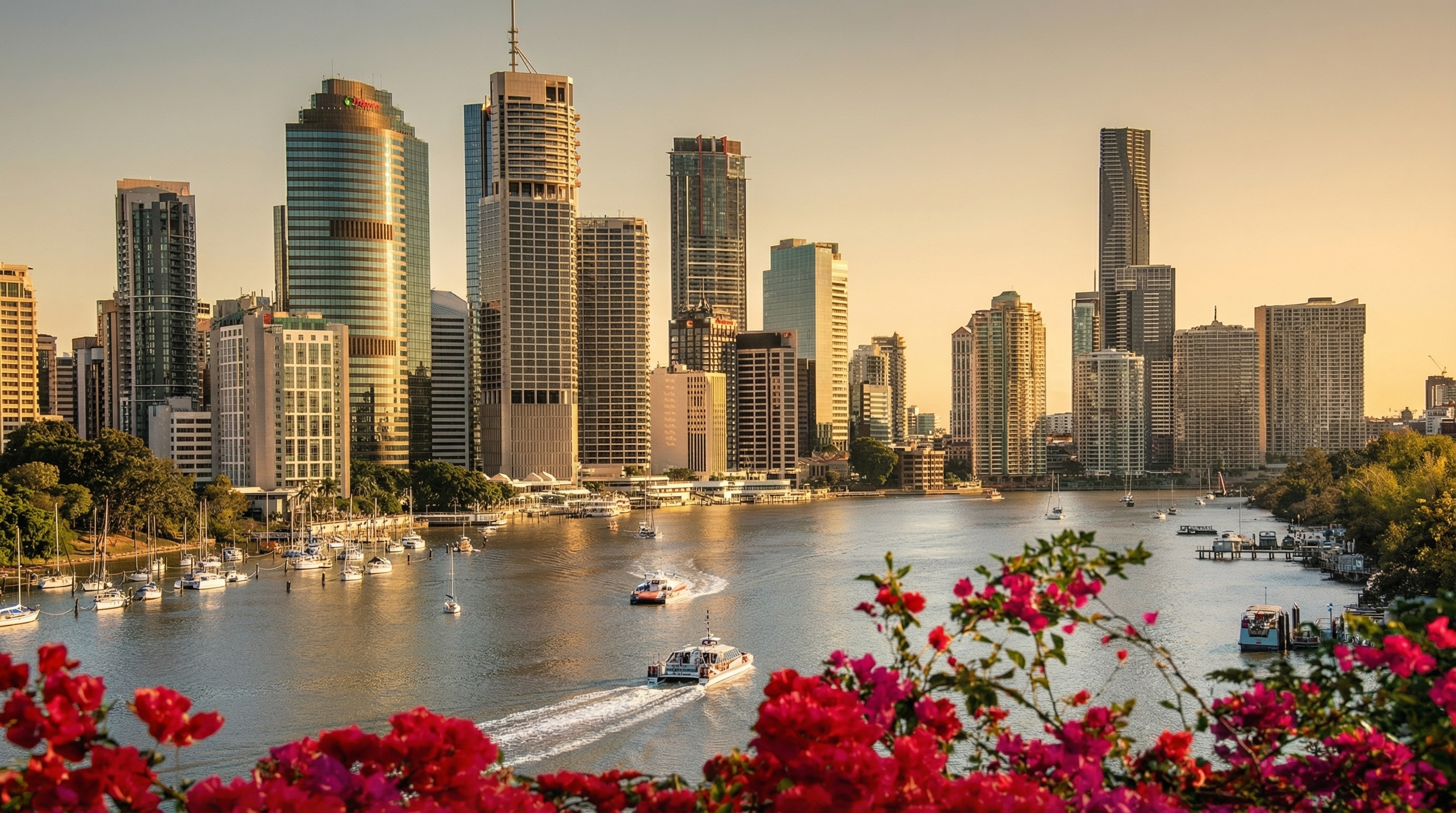
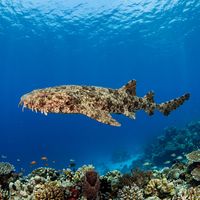
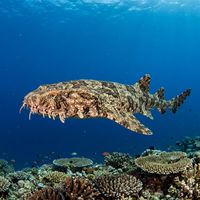
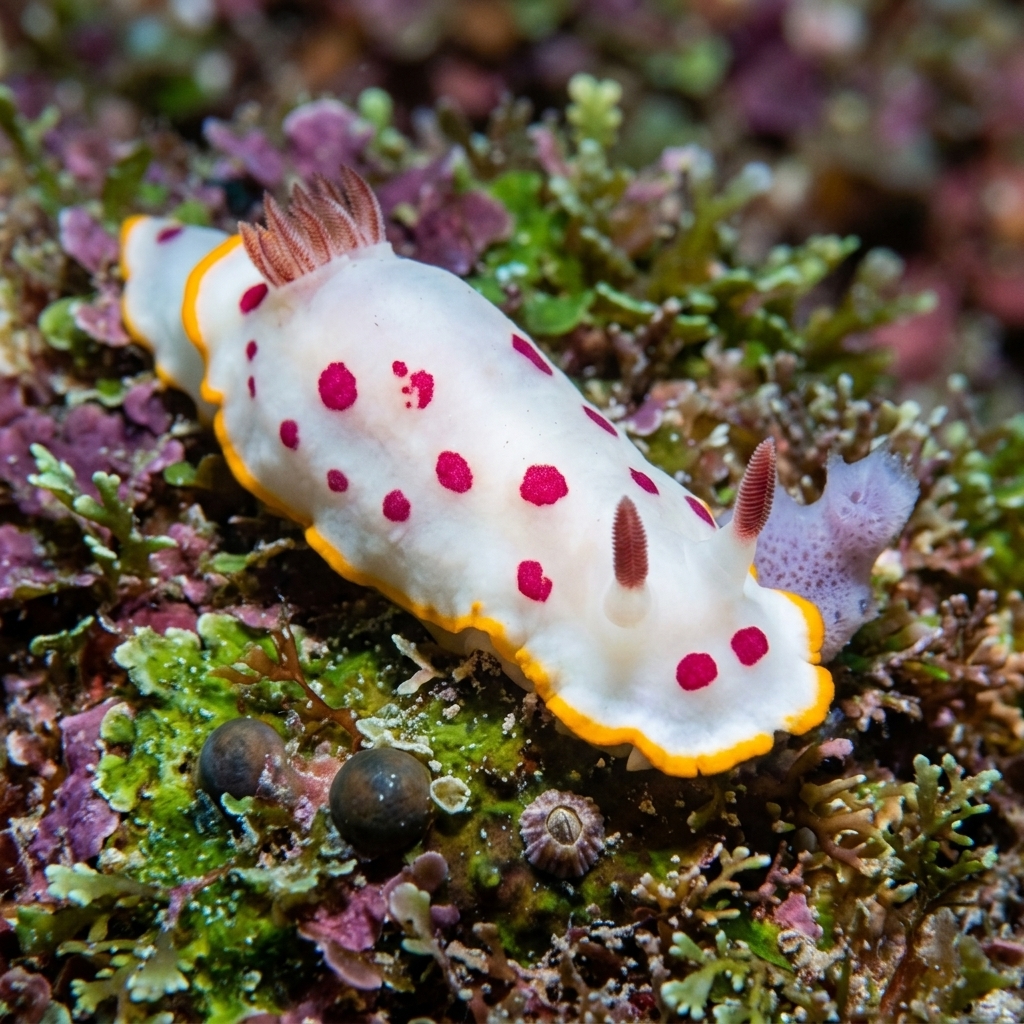
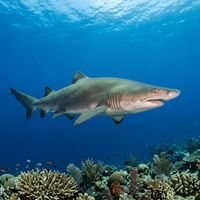
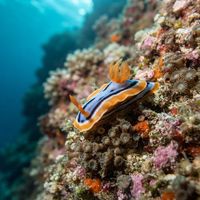
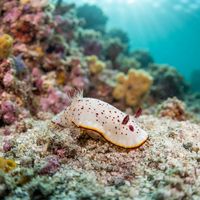
South East Queensland offers a varied underwater landscape across three distinct sub-areas: the Sunshine Coast, Gold Coast, and Brisbane. Drift dives over rocky pinnacles, purpose-sunk wrecks, and shallow reef bommies define the mix. The Grey Nurse Shark draws divers to Wolf Rock, while the Spotted Wobbegong and Chromodoris Nudibranch appear consistently across the reefs. Conditions run warmest through summer and coolest in winter, with visibility and diver ratings peaking mid-year.
3 areas
Monthly water temperature across South East Queensland's sites, from satellite sea-surface data corrected for depth. The band shows the site-to-site spread.
Water temperatures peak in late summer and ease steadily through autumn into a cooler winter, when visibility and diver-rated conditions are at their best. Drift dives at sites like Wolf Rock and Blue Corner demand respect for currents, while the warmer summer months bring calmer inshore conditions suited to beginner reefs. Winter and spring offer the most consistently favourable diving across the region.
18 operators
53 more sites to explore
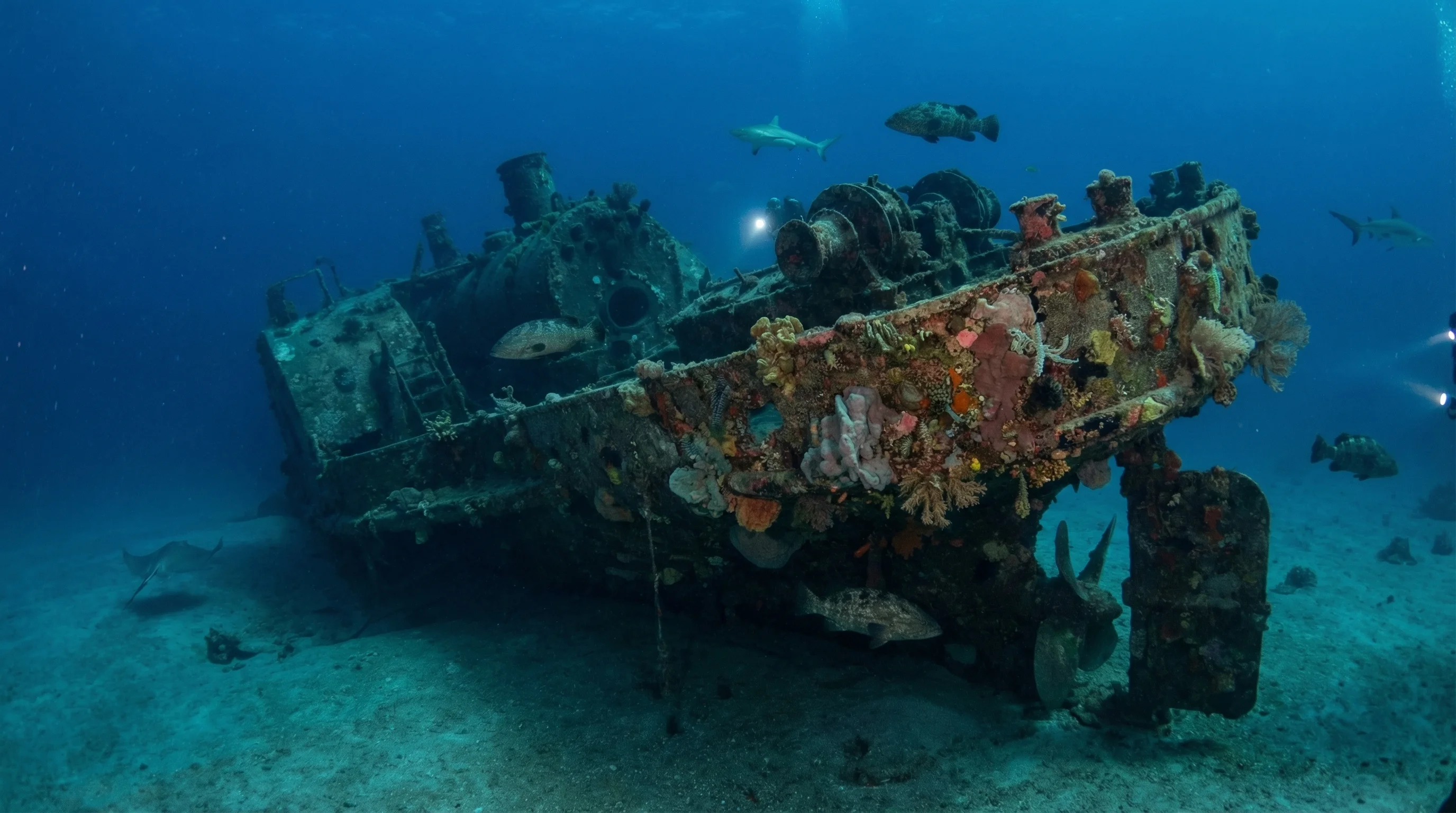
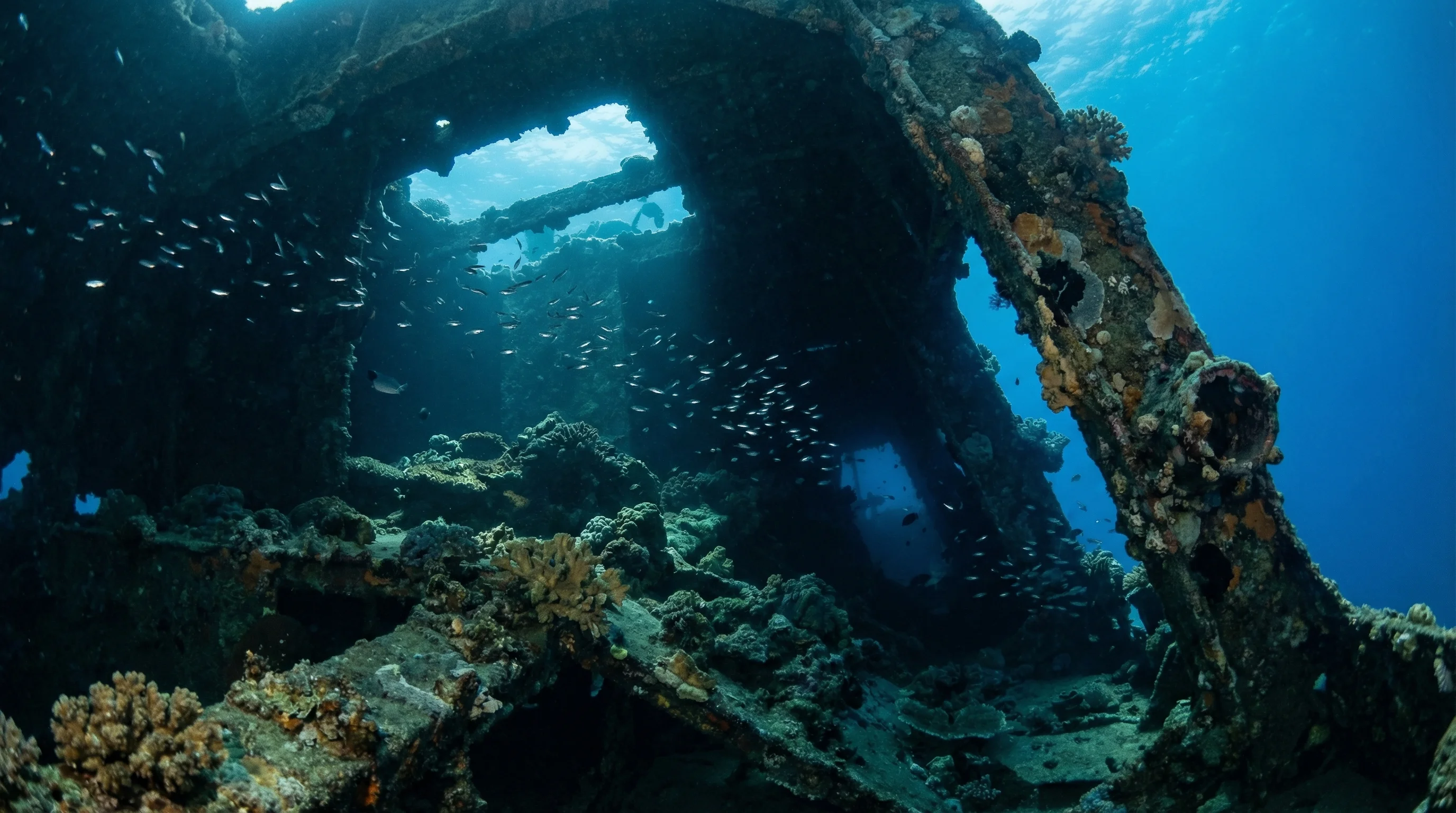
A wreck, reef and pinnacle mix stretching from beginner-friendly Mooloolaba to the Grey Nurse Shark aggregations of Wolf Rock.
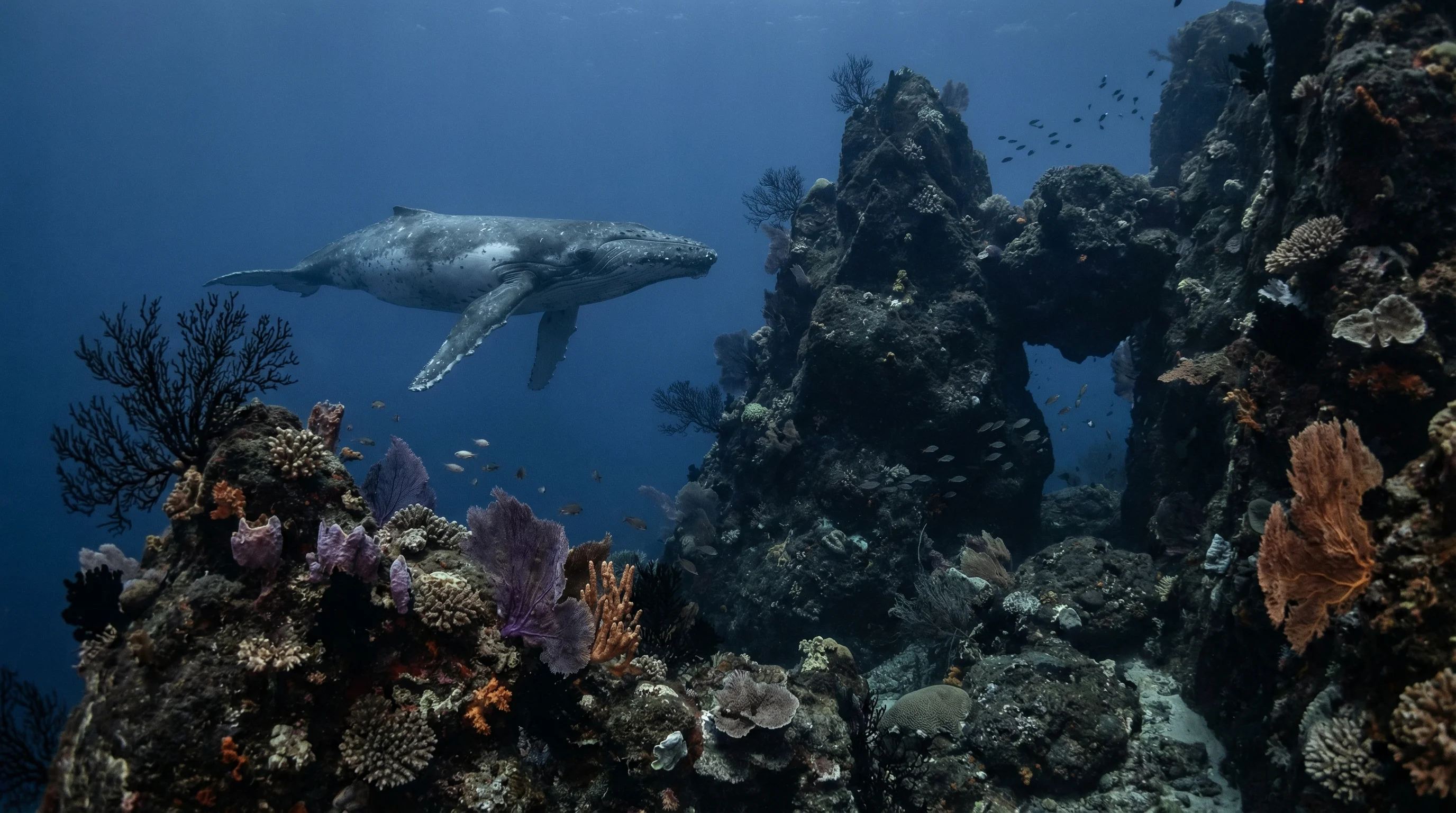
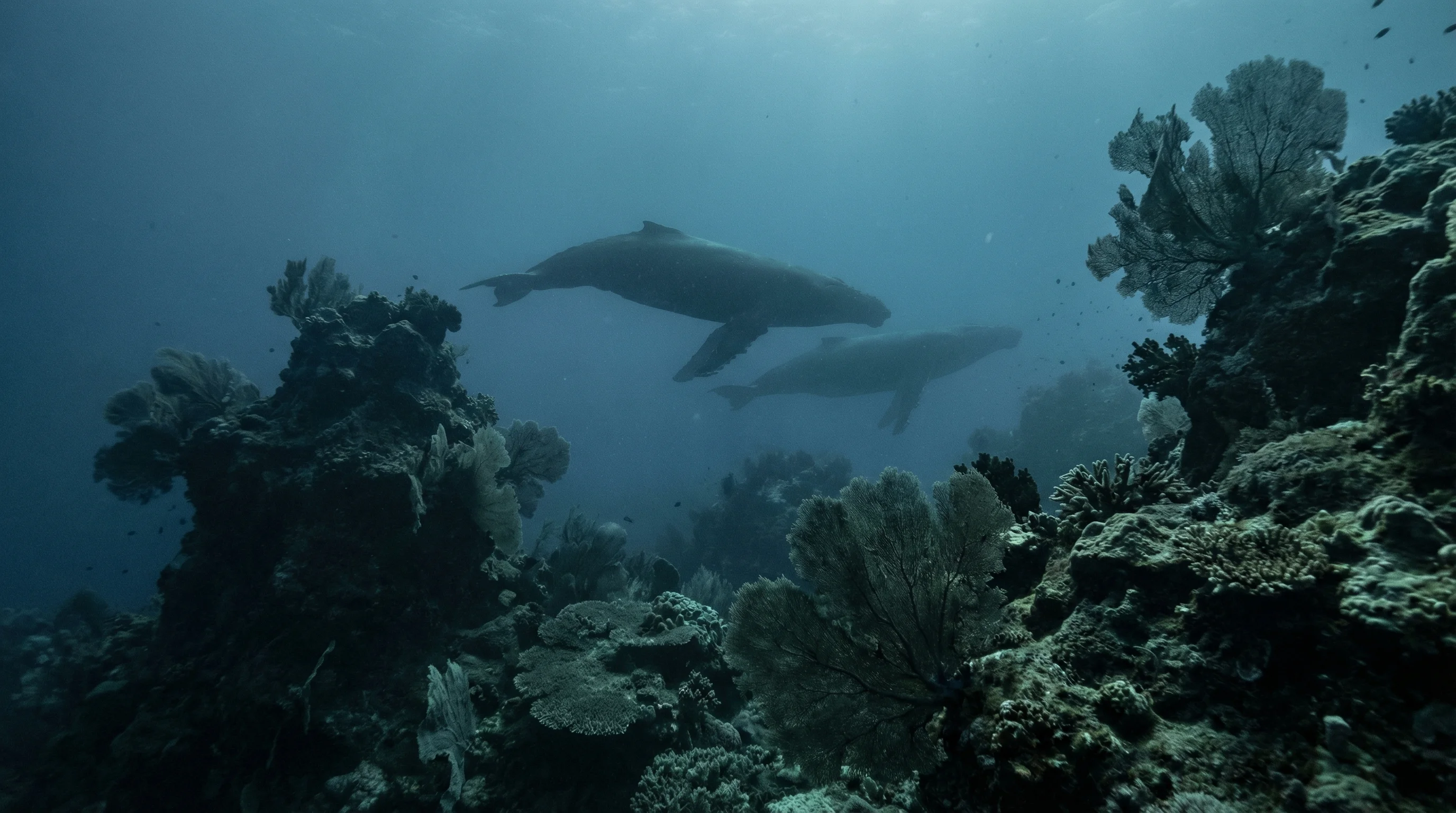
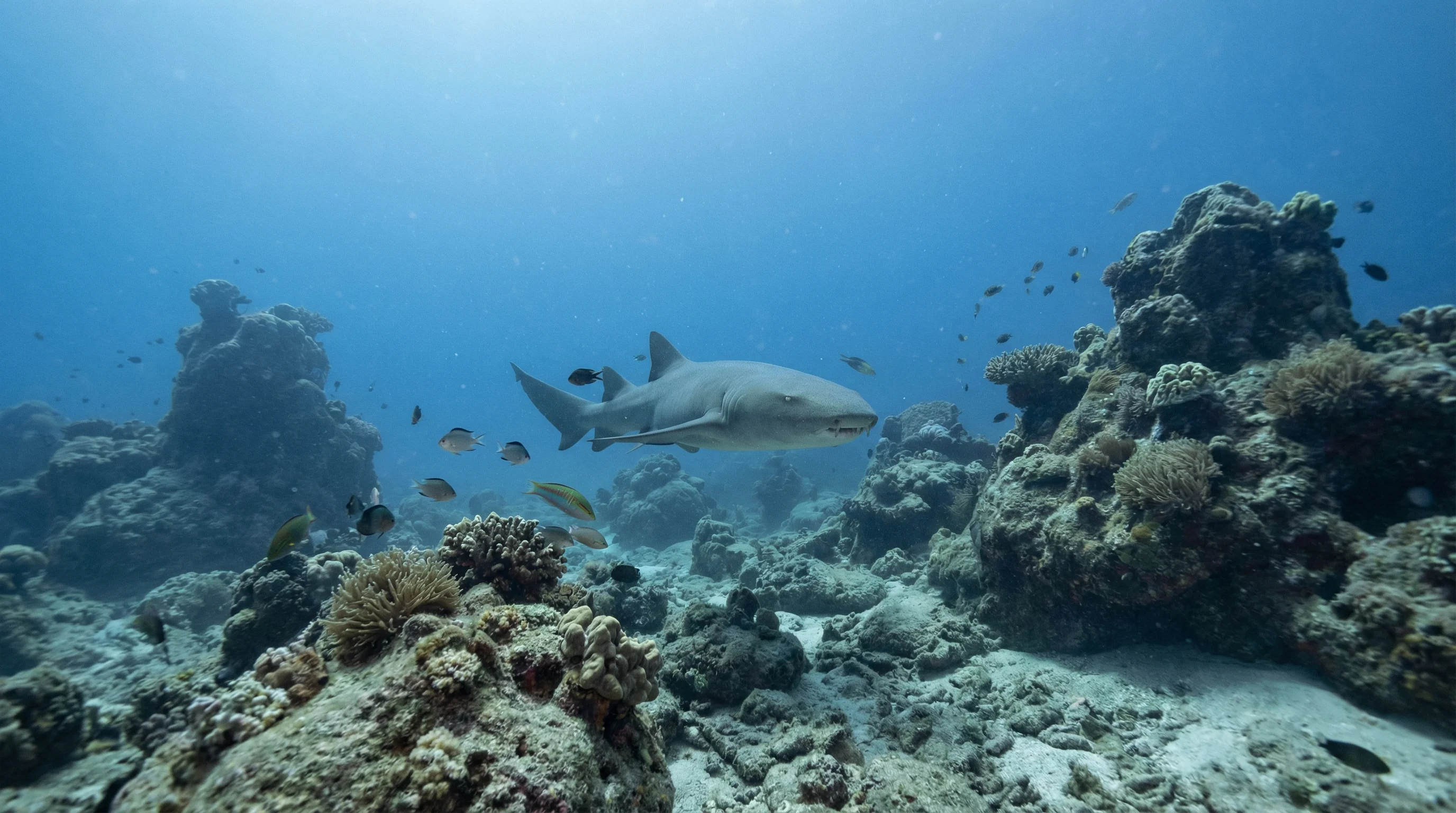
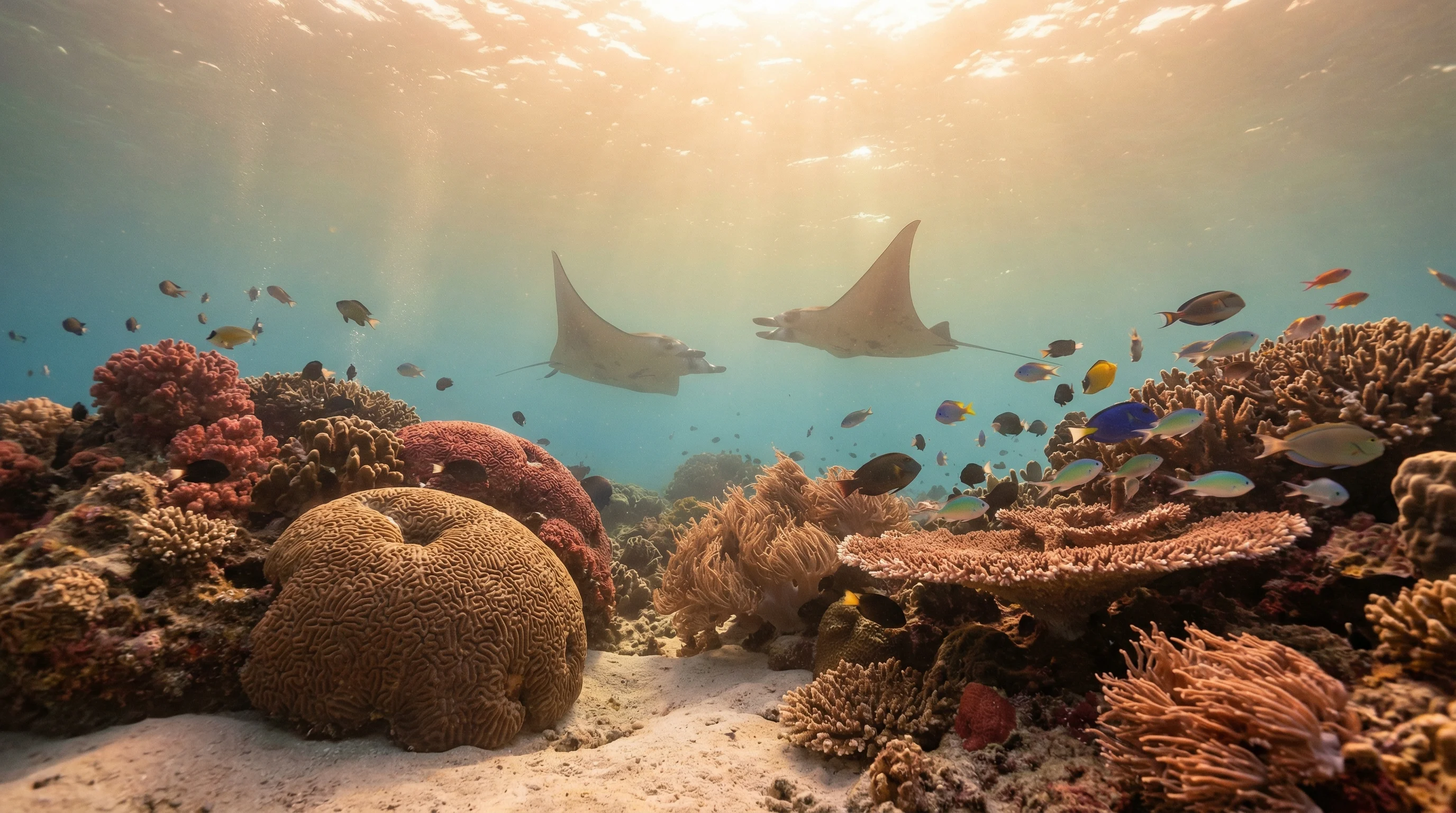
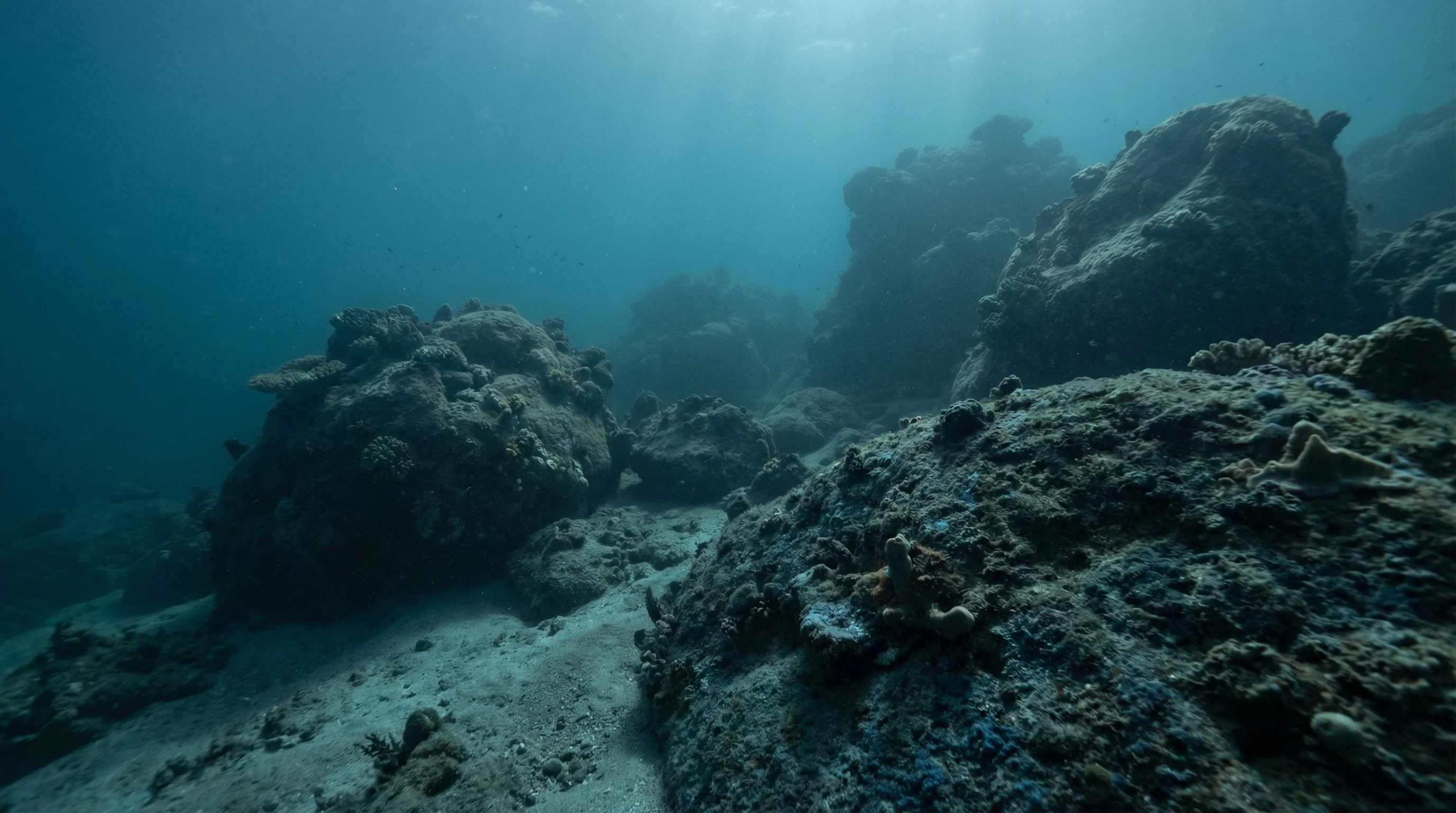
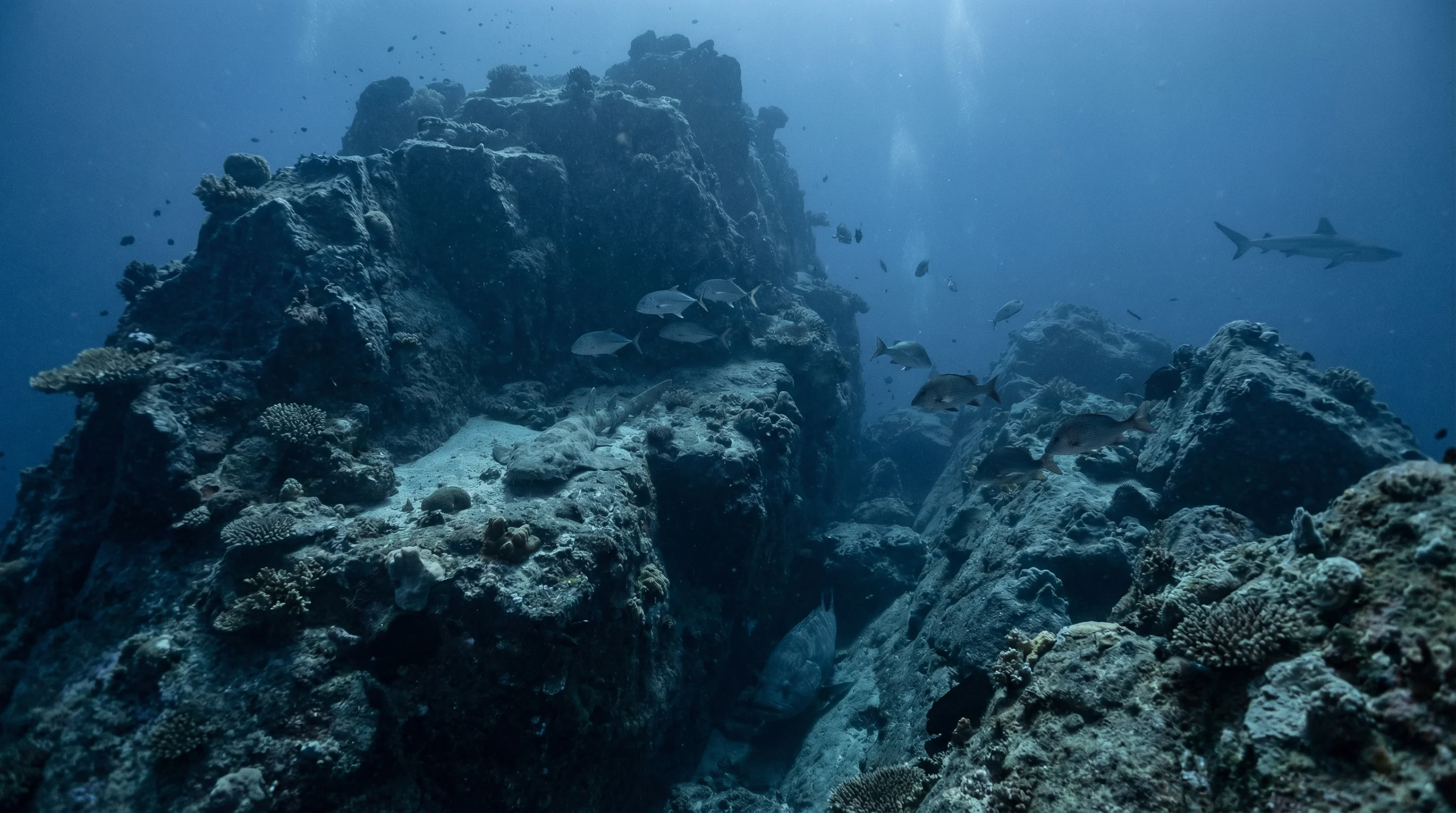
Water temperature around South East Queensland ranges from about 21°C in July to 27°C in February, based on satellite sea-temperature data for its dive sites.
In the warm season (about 27°C) a rash guard or 3mm shorty is comfortable in South East Queensland; in the coldest months (about 21°C) step up to a 5mm suit.
Fin maps 65 sites in South East Queensland (58 scuba diving sites and 16 snorkelling spots, with some suited to both), organised into 3 areas.
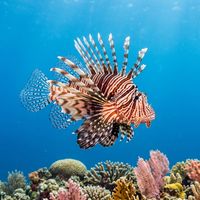
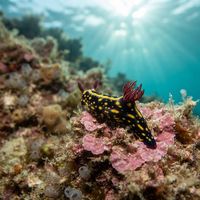
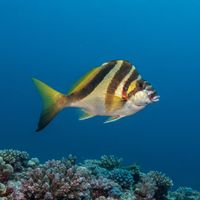
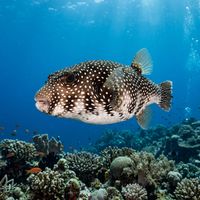
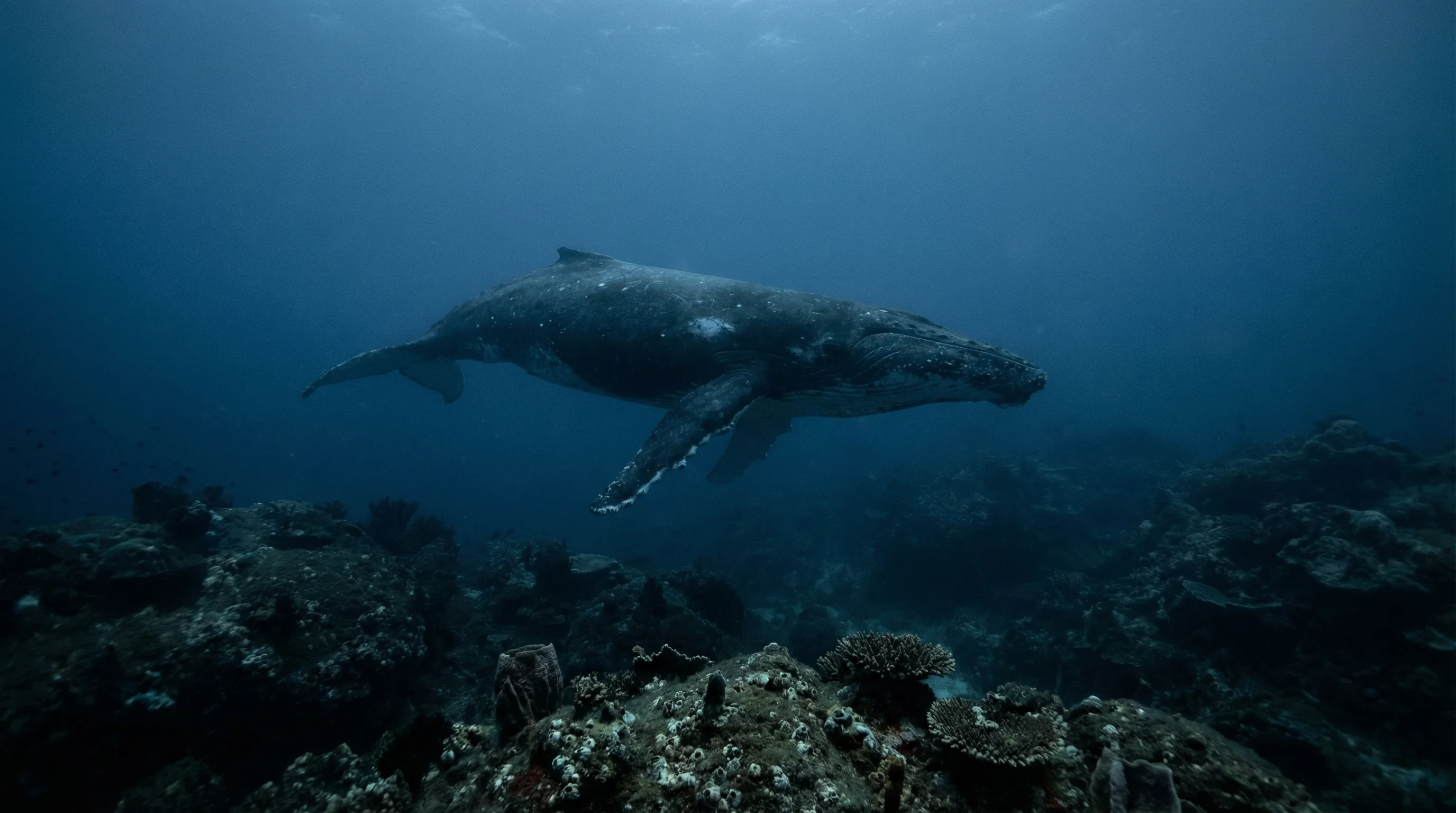
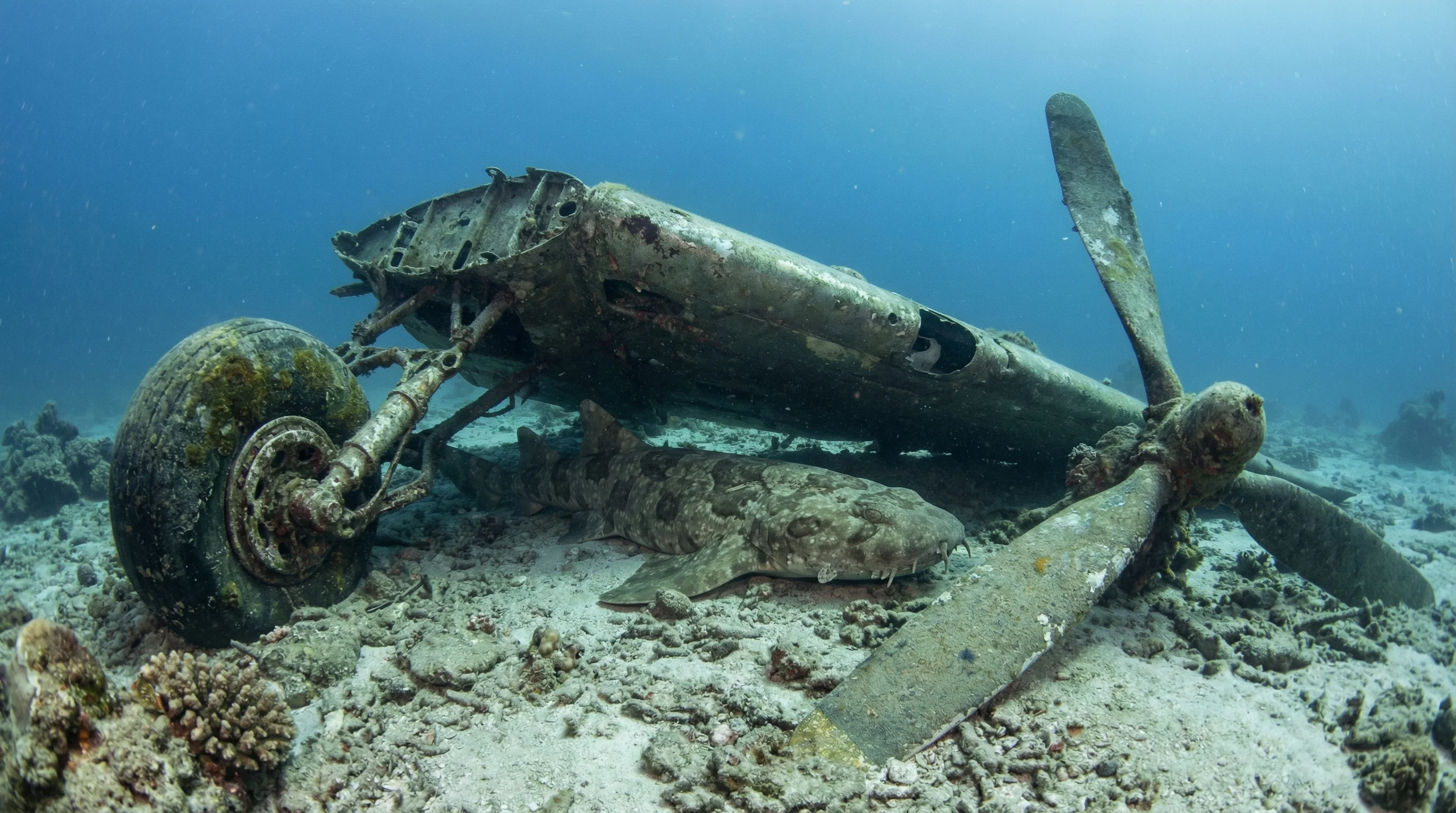
South East Queensland hosts an impressive spread of species across its reefs and wrecks. The Green Sea Turtle and Spotted Wobbegong are commonly encountered, and Wolf Rock is a designated site for Grey Nurse Shark encounters. Nudibranchs including the Chromodoris Nudibranch and Splendid Goniobranch appear regularly, and the Spotted Eagle Ray and Queensland Grouper have also been recorded.
Yes, the region caters well to divers of all skill levels. Sites such as Hanging Rock, Clown Reef, The Pin, and Underwater World are rated as beginner-friendly and are accessible by boat or shore. More advanced drift dives at Wolf Rock, Blue Corner, and Sevens Reef are reserved for experienced divers comfortable with strong currents and deeper depths.
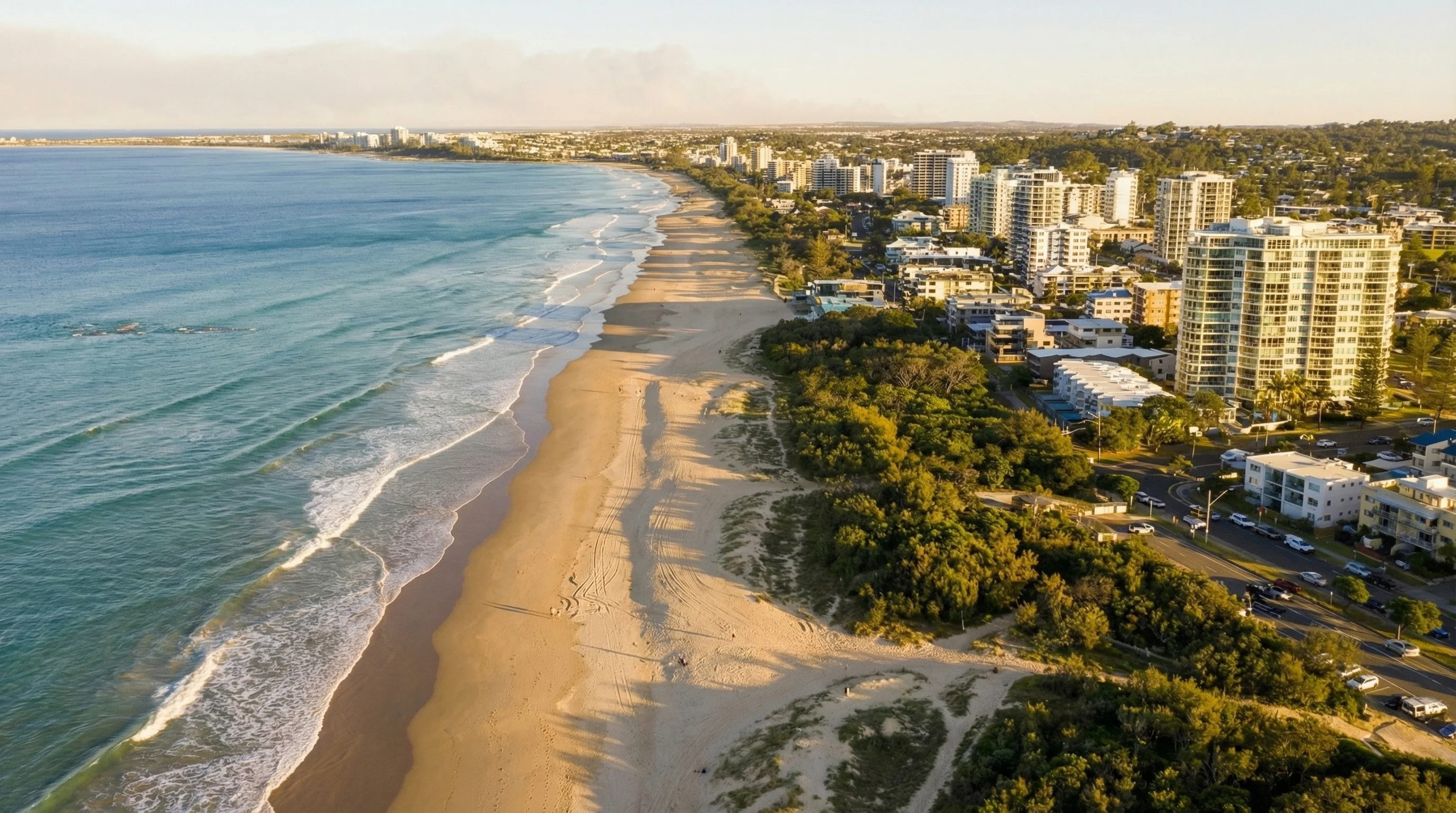
The Sunshine Coast has the largest concentration of sites, including the HMAS Brisbane wreck and numerous reef dives off Mooloolaba and Noosa. The Brisbane sub-area includes access to Moreton Island sites such as the Curtin Artificial Reef. The Gold Coast rounds out the region with its own set of reef and drift sites, giving the region good geographic spread for multi-day trips.
The majority of sites in South East Queensland are boat-accessed, and several operators including Scuba World, Wolf Rock Dive Centre, and Brisbane Scuba run regular guided trips. A small number of sites, including Underwater World in Mooloolaba and the Curtin Artificial Reef, offer shore or combined entry options for those who prefer independent access.