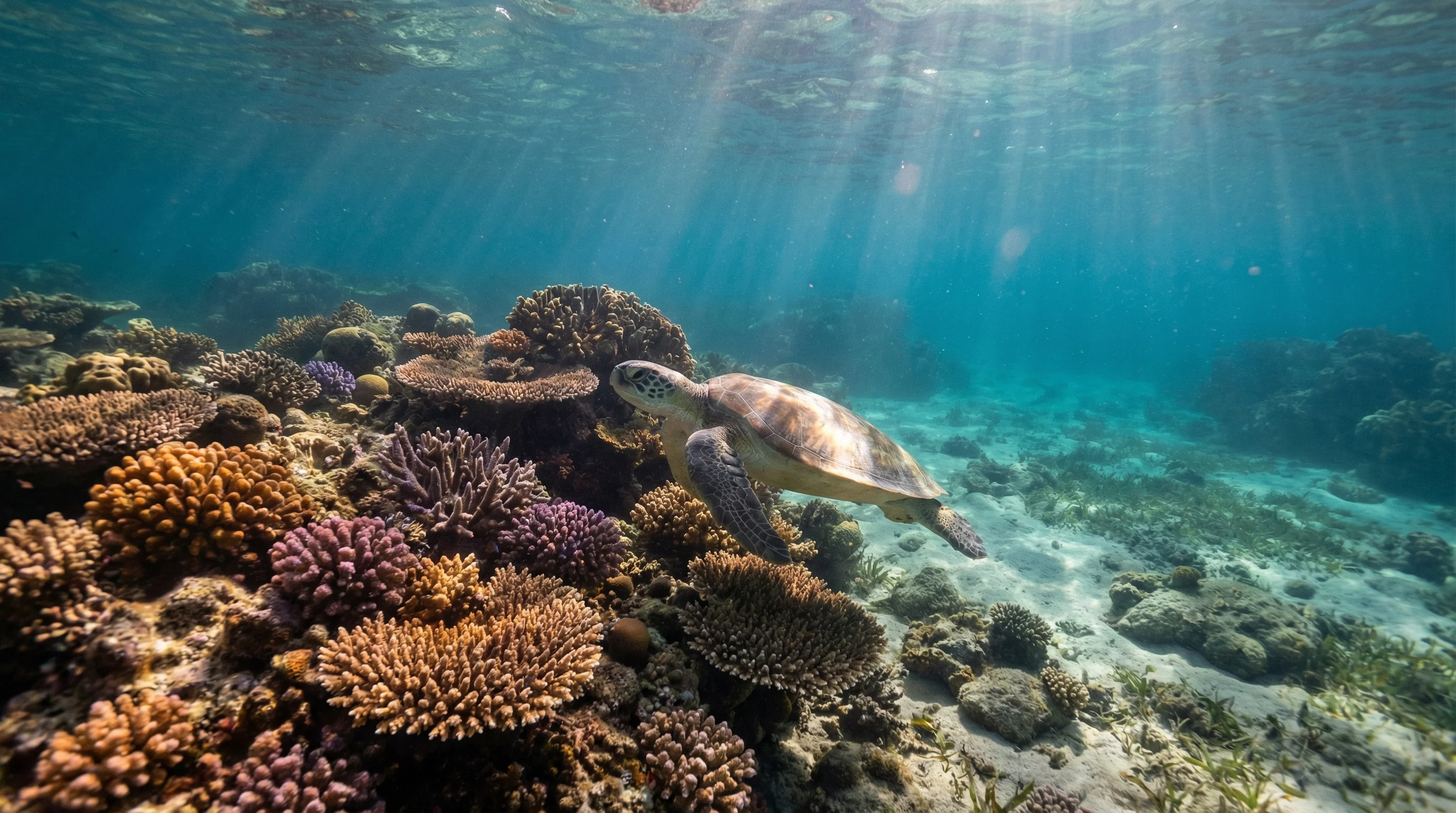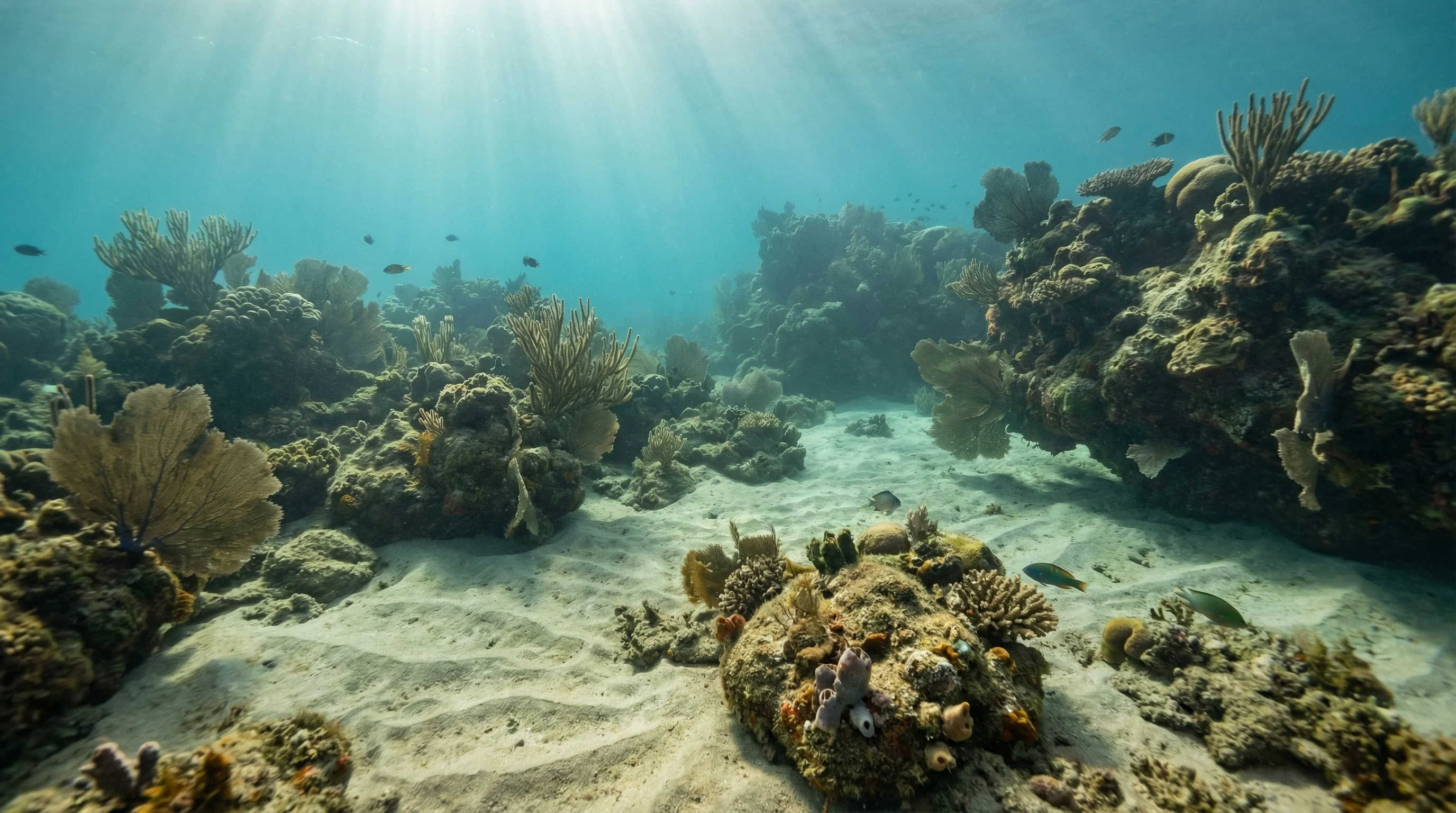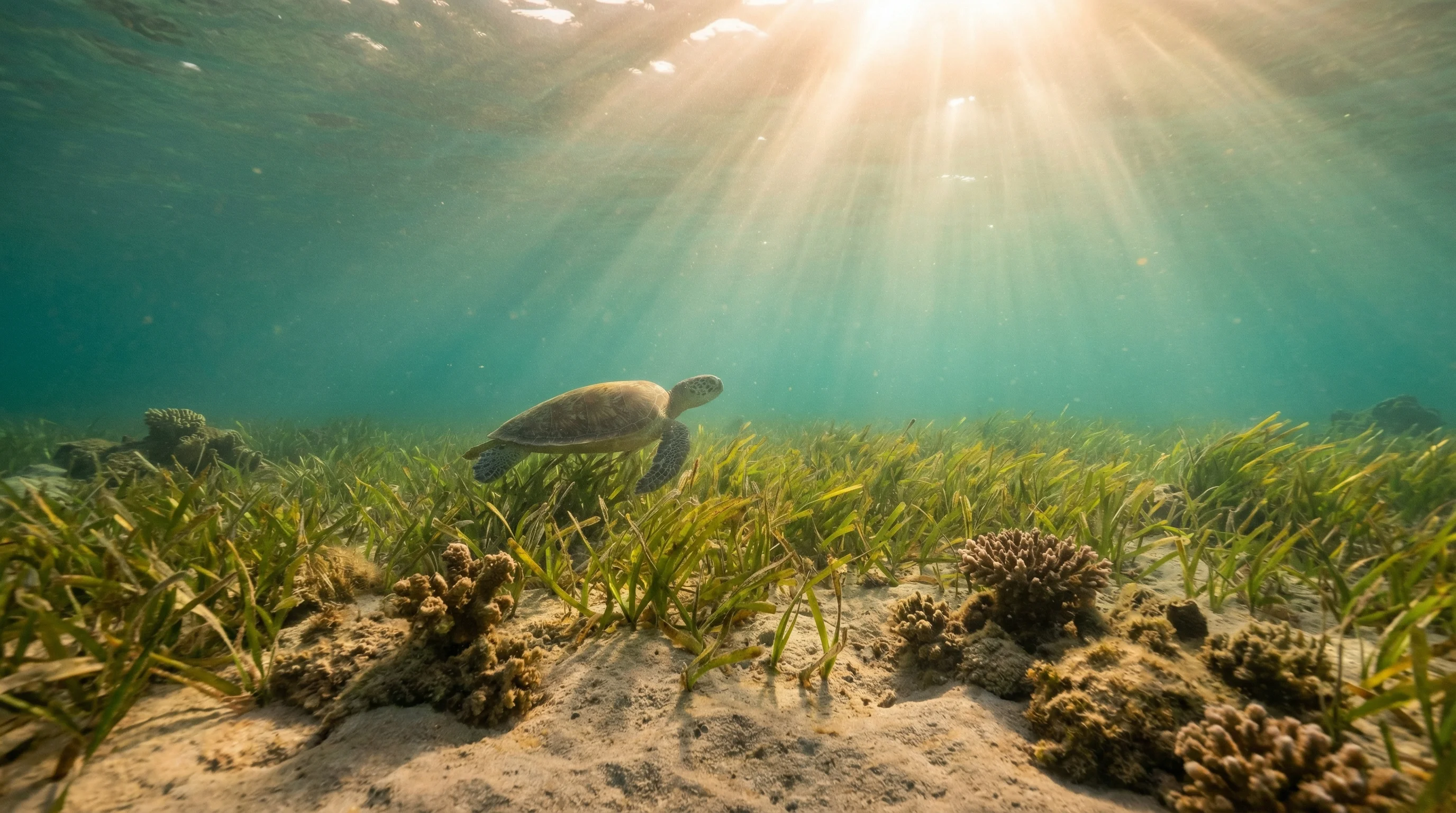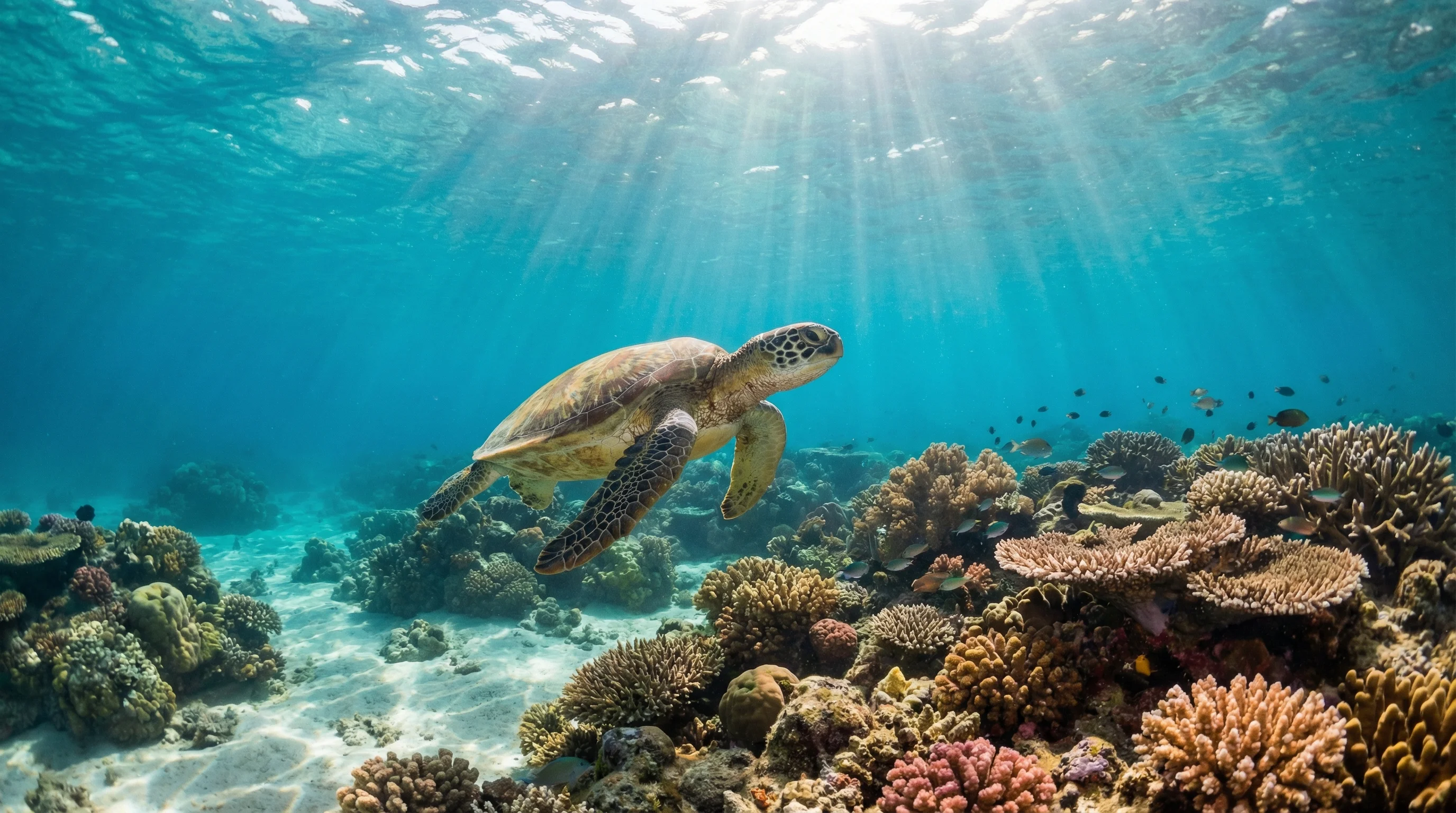
Connors Bluff is a shore-entry reef site located in Gladstone Harbour. The site offers visibility reaching up to 20 metres, though conditions vary significantly due to exposure to rough weather and moderate currents, particularly on the eastern side of Curtis Island. Snorkellers and divers should exercise caution regarding sharp coral and the presence of jellyfish, with protective clothing recommended. Due to the potential for strong current pushes, it is essential to check local tide tables and plan activities around slack water. The site is accessible year-round, though water temperatures fluctuate between 20C and 28C throughout the year.
-23.71600, 151.30200
Time your dive around slack water to avoid the stronger current pushes, and always check local tide tables beforehand. Wear exposure protection to guard against both jellyfish and the sharp coral edges near the reef.
Access to Curtis Island is by private boat or a regular ferry service. A 4WD vehicle is required to reach Connors Bluff via the island's tracks.
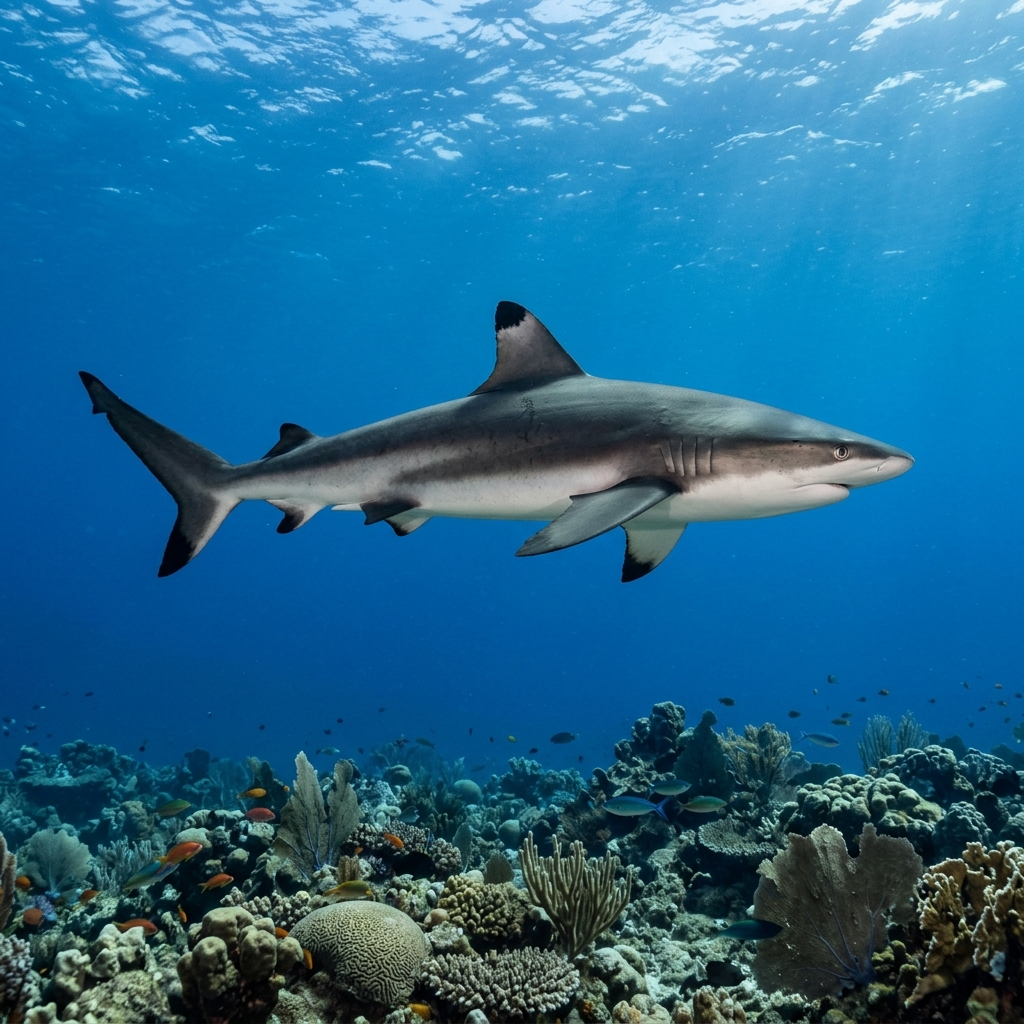
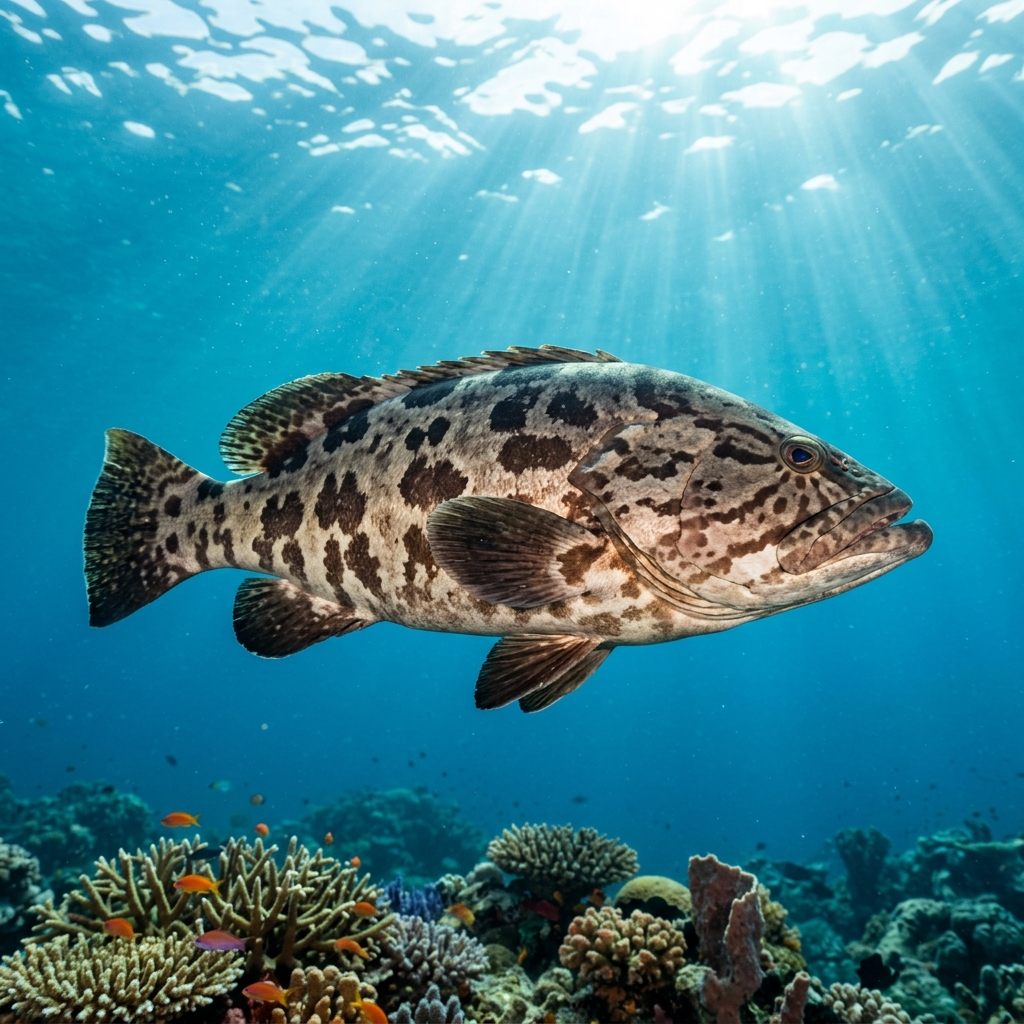
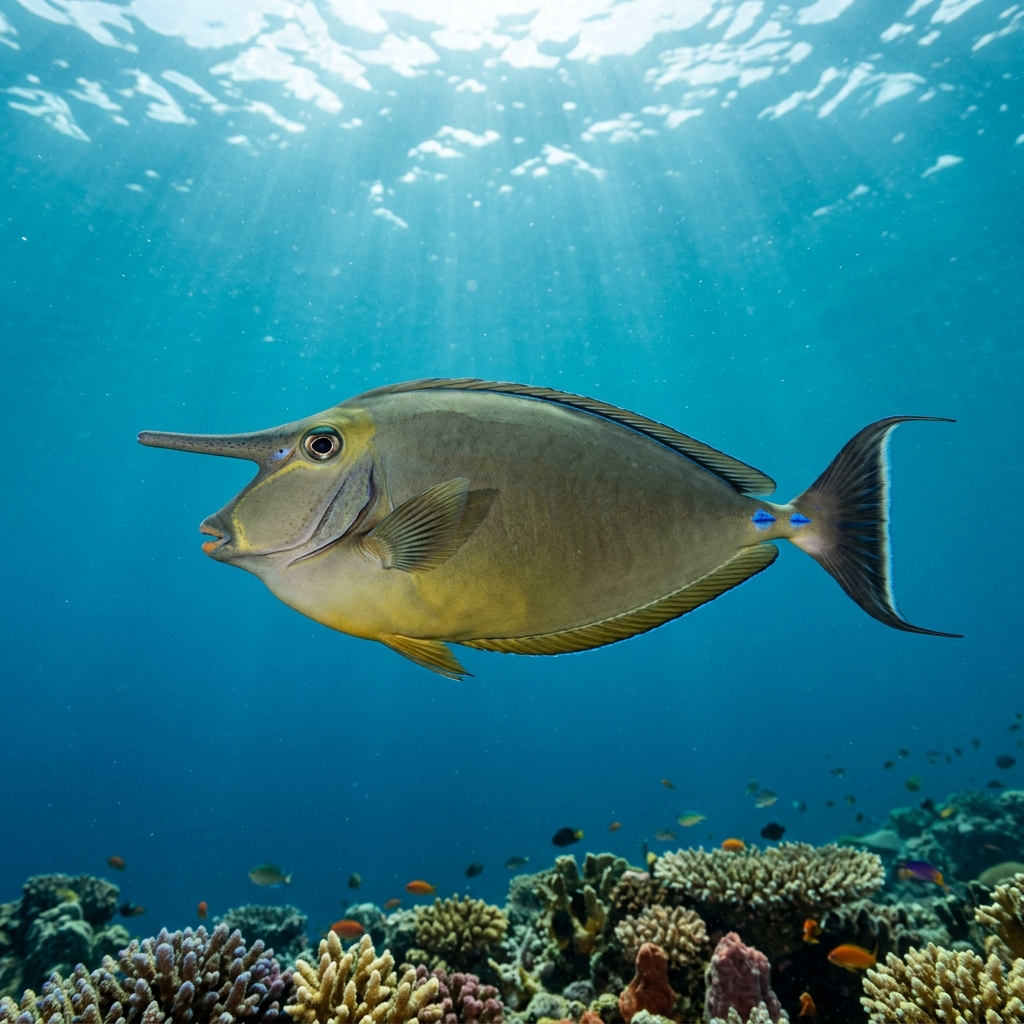
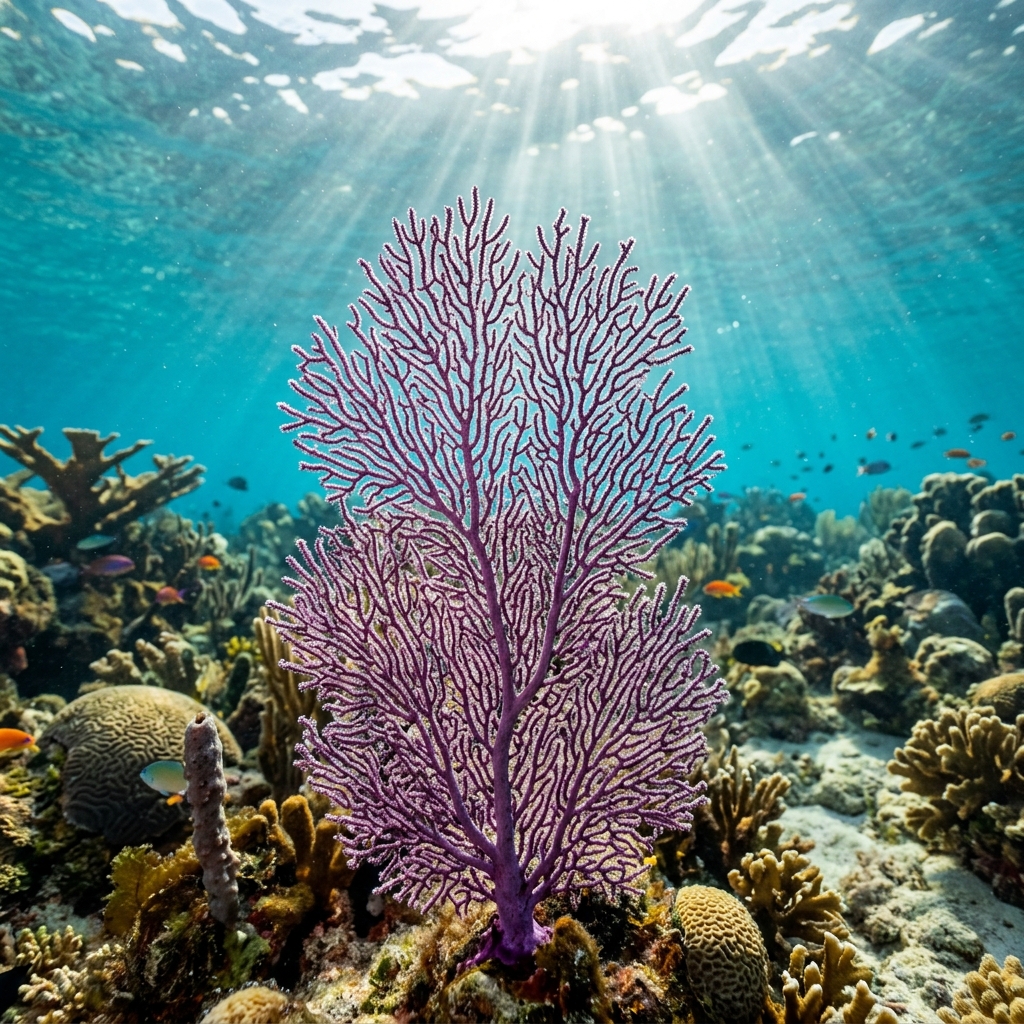
Expected in this region. No sightings logged here yet.
Visibility
Up to 20m
Entry
Shore
Water Temp
20-28°C
Current
Moderate
Best Time
Year-round
While the site offers shore access, the presence of moderate currents and sharp coral requires careful planning and awareness of local conditions.
Yes, Connors Bluff is a shore-entry site.
Yes, the site is used for snorkelling, though it has a low rating of 1/5.
Hazards include sharp coral, strong currents, and jellyfish. Marine stingers are a significant risk between October and May, making protective clothing advisable.
The site is accessible year-round, with the best months for activity being January through December.
A 3mm wetsuit is recommended for diving at Connors Bluff in Central Queensland. Water temperatures range from 20°C to 28°C.
Expect moderate currents at Connors Bluff in Central Queensland. Good buoyancy control and some drift diving experience is helpful.
Visibility at Connors Bluff in Central Queensland can reach up to 20 metres. Conditions vary with weather, tides, and seasons.