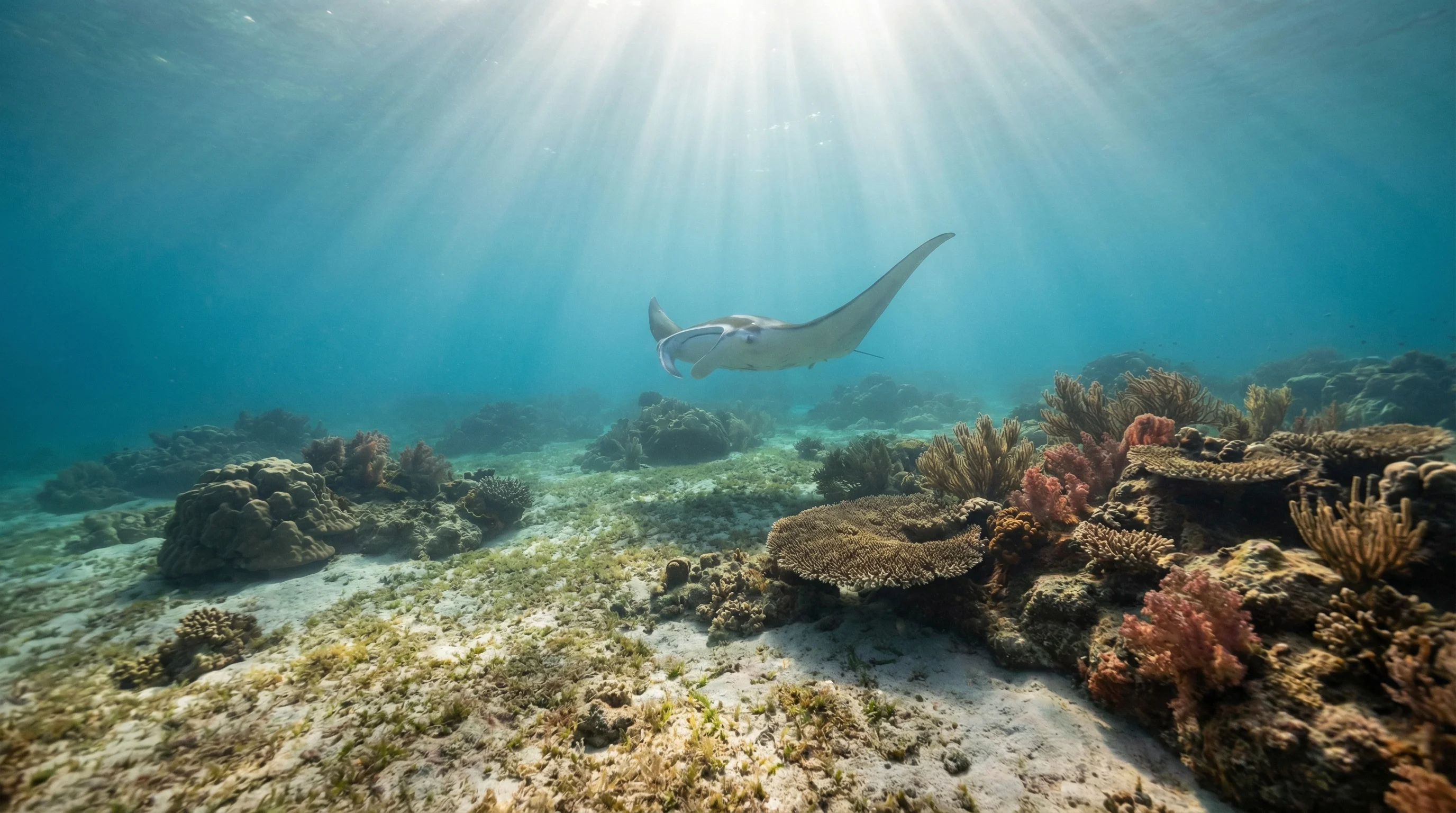
Best for beginner divers, 5-15m, boat entry, mild current.
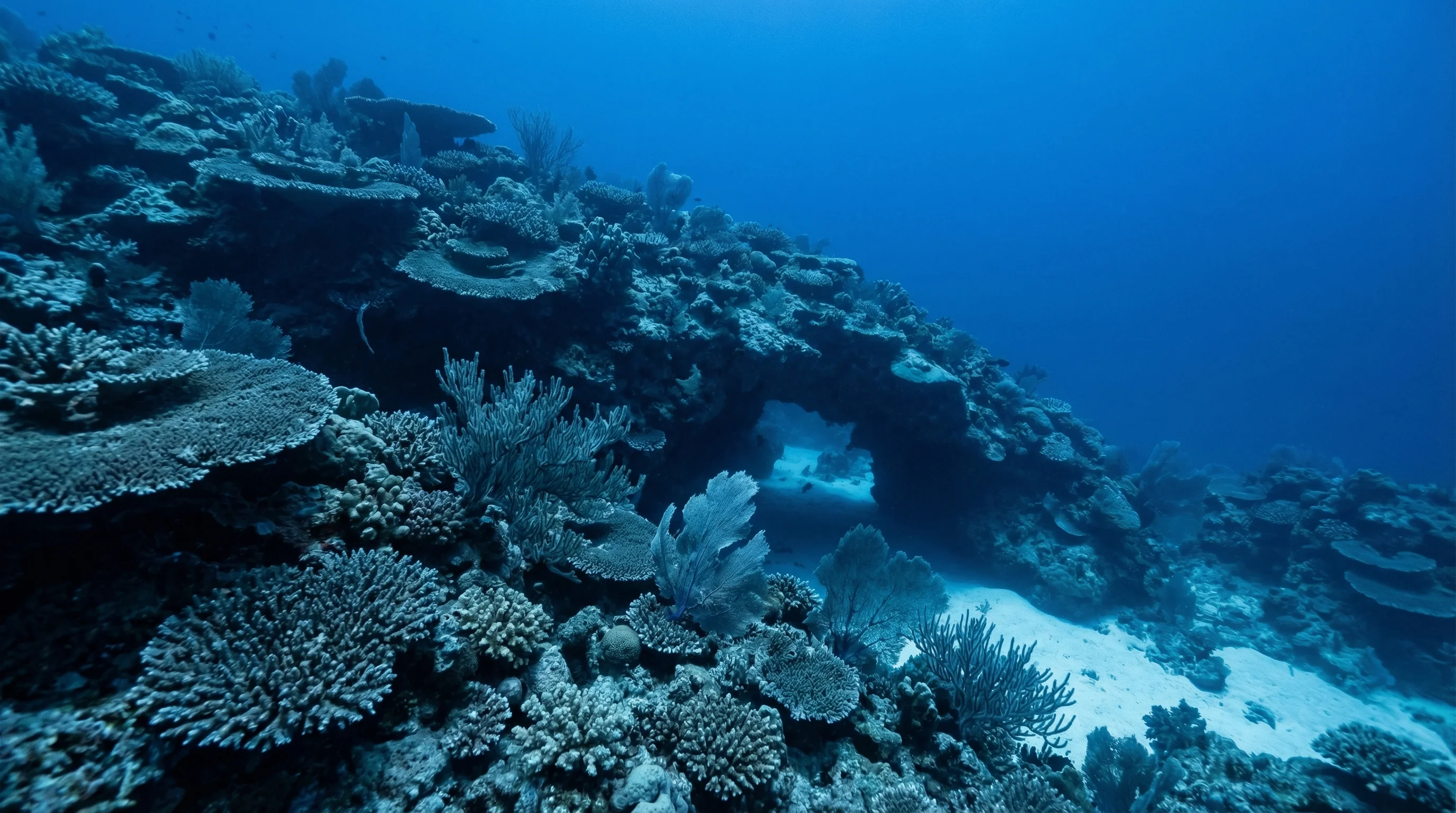
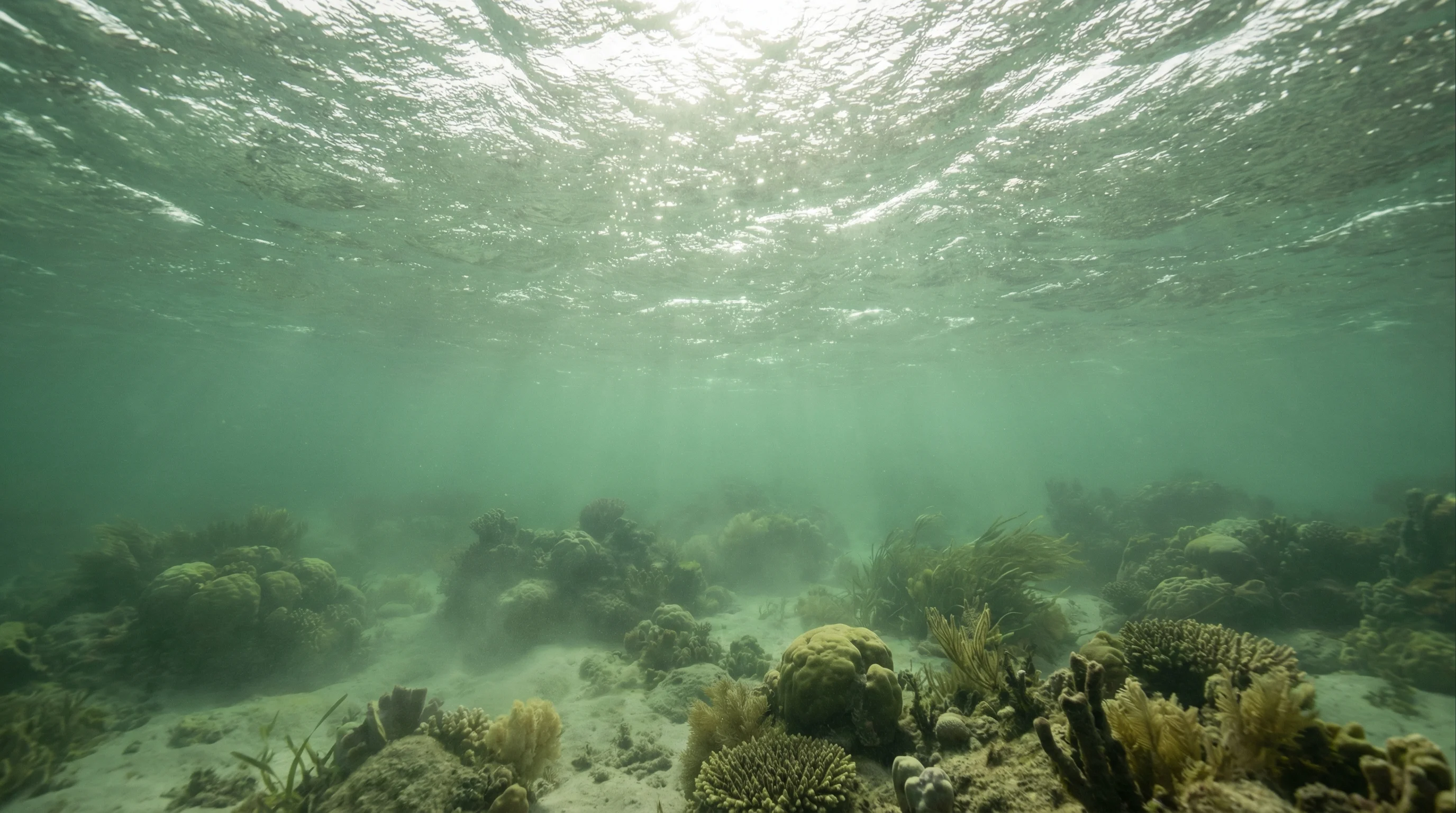
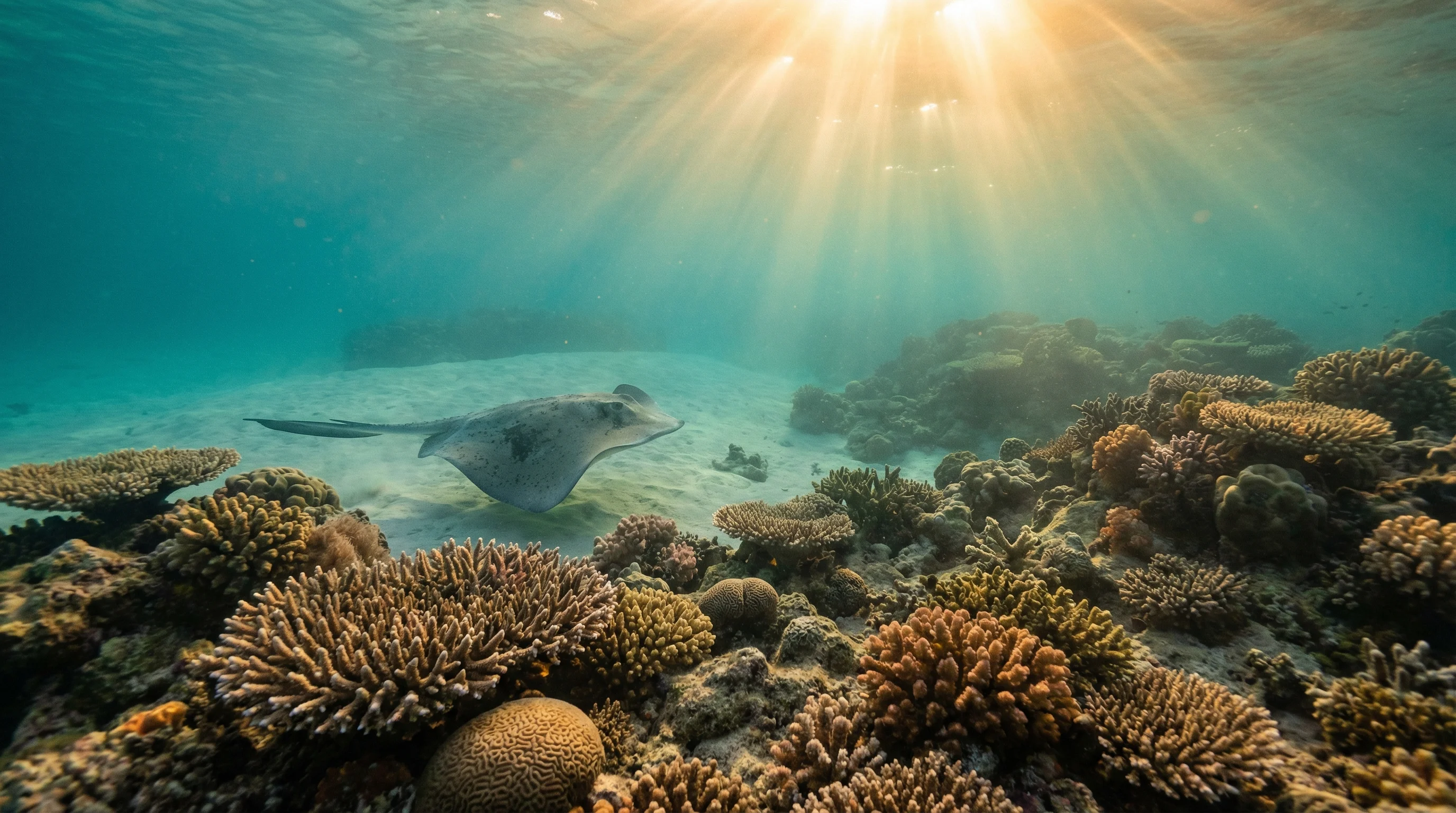
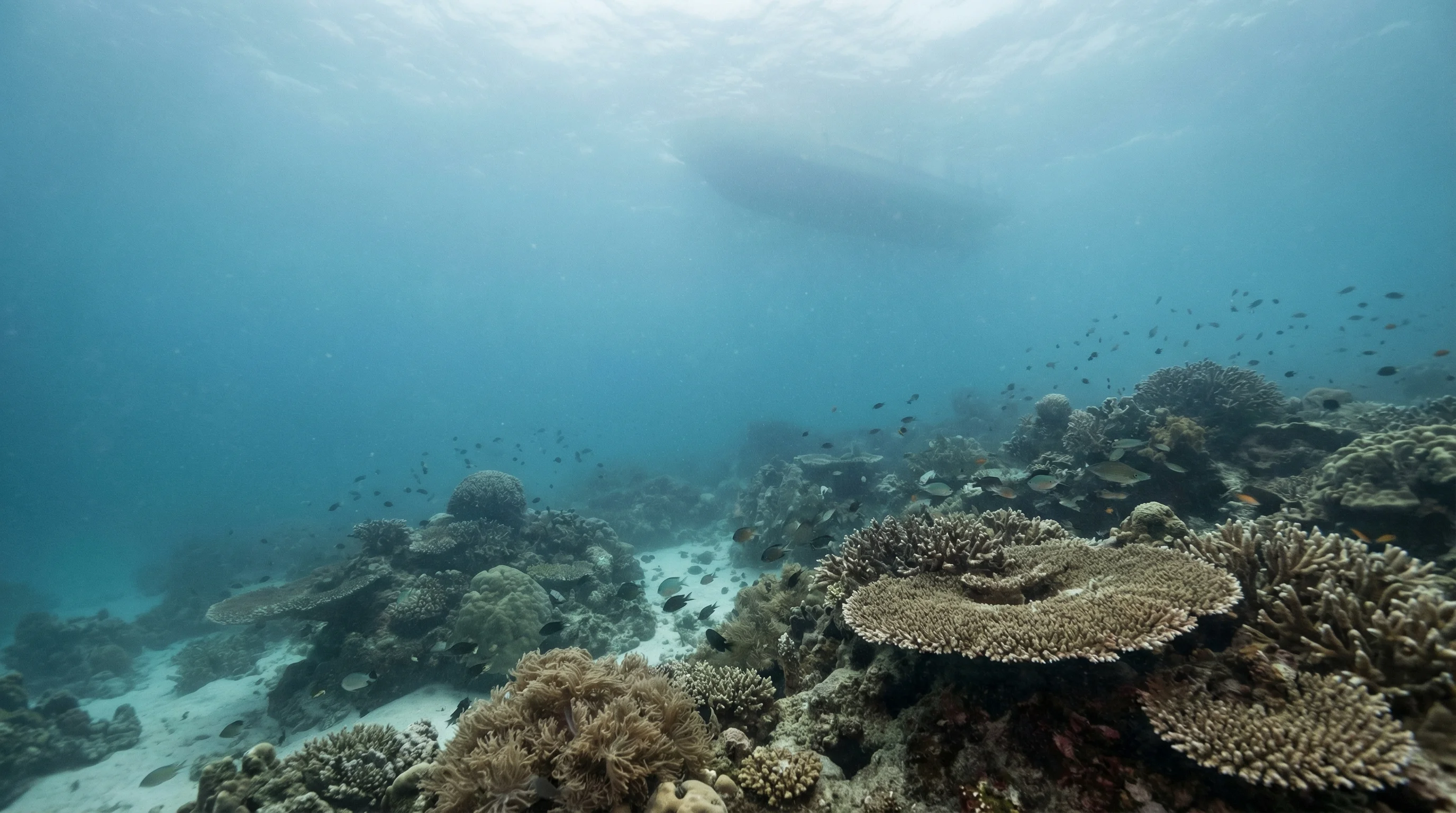
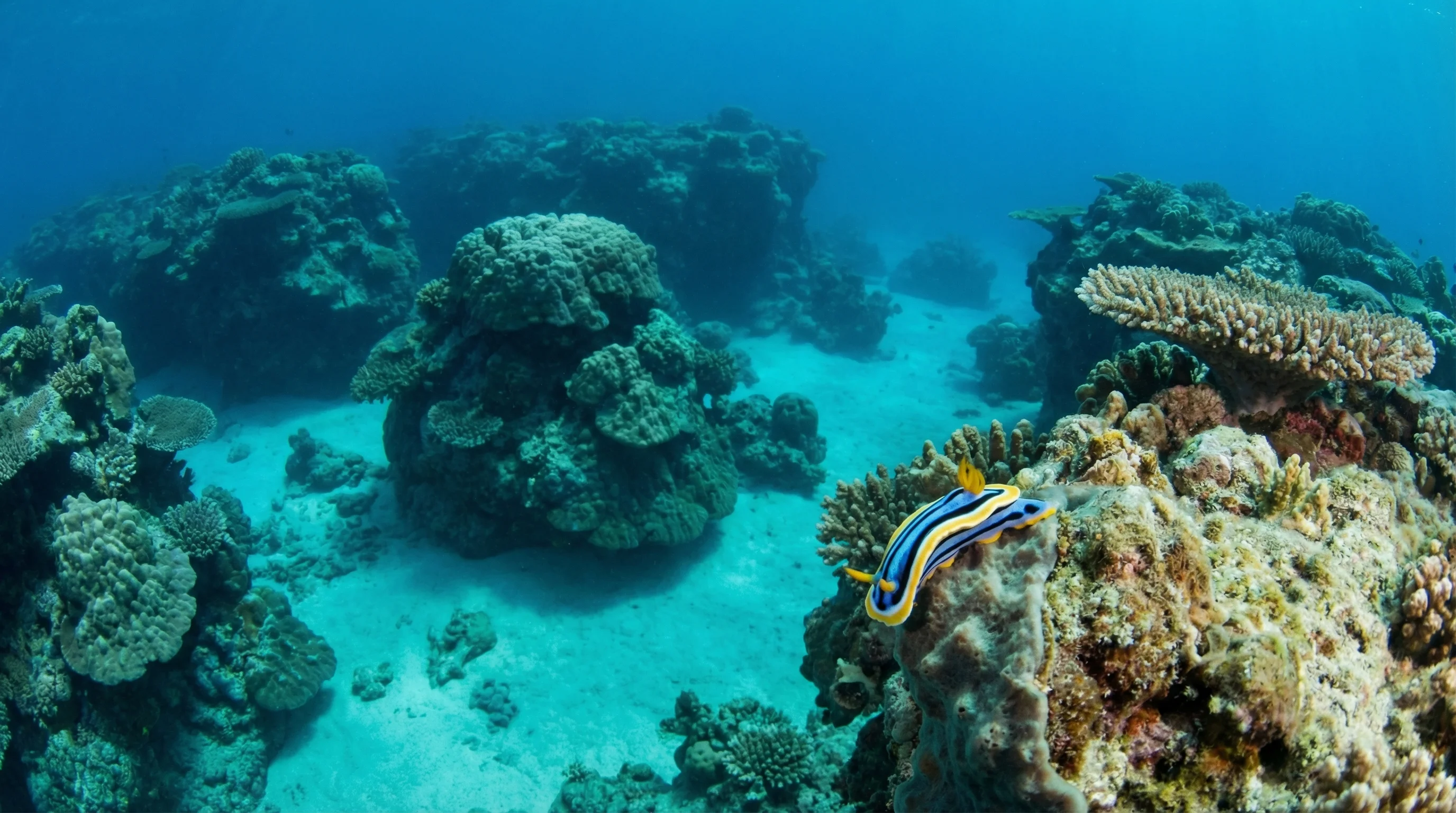
Arlington Reef is an outer Great Barrier Reef site offering a shallow environment suitable for beginner divers. The reef structure features depths ranging from 5 to 15 metres, with an average depth of 10 metres. Visibility typically spans 10 to 30 metres, though conditions vary. Access is exclusively by boat, with a typical dive duration of 40 minutes. Currents are generally mild, but divers should remain aware of changing conditions. Protective lycra suits are provided by tour operators during the stinger season from November to May to mitigate jellyfish risks. The site is located 40 kilometres from the shore, requiring a boat charter for access.
-16.68827, 146.03577
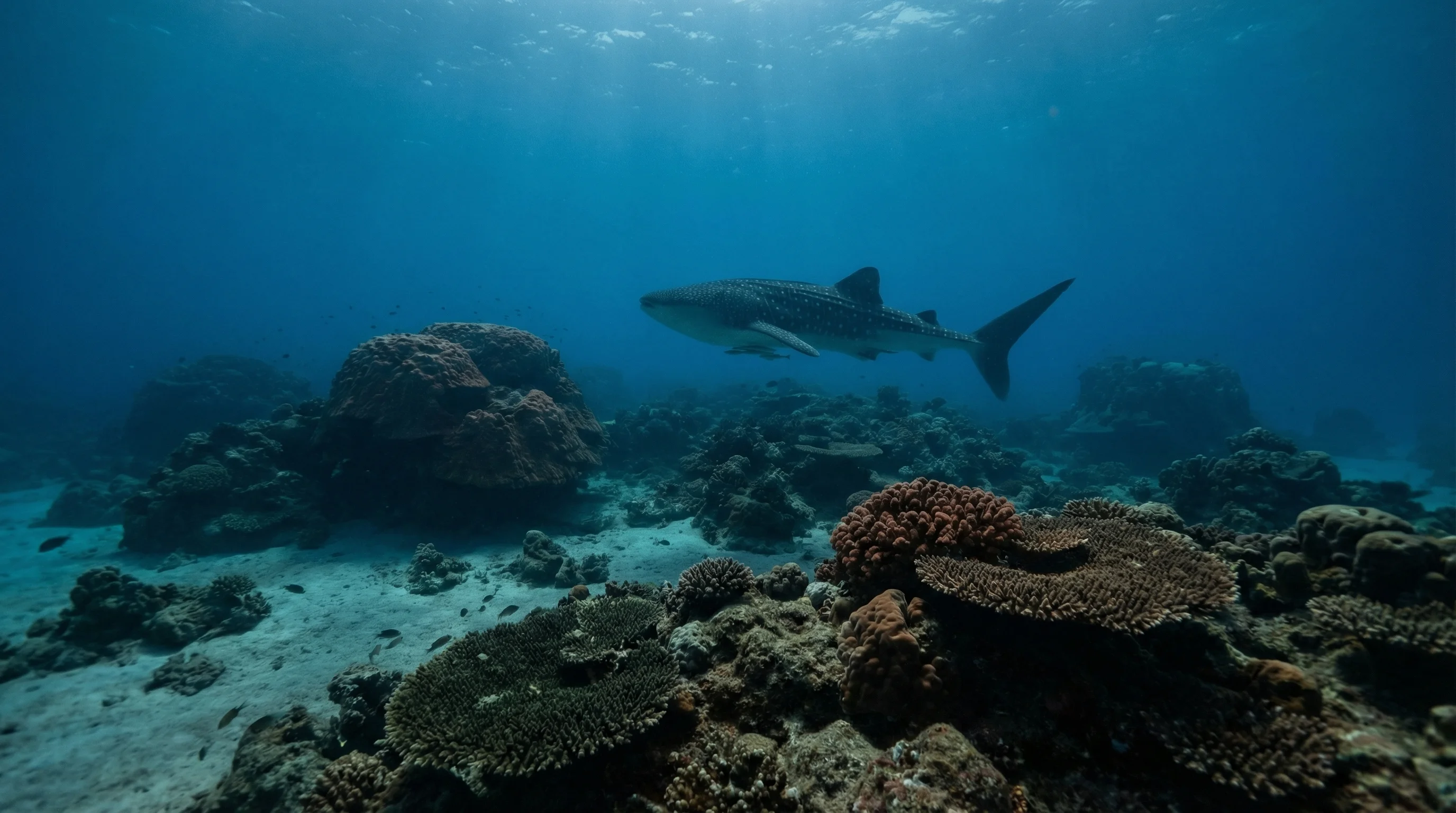
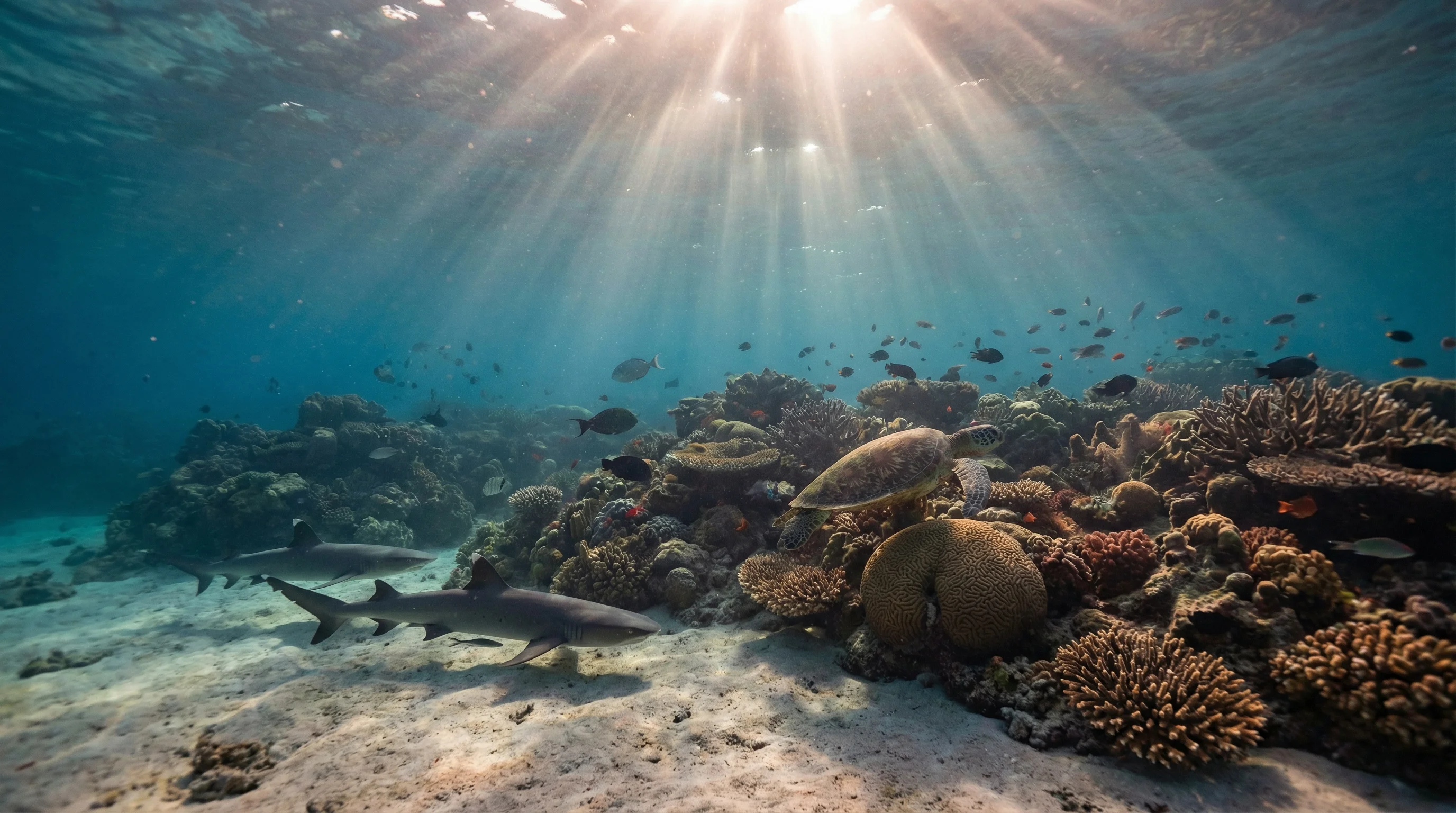
June through October gives you the best shot at seeing manta rays and dwarf minke whales, so if those are on your list, plan your visit accordingly. Jellyfish can be present year-round, so ask the dive shop crew about current conditions before you jump in.
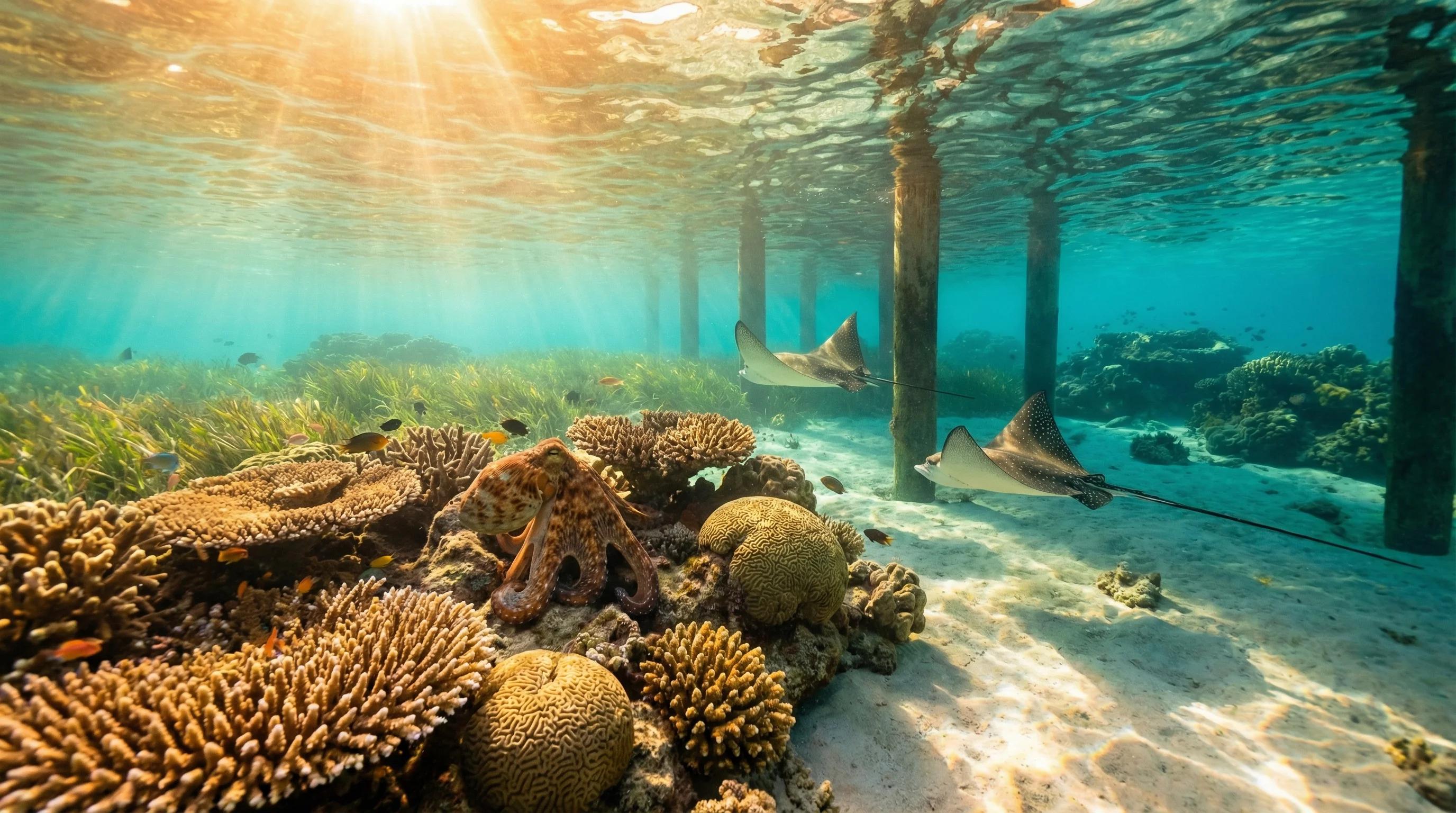
The site is accessible via boat tours departing from the Reef Fleet Terminal in Cairns. Sunlover Cruises is one operator that runs trips to a pontoon at Arlington Reef.
Recorded nearby, within 20km
Depth
5-15m
Visibility
10-30m
Skill Level
Beginner
Entry
Boat
Boat required
Water Temp
24-30°C
Current
Mild
Typical Dive
40 min
Best Time
Jun, Jul, Aug, Sep, Oct
Yes, the site is well-suited for beginner divers due to its shallow depths and generally mild currents.
The depth at this site ranges from 5 to 15 metres, with an average depth of 10 metres.
Access to Arlington Reef is by boat only. Visitors typically use boat charters or guided tours departing from Cairns.
The best months to visit are June, July, August, September, and October.
Yes, the shallow reef structure makes this site accessible for snorkelling as well as diving.
Diving at Arlington Reef in Cairns requires the following certifications: Open Water. Always dive within your training limits.
A 3mm wetsuit is recommended for diving at Arlington Reef in Cairns. Water temperatures range from 24°C to 30°C.
Divers at Arlington Reef in Cairns should be aware of crocodiles, jellyfish, stonefish. These encounters are generally rare and avoidable with proper awareness. Follow local safety guidance and maintain a respectful distance from all marine life.
Arlington Reef in Cairns typically has mild currents that most divers can handle comfortably.
Visibility at Arlington Reef in Cairns typically ranges from 10 metres to 30 metres. Conditions vary with weather, tides, and seasons.