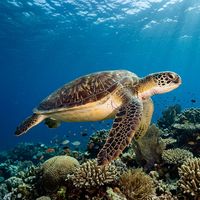
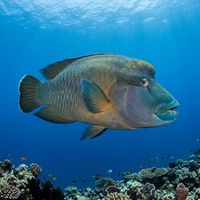
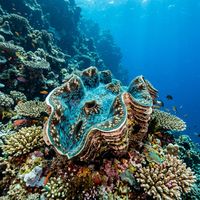
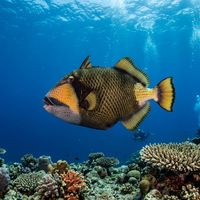
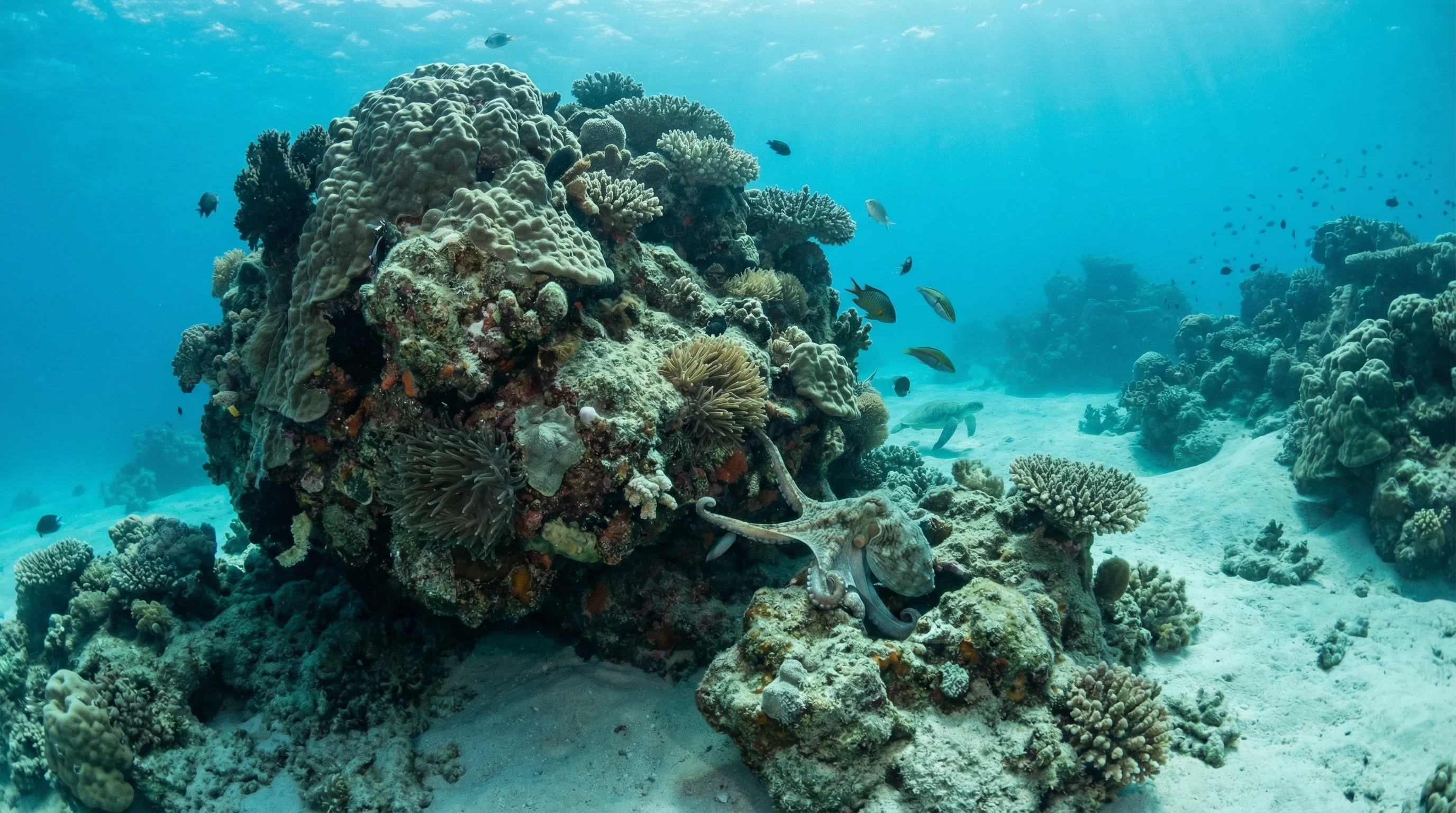
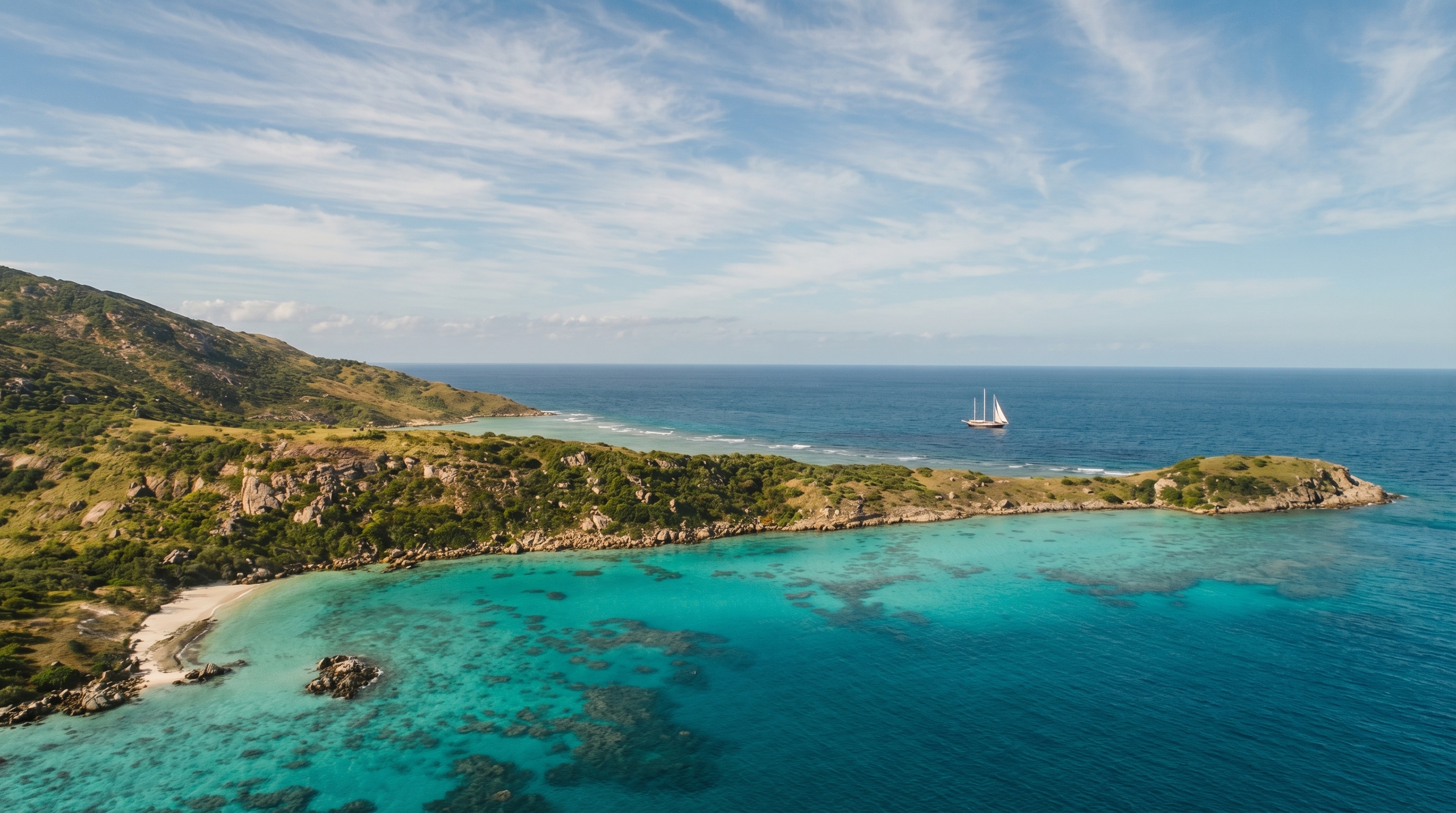
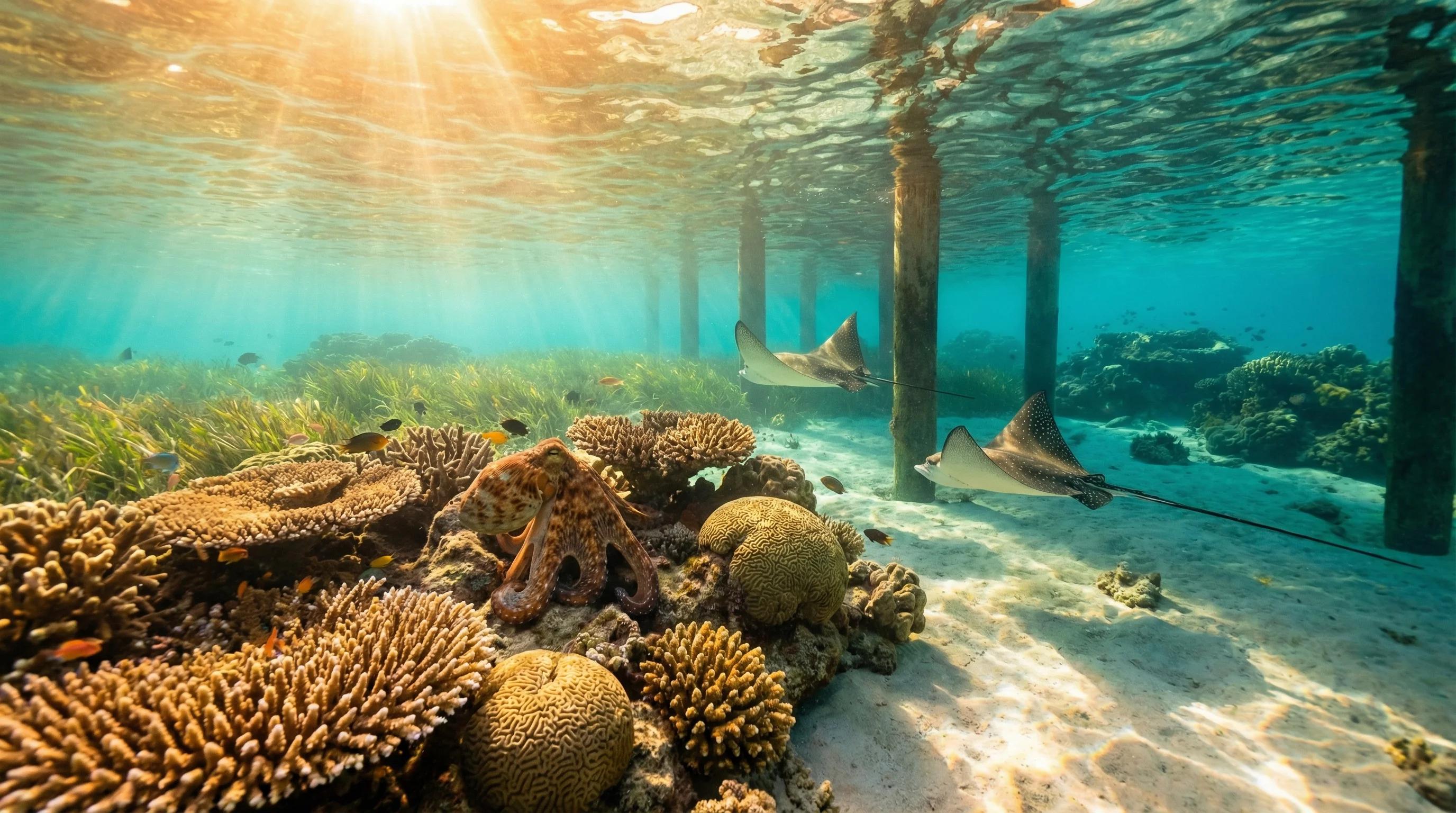
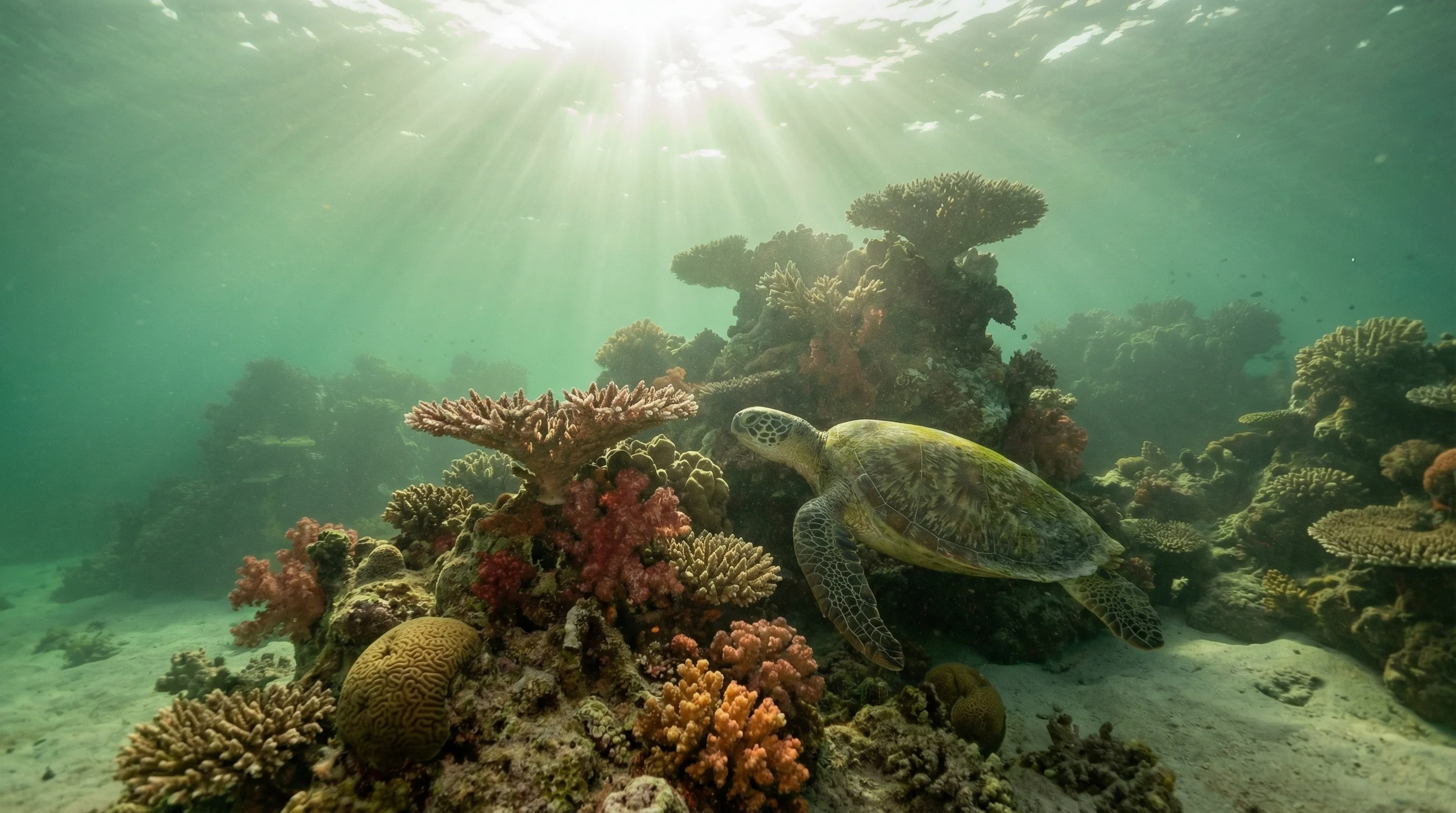
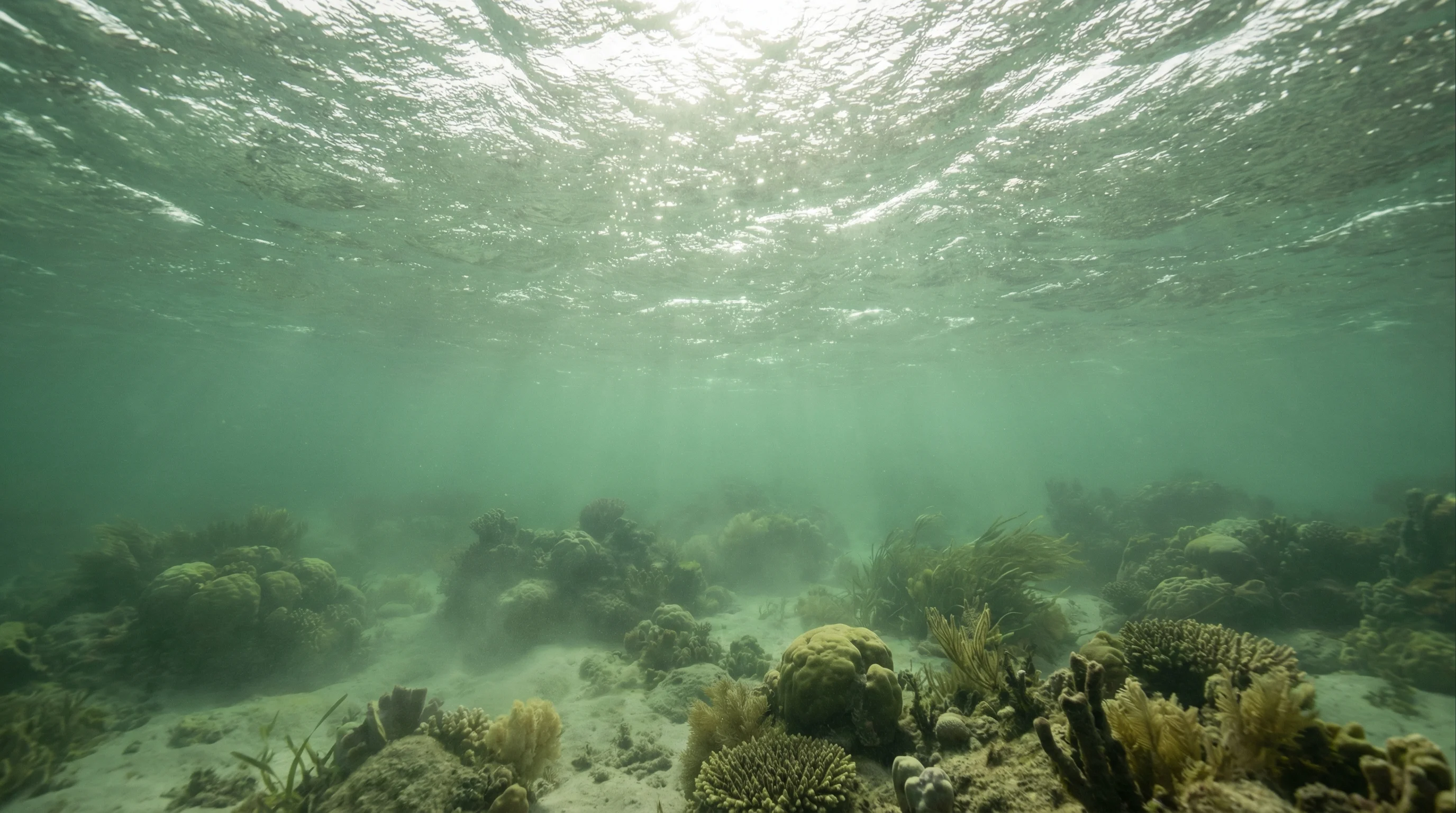
Cairns sits at the gateway to fringing reef and outer reef diving across several distinct sub-areas: Fitzroy Island, Green Island, Palm Cove, and the Frankland Islands. Sites are overwhelmingly beginner-friendly, with gentle slopes, shallow entries, and calm conditions at most locations. Green Sea Turtle is very commonly sighted, and Napoleon Wrasse, Whitetip Reef Shark, and Giant Clam appear regularly. The dry season months bring the clearest, most settled conditions for both diving and snorkelling.
4 areas
 2
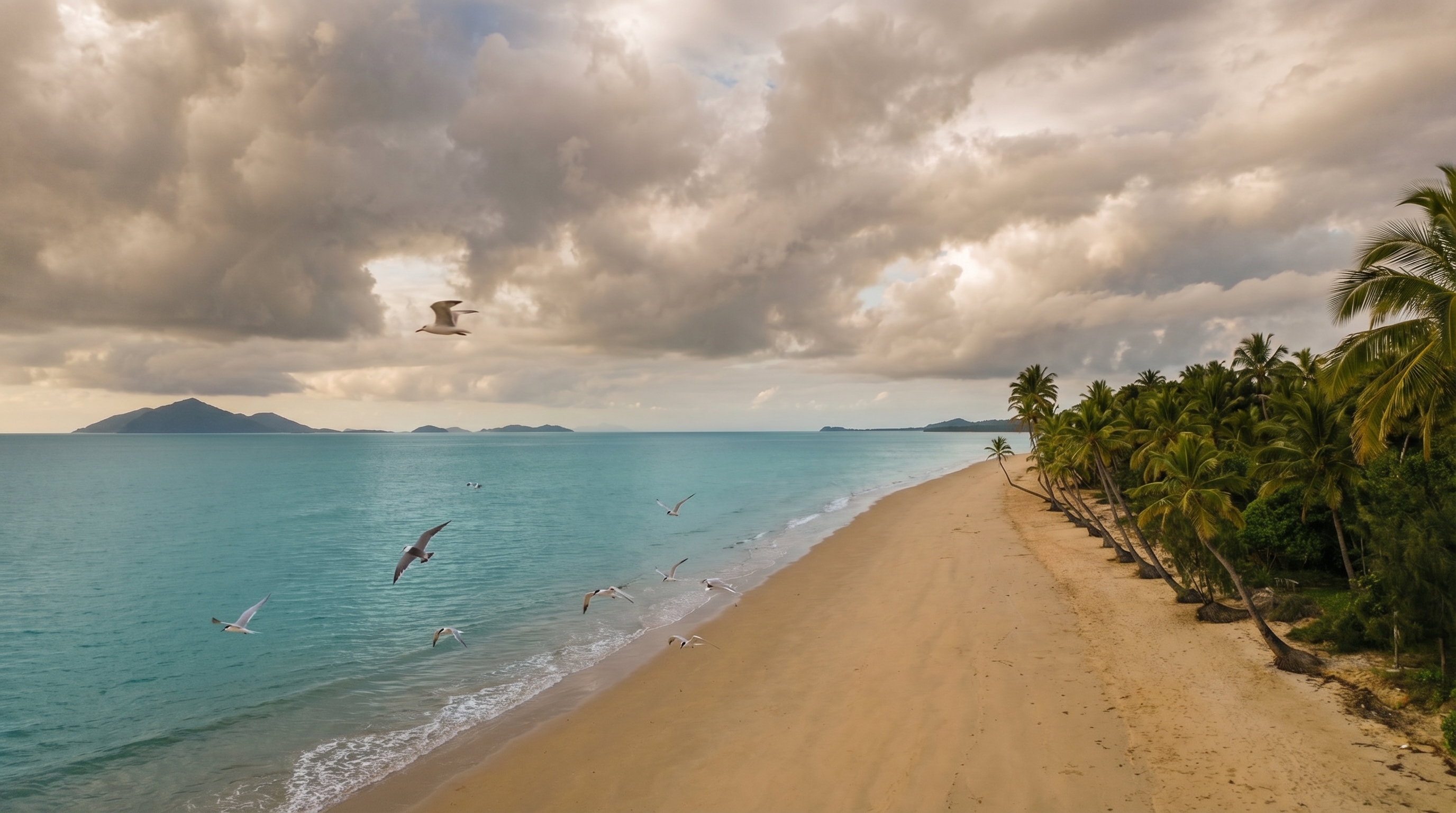
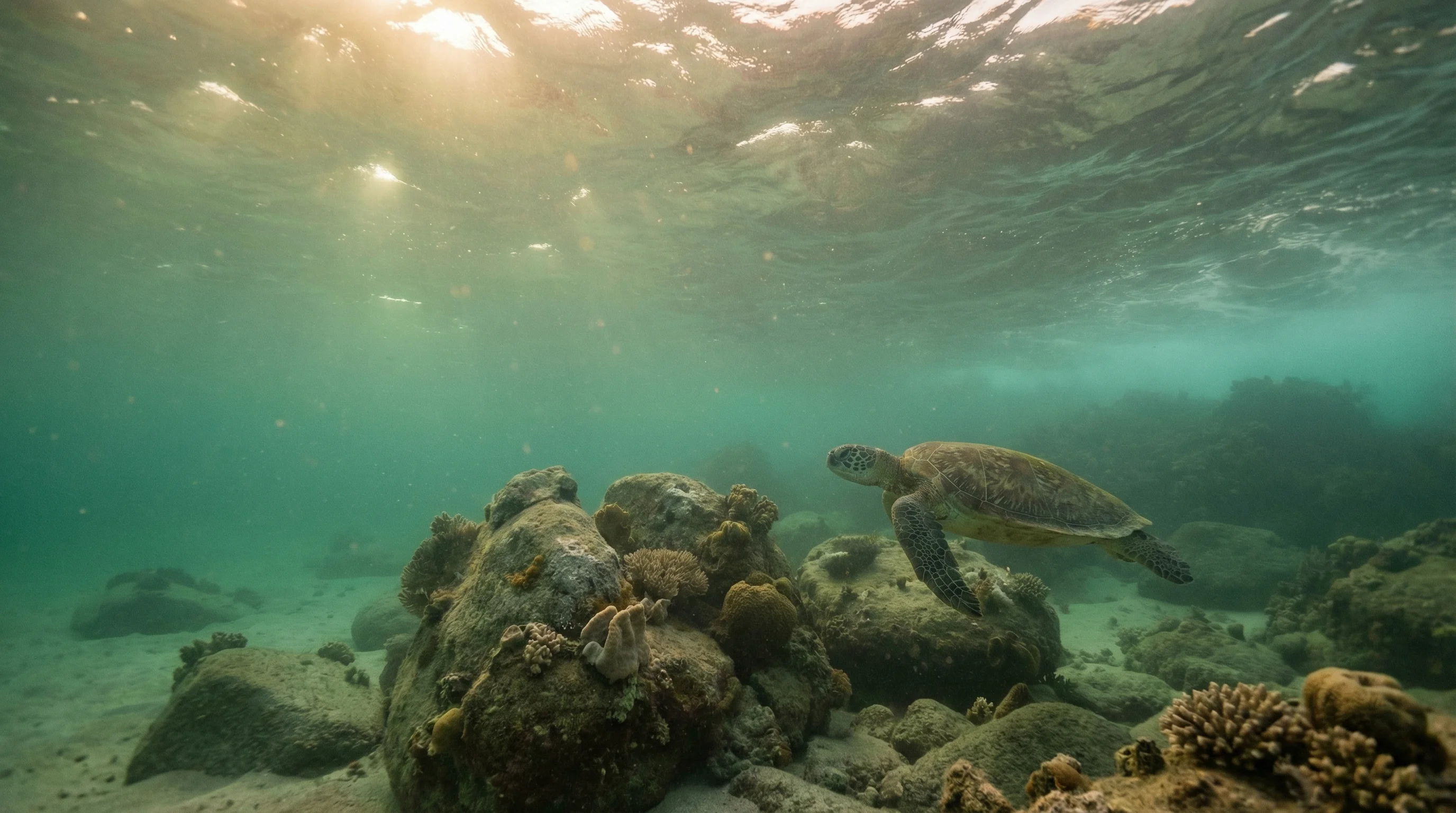
2Fringing Great Barrier Reef accessible from the beach, twenty-five kilometres from Cairns, with green sea turtles and reef fish.
 2
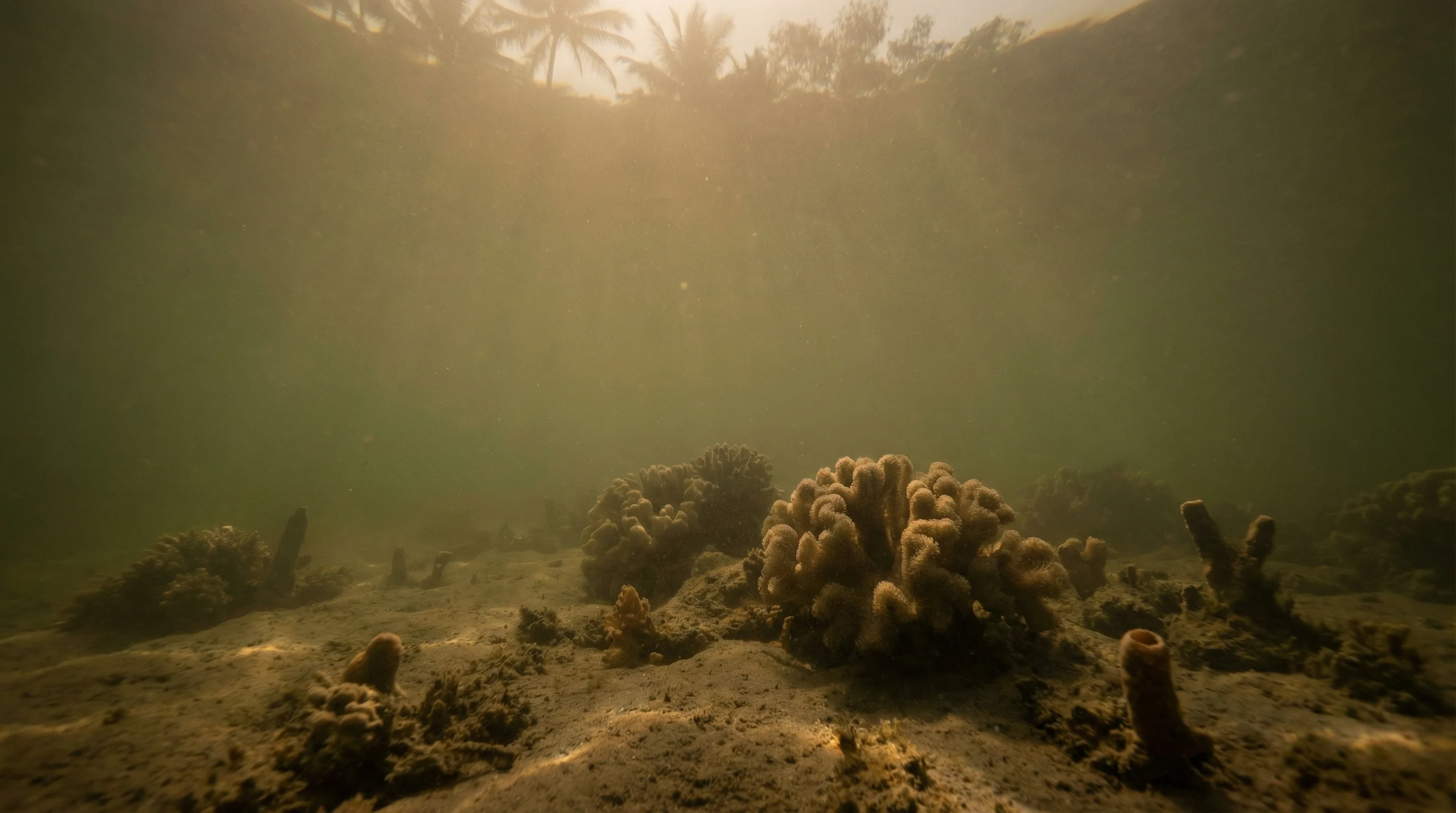
2Shore and boat reef diving near Cairns, from seagrass shallows to a thirty-metre offshore reef at Double Island.
 2
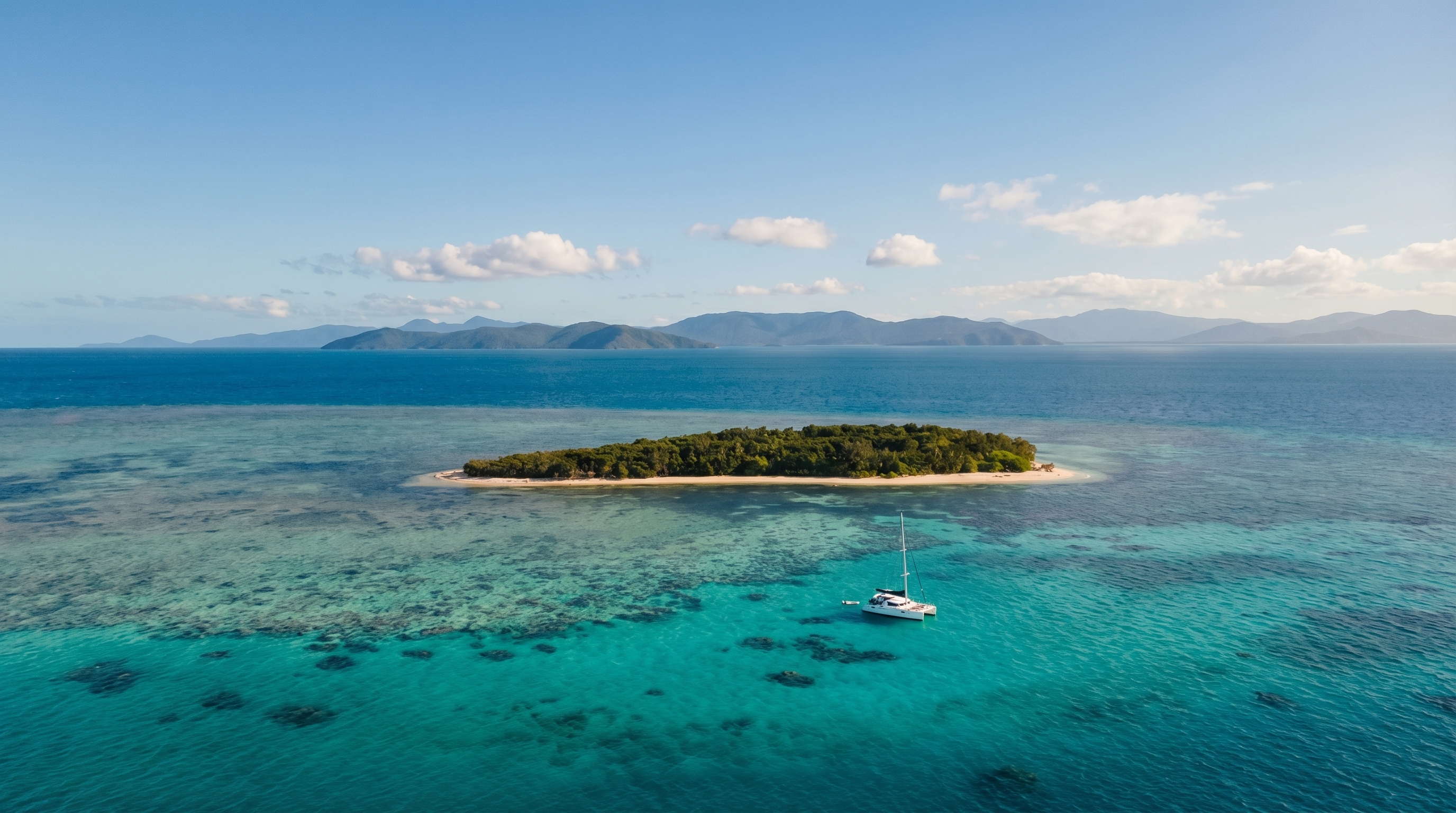
2Coral cay on the Great Barrier Reef near Cairns with shore-accessible reef, seagrass, and diverse reef fish.
Monthly water temperature across Cairns's sites, from satellite sea-surface data corrected for depth. The band shows the site-to-site spread.
Water is warmest from December through March and cools to its lowest in July and August, though it remains warm enough to dive comfortably year-round. Visibility improves markedly during the dry season, roughly May through October, when settled winds reduce surface chop and runoff. This drier period also draws the highest diver ratings, making it the most rewarding window for underwater clarity.
11 operators



Cairns, Australia
Cairns, Australia
Australia
6 more sites to explore
Shallow beginner reef near Cairns, reached by boat, with turtles, triggerfish, and giant clams; best visited in the dry season.
Water temperature around Cairns ranges from about 24°C in July to 30°C in February, based on satellite sea-temperature data for its dive sites.
In the warm season (about 30°C) a rash guard or 3mm shorty is comfortable in Cairns; in the coldest months (about 24°C) step up to a 3mm full suit.
Fin maps 10 sites in Cairns (9 scuba diving sites and 6 snorkelling spots, with some suited to both), organised into 4 areas.
Across Cairns's dive sites, May, June, July, August, September and October are most often reported as the best months to visit.
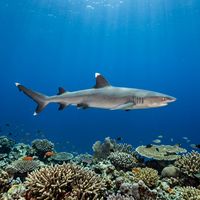
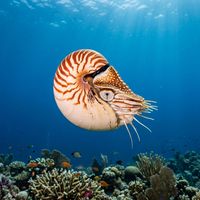
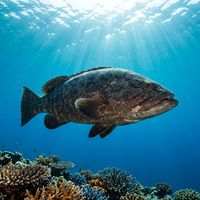
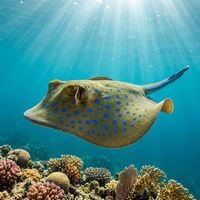
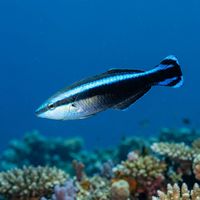
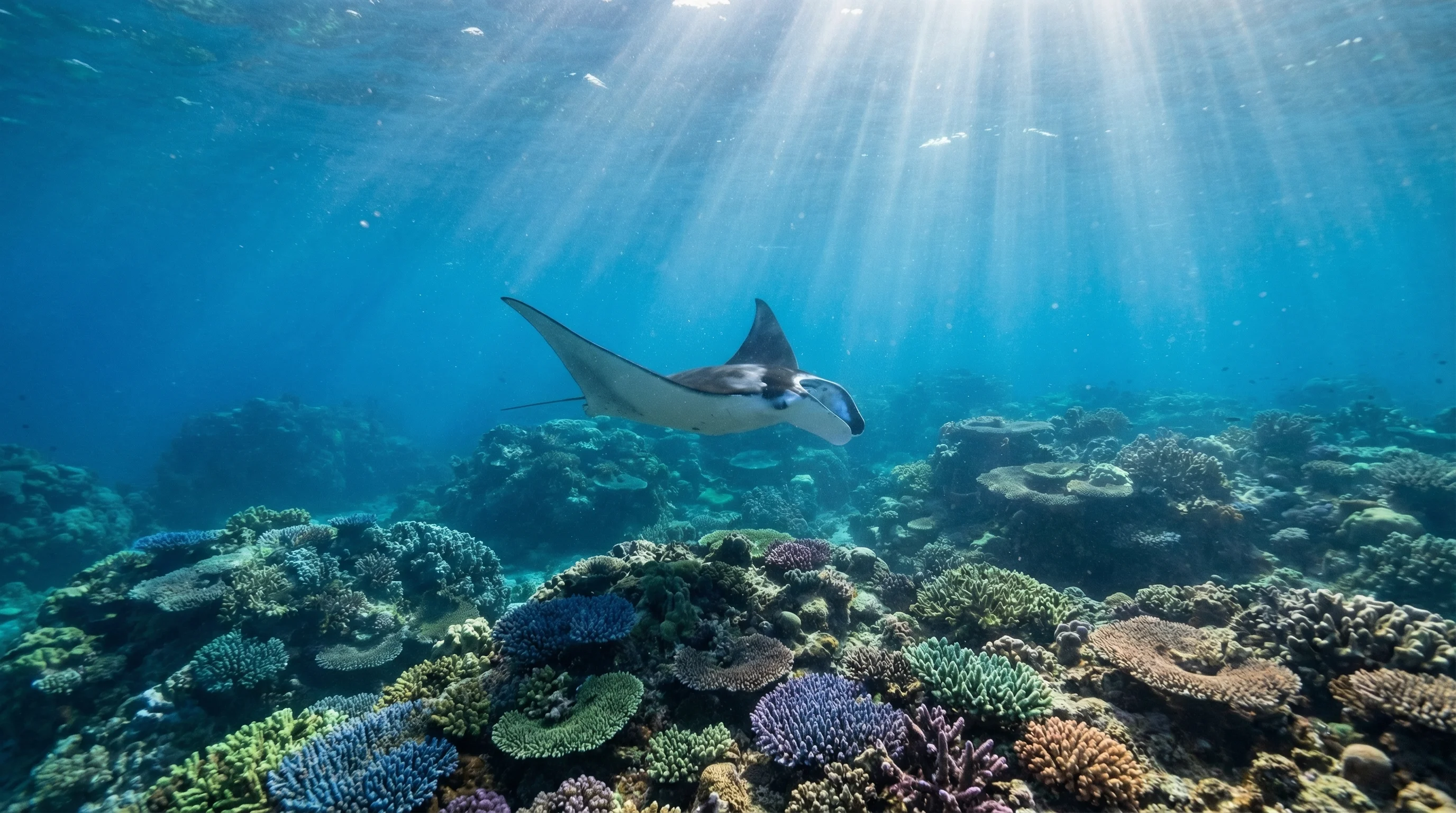
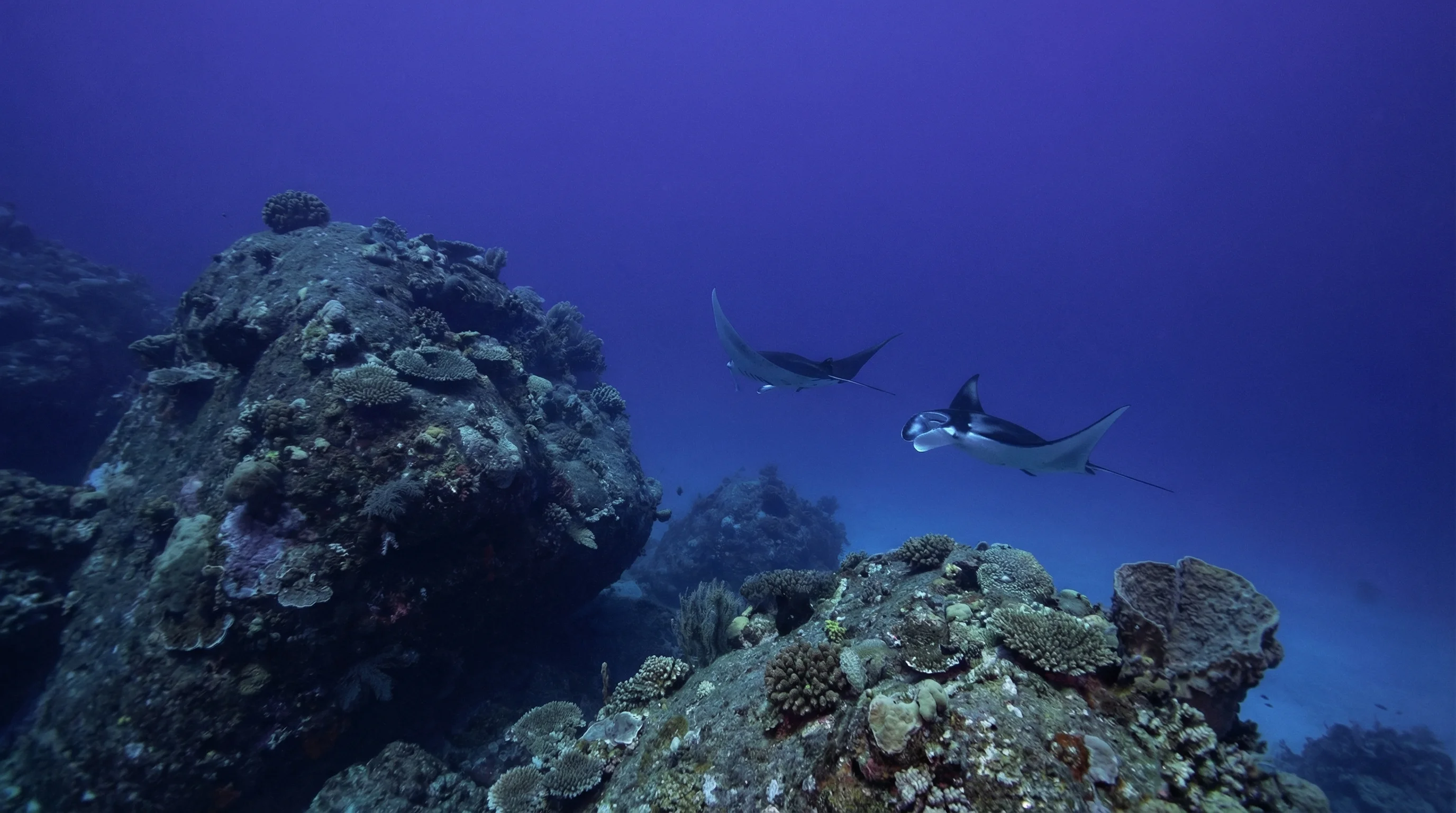
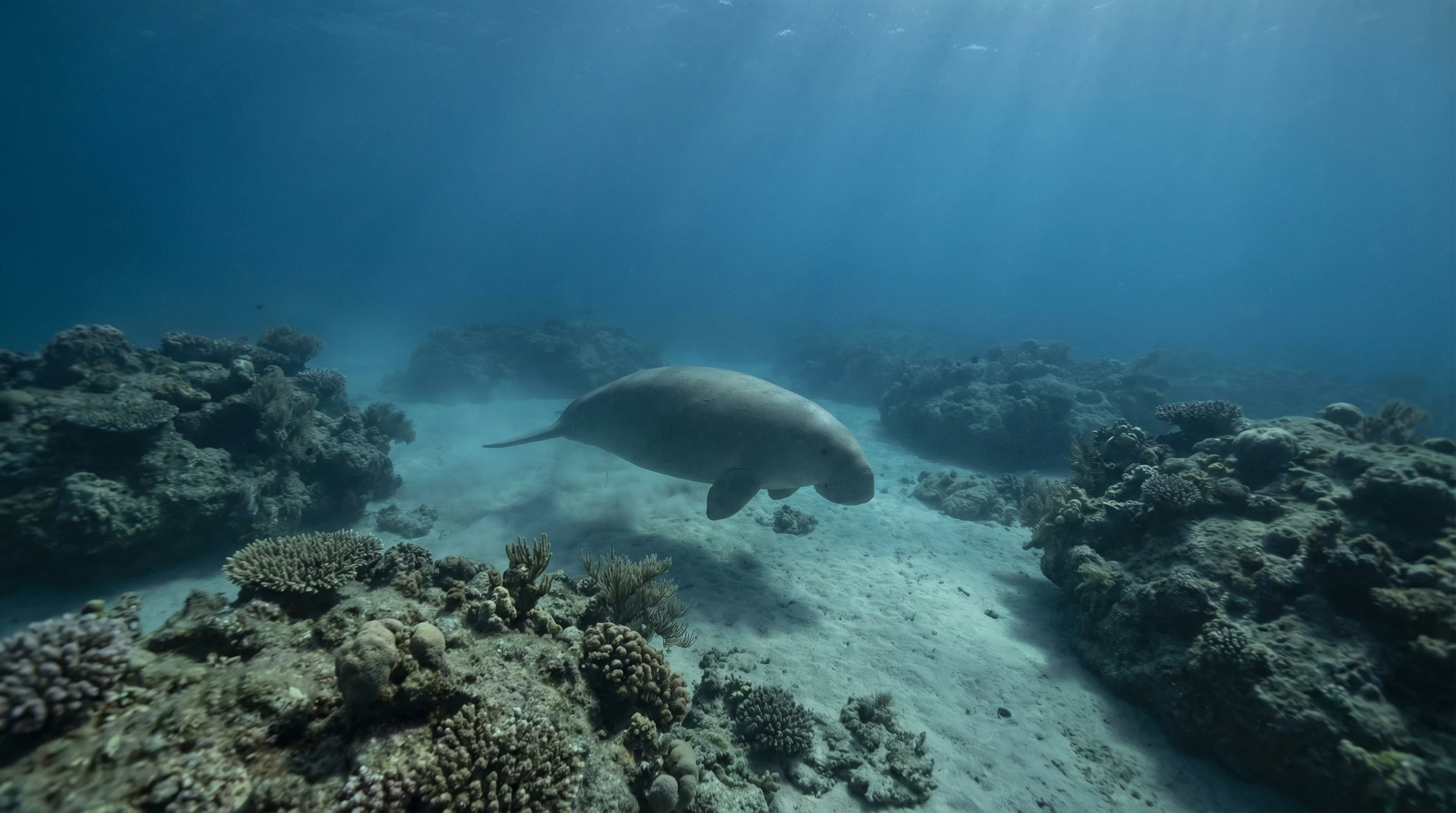
Green Sea Turtle is the most frequently observed species across the region. Napoleon Wrasse, Giant Clam, Whitetip Reef Shark, and Titan Triggerfish are all commonly sighted. Occasional encounters with Queensland Grouper, Nautilus, and Bluespotted Fantail Ray are also on record, and Humpback Whale has been observed in the area.
The majority of sites across the Cairns sub-areas are rated beginner level, with shallow maximums and gentle slopes. Shore entries at Nudey Beach and Green Island remove the need for boat experience. Operators such as Tusa Dive, Pro Dive Cairns, and Divers Den all run introductory programmes from the area.
Green Island offers both shore and boat access, seagrass beds, and a very short transfer from the mainland, making it the most accessible option. Fitzroy Island has fringing reef that can be entered directly from Nudey Beach. The Frankland Islands sit further out and have a single listed site, while Palm Cove offers a quieter, more shore-focused experience.
Not always. Several sites, including Nudey Beach and Green Island, accept shore entries and are reachable without a dedicated dive boat. The outer reef site listed in the data requires a boat transfer. Operators including Dreamtime Dive and Snorkel, Coral Sea Dreaming Dive and Sail, and Reef Encounter cover boat-access trips across the region.