Best for beginner divers, 5-40m, boat entry, mild current.
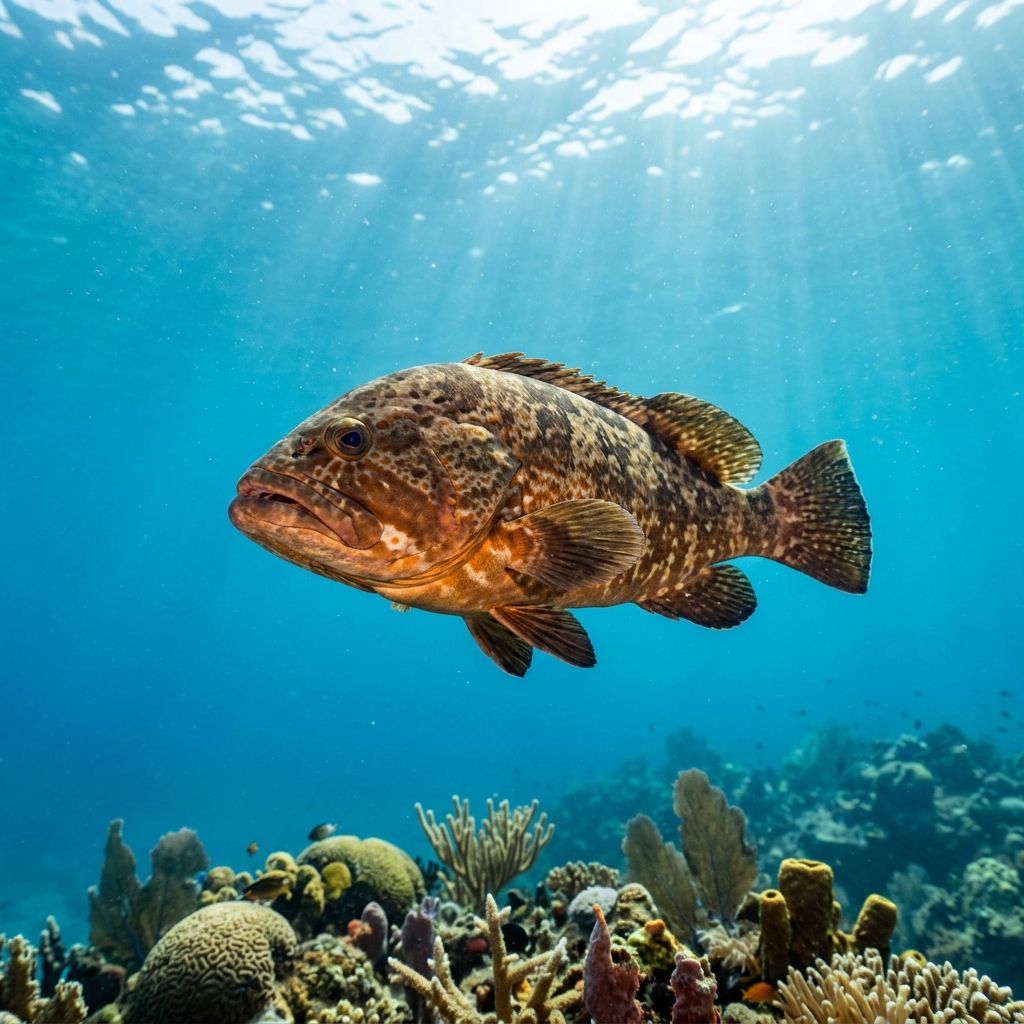
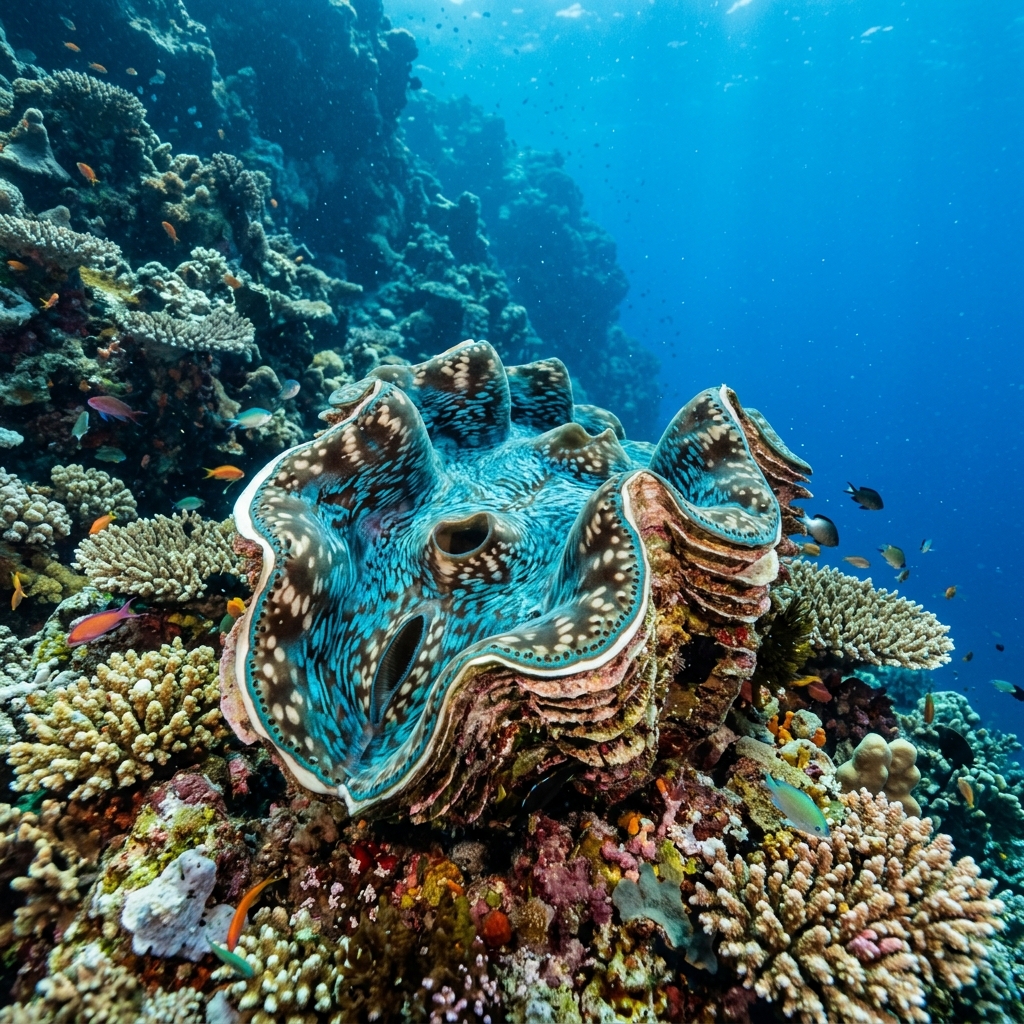
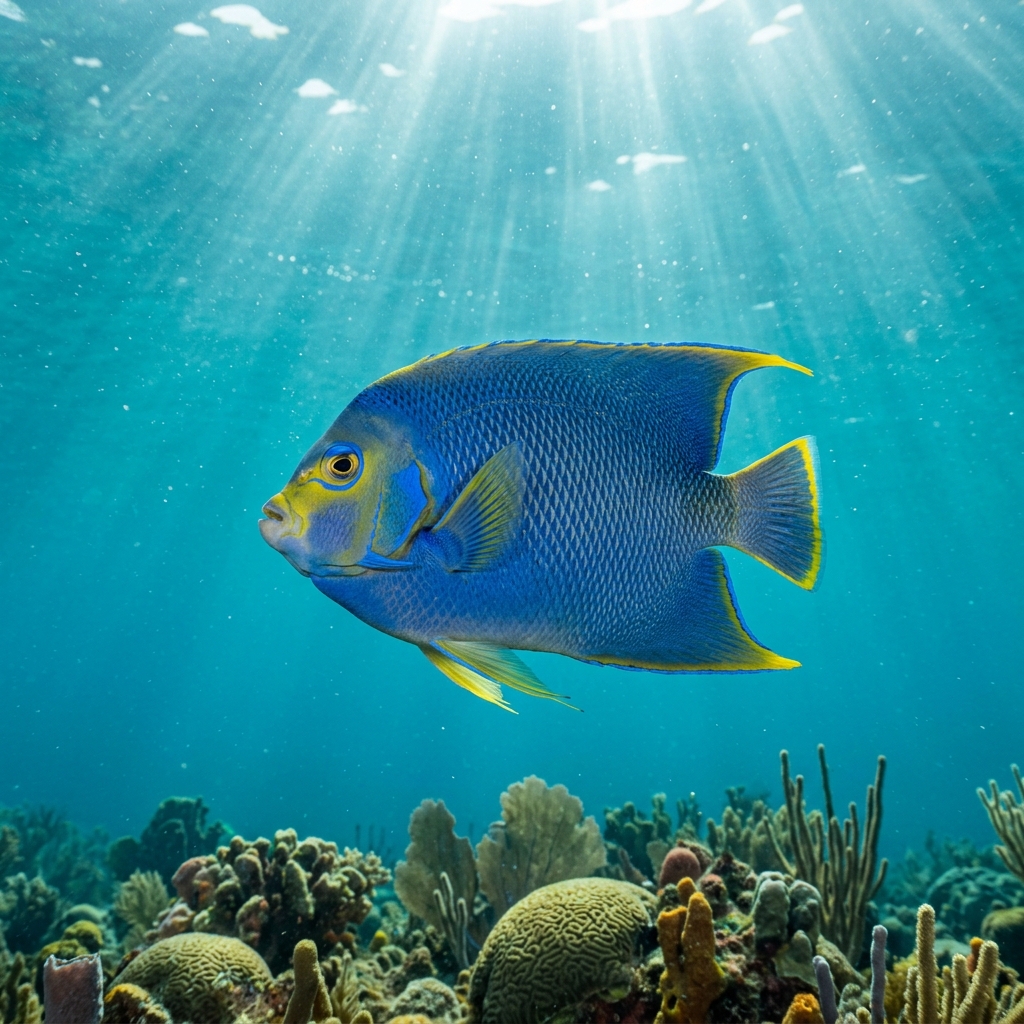
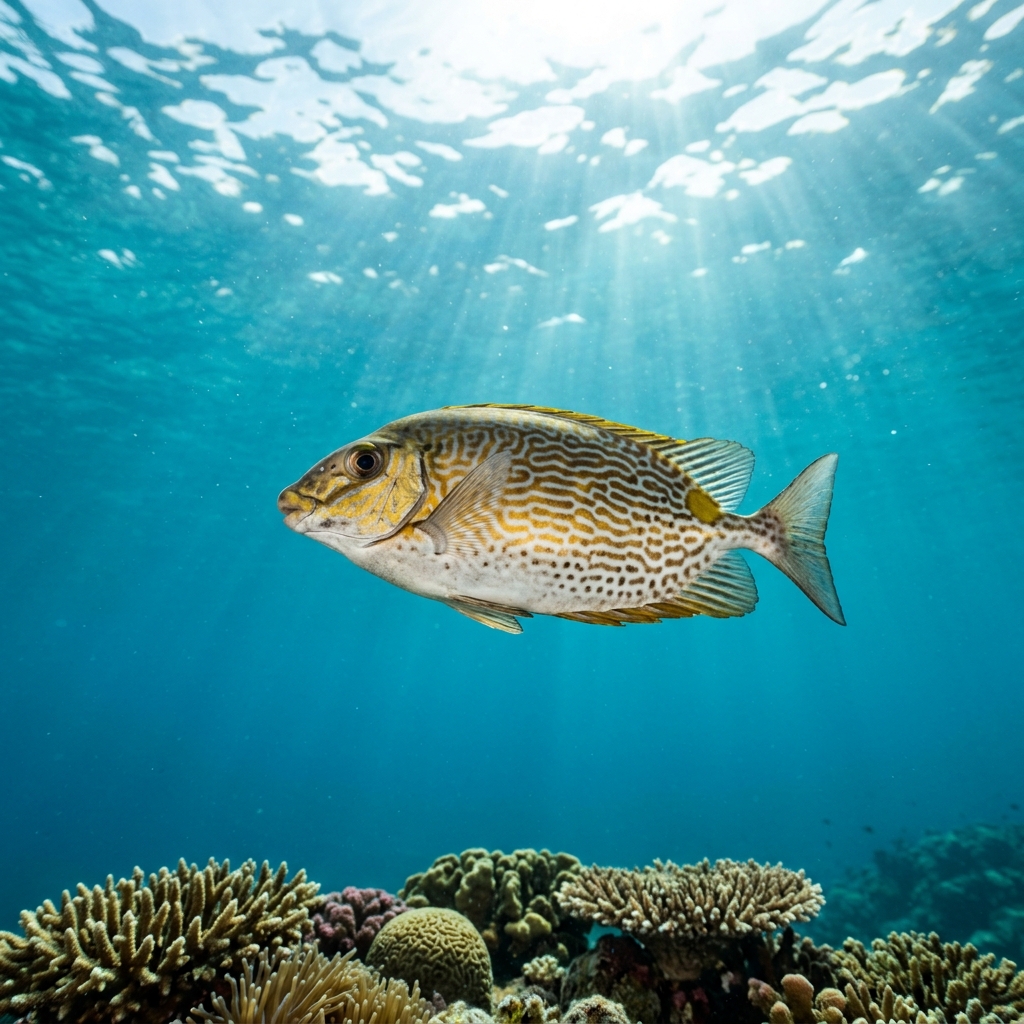
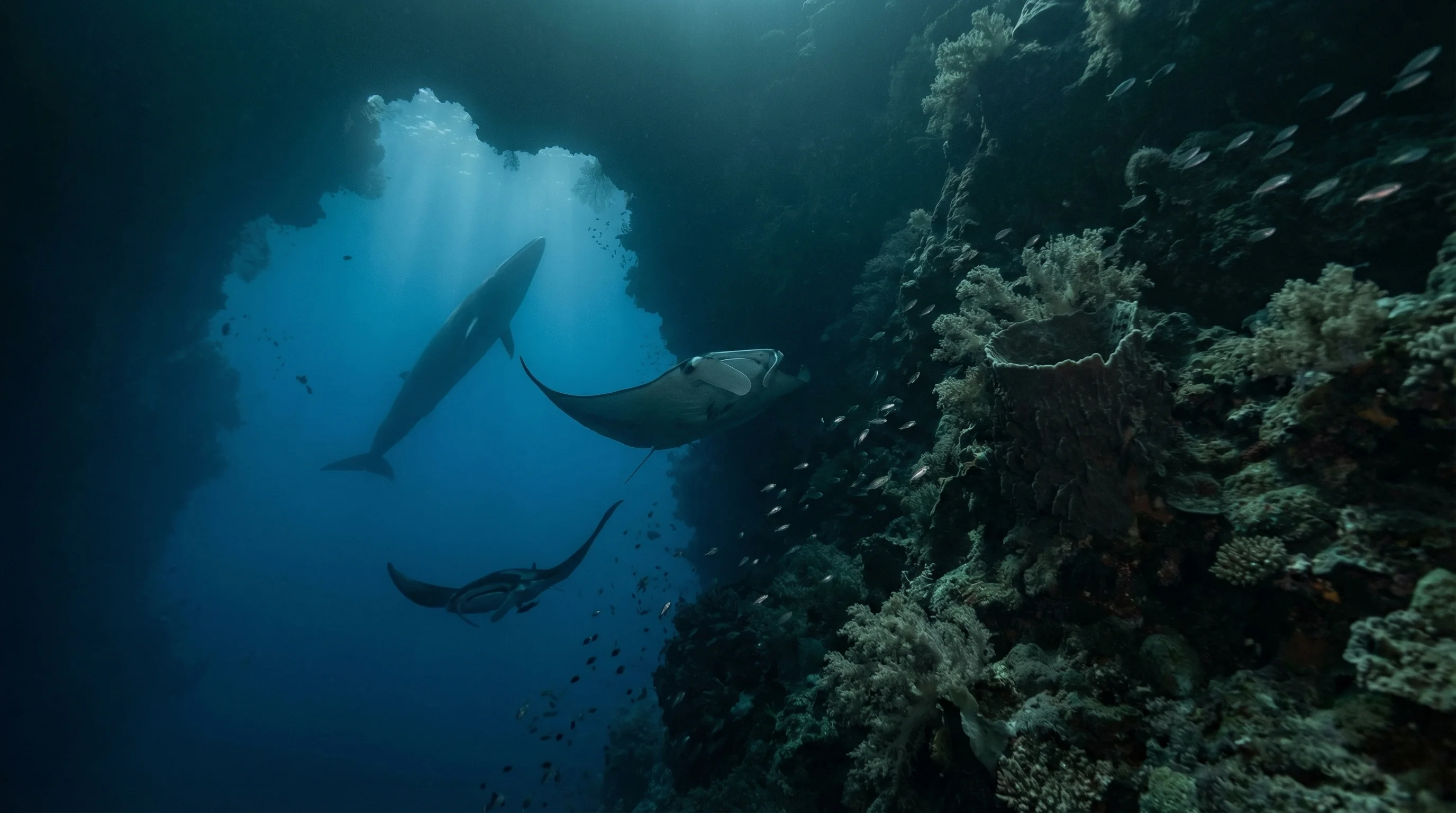
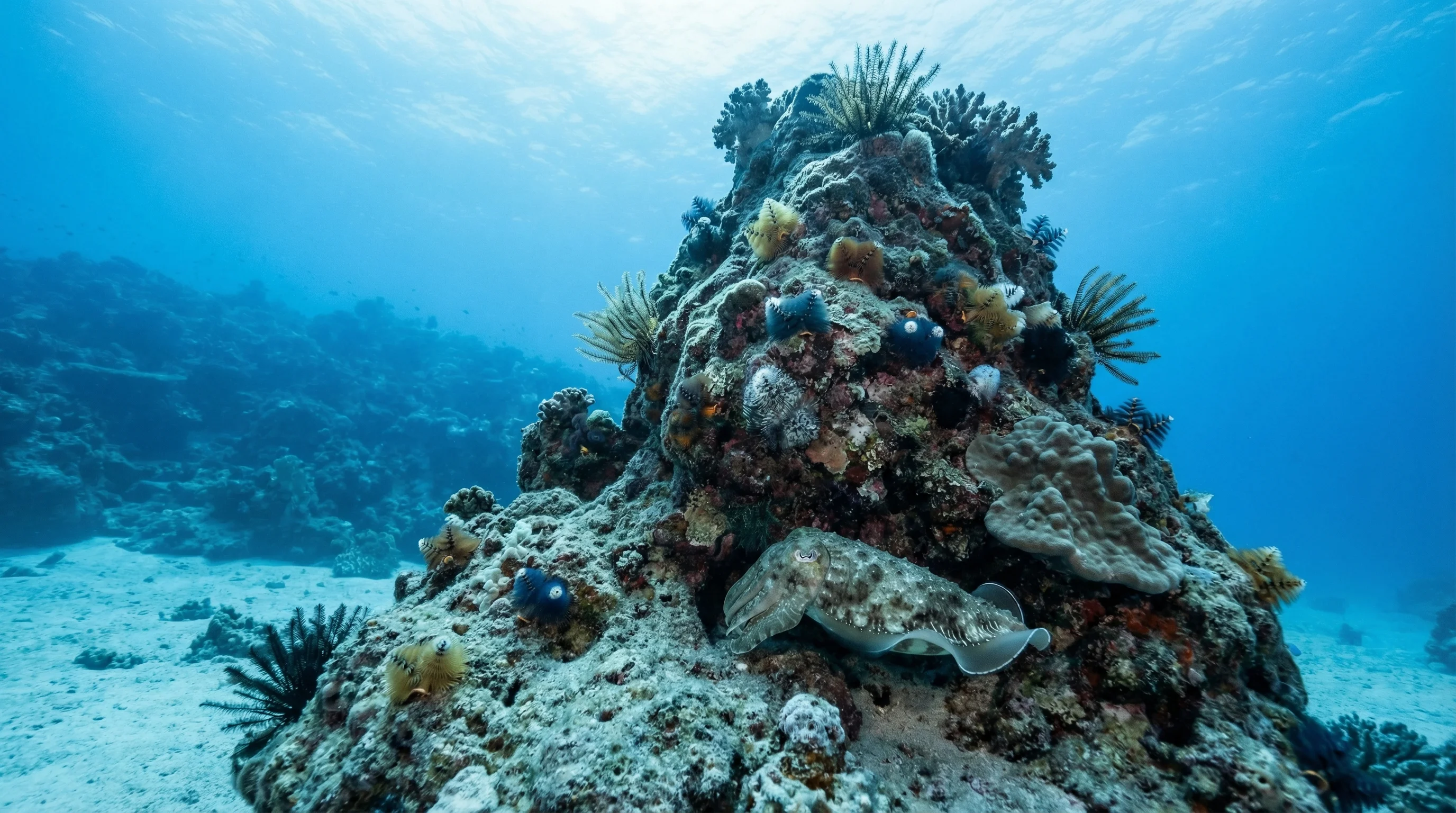
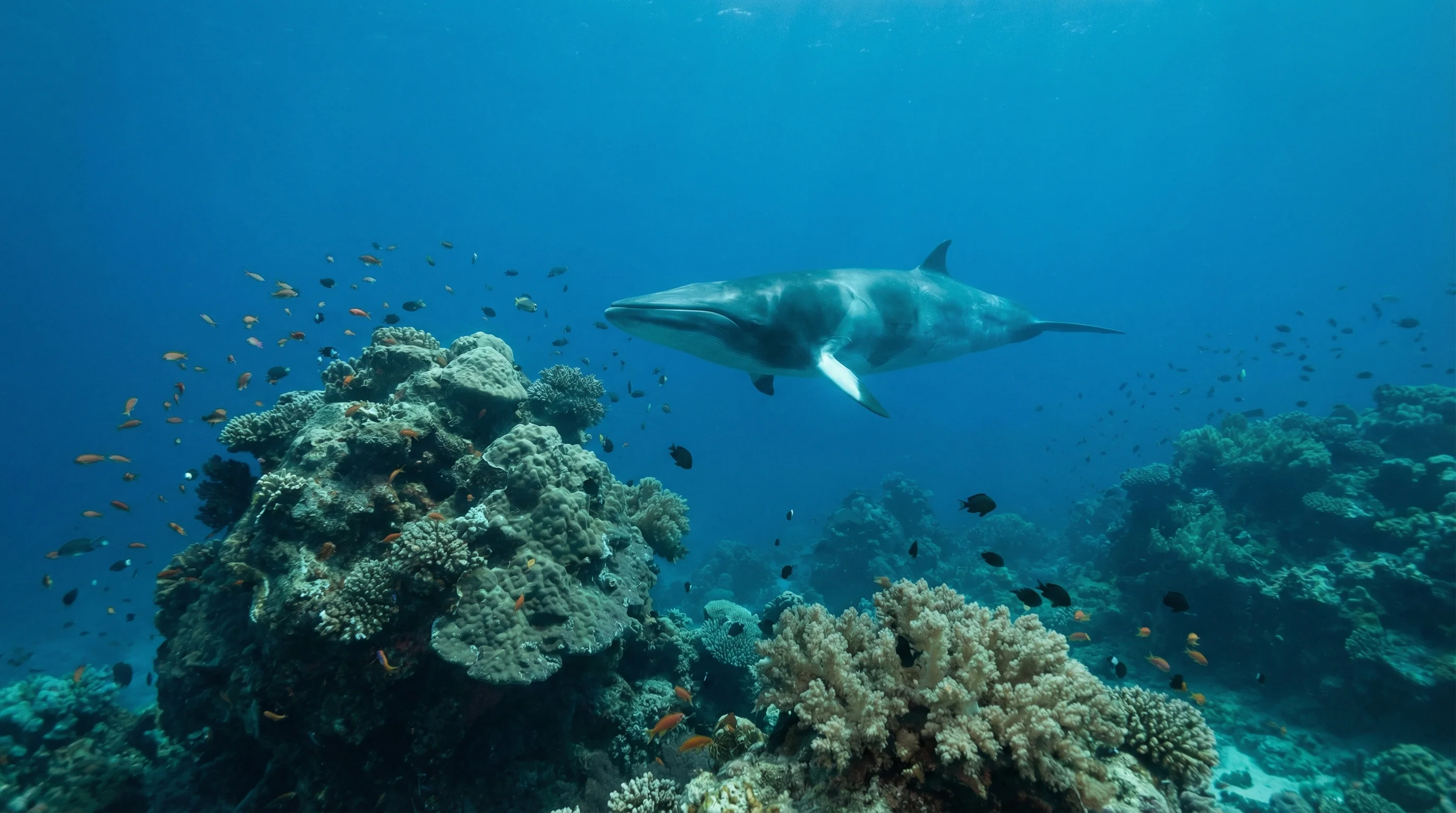
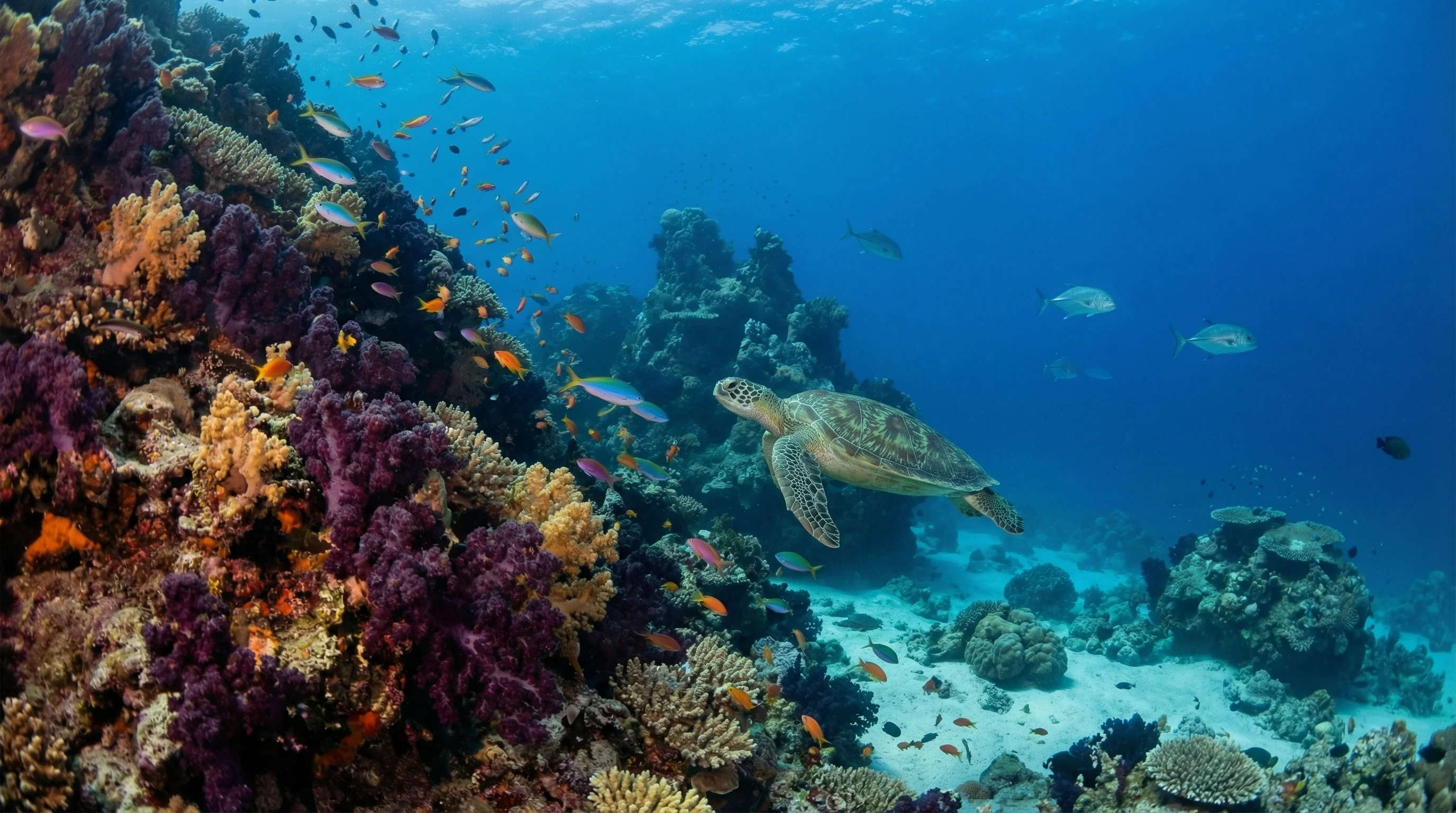
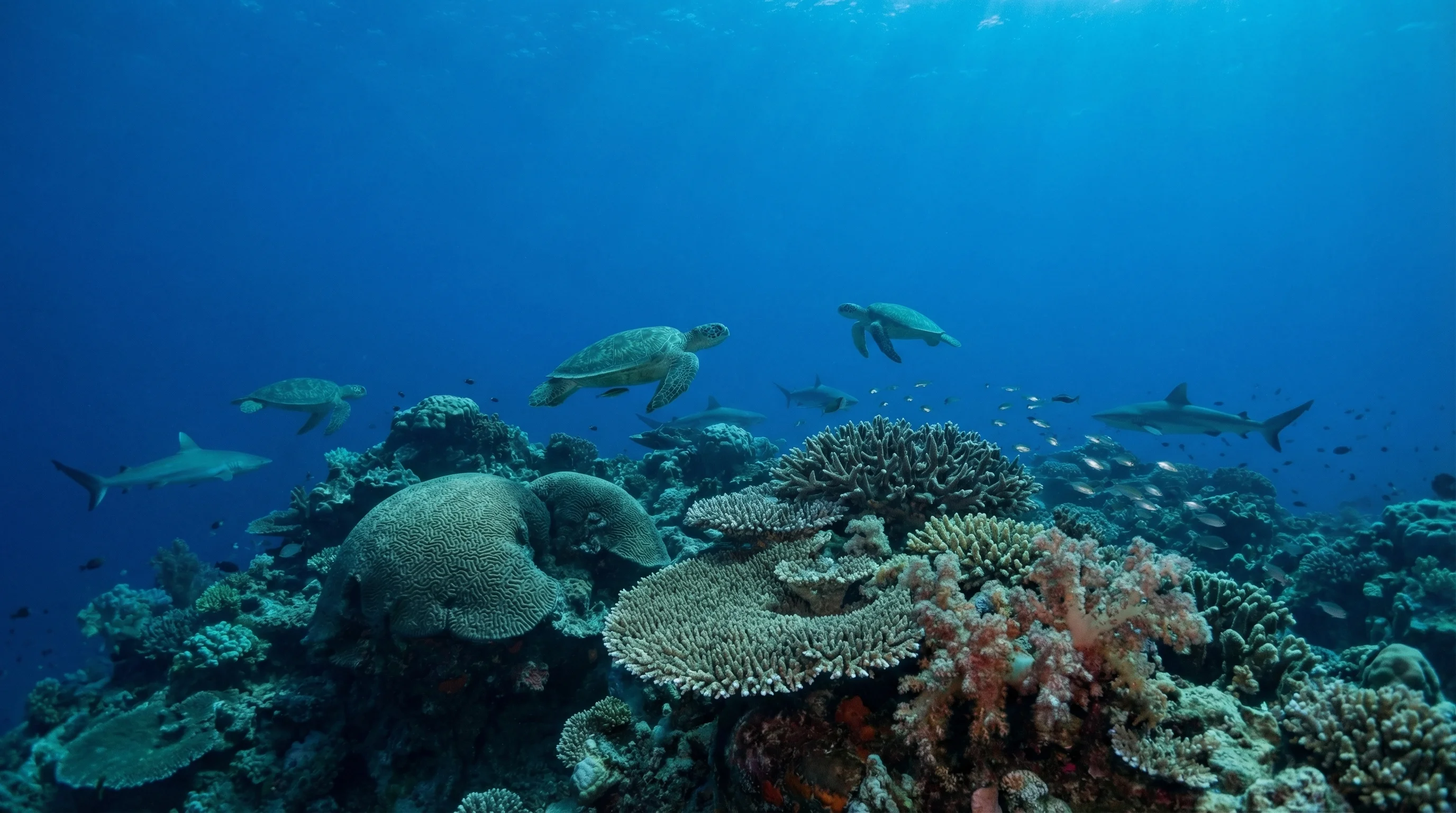
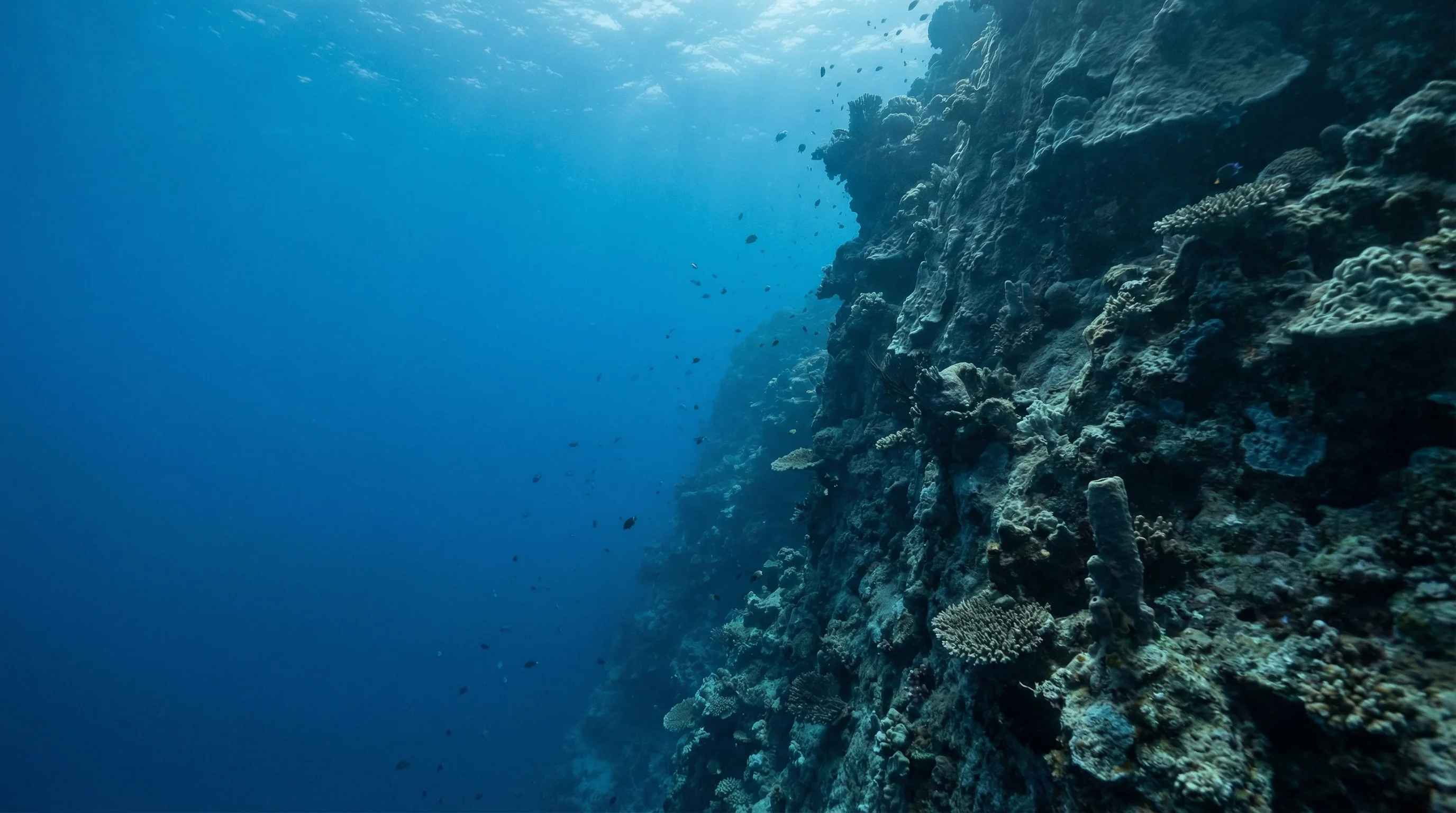
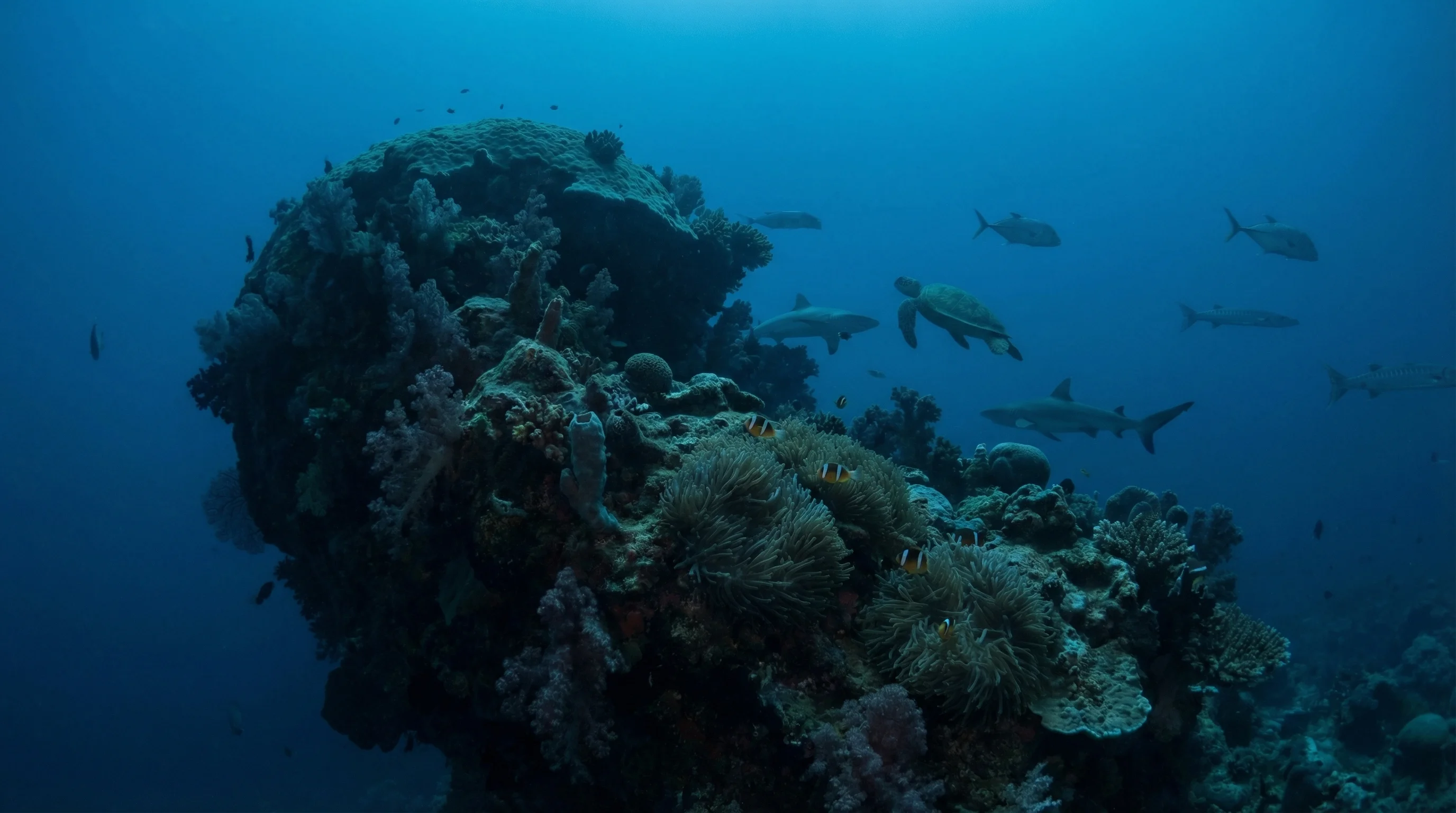
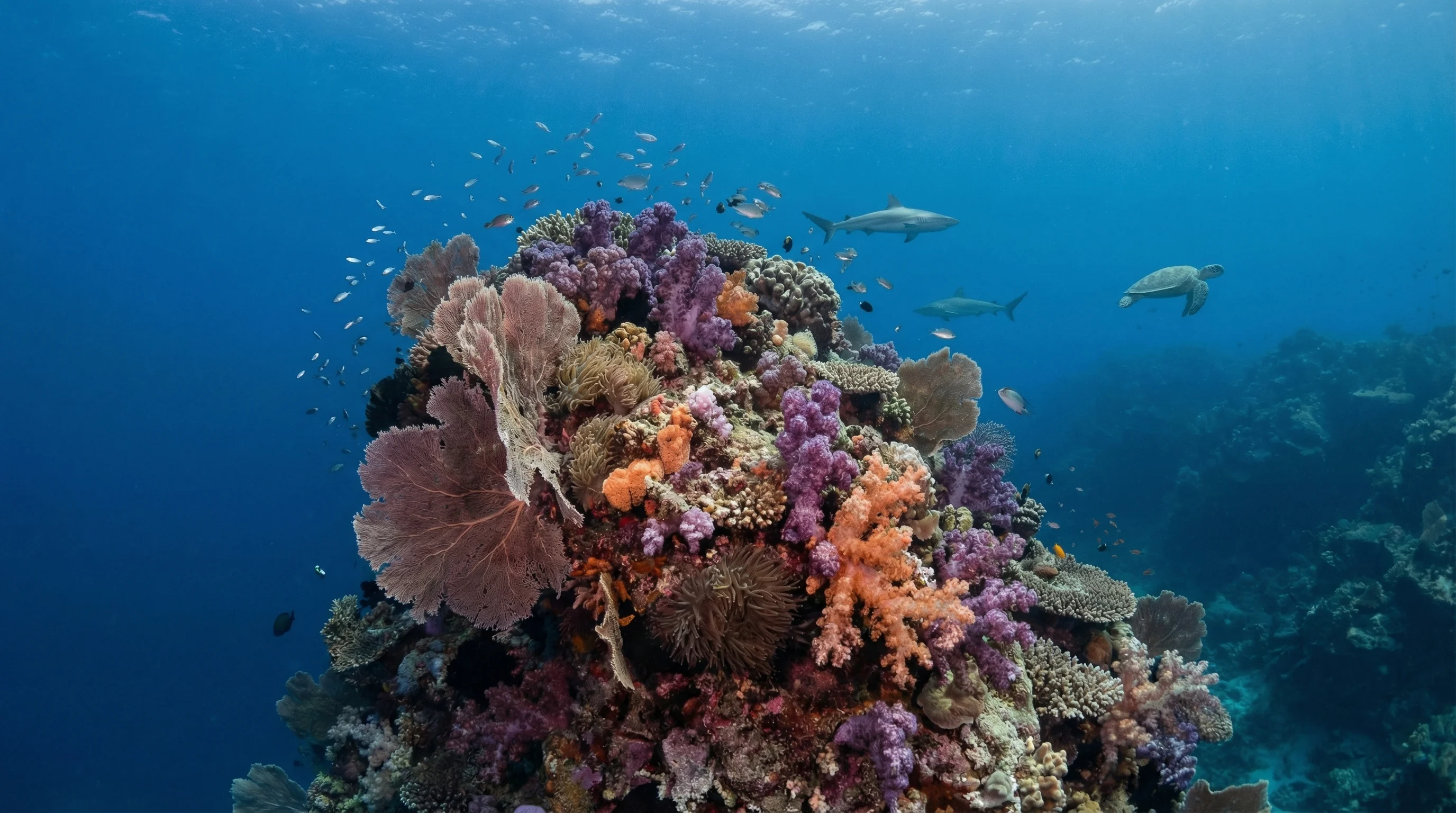
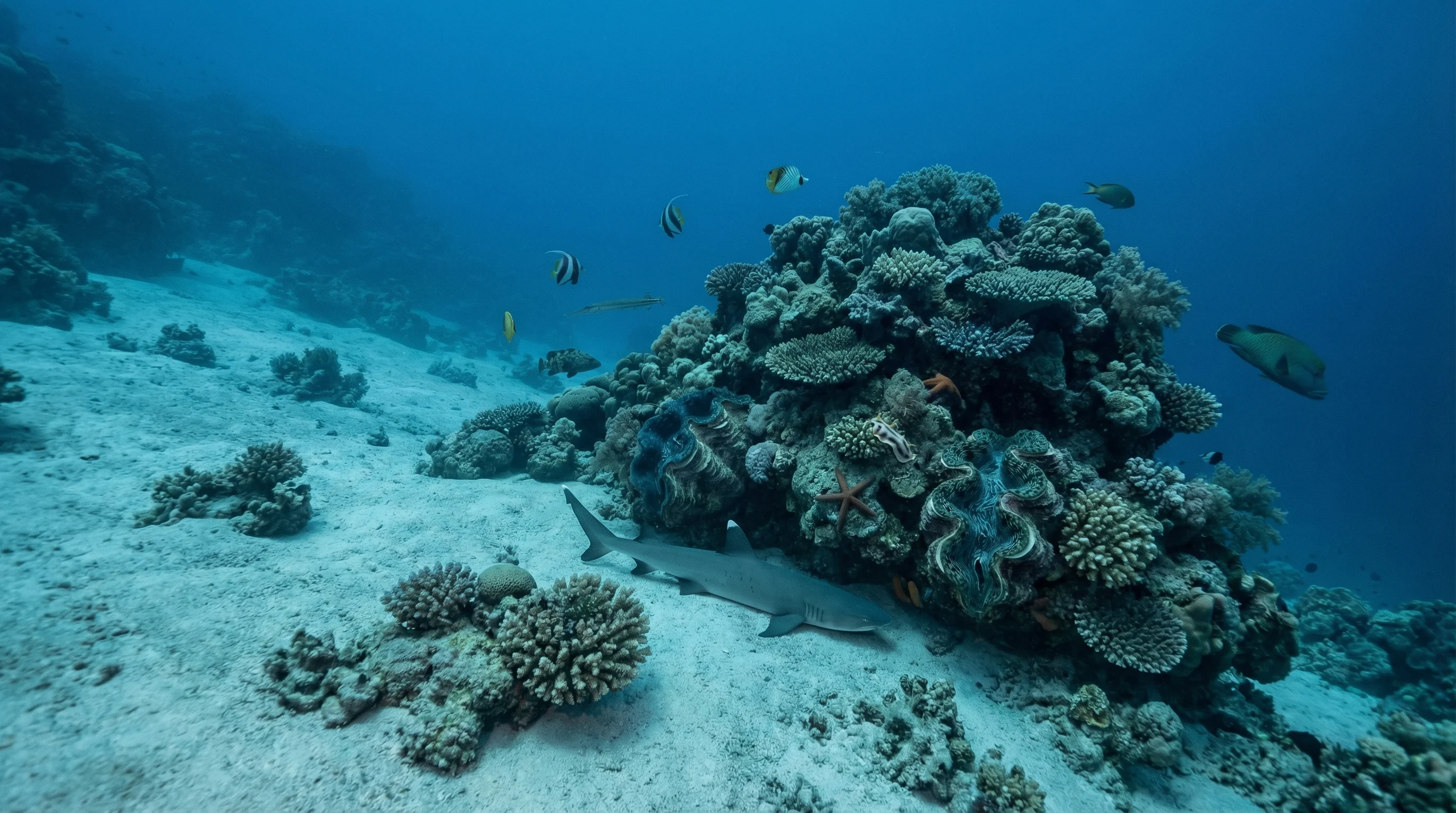
Clam Gardens is a reef site in the Ribbon Reefs, Australia, featuring depths ranging from 5 to 40 metres. The site is named for the giant clams found across the reef structure. Divers can expect mild currents and visibility between 15 and 30 metres. The site is accessible only by boat and is suitable for beginners, who are advised to remain in the shallower sections. Water temperatures fluctuate between 25C and 28C throughout the year. Hazards include jellyfish, lionfish, sharp coral, stonefish, and surge. Divers should wear a full-body wetsuit or stinger suit during the stinger season from November to May.
-15.39706, 145.76297
May through October brings the most reliable visibility and calmer conditions, making it the ideal window for newer divers to get the most from the site. Check locally for current jellyfish activity before you splash in, as they can appear seasonally.
The site is located on the outer Great Barrier Reef, specifically the Ribbon Reefs, and is accessible only by boat, typically via liveaboard trips departing from Cairns or Port Douglas.
Recorded at this site
Depth
5-40m
Visibility
15-30m
Skill Level
Beginner
Entry
Boat
Boat required
Water Temp
25-28°C
Current
Mild
Typical Dive
45 min
Best Time
May, Jun, Jul, Aug, Sep, Oct
Yes, the site is suitable for beginners, though they should stick to the upper portions of the reef where conditions are most comfortable.
The reef runs from a shallow depth of 5 metres down to 40 metres.
Clam Gardens is located 125 kilometres from shore and requires a boat for access.
The best months to visit are May, June, July, August, September, and October, which offer the most reliable visibility and calmer conditions.
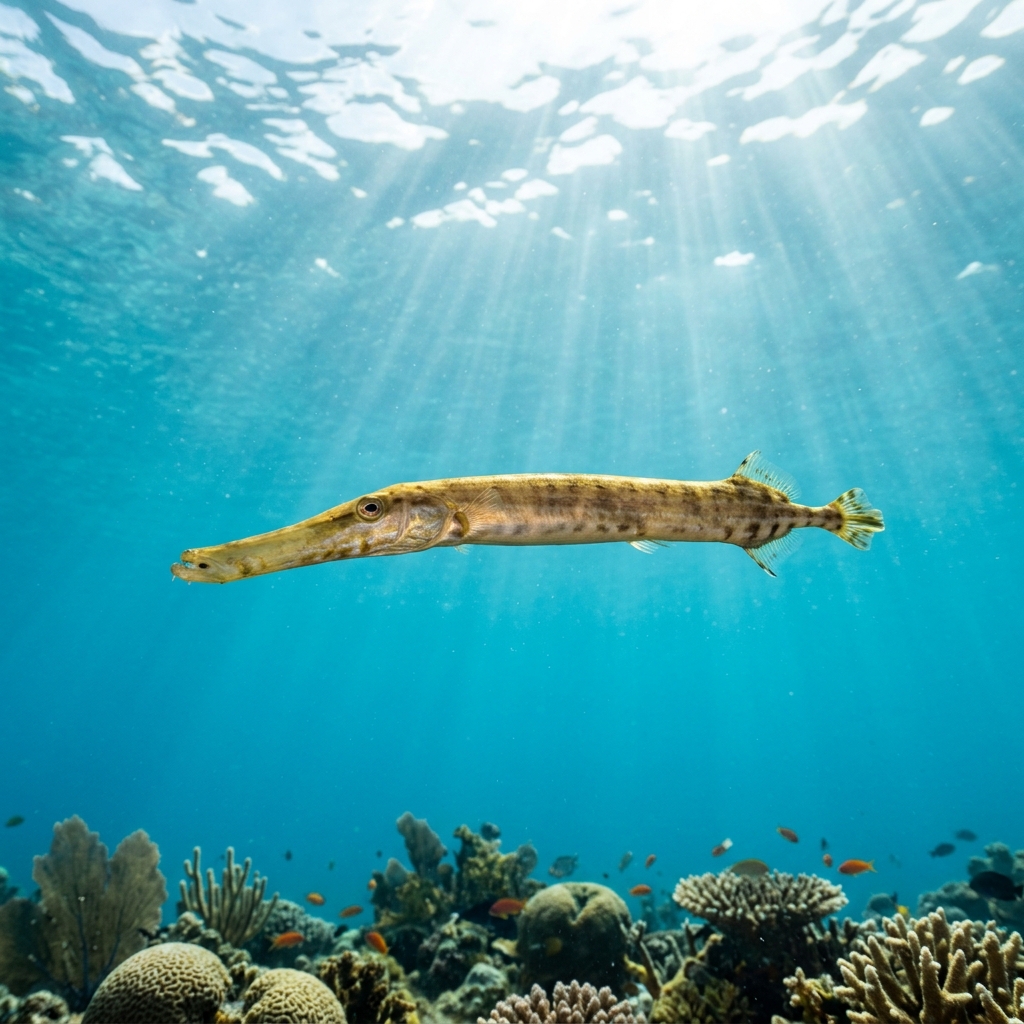
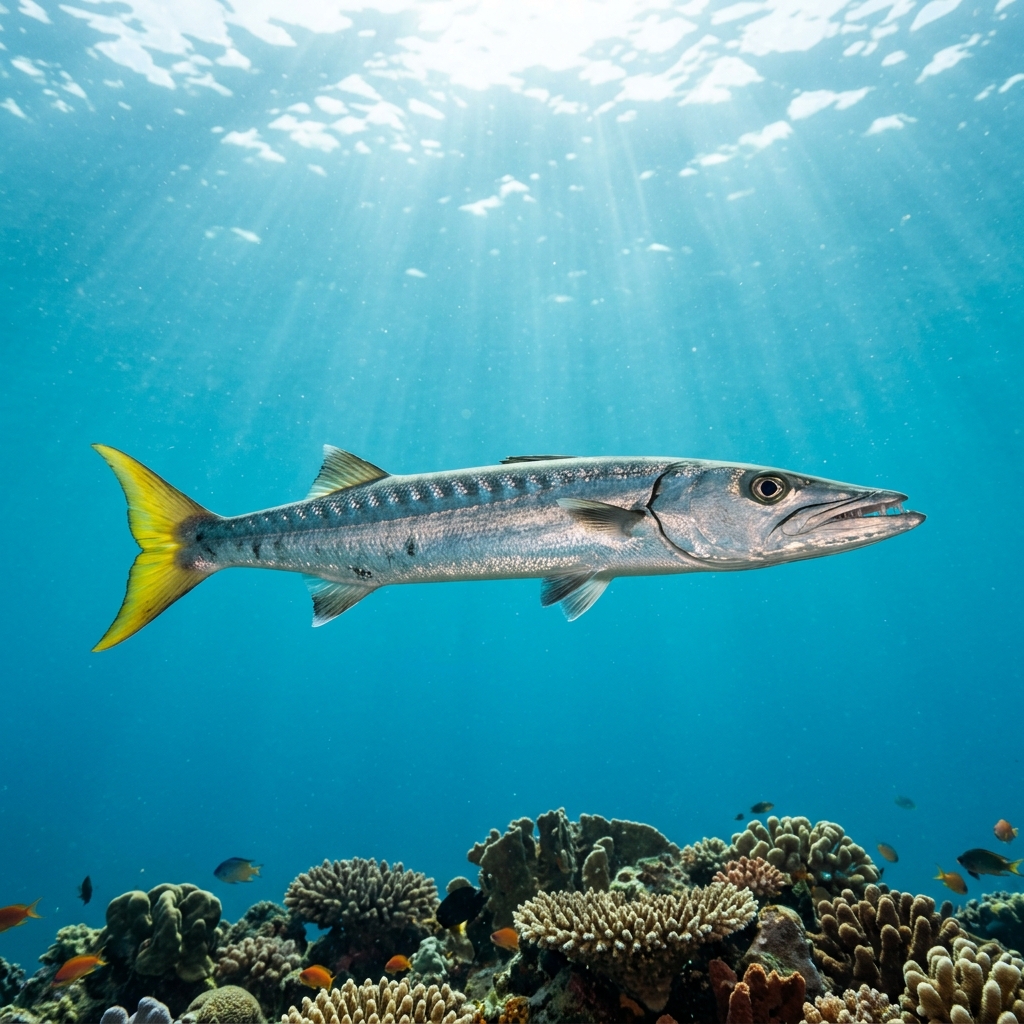
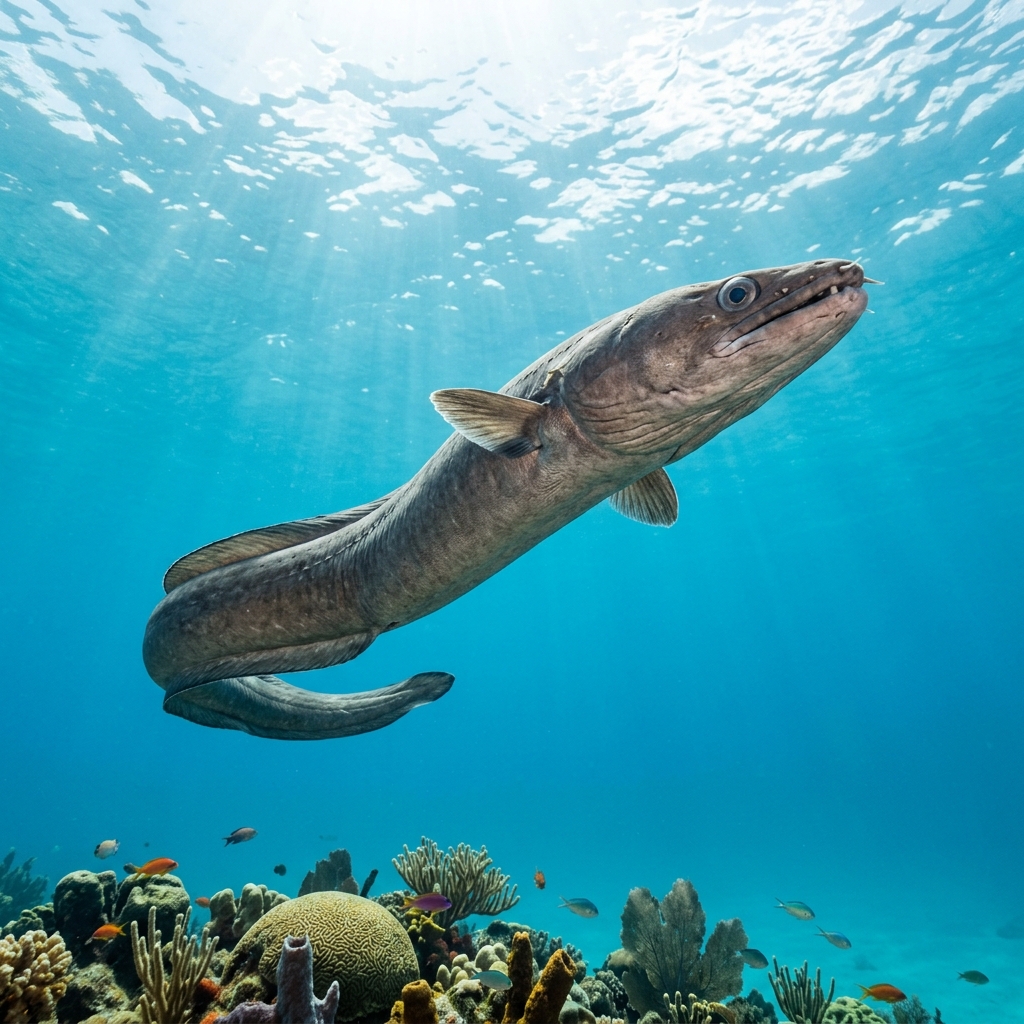
The main hazards include jellyfish, lionfish, stonefish, sharp coral, and surge. It is recommended to wear a full-body wetsuit or stinger suit between November and May due to marine stingers.
Diving at Clam Gardens in Queensland requires the following certifications: Open Water. Always dive within your training limits.
A 3mm wetsuit is recommended for diving at Clam Gardens in Queensland. Water temperatures range from 25°C to 28°C.
Divers at Clam Gardens in Queensland should be aware of jellyfish, lionfish, stonefish. These encounters are generally rare and avoidable with proper awareness. Follow local safety guidance and maintain a respectful distance from all marine life.
Clam Gardens in Queensland typically has mild currents that most divers can handle comfortably.
Visibility at Clam Gardens in Queensland typically ranges from 15 metres to 30 metres. Conditions vary with weather, tides, and seasons.