Amphiprion spp.
Found on reefs from Queensland to the Maldives' Northern Atolls in 23.5-29.4°C water, year-round and easy to spot once you know their host anemone.
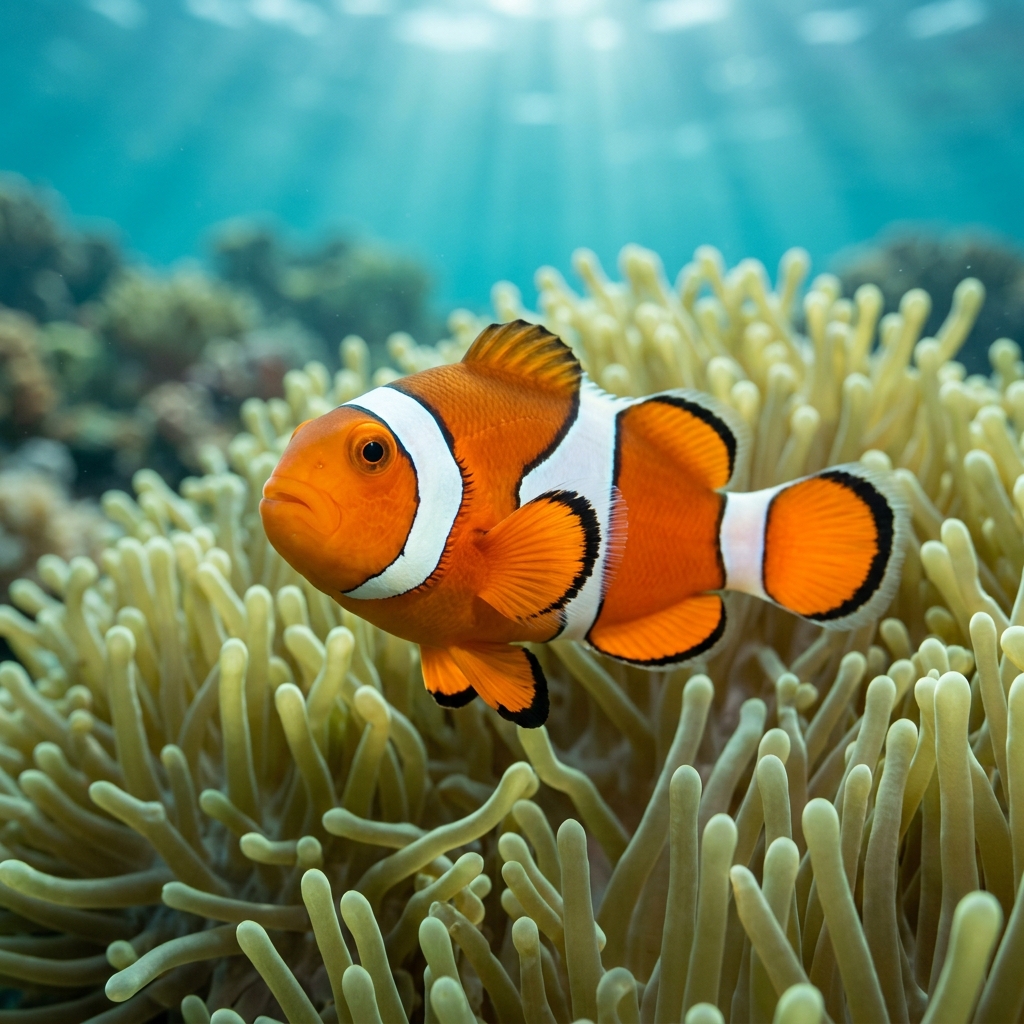
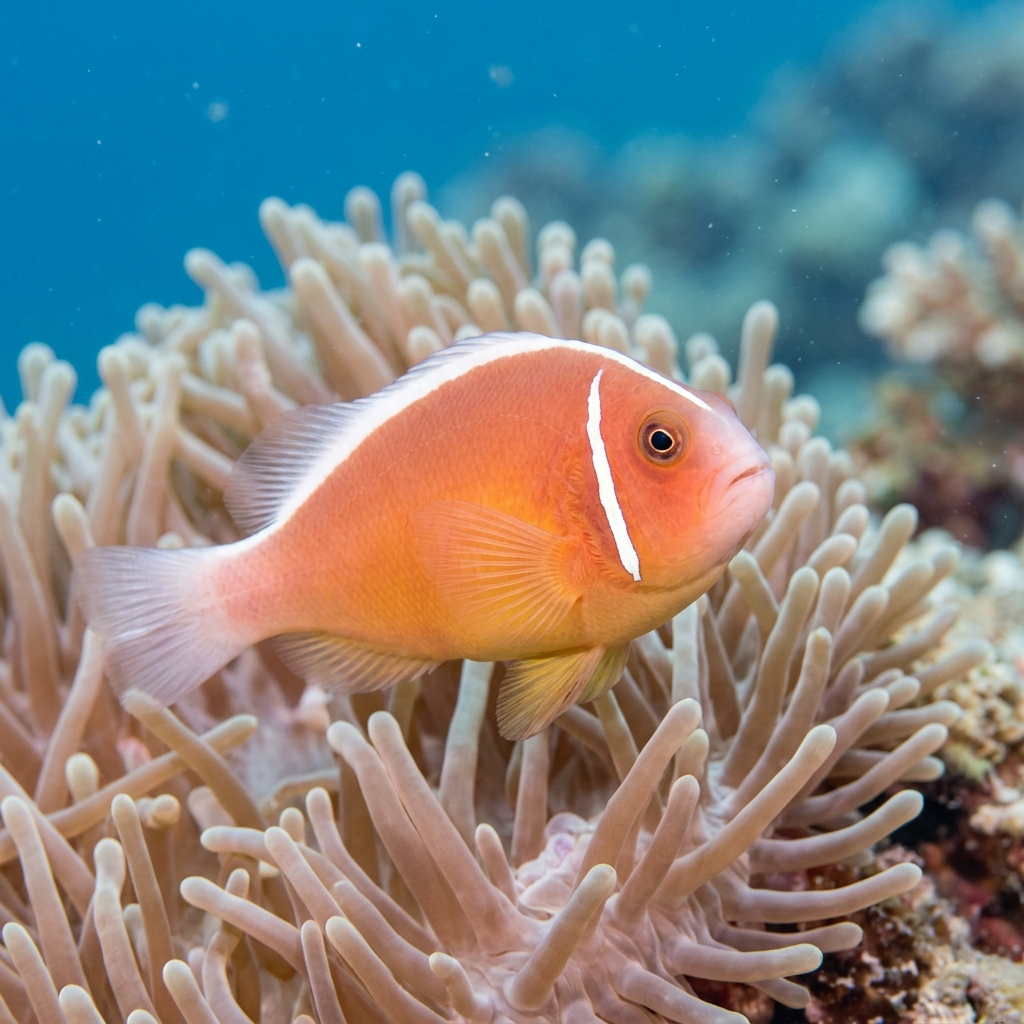
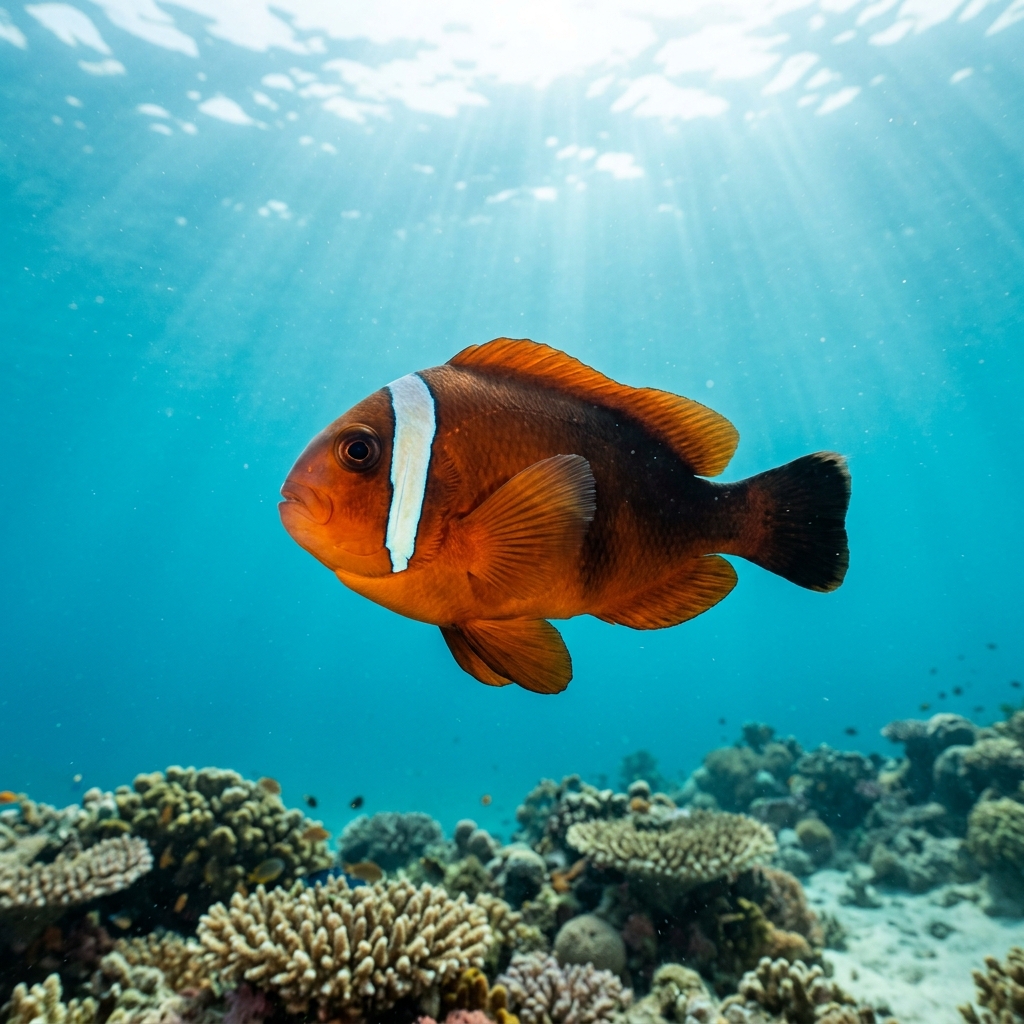
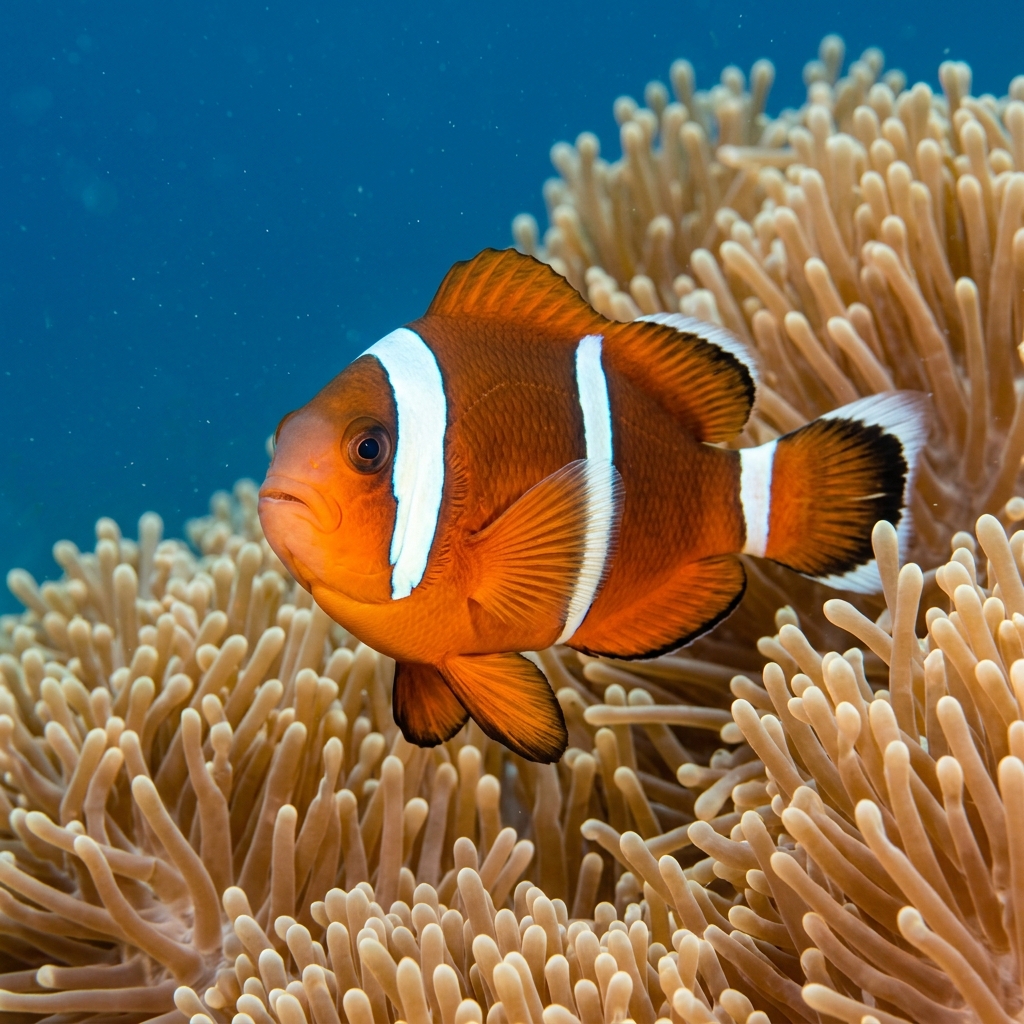
Small, oval-bodied damselfish, usually orange, yellow, red or near-black depending on species, marked with one to three vertical white bars across the body. They rarely stray more than a body-length or two from their host anemone, hovering or darting back into the tentacles when nervous. Size and exact colour vary a lot between the roughly 30 species in the genus, but the anemone association and the bold white banding are the giveaway.
Expect to find them parked over their host anemone on the reef flat or slope, poking out to feed on passing plankton and ducking back in the moment a shadow or diver's hand gets close. The bigger females can be surprisingly bold, nipping at fingers or masks that linger too close to the anemone, while smaller fish stay tucked deeper in the tentacles. Most sightings are a quick, curious approach followed by a retreat, not a prolonged encounter, so patience and a still hover pay off for photos.
Every anemonefish starts life able to become either sex, and the group is led by a dominant female; if she dies, the largest male in the anemone changes sex and takes her place.
No real seasonal pattern shows up in the data, and with a comfortable range of 23.5 to 29.4°C these reefs stay divable year-round, so anemonefish are a dependable sighting on any trip.
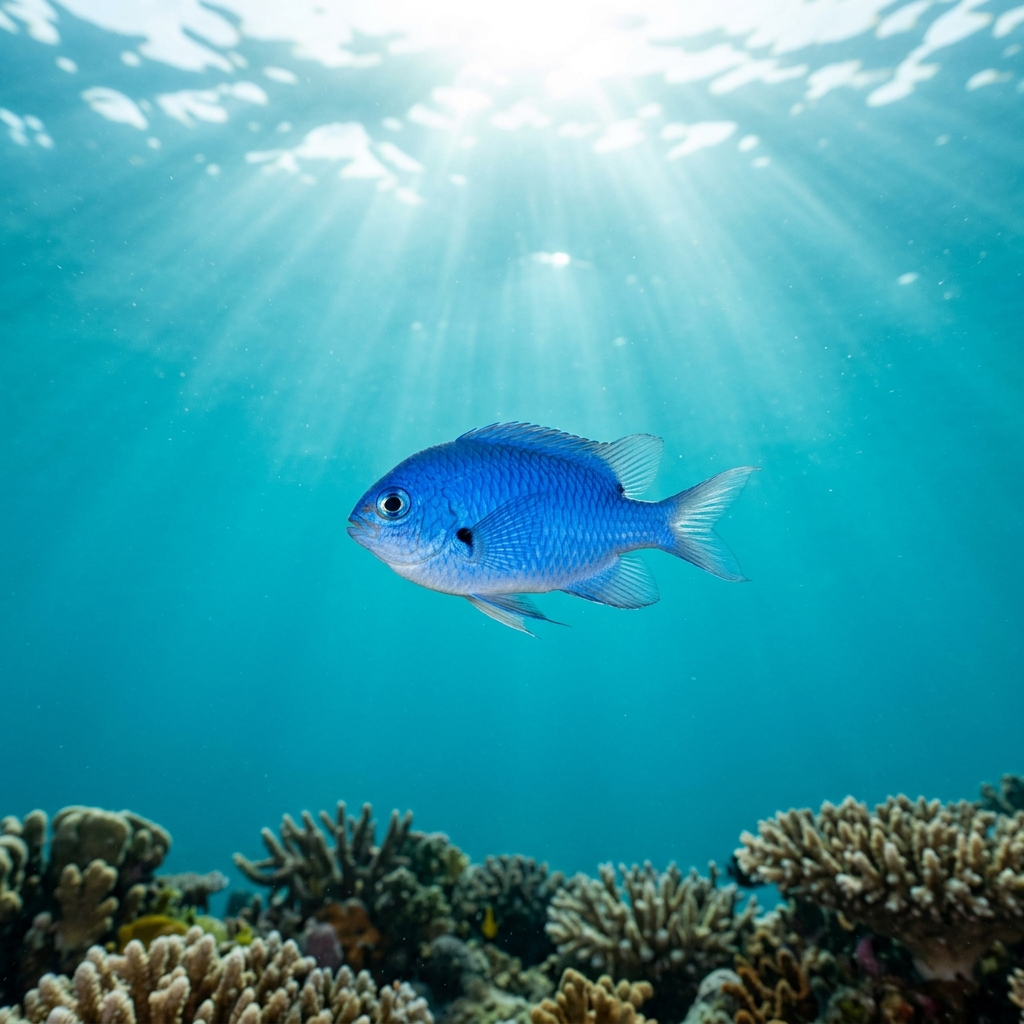
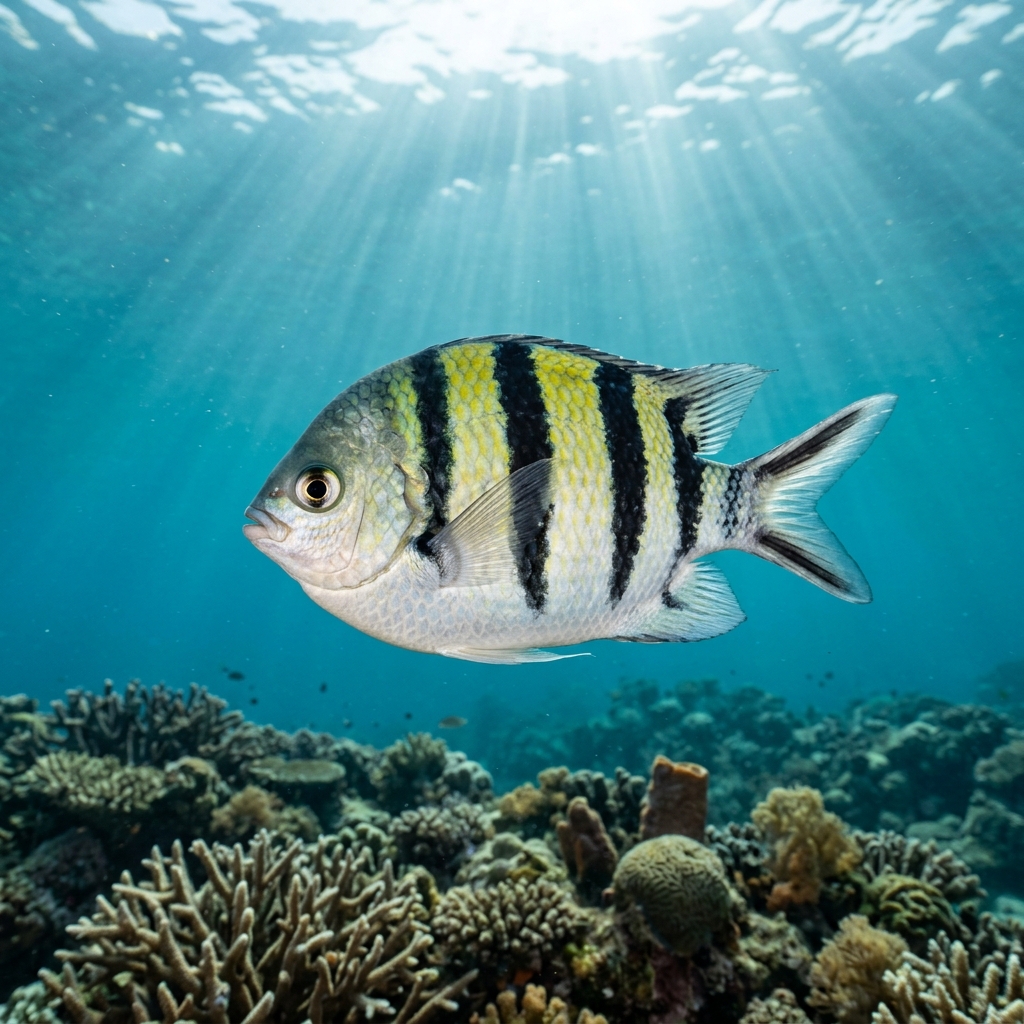
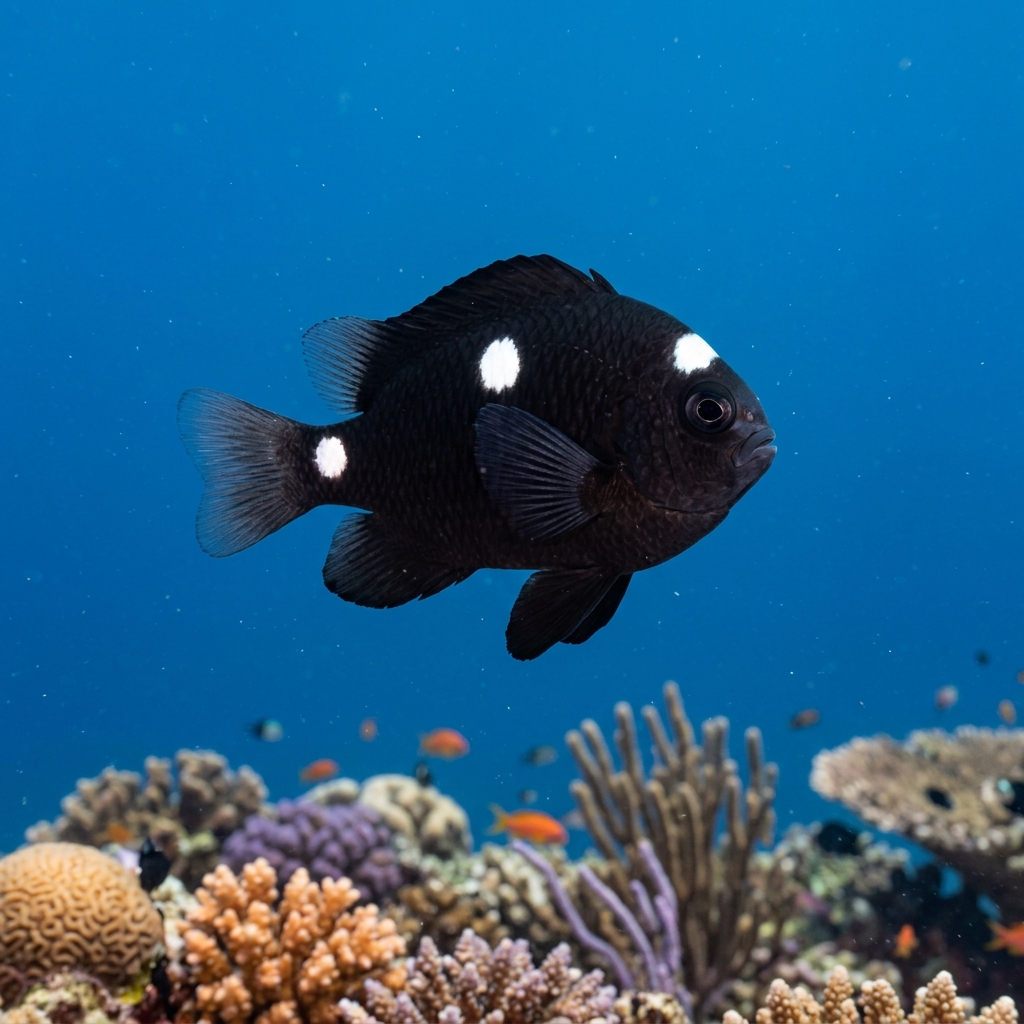
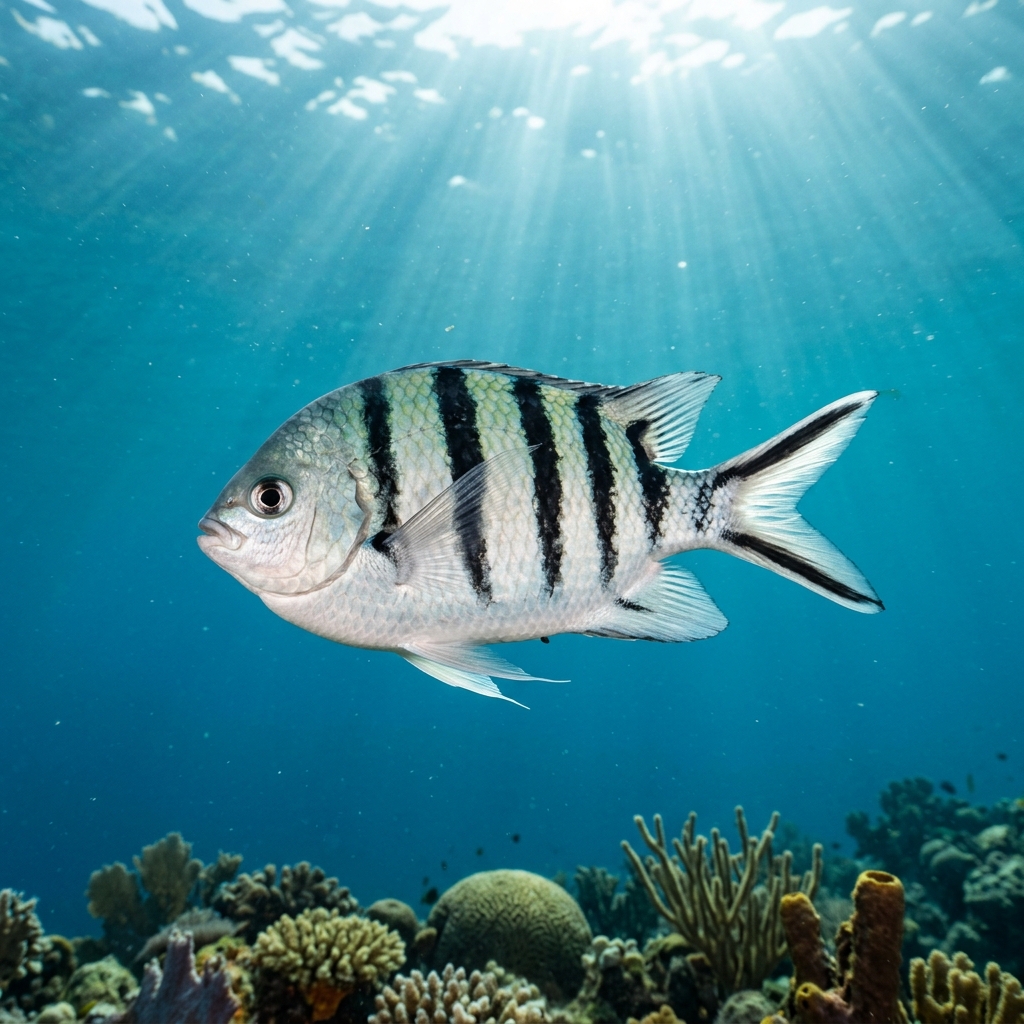
Reef neighbours a diver could mistake it for. Use the identification notes above to tell them apart.
Strong, reliable populations across Indonesia and the Philippines, especially Sulawesi, Visayas, Luzon and Palawan, plus dense sightings in Queensland, Australia and the Maldives' Northern Atolls. Also a solid find in Malaysia's Peninsular East Coast, French Polynesia's Society Islands, Thailand and Fiji.
Mapping where Anemonefish is logged…
They turn up across Indonesia and the Philippines, particularly Sulawesi, Visayas, Luzon and Palawan, and are also common on reefs in Queensland, Australia and the Maldives' Northern Atolls.
Any time of year works. There's no strong season in the sightings data, and the warm 23.5 to 29.4°C water they prefer is typical of tropical reefs year-round.
Look for a small, oval reef fish in orange, yellow, red or blackish tones with one to three bold white bars, almost always hovering right beside or inside an anemone's tentacles.
They're small, reef-dwelling fish, with the dominant female in a group growing larger than the males and juveniles sharing her anemone.
They live immune to their host anemone's sting thanks to a protective mucus coating, and every fish is born capable of switching sex, a trait that lets the largest male become female if the group's female dies.
Site and sighting data is aggregated from diver logs, iNaturalist and GBIF. For taxonomy and conservation status:
Amphiprion frenatus
Dascyllus
3,697 sites