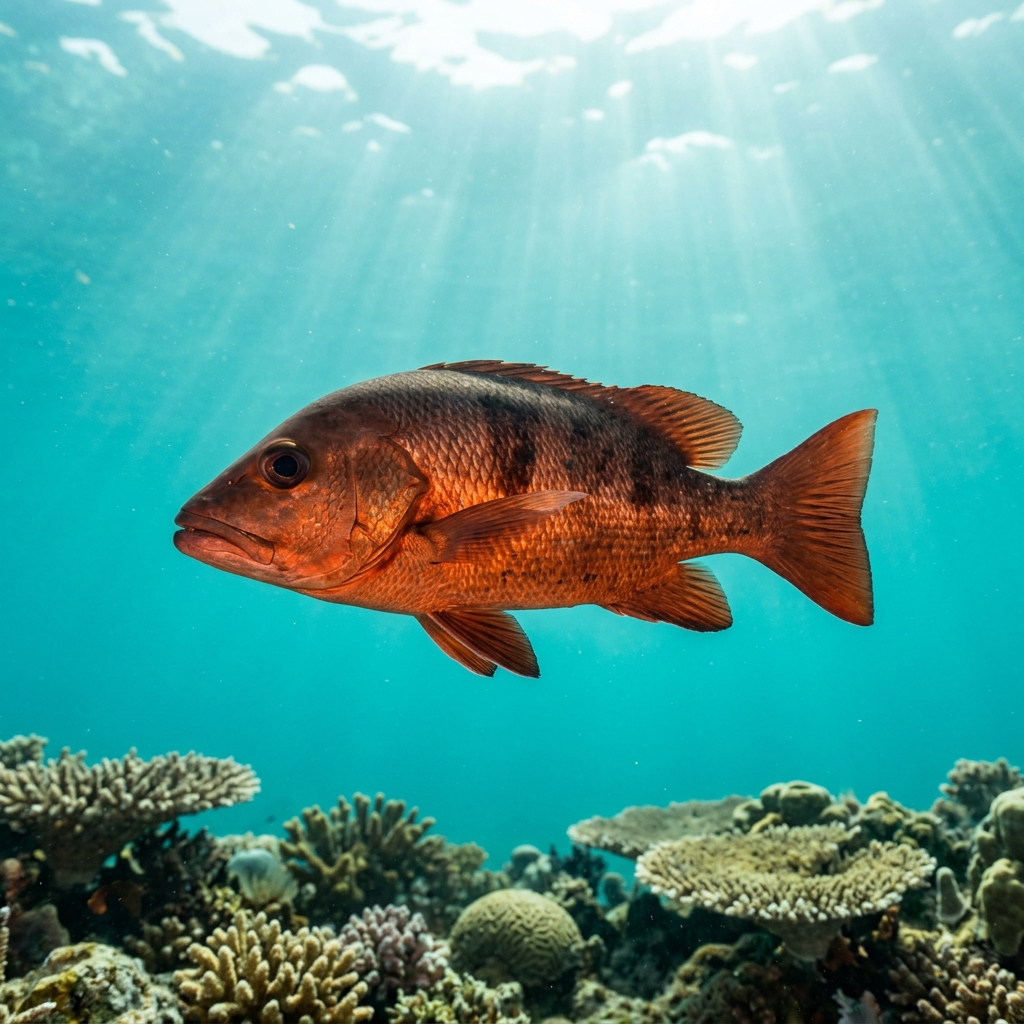
Lutjanus bohar
Spot red bass across Indo-Pacific reefs from the Maldives to Queensland. Here's what to look for underwater and when sightings peak.
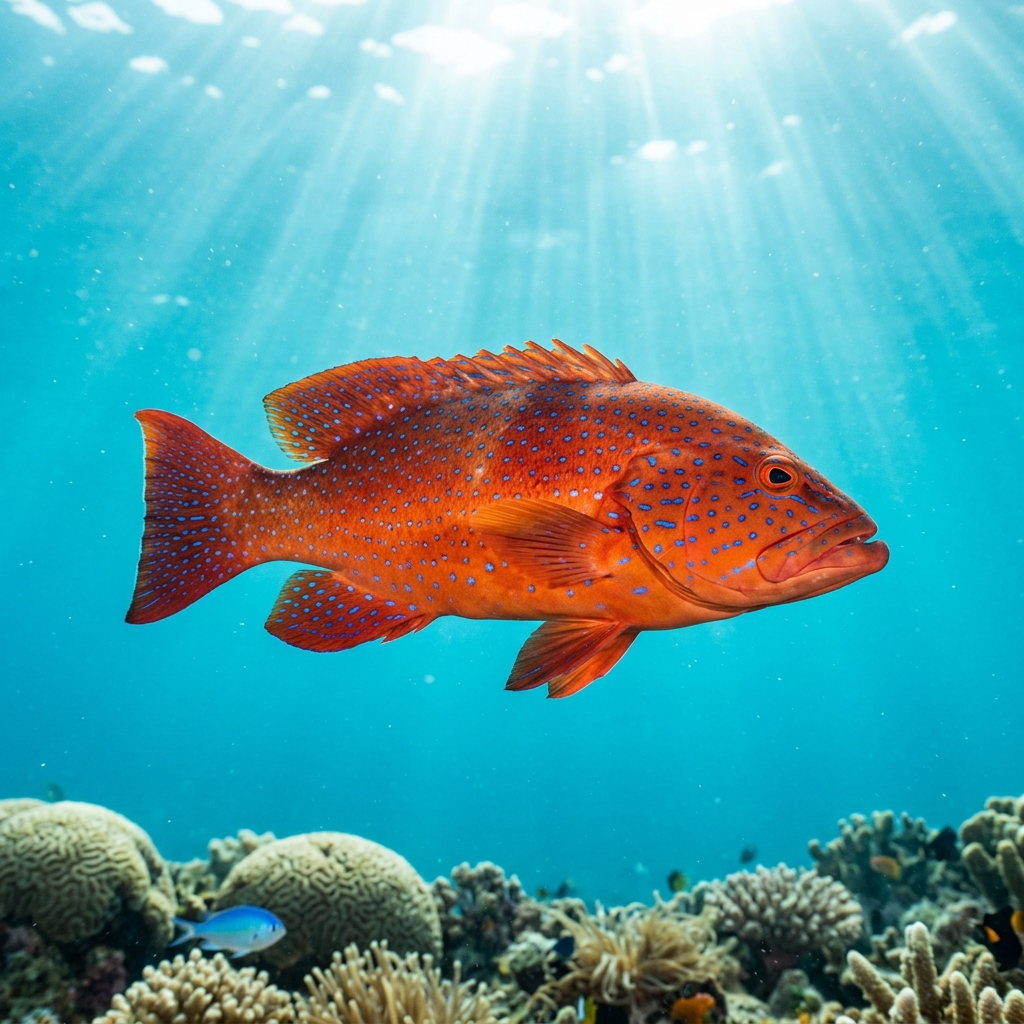
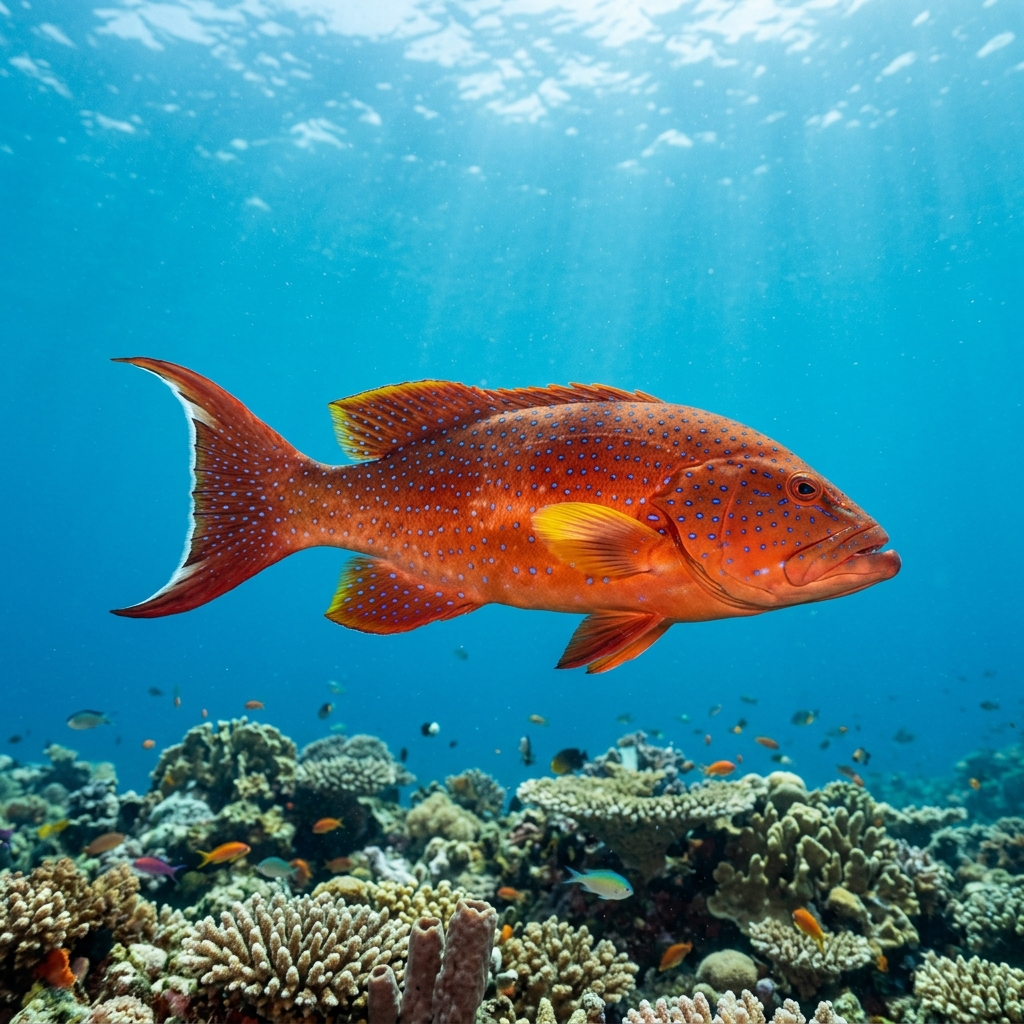
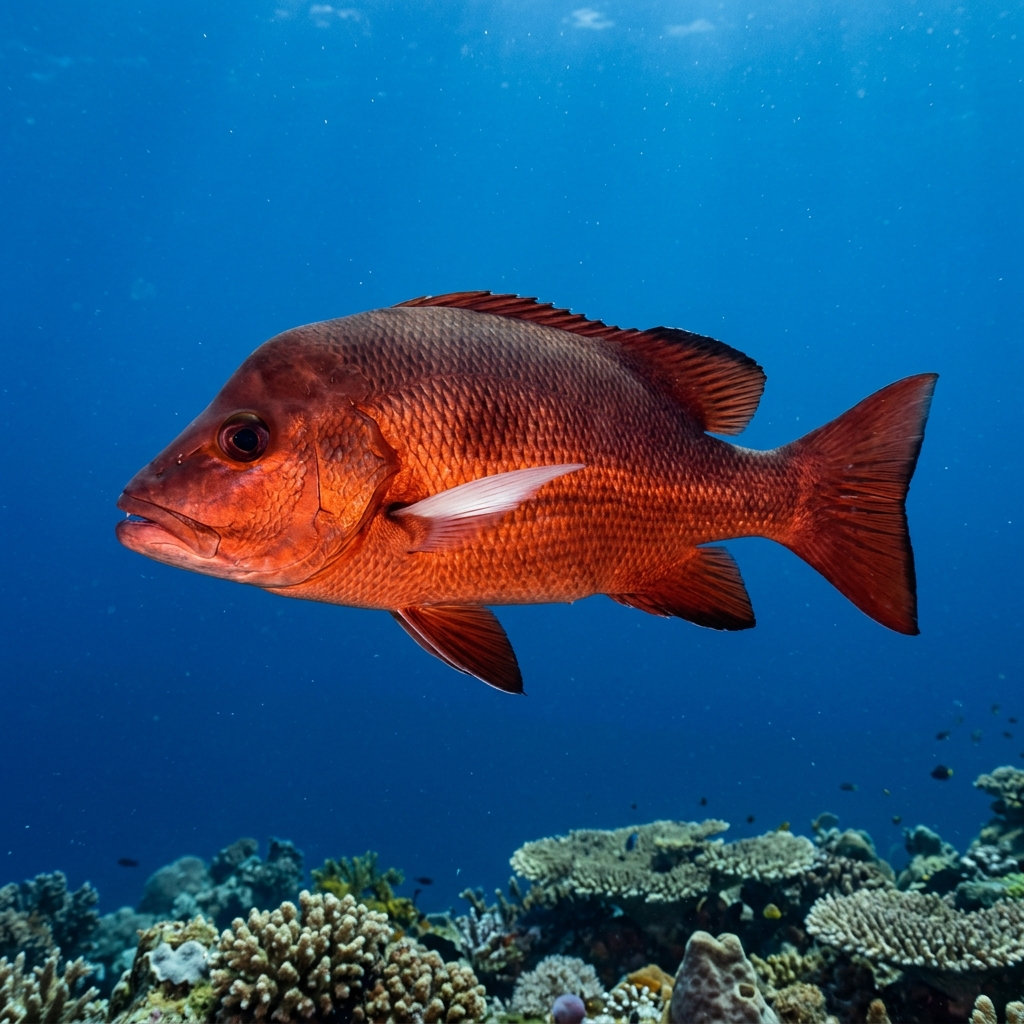
A solidly built snapper reaching around 60 cm, with a deep reddish-brown to brick-red body and a subtly bicoloured look, darker on the back, paler on the flanks. Key on the distinctive notch in the preopercle (the bony flap just behind the jaw) and the relatively large eye with a reddish iris. Juveniles show a white spot on the upper tail base that fades with age. Underwater the overall reddish hue and robust, deep-bodied snapper shape are your quickest cues.
Red bass tend to patrol mid-reef slopes and drop-offs, often hovering alone or in loose pairs rather than schooling. They're not especially shy but they don't linger, a slow, non-aggressive approach gives you the best look before they drift off into deeper water. Most sightings are during daylight hours when they actively move along the reef edge.
Red bass are one of the well-documented carriers of ciguatoxin (a naturally occurring reef toxin that accumulates up the food chain), making them among the most frequently implicated species in ciguatera poisoning across the Pacific, a fact that has shaped how local communities have historically regarded them.
In Northern Hemisphere sites such as the Maldives, Egypt, and the Philippines, sightings concentrate between June and October. For Southern Hemisphere destinations like Queensland, Australia, October through March is the more productive window.
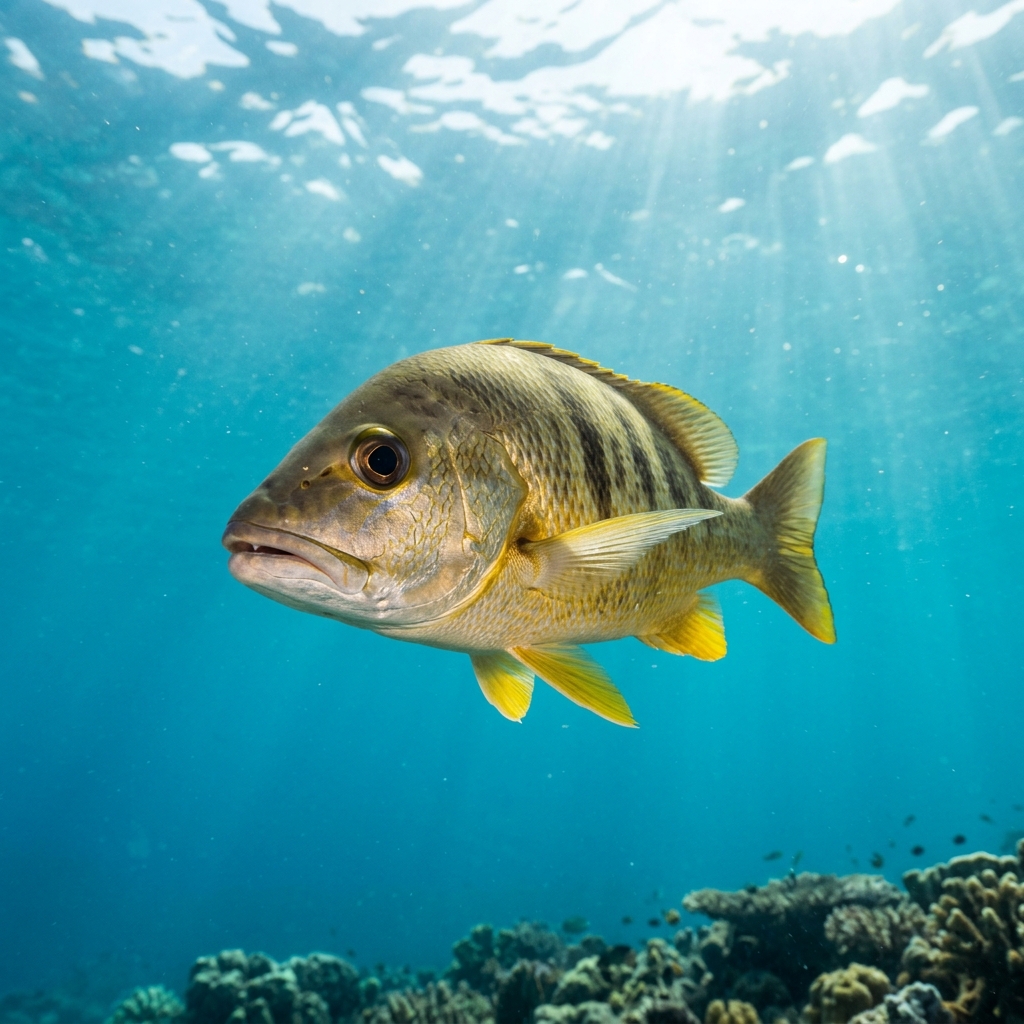
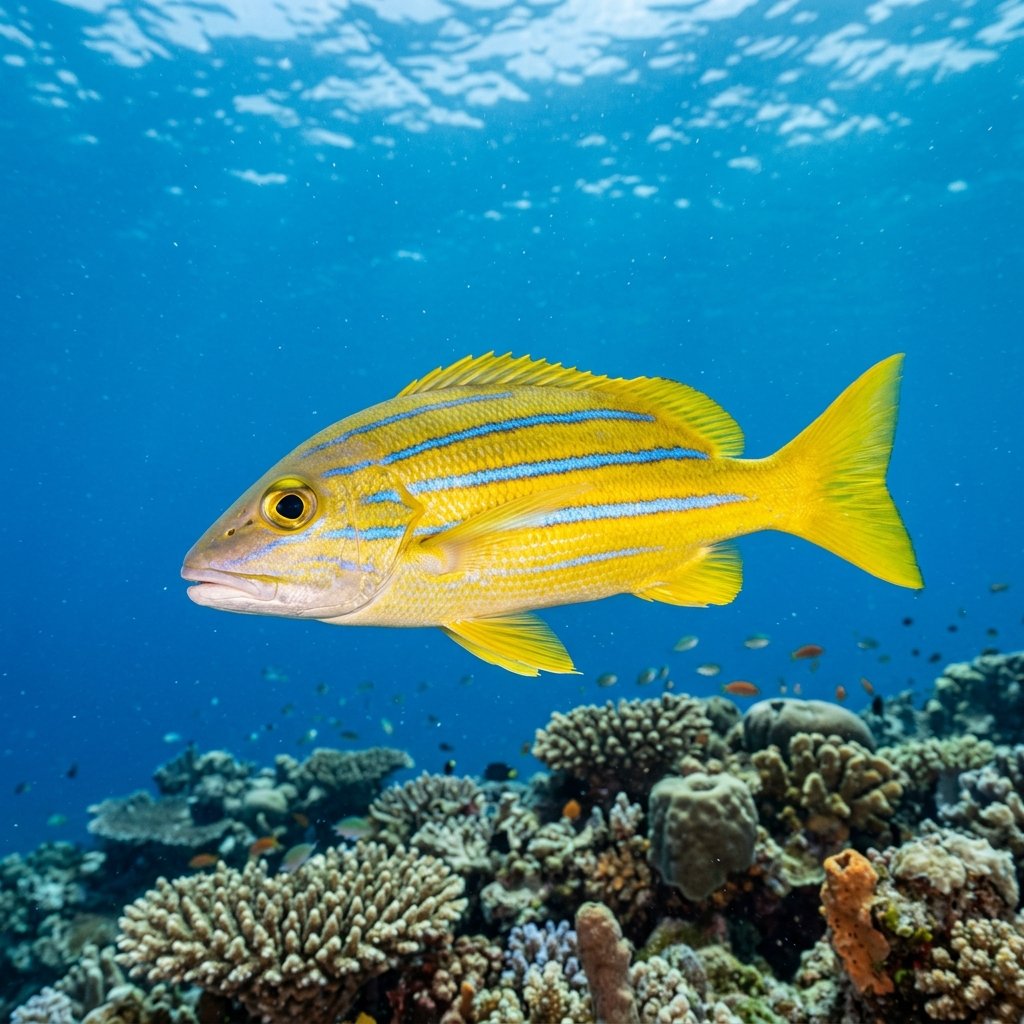
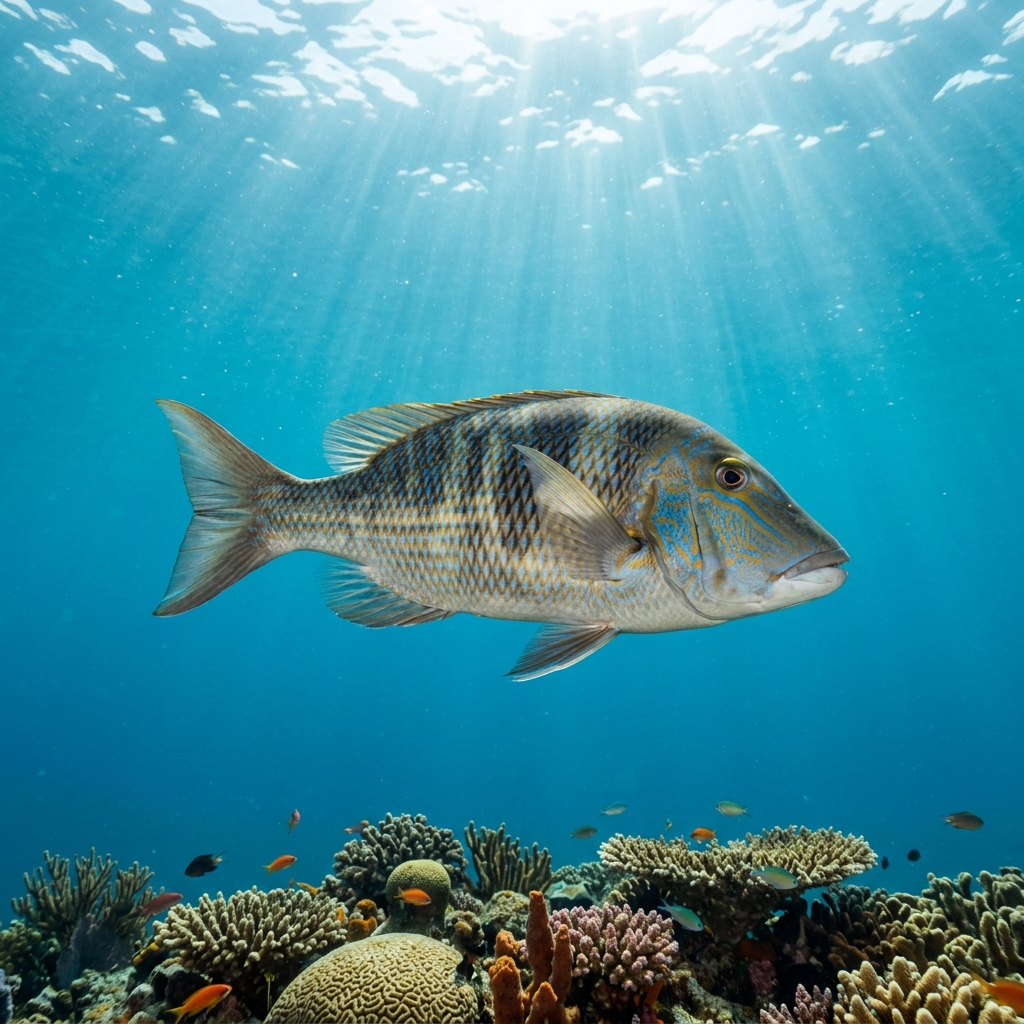
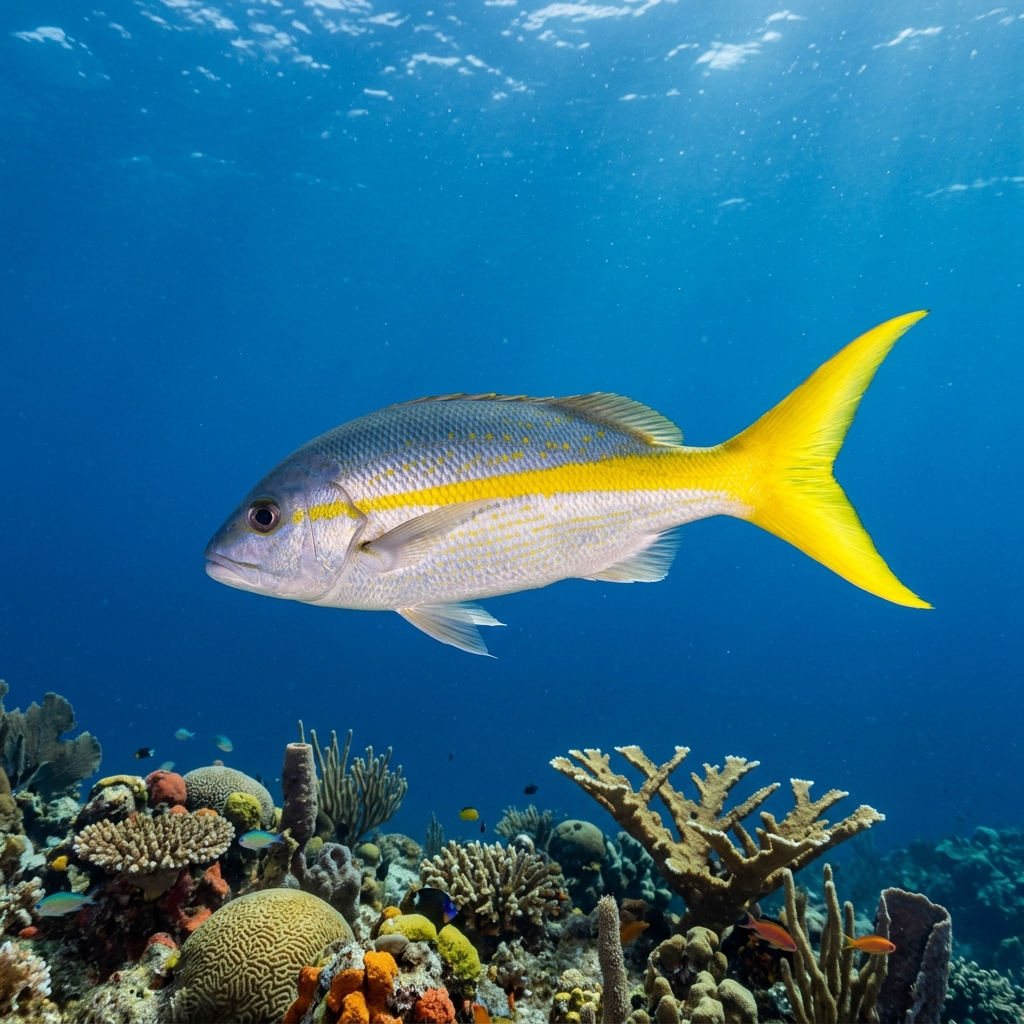
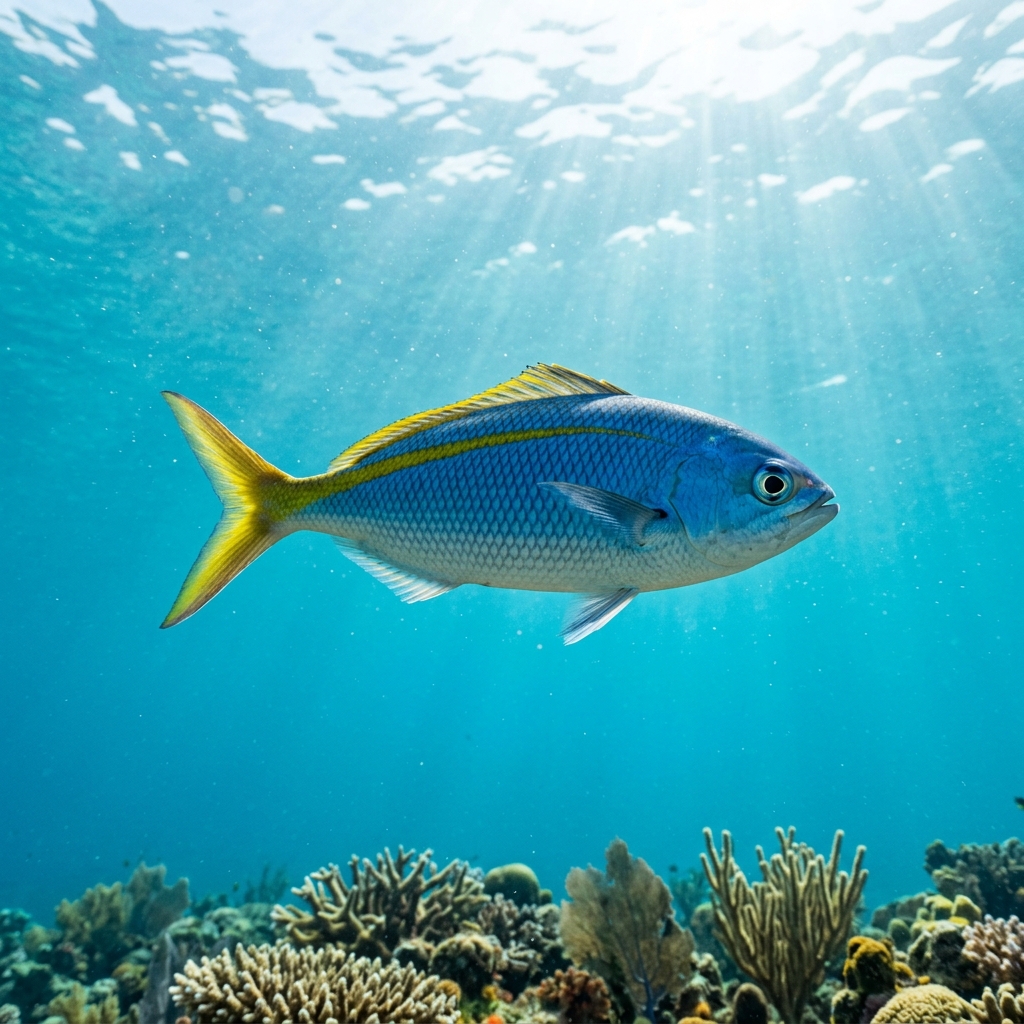
Reef neighbours a diver could mistake it for. Use the identification notes above to tell them apart.
Most commonly logged across the Maldives, particularly the Male & Ari Atolls and the North & Central Atolls, and along the Queensland coast of Australia, where reef coverage is extensive. Strong records also come from the Egyptian Red Sea around Marsa Alam, the Philippines (especially Palawan, Apo Reef, and the Visayas), and throughout Indonesian waters from Maluku to Nusa Tenggara.
Mapping where Red Bass is logged…
Red bass turn up across a wide sweep of the Indo-Pacific. The Maldives leads the records, followed by Queensland in Australia, the Egyptian Red Sea around Marsa Alam, the Philippines, and Indonesia. It's a reef-associated species, so look for it on coral slopes and drop-offs rather than sandy flats.
It depends on which side of the equator you're diving. Northern Hemisphere sites like the Maldives and Egypt see the most sightings from June through October. In Queensland and other Southern Hemisphere locations, October to March is when encounters peak.
Look for a deep-bodied snapper around 60 cm long with a brick-red to reddish-brown colour and a large reddish eye. The notch in the bony flap behind the jaw is a reliable close-up feature. Juveniles have a white spot near the tail base that adults lack.
A typical adult is around 60 to 65 cm in length. They're solidly built for a snapper, with a deep body that can make them look even larger in the water.
Yes, red bass are one of the most frequently cited species in ciguatera cases across the Pacific. The toxin originates in reef microalgae and accumulates as it moves up the food chain; larger, older individuals tend to carry higher concentrations. This is a well-documented biological quirk worth knowing, even though it has no bearing on diving safety.
Site and sighting data is aggregated from diver logs, iNaturalist and GBIF. For taxonomy and conservation status:
Emperor
2,052 sites