Best for intermediate divers, 5-40m, boat entry, moderate current.
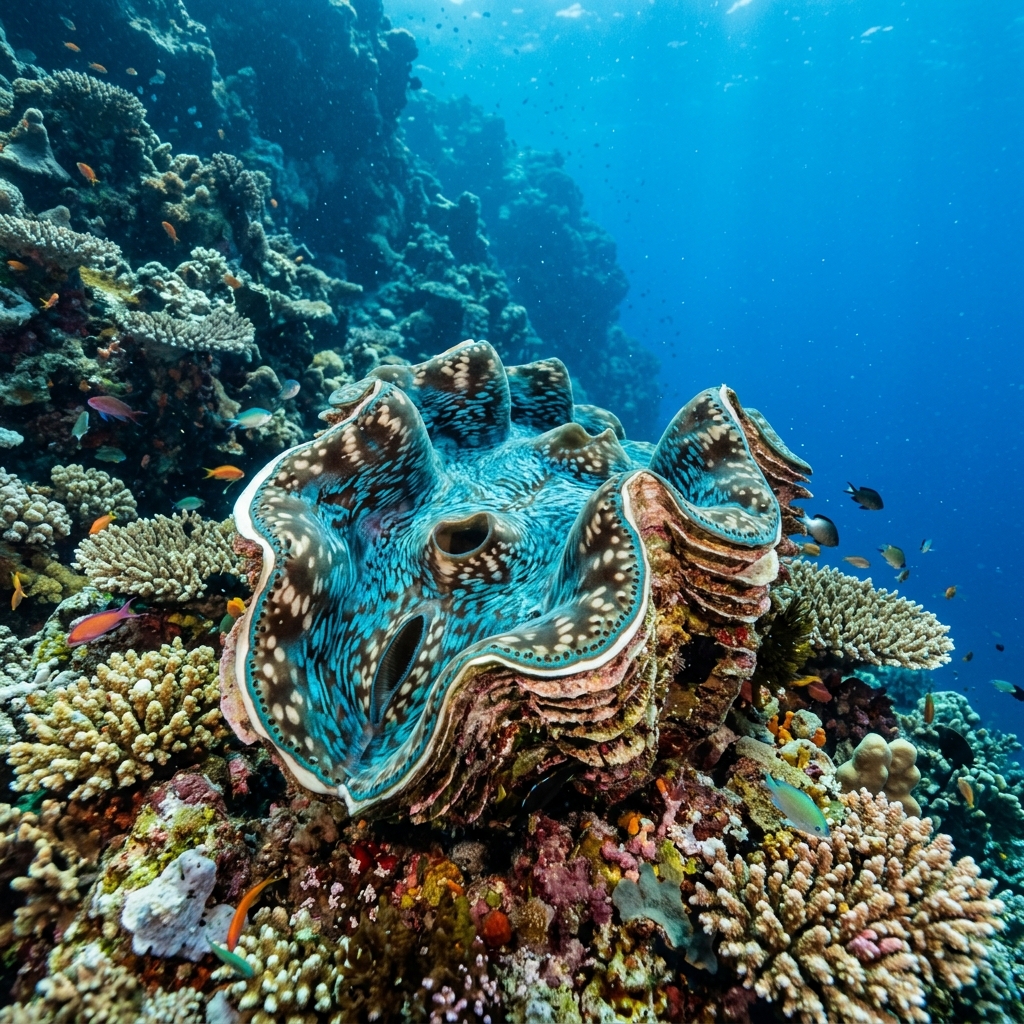
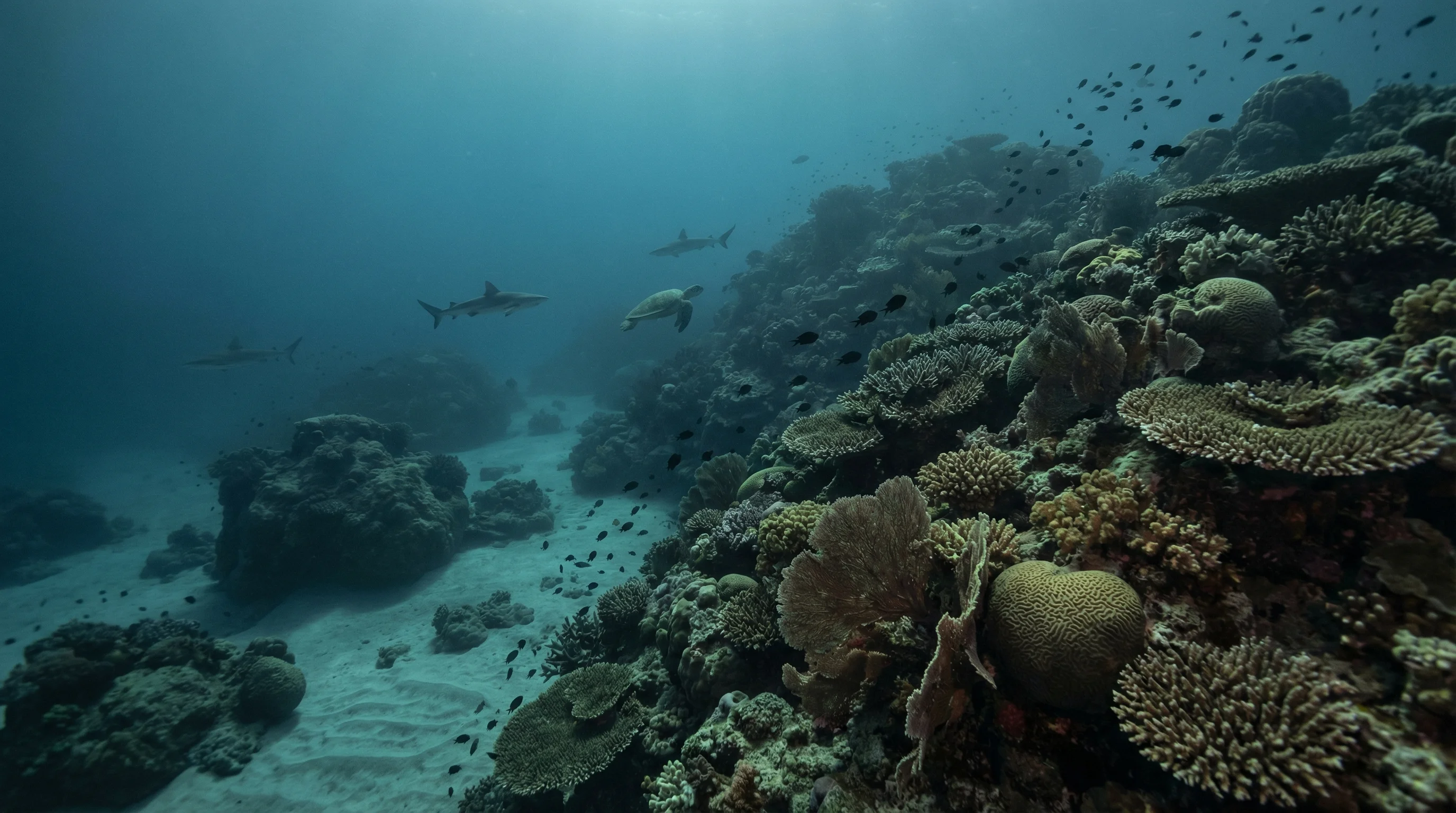
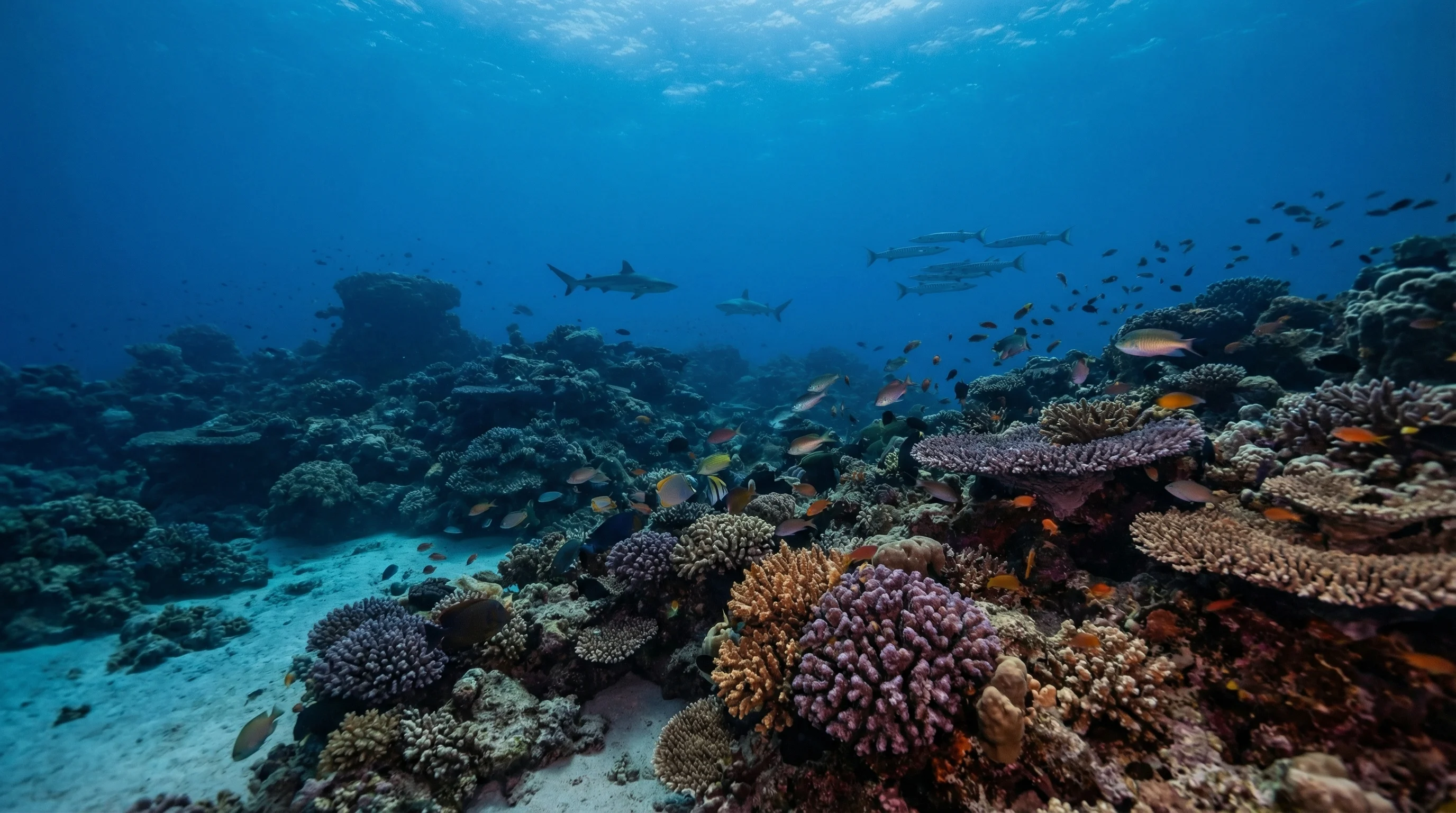
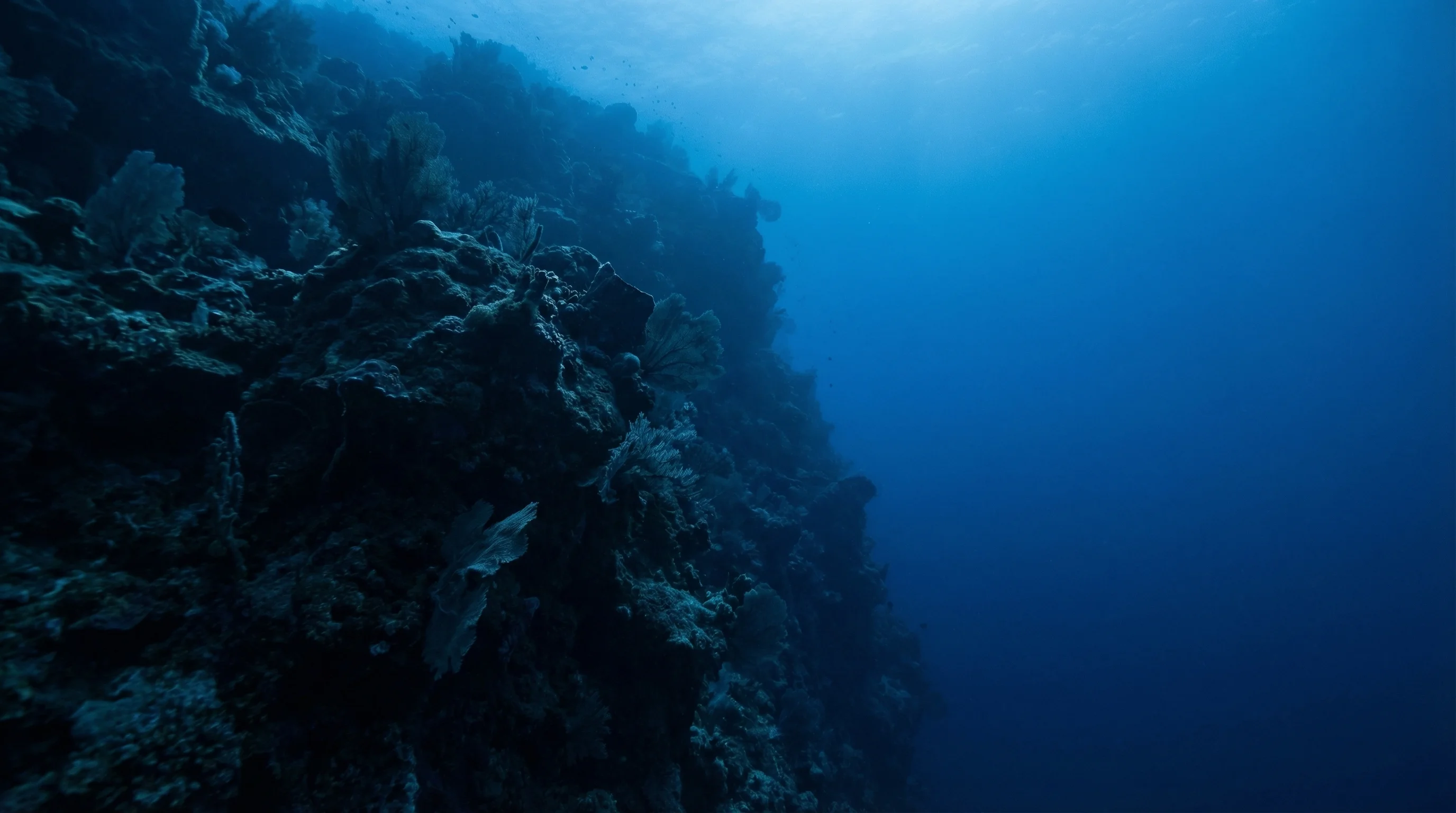
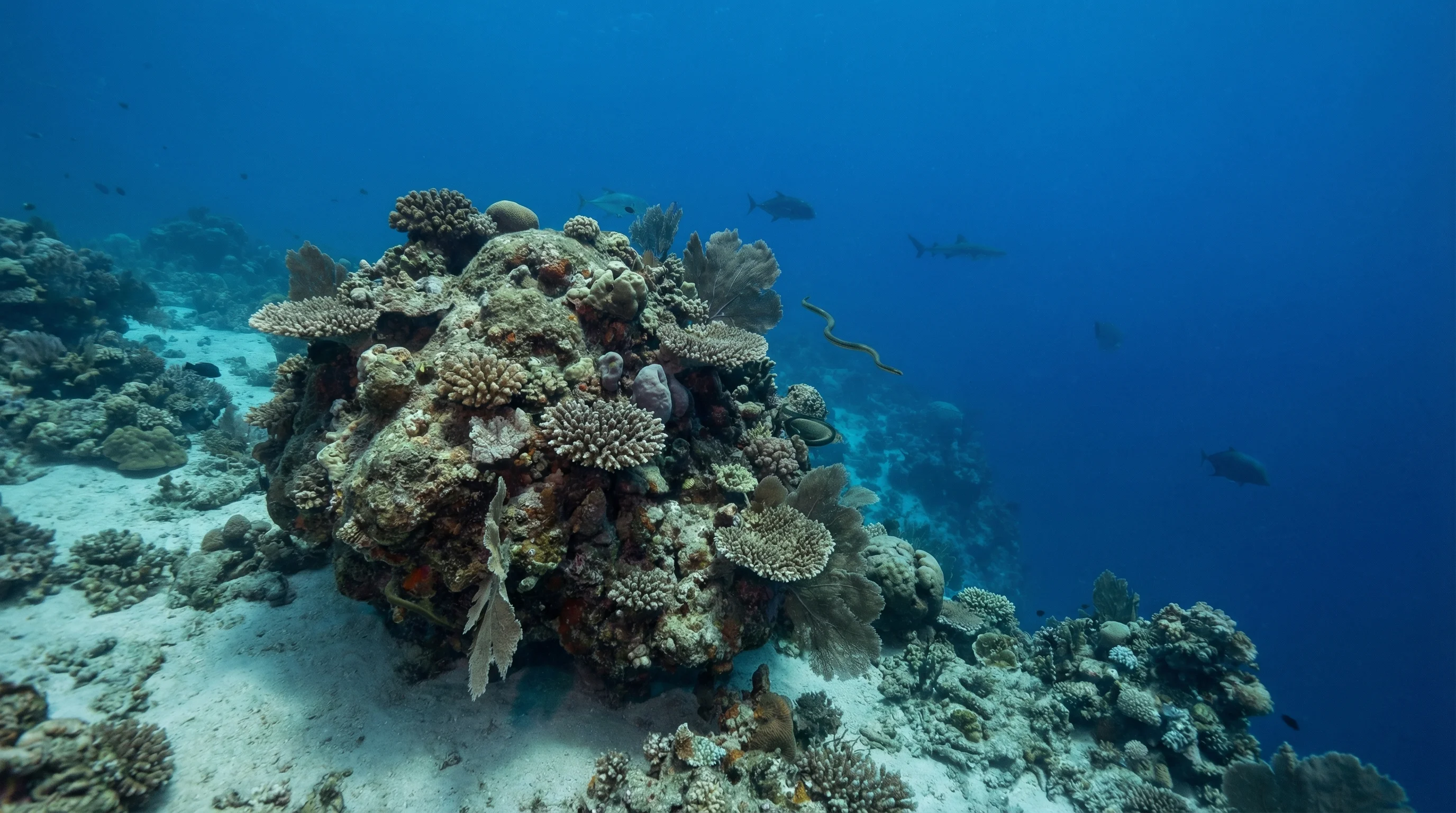
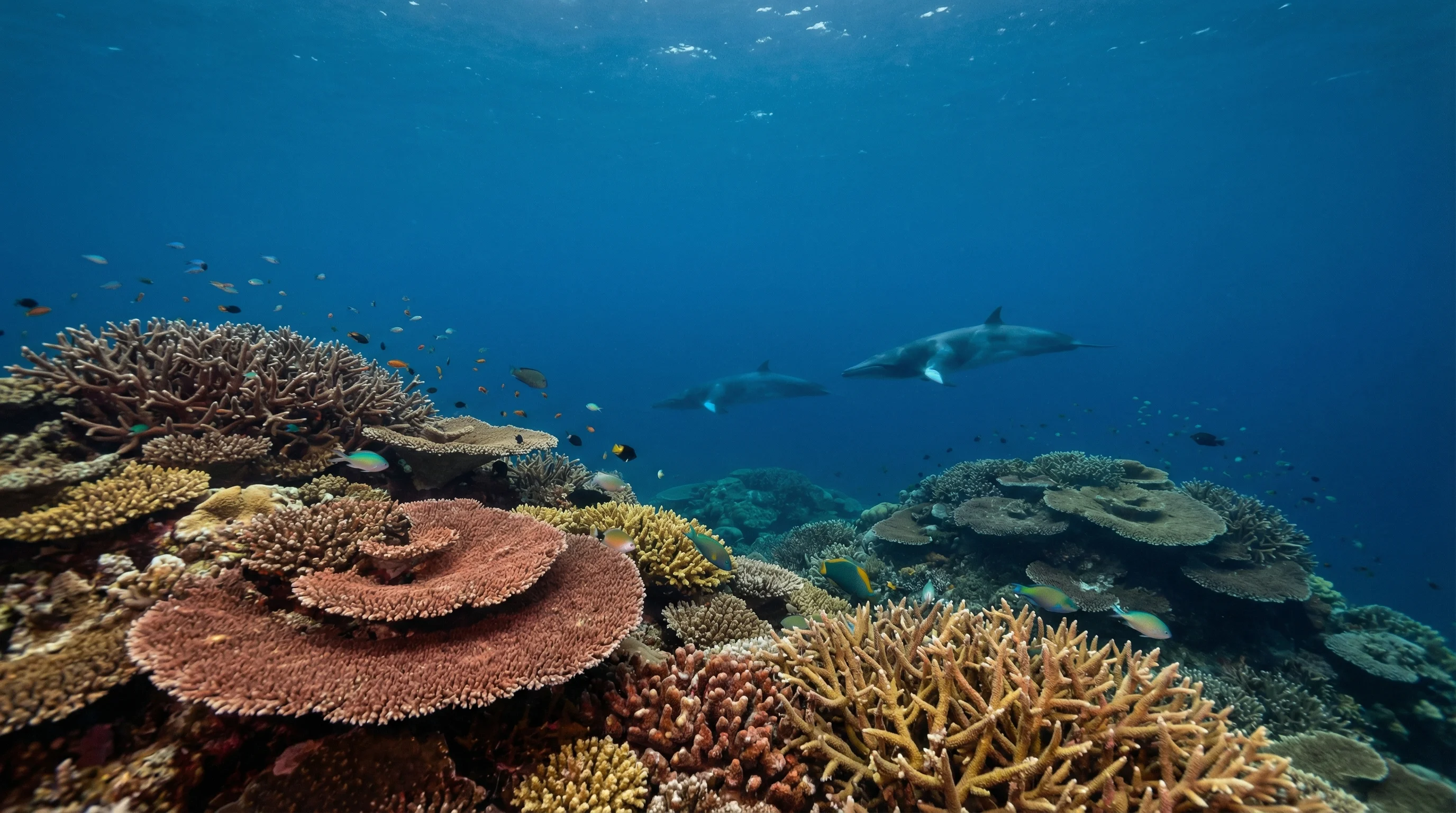
The Ribbon Reefs extend 80 kilometres along the outer Great Barrier Reef, featuring a diverse topography of walls, channels, and reef structures. Depths range from 5 to 40 metres, with an average of 20 metres. These sites are accessed exclusively by boat, typically via liveaboard or day charter from Port Douglas. Divers encounter moderate currents, particularly during incoming tides, which facilitate drift dives at locations such as Dynamite Pass and Cod Hole. Visibility varies from 0 to 40 metres. Water temperatures remain between 25 and 28C throughout the year. Due to the presence of deep water, strong currents, and sharp coral, this area is best suited for intermediate divers.
-14.79485, 145.69356
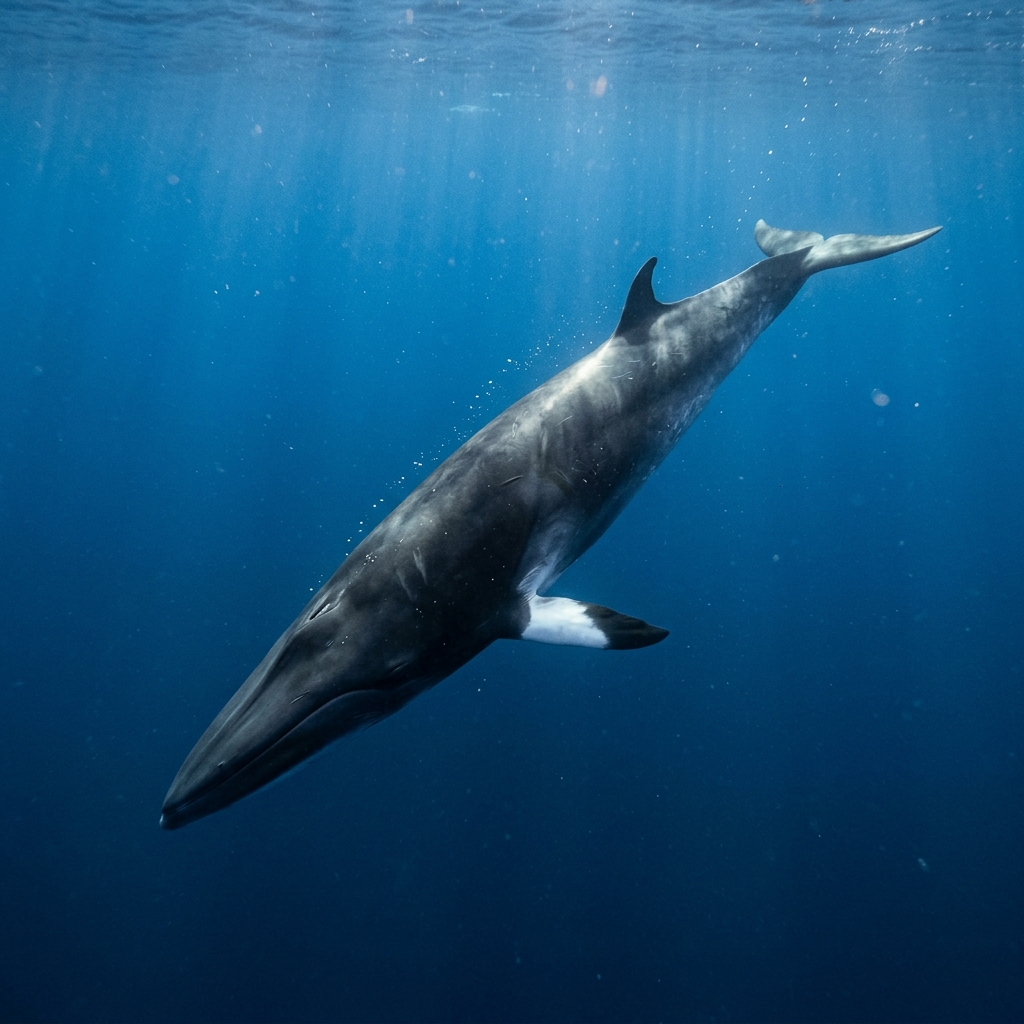
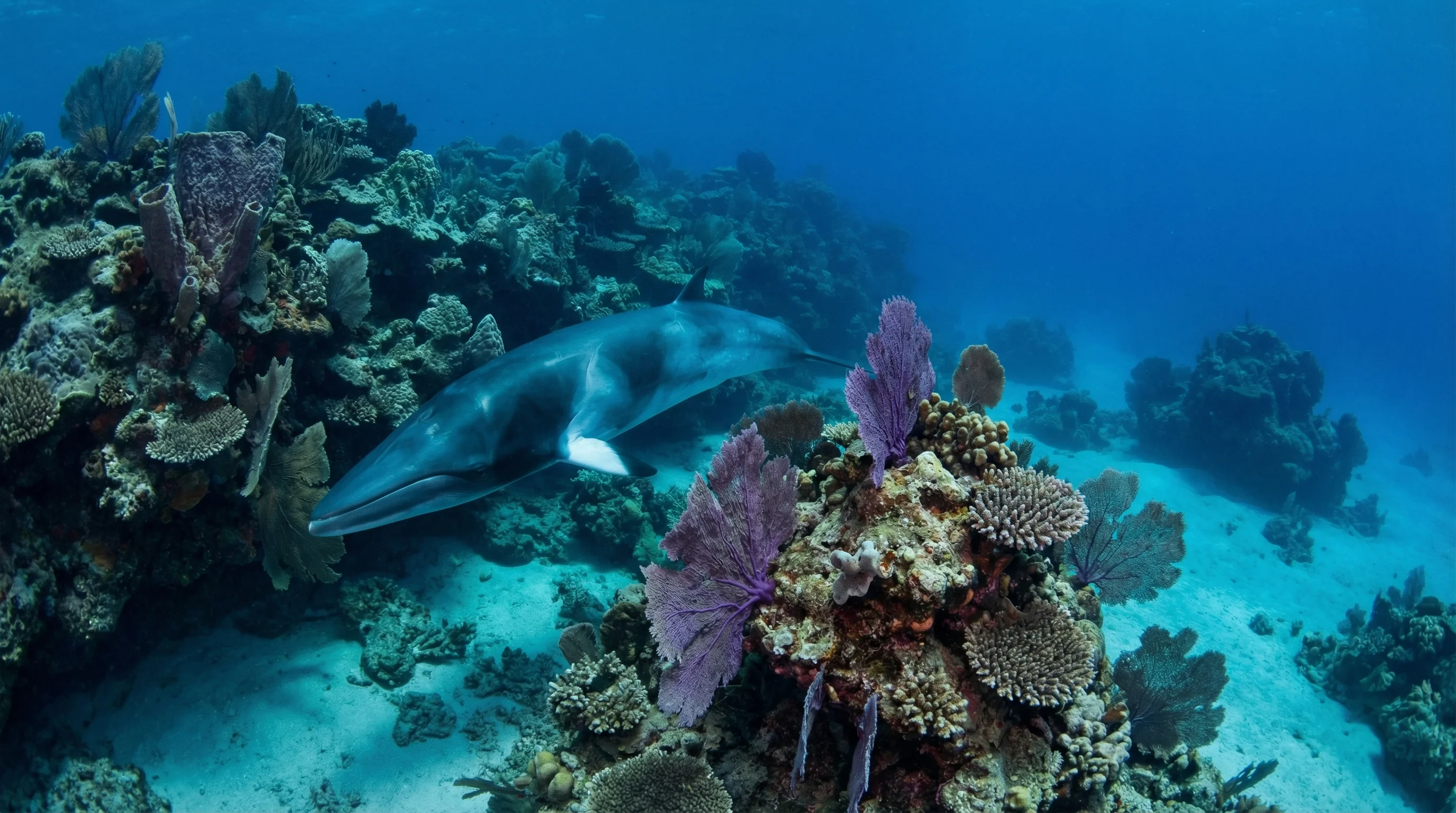
June to August is the prime window for minke whale encounters, so book your charter early as liveaboards fill up months in advance during this period. Always confirm current conditions with your skipper before descending, particularly at the deeper sites.
The Ribbon Reefs are located 50-100km off the coast and are accessible only via liveaboard dive boats, typically departing from Cairns or Port Douglas.
Recorded at this site
Depth
5-40m
Visibility
0-40m
Skill Level
Intermediate
Entry
Boat
Boat required
Water Temp
25-28°C
Current
Moderate
Typical Dive
40 min
Best Time
Year-round
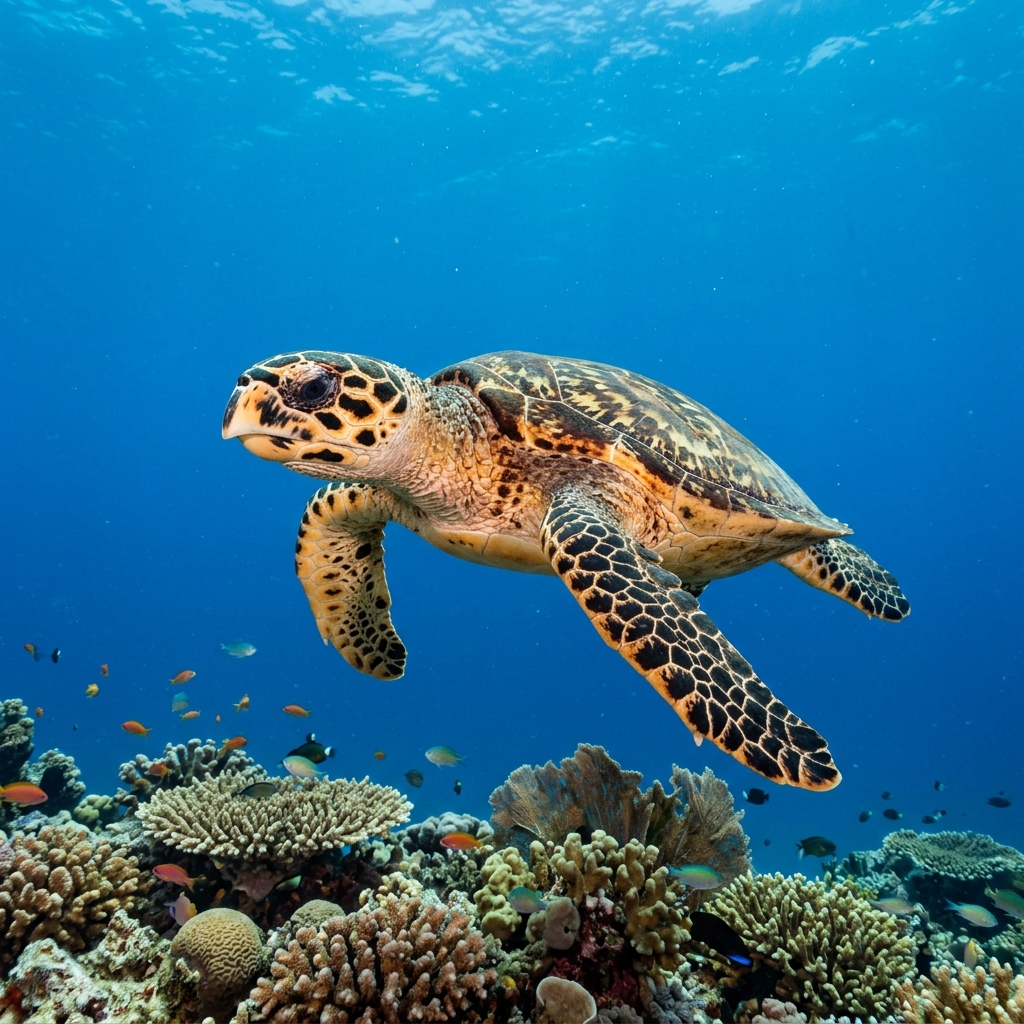
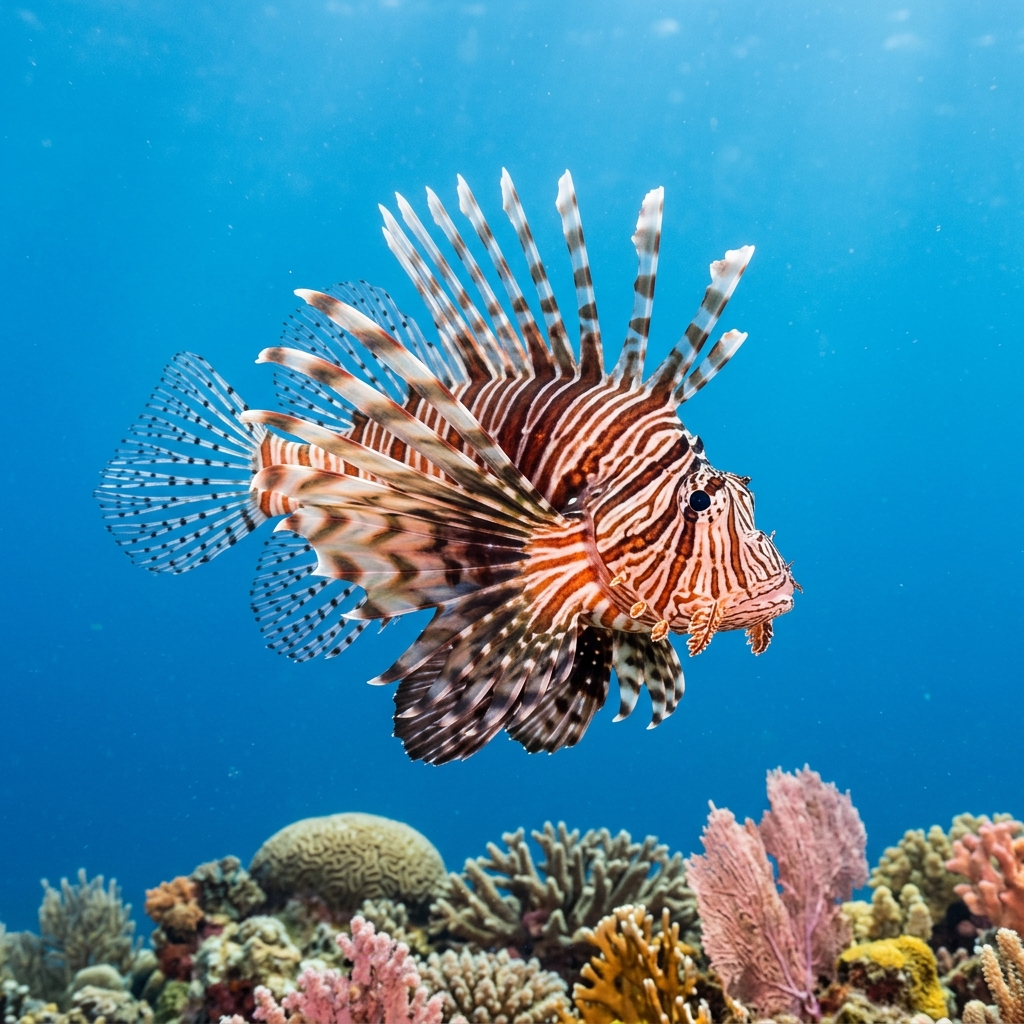
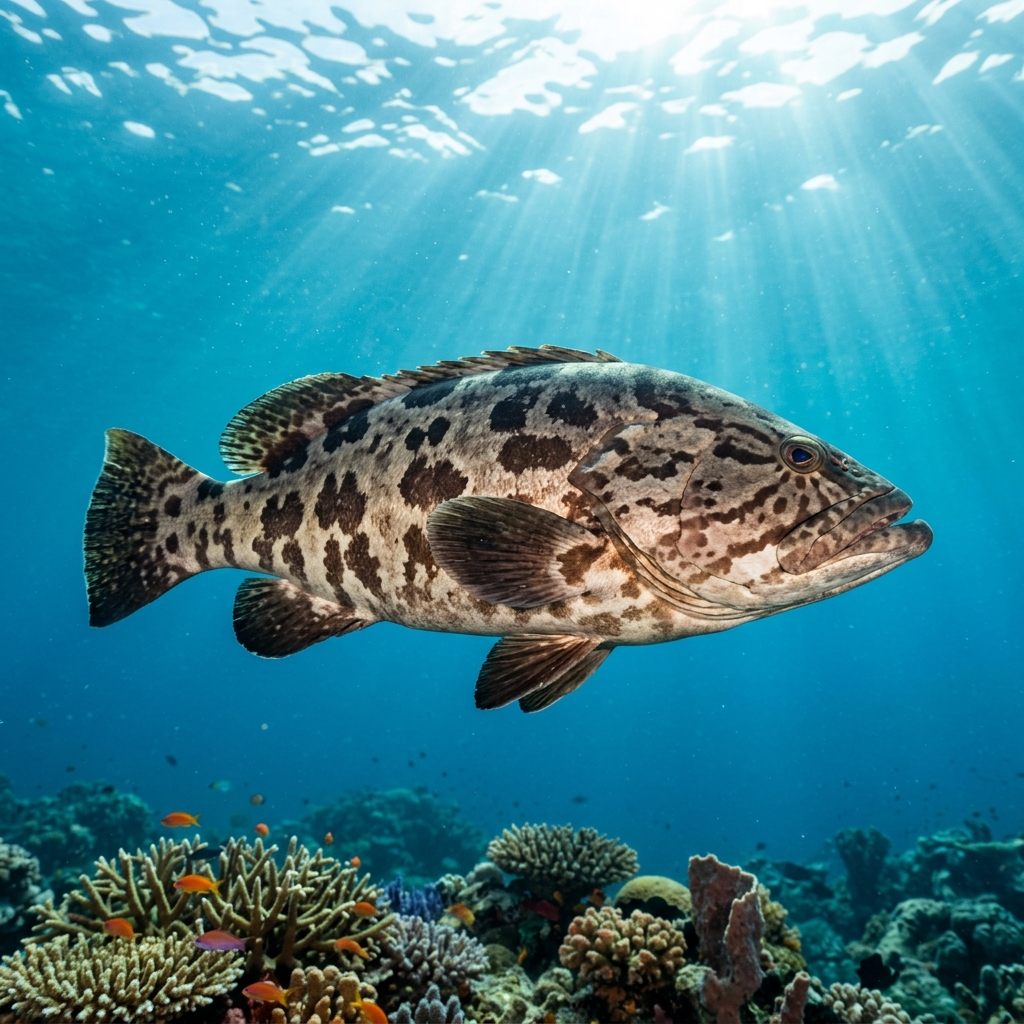
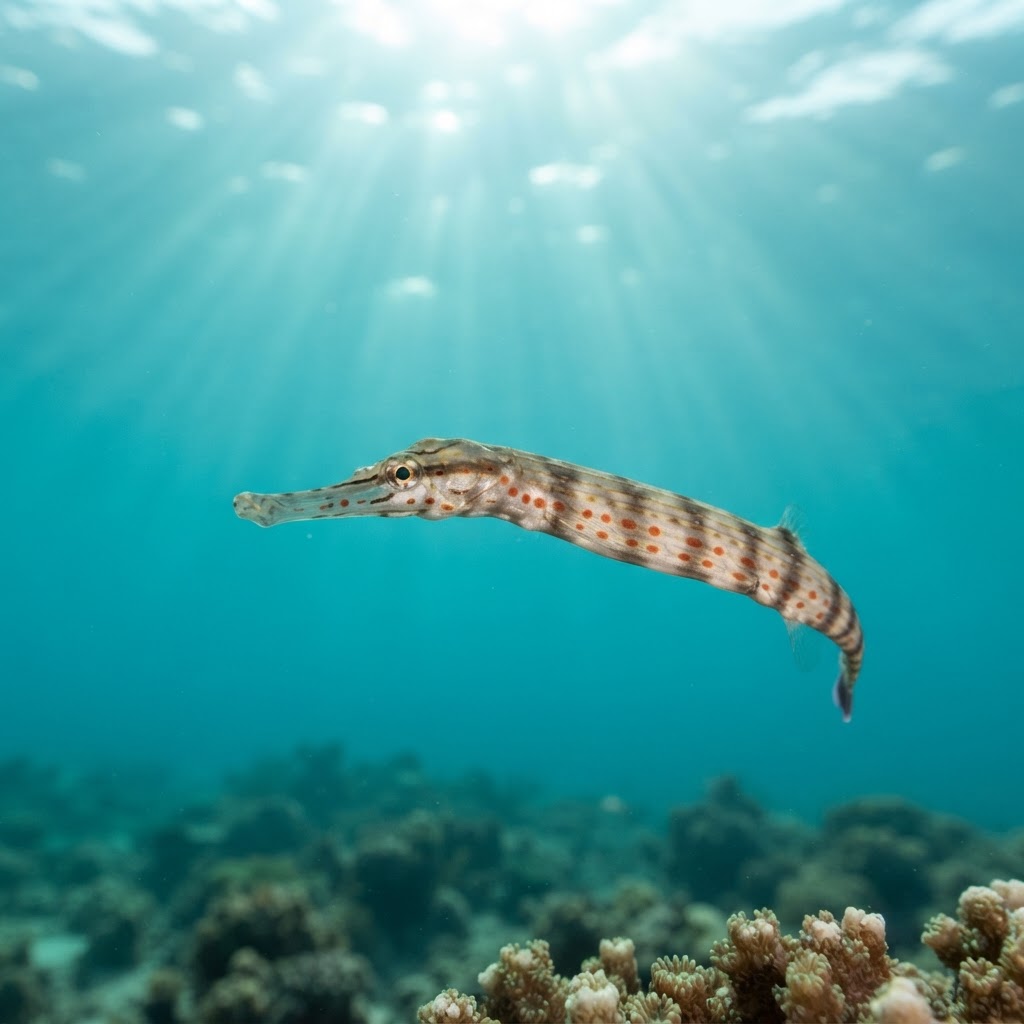
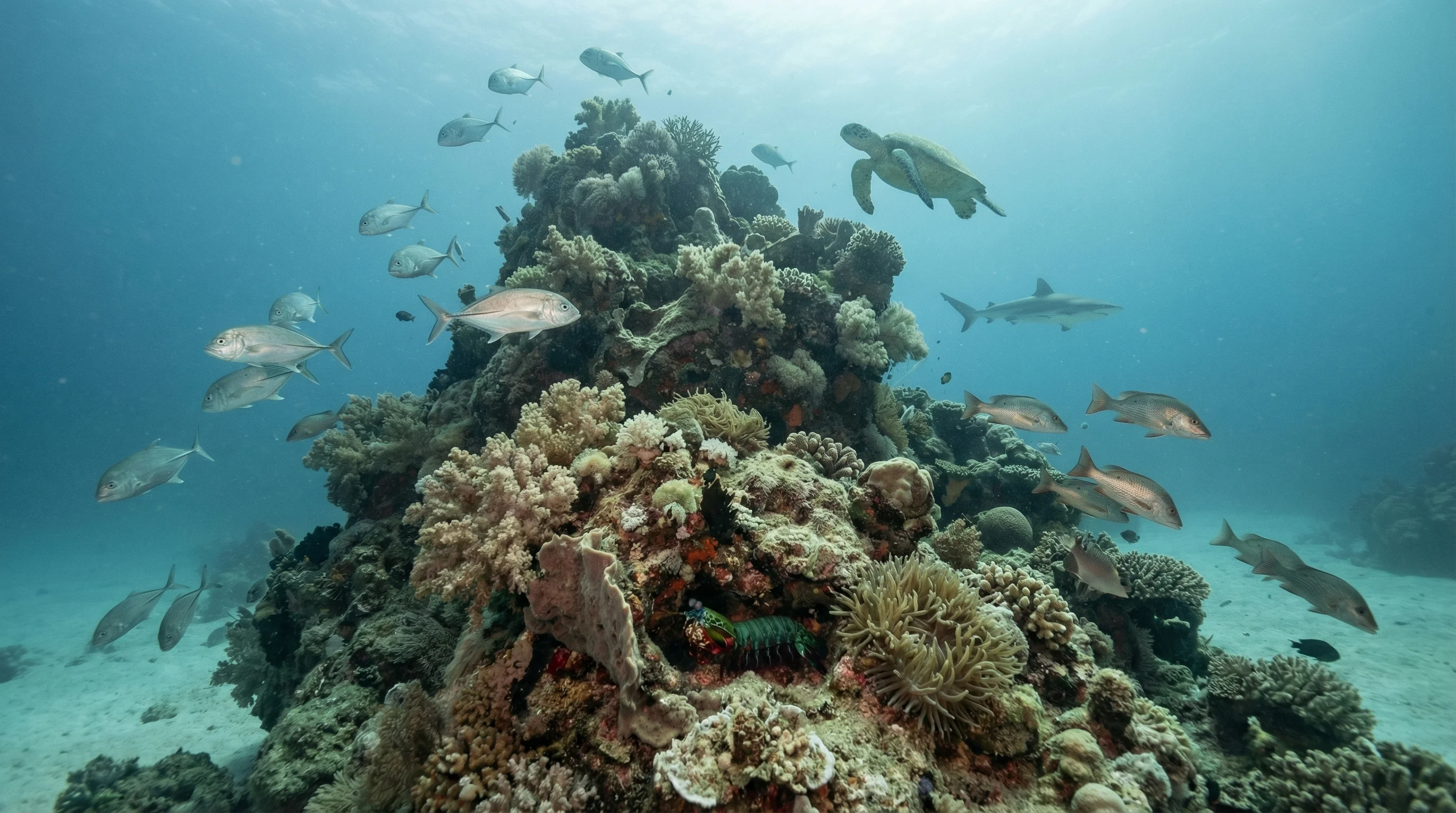
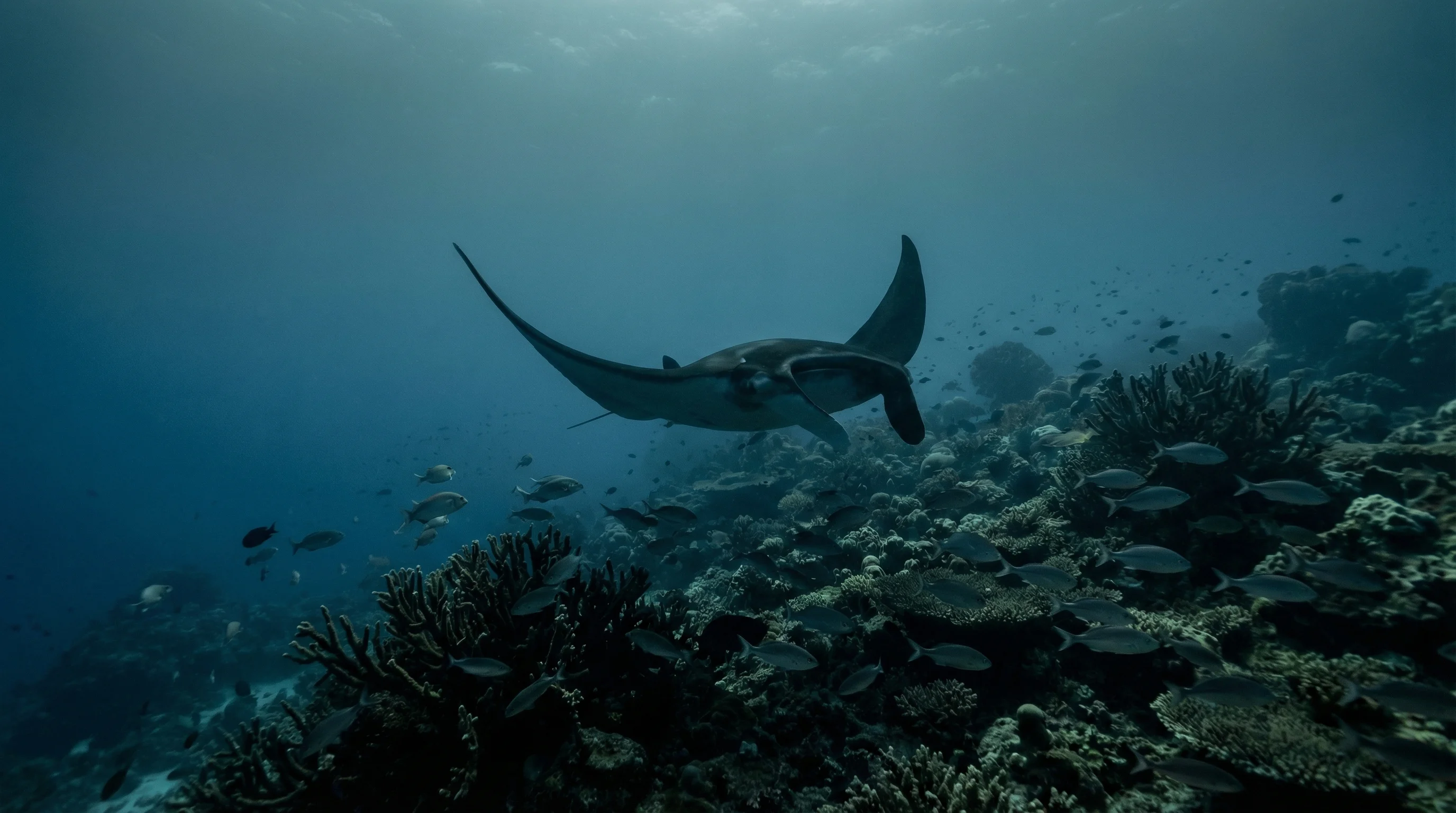
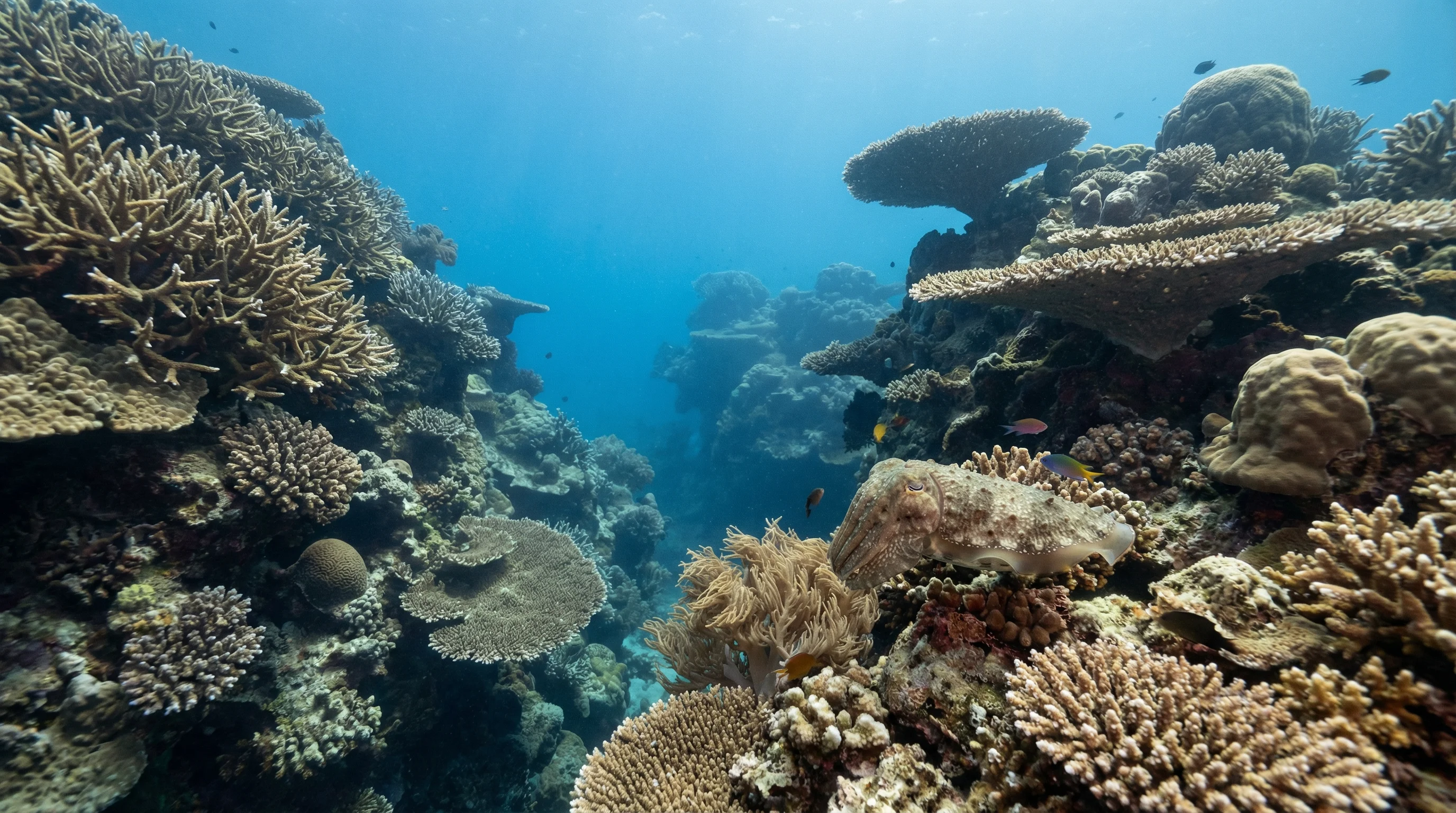
The site supports a wide range of marine life including potato cod, reef sharks, green and hawksbill turtles, manta rays, barracuda, anemonefish, lionfish, nudibranchs, and cuttlefish. Minke whales are also present between May and August.
No, the Ribbon Reefs are generally suited for intermediate divers due to the presence of moderate currents, deep water, and the requirement for good buoyancy control.
Dives at the Ribbon Reefs range from 5 to 40 metres, with an average depth of 20 metres.
This is a boat-only site located 72 kilometres from the shore, requiring access via liveaboard or day boat charter.
The Ribbon Reefs can be visited year-round, with the prime window for minke whale encounters occurring between June and August.
Hazards include strong currents, deep water, sharp coral, and jellyfish. Stinger suits or full-body wetsuits are recommended, especially during the summer wet season from November to May.
Diving at Ribbon Reefs in Port Douglas requires the following certifications: Open Water. Always dive within your training limits.
A 3mm wetsuit is recommended for diving at Ribbon Reefs in Port Douglas. Water temperatures range from 25°C to 28°C.
Expect moderate currents at Ribbon Reefs in Port Douglas. Good buoyancy control and some drift diving experience is helpful.
Visibility at Ribbon Reefs in Port Douglas can reach up to 40 metres. Conditions vary with weather, tides, and seasons.