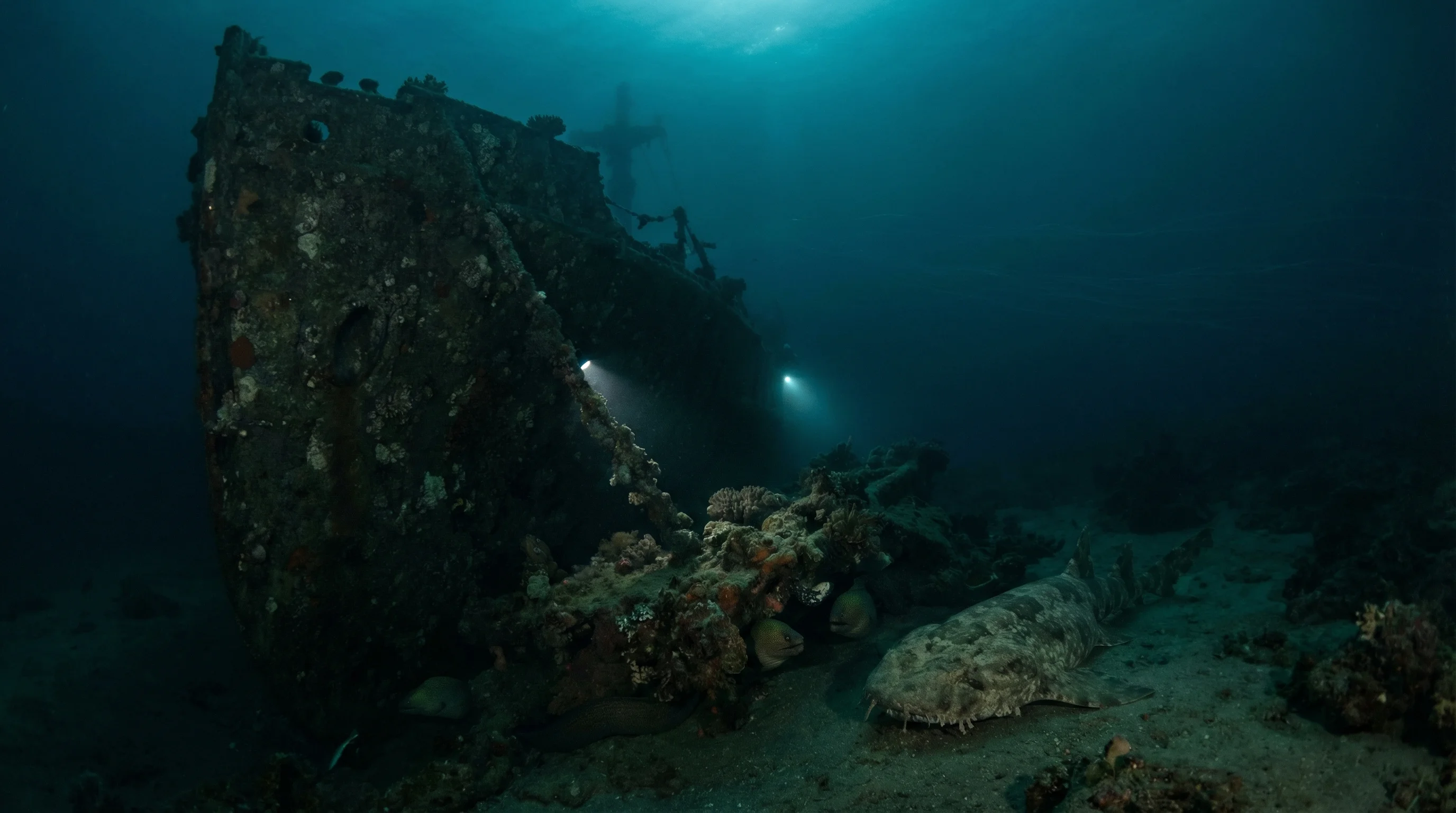
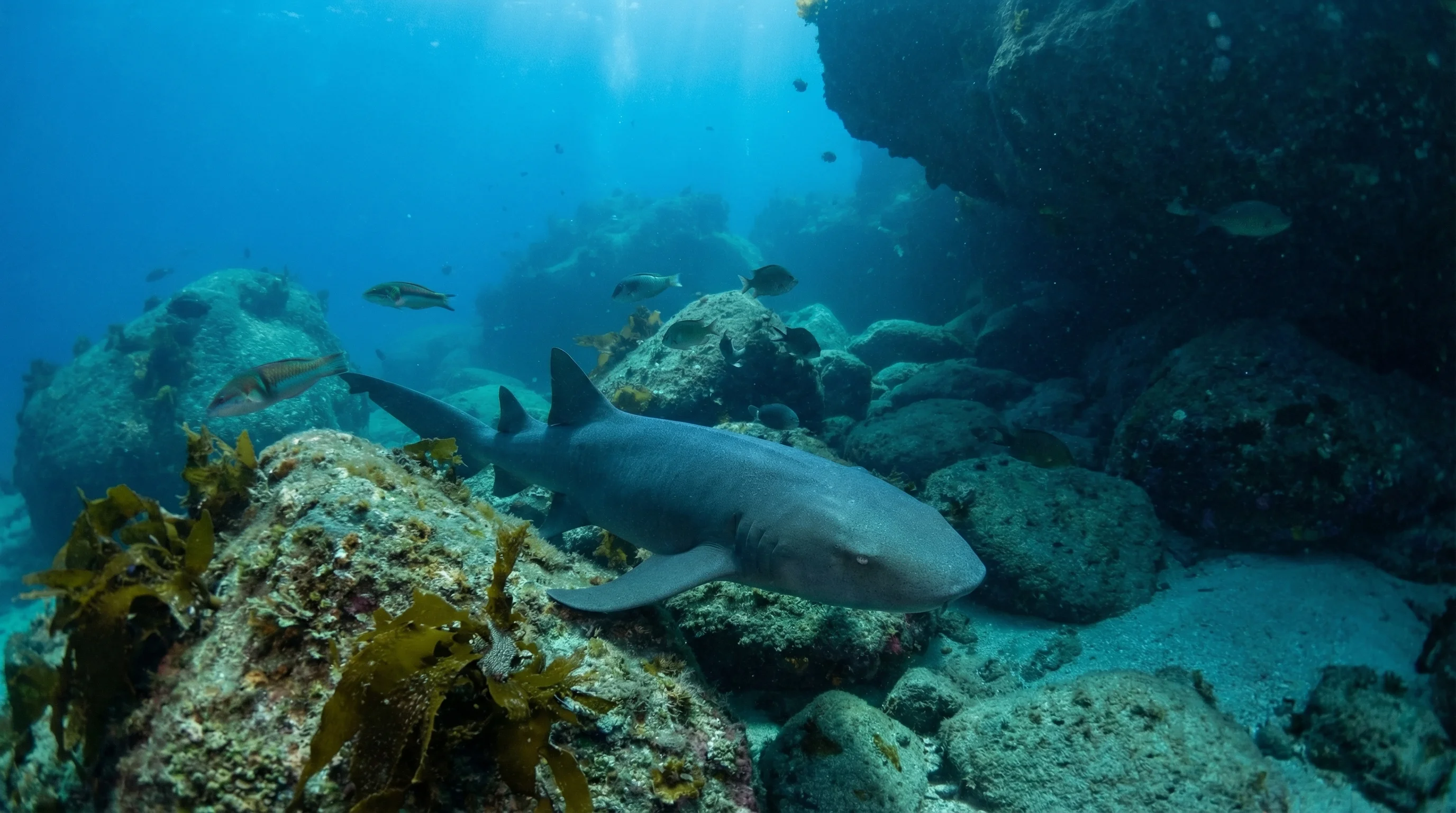
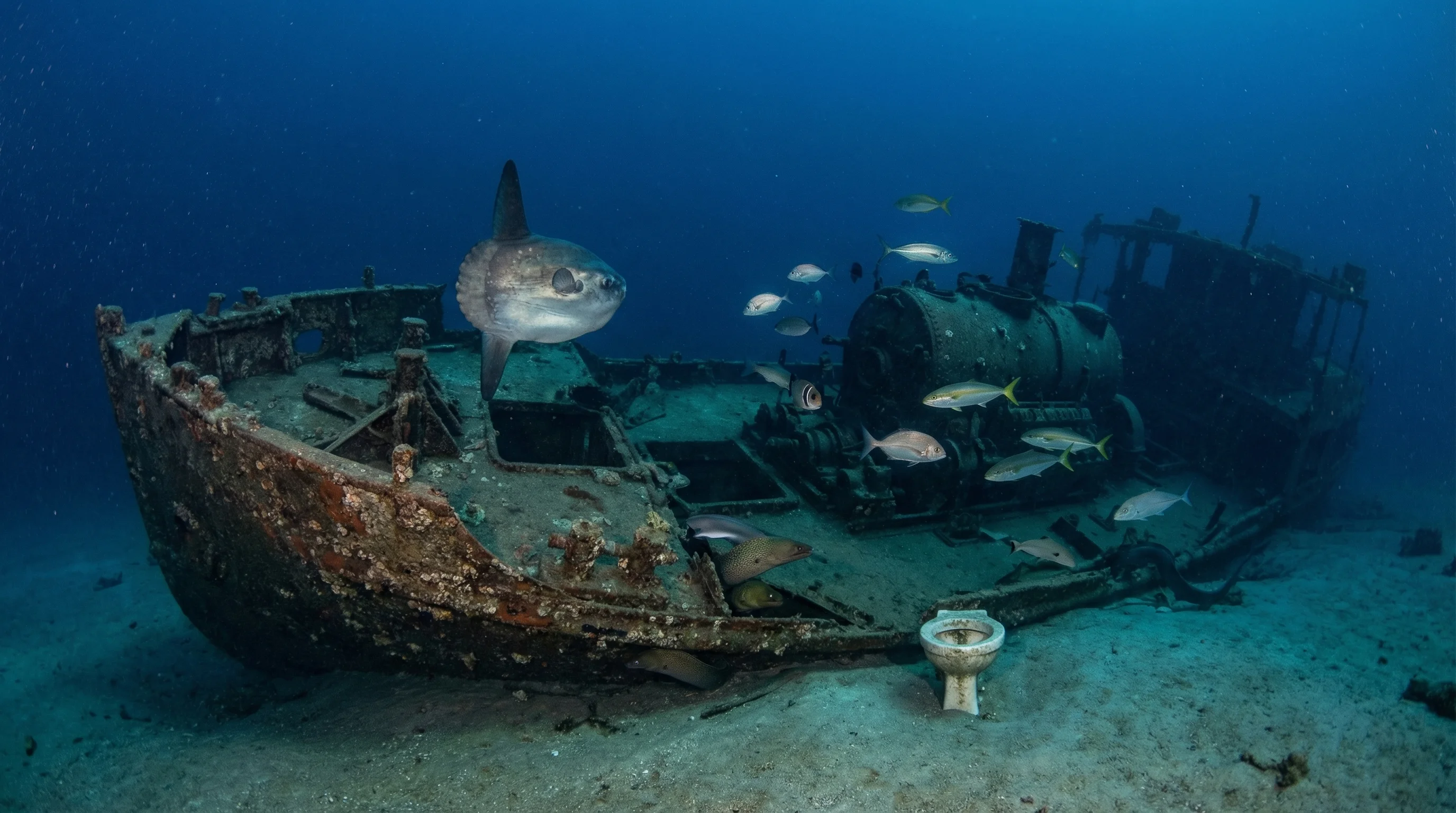
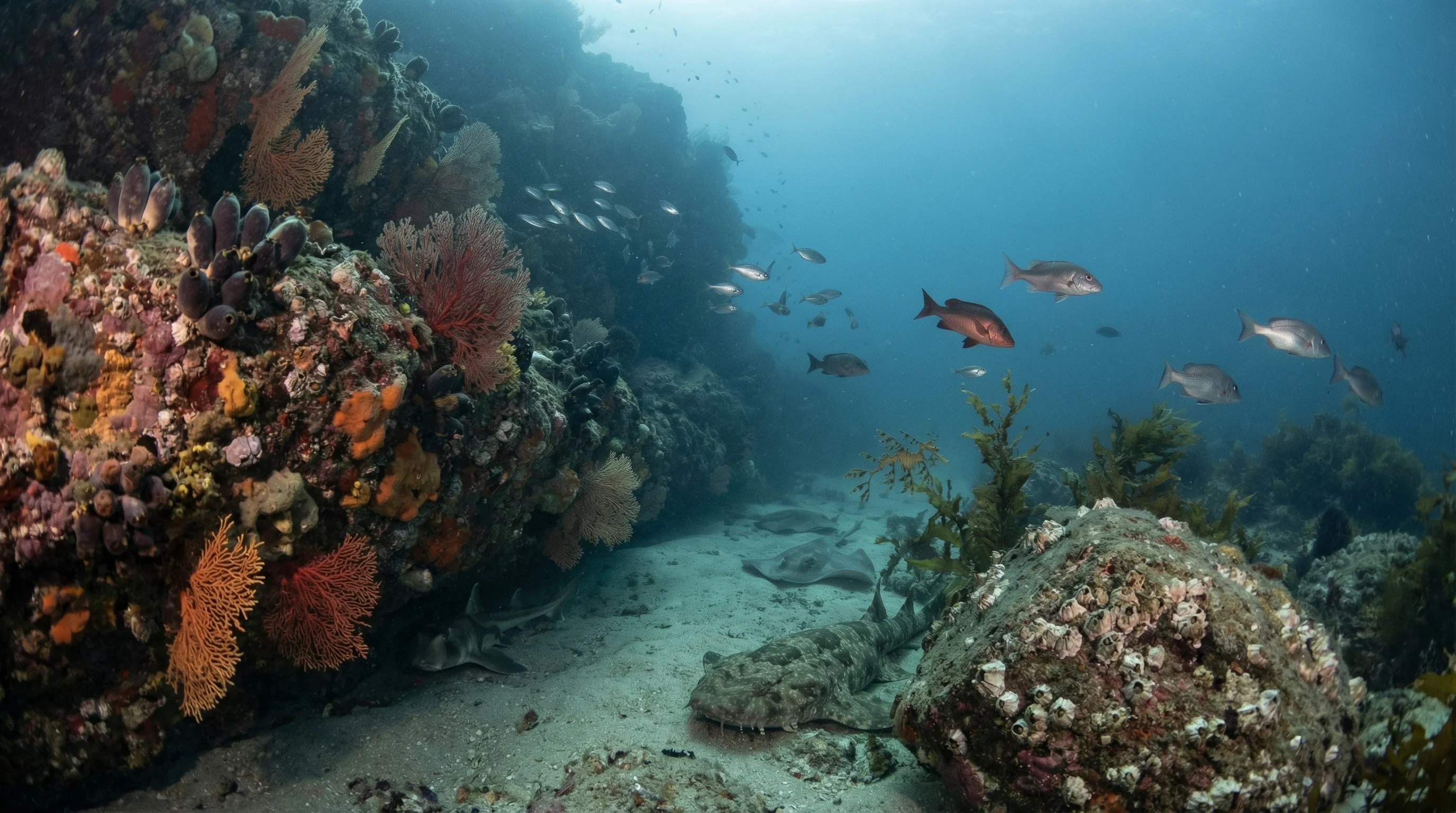
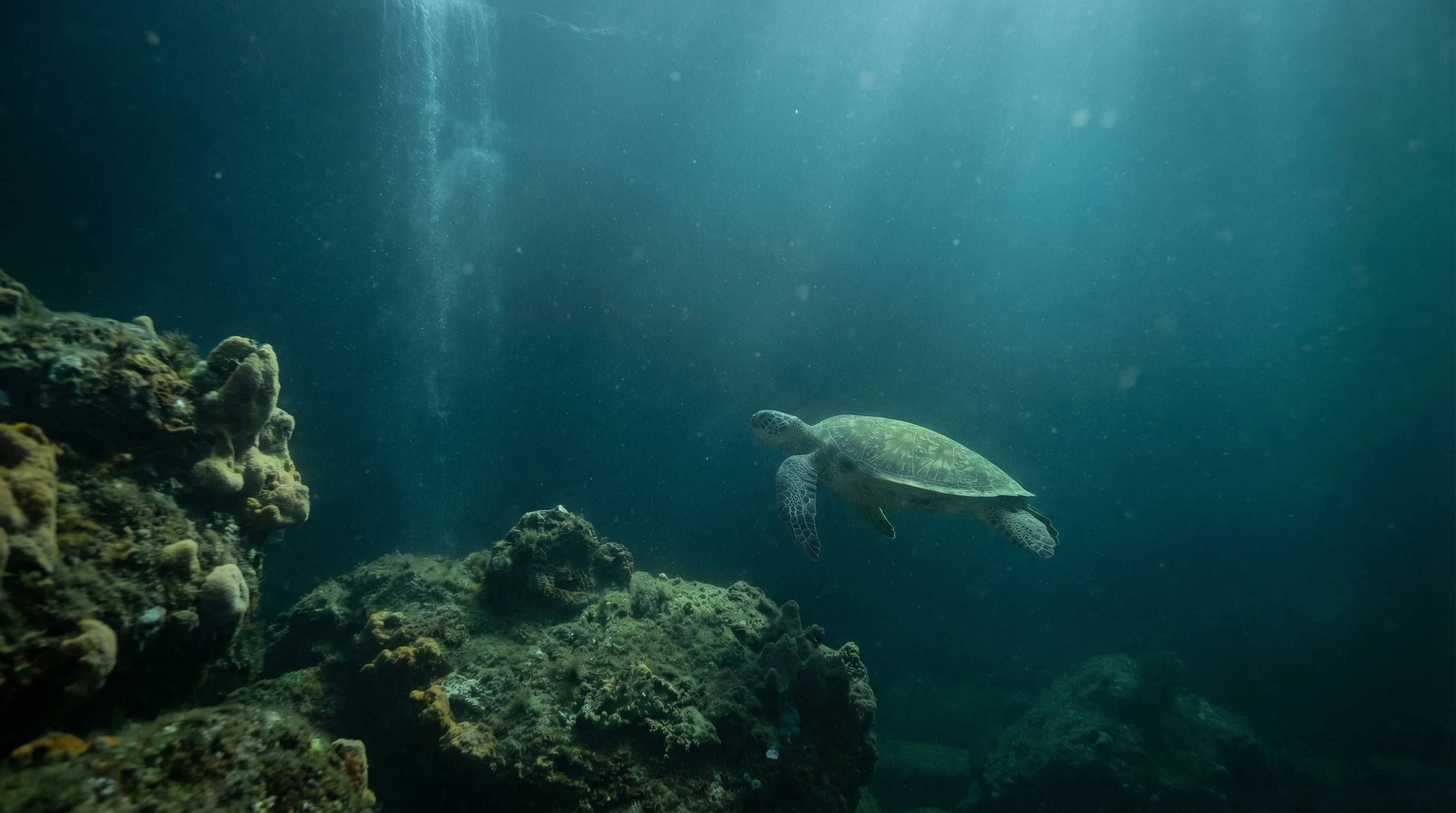
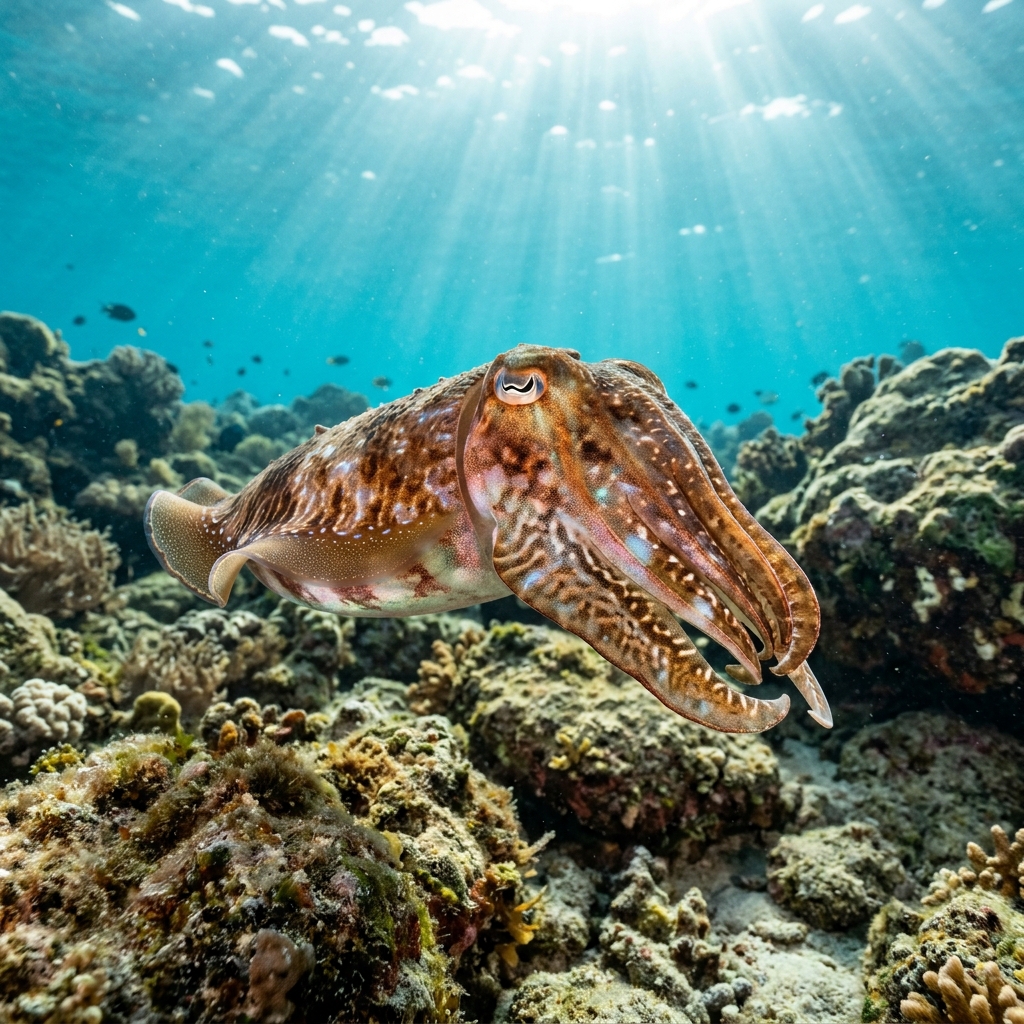
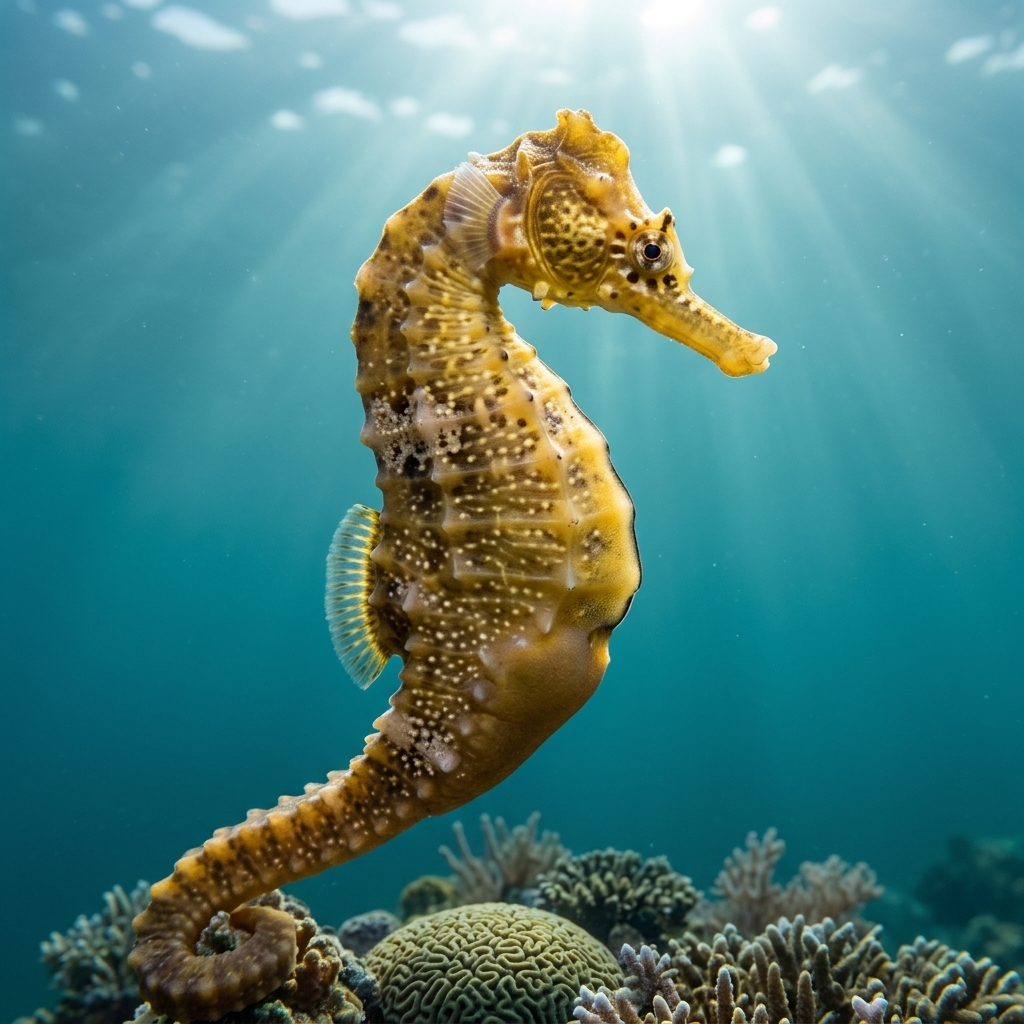
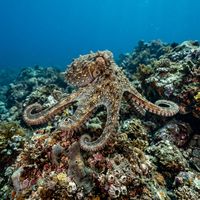
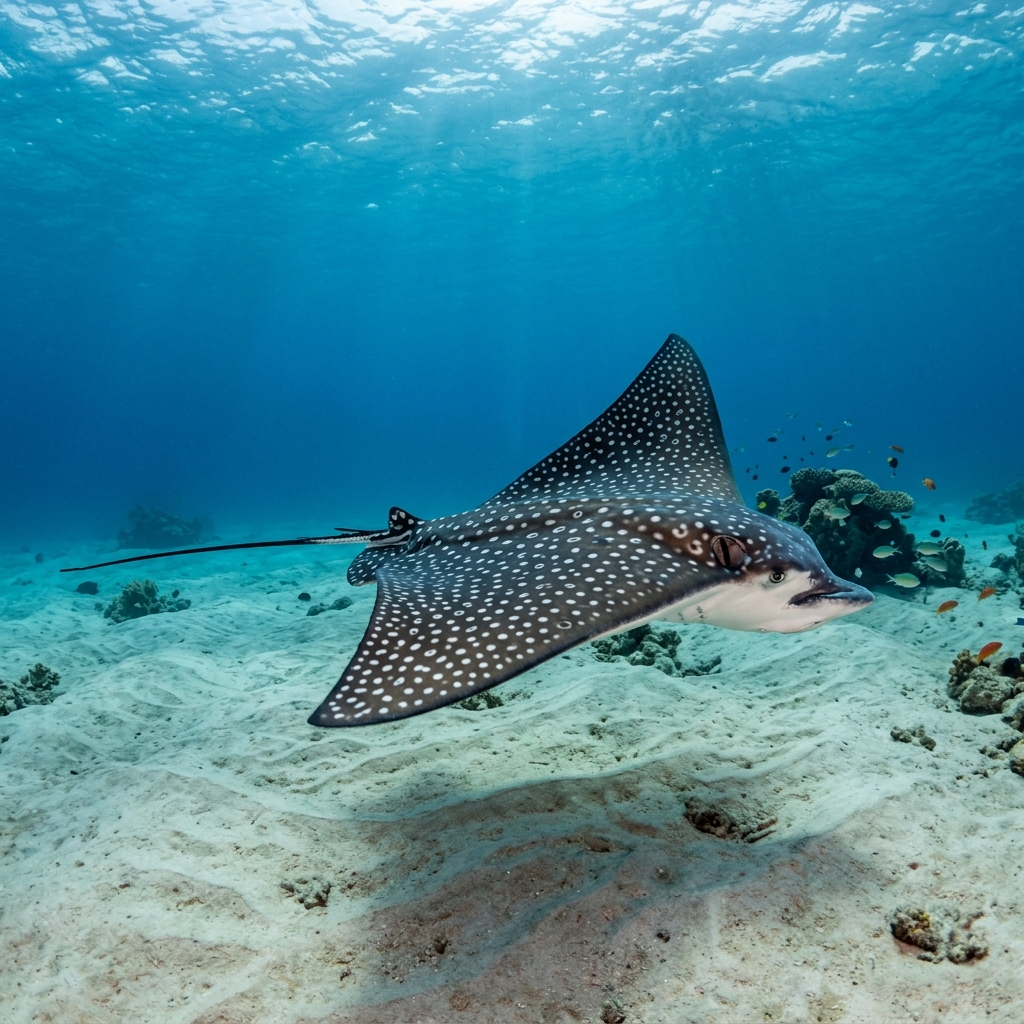
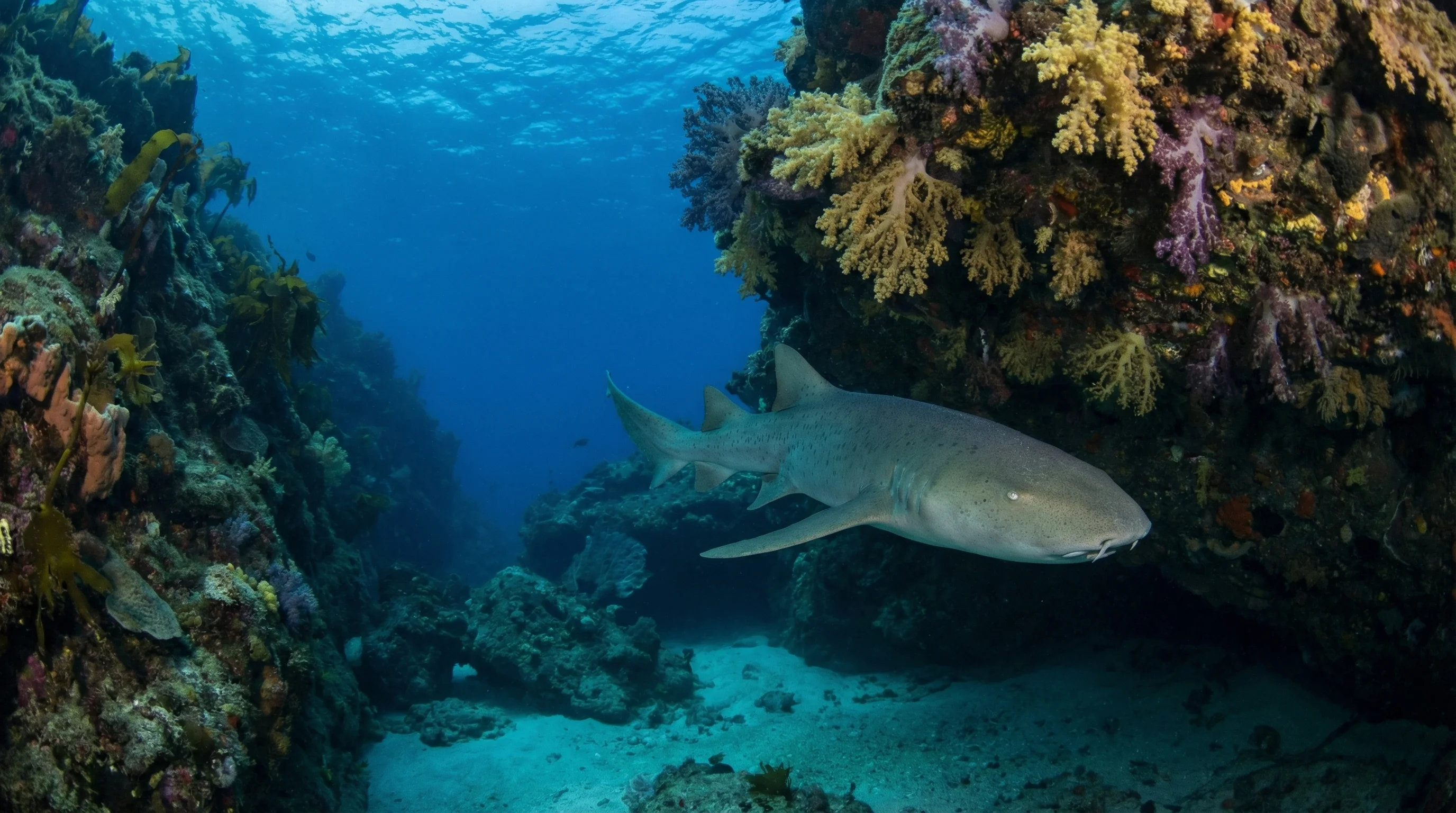
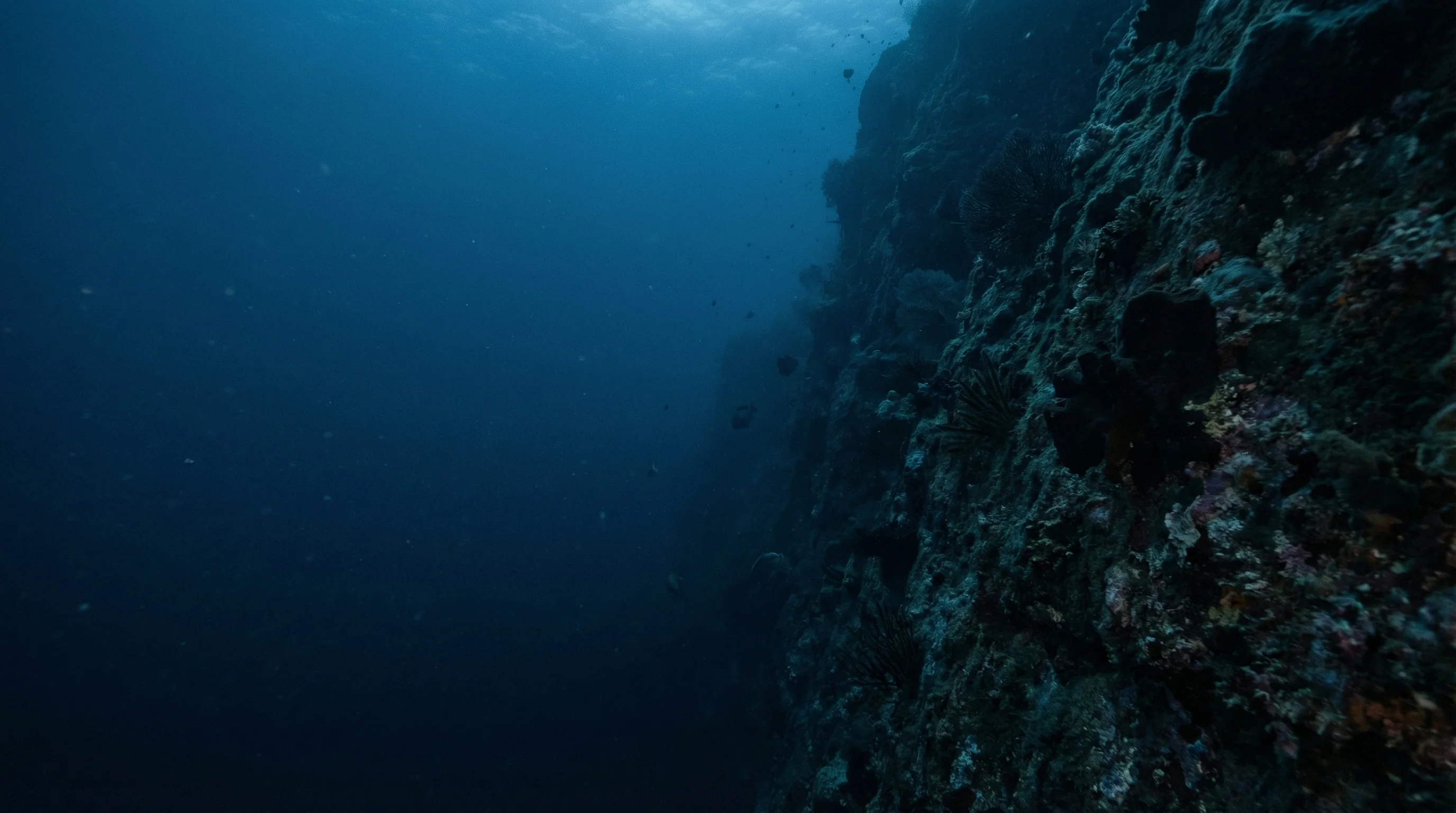
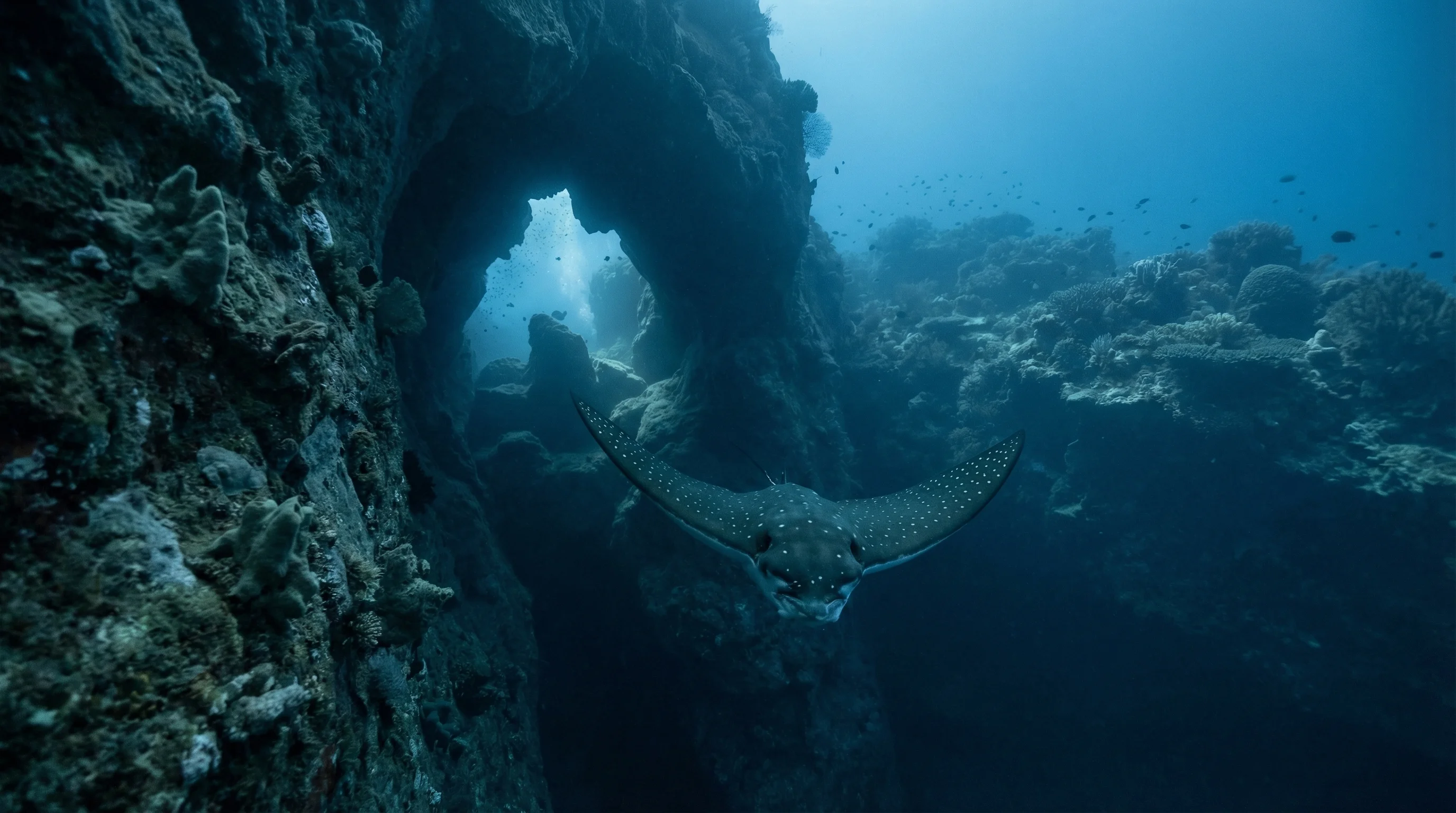
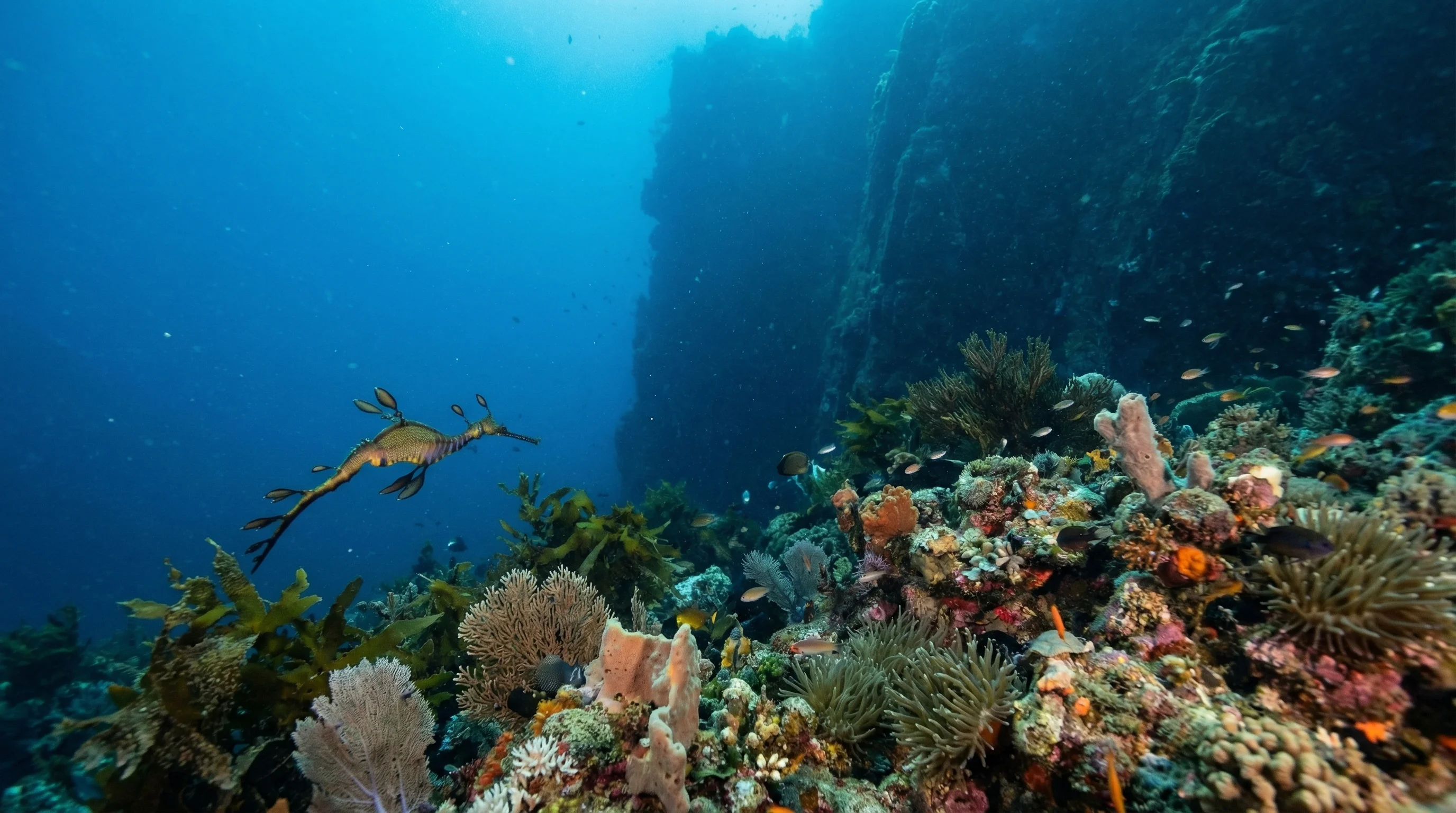
The Royal National Park coastline sits on the Pacific Ocean south of Sydney and offers a notably different character from the reef diving further north. Two technical wrecks, the SS Tuggerah and SS Undola, rest at depth and require decompression planning. Shallower sites include sponge gardens, cave systems, and reef walls accessible to intermediate divers. The coastline benefits from the absence of river or stormwater drainage, which supports healthy fixed marine life including spotted wobbegong, giant cuttlefish, pot-bellied seahorses, fiddler rays, and red indianfish. Water is cool, staying low through late winter and early spring. Visibility varies considerably depending on swell and currents, which can be strong enough to close some sites entirely.
Monthly water temperature across Royal National Park's sites, from satellite sea-surface data corrected for depth. The band shows the site-to-site spread.
Water temperatures are at their lowest from mid-winter through early spring and reach their warmest in late summer, though the range stays firmly cool by tropical standards. Conditions are swell-dependent, with the wrecks and deeper sites requiring calm seas and manageable currents to dive safely. Visibility can span from poor after weather to over twenty metres on good days.
Water temperature around Royal National Park ranges from about 18°C in August to 22°C in February, based on satellite sea-temperature data for its dive sites.
In the warm season (about 22°C) a 3mm full suit is comfortable in Royal National Park; in the coldest months (about 18°C) step up to a 5mm suit.
Fin maps 5 sites in Royal National Park (5 scuba diving sites and 2 snorkelling spots, with some suited to both).
2 more sites to explore