Best for advanced divers, 4-27m, shore entry, moderate current.
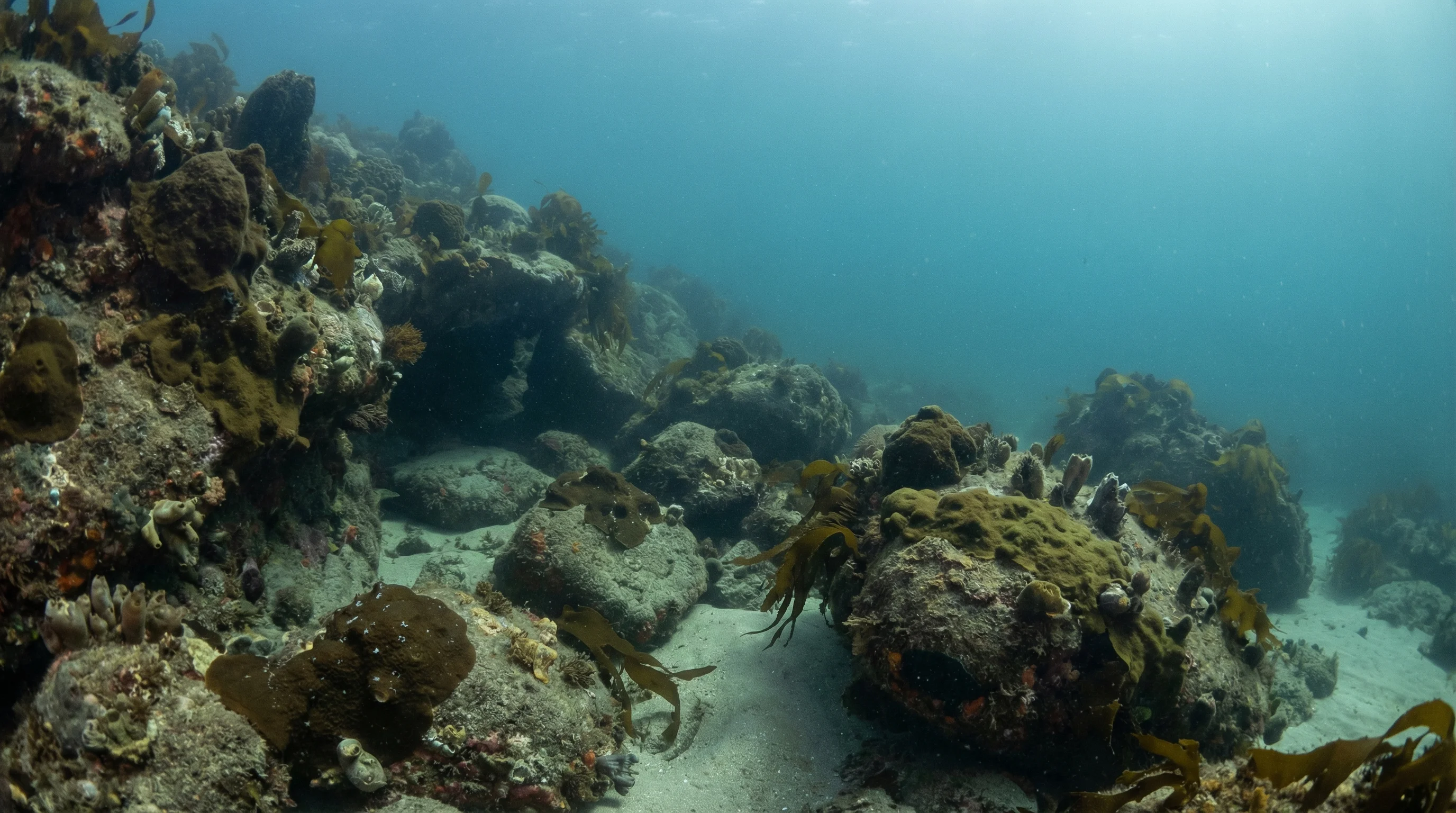
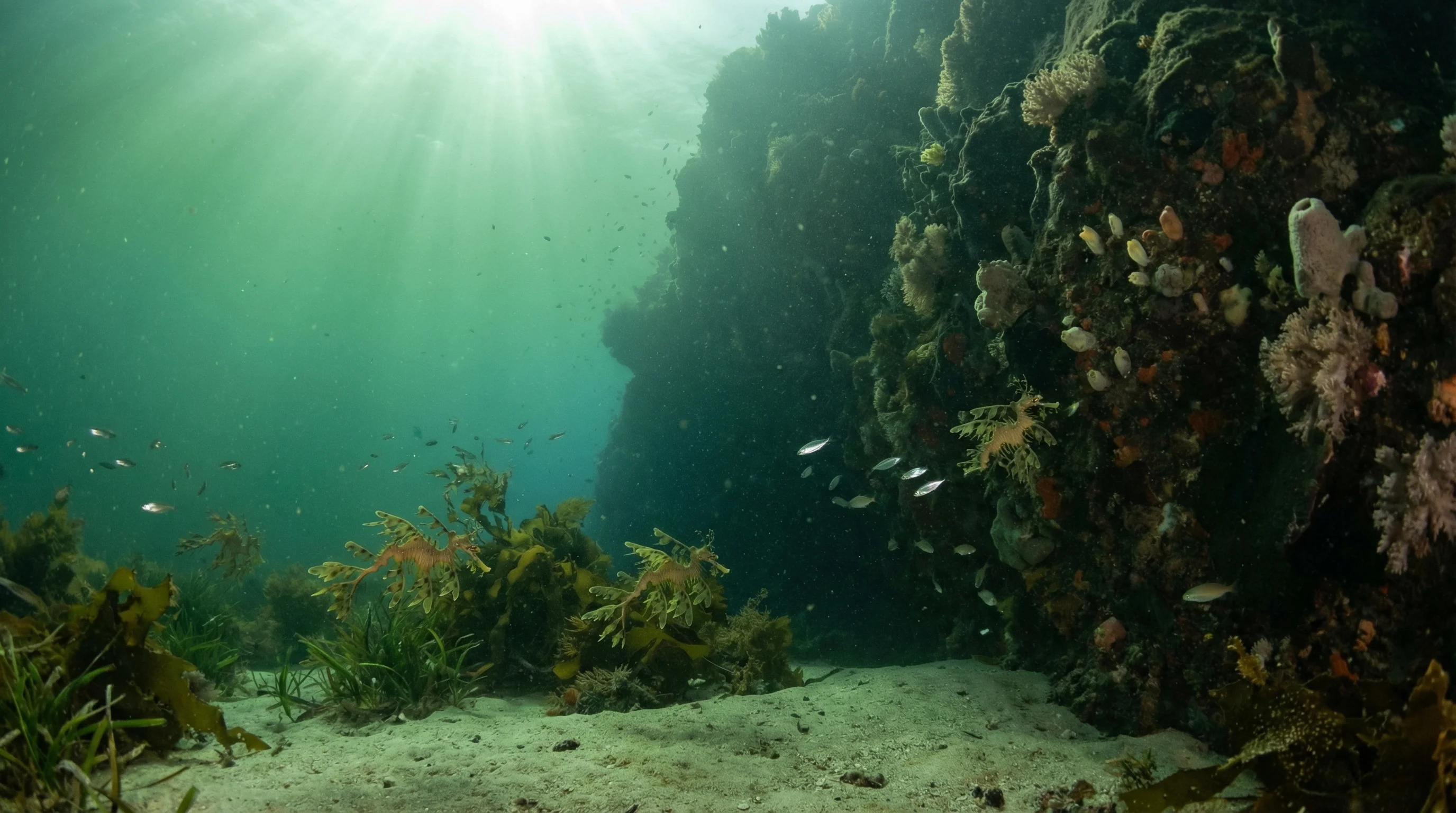
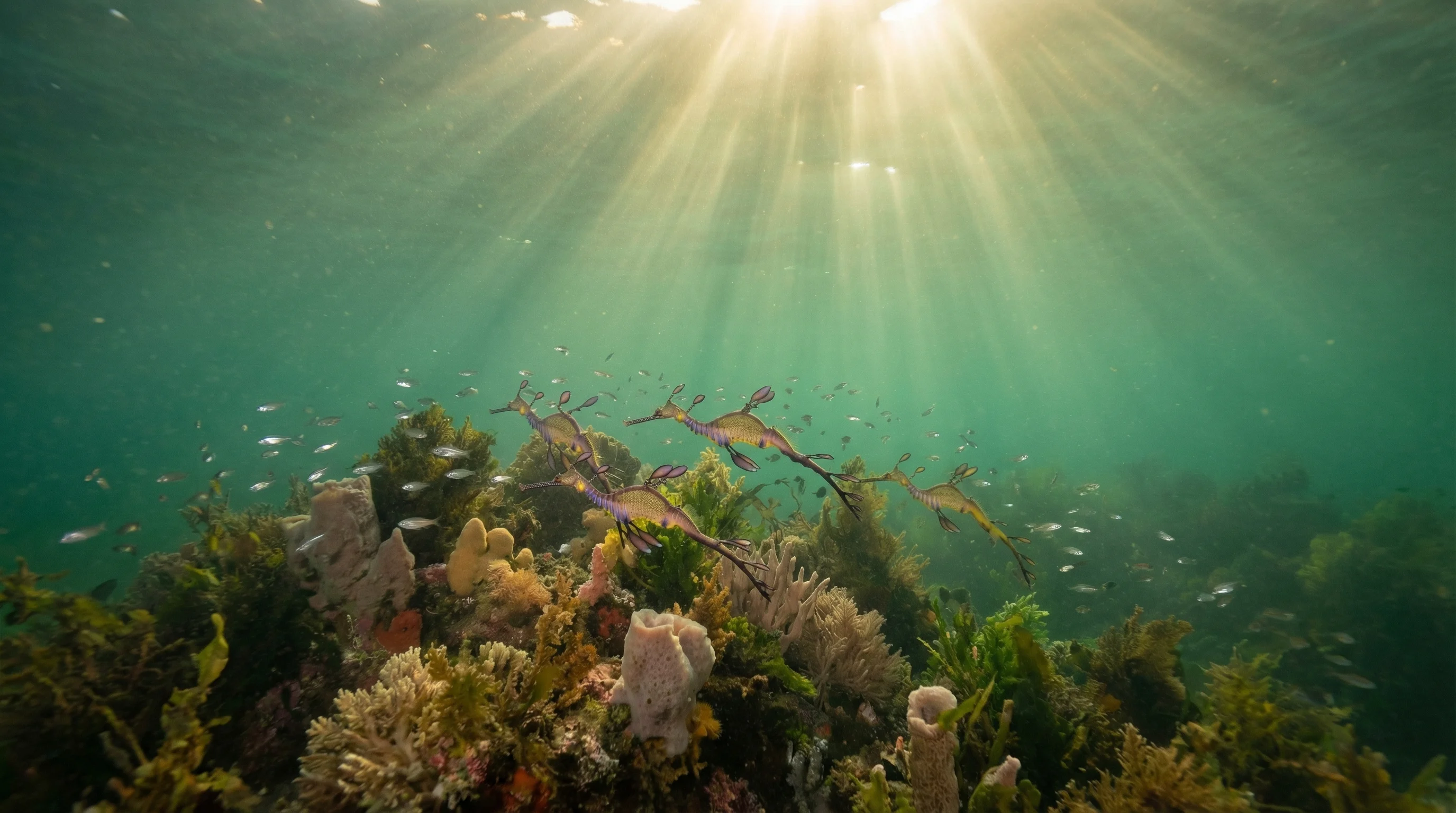
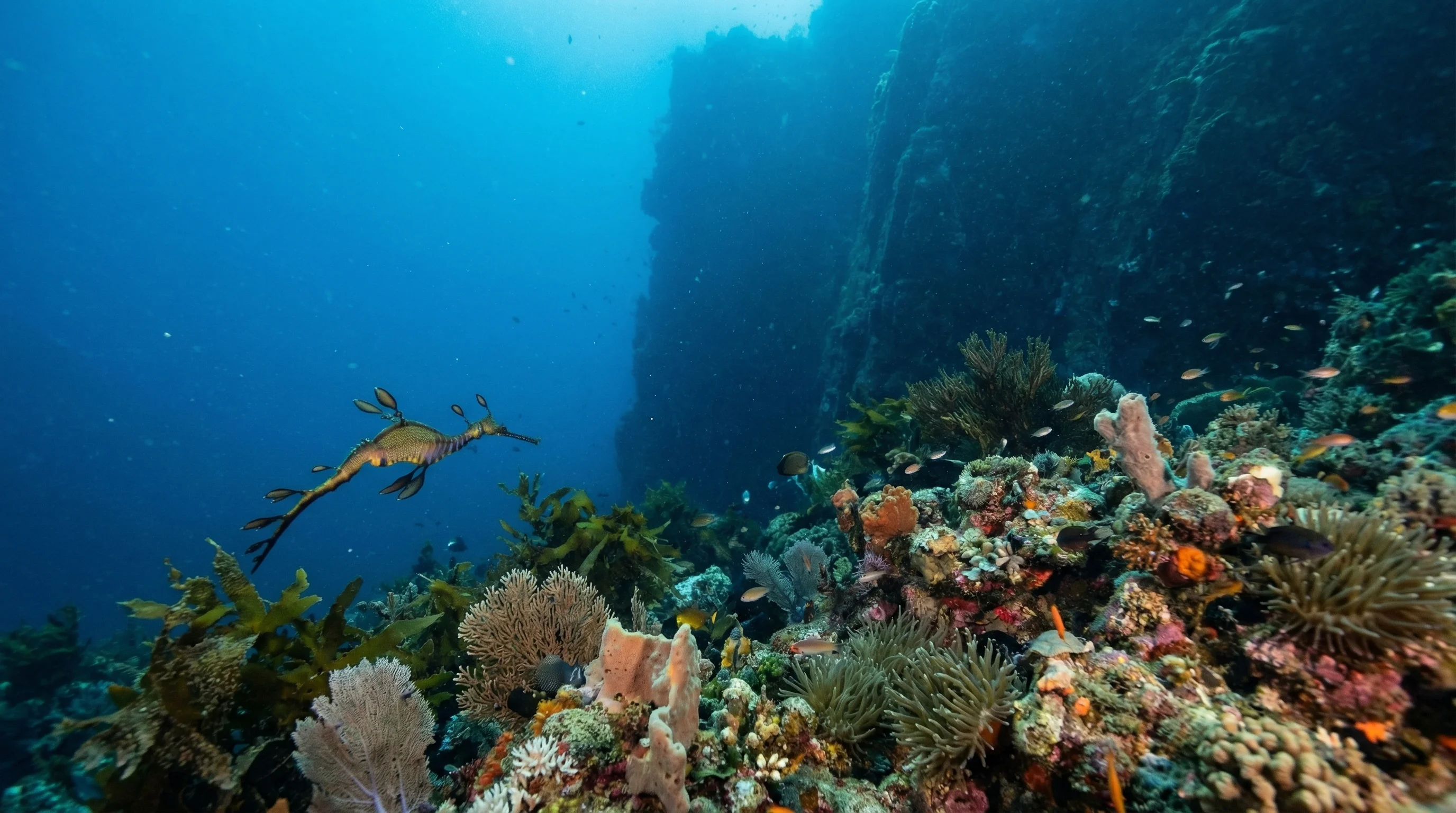
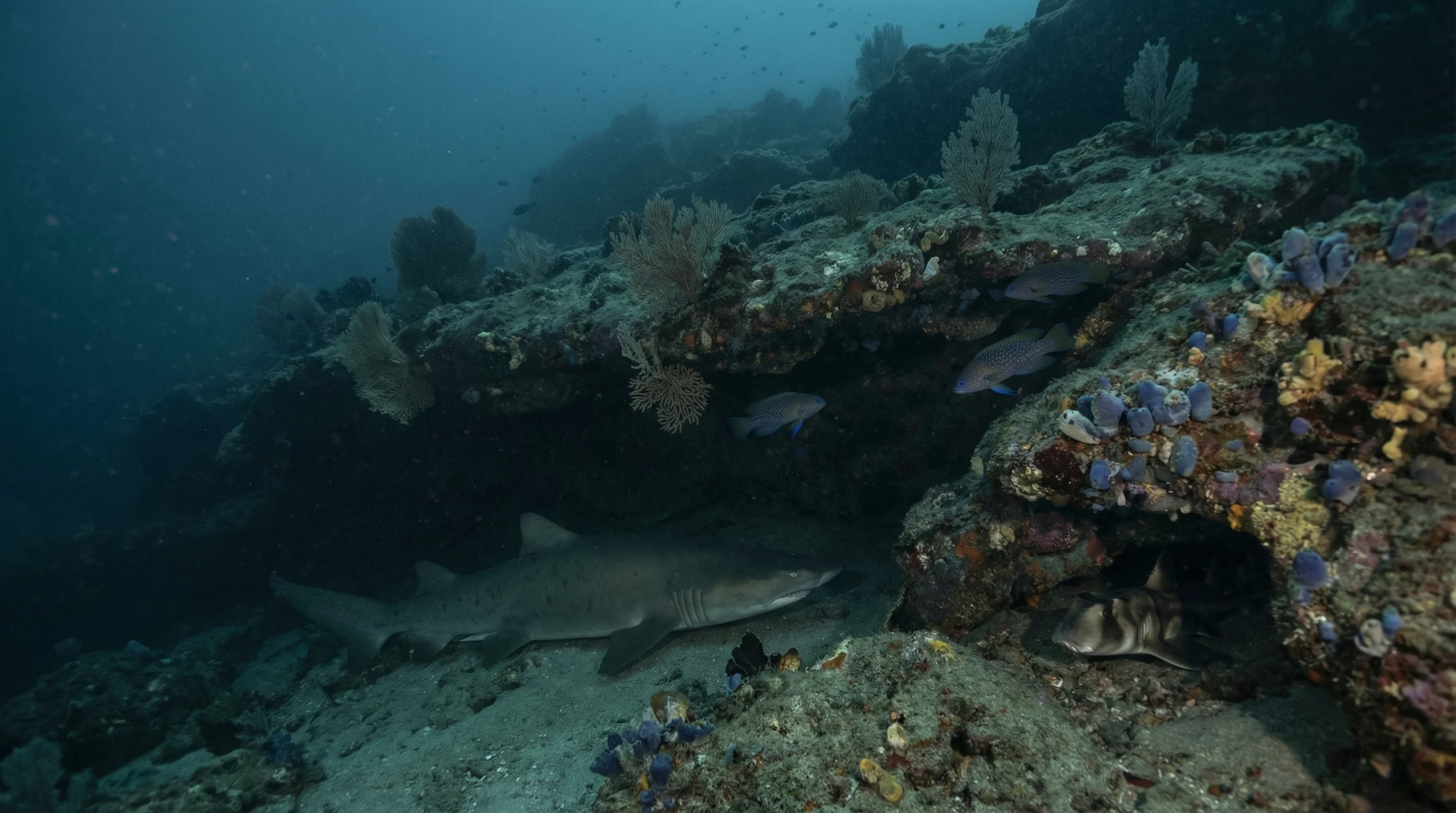
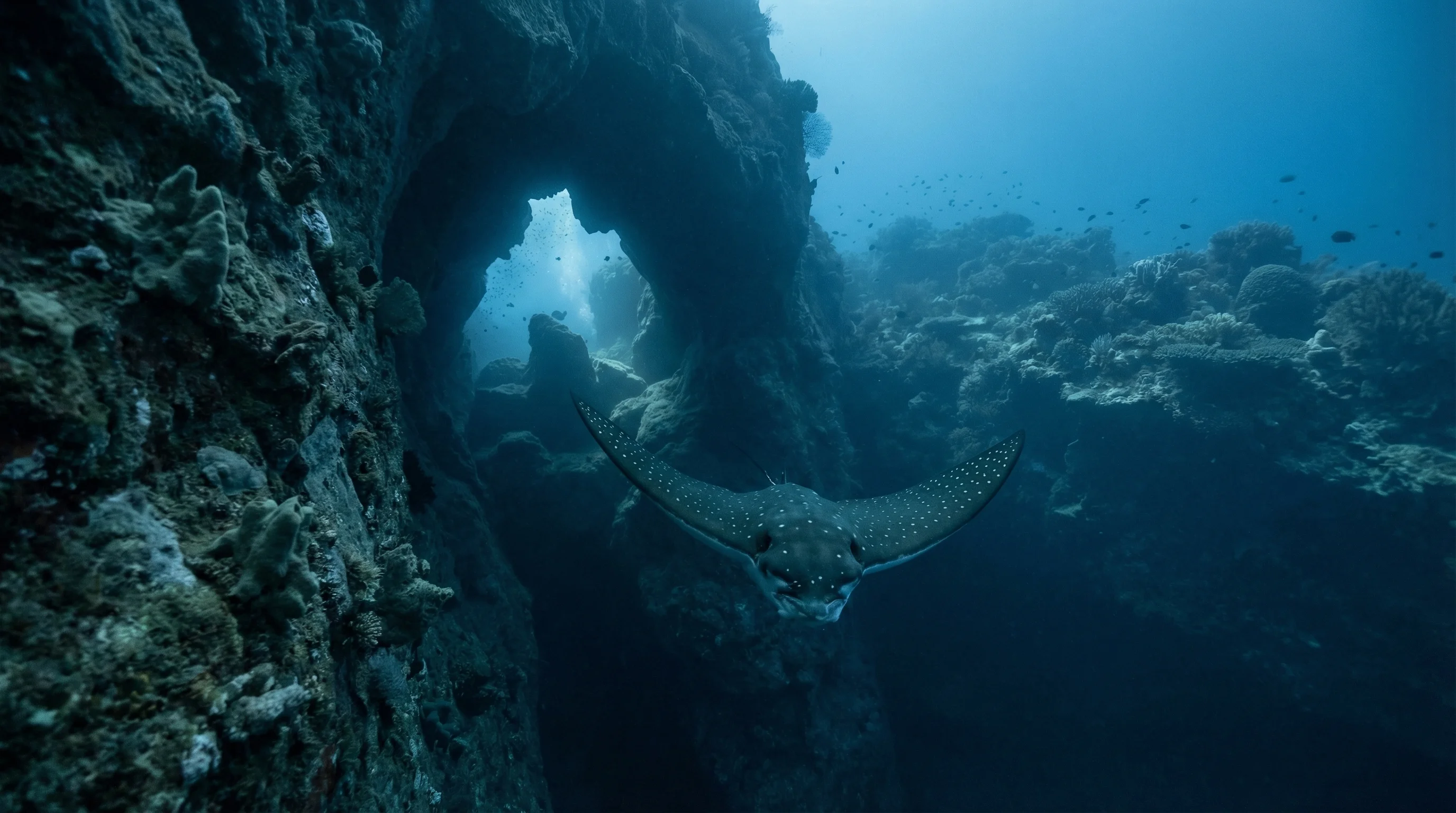
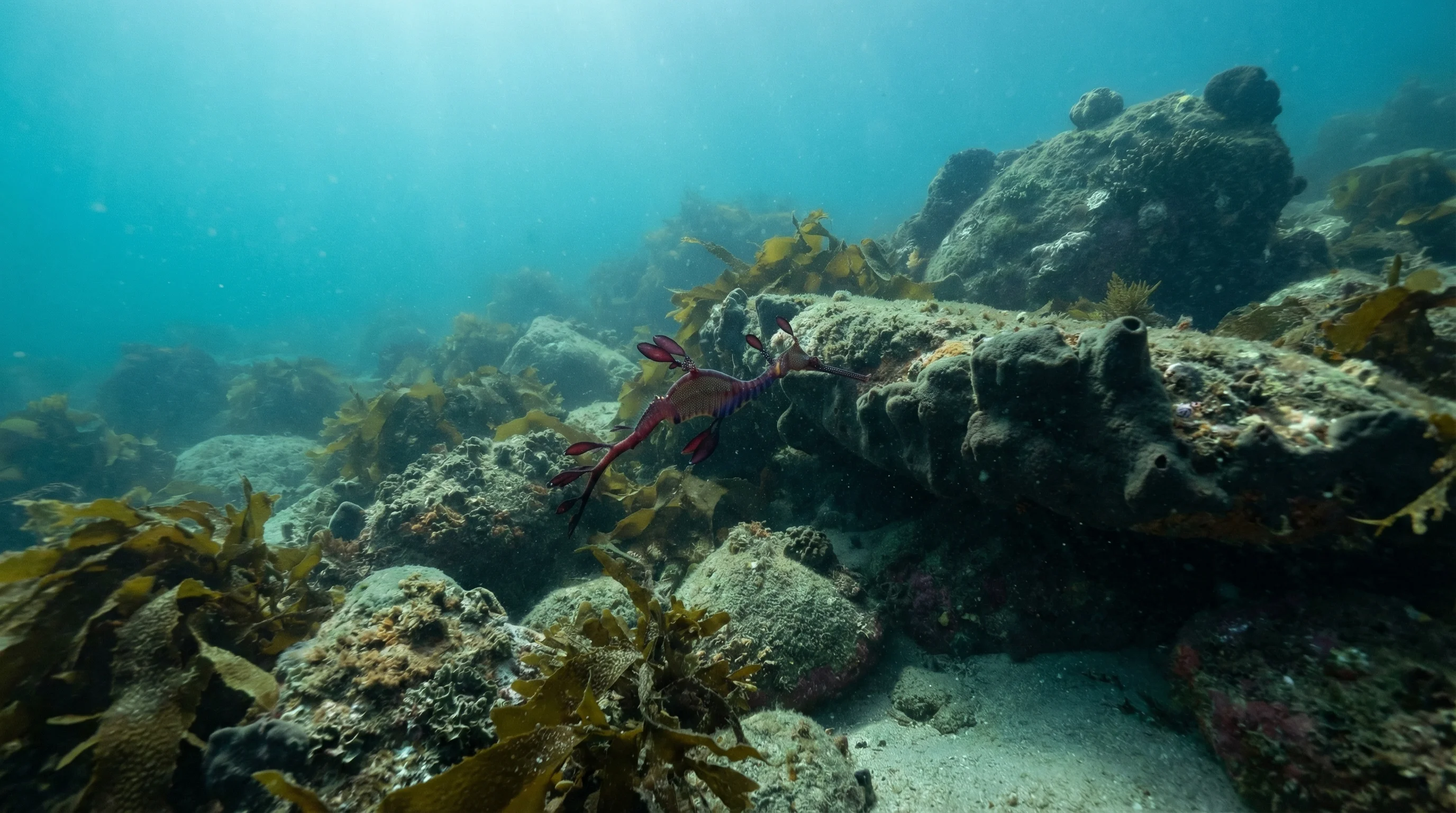
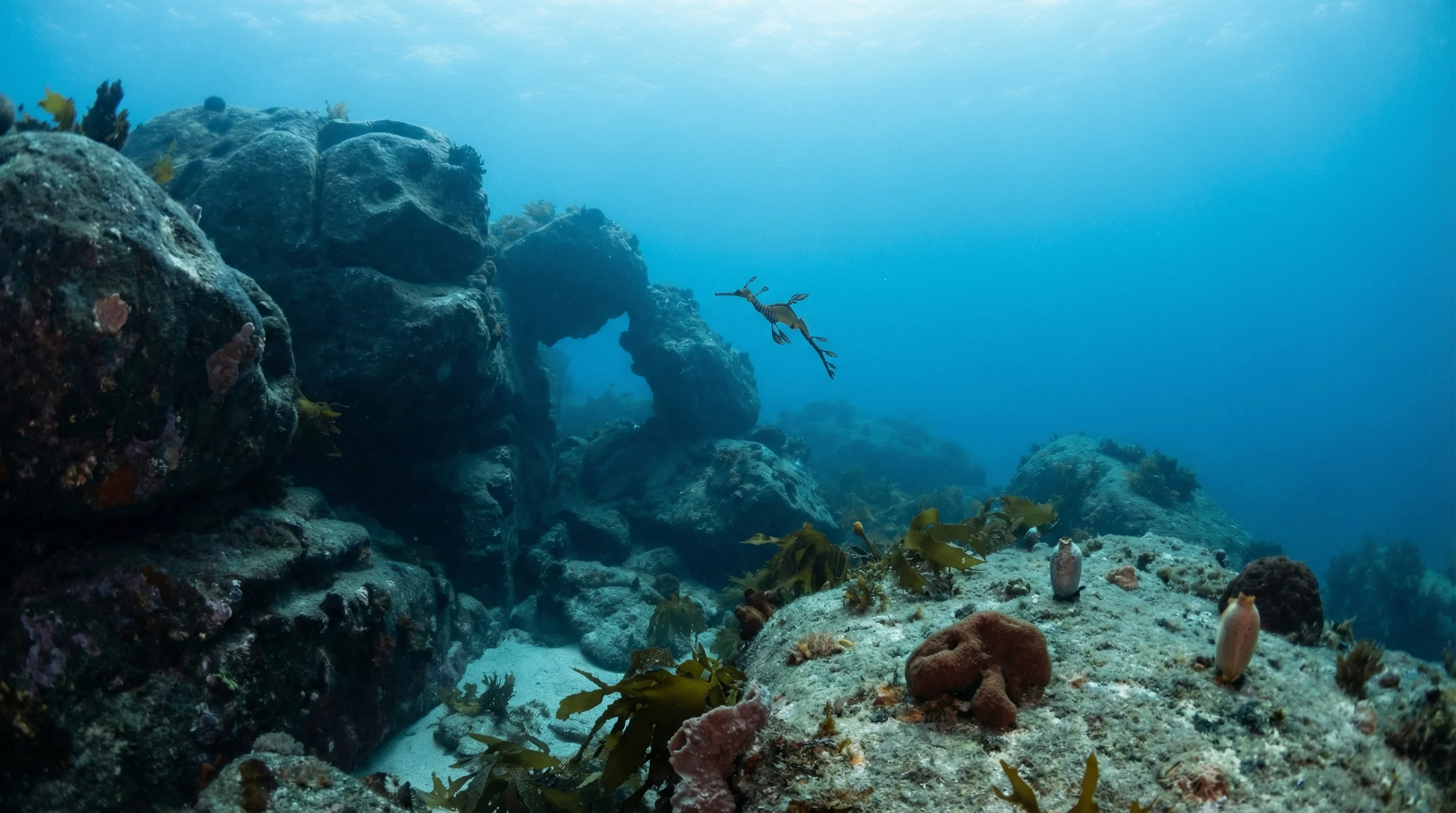
Cape Solander in Kurnell offers an exposed shore dive featuring a dramatic boulder field, rock walls, and caves. Divers can explore depths ranging from 4 to 27 metres, with an average depth of 18 metres. The site is suited for advanced divers only due to challenging shore entries from the rock platform, which require careful timing with the swell. Currents are moderate and can be managed as a drift dive on an incoming tide. Visibility varies significantly from 2 to 30 metres. Facilities at the site include parking, toilets, and showers. Due to the exposure, surge and rapid changes in conditions are common.
-34.01070, 151.23350
Time your dive around slack water to manage the current, and check the swell forecast carefully since surge at the entry point can make shore entry genuinely hazardous. The site runs best from June to October when visibility tends to peak and whale activity picks up.
The site is located in the Kurnell area of Kamay Botany Bay National Park. Access is via a dirt road that turns off Cape Solander Drive, about 200 meters past The Leap parking lot. The entry point is from the rocks near the Yena Picnic Area. A park entry fee of $8 per vehicle applies.
Recorded at this site
Depth
4-27m
Visibility
2-30m
Skill Level
Advanced
Entry
Shore
Water Temp
18-23°C
Current
Moderate
Best Time
Apr, May, Jun, Jul, Aug, Sep, Oct
No, this site is for advanced divers only. The entry and exit from the rock platform are dangerous and require careful timing with the swell.
The site ranges from 4 to 27 metres in depth, with an average depth of 18 metres.
This is a shore dive. Divers must scramble over the rock platform to enter and exit the water.
The site is best dived from April to October, with visibility often peaking between June and October.
This site is designated for advanced diving and is not recommended for snorkelling due to the challenging shore entry, depth, and strong currents.
Diving at Cape Solander in Kurnell requires the following certifications: Advanced. Always dive within your training limits.
A 5mm wetsuit is recommended for diving at Cape Solander in Kurnell. Water temperatures range from 18°C to 23°C.
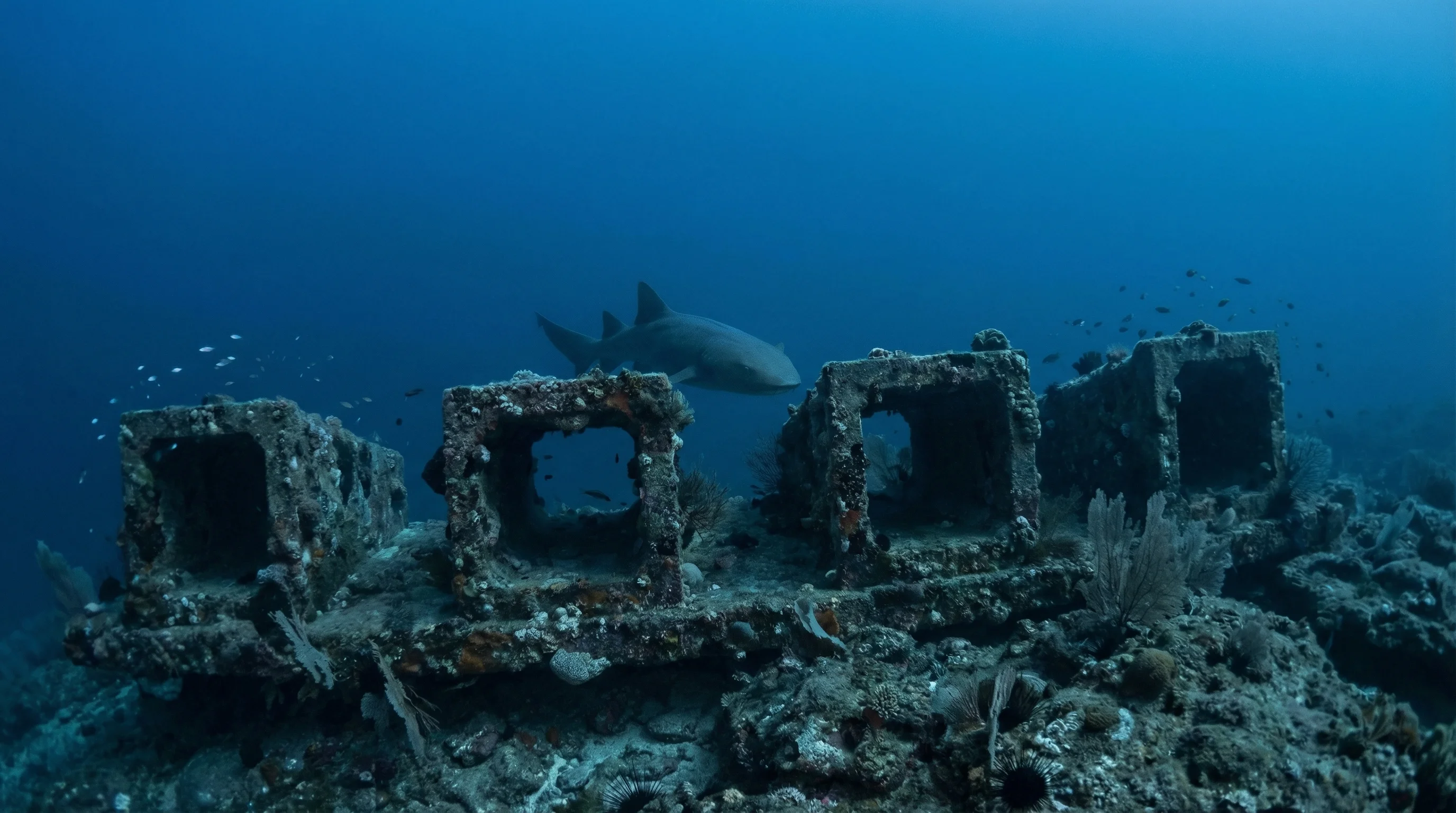
Divers at Cape Solander in Kurnell should be aware of sharks. These encounters are generally rare and avoidable with proper awareness. Follow local safety guidance and maintain a respectful distance from all marine life.
Expect moderate currents at Cape Solander in Kurnell. Good buoyancy control and some drift diving experience is helpful.
Visibility at Cape Solander in Kurnell typically ranges from 2 metres to 30 metres. Conditions vary with weather, tides, and seasons.