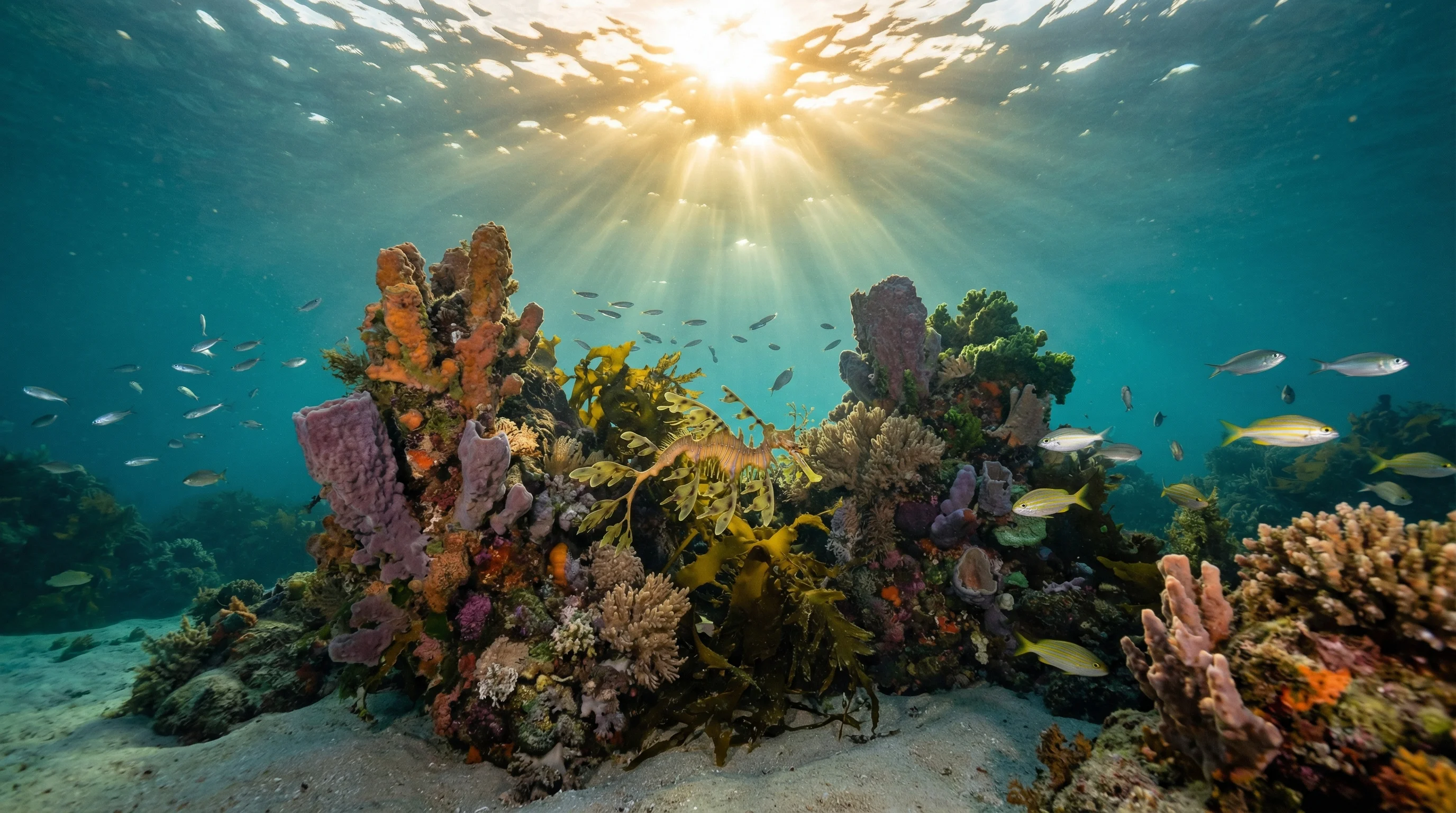
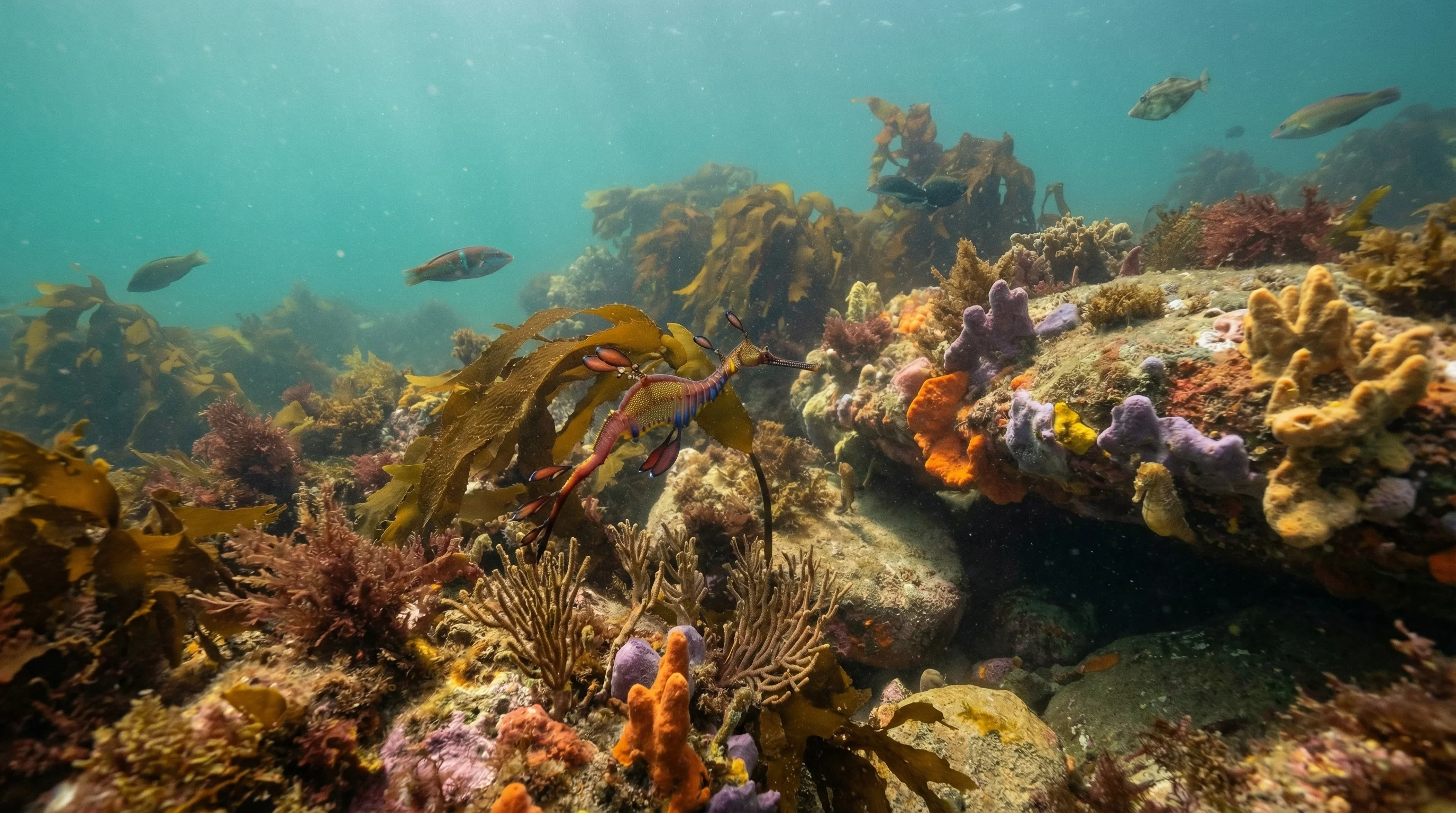
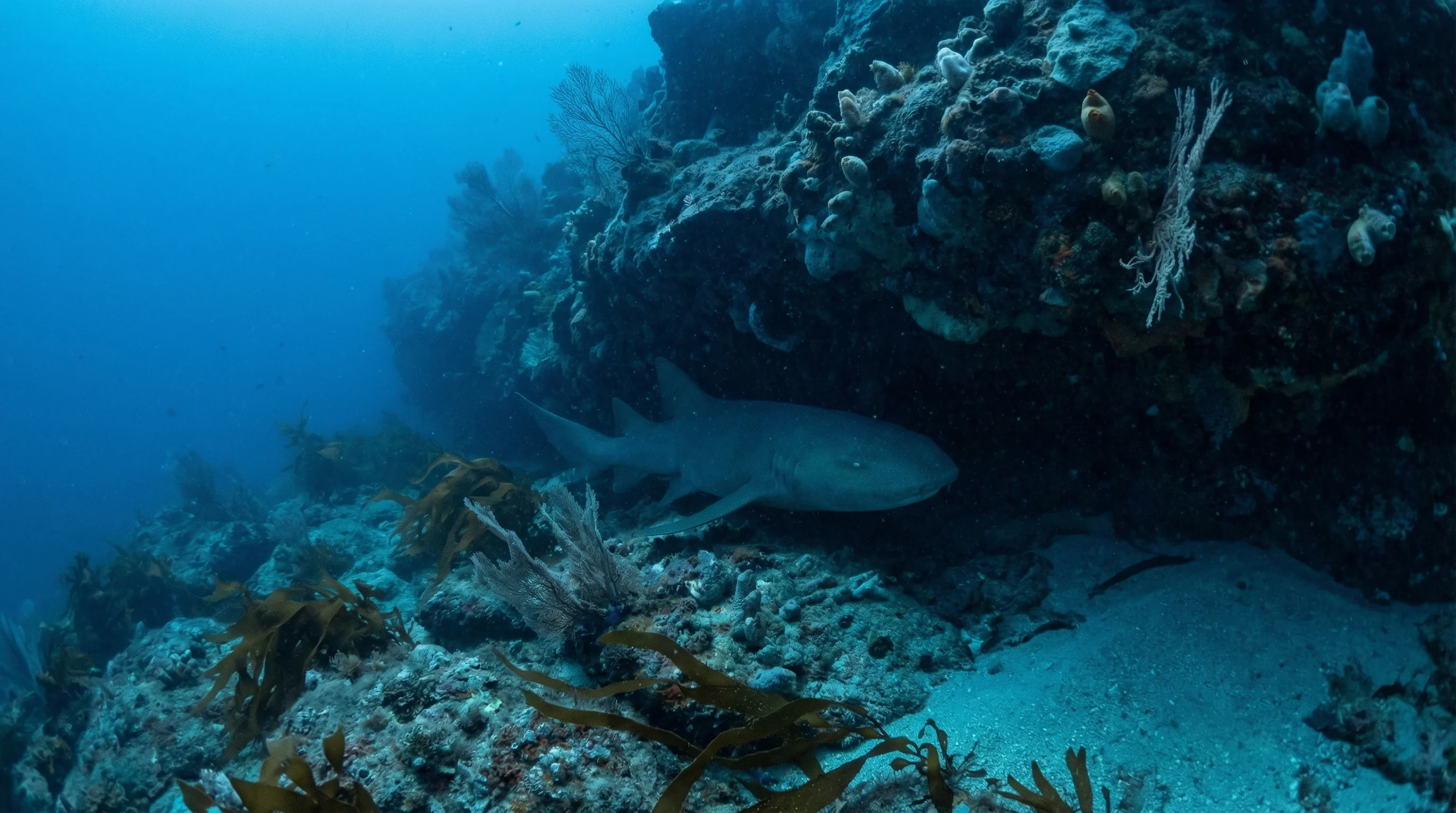
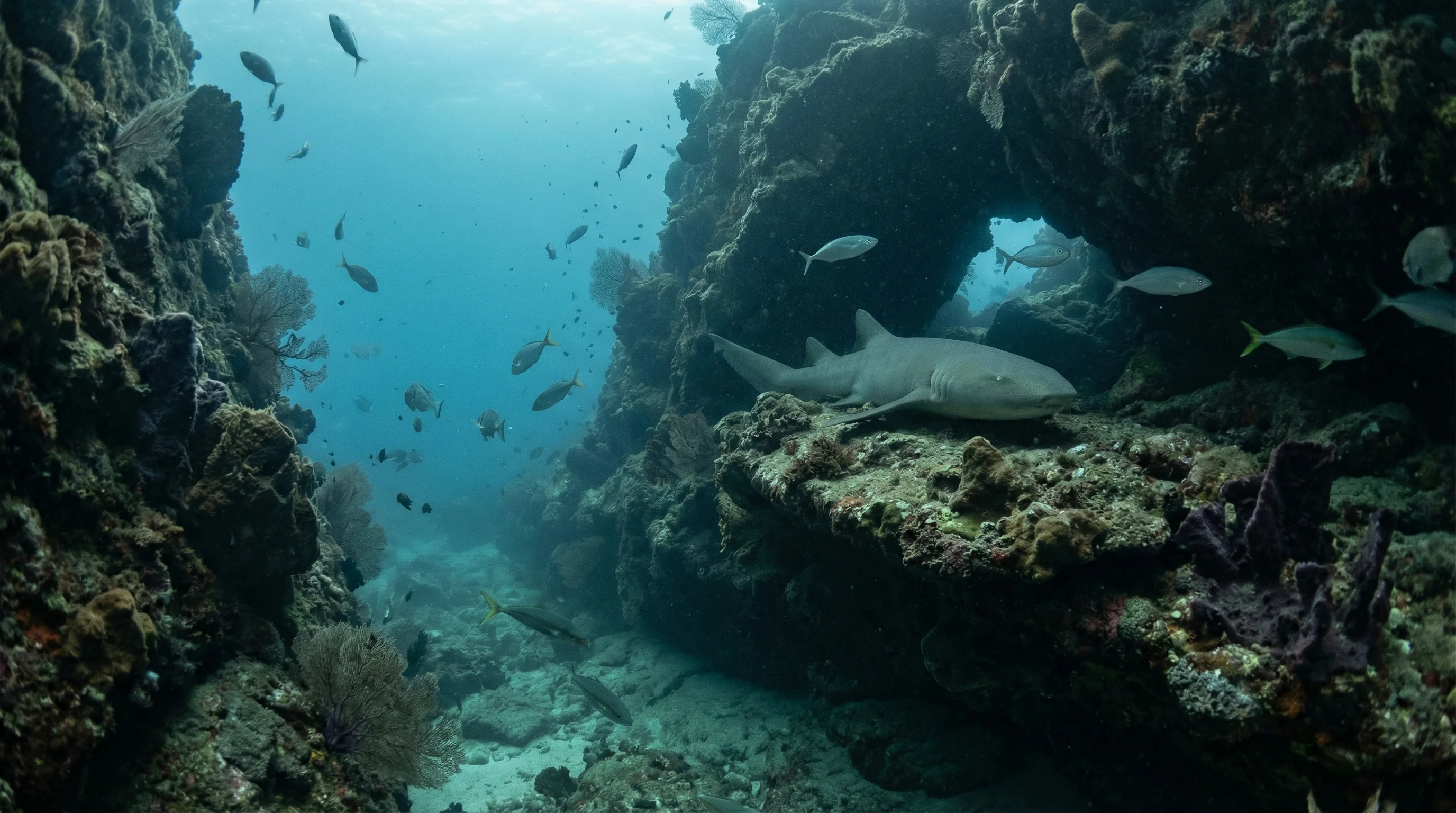
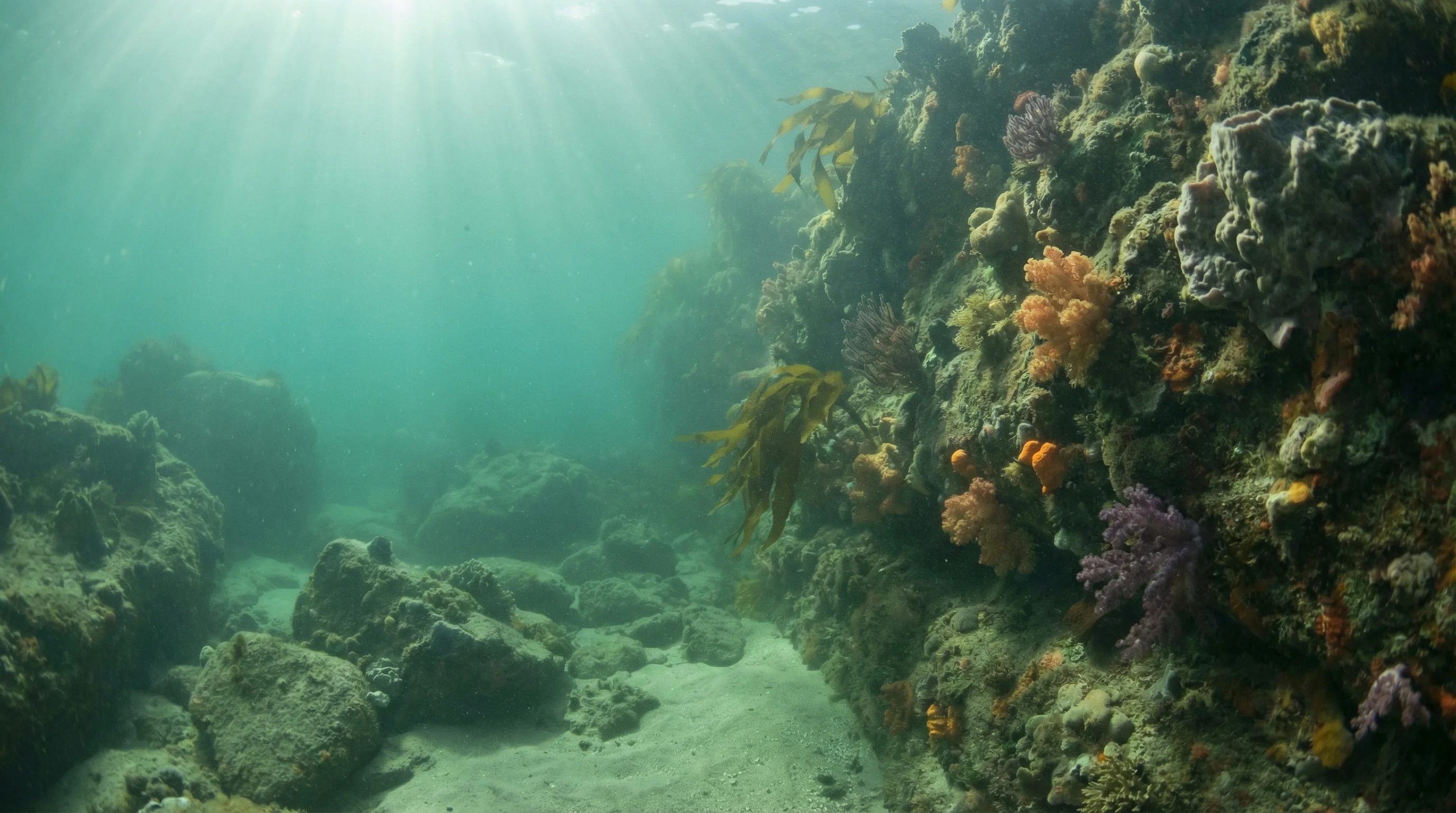
La Perouse offers a concentrated range of temperate reef diving within easy reach of Sydney. Sites span kelp forests and shallow reefs accessible from shore through to deep walls, caves, and a technical-only wreck. The Port Jackson Shark and Eastern Blue Groper are seen across virtually every site, while the Weedy Seadragon and Spotted Wobbegong give the area a distinctive character. Visibility varies considerably, and cooler mid-year water brings particularly clear conditions.
Monthly water temperature across La Perouse's sites, from satellite sea-surface data corrected for depth. The band shows the site-to-site spread.
Water is warmest through late summer and cools steadily into winter, when temperatures drop to their lowest around August and September. Diver preference leans toward the cooler months from May through to October, likely reflecting improved visibility as conditions settle. Some exposed sites carry moderate currents, so conditions are worth checking before heading out.
1 more site to explore
Water temperature around La Perouse ranges from about 18°C in August to 23°C in February, based on satellite sea-temperature data for its dive sites.
In the warm season (about 23°C) a 3mm full suit is comfortable in La Perouse; in the coldest months (about 18°C) step up to a 5mm suit.
Fin maps 12 sites in La Perouse (12 scuba diving sites and 1 snorkelling spots, with some suited to both).
Across La Perouse's dive sites, May, August, September and October are most often reported as the best months to visit.
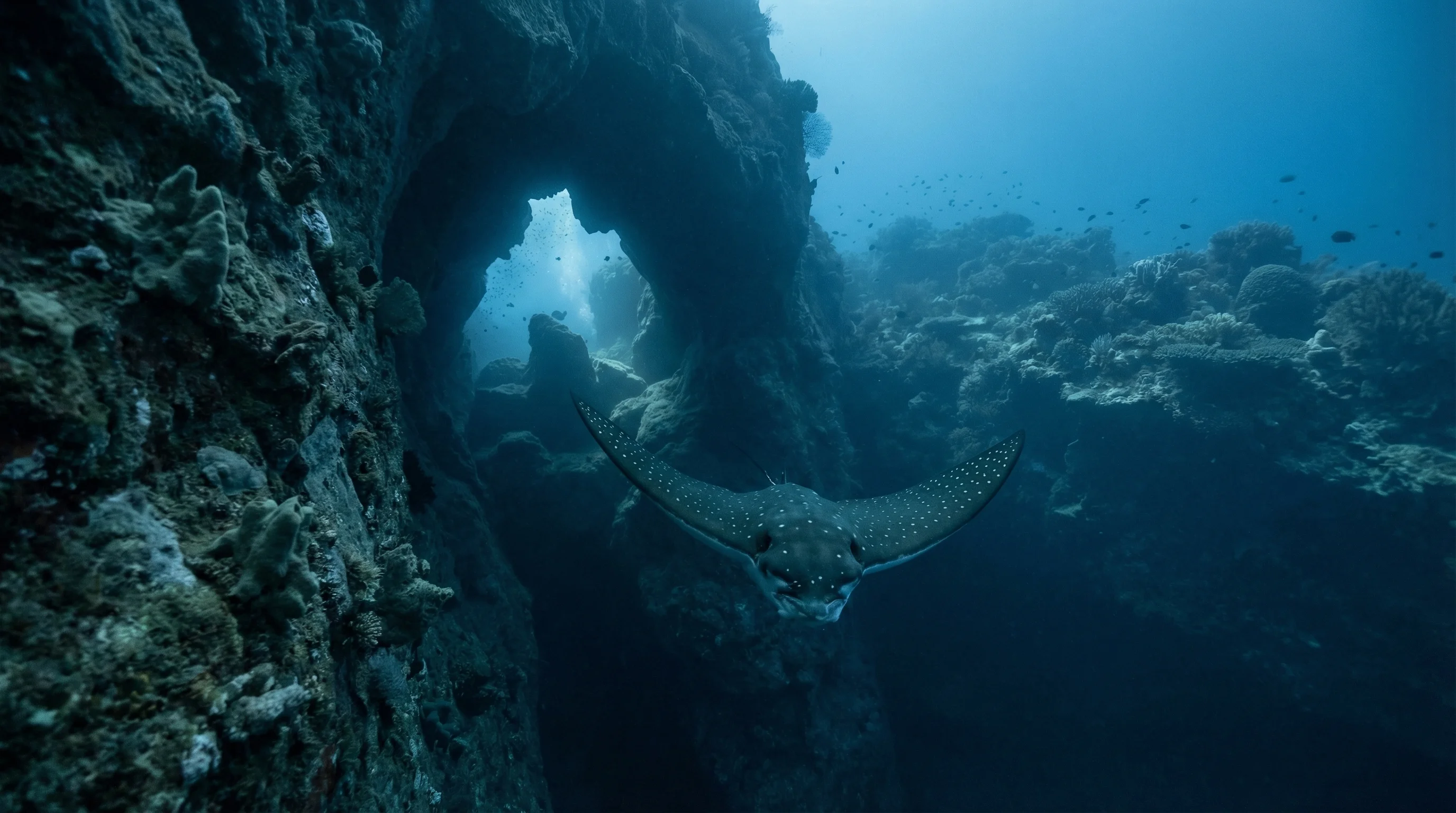
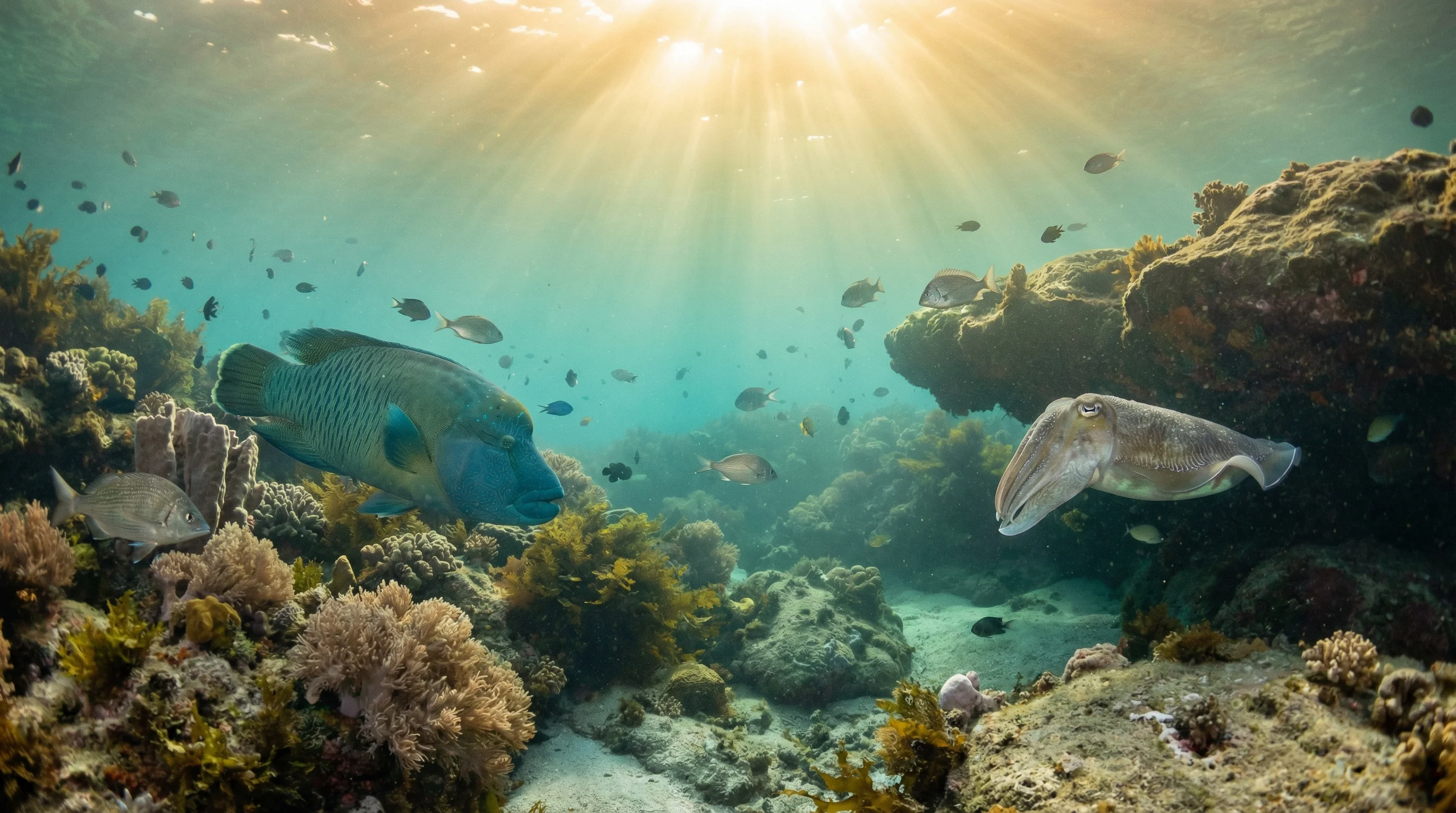
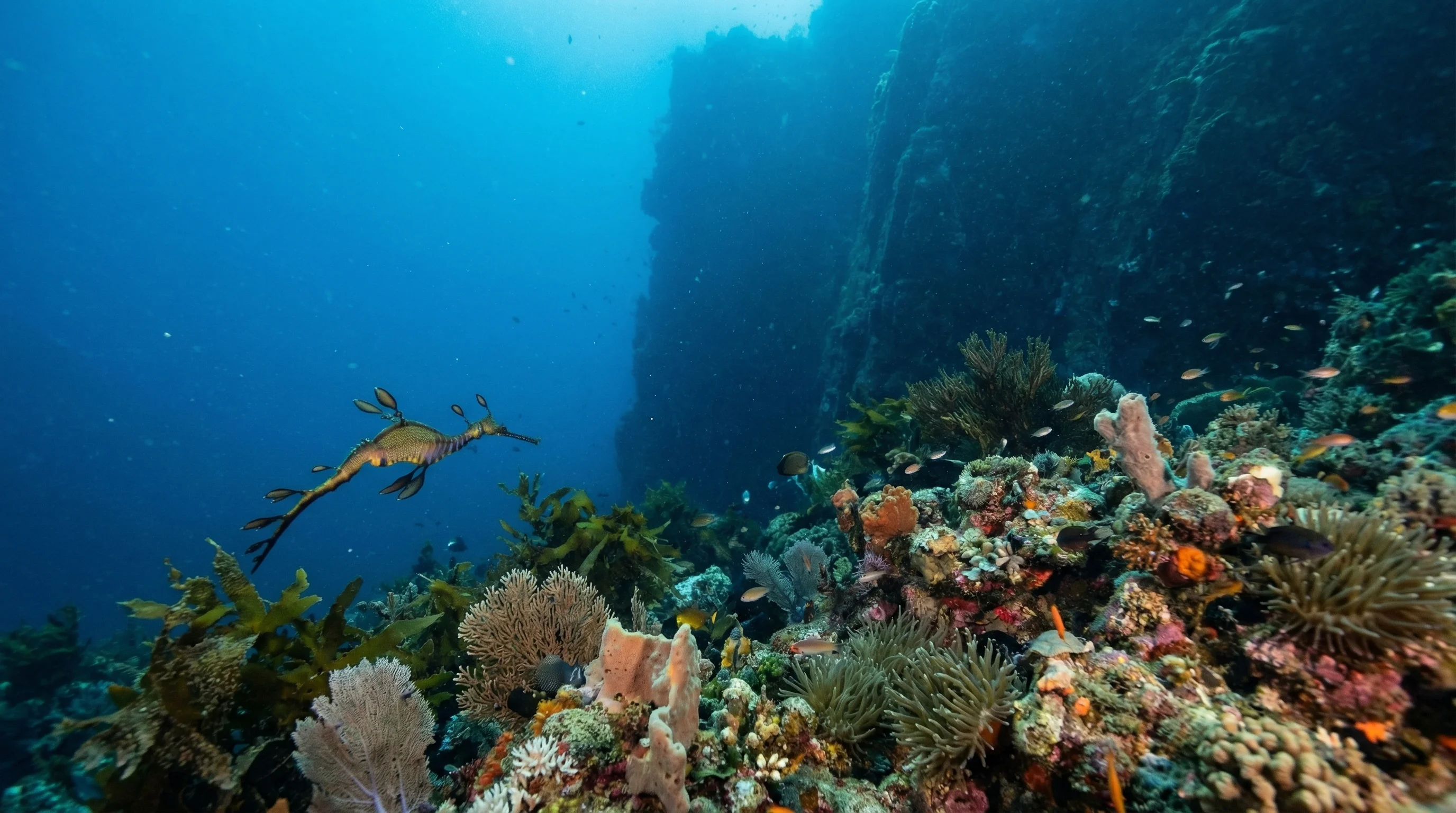
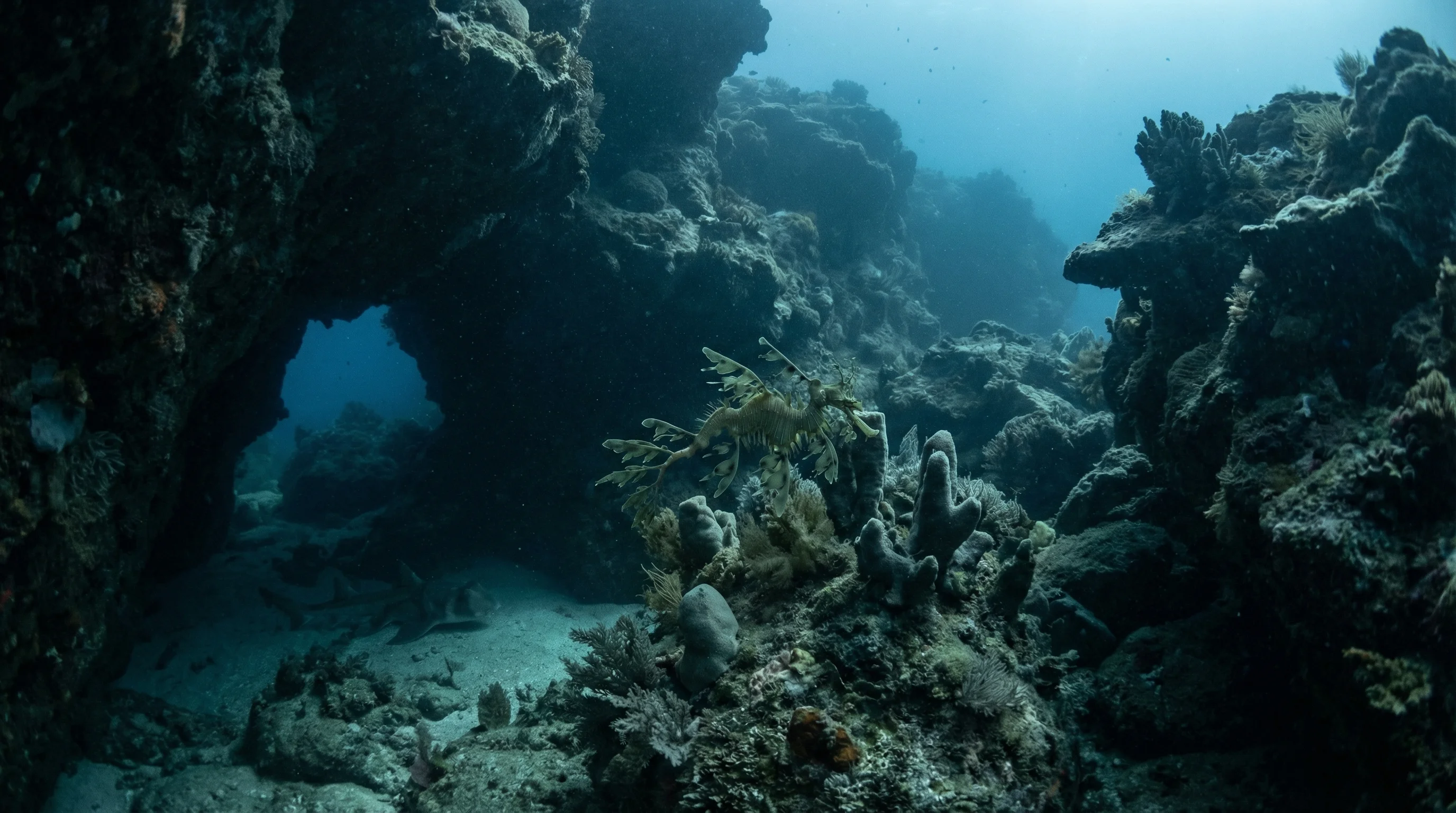
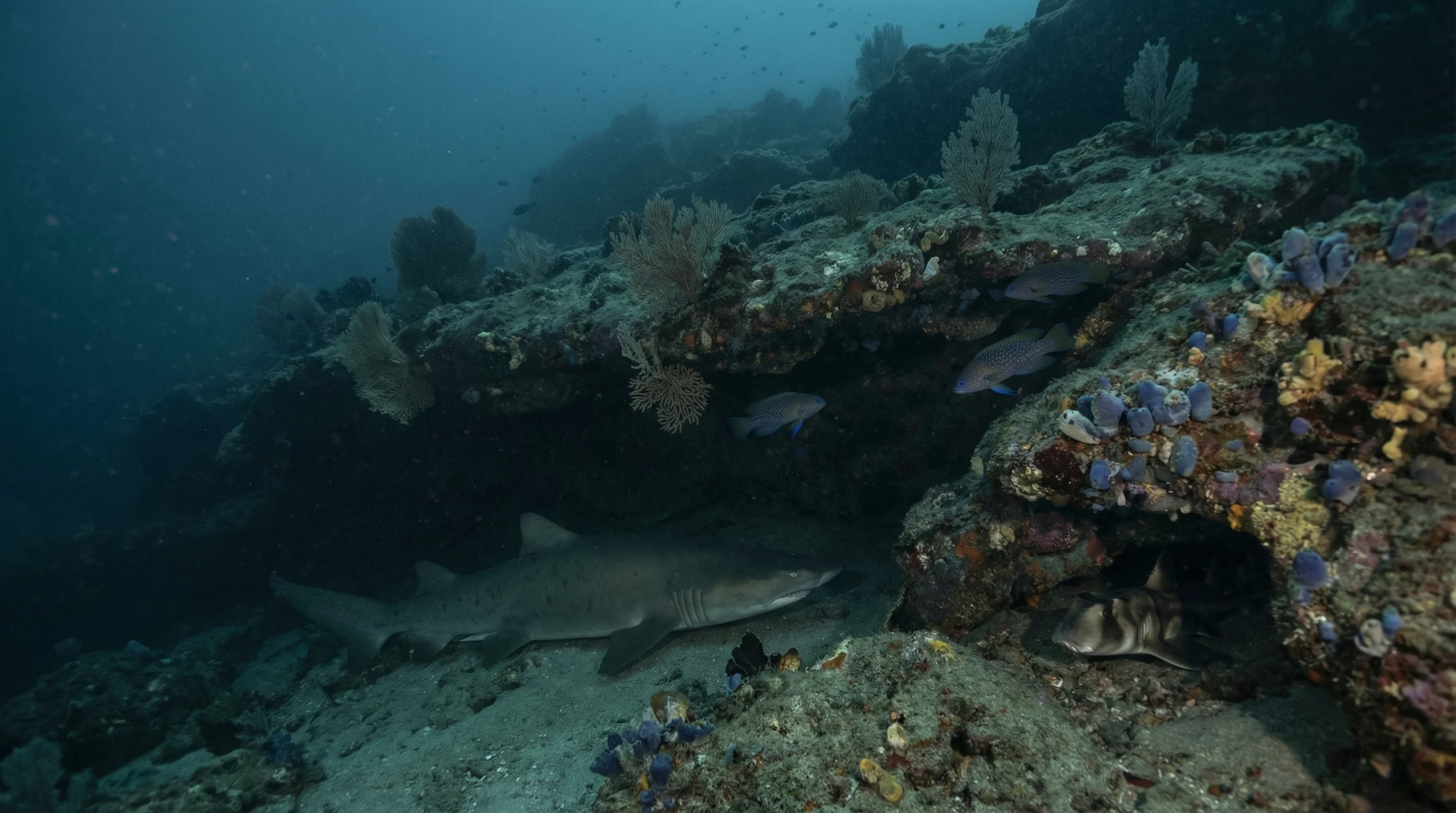
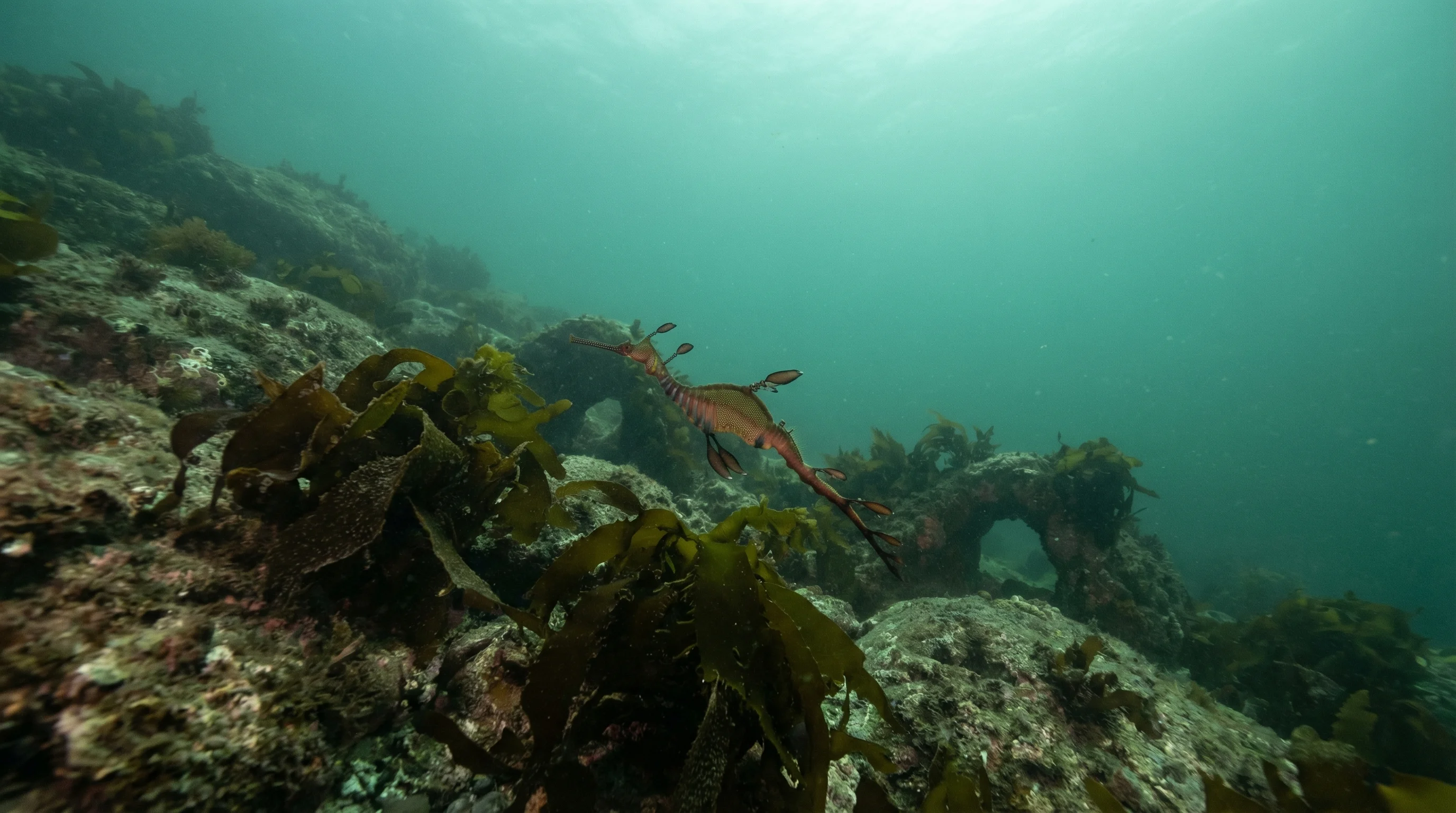
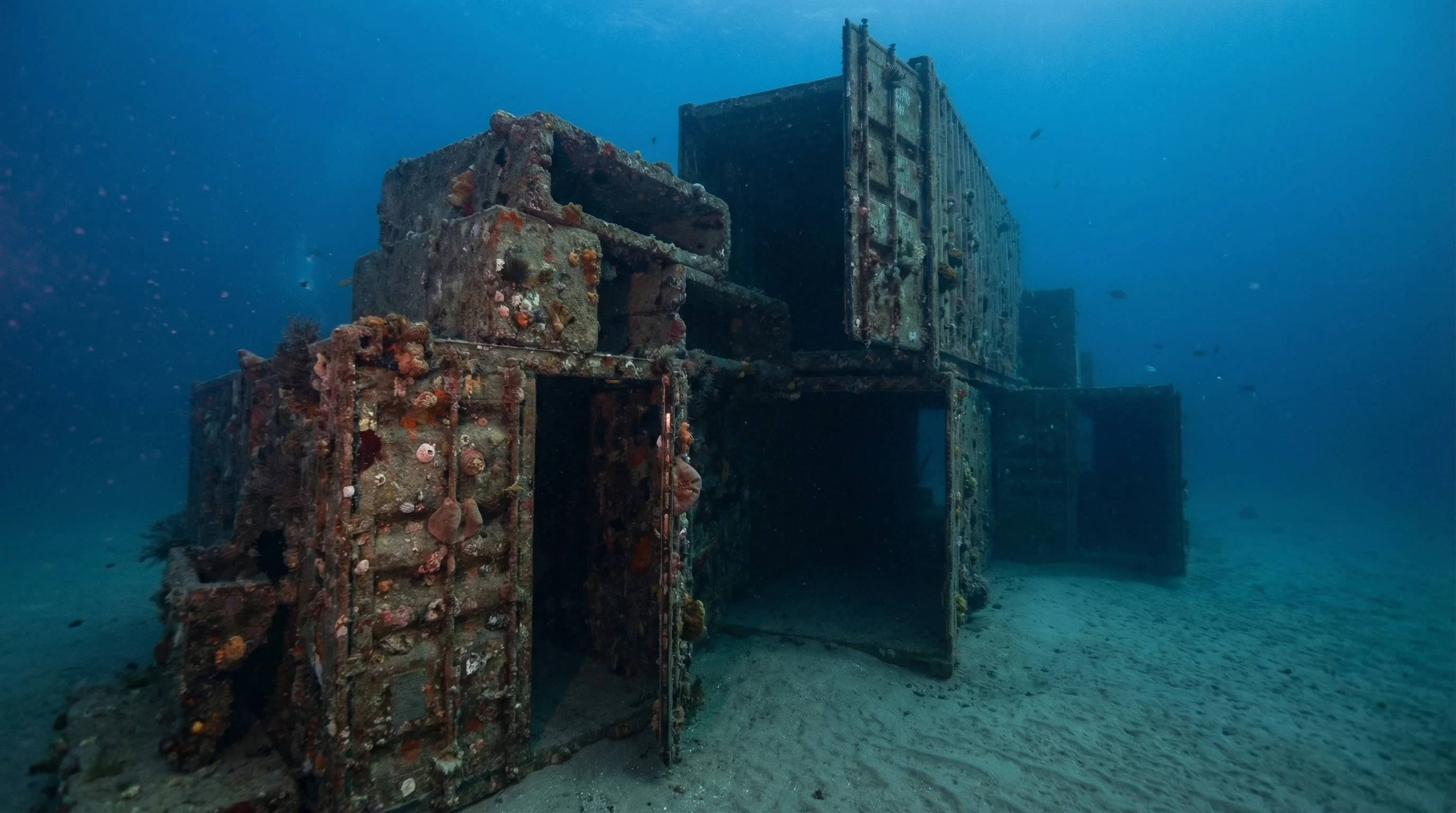
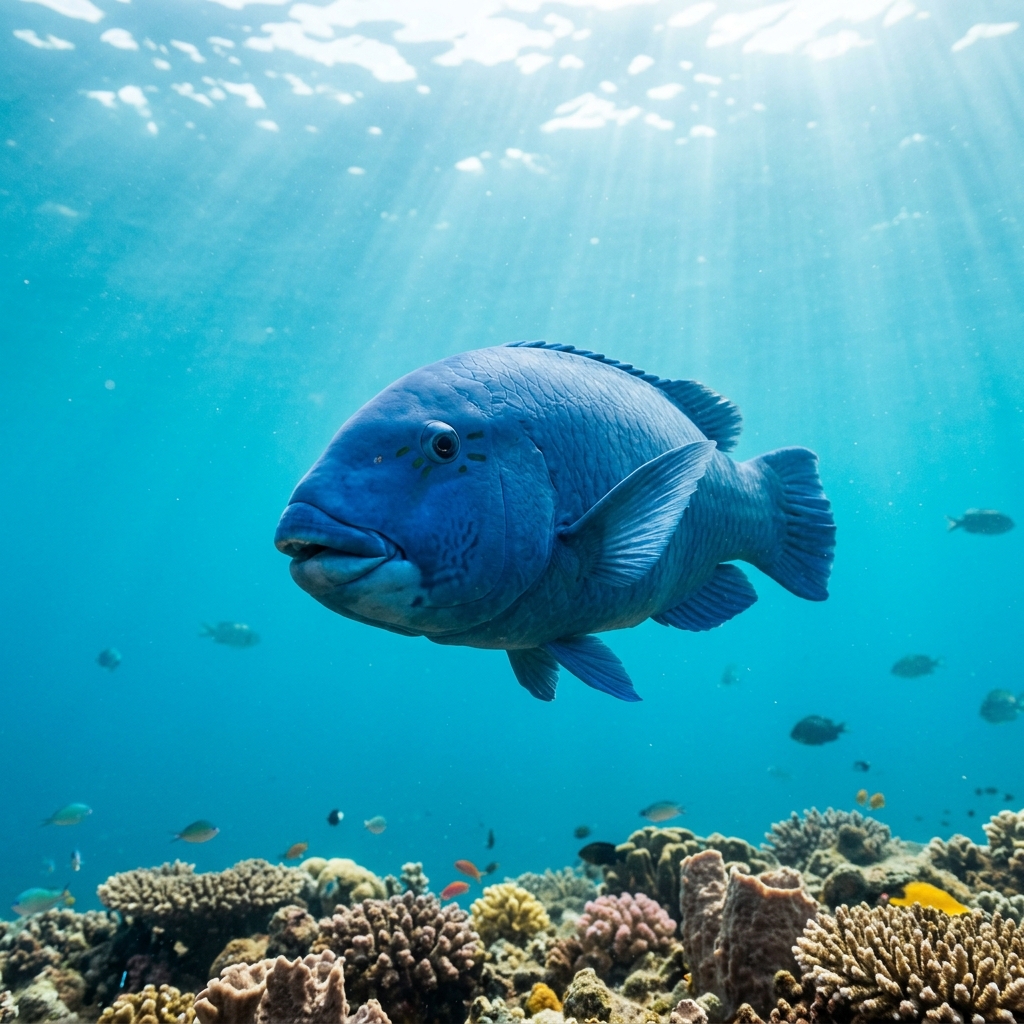
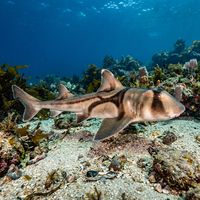
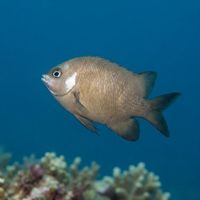
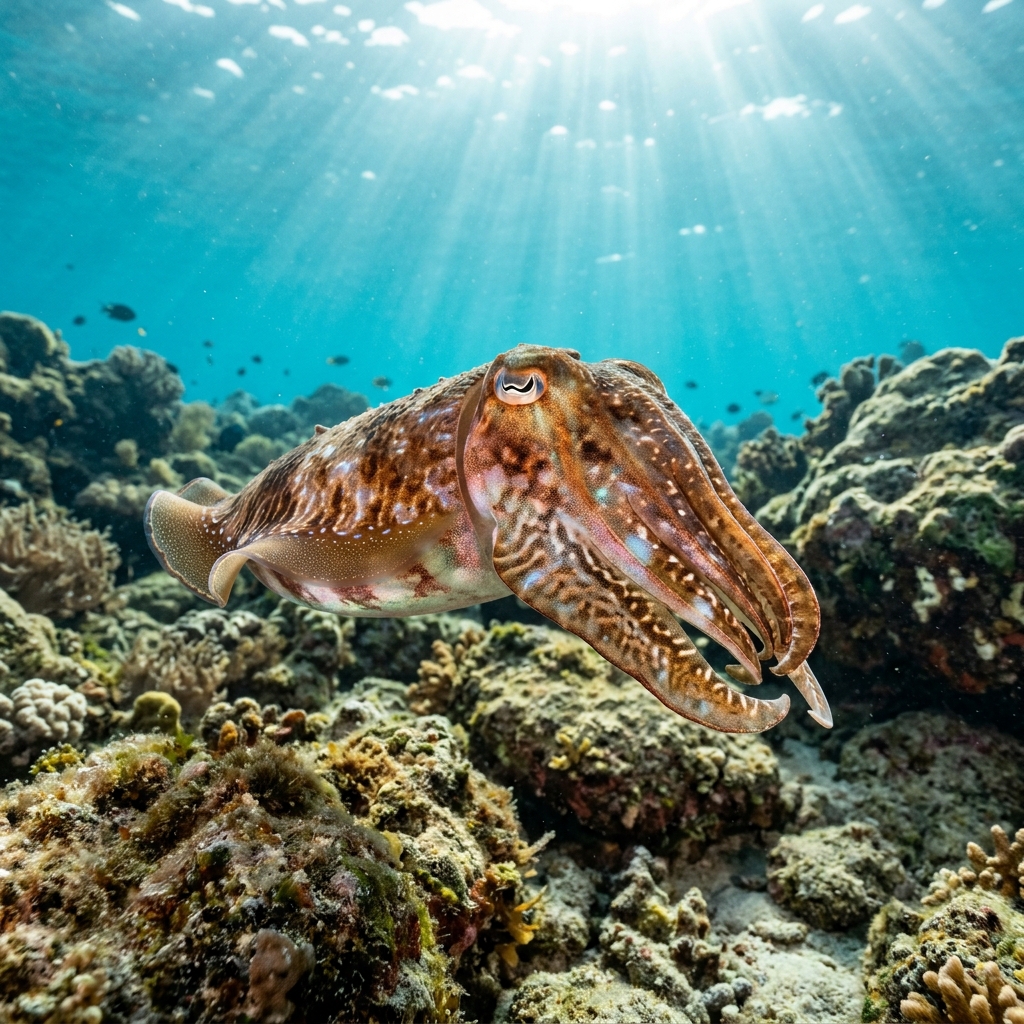
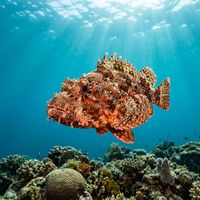
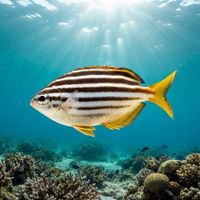
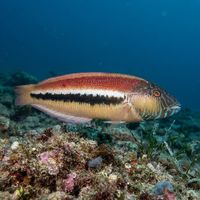
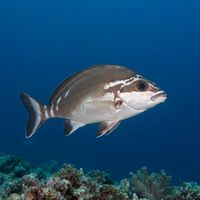
La Perouse has a rich temperate fish community. The Eastern Blue Groper, Port Jackson Shark, Halfbanded Seaperch, and White-ear are observed across virtually all sites. Signature encounters include the Weedy Seadragon, Spotted Wobbegong, and Giant Cuttlefish, with patient divers also finding the Pot-bellied Seahorse and Pygmy Pipehorse in the reef structure.
Both options exist. La Perouse Point and Dees Ditch are shore-entry reef and kelp forest sites well suited to self-guided diving. The Tribars and Container Wall also offer shore access. Most of the deeper and more complex sites, including Henry Head, Cape Banks, and the SS Kelloe wreck, require a boat, with Sydney Dive Academy and Frog Dive operating locally.
Yes, in part. La Perouse Point is a shore-entry beginner site with a shallow maximum depth, and Henry Head is rated beginner despite being a boat dive with wall and drift elements. Intermediate and advanced sites are also plentiful, while the SS Kelloe wreck is strictly for technical divers given its considerable depth.
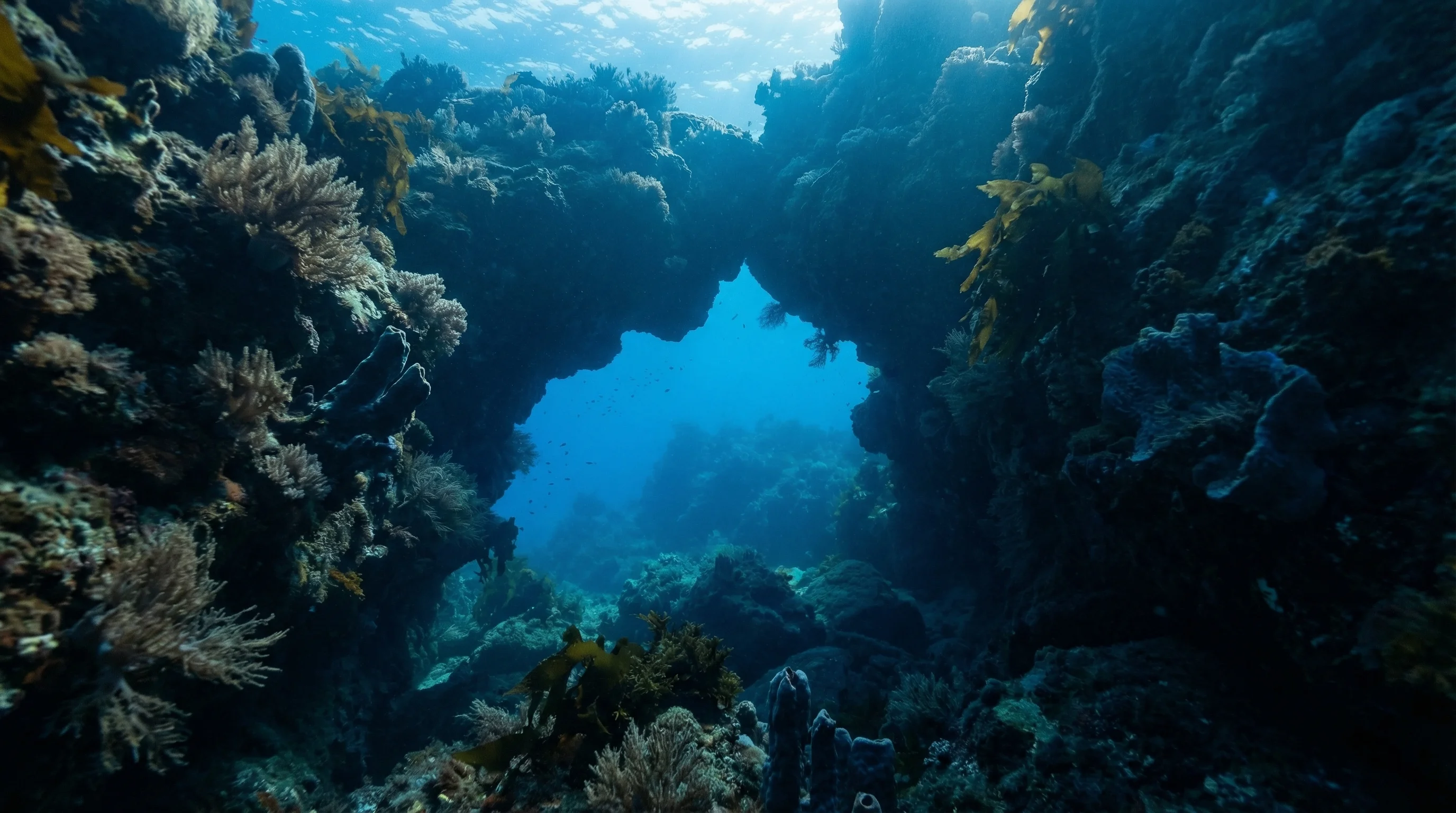
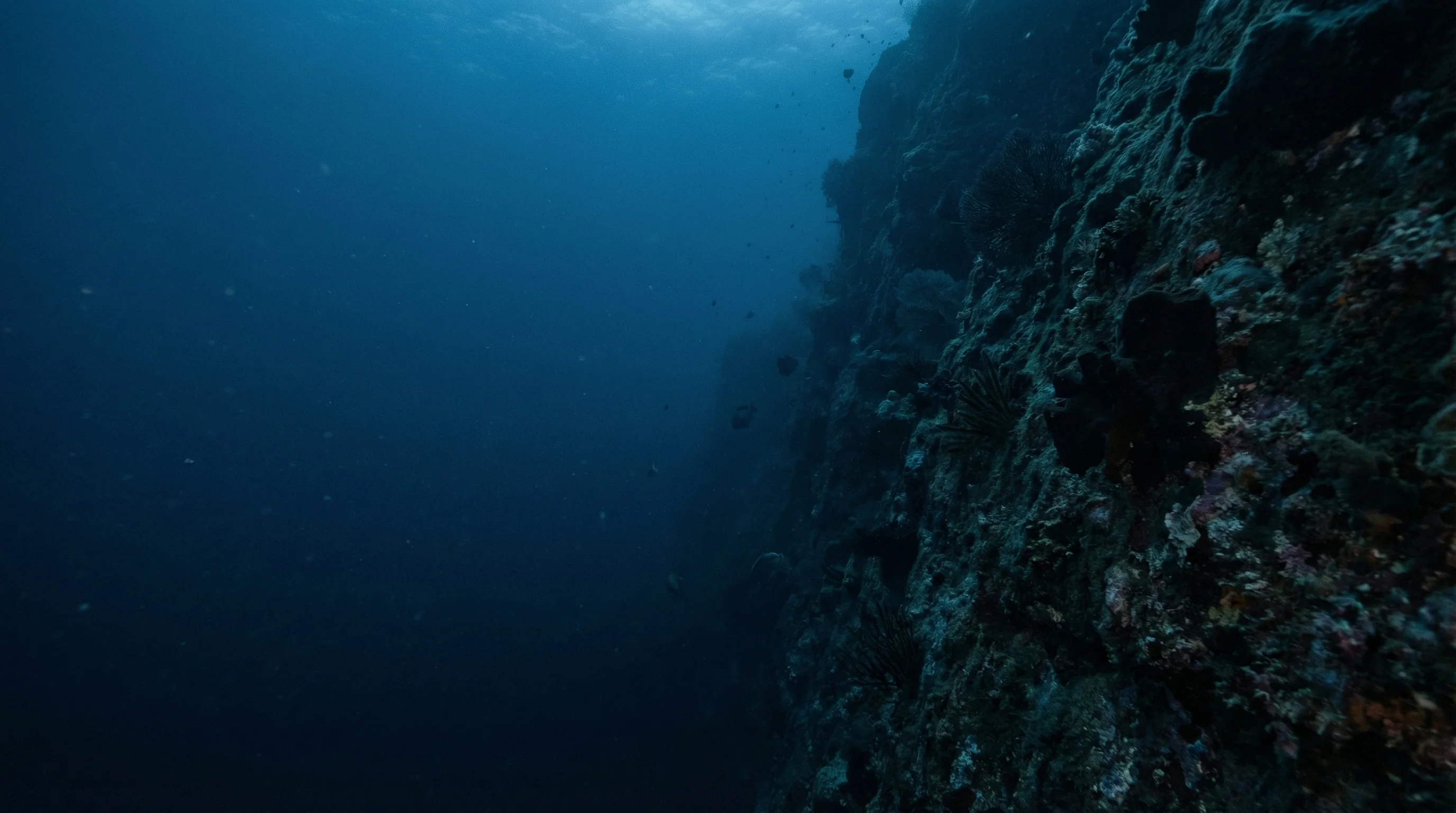
The area covers a wide range of site types: kelp forest and open reef, walls, caves, drift dives, an artificial reef, and a shipwreck. Cape Banks combines natural reef, a wreck, caves, and artificial structure in one site. This variety means divers can work through truly different environments without travelling far.