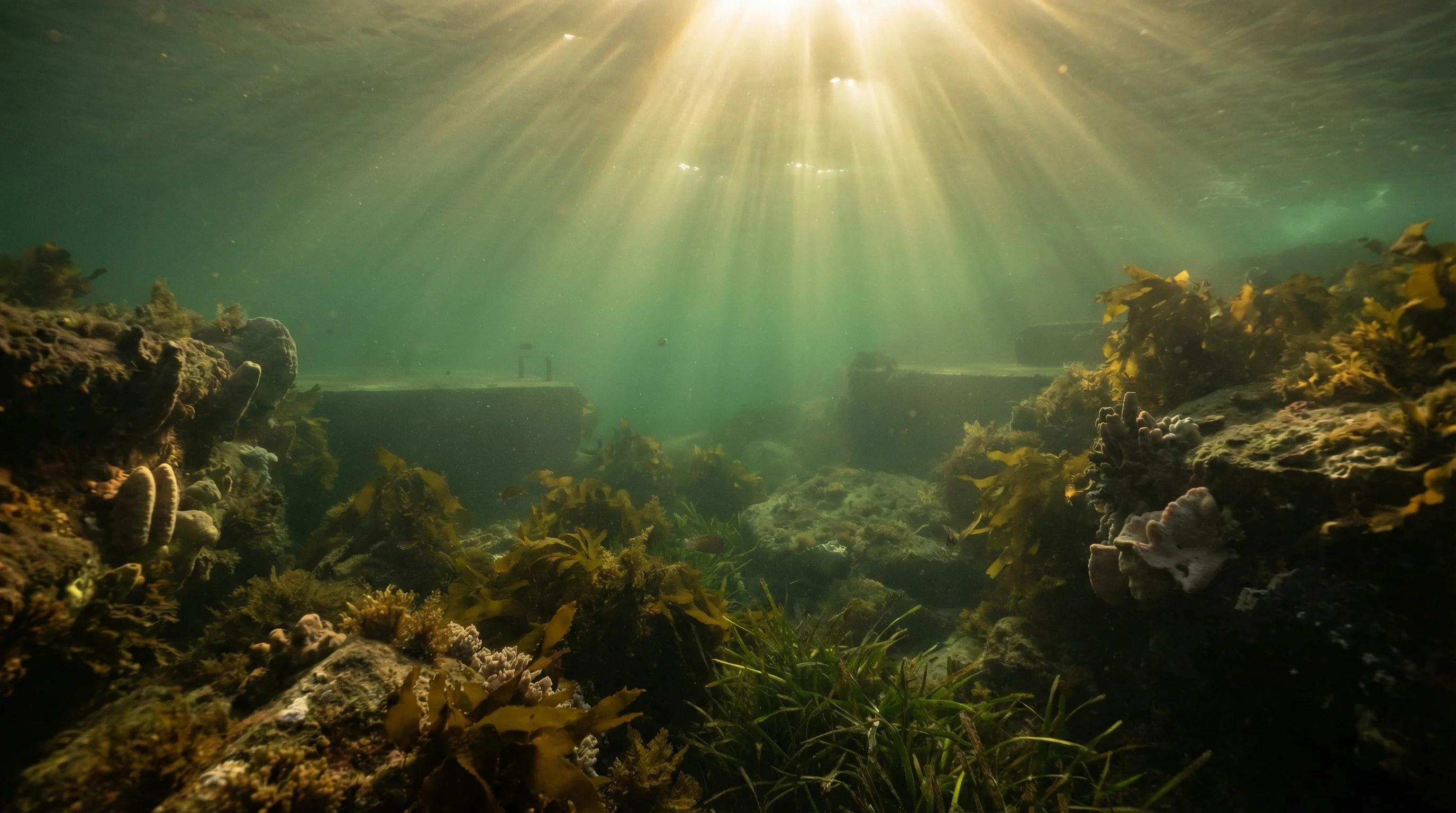
Best for beginner divers, 5-11m, shore entry, mild current.
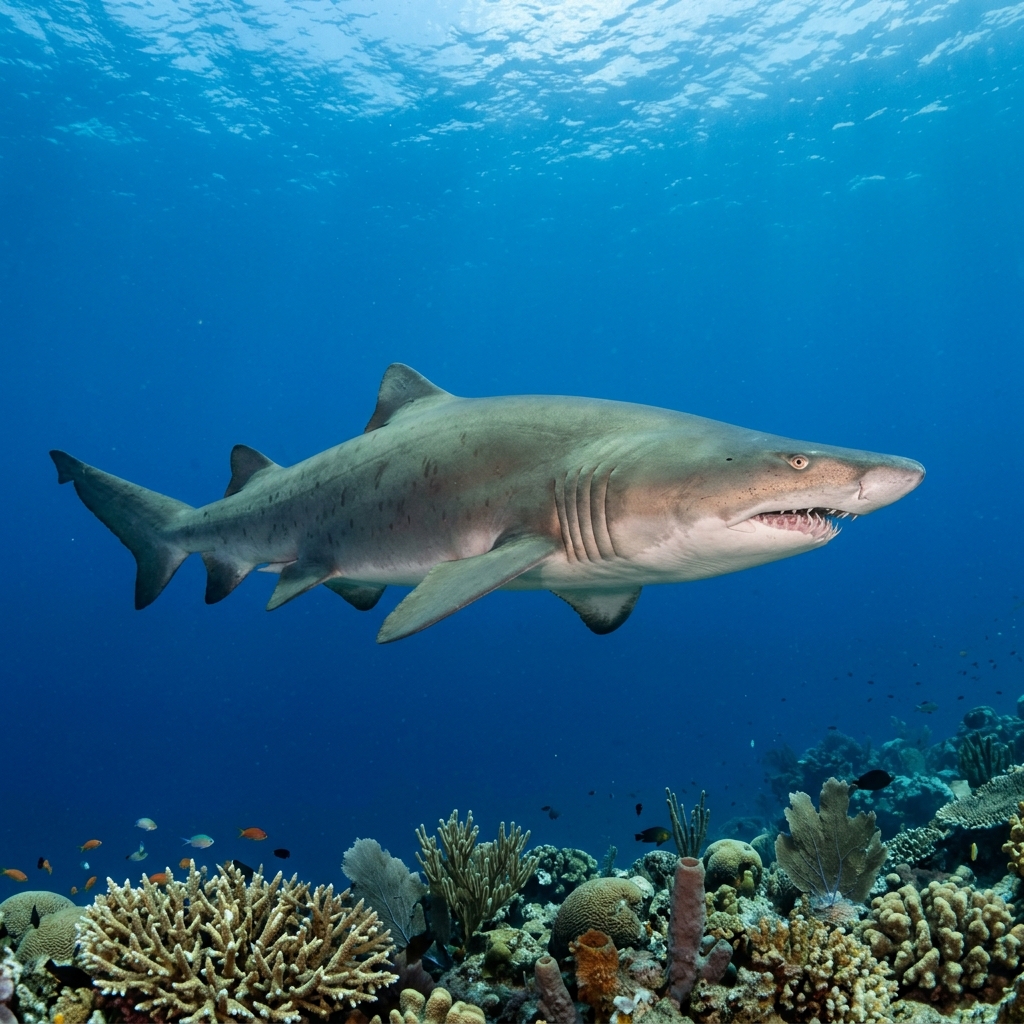
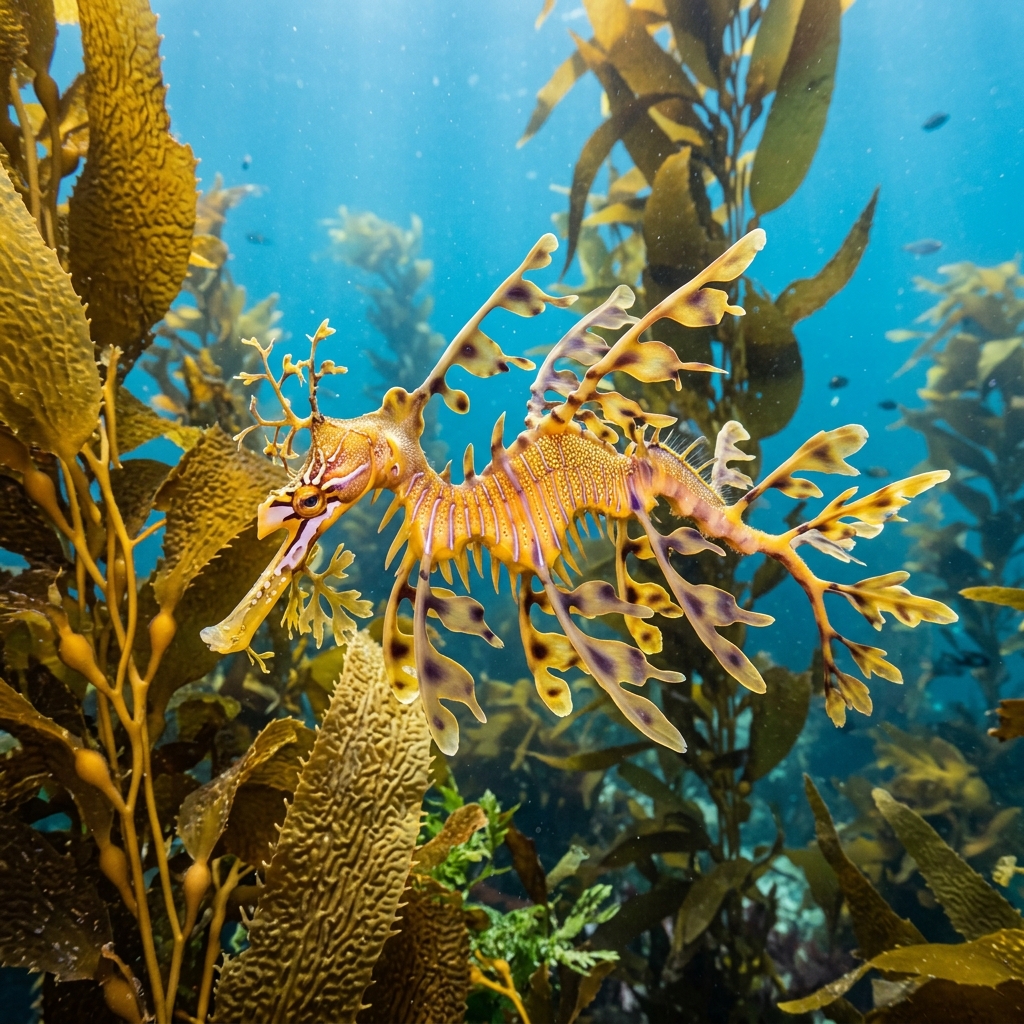
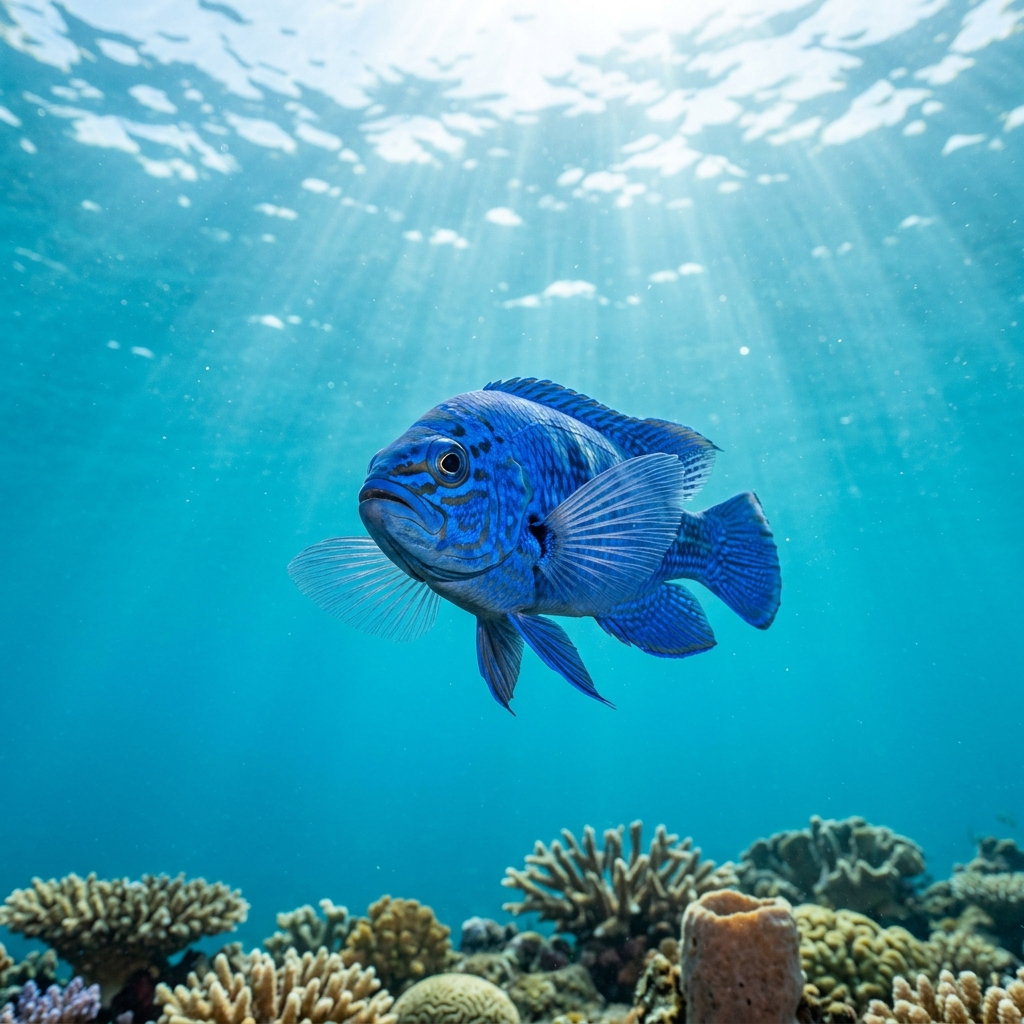
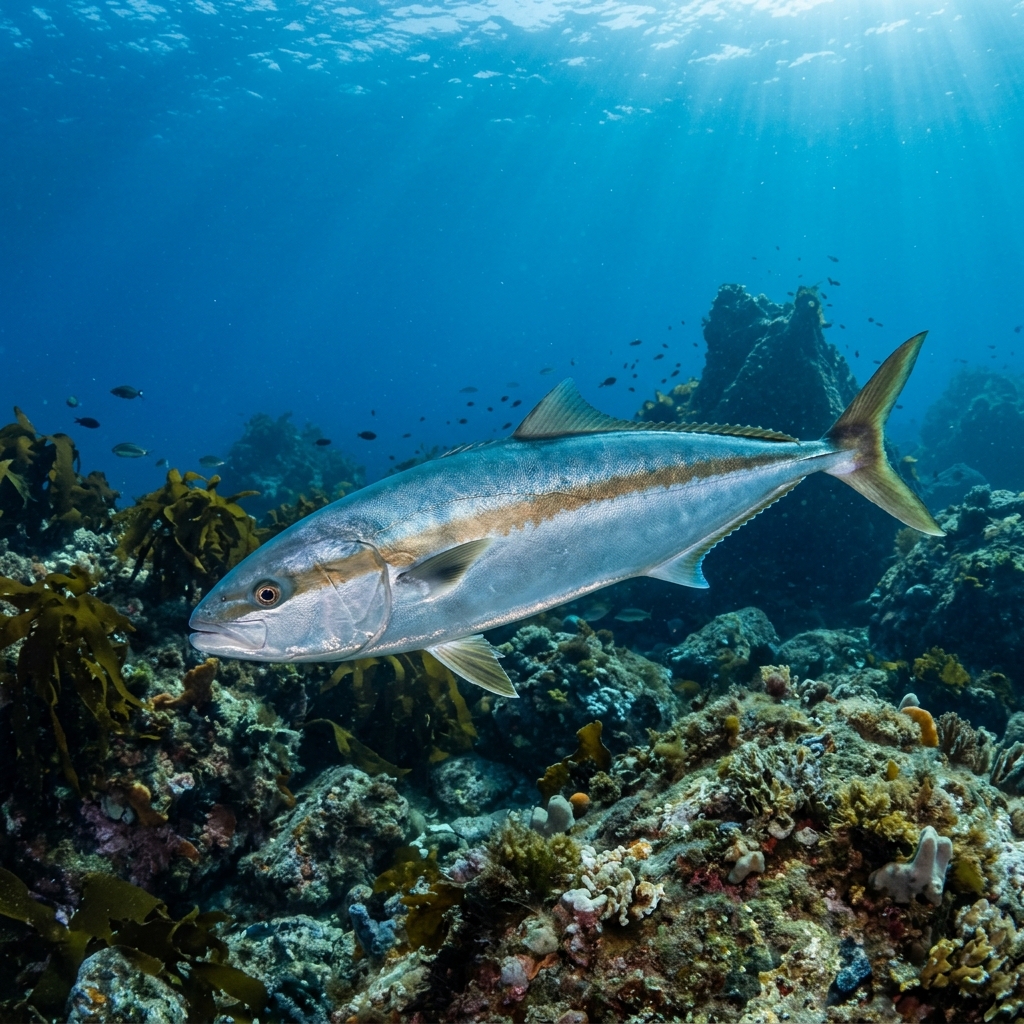
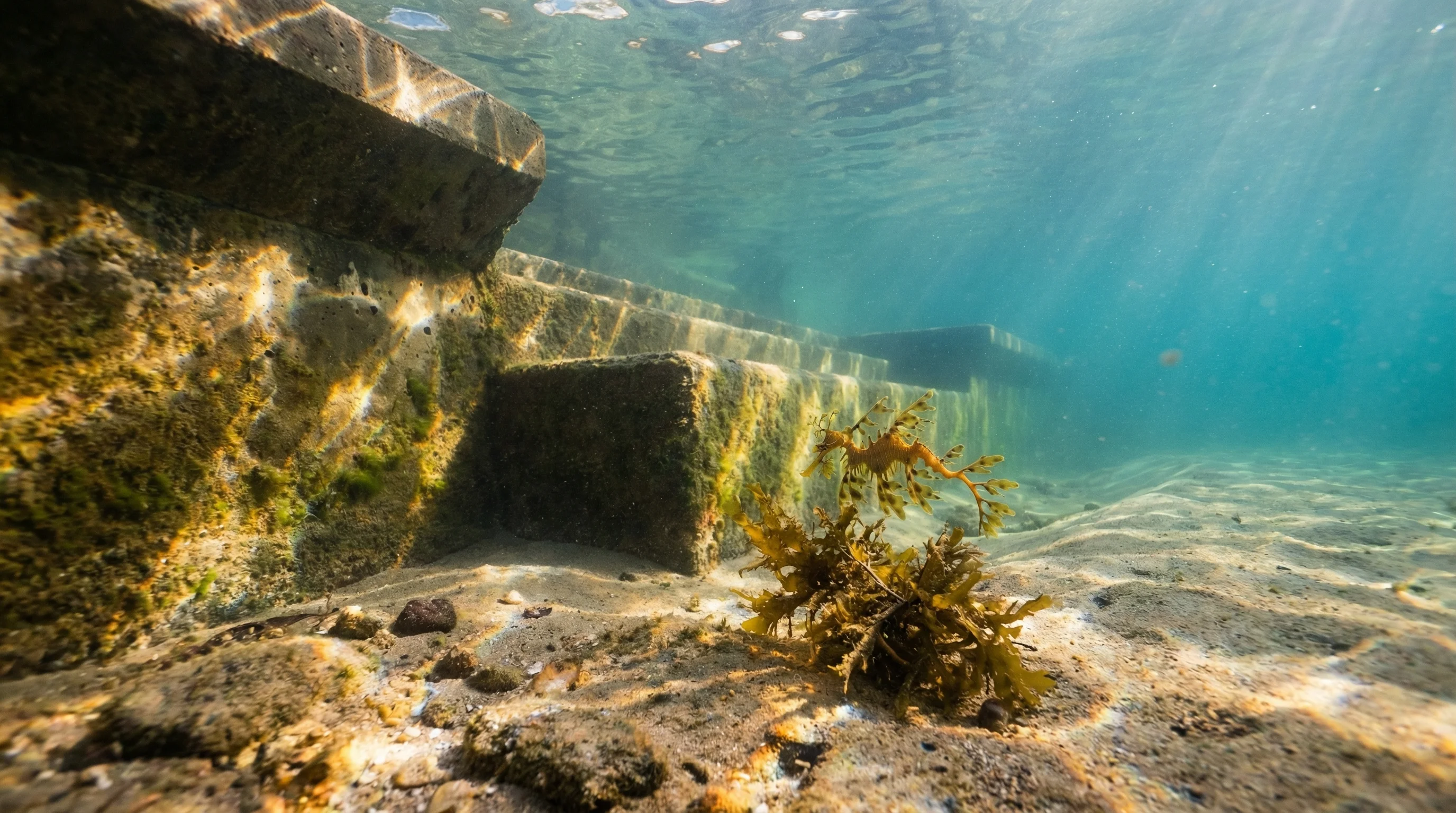
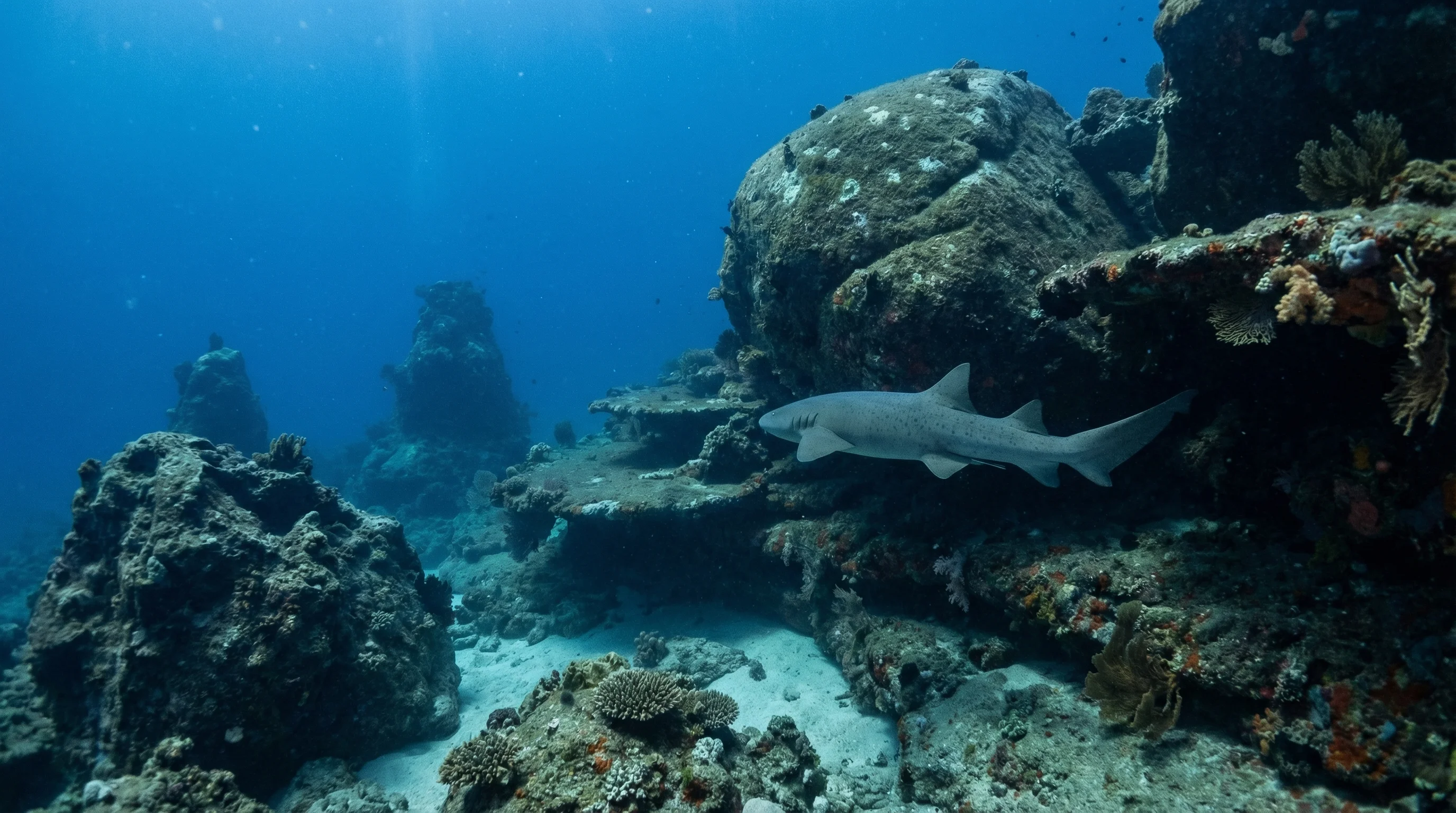
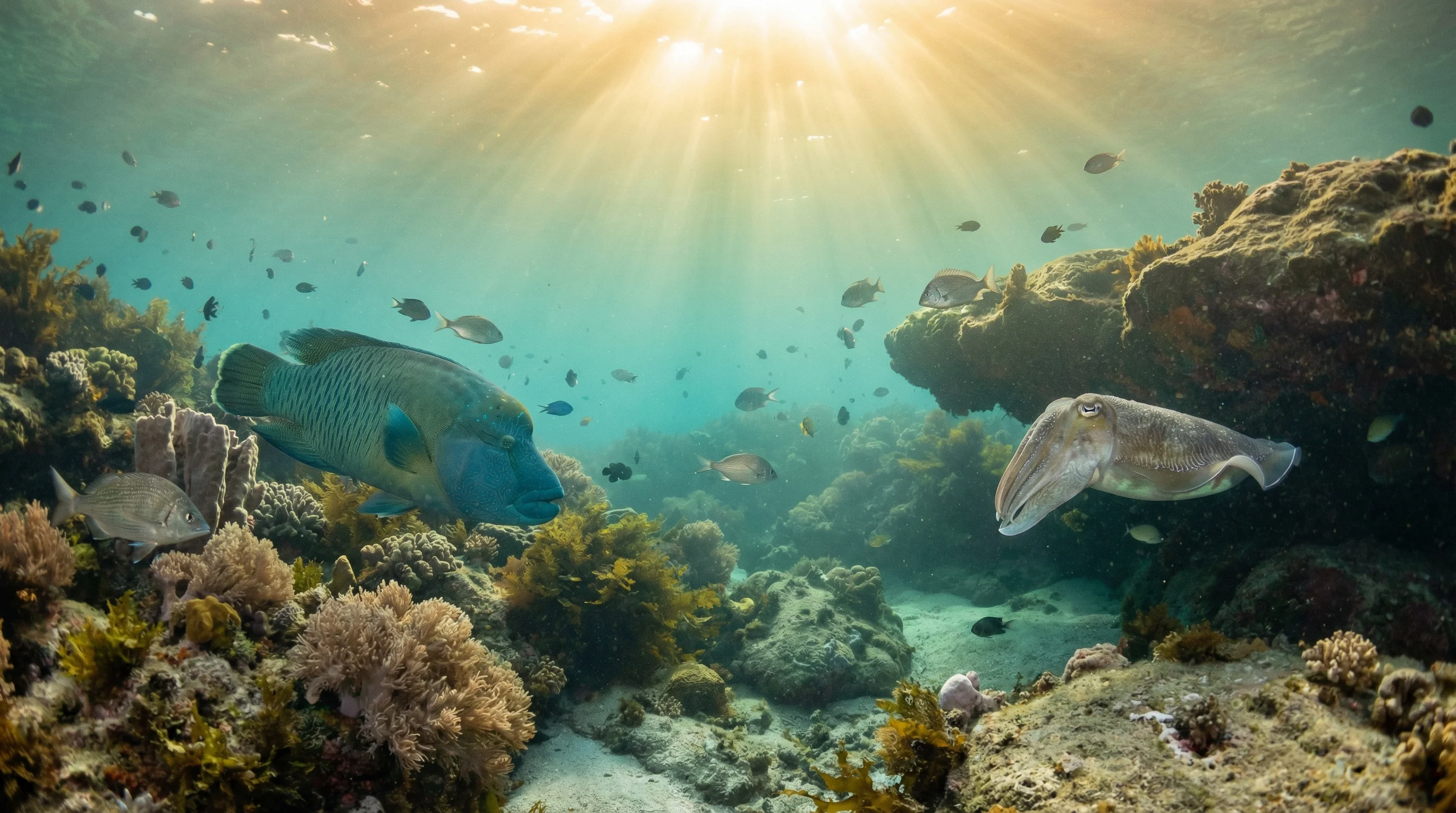
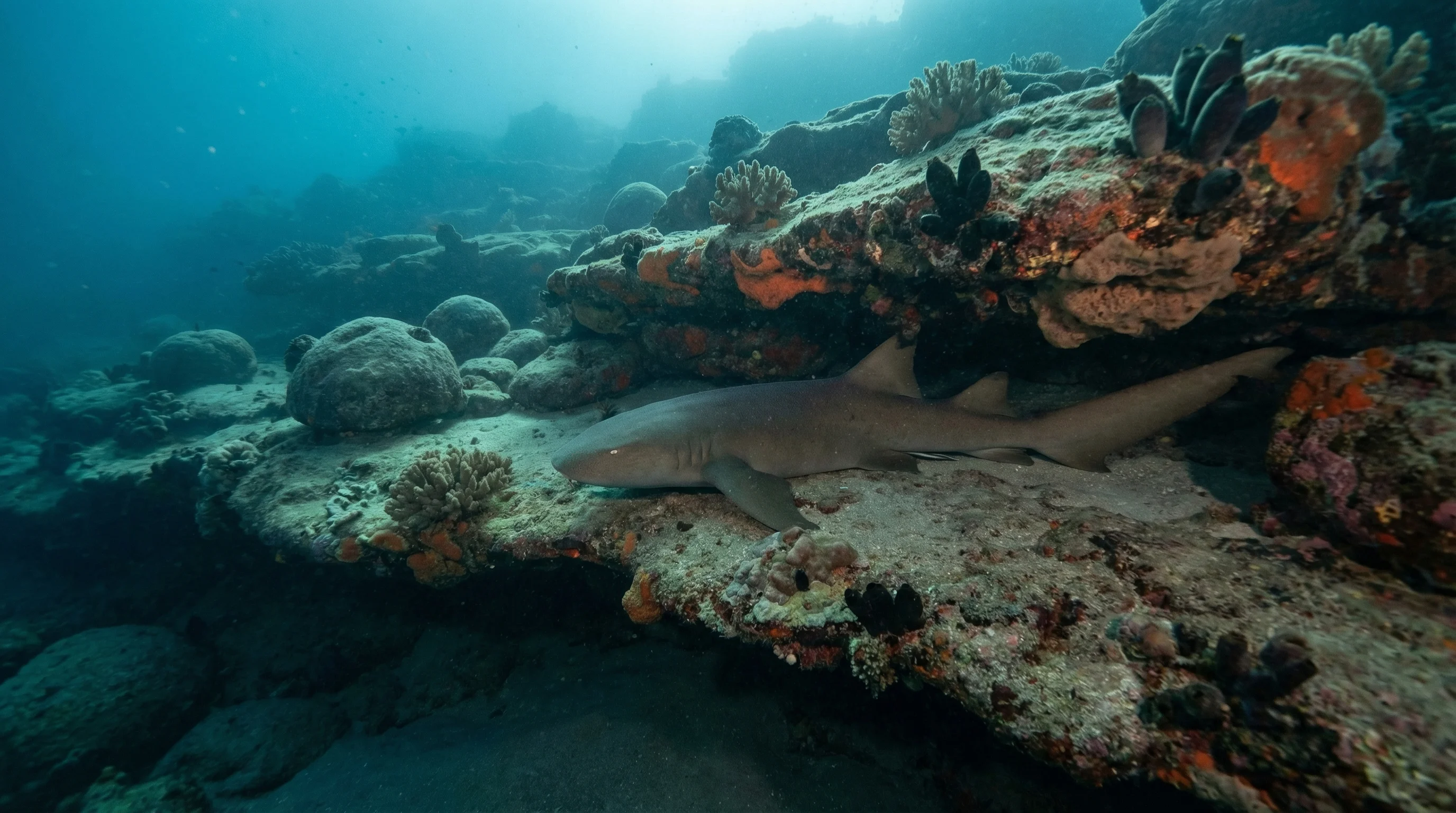
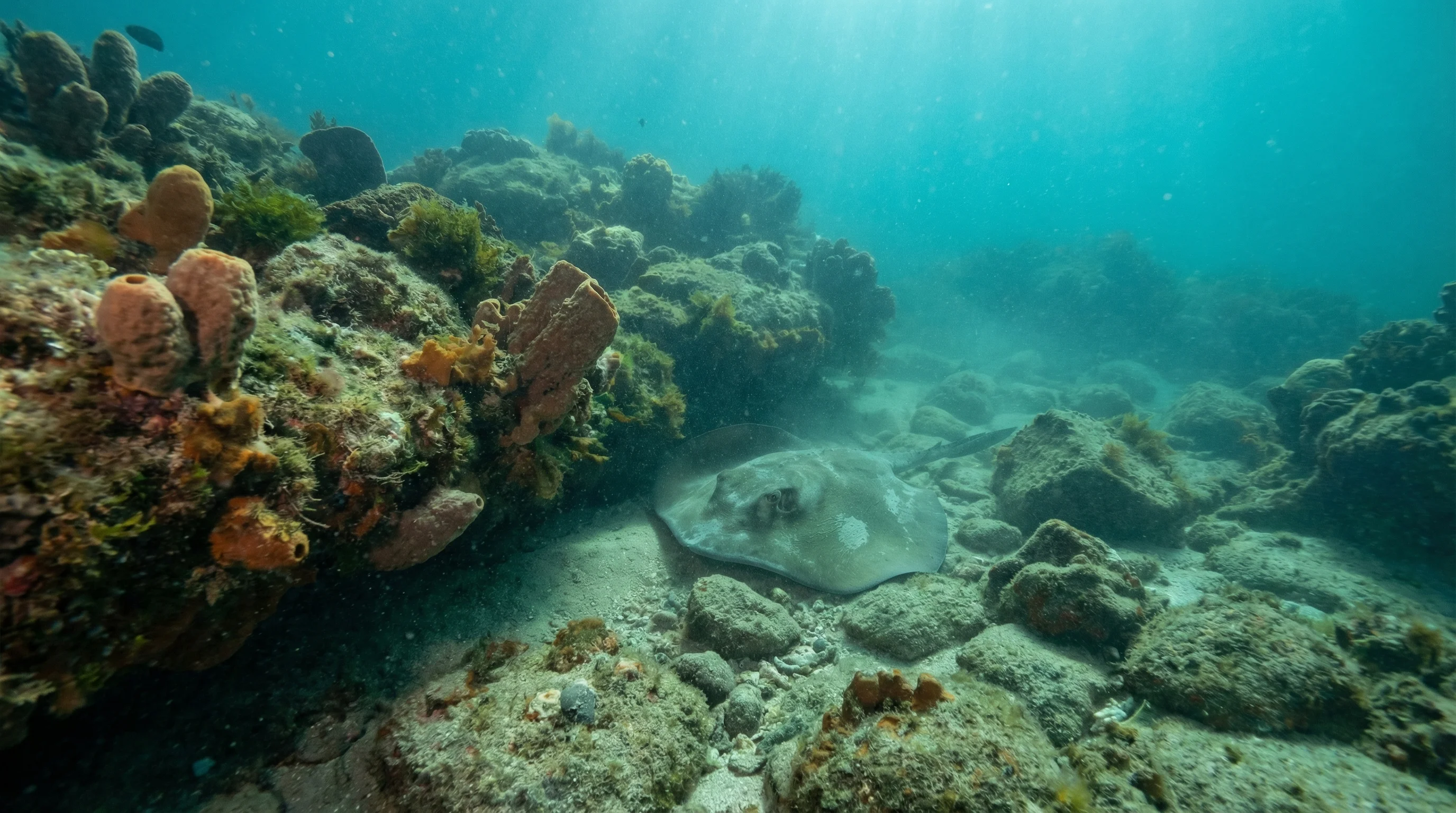
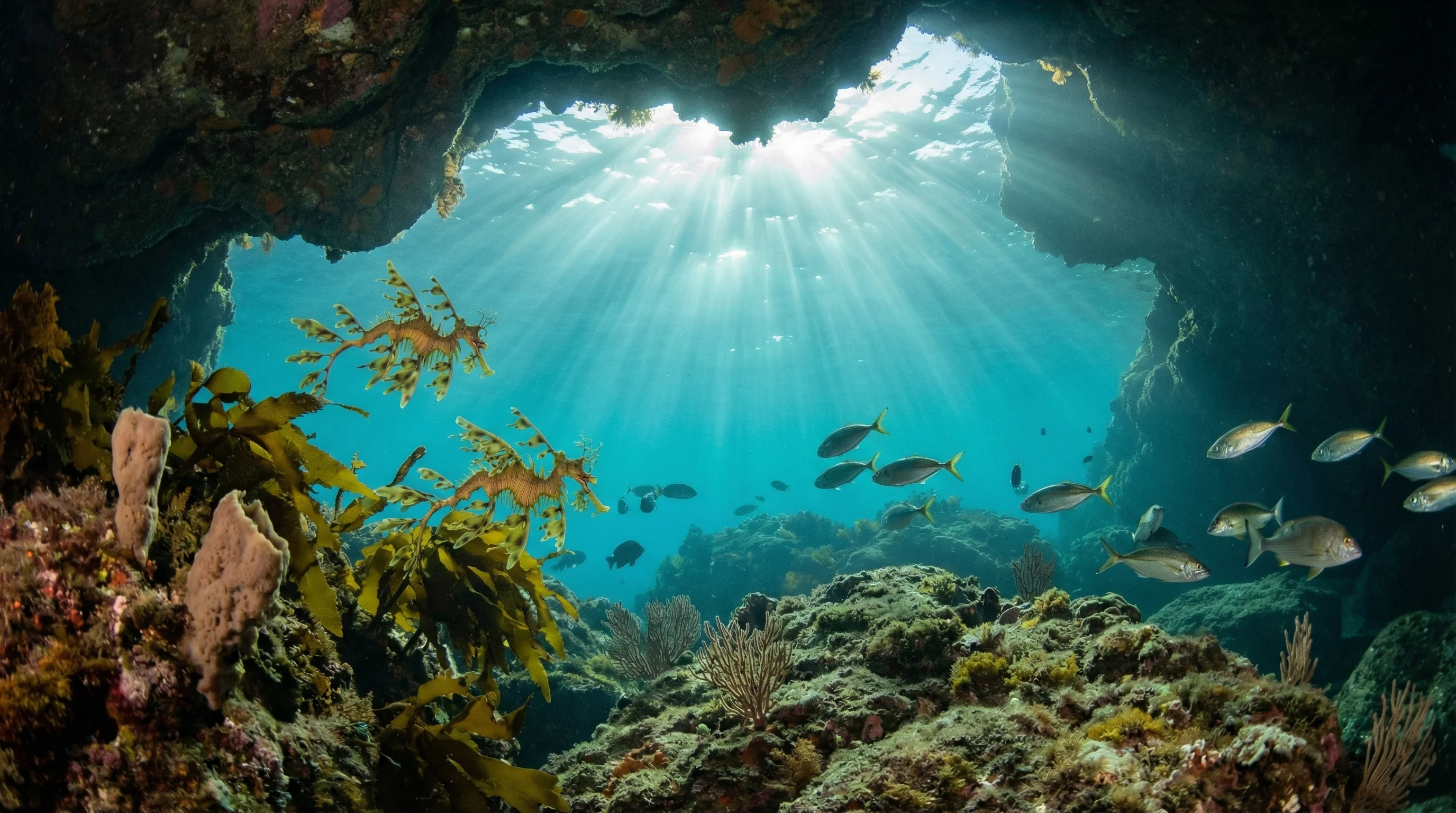
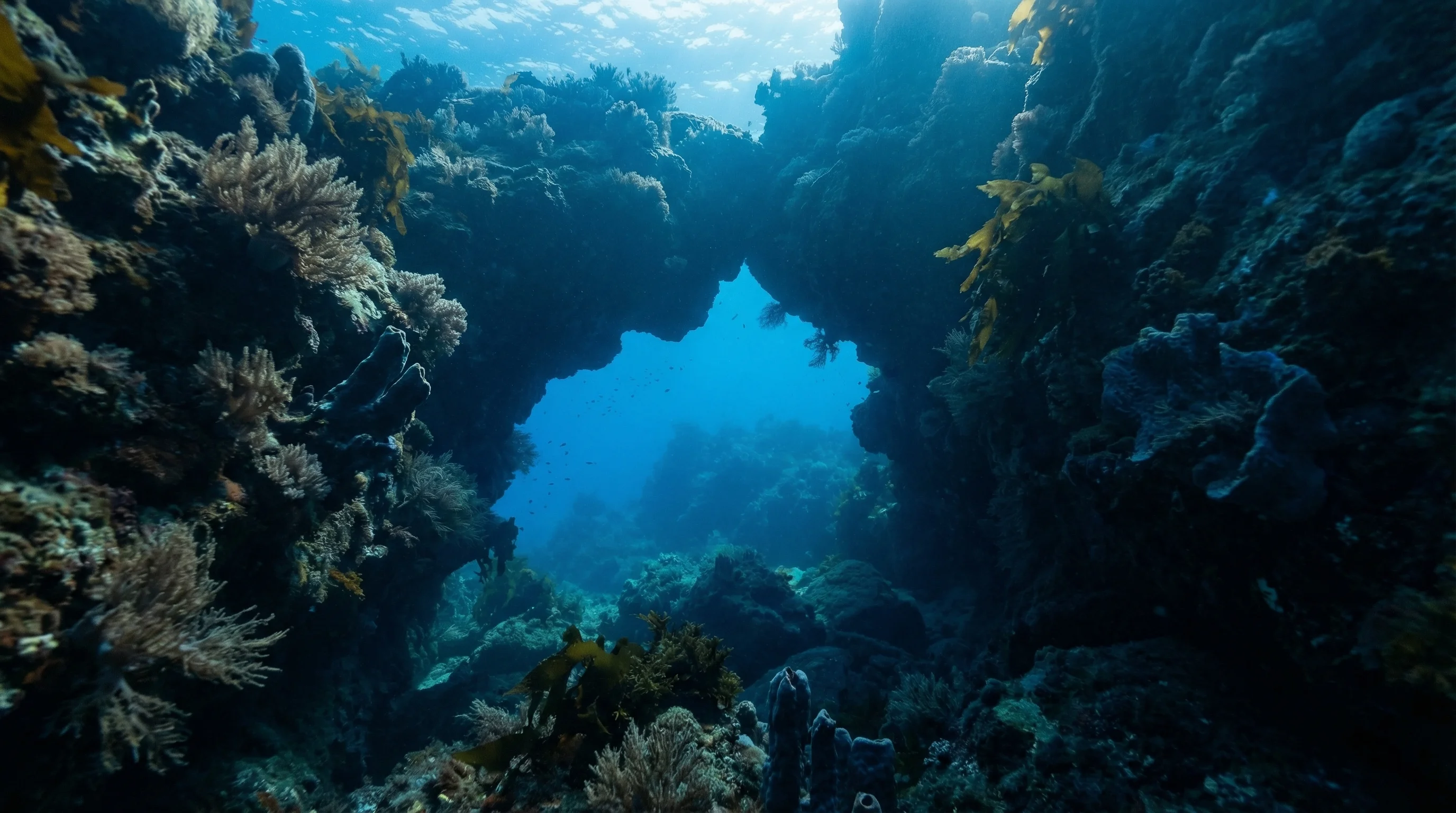
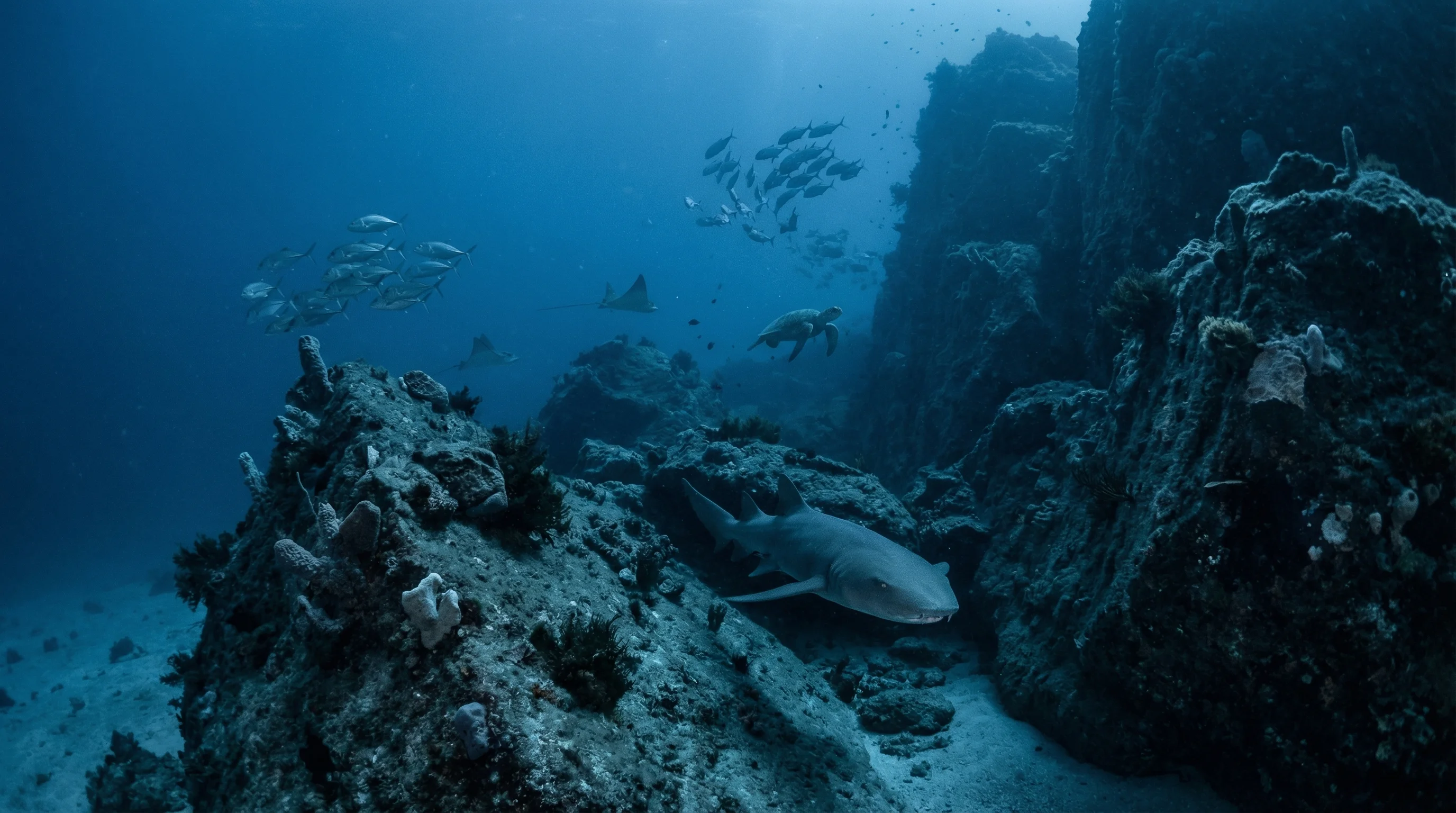
Clovelly Beach is a sheltered ocean inlet featuring a diverse mix of reef, seagrass beds, and kelp forest. Suitable for beginners, the site offers depths ranging from 5 to 11 metres with an average of 7 metres. Divers and snorkellers can encounter Eastern Blue Groper, wrasses, and Eastern Red Scorpionfish, alongside less common species such as Spotted Wobbegong, Giant Cuttlefish, and Port Jackson Shark. Visibility typically ranges between 4 and 10 metres. Access is via a shore entry, where users should shuffle their feet to avoid sea urchins. Be mindful of boat traffic and variable surge conditions near the entry. Facilities include parking, toilets, showers, changing rooms, and a cafe.
-33.91487, 151.26813
Check the swell period and rogue waves from the top cliffs for five to ten minutes before attempting entry.
Enter at the Gutter at the edge of the rocks. Exit requires careful timing with tidal charts to ensure sufficient water flow into Clovelly Pool.
Recorded at this site
Depth
5-11m
Visibility
4-10m
Skill Level
Beginner
Entry
Shore
Water Temp
18-24°C
Current
Mild
Best Time
Jan, Feb, Mar, Dec
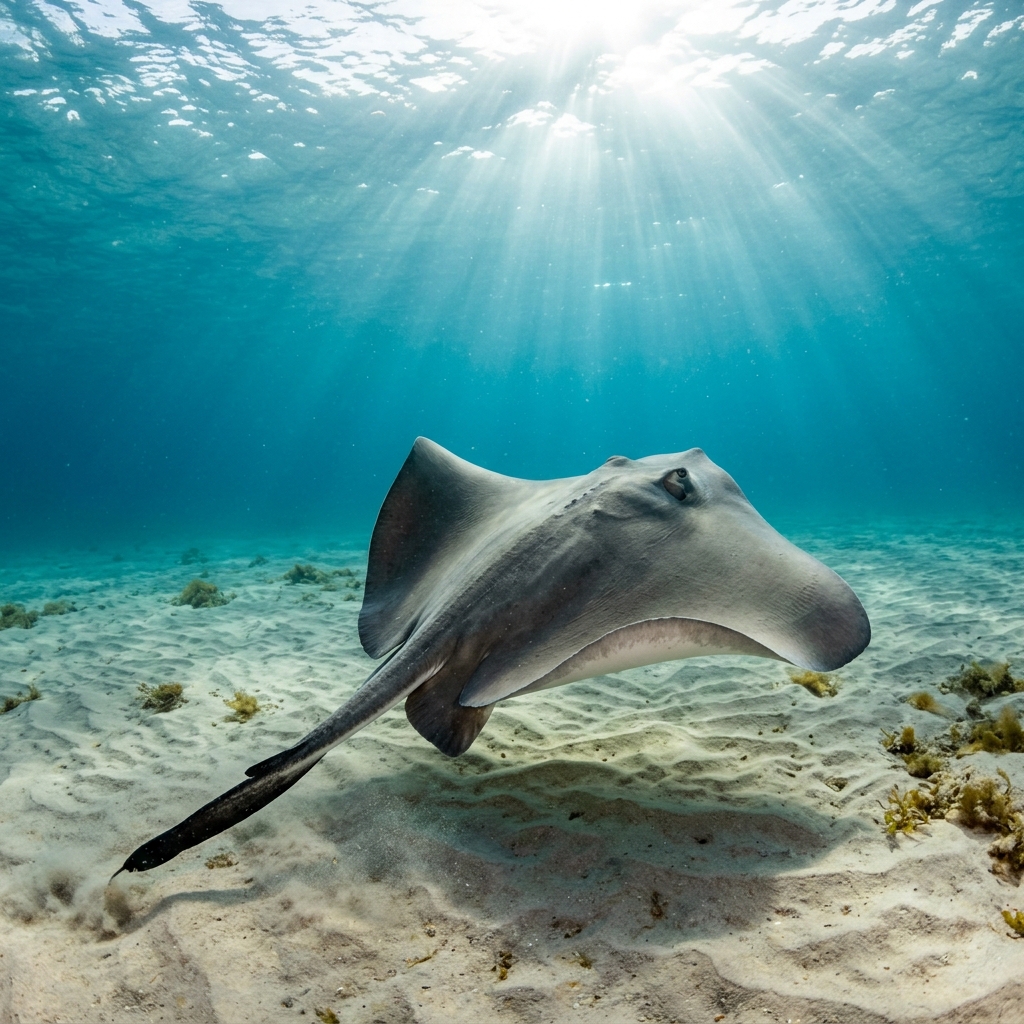
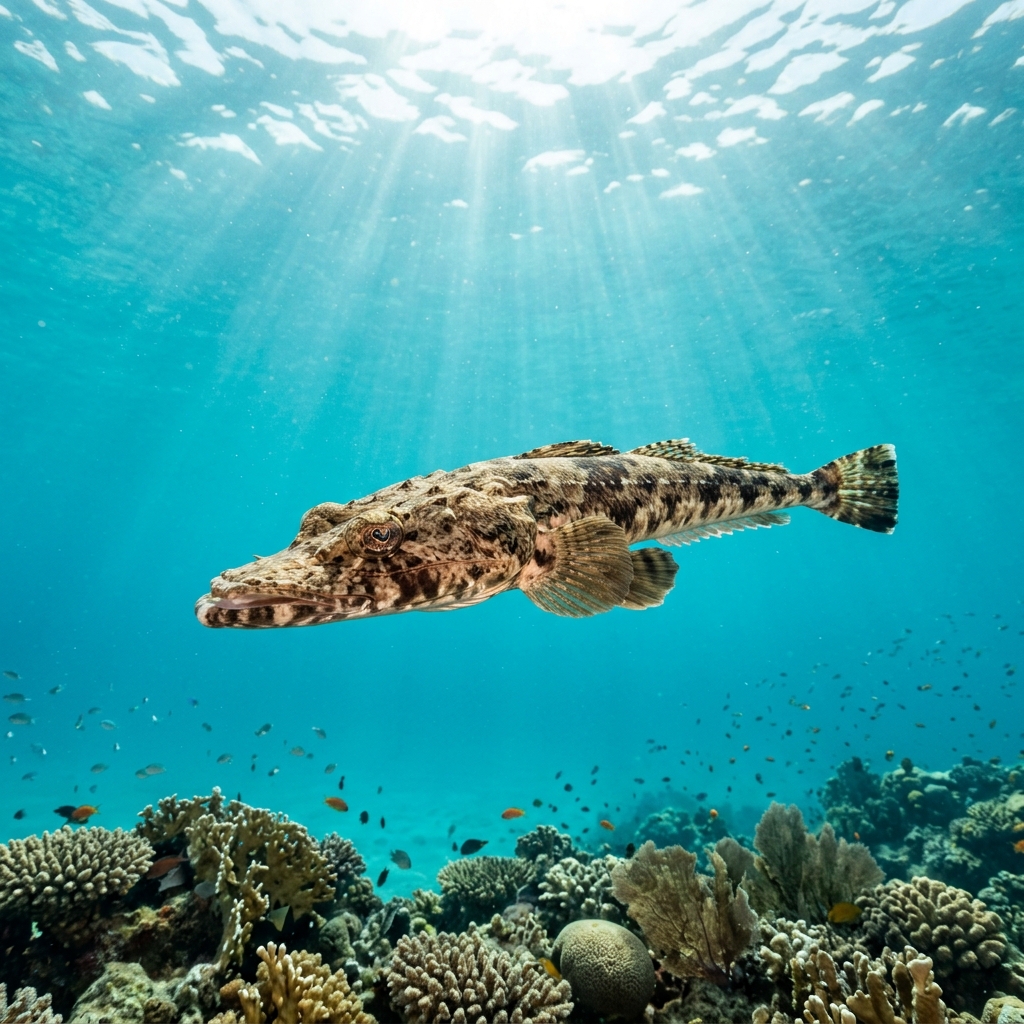
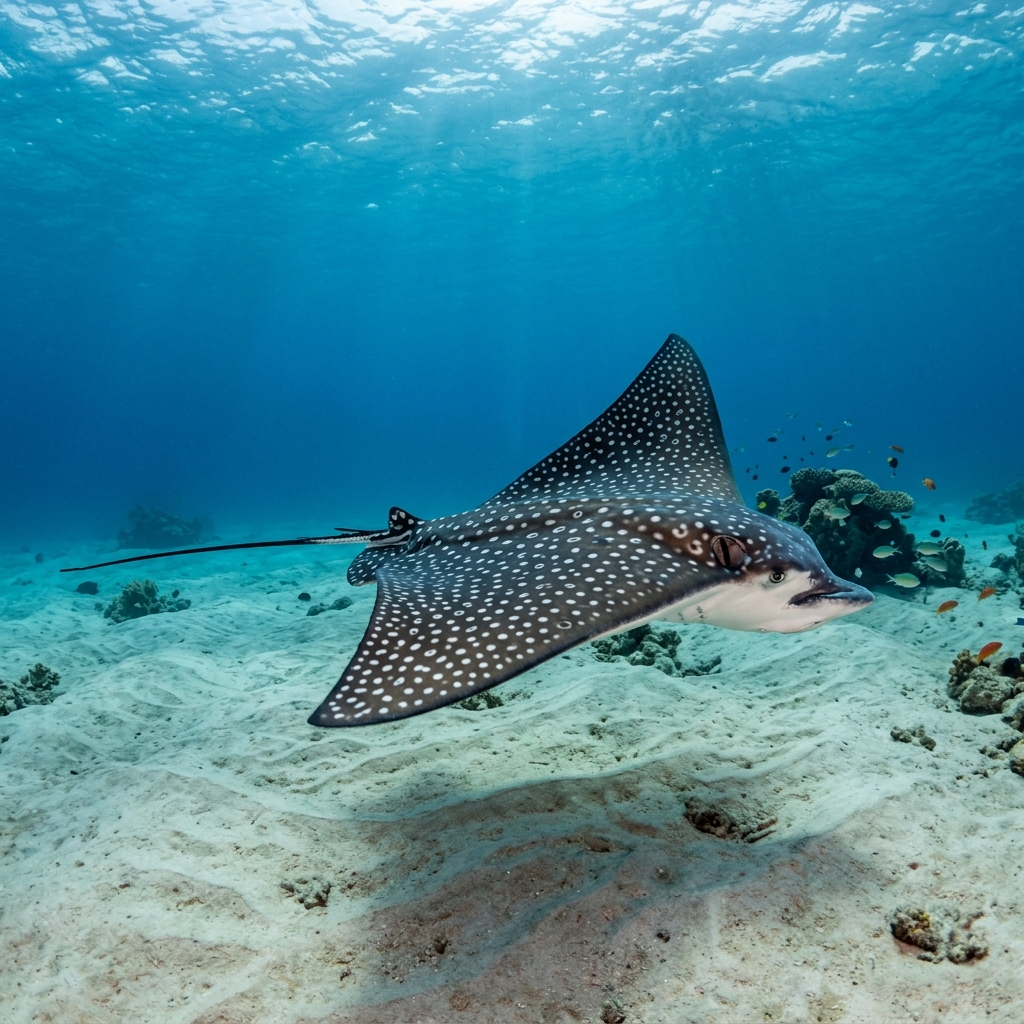
Common sightings include Eastern Blue Groper, wrasses, and Eastern Red Scorpionfish. You may also encounter Spotted Wobbegong, Giant Cuttlefish, Port Jackson Shark, Fiddler Ray, Common Sydney Octopus, Green Moray, and various rays.
Yes, Clovelly Beach is considered a suitable location for beginner divers and snorkellers due to its sheltered nature.
The depth at Clovelly Beach ranges from 5 to 11 metres, with an average depth of 7 metres.
This is a shore entry site. Users should enter and exit carefully over the rocks and shuffle their feet to avoid sea urchins.
Yes, Clovelly Beach is a popular location for snorkelling with a rating of 4 out of 5.
The best months to visit are January, February, March, and December, which typically offer the most settled conditions.
Diving at Clovelly Beach in Sydney requires the following certifications: Open Water. Always dive within your training limits.
A 5mm wetsuit is recommended for diving at Clovelly Beach in Sydney. Water temperatures range from 18°C to 24°C.
Clovelly Beach in Sydney typically has mild currents that most divers can handle comfortably.
Visibility at Clovelly Beach in Sydney typically ranges from 4 metres to 10 metres. Conditions vary with weather, tides, and seasons.