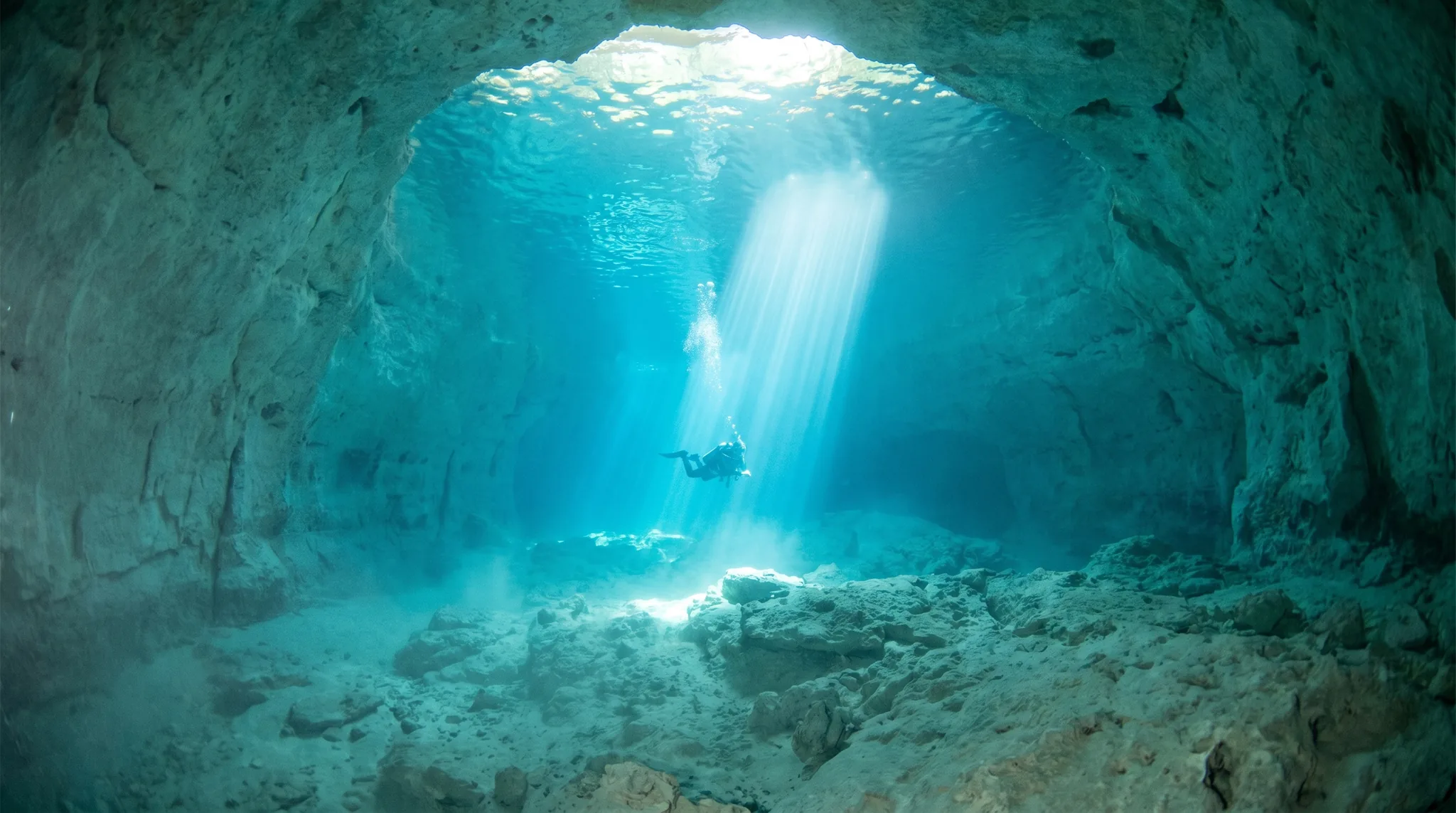
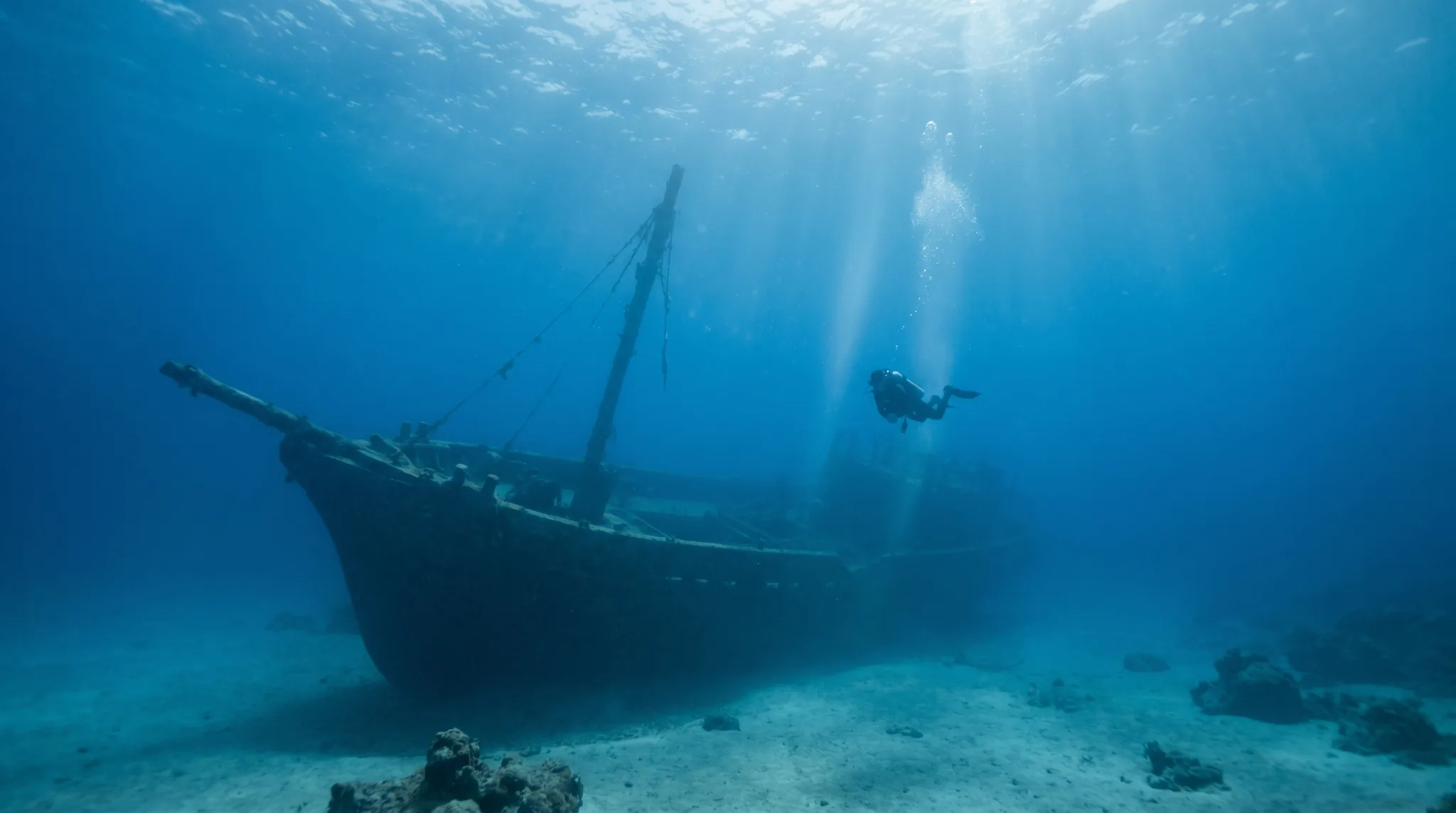
The Florida Keys strings together three distinct sub-areas: Key Largo, Islamorada and Key West, each offering a substantial roster of sites. Wrecks and natural reefs define the underwater character here. Deliberately sunk vessels such as the USS Vandenberg, USS Spiegel Grove and The Eagle Wreck sit alongside living coral structures where the Nurse Shark, Great Barracuda and Blue Tang are reliably encountered. Conditions range from shallow beginner reefs to deep advanced wreck dives, with nearly all sites accessed by boat.
3 areas
Monthly water temperature across Florida Keys's sites, from satellite sea-surface data corrected for depth. The band shows the site-to-site spread.
Water stays warm year-round, rising to its peak through summer and easing back through autumn. The busiest diving season runs from late spring through early autumn, when conditions are most settled. Winter months are quieter and cooler, but still diveable for those comfortable in a wetsuit.
83 operators

149 more sites to explore
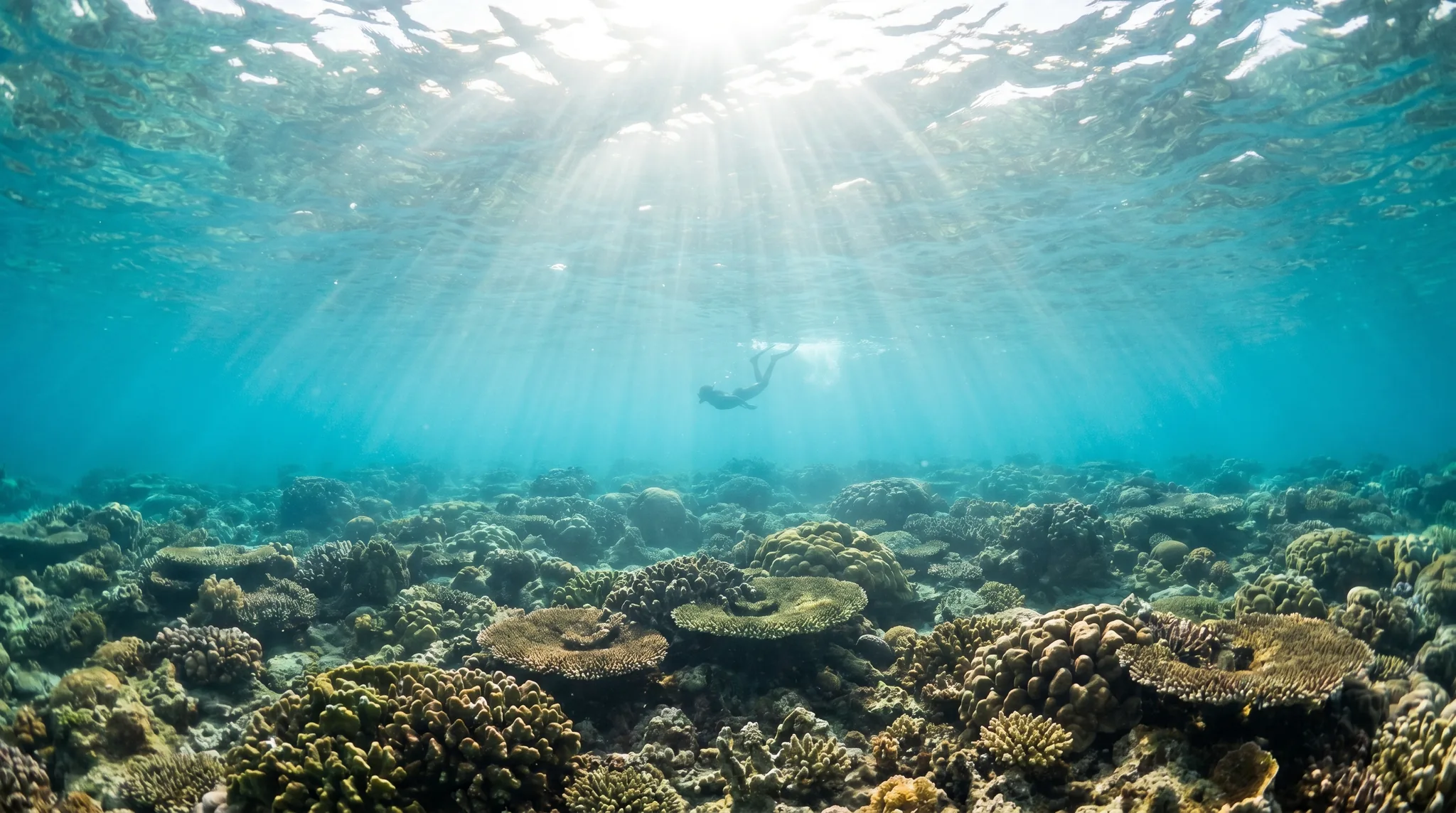
Shallow coral reefs, iconic wrecks, and rich fish life make Key Largo one of Florida's most varied diving and snorkelling destinations.
Water temperature around Florida Keys ranges from about 24°C in January to 30°C in August, based on satellite sea-temperature data for its dive sites.
In the warm season (about 30°C) a rash guard or 3mm shorty is comfortable in Florida Keys; in the coldest months (about 24°C) step up to a 3mm full suit.
Fin maps 161 sites in Florida Keys (151 scuba diving sites and 43 snorkelling spots, with some suited to both), organised into 3 areas.
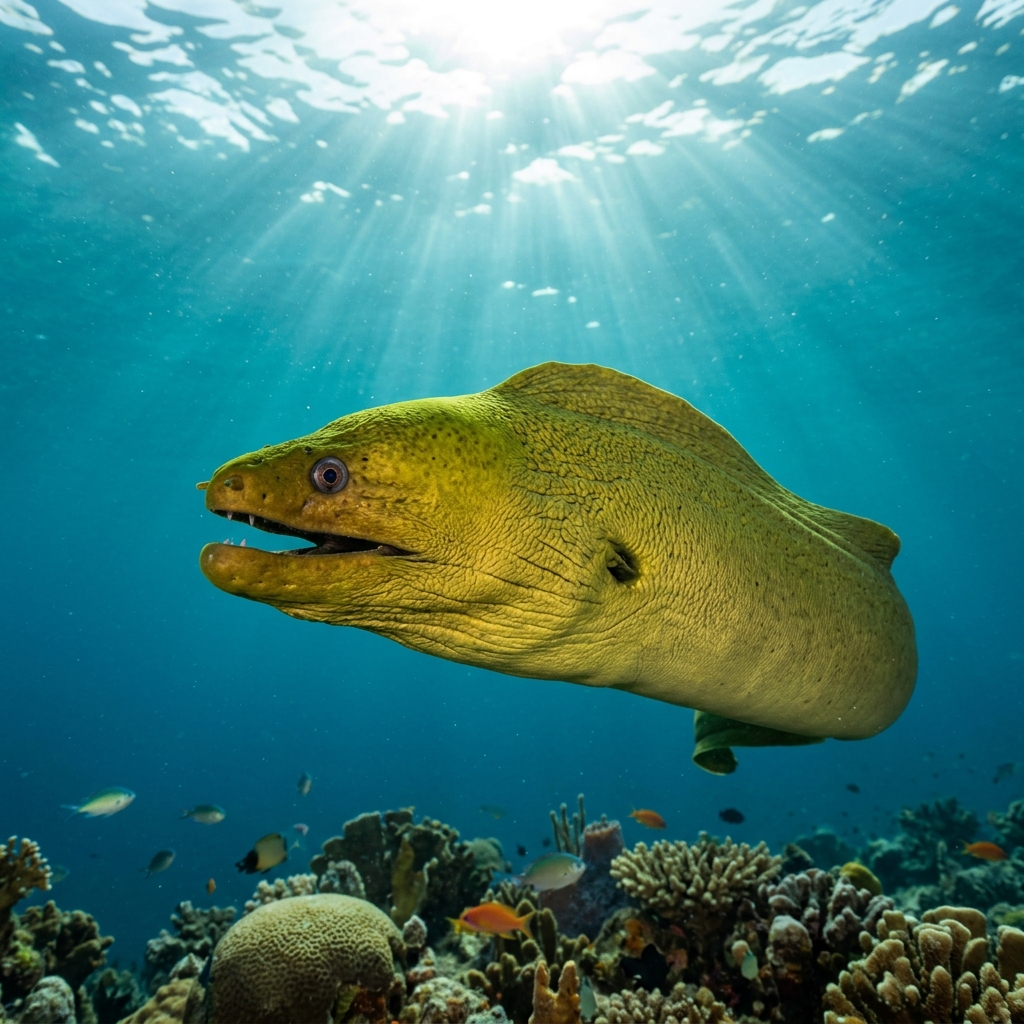
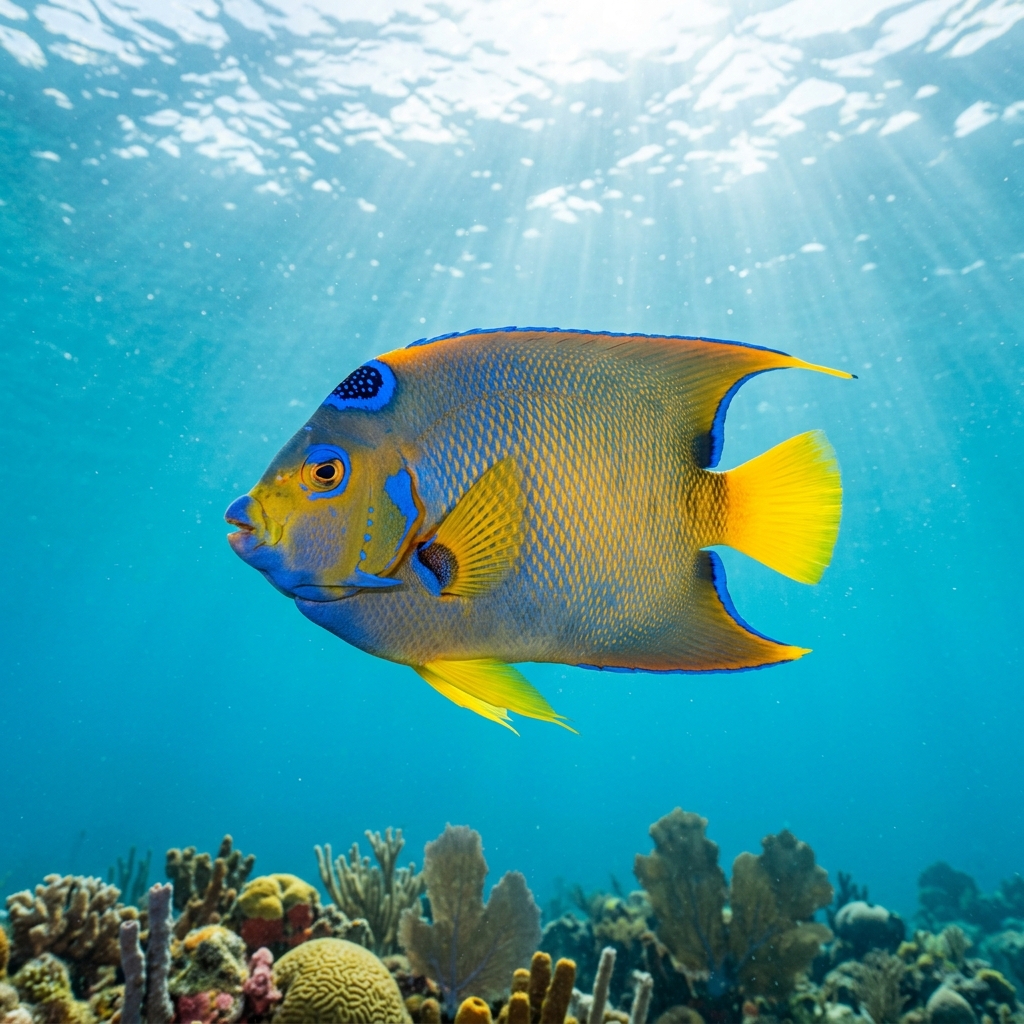
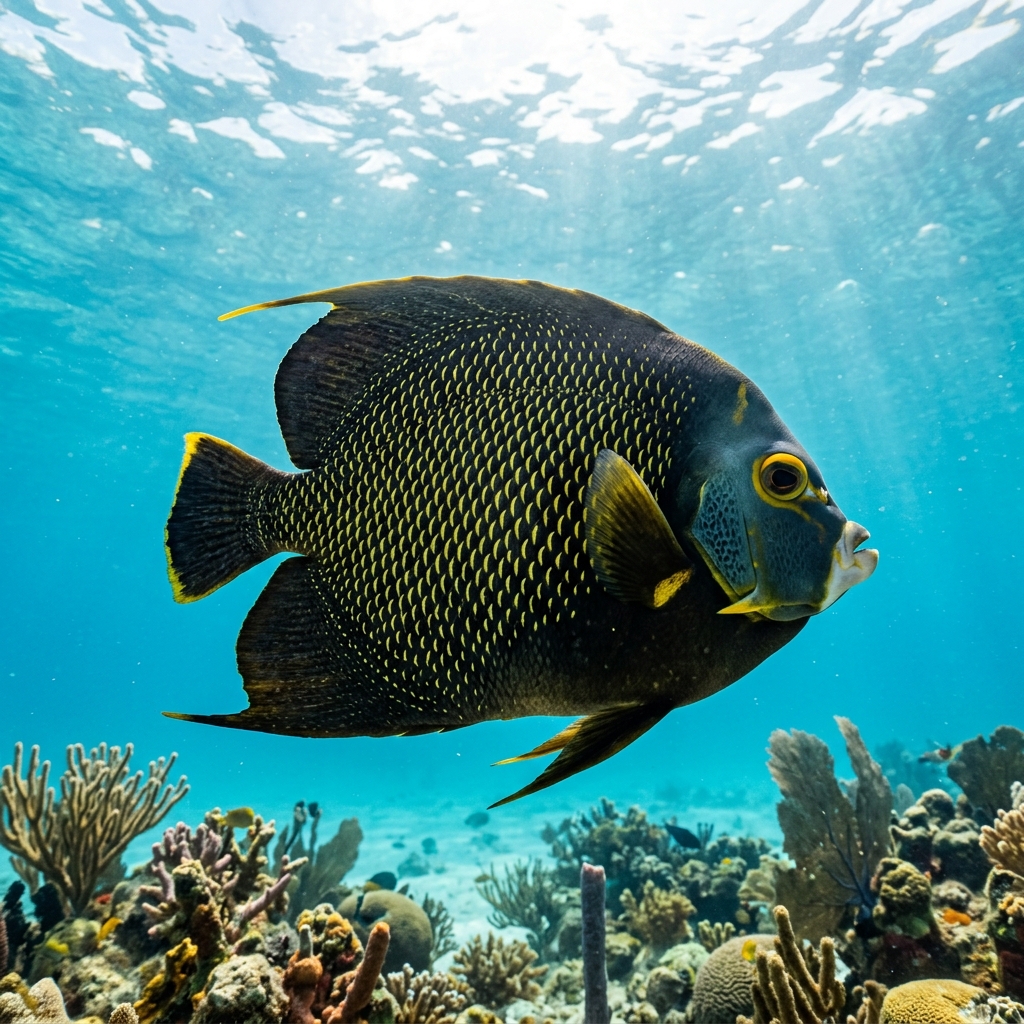
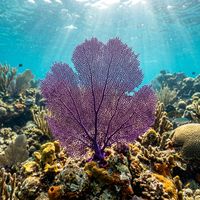
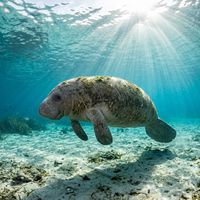
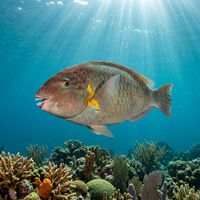
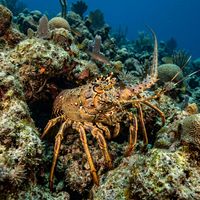
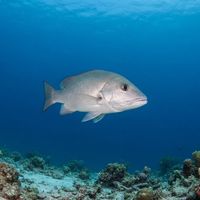
The Florida Keys hosts a wide range of observed species across its reefs and wrecks. Nurse Shark and Great Barracuda are very commonly reported, alongside Blue Tang, Stoplight Parrotfish and Caribbean Spiny Lobster. Queen Angelfish, French Angelfish and Green Moray are also frequently seen. Occasional sightings of West Indian Manatee and Green Sea Turtle add to the appeal.
A good portion of sites in the Florida Keys are rated for beginners, including shallow reef dives such as Corona, Recovery Room and Looe Key. The Coral Tree Nursery and Christ of the Abyss are also beginner-friendly. Advanced divers are well served too, with deep wrecks like the USS Vandenberg and USS Spiegel Grove requiring more experience.
Key Largo, Islamorada and Key West each carry a similar number of sites, so no single area dominates on quantity alone. Key Largo is home to sites like Christ of the Abyss and Dry Rocks, while Islamorada hosts Alligator Deep and Recovery Room. Key West anchors the southern end of the chain and includes access to the USS Vandenberg wreck.
Virtually all sites in the Florida Keys require boat access, including the reefs, wrecks and artificial structures. A range of operators across the Keys run guided trips, among them Florida Keys Dive Center, Lost Reef Adventures, Silent World Dive Center and Southpoint Divers. Shore entry is not a common option here, so booking with an operator is the practical starting point.