Best for advanced divers, 29-40m, boat entry, strong current.
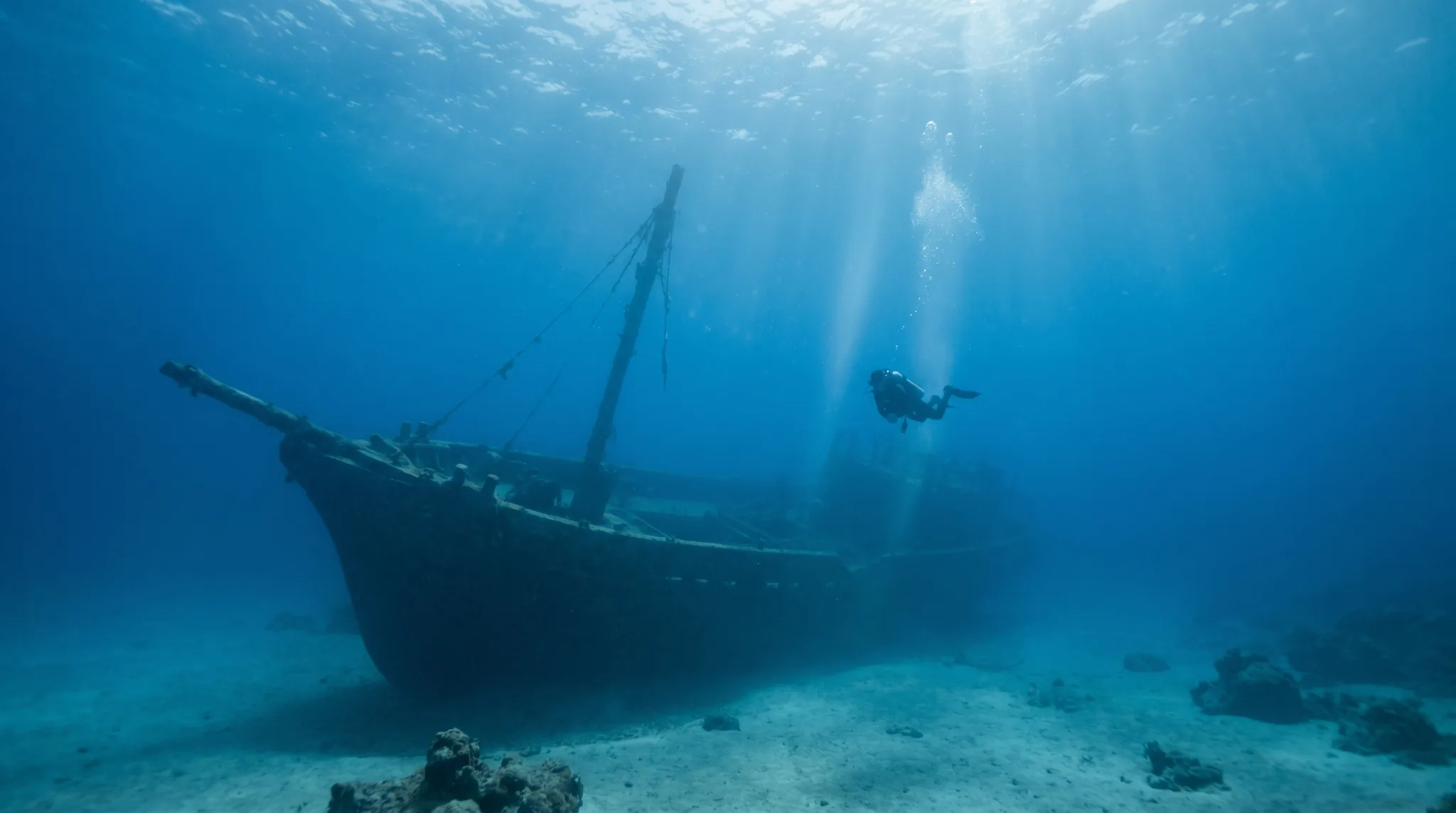
The USCG Bibb is a decommissioned US Coast Guard cutter resting upright on a sand bottom. The main deck sits at approximately 29 metres, with the keel reaching 40 metres. This site is strictly for advanced divers due to the depth and the strong currents that frequently affect the area. Boat access is required, and divers should use a surface marker buoy. Visibility typically ranges from 10 to 30 metres. Divers must manage buoyancy carefully and remain aware of entanglement risks within the wreck structure. Current strength and direction shift with the tide, necessitating careful planning for descent and ascent.
24.96710, -80.38350
Current strength and direction shift with the tide, so time your descent to hit the wreck on a slack or manageable flow and plan your drift so the current works with you on the ascent. A surface marker buoy is essential for every diver on this boat-access site.
Access is by boat from Key Largo.
Recorded at this site
Depth
29-40m
Visibility
10-30m
Skill Level
Advanced
Entry
Boat
Boat required
Water Temp
24-28°C
Current
Strong
Typical Dive
20 min
No, this site is intended for advanced divers only due to the significant depth and strong currents.
The wreck sits on a sand bottom with the main deck at 29 metres and the keel at 40 metres, with an average depth of 36 metres.
This is a boat-access site located 10,000 metres from shore.
The main hazards include the deep nature of the dive, potential for entanglement in the wreck structure, and strong currents.
Diving at USCG Bibb (Wreck) in Key Largo requires the following certifications: Advanced Certification. Always dive within your training limits.
A 3mm wetsuit is recommended for diving at USCG Bibb (Wreck) in Key Largo. Water temperatures range from 24°C to 28°C.
USCG Bibb (Wreck) in Key Largo can have strong currents. Advanced experience with drift diving and current navigation is recommended.
Visibility at USCG Bibb (Wreck) in Key Largo typically ranges from 10 metres to 30 metres. Conditions vary with weather, tides, and seasons.