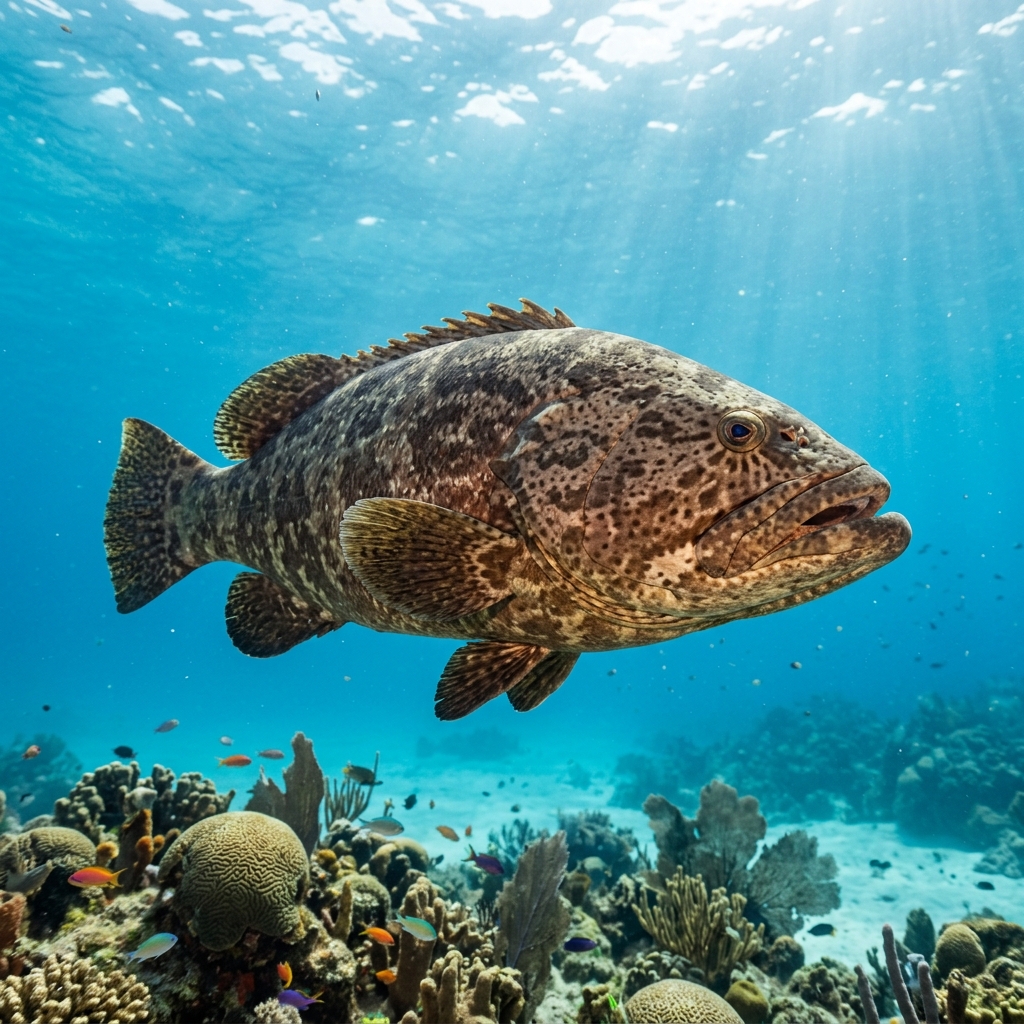
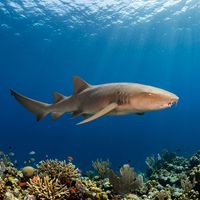
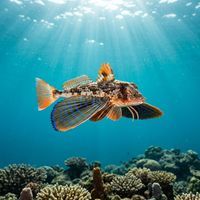
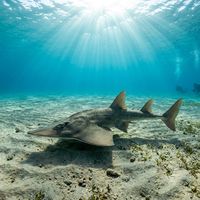
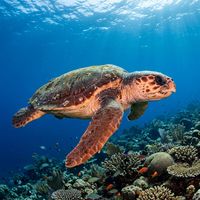
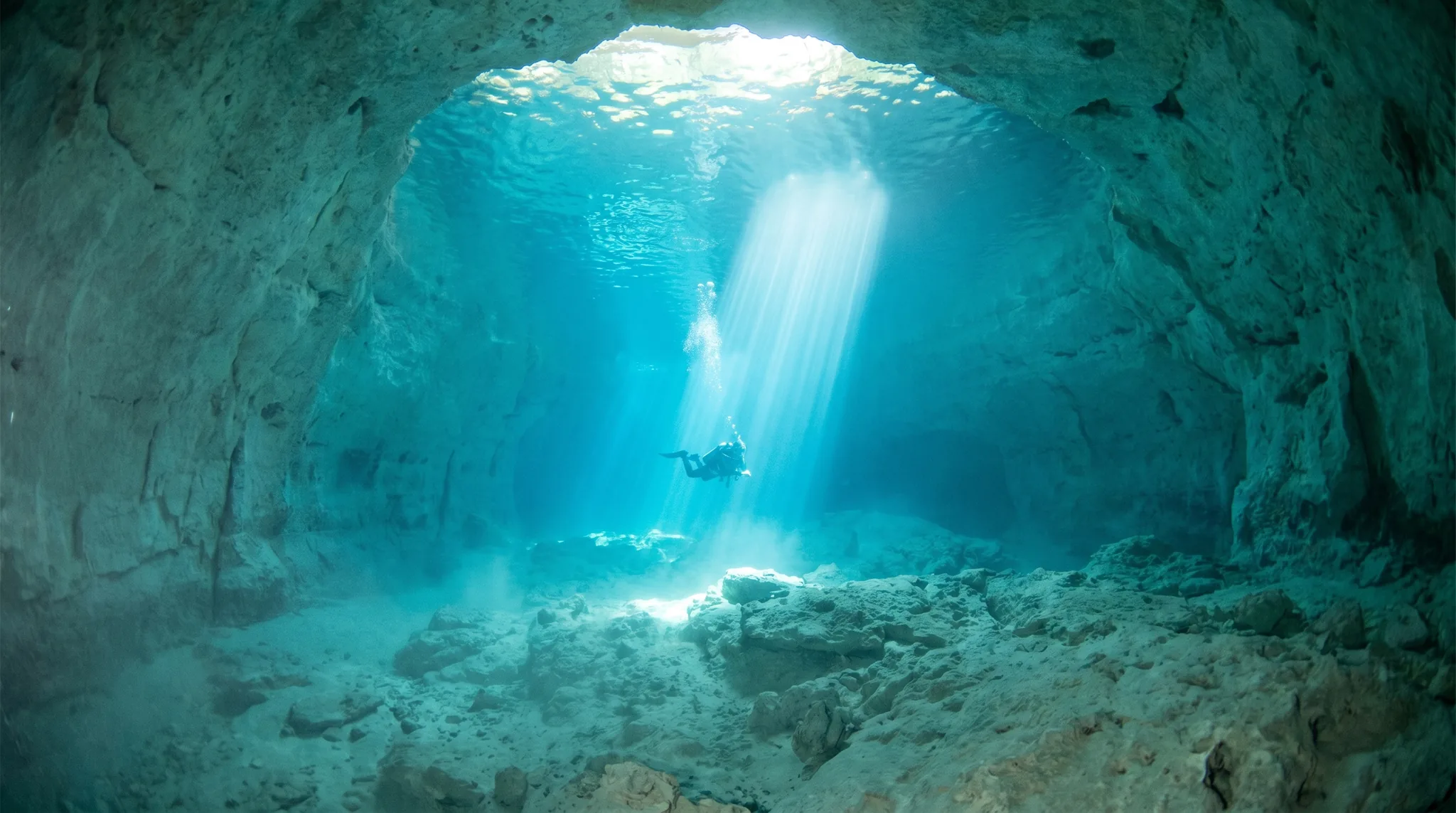
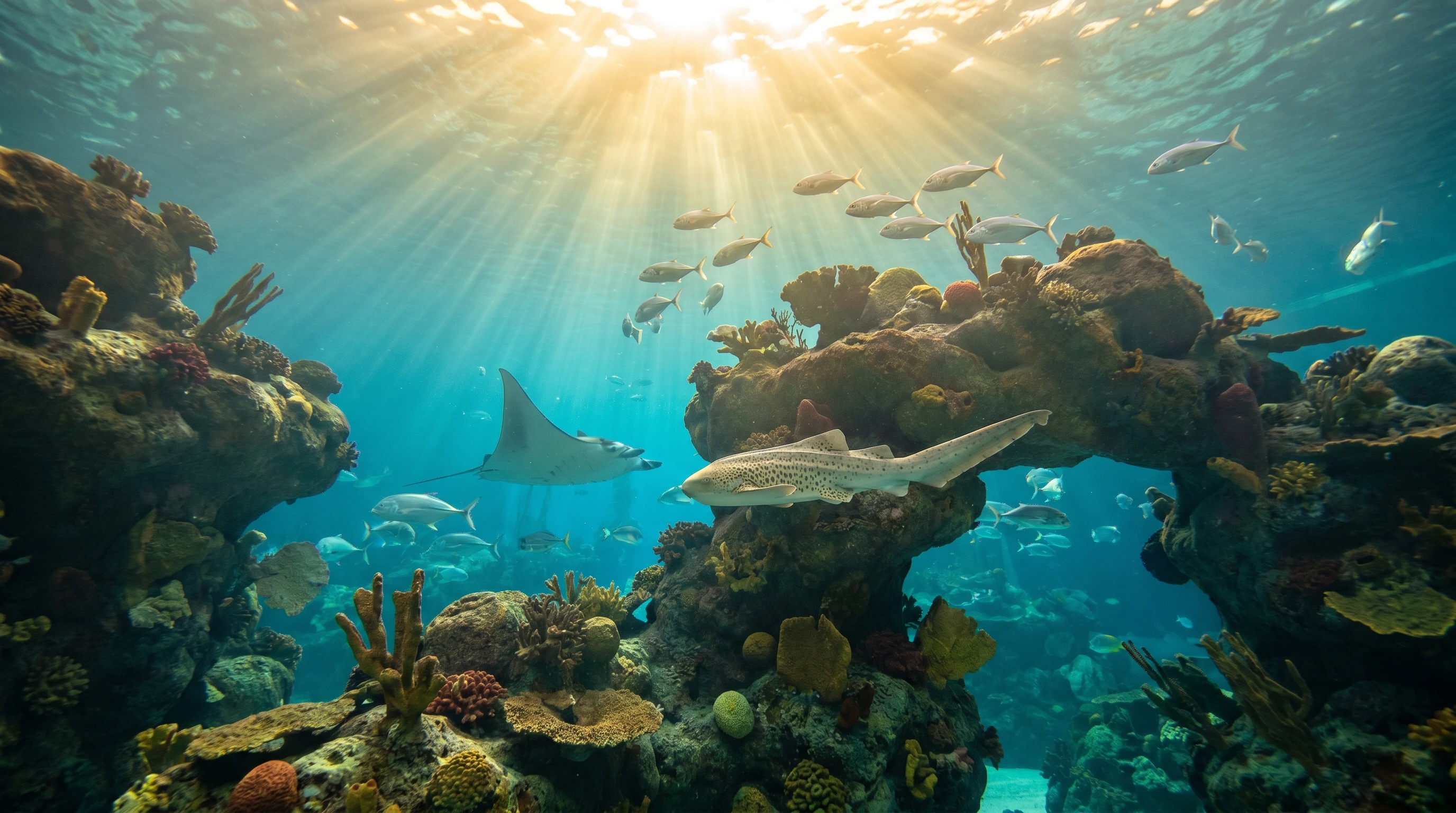
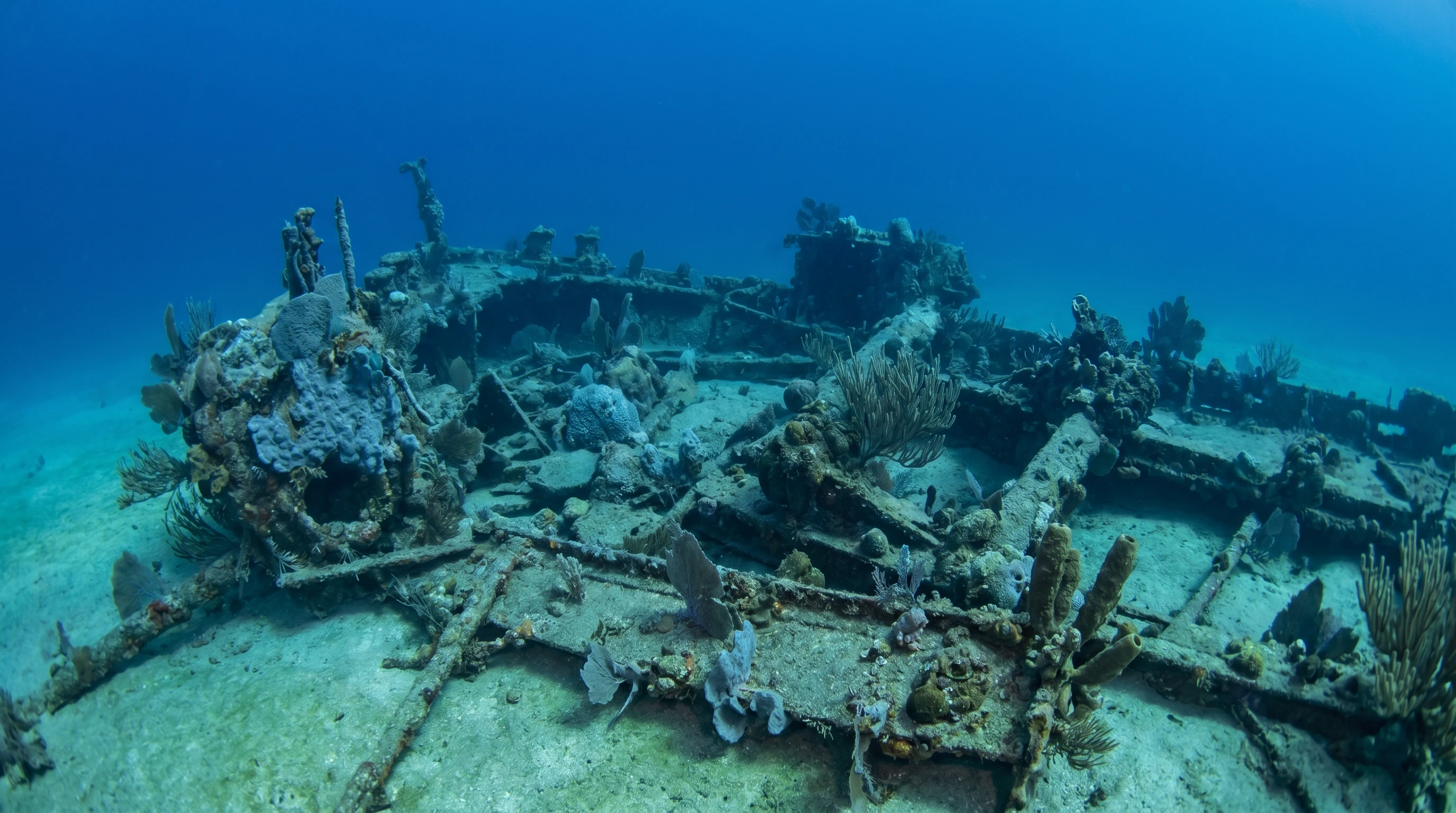
The Florida Panhandle is defined by its artificial reefs and wrecks, which form the backbone of diving across both Pensacola and Panama City Beach. Vessels, rigs and purpose-sunk structures at every skill level share the seabed with Spotted Scorpionfish, Atlantic Goliath Grouper and Green Sea Turtle. Pensacola offers the greater concentration of sites, including deep advanced wrecks, while Panama City Beach adds the Underwater Museum of Art and the freshwater cave system at Vortex Springs.
2 areas
Monthly water temperature across Panhandle's sites, from satellite sea-surface data corrected for depth. The band shows the site-to-site spread.
Water temperatures climb steadily from spring through summer, peaking in late summer before easing off through autumn. The best-months data points strongly to late spring through early autumn as the prime window, with September standing out. Winter months bring cooler water and thinner crowds, suiting divers comfortable with a thicker exposure suit.
52 operators
Warrington, United States

92 more sites to explore
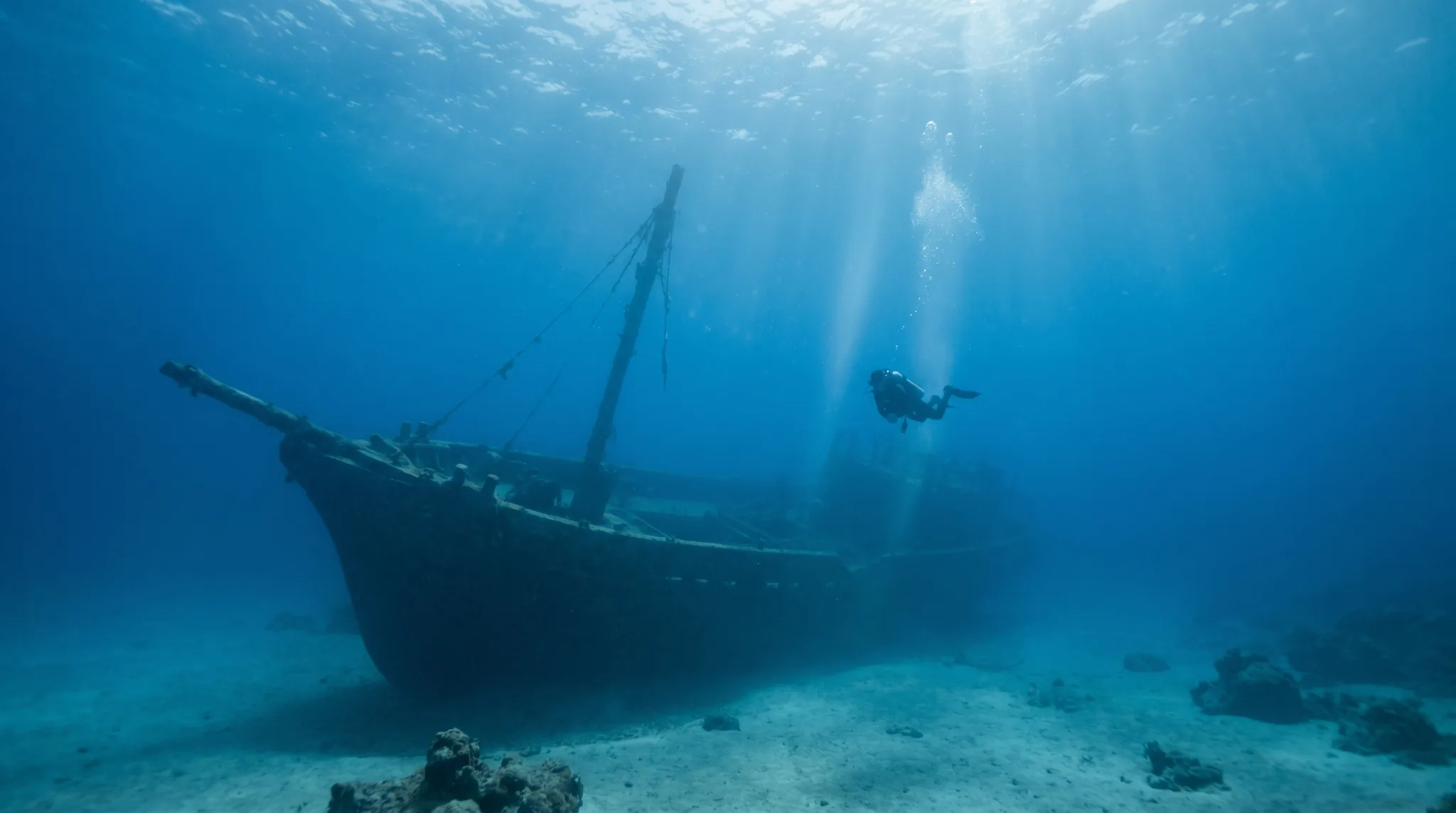
A wreck-dense artificial reef network off the Florida Panhandle, with regular sightings of Goliath Grouper, sea turtles, and Whale Shark.
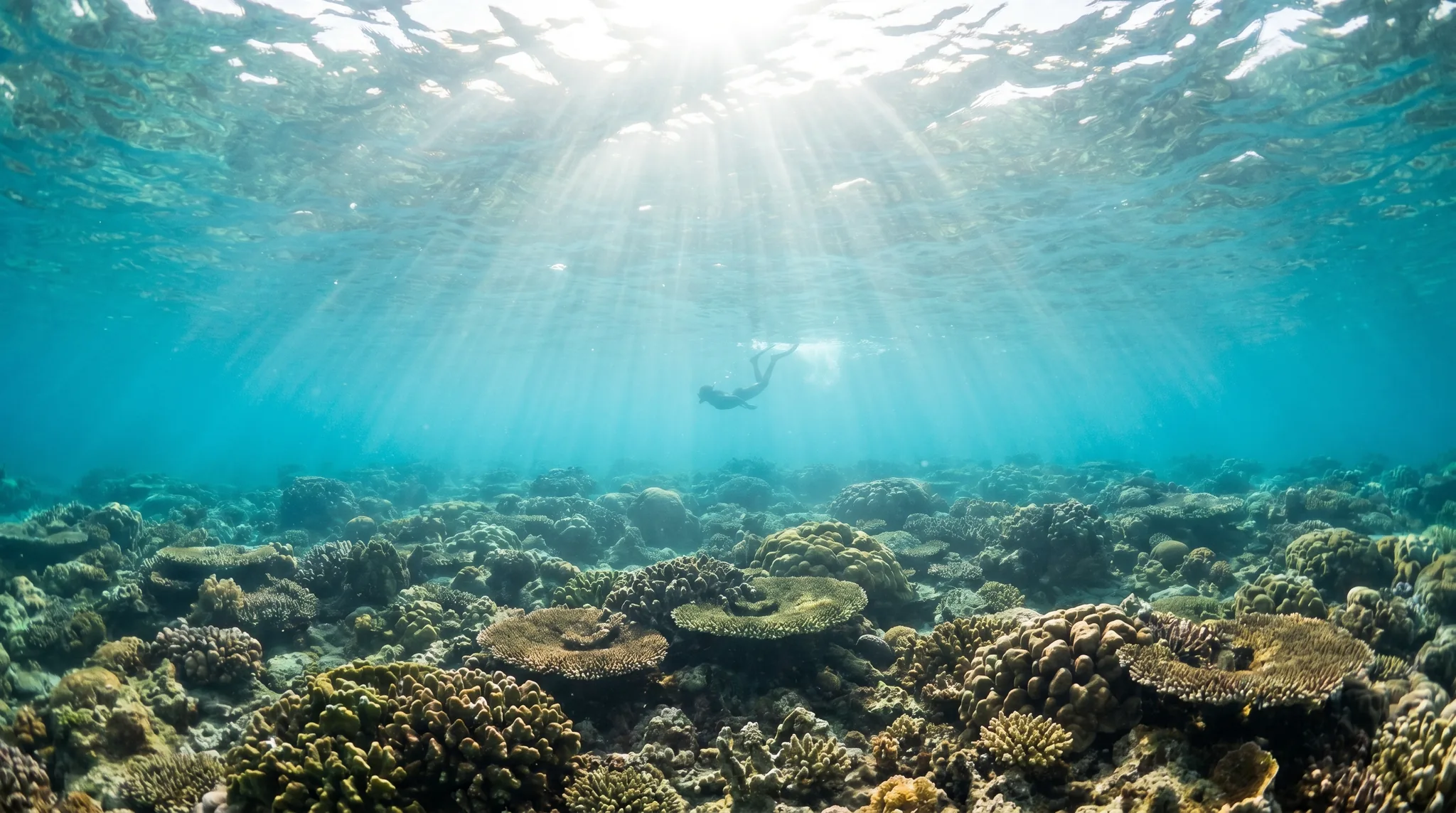
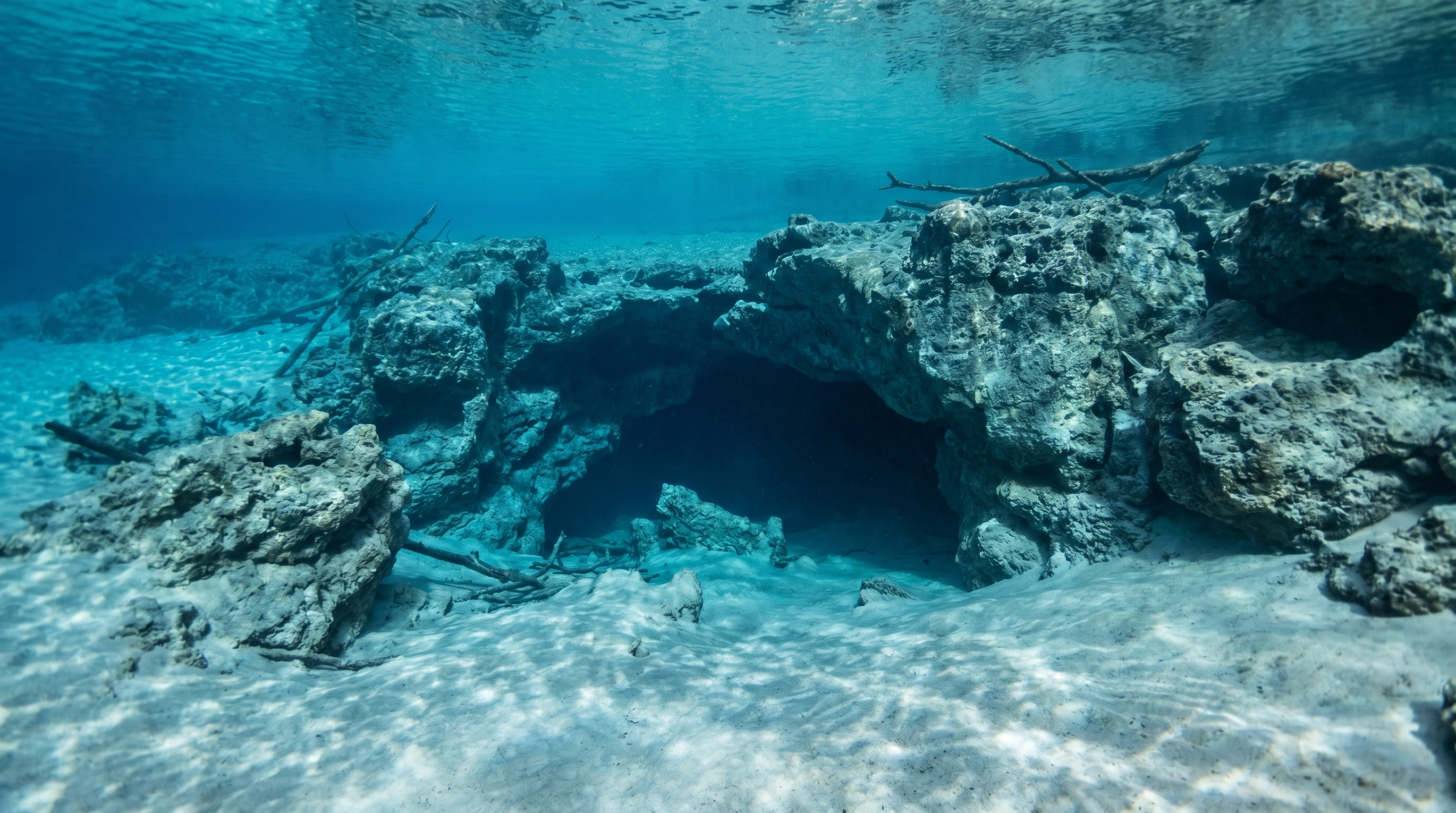
Water temperature around Panhandle ranges from about 17°C in February to 28°C in August, based on satellite sea-temperature data for its dive sites.
In the warm season (about 28°C) a rash guard or 3mm shorty is comfortable in Panhandle; in the coldest months (about 17°C) step up to a 7mm or semi-dry suit.
Fin maps 104 sites in Panhandle (101 scuba diving sites and 15 snorkelling spots, with some suited to both), organised into 2 areas.
Across Panhandle's dive sites, May, June, July, September and October are most often reported as the best months to visit.
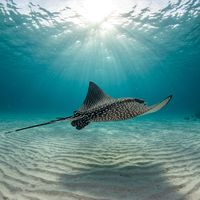
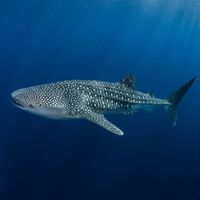
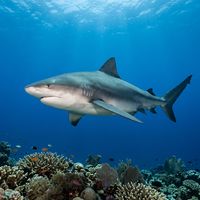
The Panhandle's artificial reefs and wrecks consistently host Atlantic Goliath Grouper, Spotted Scorpionfish, Nurse Shark and Green Sea Turtle. Flying Gurnard, Guitarfish and Stargazer are also commonly encountered. Occasional sightings include Spotted Eagle Ray, Whale Shark and Bull Shark, making deeper boat dives particularly rewarding.
Yes, a good portion of the site mix is rated beginner level. Shore-accessible spots like Destin Jetties and SR Access 2 offer shallow, sheltered conditions, while boat sites such as Mac's Reef and Joe Patti Reef provide a gentle introduction to wreck diving. Advanced divers are well served by deeper wrecks including the Avocet, Anteres and Brass Wreck.
Pensacola holds the larger share of sites and concentrates many of the region's deeper wrecks, including purpose-sunk vessels and a decommissioned oil rig. Panama City Beach offers its own distinct highlights: the Underwater Museum of Art, with its seabed sculptures, and Vortex Springs, a freshwater cave dive fed by the Floridan Aquifer. Both sub-areas support a full range of skill levels.
Both access types are available, though the majority of sites require a boat. Shore diving is possible at Destin Jetties, Destin East Jetty and SR Access 2, all suitable for beginners. Operators including ScubaTech Destin, Bay Breeze Dive Center and Shark Quest Dive Shop run boat charters to the offshore wrecks and reefs.