
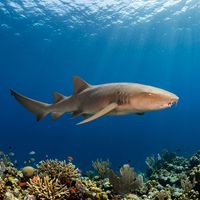
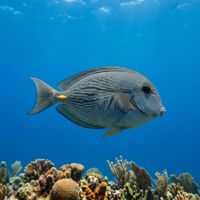
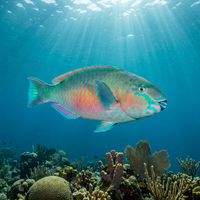
Key Largo offers a concentrated mix of living reef, artificial structures, and purpose-sunk wrecks spread across three distinct sub-areas. John Pennekamp Coral Reef State Park holds the largest collection of sites, ranging from shallow beginner reefs to deeper structures. The Molasses Reef Area adds variety with sites like French Reef and the large wreck of the USS Spiegel Grove. A dedicated Offshore Wrecks sub-area rounds out the offer for advanced divers. Nurse Shark, Stoplight Parrotfish, and Smooth Trunkfish are observed consistently across the reefs.
3 areas
Monthly water temperature across Key Largo's sites, from satellite sea-surface data corrected for depth. The band shows the site-to-site spread.
Water stays warm throughout the year, rising through spring into its peak warmth during summer and early autumn, then easing back through winter. The most popular diving months run from late spring through early autumn, when conditions are generally settled and visibility is at its best. Winter diving is still very accessible, with water remaining comfortably warm even in the quieter months.
33 operators
United States
Key Largo, United States
43 more sites to explore
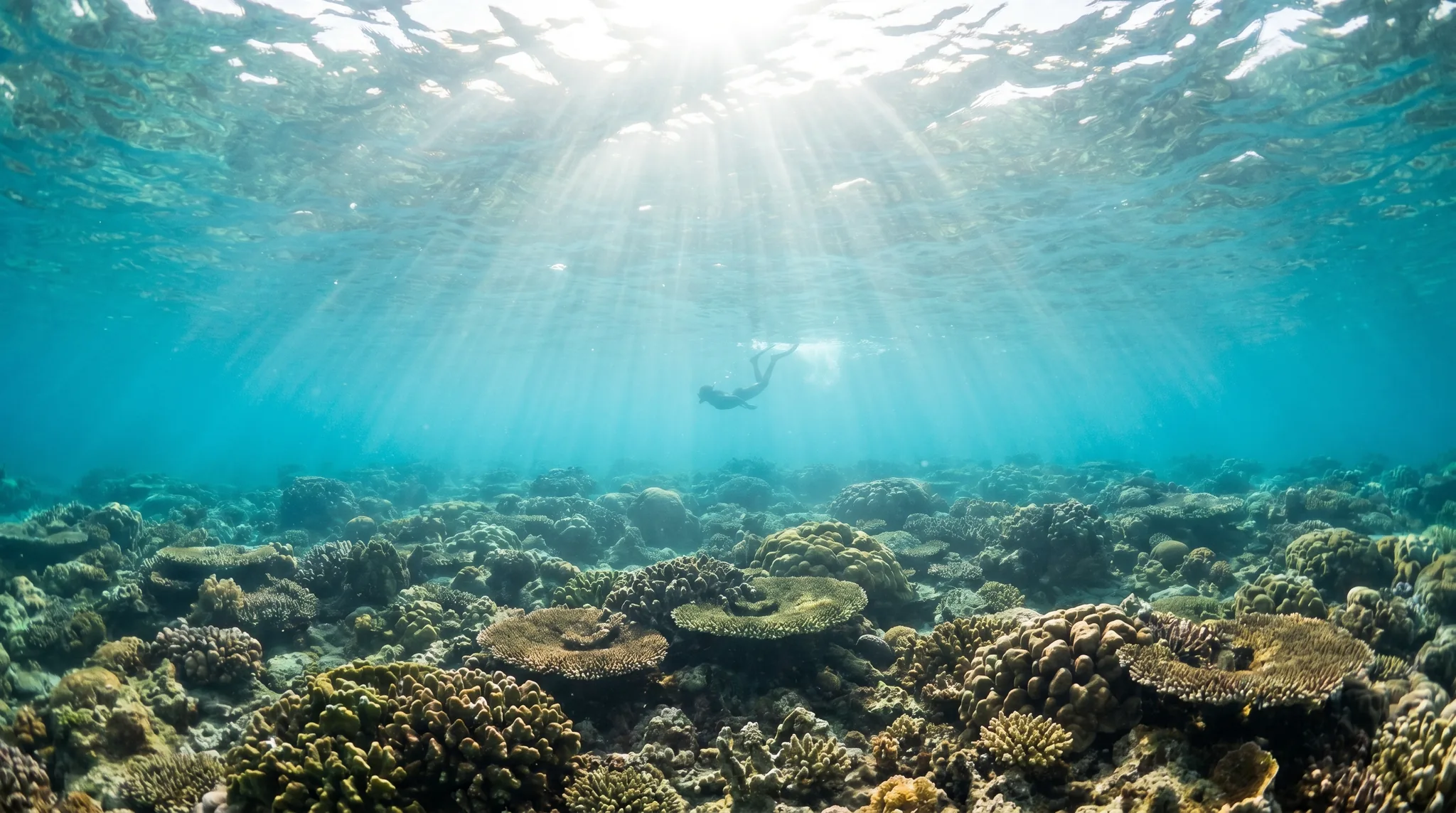
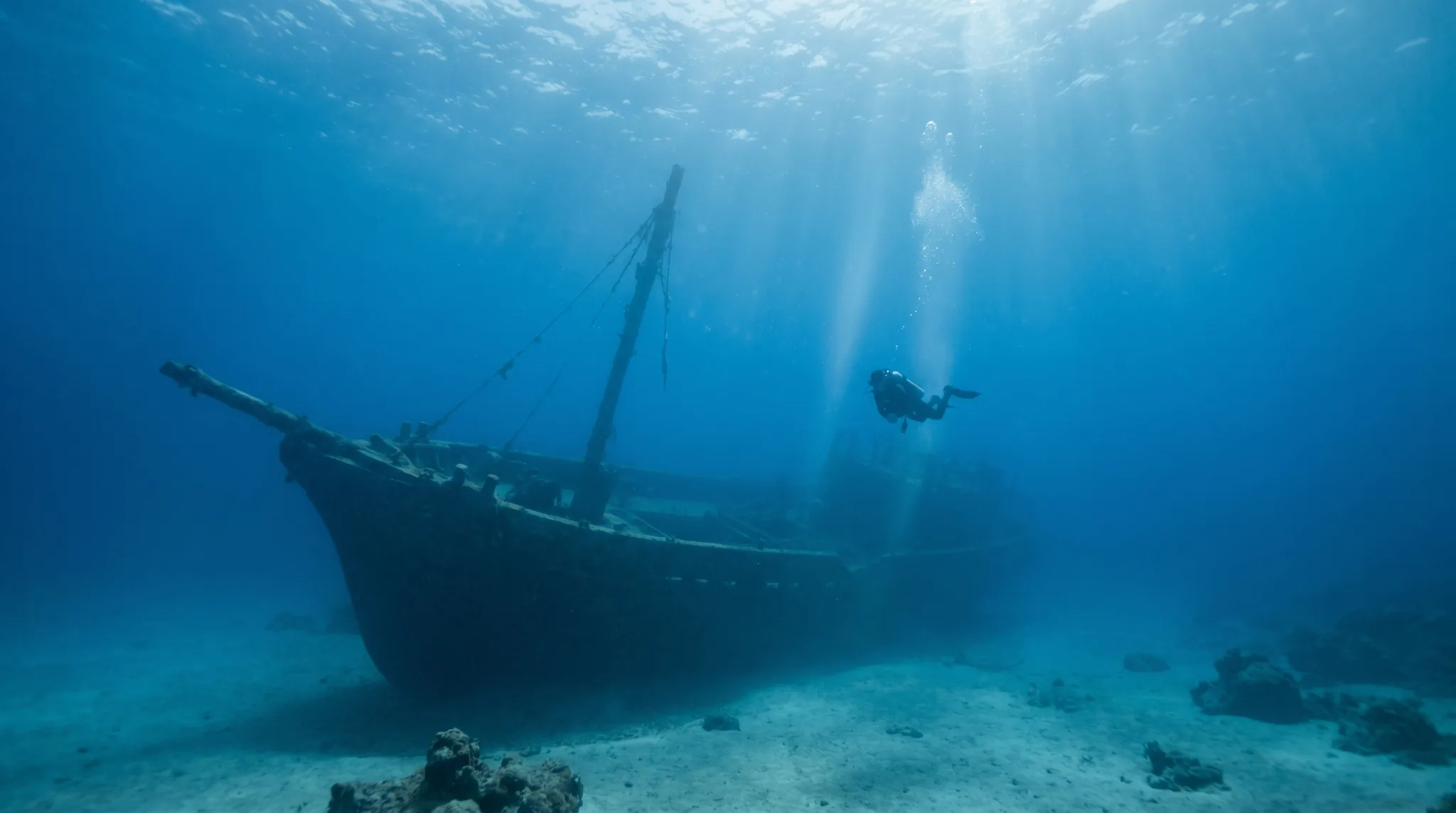
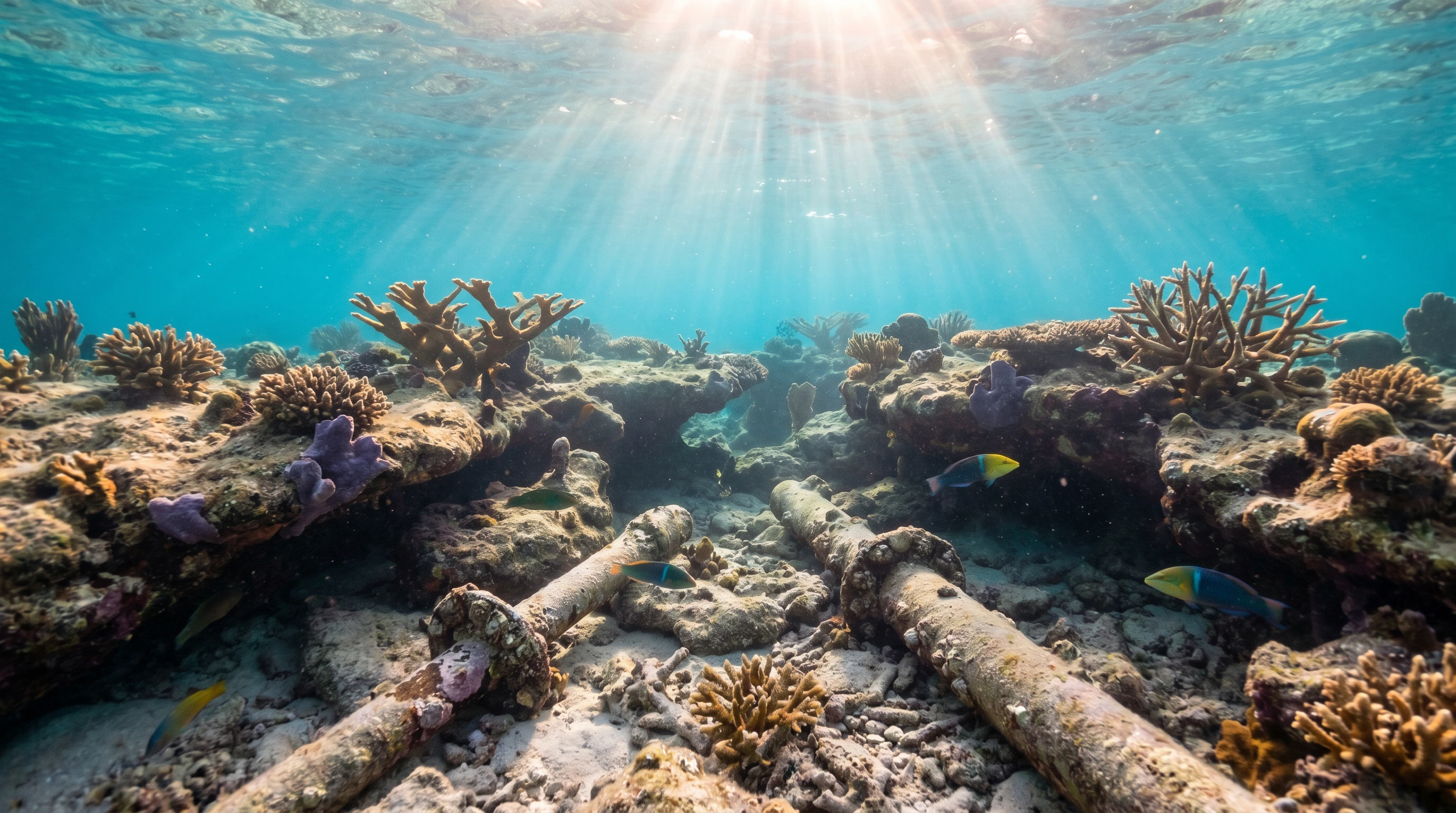
Boat-access reef diving off Key Largo, with a famous submerged statue, shallow wrecks and a rich cast of reef fish and Nurse Shark.
Water temperature around Key Largo ranges from about 24°C in January to 29°C in July, based on satellite sea-temperature data for its dive sites.
In the warm season (about 29°C) a rash guard or 3mm shorty is comfortable in Key Largo; in the coldest months (about 24°C) step up to a 3mm full suit.
Fin maps 55 sites in Key Largo (53 scuba diving sites and 13 snorkelling spots, with some suited to both), organised into 3 areas.
Across Key Largo's dive sites, April, May, June, July, August and September are most often reported as the best months to visit.
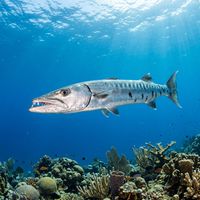
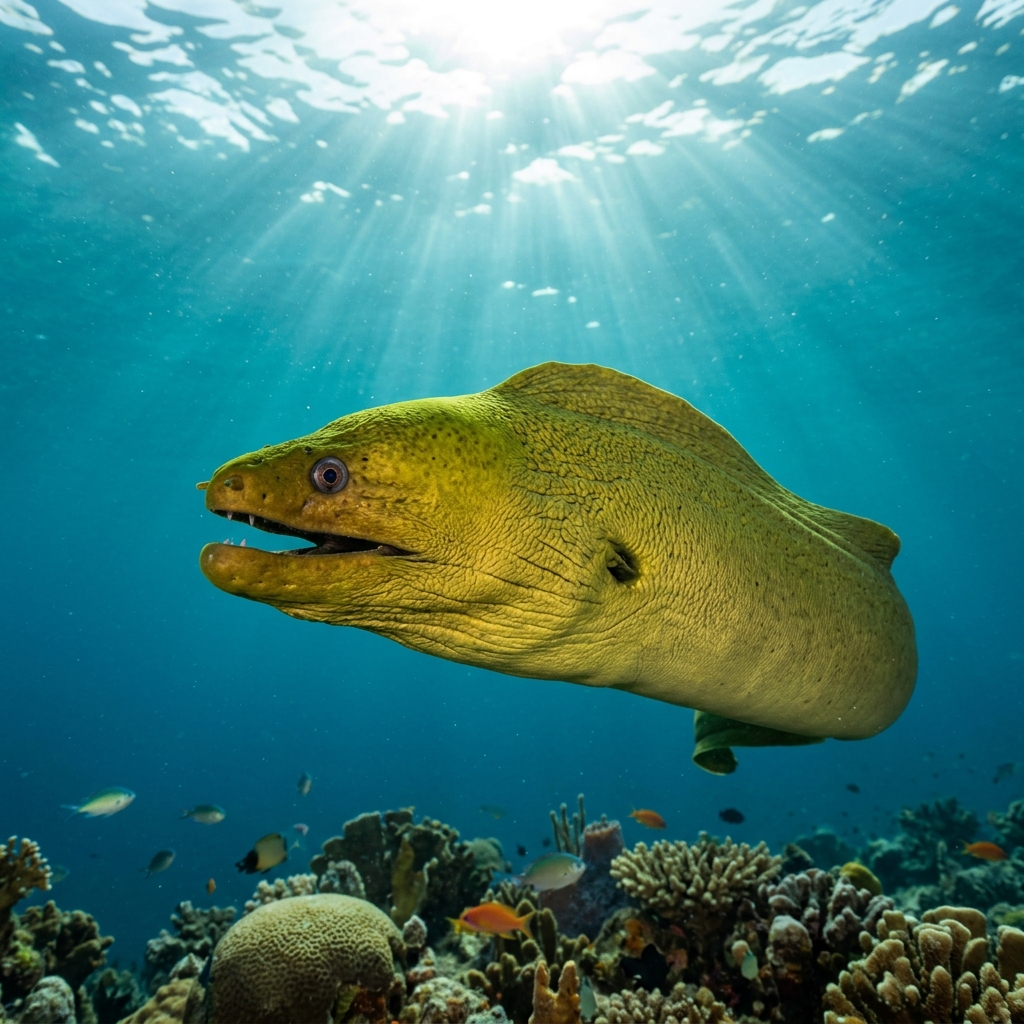
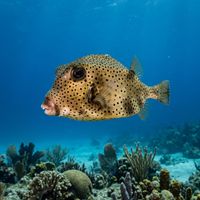
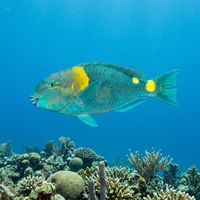
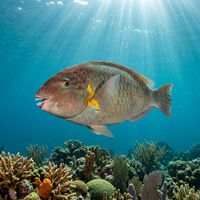
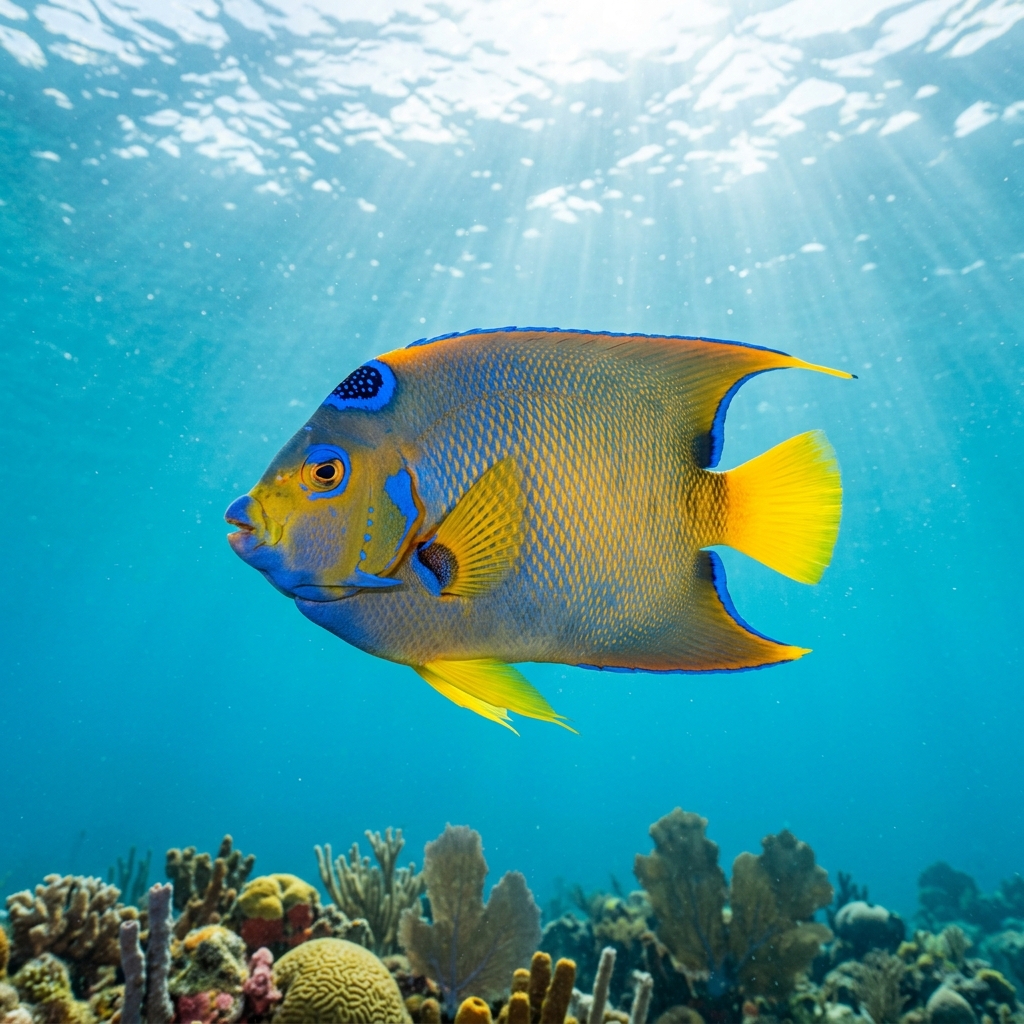
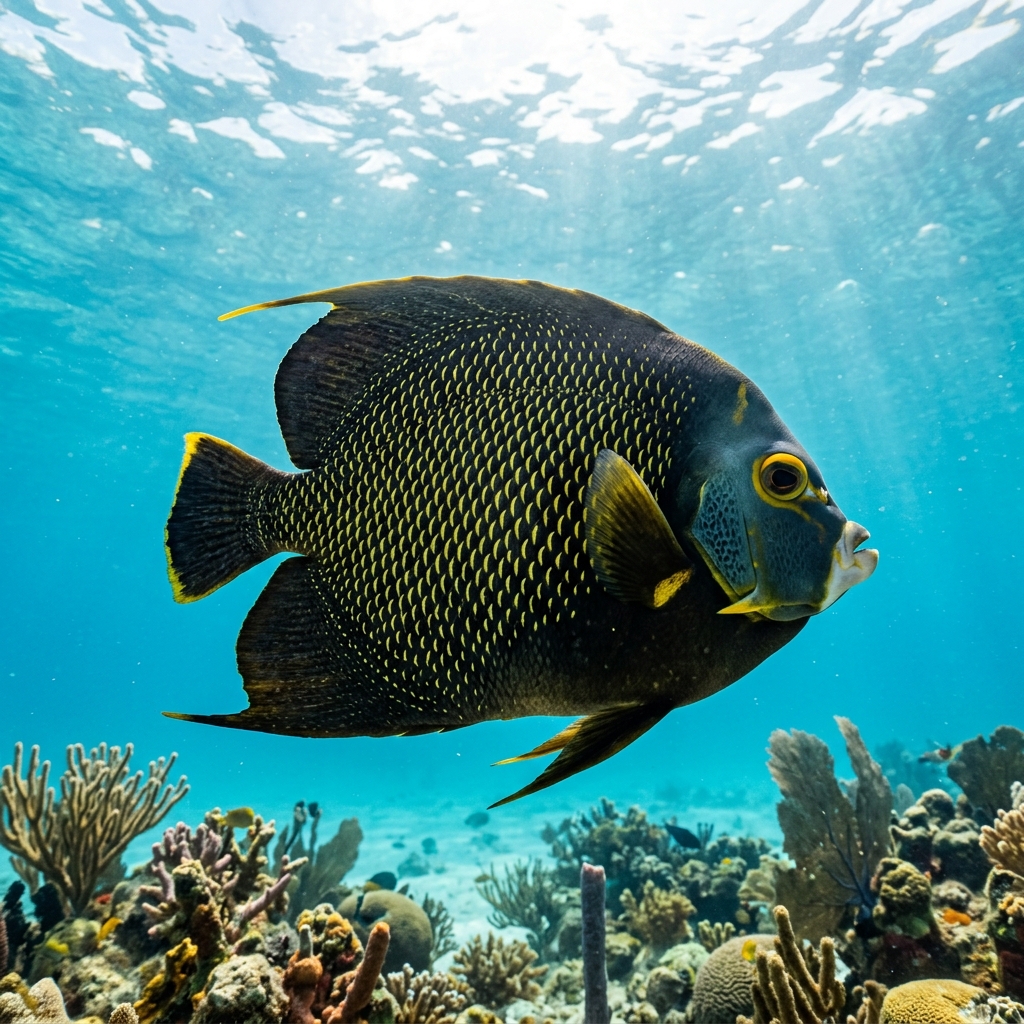
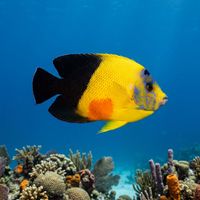
Key Largo's reefs are home to a wide range of observed species. Nurse Shark and Great Barracuda are very commonly sighted, alongside multiple parrotfish species including Stoplight Parrotfish, Redband Parrotfish, and Queen Parrotfish. Queen Angelfish, French Angelfish, and Green Moray are also regularly encountered, and Caribbean Spiny Lobster can be found sheltering in reef crevices.
Key Largo has a strong mix of beginner-rated sites, including Grecian Rocks, Horseshoe Reef, Banana Patch Reef, and the Christ of the Abyss site. These are generally shallow and feature mild conditions. Intermediate and advanced divers also have options, with deeper wrecks like the USS Spiegel Grove and Doc de Milly requiring more experience.
John Pennekamp Coral Reef State Park contains the greatest number of sites and is weighted toward shallow to mid-depth reef diving, making it particularly accessible. The Molasses Reef Area adds more variety, including mixed reef and wreck sites across a range of depths. The Offshore Wrecks sub-area is smaller and focused on purpose-sunk and artificial reef structures, appealing mainly to more experienced divers.
The sites listed for Key Largo require boat access; there are no shore-entry sites in the data. Operators such as Sail Fish Scuba, Silent World Dive Center, Rainbow Reef Dive Center, and Sundiver Snorkel Tours are among those offering boat-based trips to the reefs and wrecks.