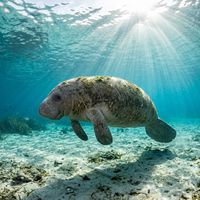
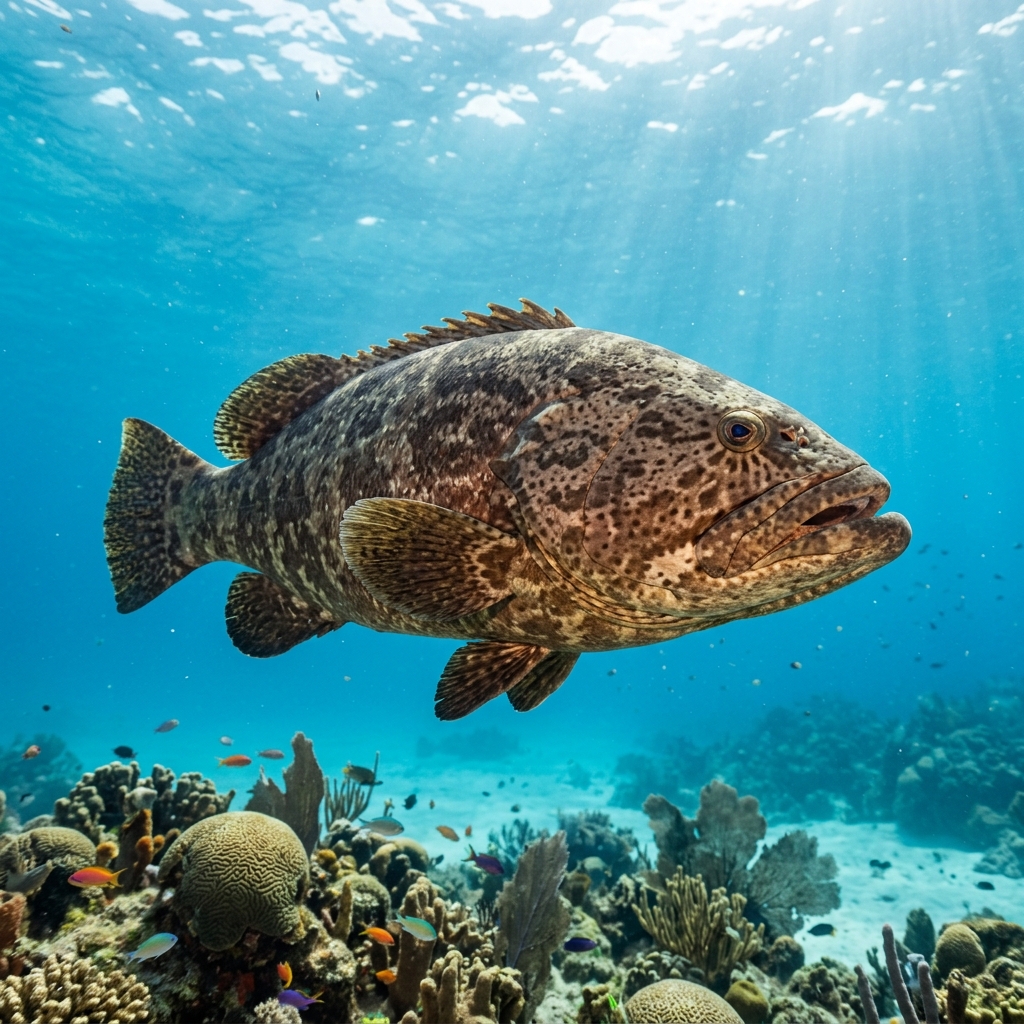
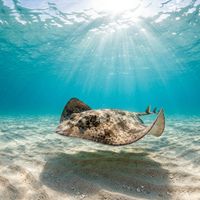
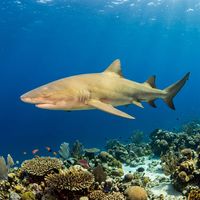
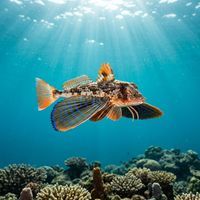
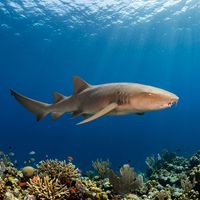
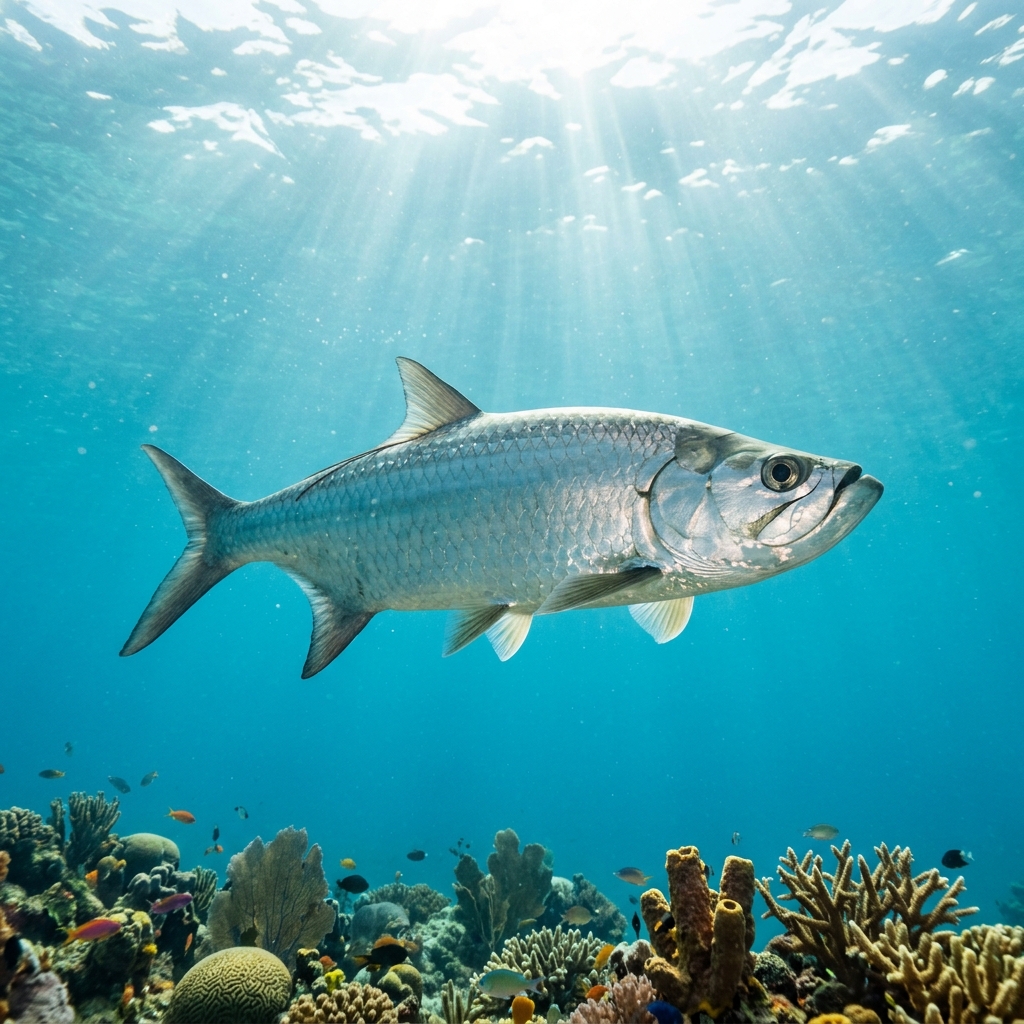
Florida's Gulf Coast mixes freshwater spring systems with coastal artificial reefs and wrecks, giving divers a truly varied menu. Crystal River and North Florida Springs draw visitors for cave, cavern, and drift dives in gin-clear freshwater alongside West Indian Manatee. Tampa Bay offers wrecks and artificial reefs at a range of depths and skill levels. Naples and Marco add deeper wall and drop-off terrain. The West Indian Manatee, Atlantic Goliath Grouper, Bonnethead, and Butterfly Ray are among the region's most commonly sighted animals.
4 areas
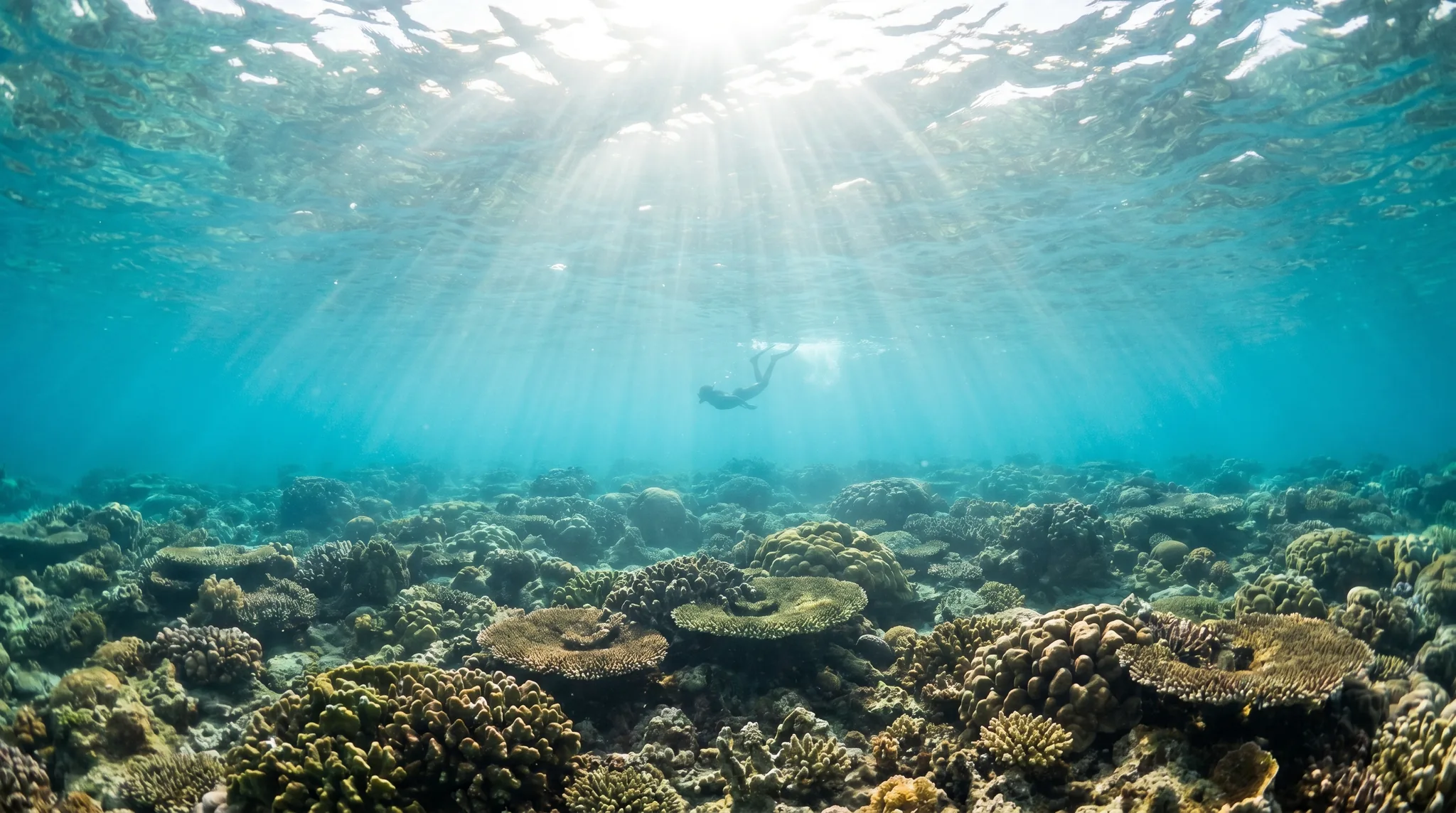
Monthly water temperature across Gulf Coast's sites, from satellite sea-surface data corrected for depth. The band shows the site-to-site spread.
Water is coolest from late winter into early spring, when thinner wetsuits suit warmer months and heavier exposure suits are advisable in winter. Summer brings the warmest conditions and sees the highest concentration of favourable dive ratings. Autumn also scores well, offering warm water and reduced summer crowds, while January and December sit at the quieter ends of the calendar.
86 operators

109 more sites to explore
An artificial reef and wreck-rich bay where West Indian Manatee, Atlantic Goliath Grouper and Bonnethead are regularly encountered across sites suited to all levels.
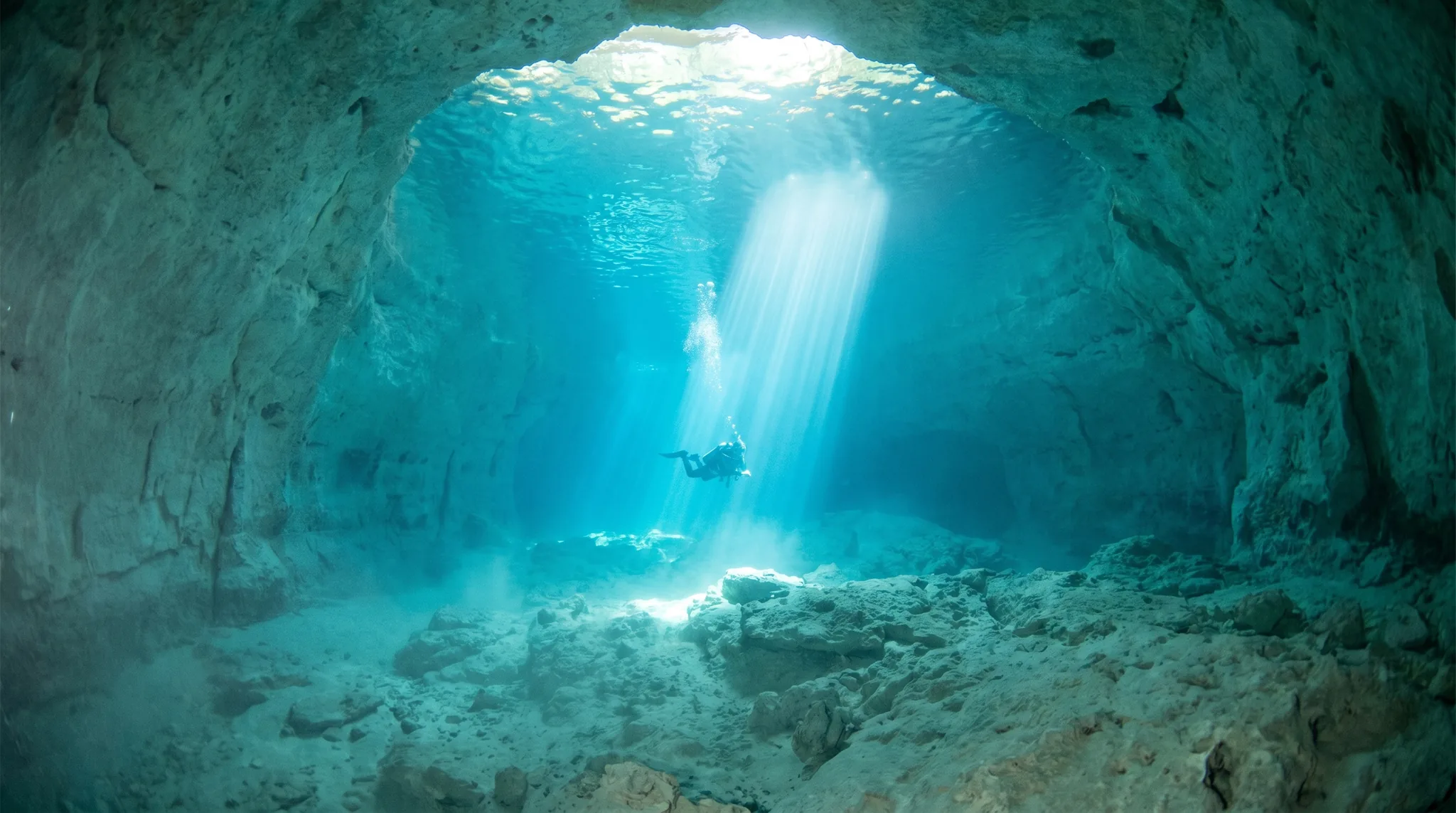
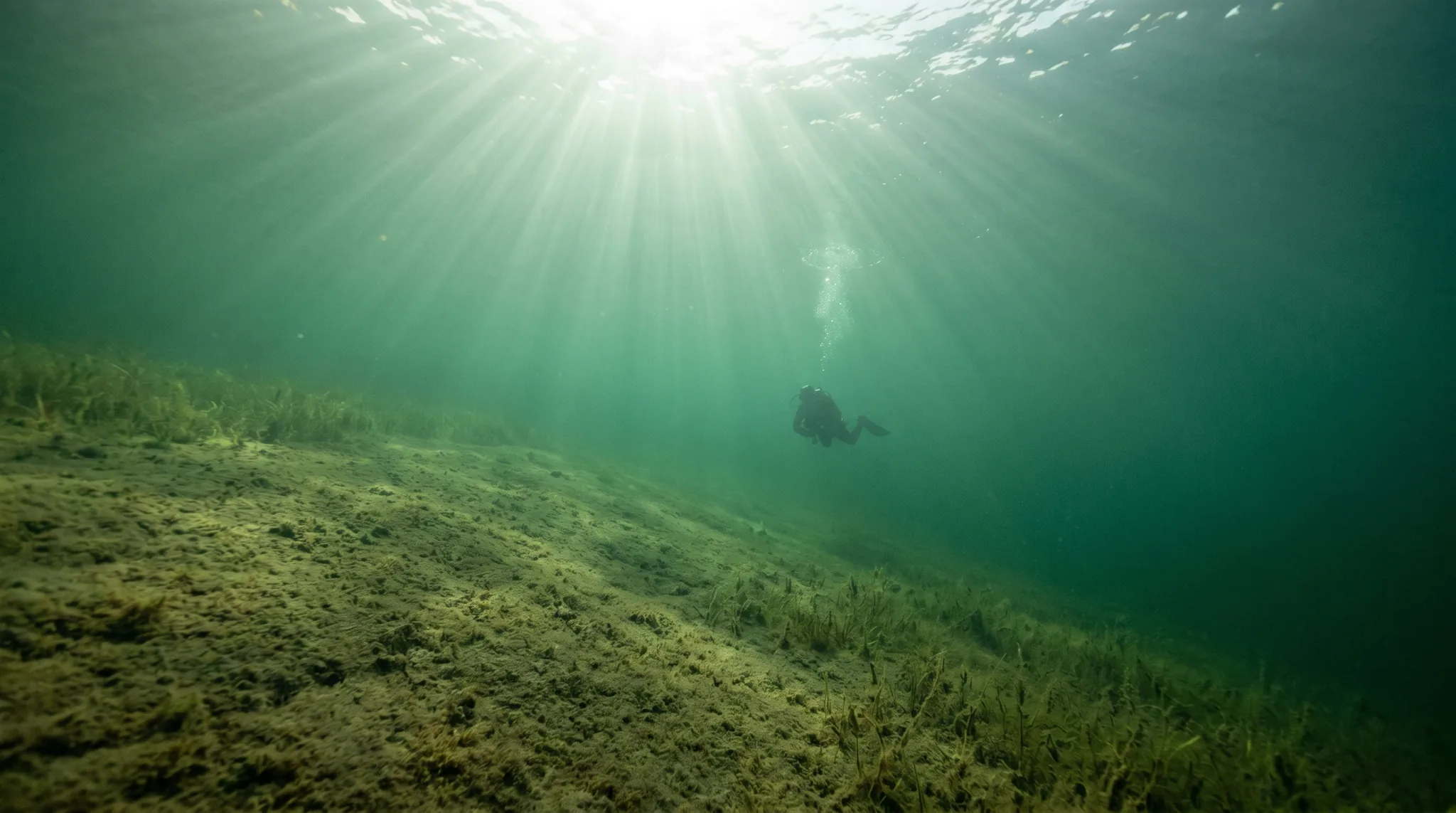
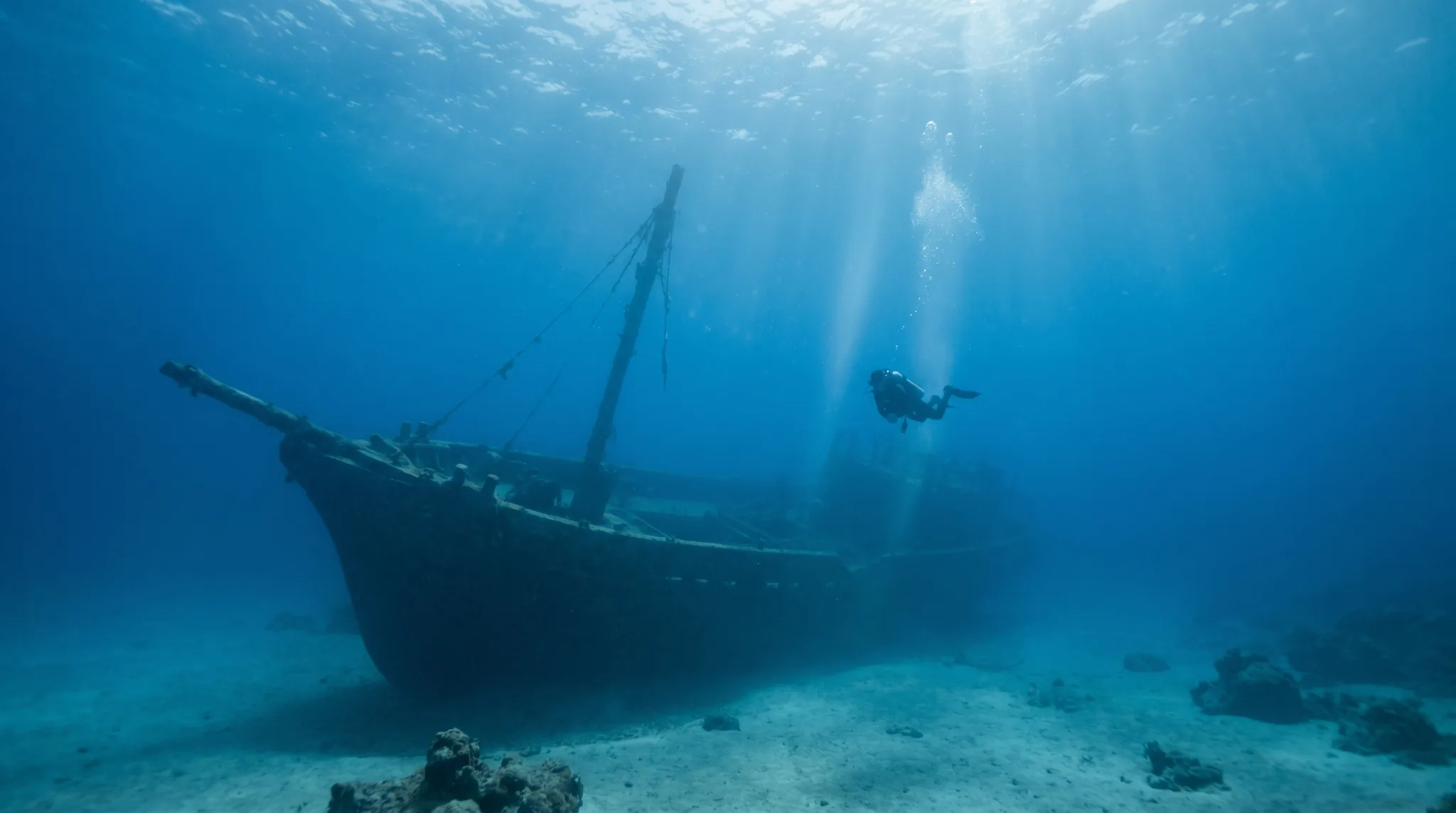
Water temperature around Gulf Coast ranges from about 18°C in January to 30°C in July, based on satellite sea-temperature data for its dive sites.
In the warm season (about 30°C) a rash guard or 3mm shorty is comfortable in Gulf Coast; in the coldest months (about 18°C) step up to a 5mm suit.
Fin maps 121 sites in Gulf Coast (102 scuba diving sites and 40 snorkelling spots, with some suited to both), organised into 4 areas.
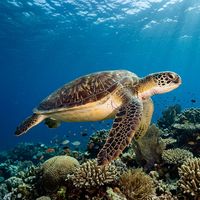
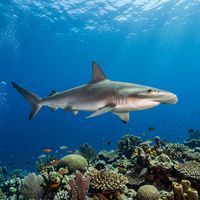
The Gulf Coast has a broad species list drawn from both freshwater and coastal habitats. West Indian Manatee and Atlantic Goliath Grouper are commonly sighted, as are Bonnethead, Butterfly Ray, Atlantic Tarpon, and Snake Eel. Lemon Shark and Nurse Shark appear occasionally, and Green Sea Turtle is a regular presence across many sites.
A good share of sites here are rated beginner level, including Rainbow River, Ginnie Springs, Catfish Hotel Sink, and several artificial reefs around Tampa Bay and Naples. Shore entry is common, removing the need for boat skills at many locations. That said, sites like Eagle's Nest and Black Hole are reserved for advanced or expert divers with specialist cave certifications.
Tampa Bay is dominated by wrecks and artificial reefs spread across a range of depths, with sites suited from beginner to intermediate level. Crystal River and North Florida Springs focus on freshwater cave, cavern, and drift diving, and are where manatee encounters are most likely. Naples and Marco bring deeper coastal terrain including walls and drop-offs, with sites such as Black Hole requiring advanced skills.
Both entry types are well represented across the Gulf Coast. Freshwater spring sites such as Ginnie Springs, Buford Sink, and Eagle's Nest are shore-entry dives reached on foot. Coastal artificial reefs and wrecks around Tampa Bay and Naples, including R Tower and Boca Grande Wreck, are typically accessed by boat. Some sites like Venice Beach offer the choice of either.