Gorgonia ventalina
Spot Purple Sea Fan year-round in the Yucatán Peninsula and Roatán. Here's how to identify it and where divers log it most across the Caribbean.
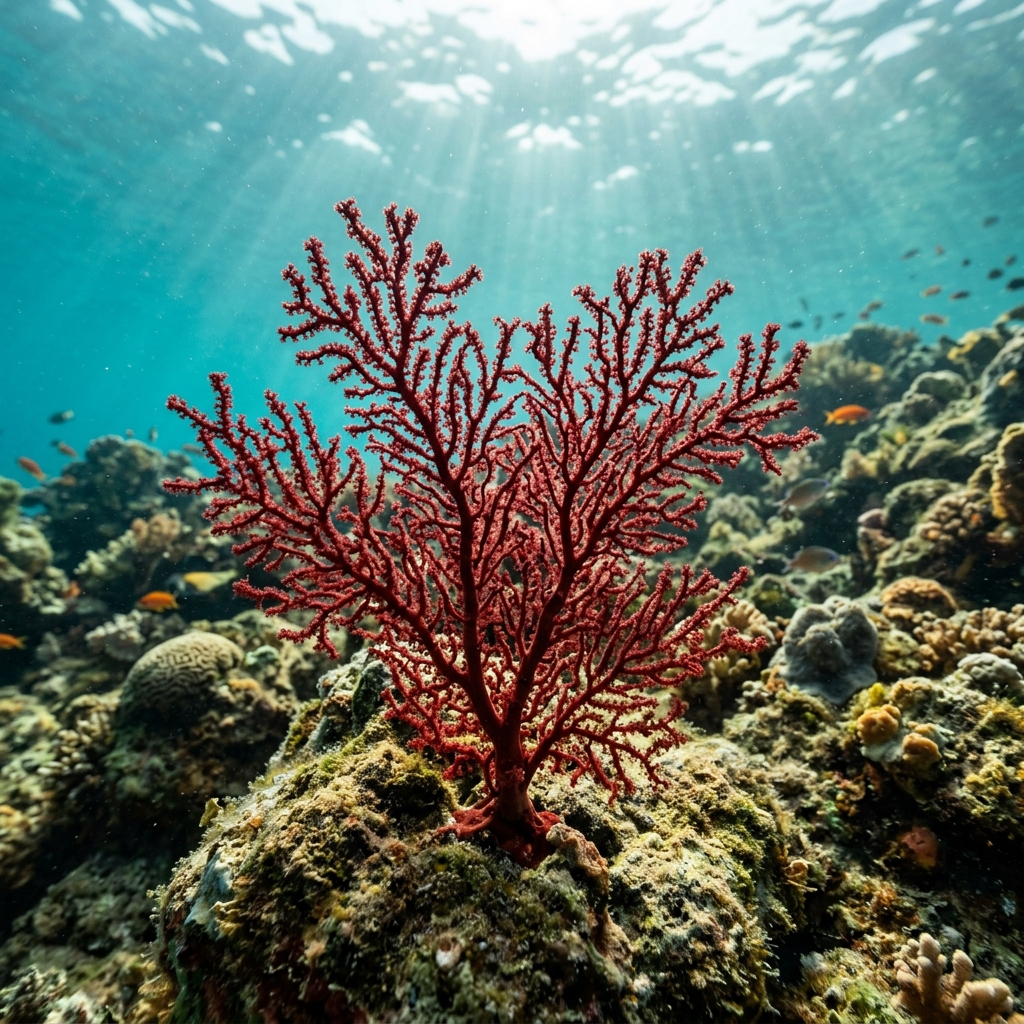
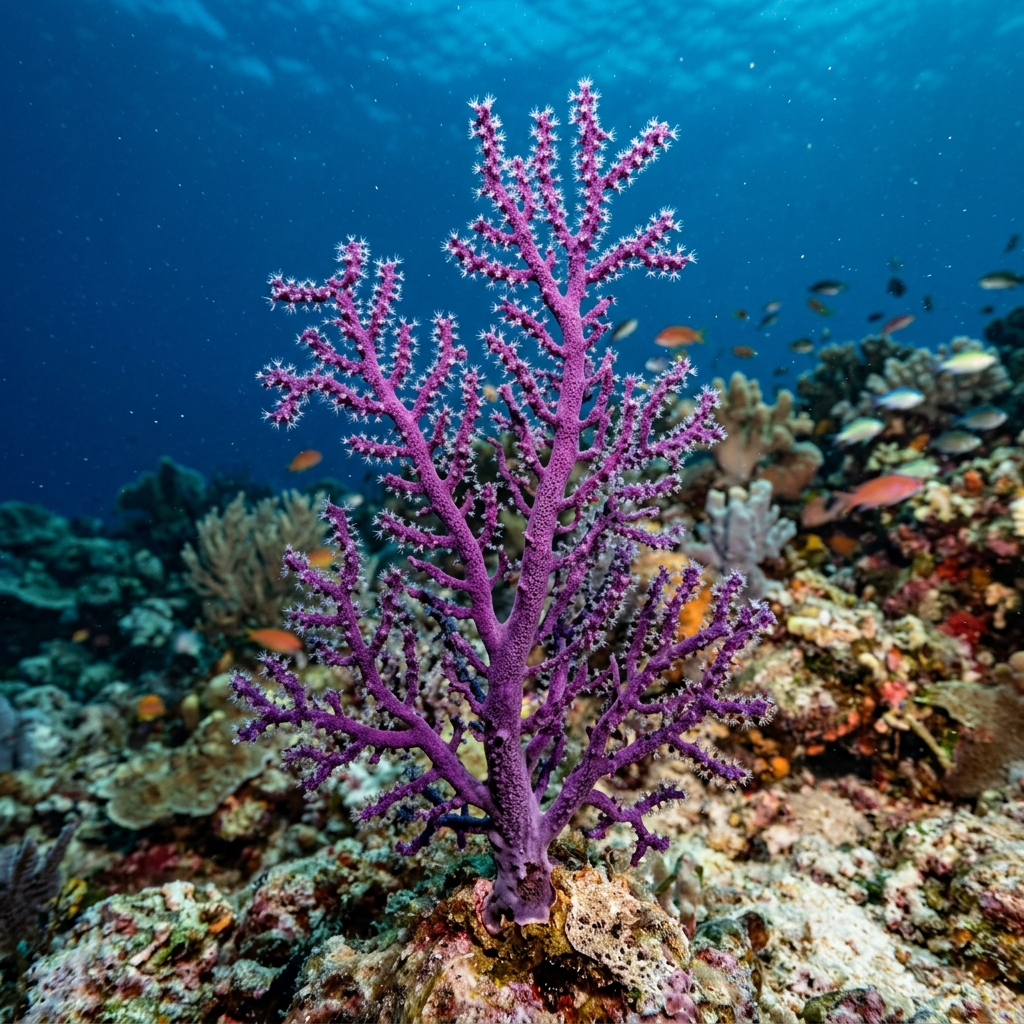
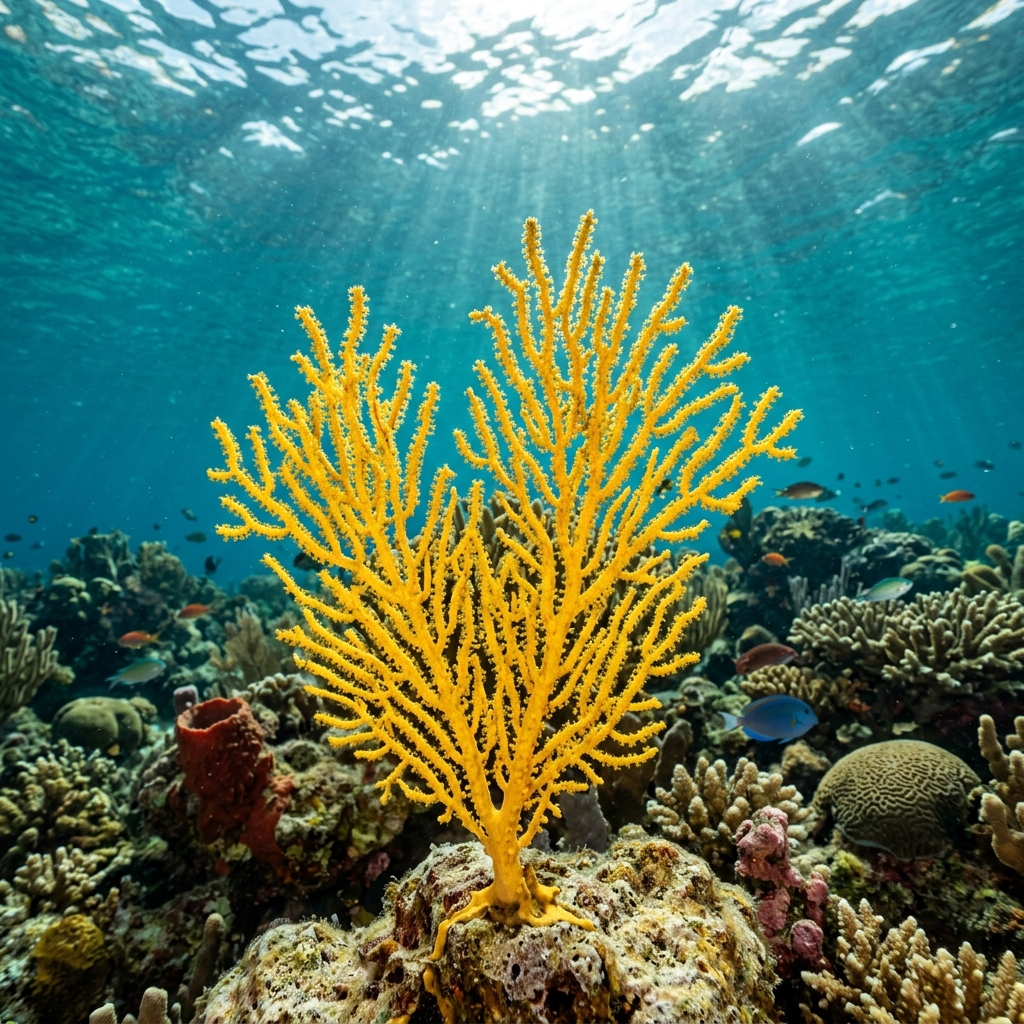
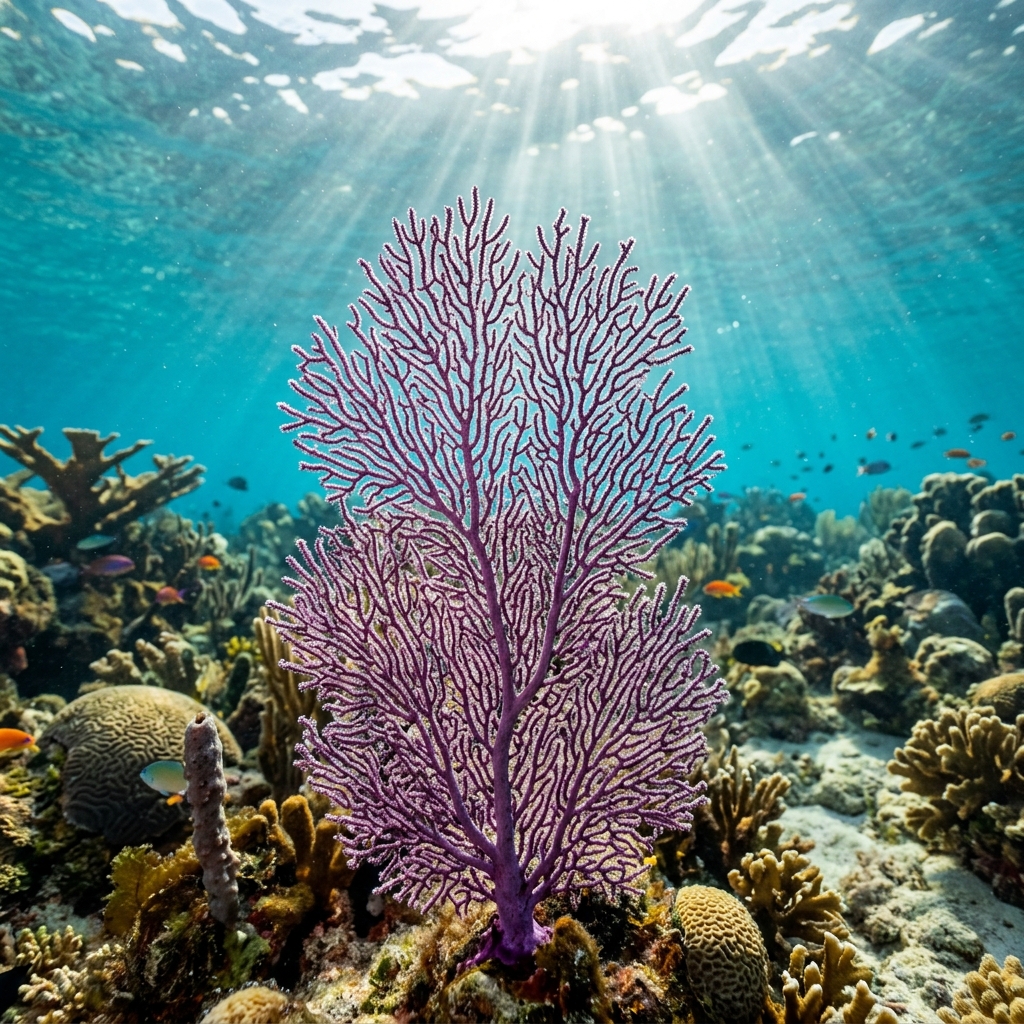
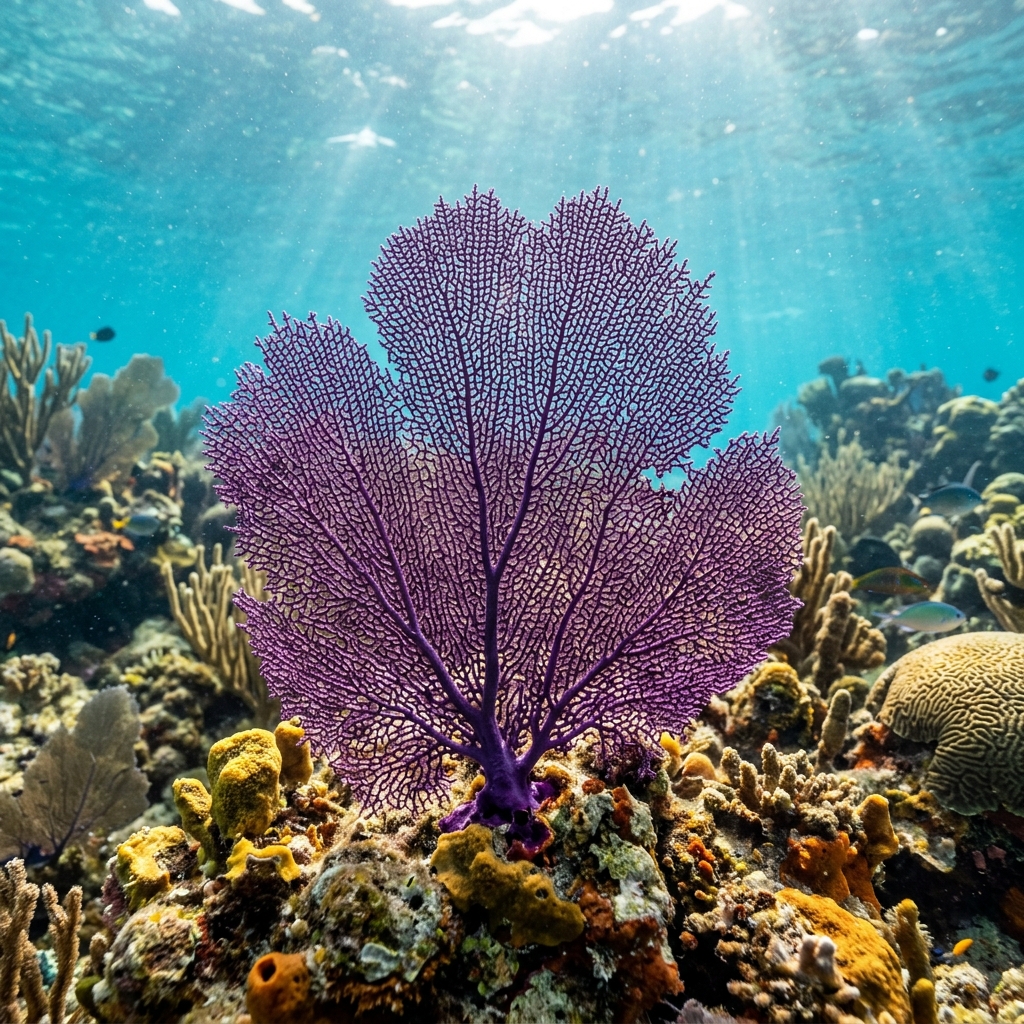
A broad, flat fan of densely interlocking branches fanning out in a single plane, typically in shades of deep purple or violet. The colony grows perpendicular to the prevailing current, which is one of its most distinctive features in situ. At shallow depths the purple colouration is vivid and easy to pick out against the reef background.
Being a sessile filter feeder, it stays exactly where it is, slowly capturing plankton and fine organic particles from passing water. The most telling thing to watch for is its orientation: colonies consistently face perpendicular to the current to maximise water flow across the fan. It poses no reaction to divers, but the delicate branching structure is fragile, so close observation is fine as long as you keep clear and manage your buoyancy carefully.
The fan's lattice of branches is not random: the spacing and branching pattern is fine-tuned to create a near-optimal mesh for trapping planktonic prey while minimising structural stress from the current.
Present year-round with no concentrated season, which matches its tropical water-temperature niche of roughly 25 to 29 °C. Any time you are diving Caribbean reefs within that temperature range, conditions are suitable.
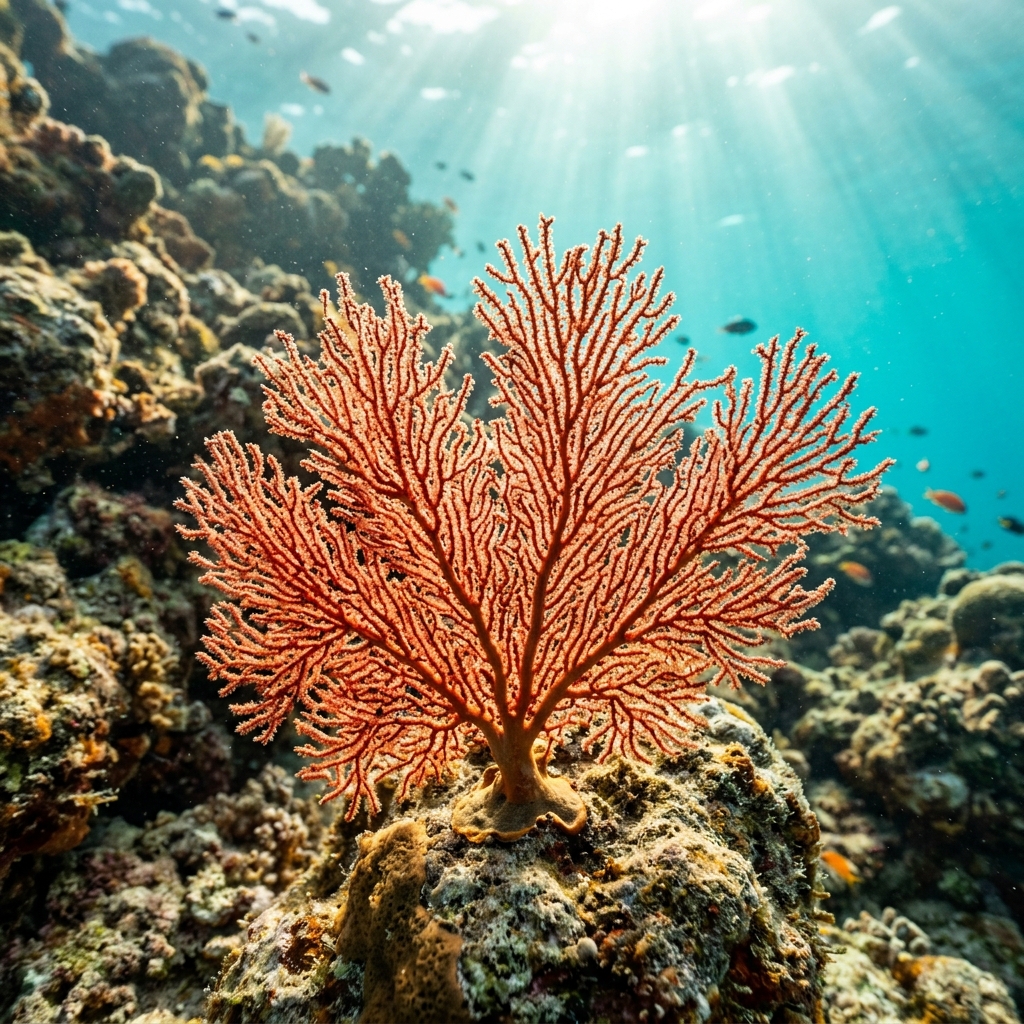
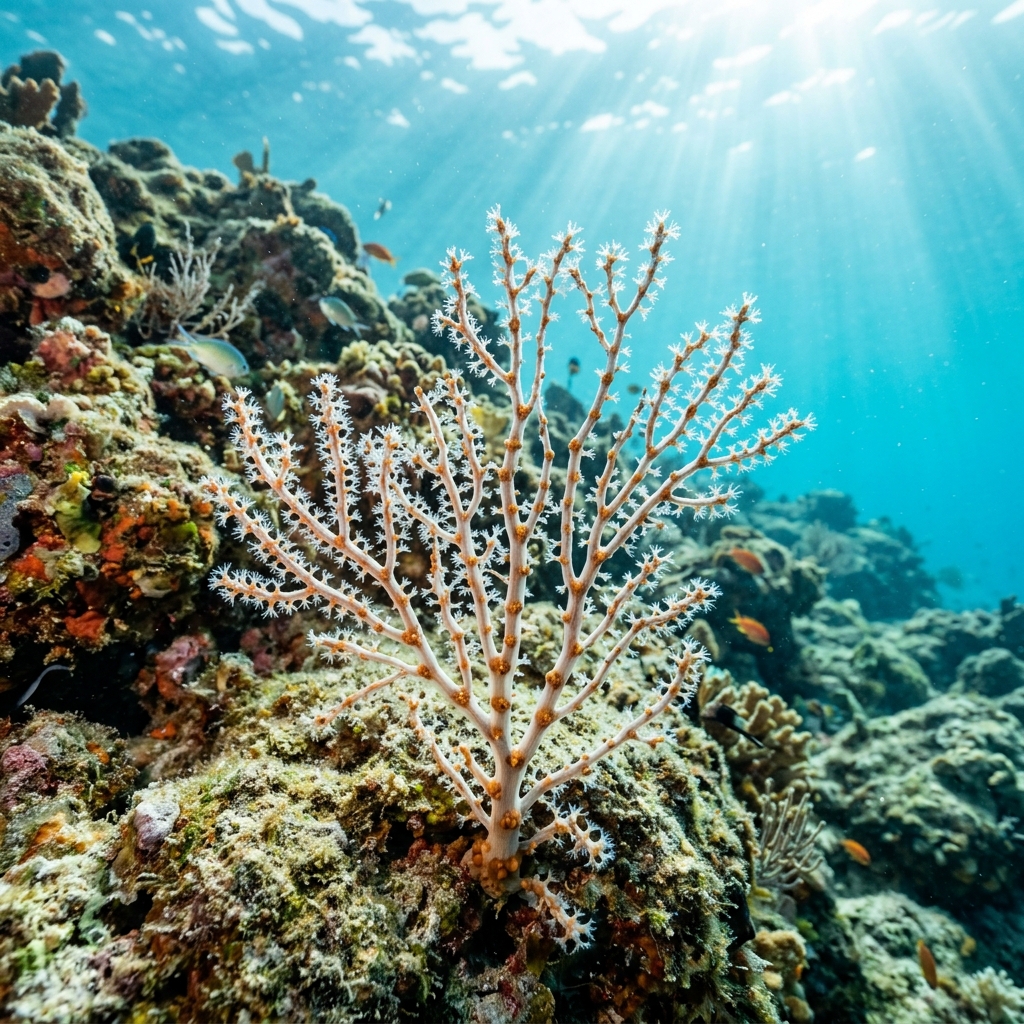
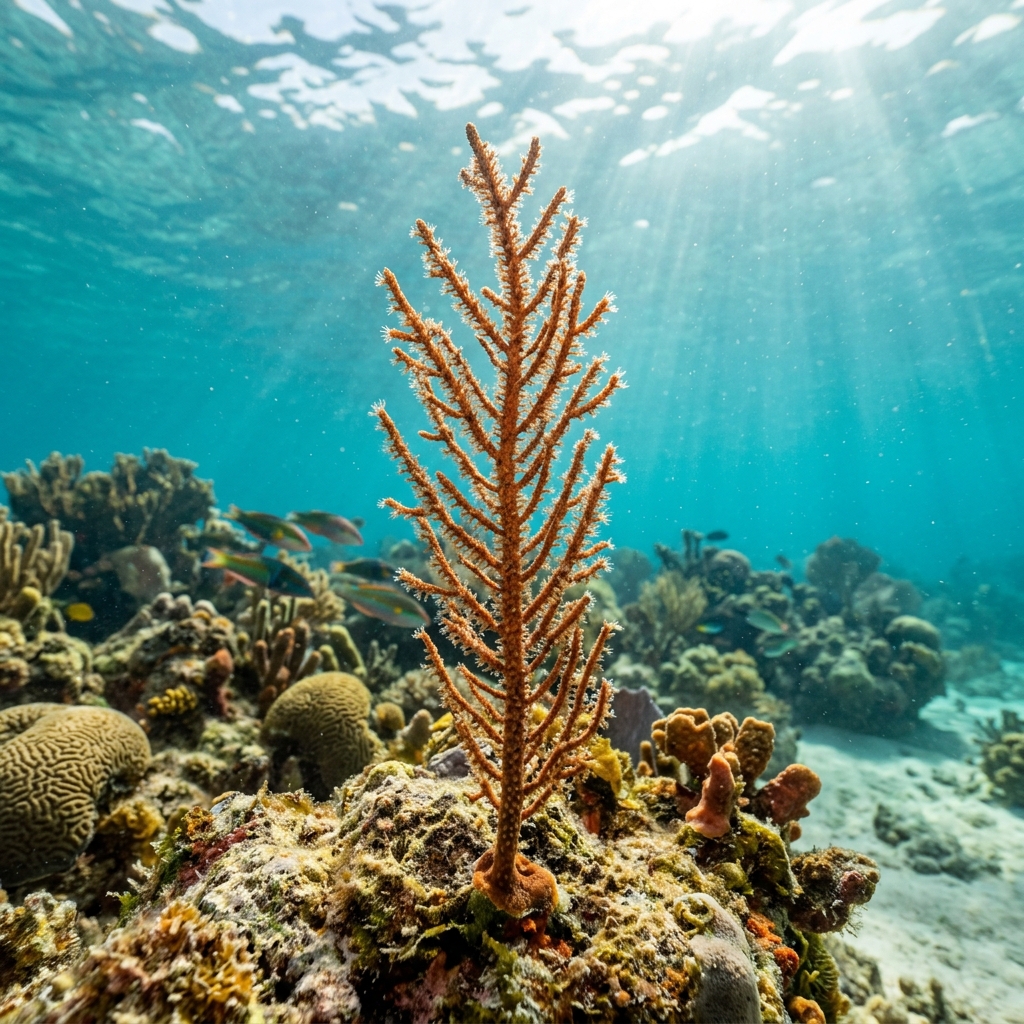
Reef neighbours a diver could mistake it for. Use the identification notes above to tell them apart.
Most commonly logged across the wider Caribbean, with particularly strong representation on the Yucatán Peninsula and throughout Florida and the Southeast United States. Roatán in Honduras, Grand Cayman, and the Caribbean Coast of Colombia are also reliable regions, and sightings extend through the Bahamas, Cuba, and the US and British Virgin Islands.
Mapping where Purple Sea Fan is logged…
The strongest concentrations of logged sightings are on the Yucatán Peninsula in Mexico, across Florida and the Southeast United States, and around Roatán in Honduras. Grand Cayman, the Caribbean Coast of Colombia, the Bahamas, and the British Virgin Islands are also solid options for encountering this species.
There is no single best season. Purple Sea Fans are present year-round on the tropical reefs where they live, which aligns with their observed water-temperature range of around 25 to 29 °C. Plan your dive trip by destination rather than season.
Look for a wide, flat, net-like colony in deep purple or violet tones growing in a single plane on the reef. The colony is almost always oriented at a right angle to the current. That combination of colour, flat fan shape, and current-aligned positioning makes it fairly distinctive in the Caribbean.
No, they pose no hazard to divers. The main concern runs the other way: accidental contact from fins or hands can damage the fragile colony. Good buoyancy control before approaching is all that is needed.
They grow their fan perpendicular to the dominant current so that the maximum surface area of the colony intercepts passing water. This increases the volume of plankton and organic particles the colony can filter, and is a reliable orientation cue you can use to read current direction on a reef.
Site and sighting data is aggregated from diver logs, iNaturalist and GBIF. For taxonomy and conservation status:
Red Gorgonian
3,278 sites