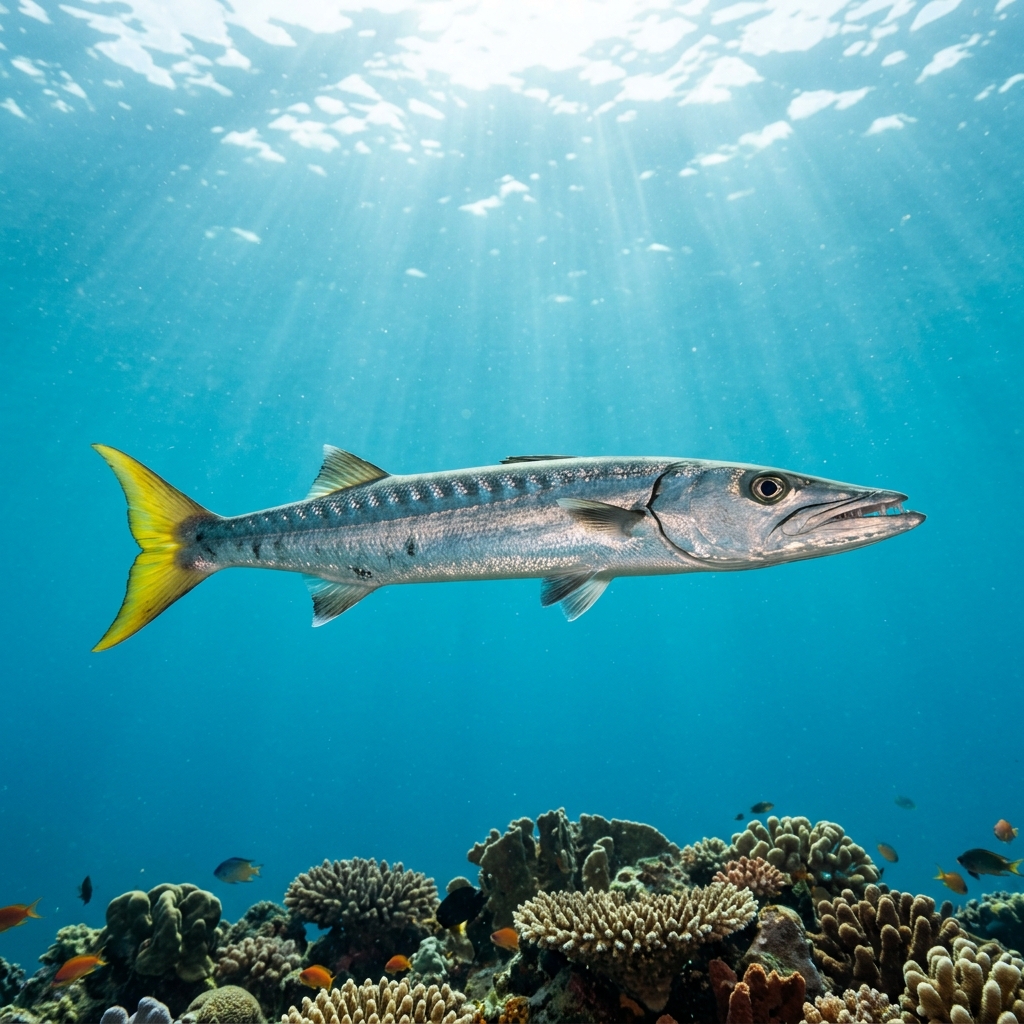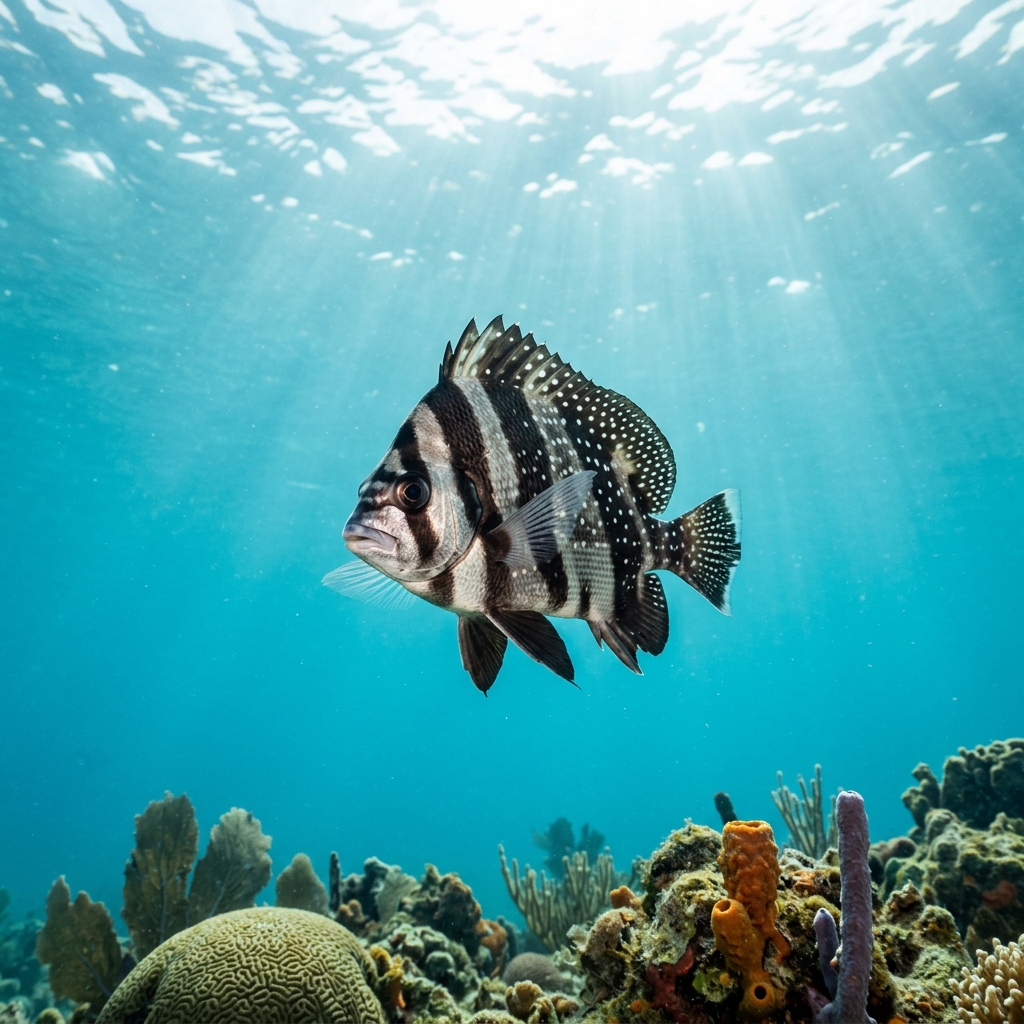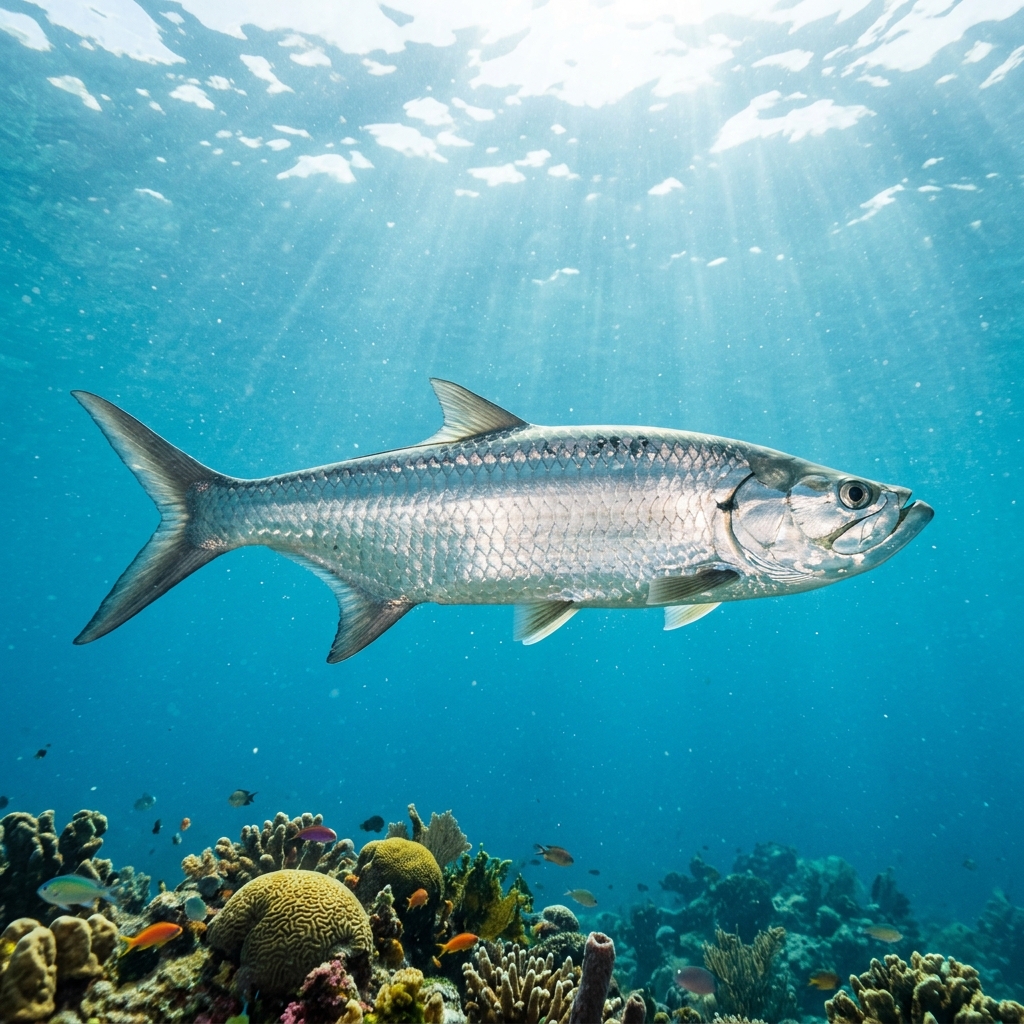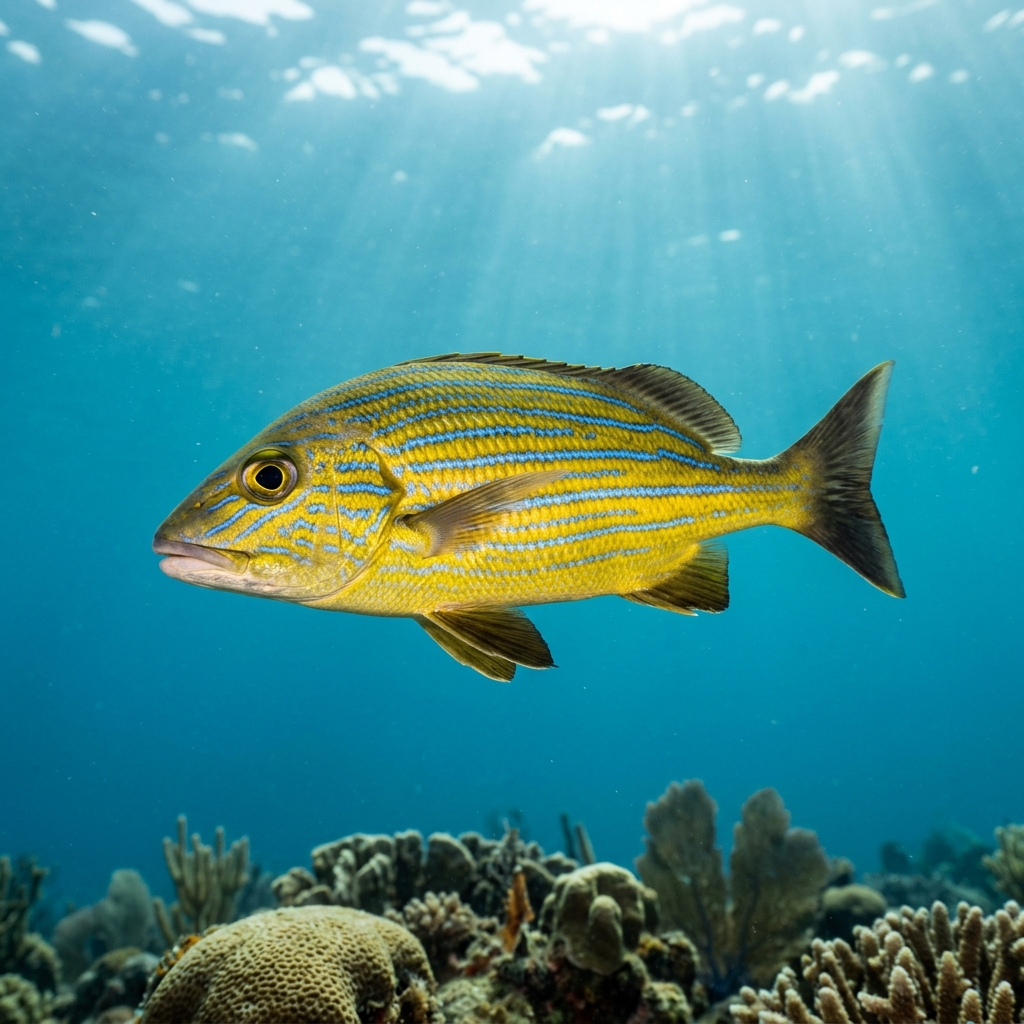
Best for beginner divers, 18-25m, boat entry, mild current.
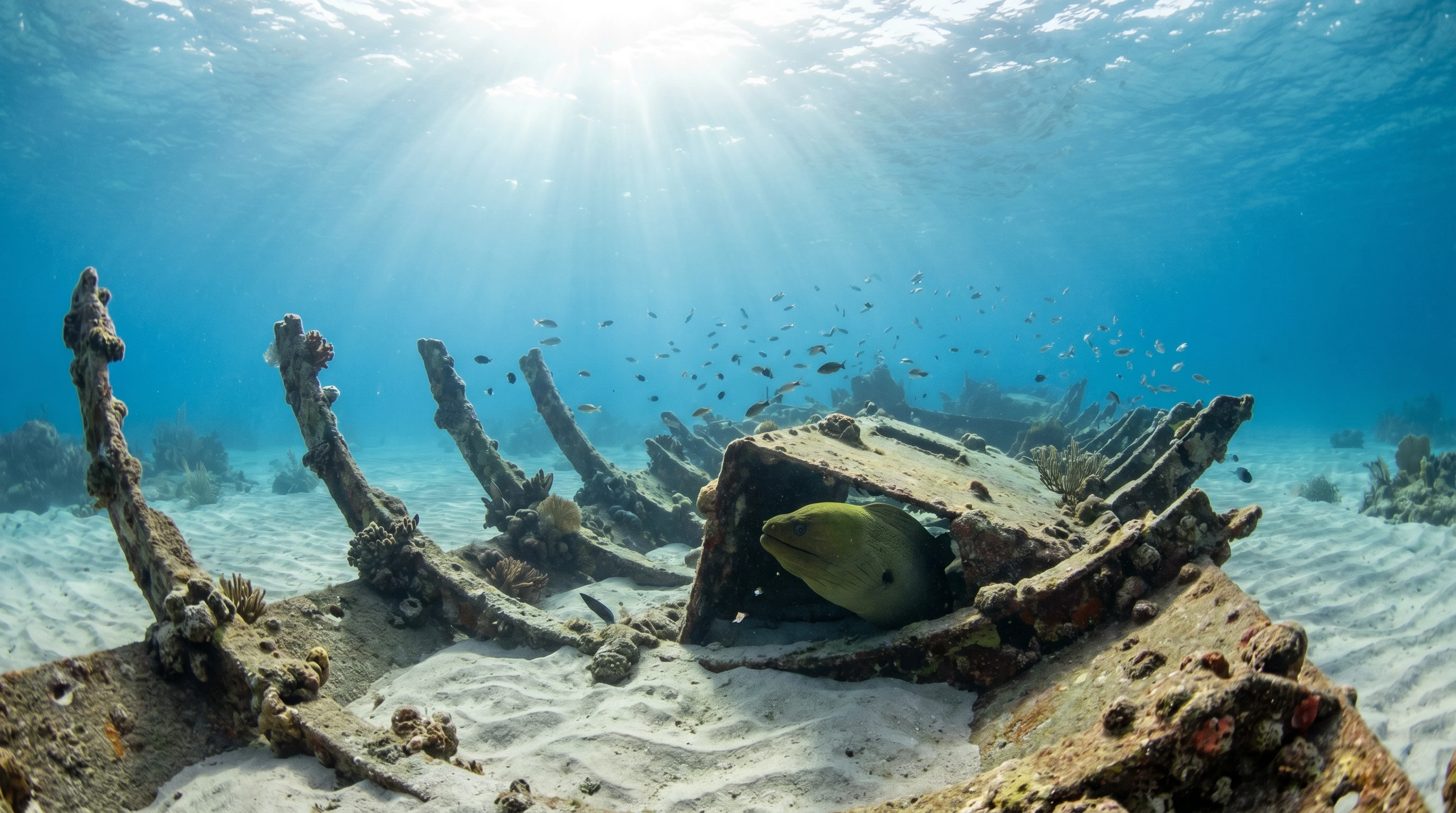
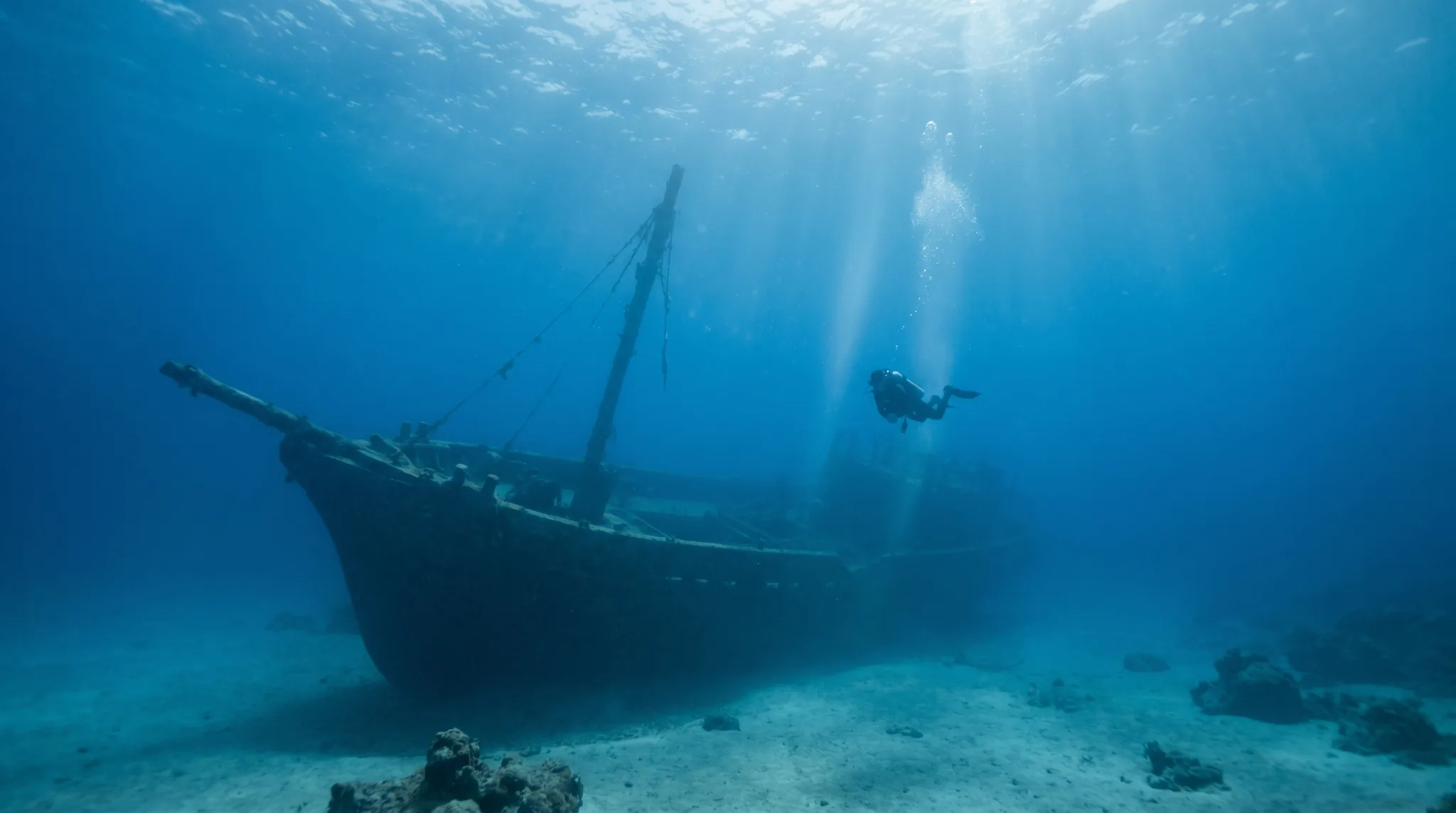
The City of Washington is a shipwreck located in the Molasses Reef Area, resting at depths between 18 and 25 metres. Now integrated into the surrounding reef system, the wreck serves as an artificial reef structure. Divers can expect mild currents, making it suitable for beginners, though visibility varies significantly from 5 to 25 metres. Water temperatures remain comfortable, ranging from 24 to 28 degrees Celsius throughout the year. Access is by boat only. Divers should exercise caution regarding boat traffic when surfacing and avoid contact with the sharp metal edges of the wreck and surrounding coral to prevent injury.
25.08786, -80.15354
Watch your buoyancy carefully around the wreck, as the coral growth and exposed metal edges are sharp and easy to brush against accidentally. Boat traffic in the area can be active, so follow your dive operator's briefing on surface signalling and ascent procedures.
Located approximately 550 yards northeast of Elbow Reef lighthouse.
Recorded at this site
Depth
18-25m
Visibility
5-25m
Skill Level
Beginner
Entry
Boat
Boat required
Water Temp
24-28°C
Current
Mild
Yes, the site is rated for beginner divers, though buoyancy control is important due to the sharp structure of the wreck.
The wreck sits at a depth of 18 to 25 metres.
This is a boat-only dive site; a boat is required to reach the location.
Divers should watch for active boat traffic when surfacing and avoid contact with sharp coral and exposed metal edges on the wreck.
Yes, night diving is permitted at this site.
Diving at City of Washington in Key Largo requires the following certifications: Open Water. Always dive within your training limits.
A 3mm wetsuit is recommended for diving at City of Washington in Key Largo. Water temperatures range from 24°C to 28°C.
City of Washington in Key Largo typically has mild currents that most divers can handle comfortably.
Visibility at City of Washington in Key Largo typically ranges from 5 metres to 25 metres. Conditions vary with weather, tides, and seasons.