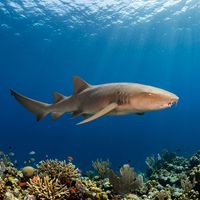
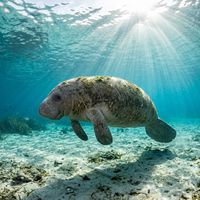
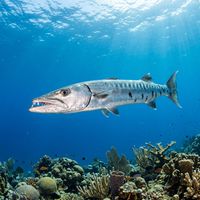
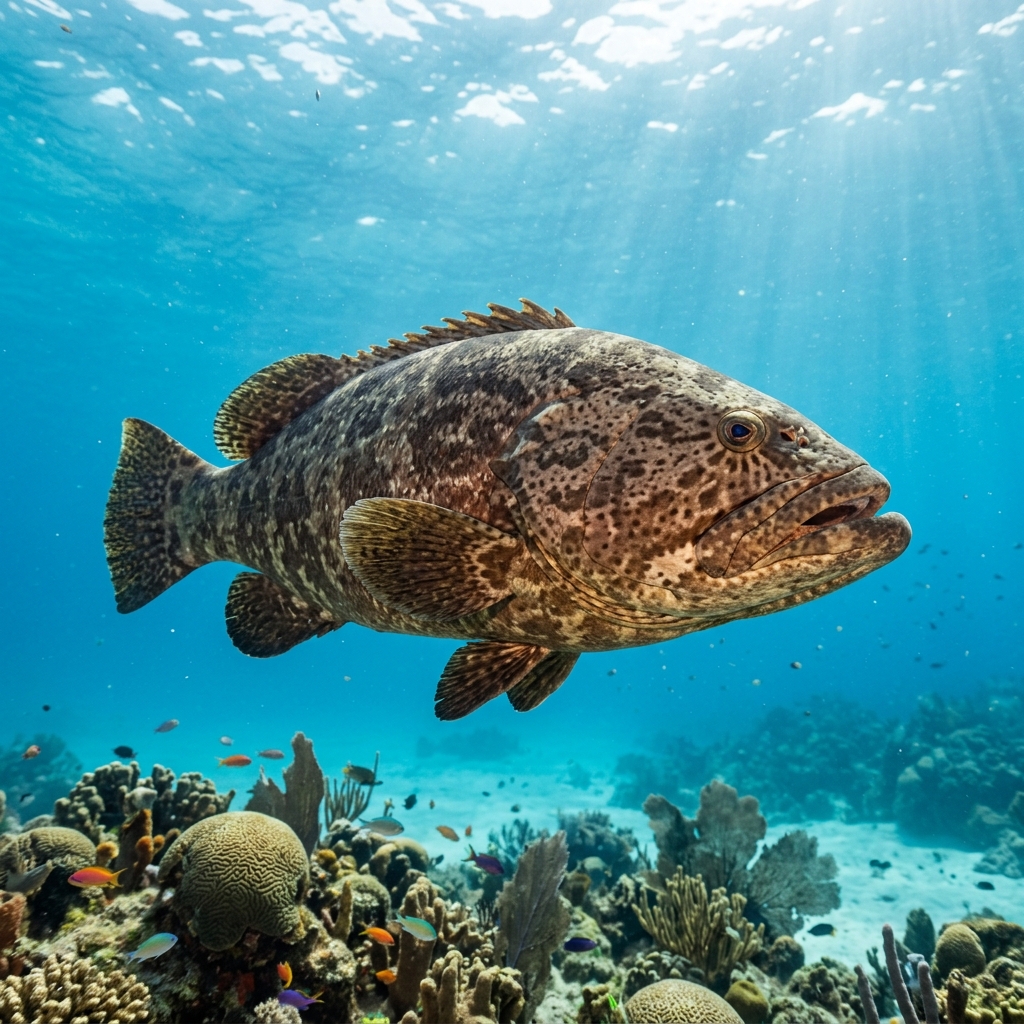
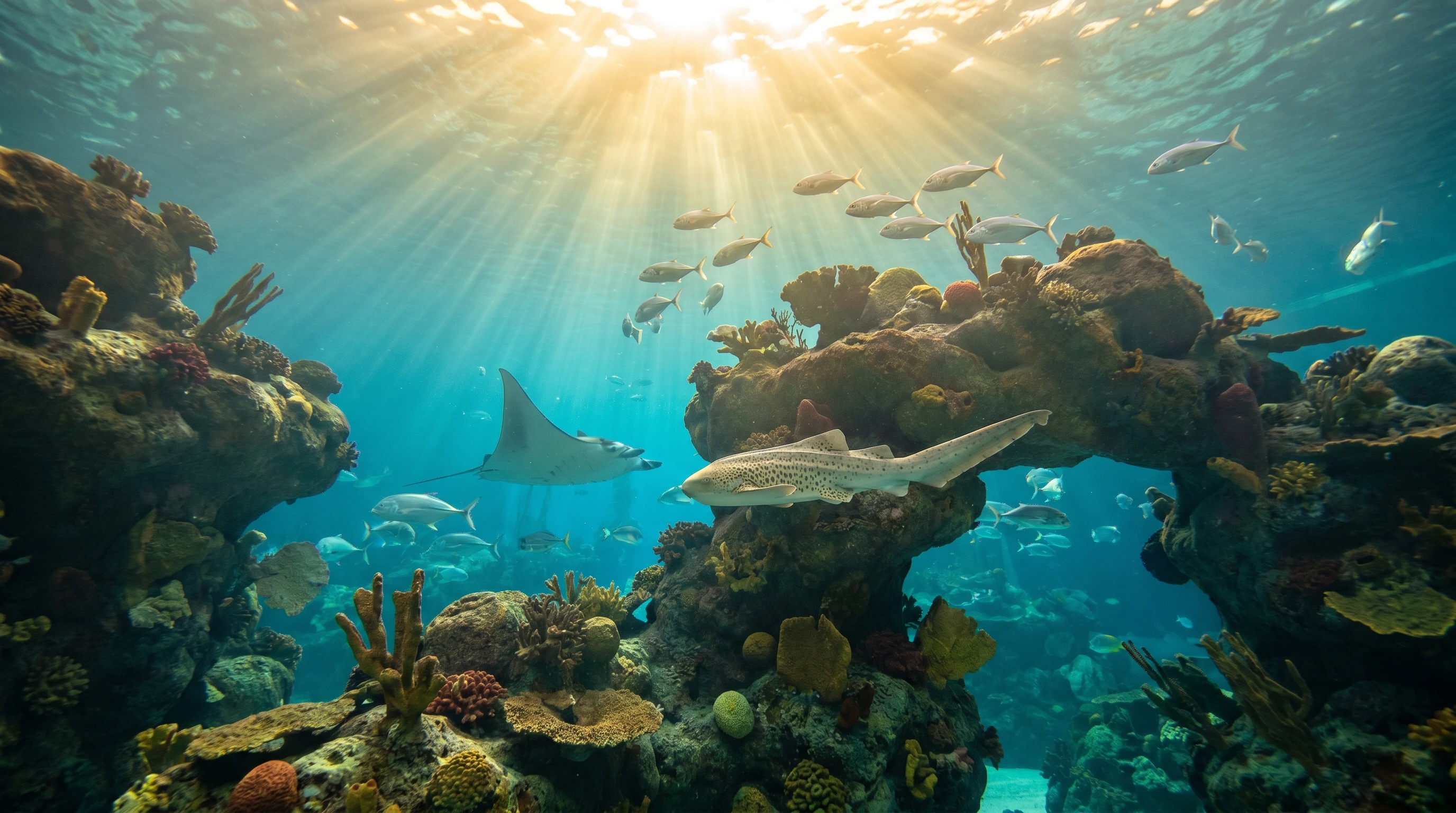
Florida's underwater landscape spans saltwater reefs, deliberately sunk wrecks, freshwater springs and cavern systems, spread across four distinct sub-areas: Southeast Florida, the Florida Keys, the Gulf Coast and the Panhandle. The Keys concentrate reef diving and iconic artificial structures, while the Gulf Coast and Panhandle offer wreck-heavy diving with different seasonal exposure. Southeast Florida adds drift diving along ledge systems. Across all areas, Nurse Shark and Great Barracuda are commonly observed, and signature encounters with West Indian Manatee, Atlantic Goliath Grouper and Smalltooth Sawfish set Florida apart from almost any comparable temperate or subtropical destination.
4 areas
 173
173Drift diving along wrecks and reefs with Nurse Shark, Great Barracuda and Atlantic Goliath Grouper as regular sightings.
 161
161A chain of wreck and reef diving spread across three sub-areas, with Nurse Shark, Great Barracuda and a vast species list throughout.
 121
121Freshwater springs, coastal wrecks, and encounters with West Indian Manatee define Florida's Gulf Coast dive scene.
104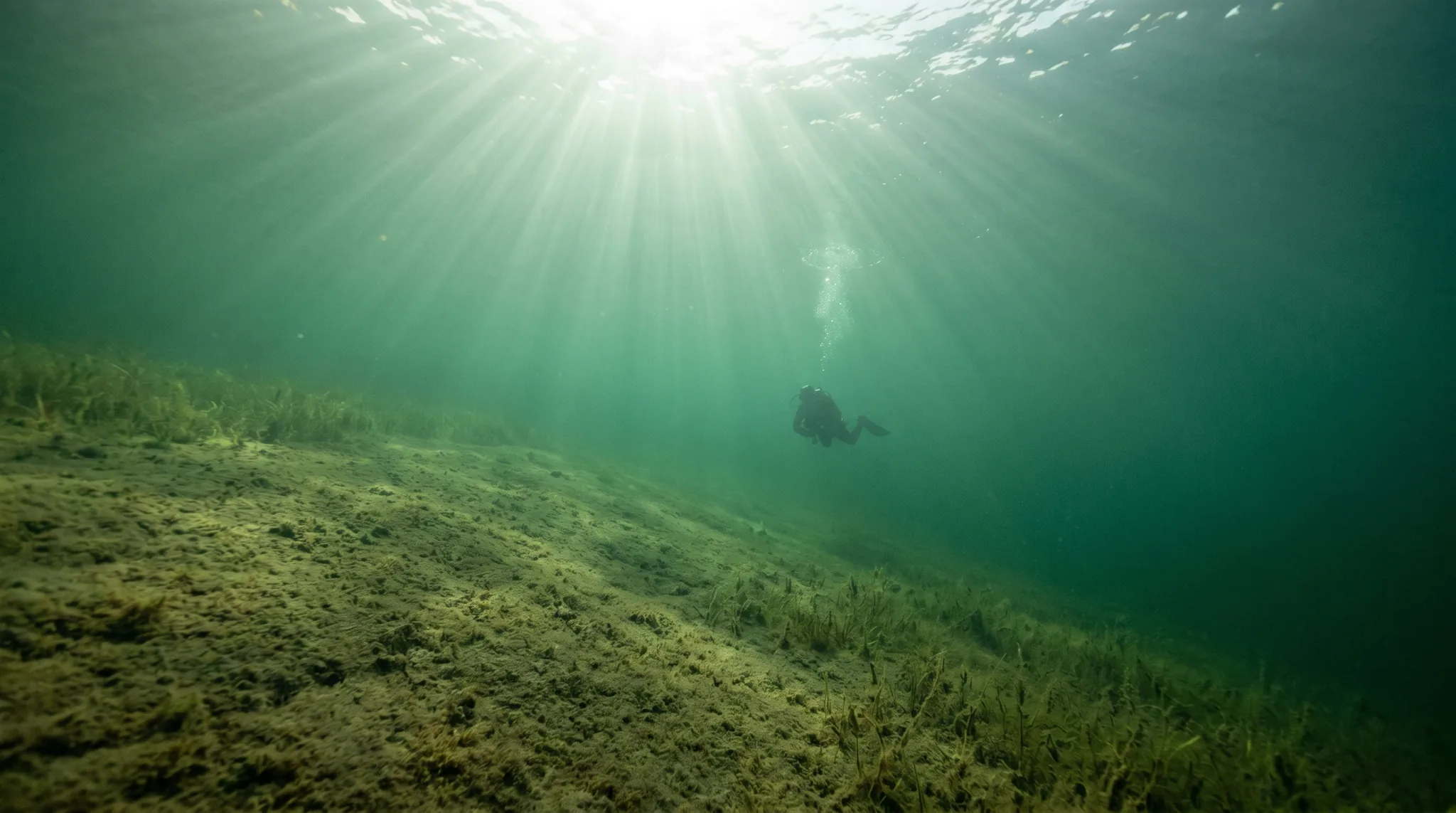
Monthly water temperature across Florida's sites, from satellite sea-surface data corrected for depth. The band shows the site-to-site spread.
Water temperatures remain warm year-round, rising through late spring and peaking across the summer months before easing gradually into autumn. Dive activity is strongest from spring through early autumn, with summer seeing the highest volume of logged dives. Exposed coastal sites can carry stronger currents and variable visibility, particularly on Southeast Florida drift sites and offshore reef systems, so conditions reward checking locally before heading out.
320 operators


Wreck-rich Florida Panhandle diving across two sub-areas, with Atlantic Goliath Grouper, turtles and occasional Whale Shark sightings.
Water temperature around Florida ranges from about 24°C in January to 29°C in July, based on satellite sea-temperature data for its dive sites.
In the warm season (about 29°C) a rash guard or 3mm shorty is comfortable in Florida; in the coldest months (about 24°C) step up to a 3mm full suit.
Fin maps 559 sites in Florida (524 scuba diving sites and 125 snorkelling spots, with some suited to both), organised into 4 areas.
Across Florida's dive sites, May, June, July, August, September and October are most often reported as the best months to visit.
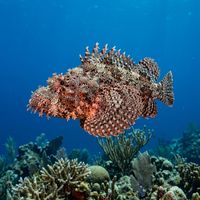
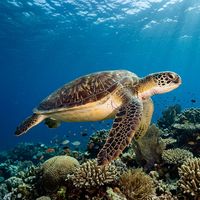
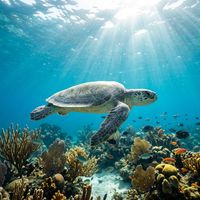
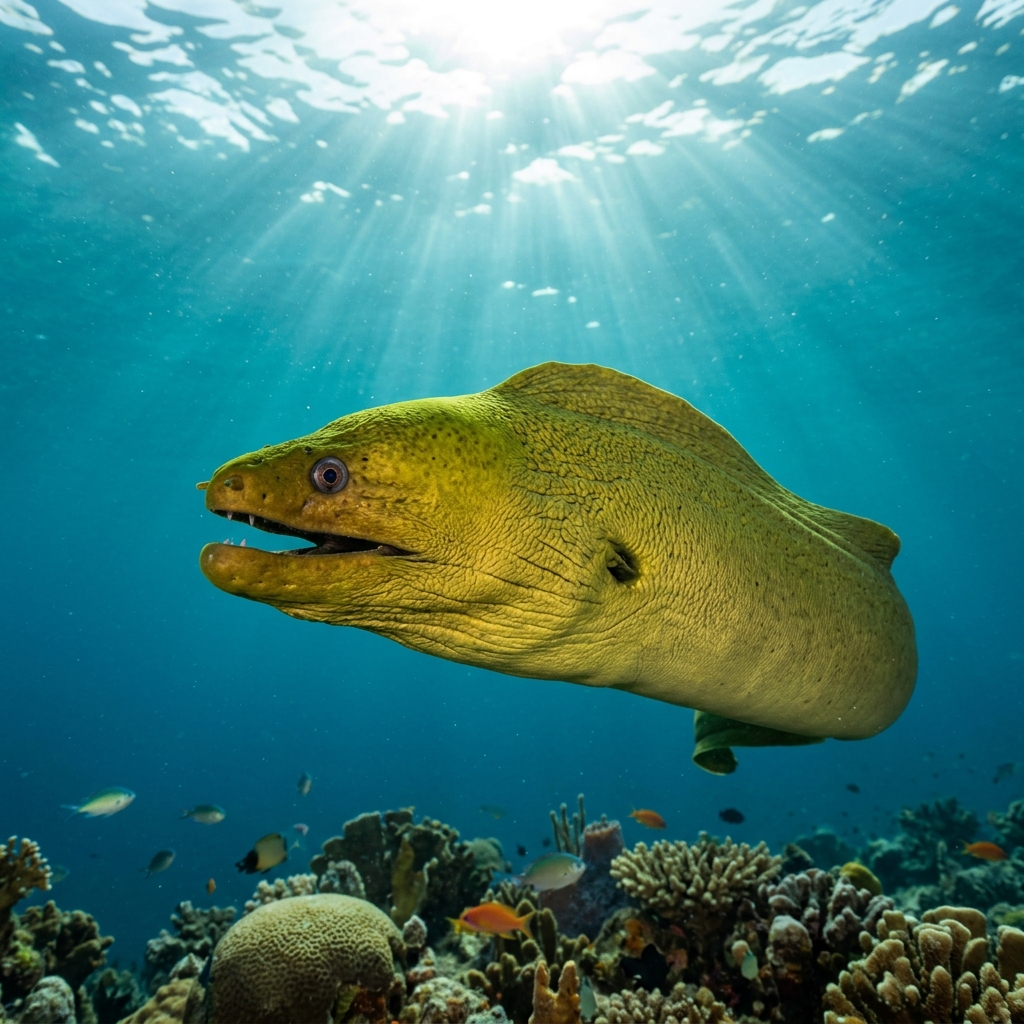
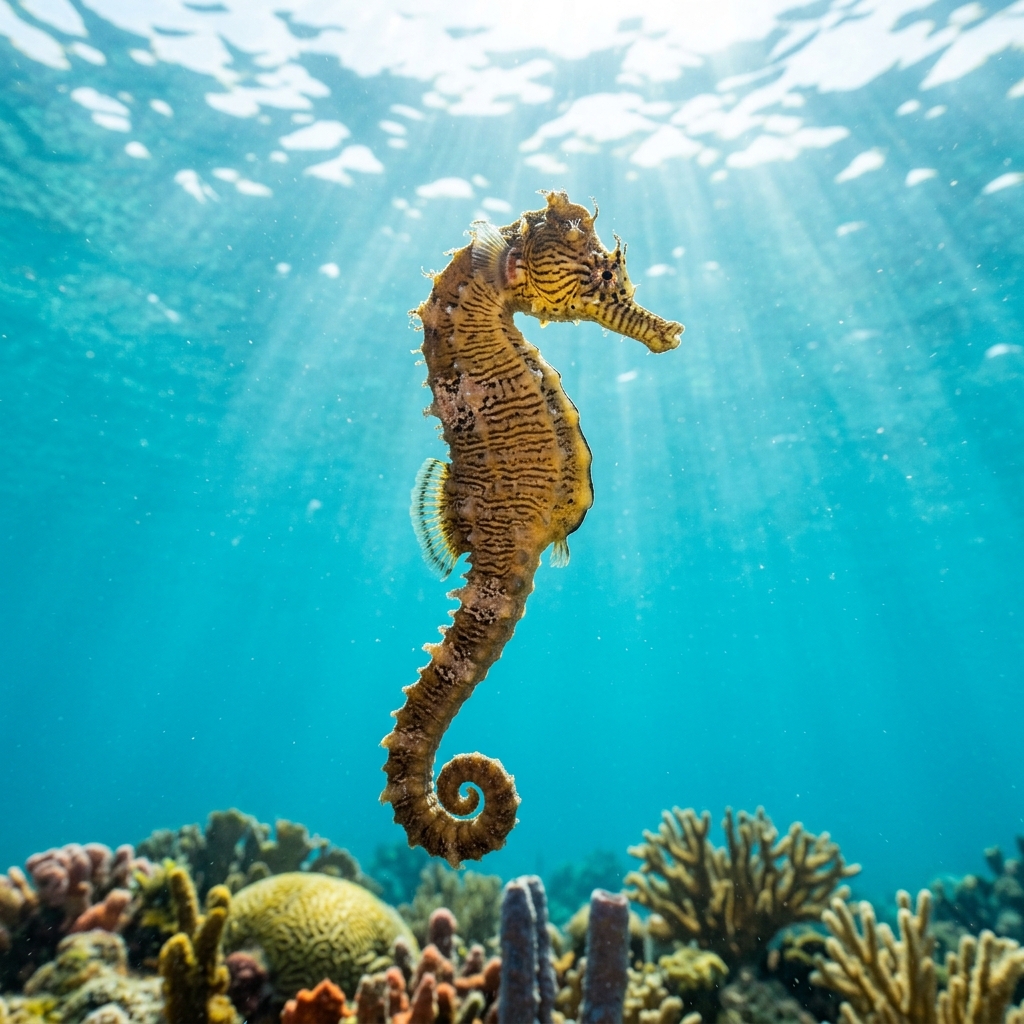
Nurse Shark, Great Barracuda, Spotted Scorpionfish and Atlantic Tarpon are all commonly observed across Florida's sites. Occasional but well-documented encounters include West Indian Manatee, Atlantic Goliath Grouper, Green Sea Turtle, Ridley Turtle and the rare Smalltooth Sawfish. Caribbean Spiny Lobster and Lined Seahorse are also recorded across a wide range of sites.
Florida caters well to all skill levels. Many top sites, including Coral Tree Nursery, Christ of the Abyss and the Windjammer Wreck, are rated beginner-friendly and sit at shallow depths. Intermediate and advanced divers are served by drift sites, deeper reefs and wrecks such as the USS Spiegel Grove, while cave systems like Buford Sink require advanced certification and specific cave training.
The Florida Keys are the reef and artificial structure heartland, home to sites like Christ of the Abyss and Alligator Deep. Southeast Florida leans heavily toward drift diving along ledge systems with strong currents. The Gulf Coast and Panhandle both offer wreck-focused diving in different coastal settings, and the Gulf Coast sub-area also hosts freshwater spring and cavern sites including Rainbow River and Buford Sink.
The majority of Florida's top sites require boat access, including most of the Keys reefs, offshore drift sites in Southeast Florida and the prominent wrecks. Shore entry is available at some sites, such as Destin Jetties in the Panhandle. Operators including Florida Keys Dive Center, Manatee Tour and Dive and Lost Reef Adventures run regular departures across the main sub-areas.