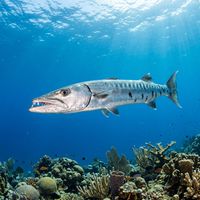
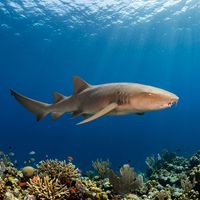
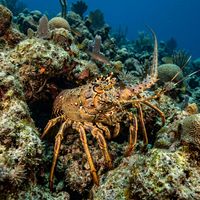
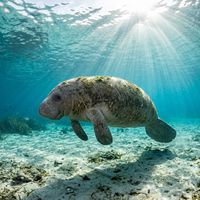
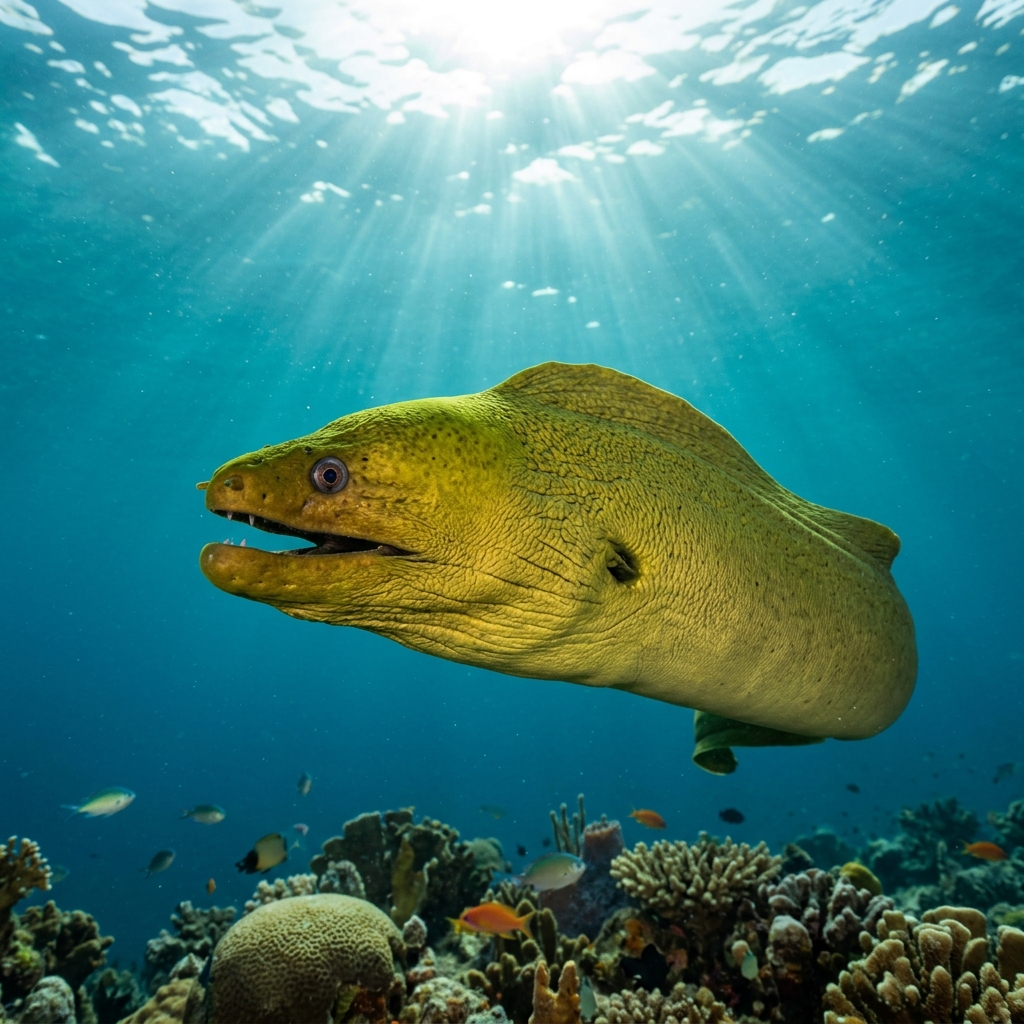
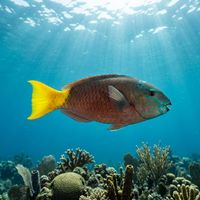
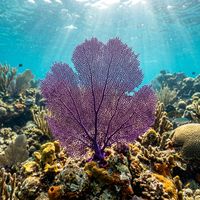
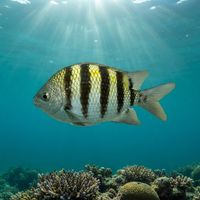
Key West brings together three distinct sub-areas: the Vandenberg Wreck zone, the Sambo Reefs, and Sand Key. Wrecks dominate the dive offering, from shallow beginner-friendly hulls to the vast, advanced USS Vandenberg. Natural reef runs through all three areas, with hard and soft coral sheltering Caribbean Spiny Lobster, Great Barracuda, Nurse Shark, and Atlantic Tarpon. Almost all sites are boat access. Conditions are warm year-round, with the calmest, clearest water drawing most divers from spring through autumn.
3 areas
Monthly water temperature across Key West's sites, from satellite sea-surface data corrected for depth. The band shows the site-to-site spread.
Water stays warm across the year, cooling slightly in winter and peaking mid-summer. Spring through autumn sees the most settled conditions and the strongest diver turnout. The wreck sites in particular benefit from calmer summer seas, while the exposed reef areas at Sand Key can carry moderate currents that sharpen the experience.
20 operators

United States
Big Pine Key, United States
40 more sites to explore

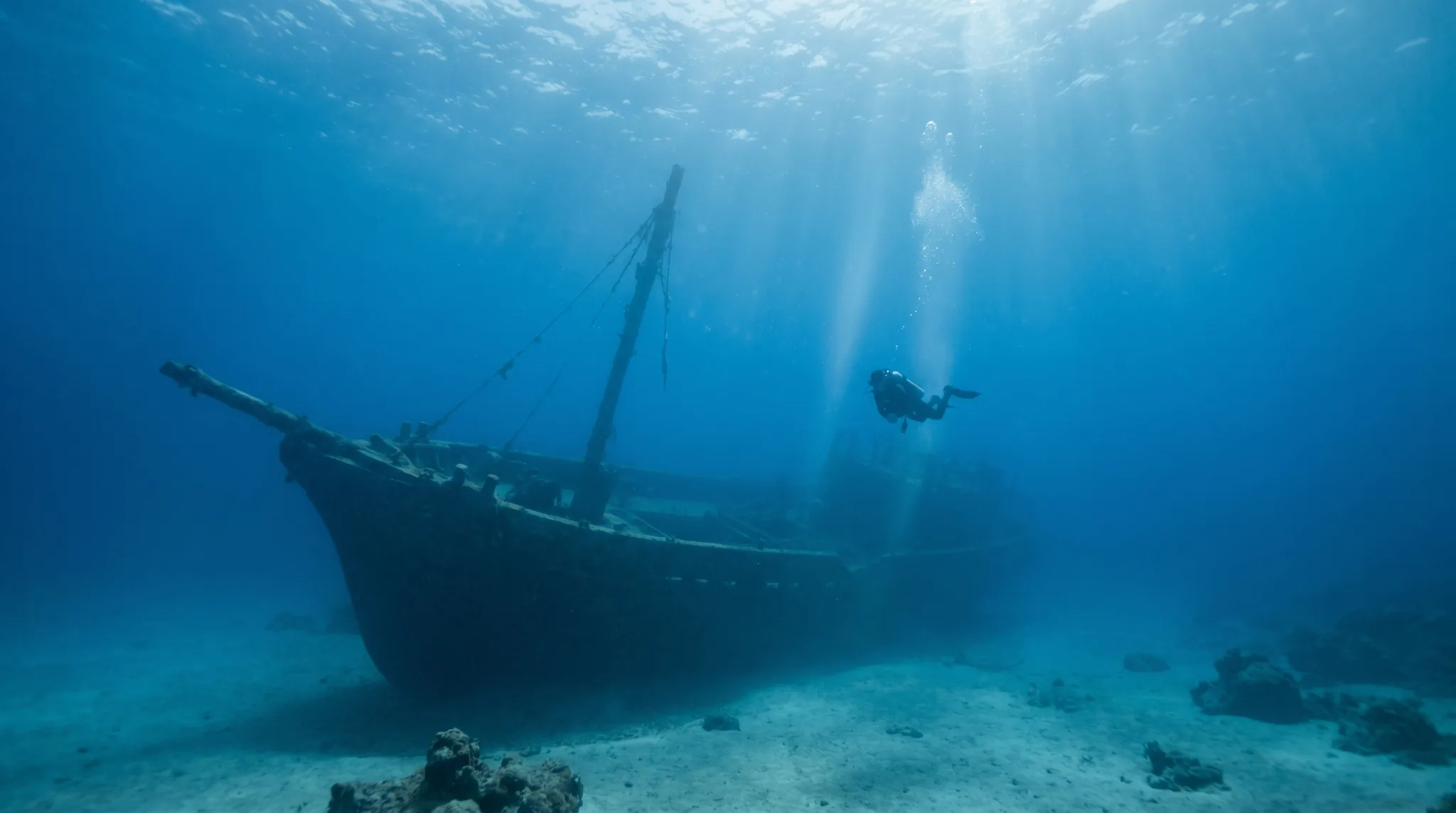
Home to a massive decommissioned vessel and surrounding shallow reefs, with Nurse Shark, Atlantic Tarpon and West Indian Manatee regularly sighted.
Water temperature around Key West ranges from about 24°C in January to 30°C in August, based on satellite sea-temperature data for its dive sites.
In the warm season (about 30°C) a rash guard or 3mm shorty is comfortable in Key West; in the coldest months (about 24°C) step up to a 3mm full suit.
Fin maps 52 sites in Key West (47 scuba diving sites and 14 snorkelling spots, with some suited to both), organised into 3 areas.
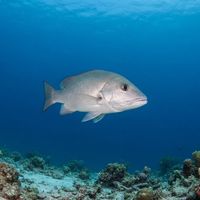
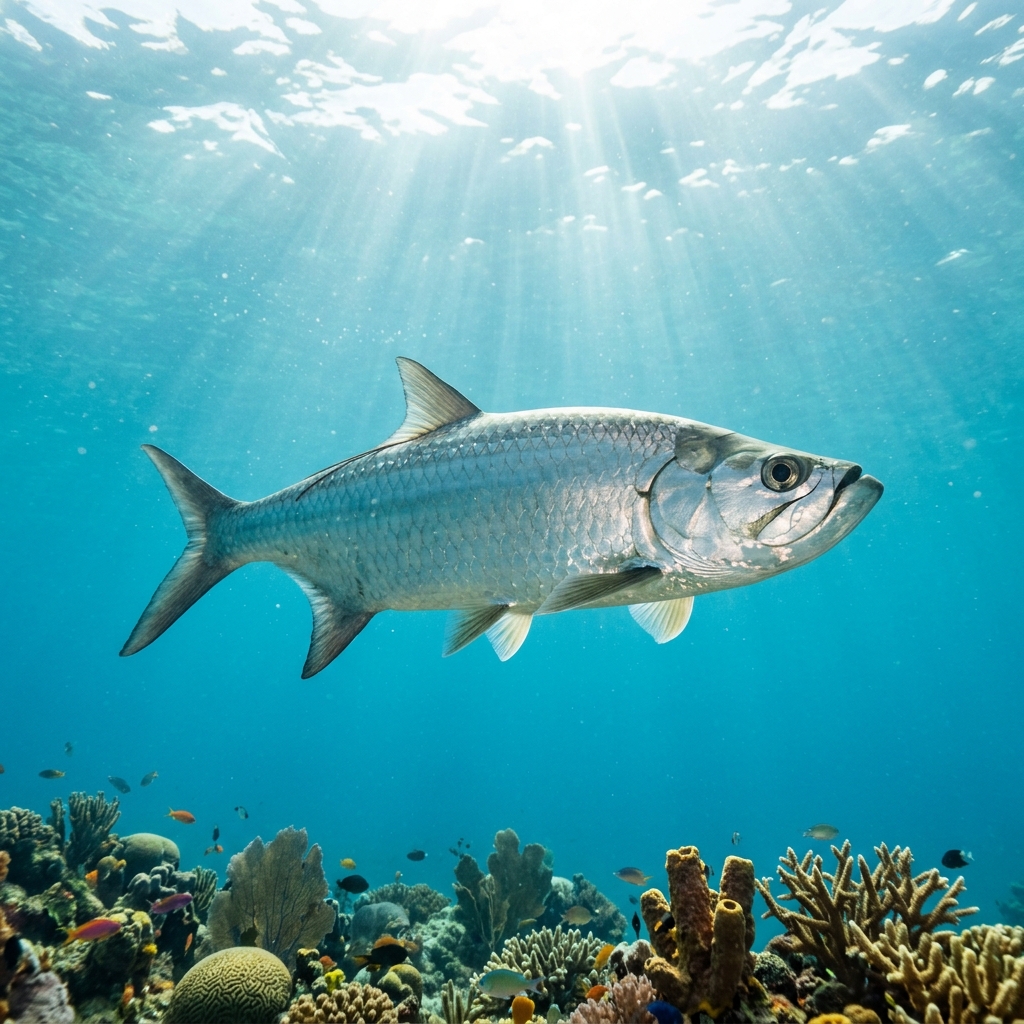
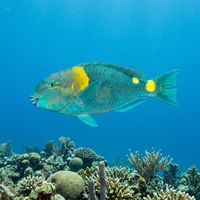
Sightings are diverse and observation-backed. Great Barracuda and Caribbean Spiny Lobster are very common across the area, and Nurse Shark is regularly encountered on reef and wreck alike. Atlantic Tarpon, Gray Snapper, and multiple parrotfish species are common, while the occasional Atlantic Goliath Grouper and West Indian Manatee make appearances worth noting.
Key West caters well to both. A good proportion of sites, including Western Sambo Reef, The Horseshoe, and the Windjammer Wreck, are rated for beginners and sit at shallow depths. Advanced divers have the USS Vandenberg and the Adolphus Busch wreck, both of which reach significant depth and reward experienced divers with larger structures and greater complexity.
The Vandenberg Wreck area is centred on large artificial reef structures, most notably the decommissioned military vessel that forms the headline dive. Sambo Reefs is the most varied sub-area, mixing natural coral reef with shallower sites accessible to snorkellers and beginners. Sand Key offers classic spur-and-groove reef topography anchored by the Sand Key Lighthouse site.
All listed sites in Key West require boat access. The reefs and wrecks sit far enough offshore that a shore entry is not a practical option for any of them. Operators such as Lost Reef Adventures, Southpoint Divers, and Subtropic Dive Center run regular trips across the sub-areas, making it straightforward to reach sites throughout the region.