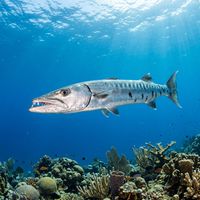
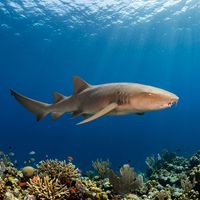
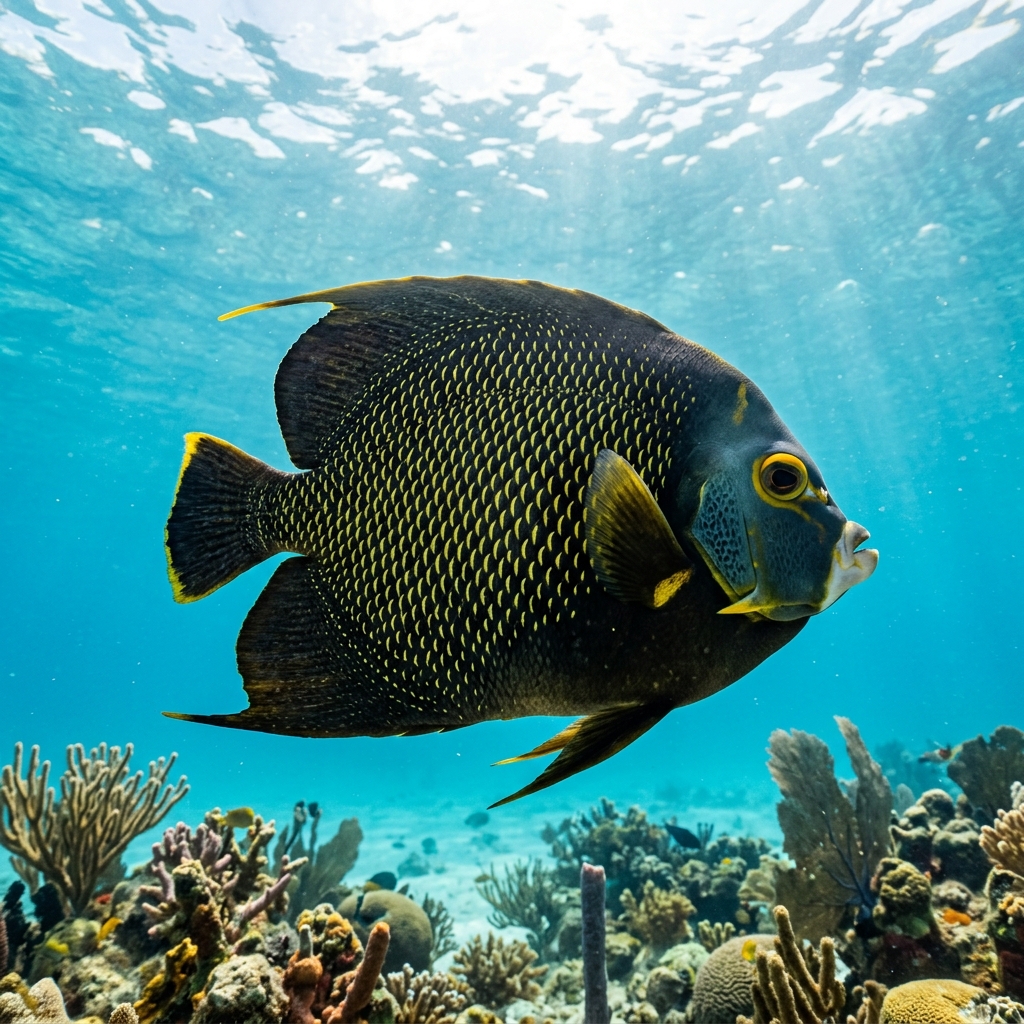
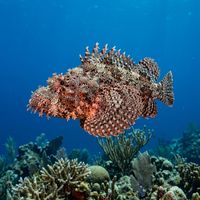
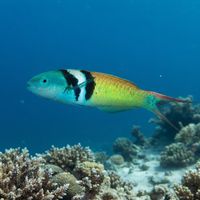
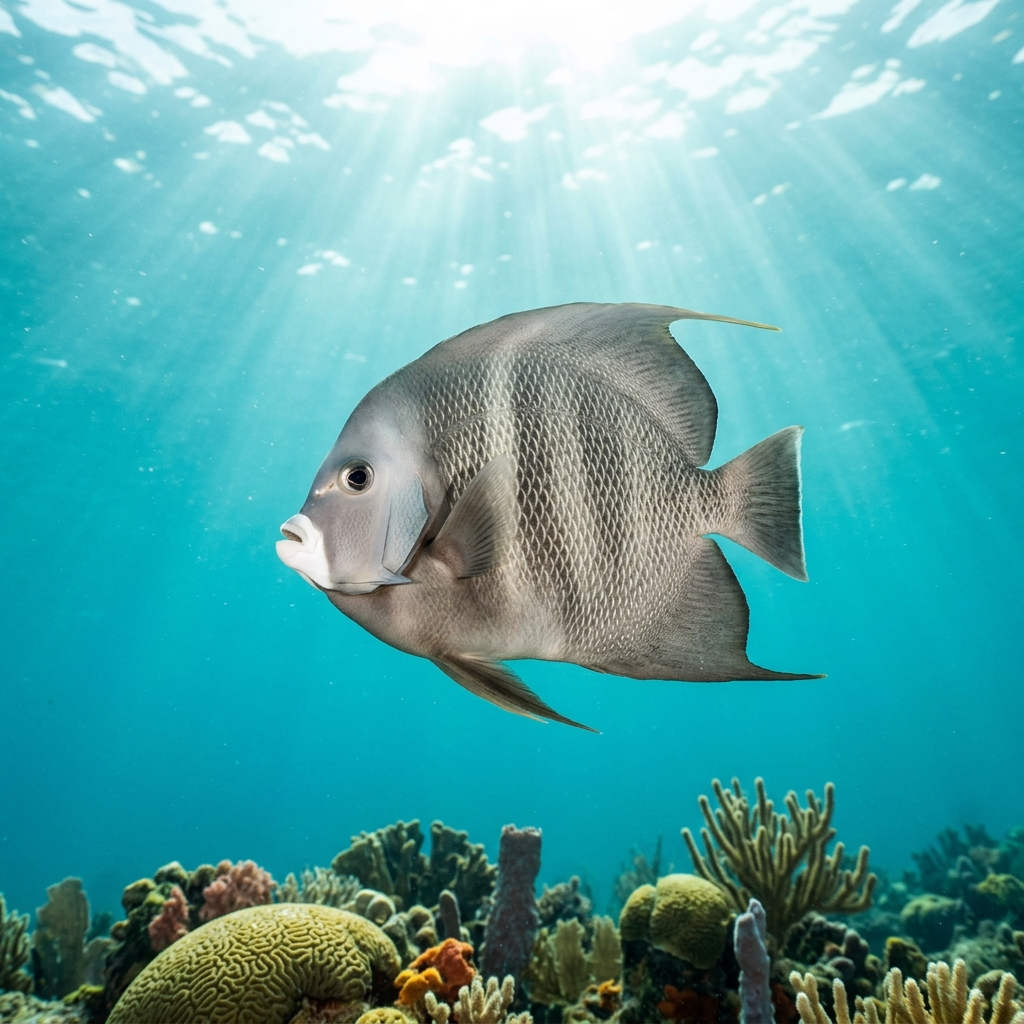
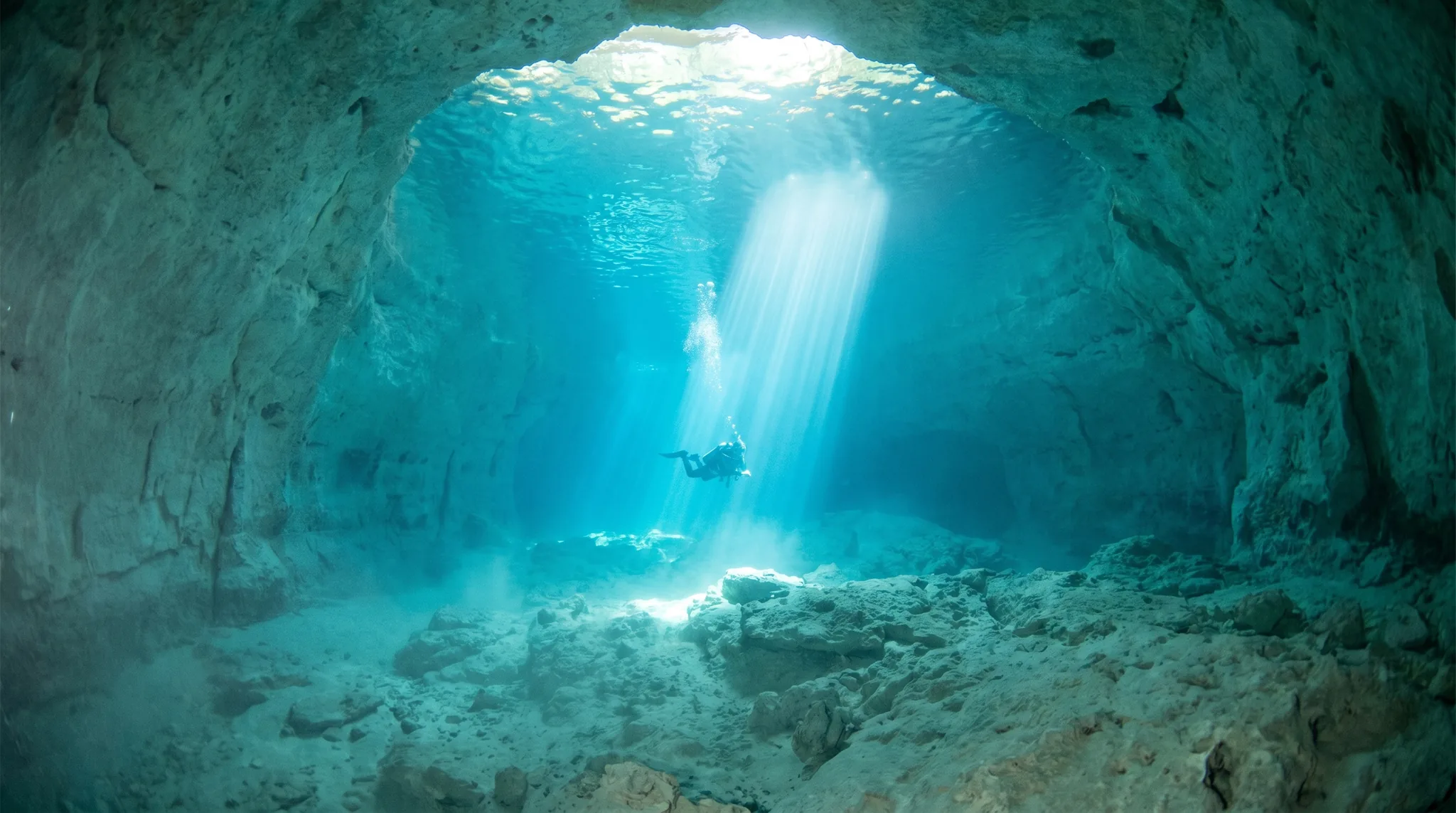
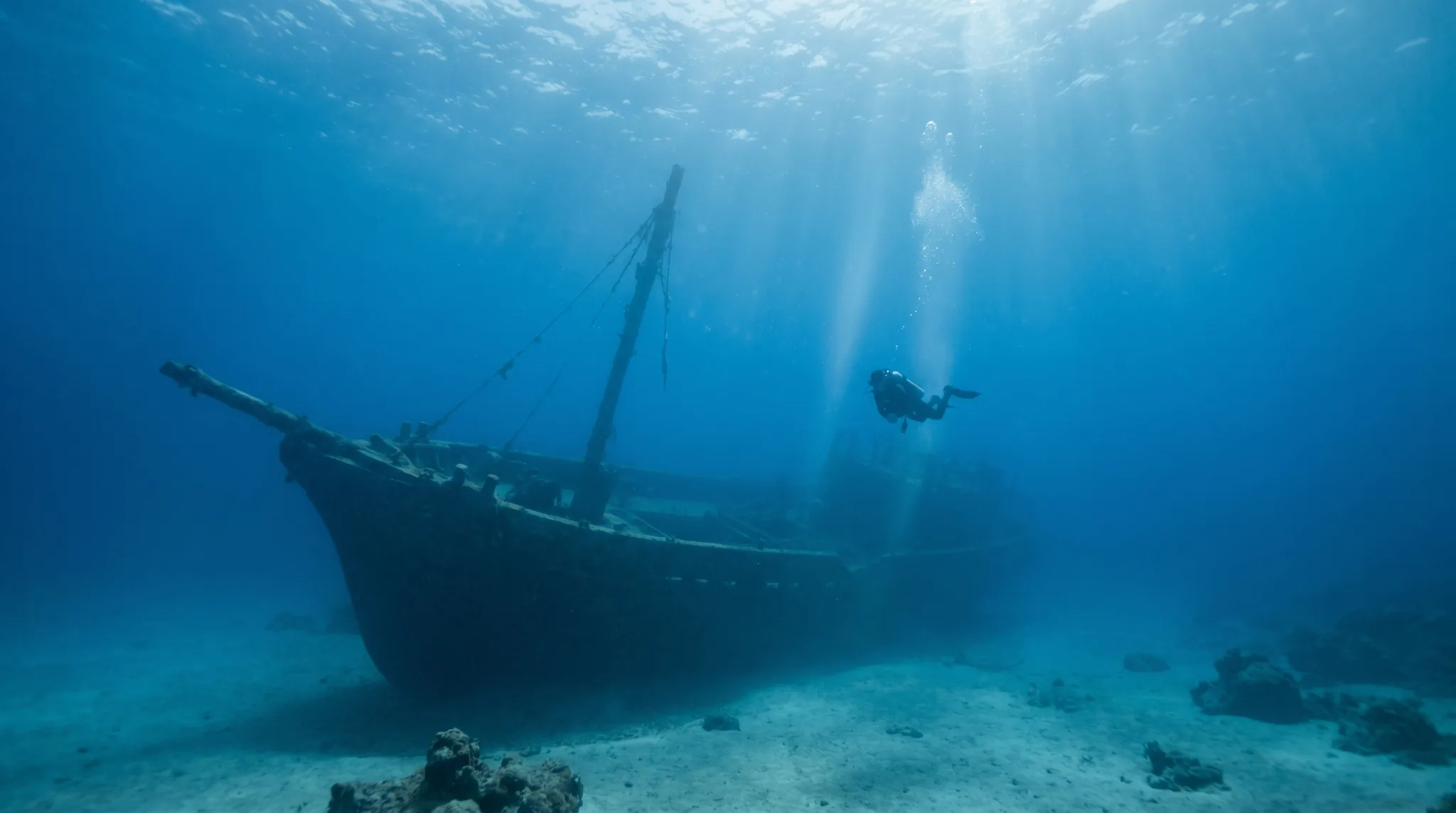
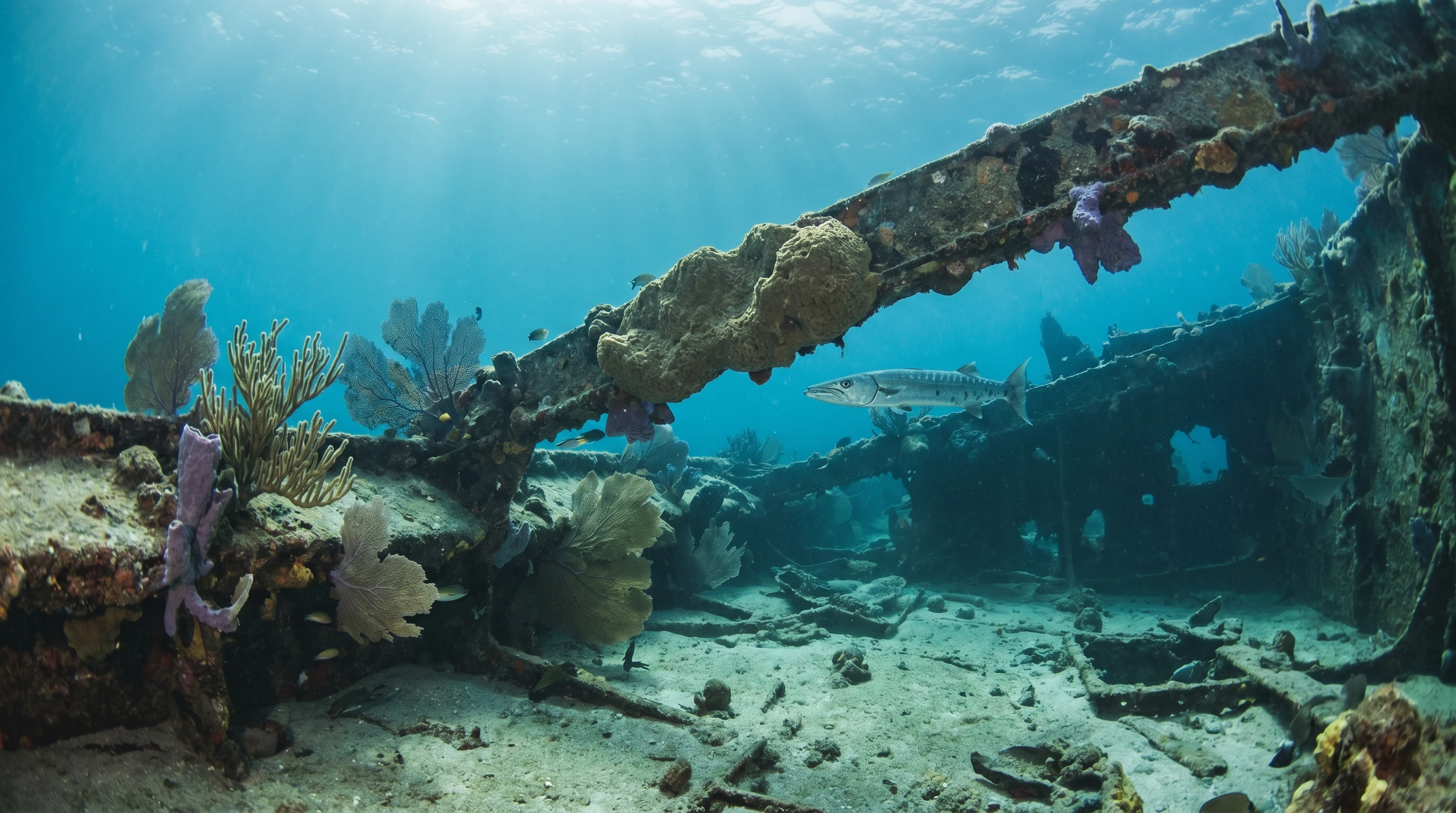
Southeast Florida divides into two sub-areas, Fort Lauderdale and Palm Beach, together offering a broad mix of natural reefs, drift dives, purpose-sunk wrecks and artificial structures. A strong current runs along much of the coastline, making drift diving the defining style here. Wrecks range from shallow beginner-friendly hulls to deep technical targets. The marine life is reef-rich: Great Barracuda, Nurse Shark, French Angelfish and the occasional Atlantic Goliath Grouper are all observation-backed finds.
2 areas
Monthly water temperature across Southeast Florida's sites, from satellite sea-surface data corrected for depth. The band shows the site-to-site spread.
Water stays warm throughout the year, with the coolest months running from January through April and peak warmth arriving from July through October. The best-months data points strongly toward summer and early autumn as the prime diving window. Currents are present at many sites year-round, so divers should confirm conditions with local operators before heading out.
99 operators

Terra Mar, United States
Deerfield Beach, United States
161 more sites to explore
A wreck-dense coastline spanning three sub-areas, with reefs attracting Nurse Shark, multiple angelfish species, and the occasional West Indian Manatee.

Water temperature around Southeast Florida ranges from about 25°C in January to 28°C in July, based on satellite sea-temperature data for its dive sites.
In the warm season (about 28°C) a rash guard or 3mm shorty is comfortable in Southeast Florida; in the coldest months (about 25°C) step up to a 3mm full suit.
Fin maps 173 sites in Southeast Florida (170 scuba diving sites and 27 snorkelling spots, with some suited to both), organised into 2 areas.
Across Southeast Florida's dive sites, May, June, July, August and September are most often reported as the best months to visit.
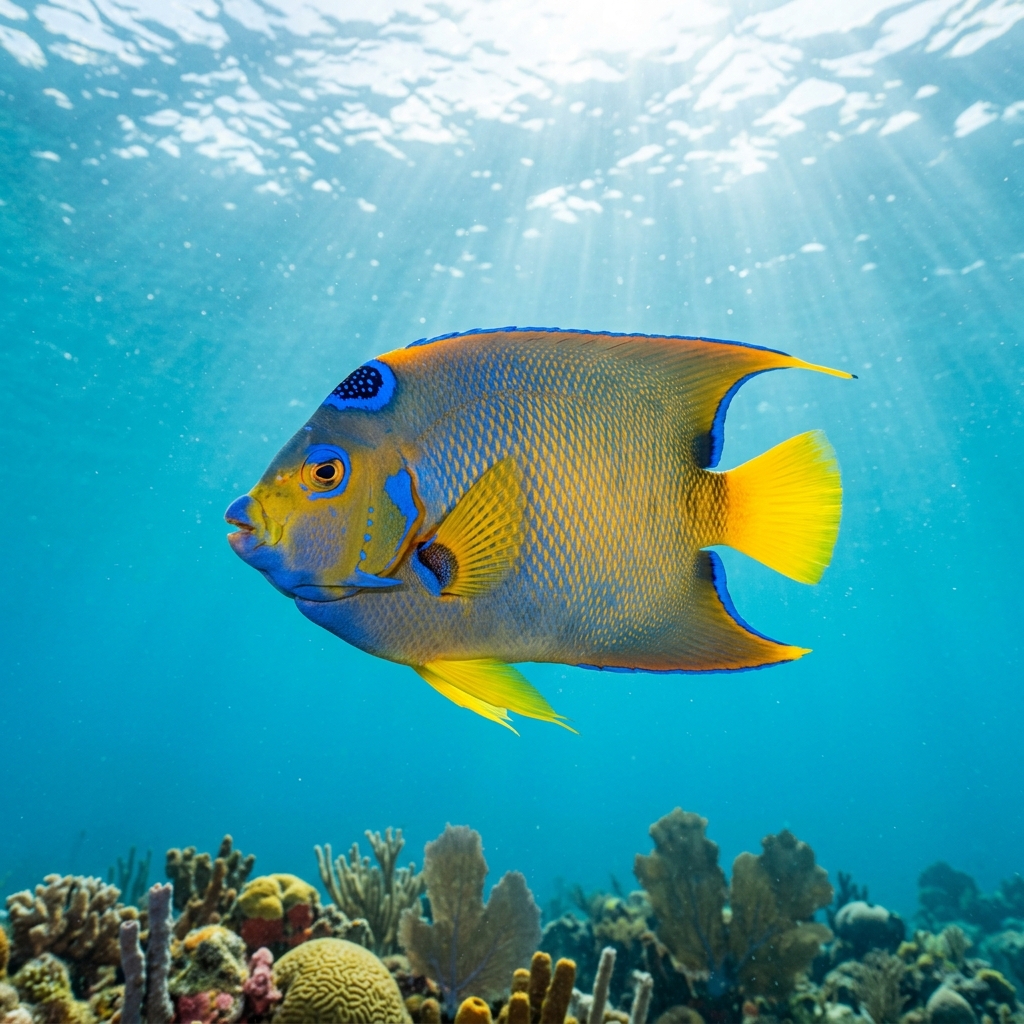
Observation-backed species include Great Barracuda, Nurse Shark, French Angelfish, Spotted Scorpionfish, Queen Angelfish and Gray Angelfish. Caribbean Spiny Lobster, Hogfish and Stoplight Parrotfish are also commonly recorded across the reef sites. Atlantic Goliath Grouper and West Indian Manatee appear occasionally, making them rewarding but not guaranteed encounters.
Yes. Neptune Memorial Reef, the Sea Emperor wreck and the LBTS Biorock Reef are all rated beginner level and are among the listed top sites. The LBTS Biorock Reef is notably shallow and can be entered from shore as well as by boat, making it one of the most accessible options in the region.
Fort Lauderdale holds the larger share of sites and is home to many of the region's well-known wrecks, including the Sea Emperor, Hydro Atlantic and the Sheri-Lynn. Palm Beach sites, such as Captain Mike's, Tunnels and Beach House, lean heavily toward reef and drift diving with more pronounced current. Both sub-areas are boat-access focused.
The majority of sites in Southeast Florida require boat access, and most of the top-rated sites are boat-only. The LBTS Biorock Reef is a notable exception, offering both shore and boat entry. Several operators are based in the region, including Divers Direct, Pura Vida Divers and South Florida Diving Headquarters, making boat charters straightforward to arrange.