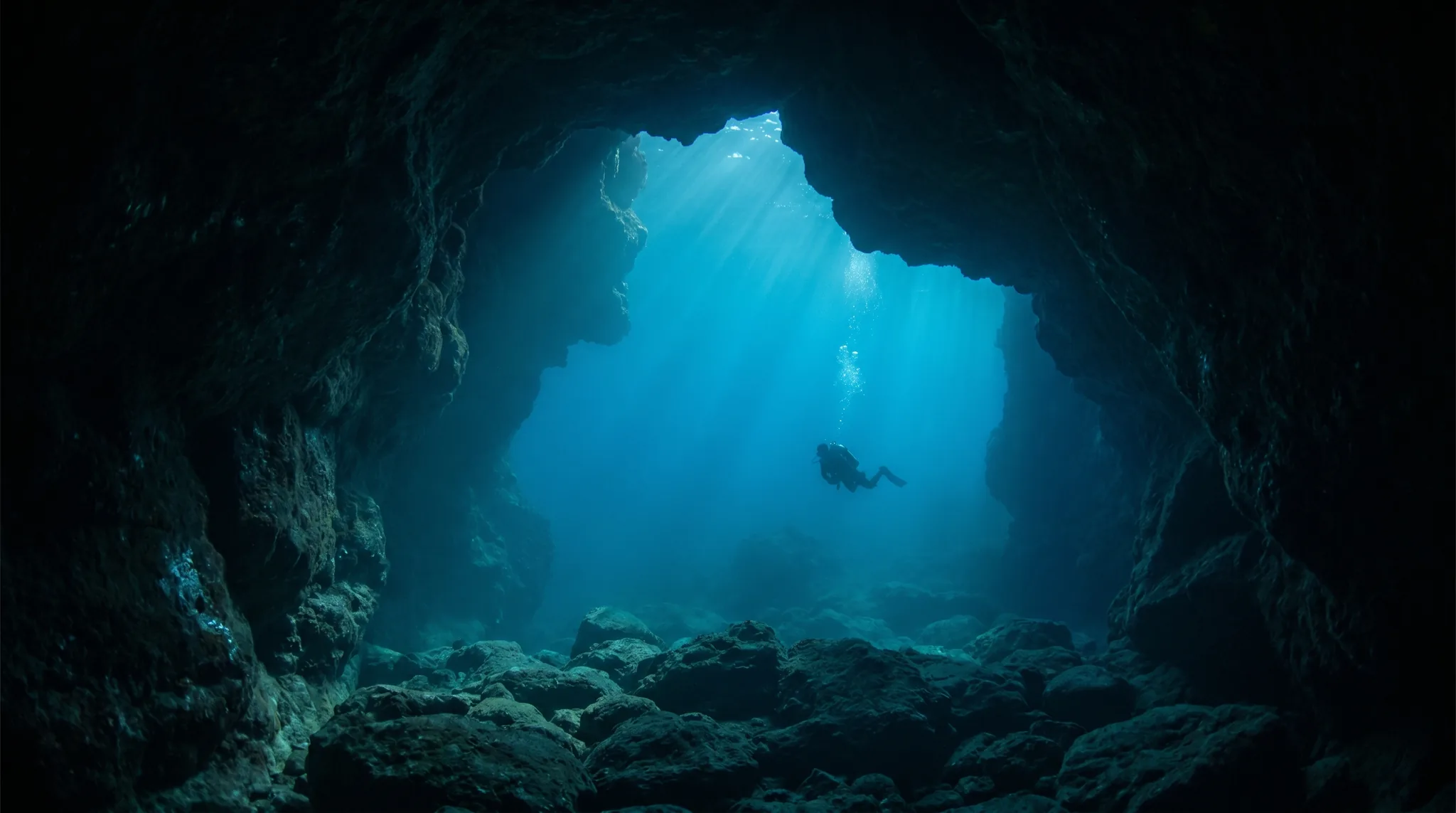
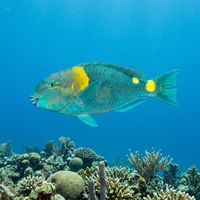
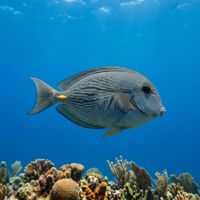
Varadero's diving centres on coral reef systems that range from shallow shore entries to deeper boat dives, with artificial reefs adding deliberate wrecks, frigates, and aircraft to the mix. The Green Sea Turtle is observed across almost every site, while Caribbean Reef Shark and Nurse Shark are consistently reported alongside colourful reef fish such as the Stoplight Parrotfish and Blue Tang. Water stays warm year-round, and the strongest conditions draw more experienced divers to the deeper boat sites.
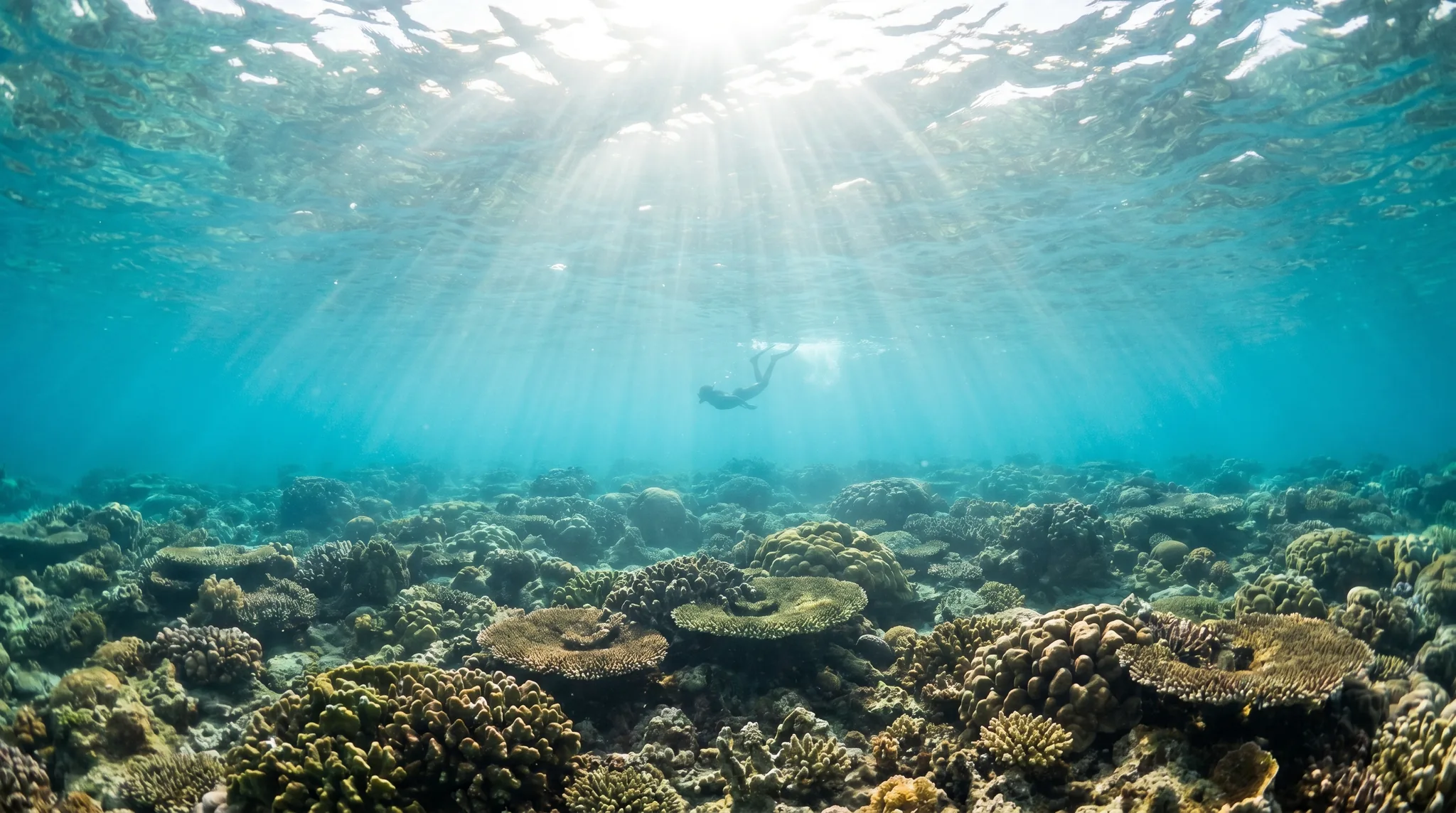
Monthly water temperature across Varadero's sites, from satellite sea-surface data corrected for depth. The band shows the site-to-site spread.
Water temperature remains warm throughout the year, climbing to its peak during the summer months and easing slightly through winter, which still stays comfortable. The best-months data points toward the cooler, calmer period from January through April and again in December as preferred diving windows, likely reflecting more settled surface conditions. Deeper boat sites such as Cayo Piedra Reef and Cayo de Camacho may carry mild currents, while shallow shore-entry reefs like Coral Beach suit beginners in almost any season.
27 operators
Matanzas, Cuba
Varadero, Cuba
Cerro, Cuba
Matanzas, Cuba
16 more sites to explore
Water temperature around Varadero ranges from about 26°C in January to 30°C in July, based on satellite sea-temperature data for its dive sites.
In the warm season (about 30°C) a rash guard or 3mm shorty is comfortable in Varadero; in the coldest months (about 26°C) step up to a 3mm full suit.
Fin maps 23 sites in Varadero (23 scuba diving sites and 4 snorkelling spots, with some suited to both).
Across Varadero's dive sites, January, February, March, April and December are most often reported as the best months to visit.
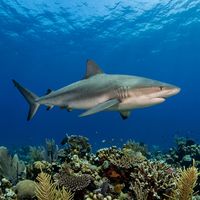
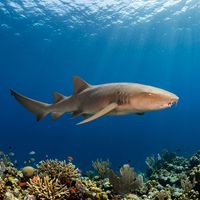
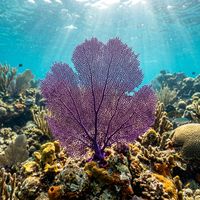
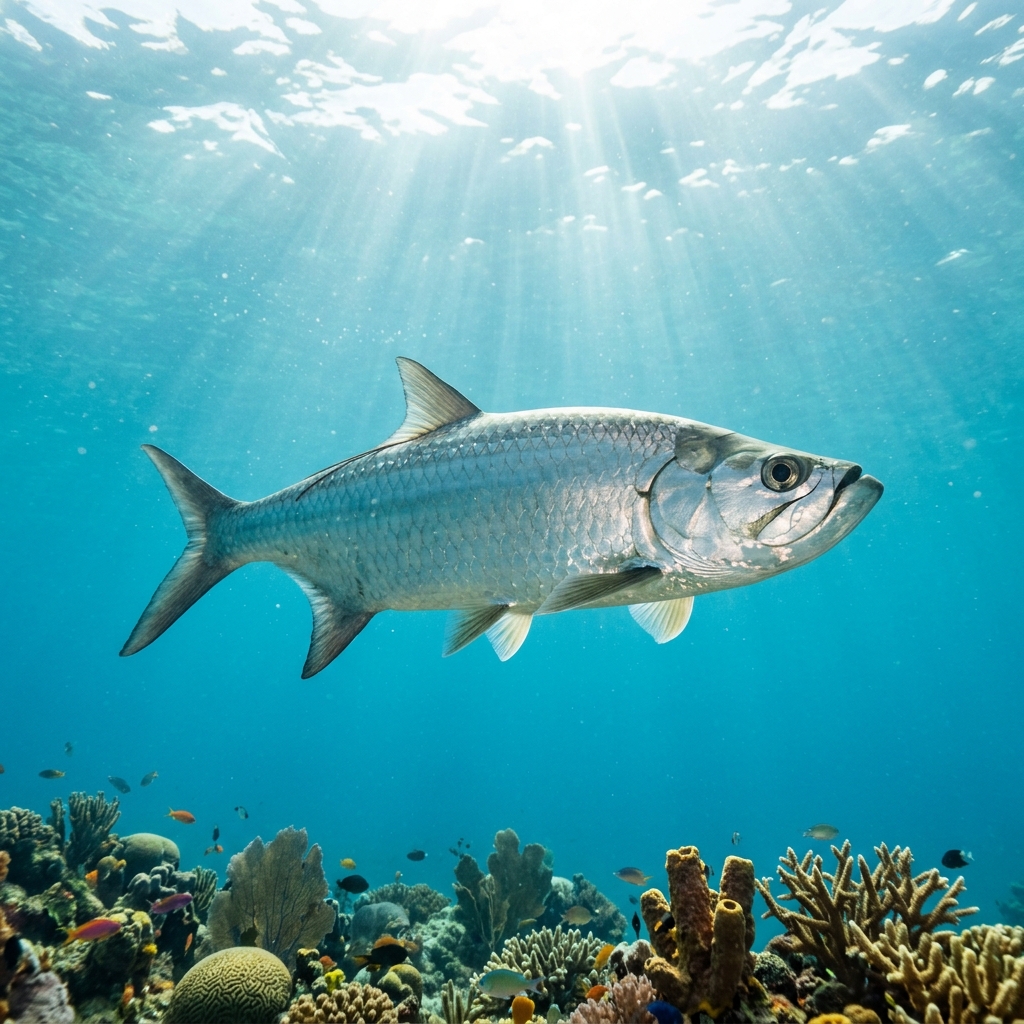
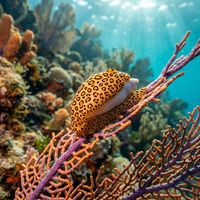
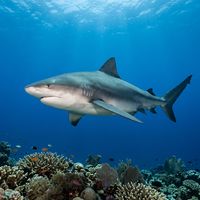
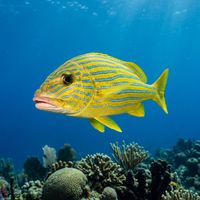
Green Sea Turtle is observed at nearly every site in Varadero. Caribbean Reef Shark and Nurse Shark are very commonly reported, and Bull Shark is seen occasionally. Reef fish such as the Stoplight Parrotfish, Bluestriped Grunt, Schoolmaster Snapper, and Atlantic Tarpon are widespread, and the Flamingo Tongue appears regularly on coral structures alongside Purple Sea Fan.
Yes, several sites are rated for beginner divers. Coral Beach and Playa El Coral are both shallow shore entries with straightforward reef structures. Mella is a boat site also listed as beginner-friendly despite reaching greater depths. The mix of shore and boat access means new divers have several routes into the water.
Shore entries like Coral Beach and Jibacoa offer independent access and generally shallower reef terrain, making them convenient for repeat dives without operator scheduling. Boat sites such as Cayo Piedra Reef and Cayo de Camacho reach greater depths and feature artificial structures including deliberately sunk vessels and aircraft, which require a short boat transfer. Several operators based in Varadero run boat trips to these offshore sites.
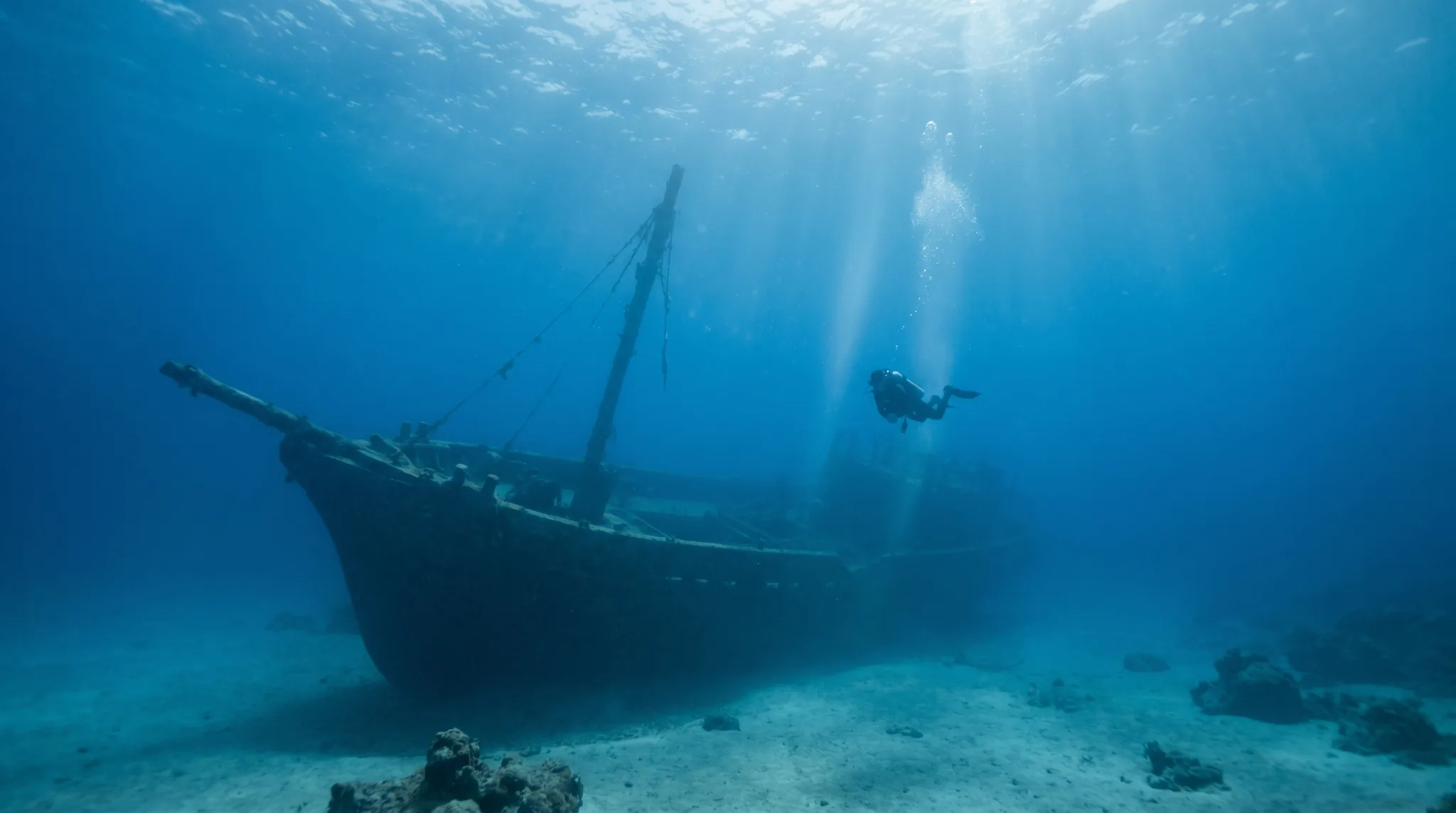
Cayo Piedra Reef combines natural reef with an artificial reef made up of deliberately sunk frigates, yachts, and aircraft, giving it a different character from the area's purely coral sites. It is reached by boat and is rated for intermediate divers. The wreck structures provide unusual swim-through opportunities not available at the shore-entry reef sites closer to the coast.