Lutjanus griseus
Common on reefs from Florida to the Yucatán, gray snapper linger near ledges in 20-27.5C water year-round, most often solo or in loose groups.
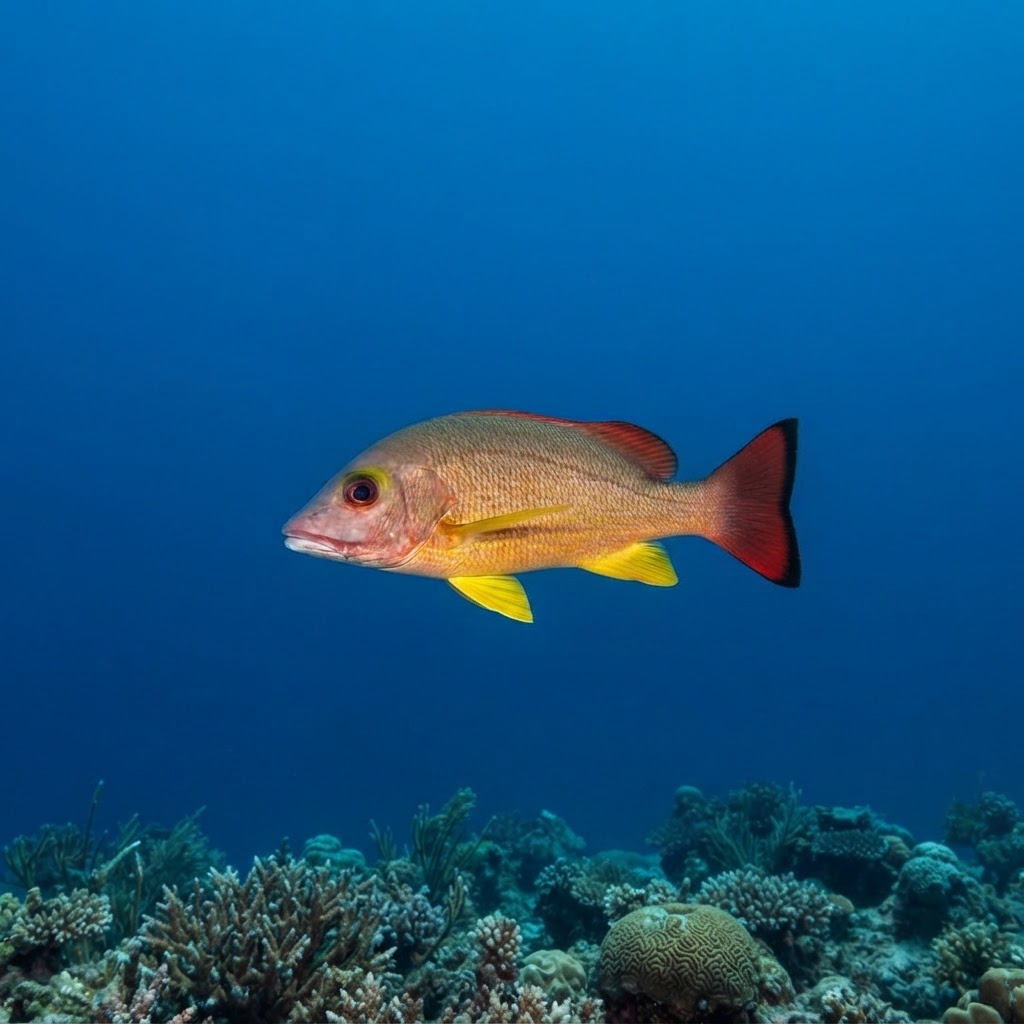
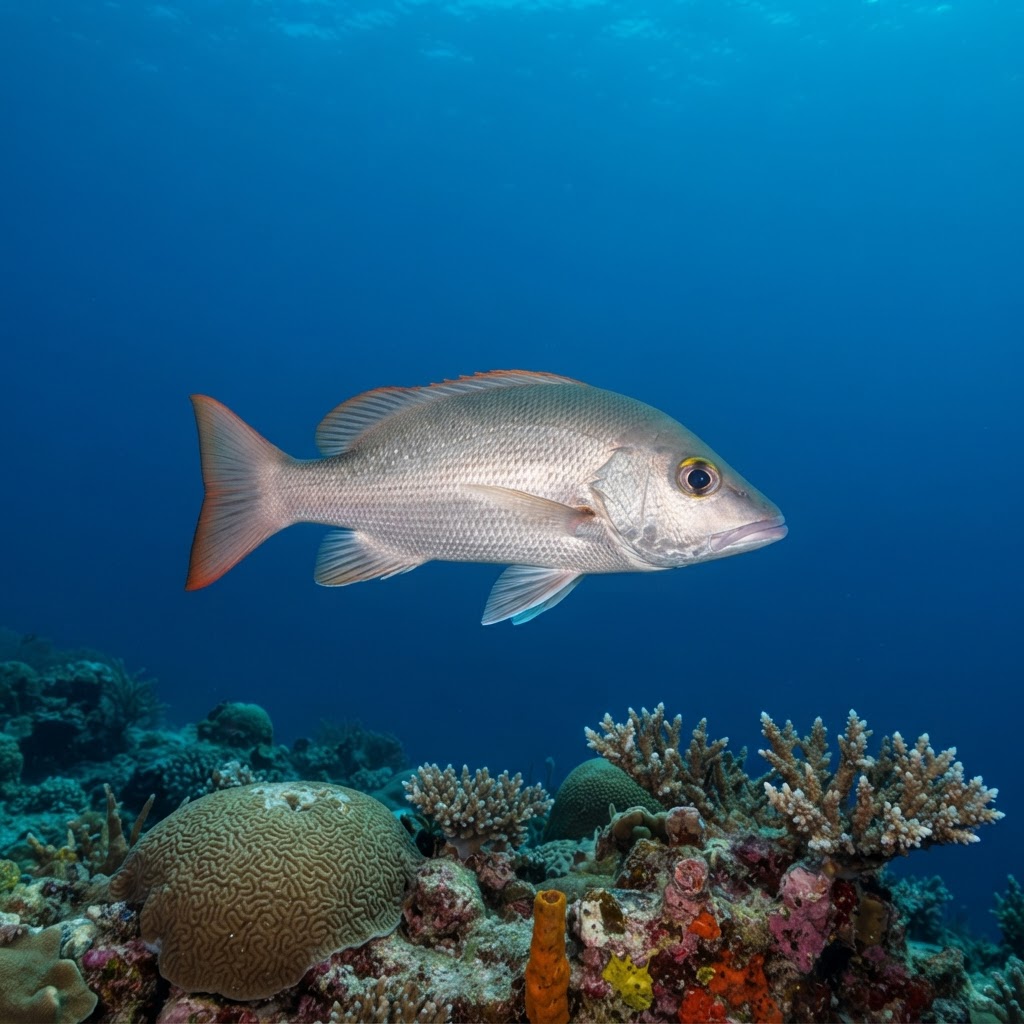
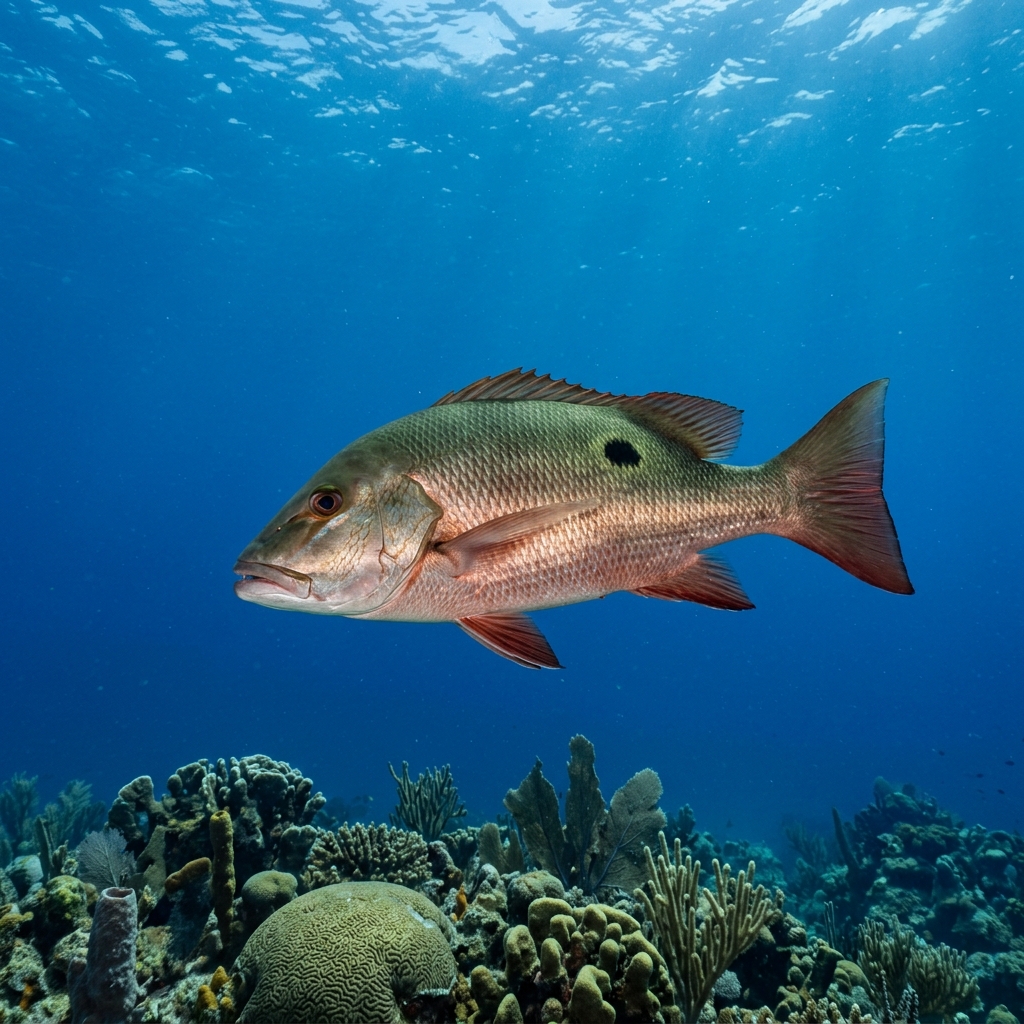
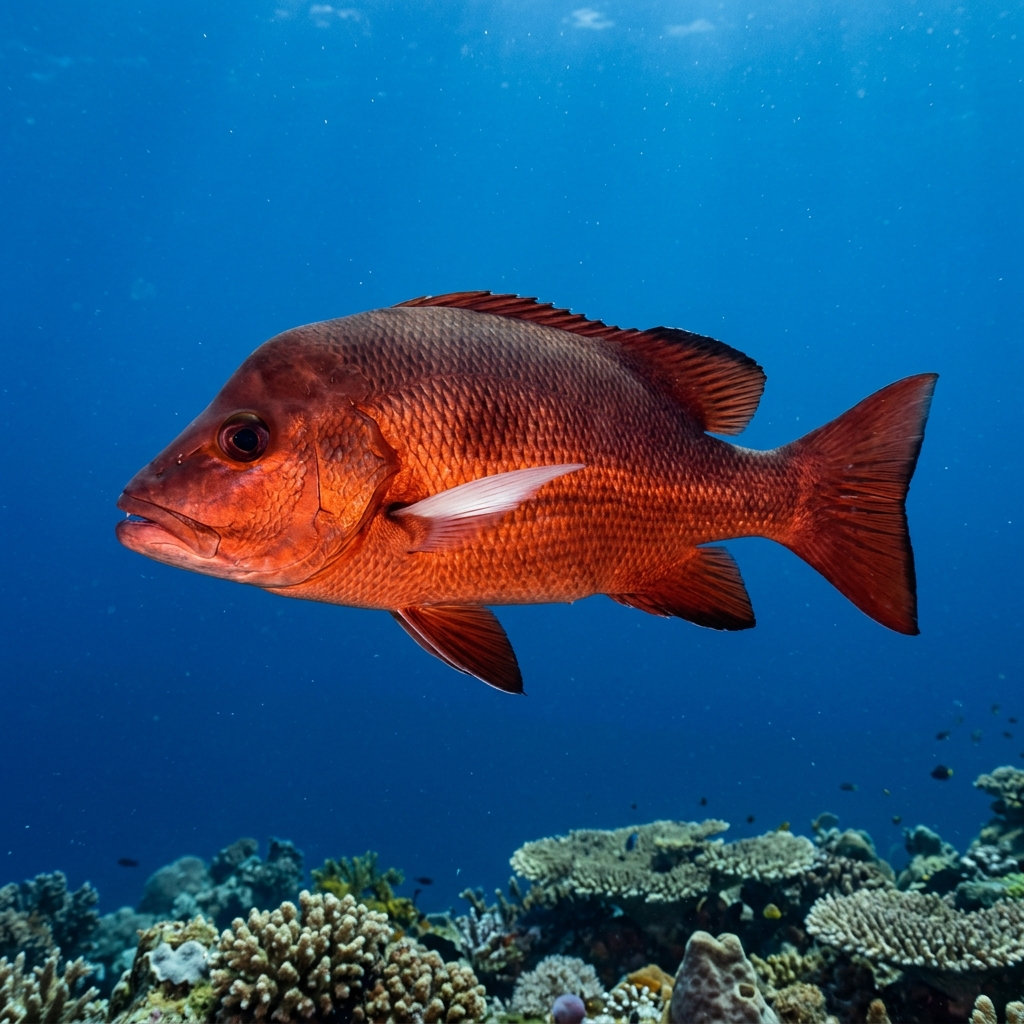
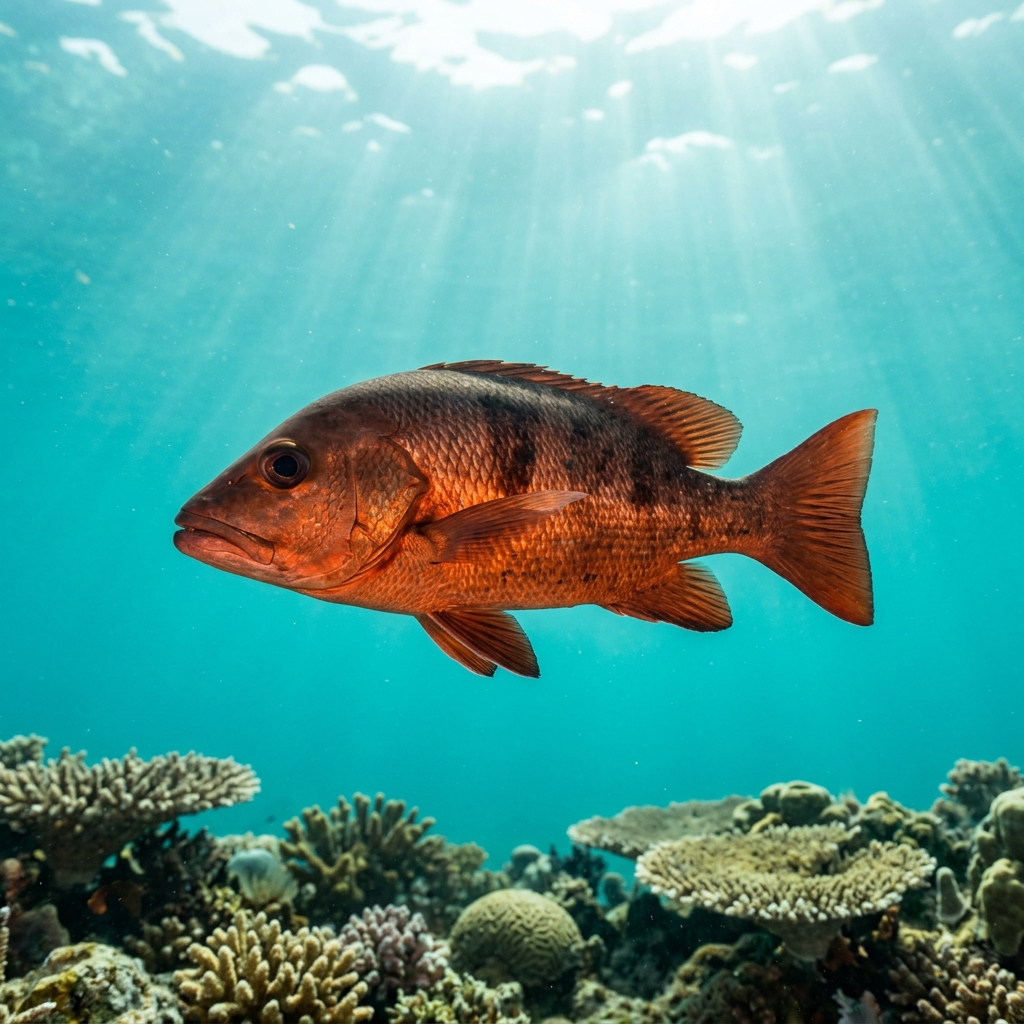
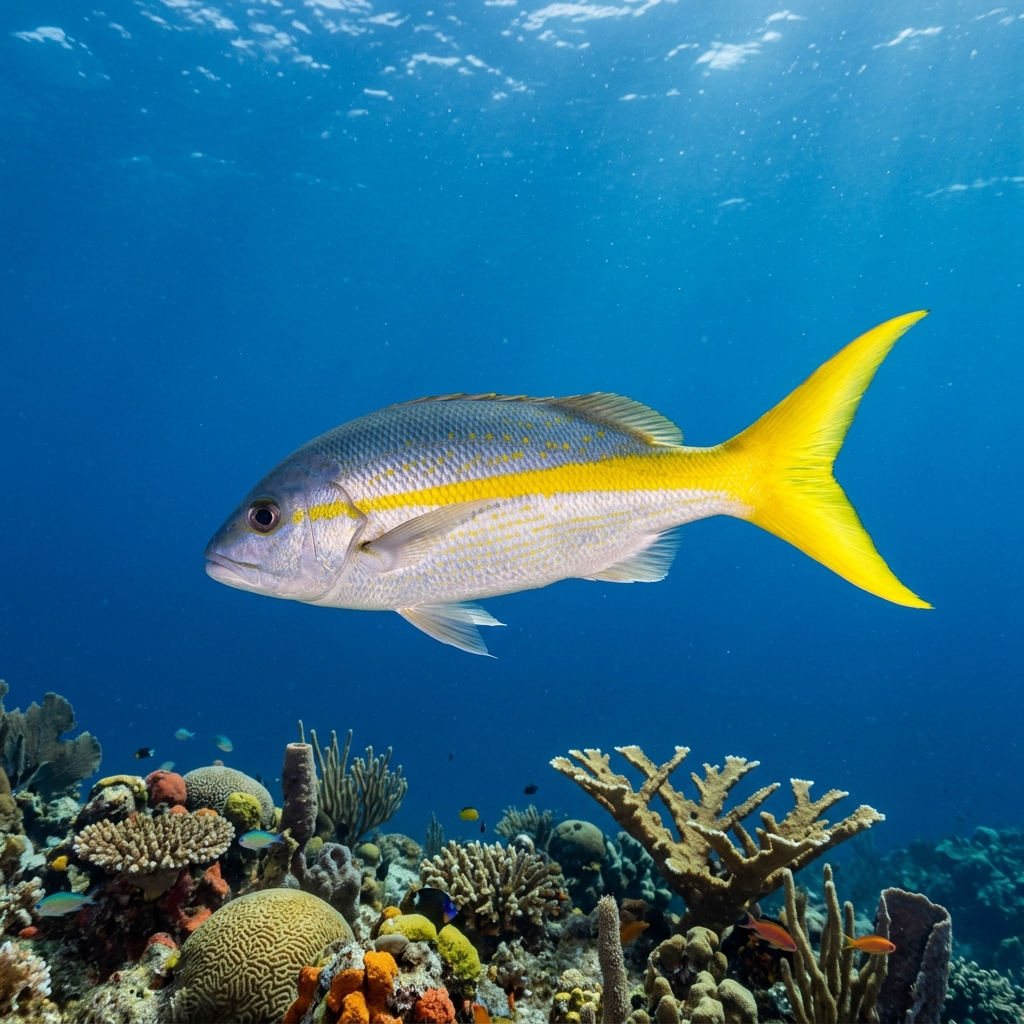
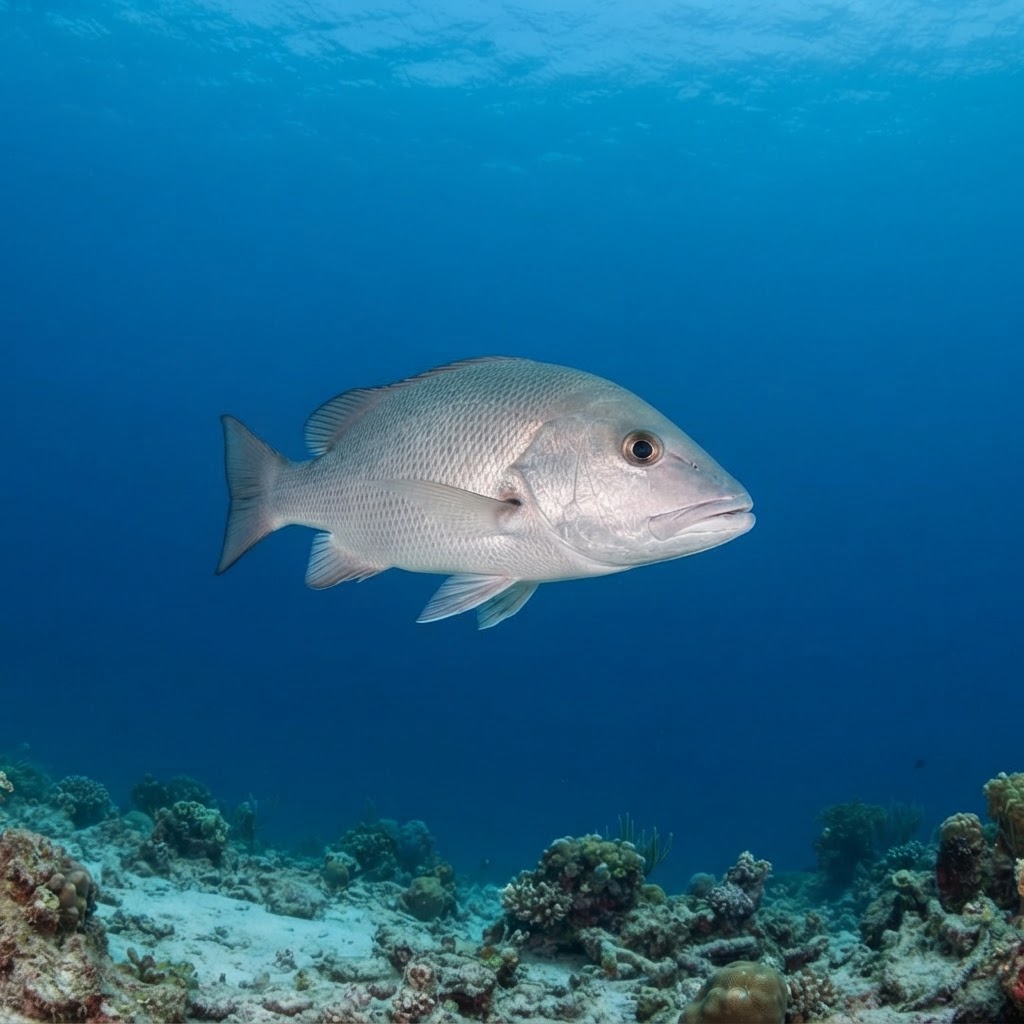
Look for a slim, greyish-red body with a faint dark stripe running through the eye and a blunt, slightly upturned snout. Adults reach around 62 cm and often show a reddish or copper tint under torchlight, even when they look grey-brown in ambient light. They hold a fairly static position near reef structure rather than swimming in the open water column.
Expect to find it hovering near ledges, wrecks or reef overhangs, often solo or in small loose groups rather than tight schools. It tends to hold its ground as divers approach, backing into structure rather than bolting, and shows up on both day and night dives around the same haunts.
It shifts habitat with age, starting out over seagrass and mangrove shallows before moving onto deeper reef and wreck structure as an adult, which is part of why divers meet it across such a wide depth range.
No clear seasonal pattern shows up in the data, and its comfort range of 20 to 27.5C covers most of the diving calendar across its Caribbean and Gulf range, so it's a year-round encounter rather than a seasonal one.
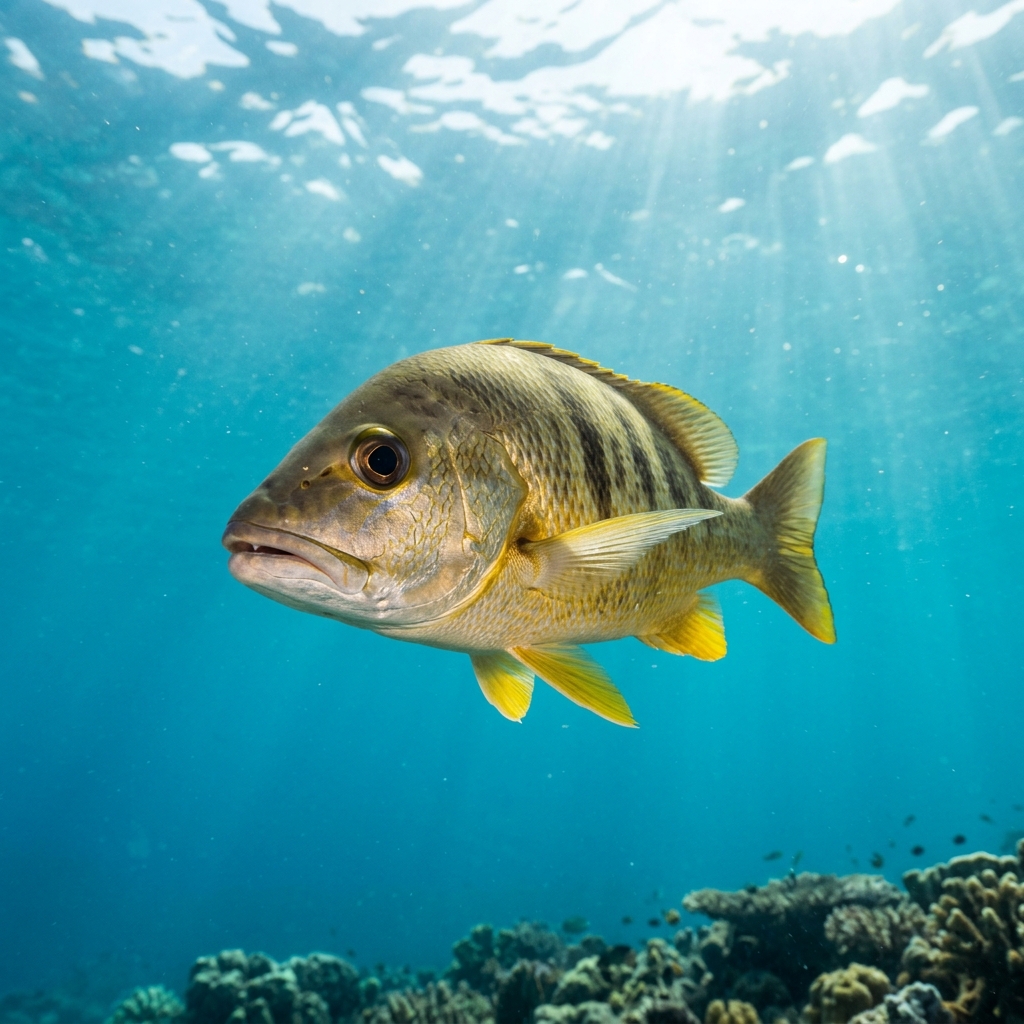
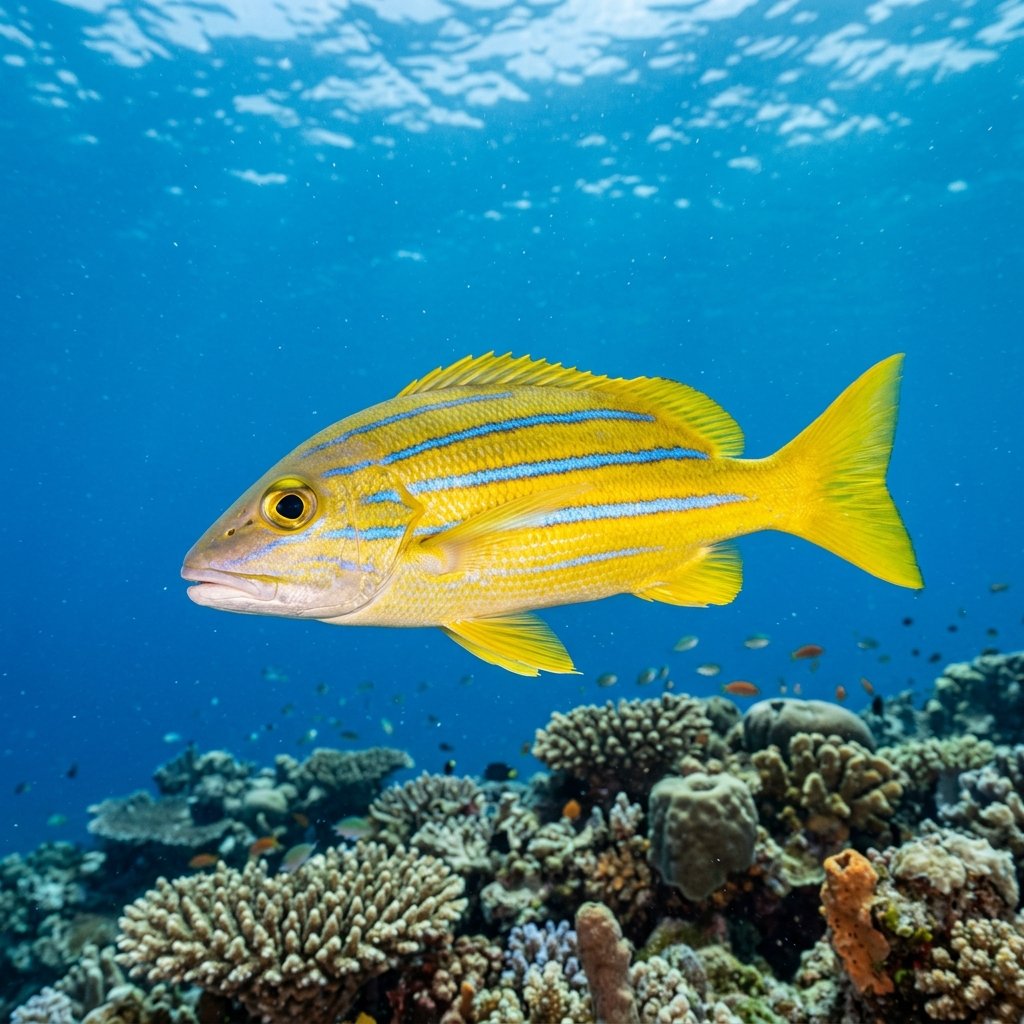
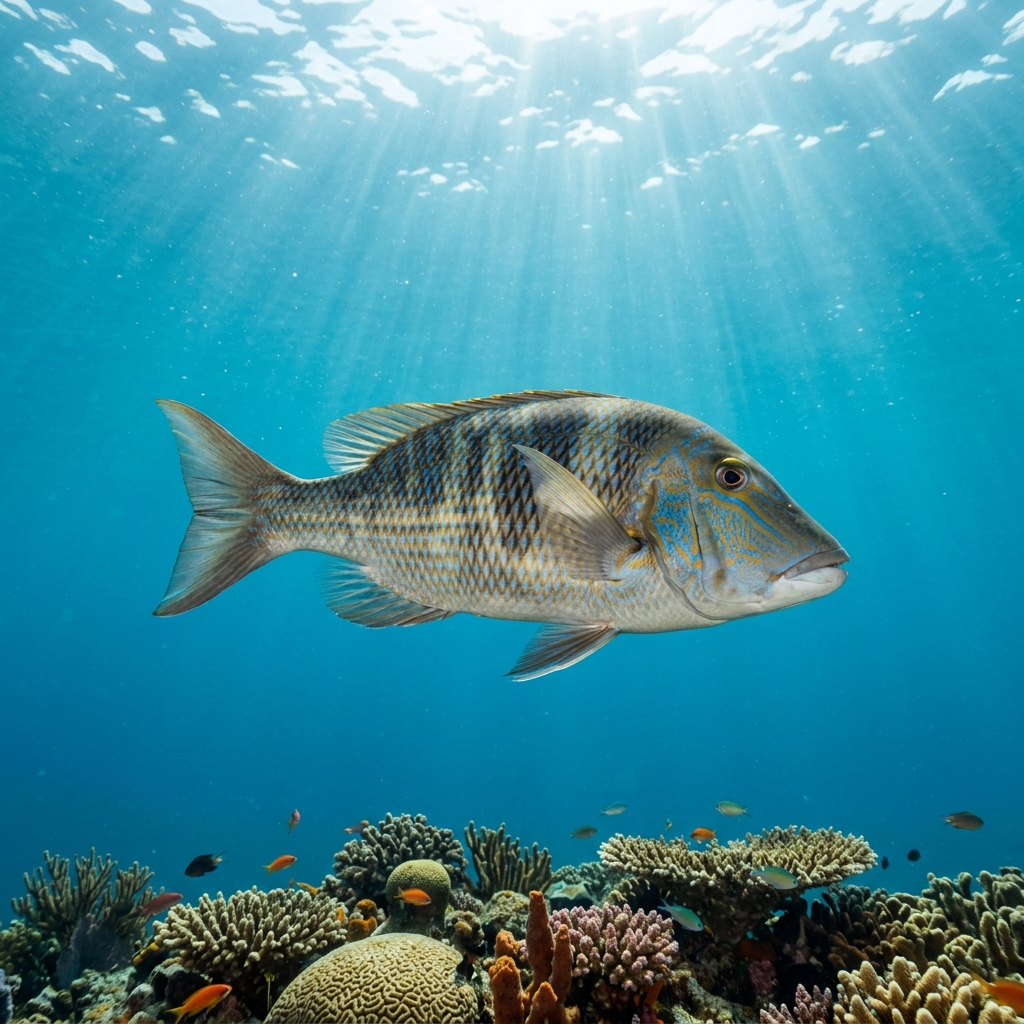
Reef neighbours a diver could mistake it for. Use the identification notes above to tell them apart.
Most reliably logged on reefs in Florida and the Yucatán Peninsula in Mexico, with strong populations also reported through the Bay Islands of Honduras and across the Caribbean in the British Virgin Islands, US Virgin Islands, Martinique, Guadeloupe and Curacao. Across these sites divers typically call it an uncommon but dependable find rather than a guaranteed sighting.
Mapping where Gray Snapper is logged…
Florida and Mexico's Yucatán Peninsula are the most consistent spots, with good numbers also reported in Honduras's Bay Islands and across the Caribbean in the British Virgin Islands, US Virgin Islands, Martinique and Guadeloupe.
There's no strong seasonal pattern in sightings, and the species tolerates a wide temperature range of 20 to 27.5C, so it's seen on reefs throughout the year.
Check for a slender greyish body with a reddish cast in torchlight, a dark stripe through the eye, and a blunt snout. It usually sits still near reef ledges or wreck structure rather than swimming in open water.
They typically grow to around 62 cm, making them a mid-sized reef fish that's easy to spot but not a giant of the reef.
No, they pose no threat to divers and generally just hold their position near structure as you pass by.
Site and sighting data is aggregated from diver logs, iNaturalist and GBIF. For taxonomy and conservation status:
Bluestriped Snapper
2,054 sites