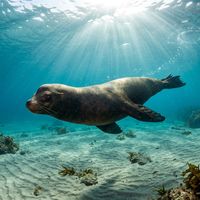
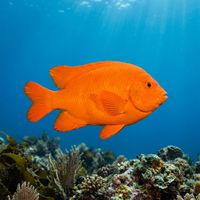
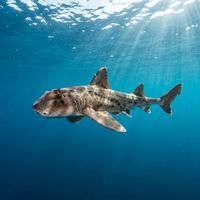
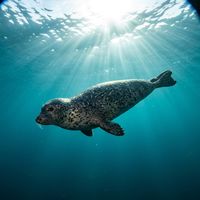
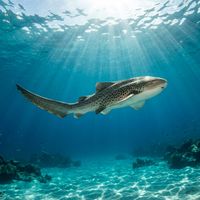
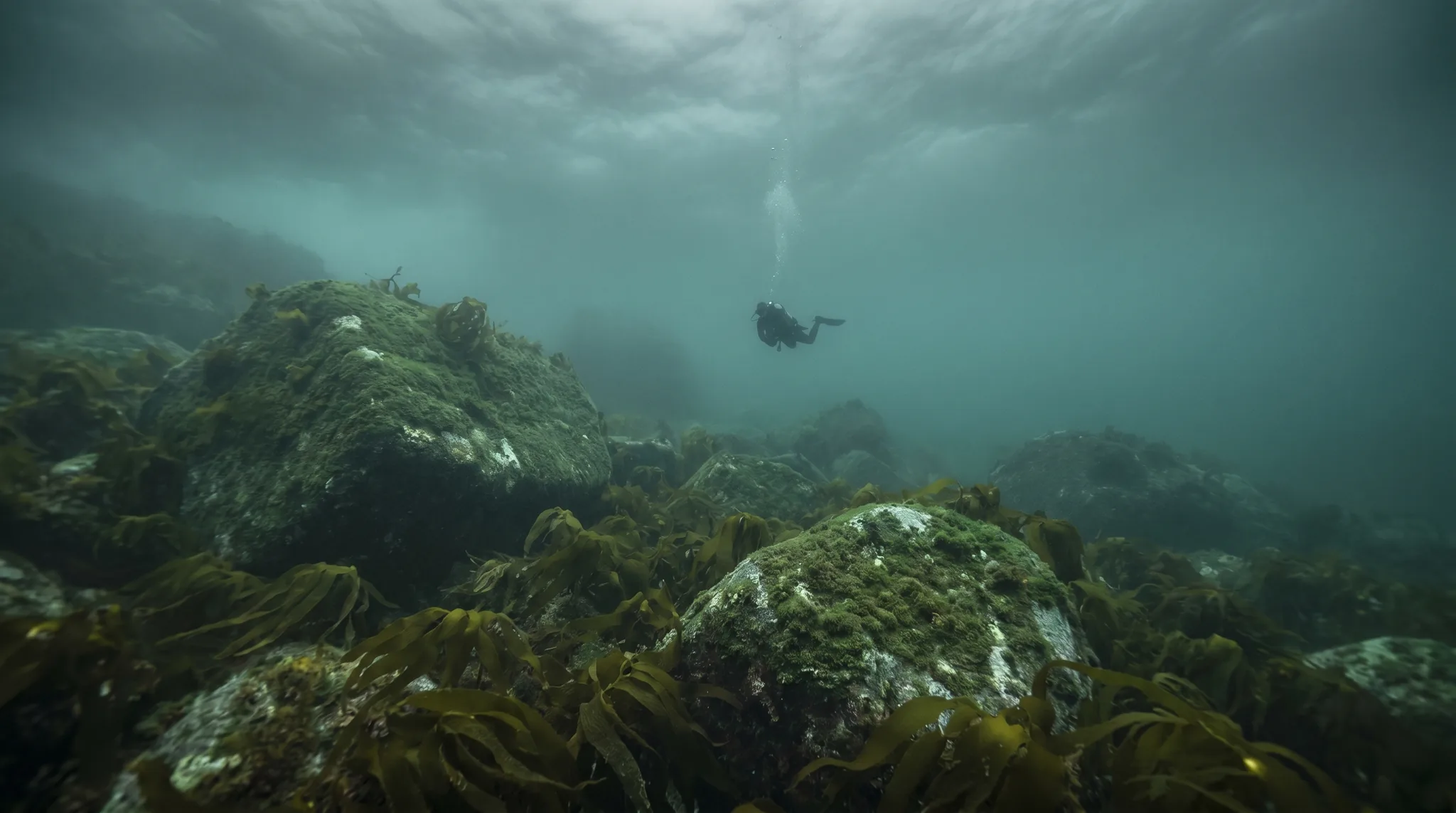
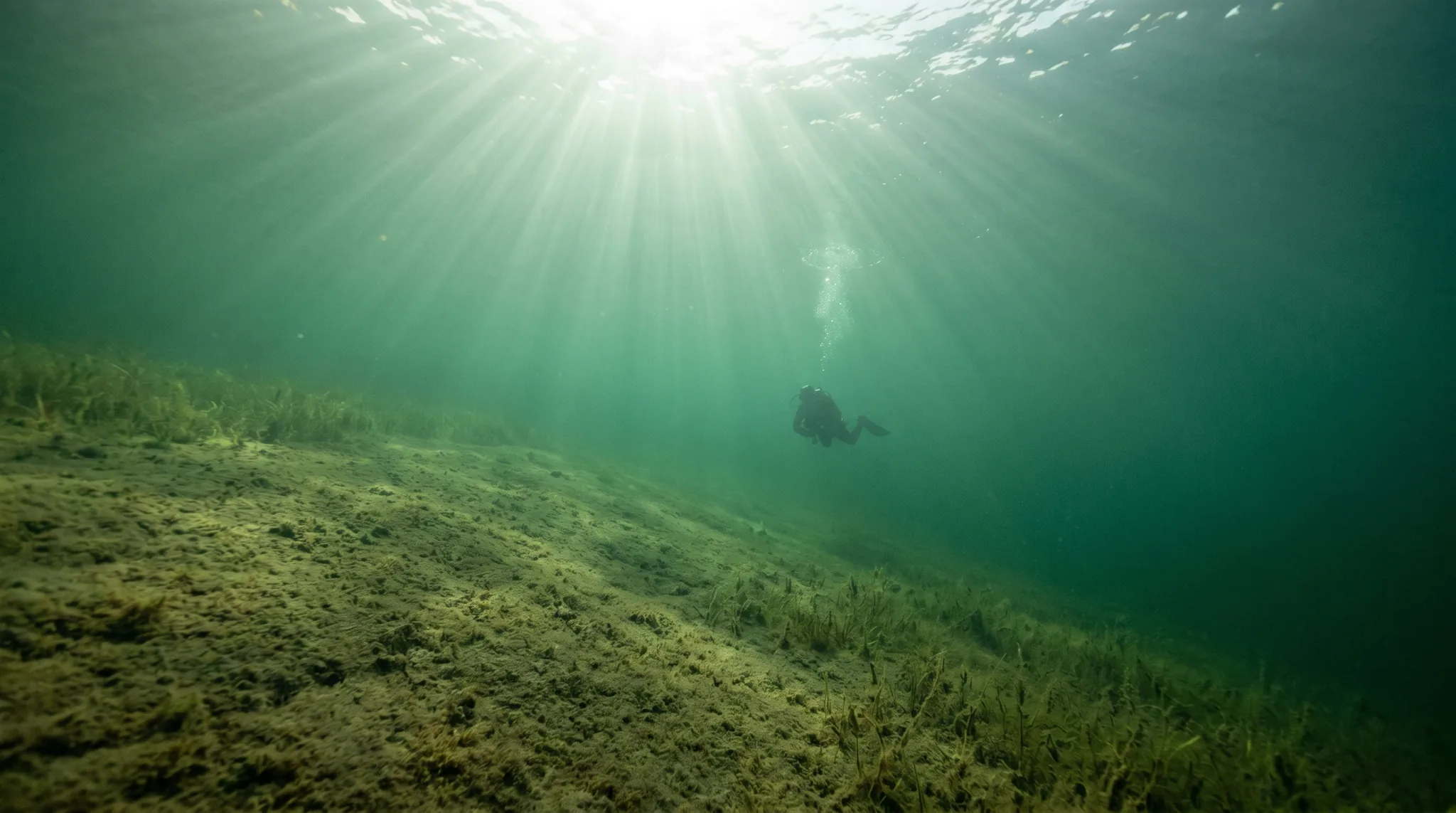
Southern California's underwater character is defined by kelp forest diving. Towering canopies shelter the Garibaldi, Kelp Bass, Horn Shark, and California Sea Lion across sites ranging from easy boat reefs to deep offshore pinnacles and walls. Sub-areas vary considerably: Catalina Island and the Channel Islands offer the widest site selection, while San Diego, Orange County, and Los Angeles provide accessible shore diving. Visibility shifts seasonally, and cooler months bring clearer water that rewards experienced divers willing to plan around conditions.
7 areas
Monthly water temperature across Southern California's sites, from satellite sea-surface data corrected for depth. The band shows the site-to-site spread.
Water temperature sits at its coolest through winter and early spring, then climbs steadily toward late summer and autumn, when diver preference peaks strongly from June through October. Visibility tends to improve in the cooler months as plankton blooms subside, making autumn a particularly rewarding window. Exposed offshore sites such as Osborn Bank and Farnsworth Bank demand attention to swell and current, while sheltered island bays remain accessible for more of the year.
96 operators

Avalon, United States
236 more sites to explore
Kelp forests, pinnacles and wrecks off California, with California Sea Lion, Garibaldi and Horn Shark at nearly every site.
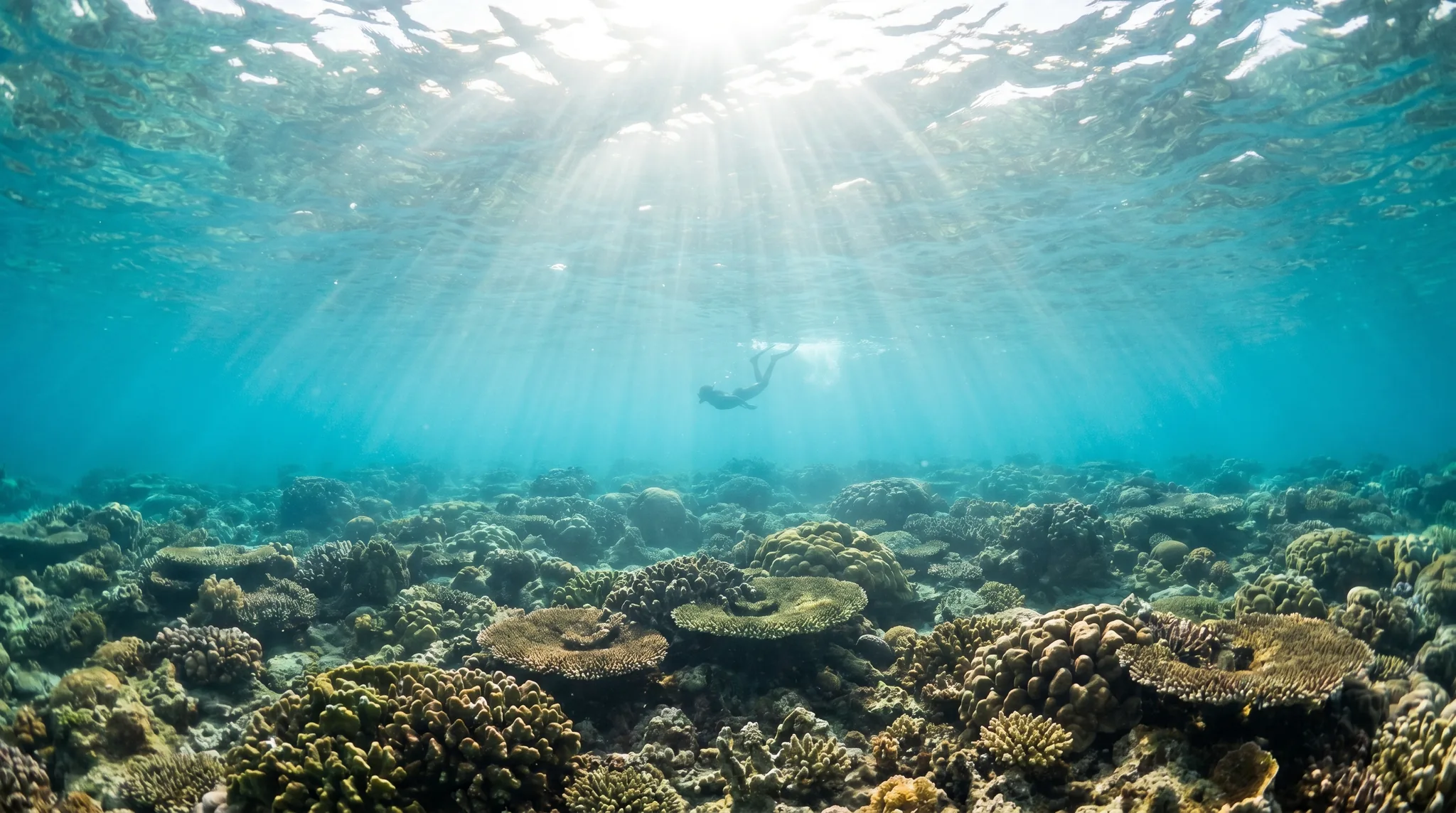
Water temperature around Southern California ranges from about 14°C in February to 18°C in August, based on satellite sea-temperature data for its dive sites.
In the warm season (about 18°C) a 5mm suit is comfortable in Southern California; in the coldest months (about 14°C) step up to a 7mm or semi-dry suit.
Fin maps 248 sites in Southern California (245 scuba diving sites and 23 snorkelling spots, with some suited to both), organised into 7 areas.
Across Southern California's dive sites, July, August, September and October are most often reported as the best months to visit.
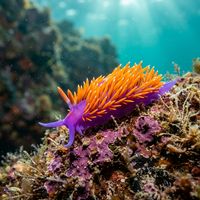
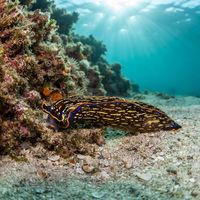
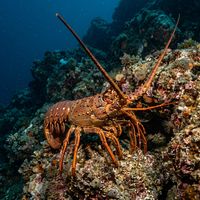
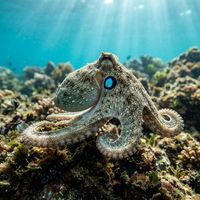
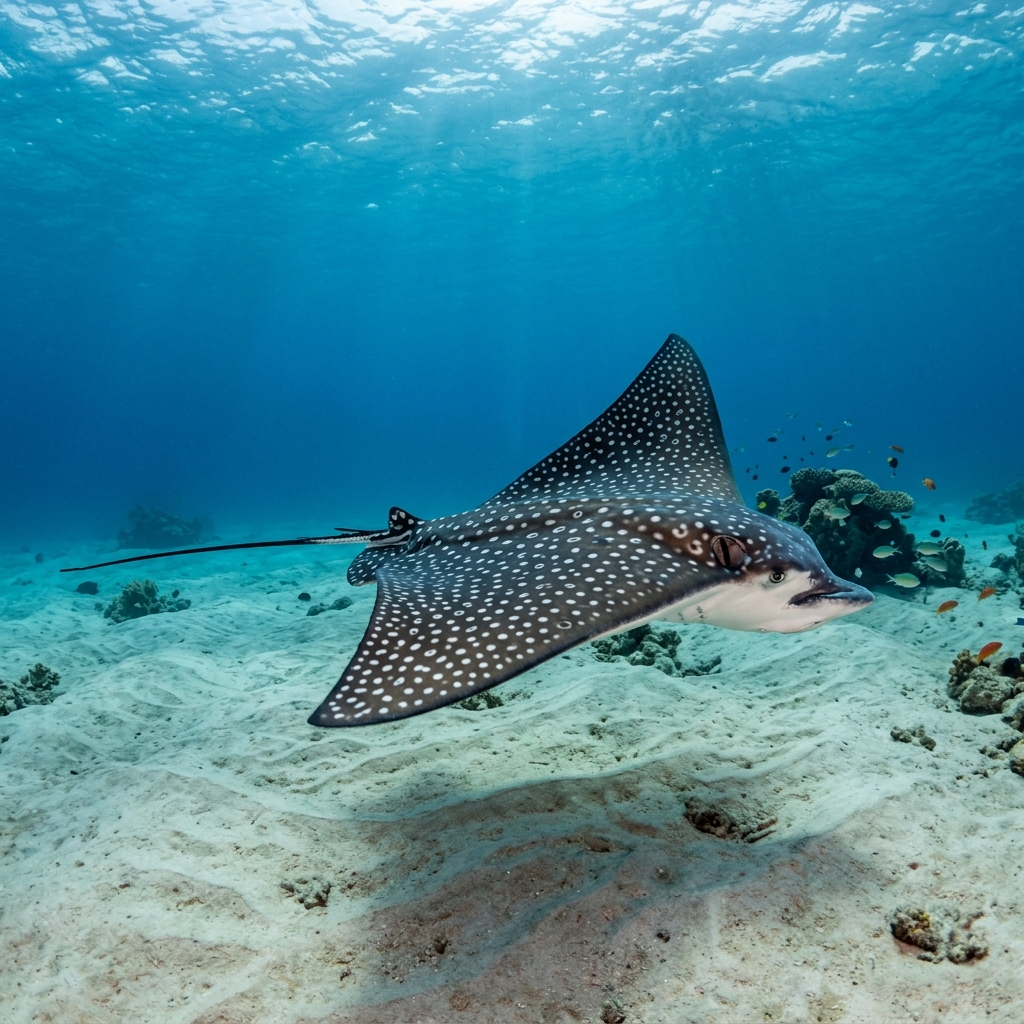
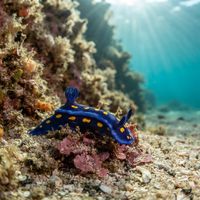
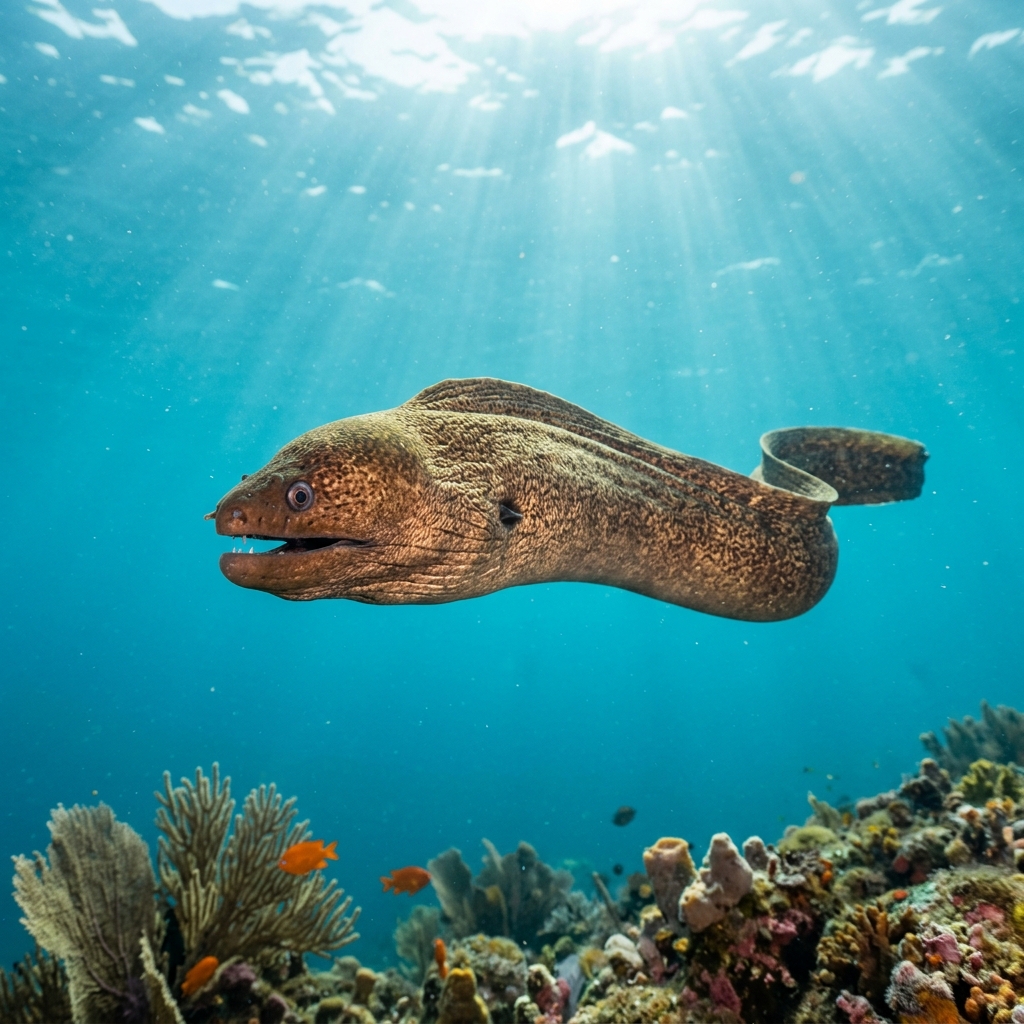
The California Sea Lion and California Spiny Lobster are encountered across a very high proportion of sites. Garibaldi, Scorpionfish, Sea Hare, and Brittle Star are also consistently recorded. Keen observers can find the Spanish Shawl nudibranch, Lesser Two-spot Octopus, Horn Shark, and Eagle Ray, while Leopard Shark and California Moray appear occasionally.
Yes, a good proportion of listed sites are rated beginner or intermediate. Sites such as Castle Rock off Santa Barbara, The Rookery, Cat Canyon, and Shag Rock near Santa Barbara Island all carry beginner ratings and are accessible by boat with mild conditions. Shore-entry sites in Los Angeles and Orange County provide additional options for those building confidence.
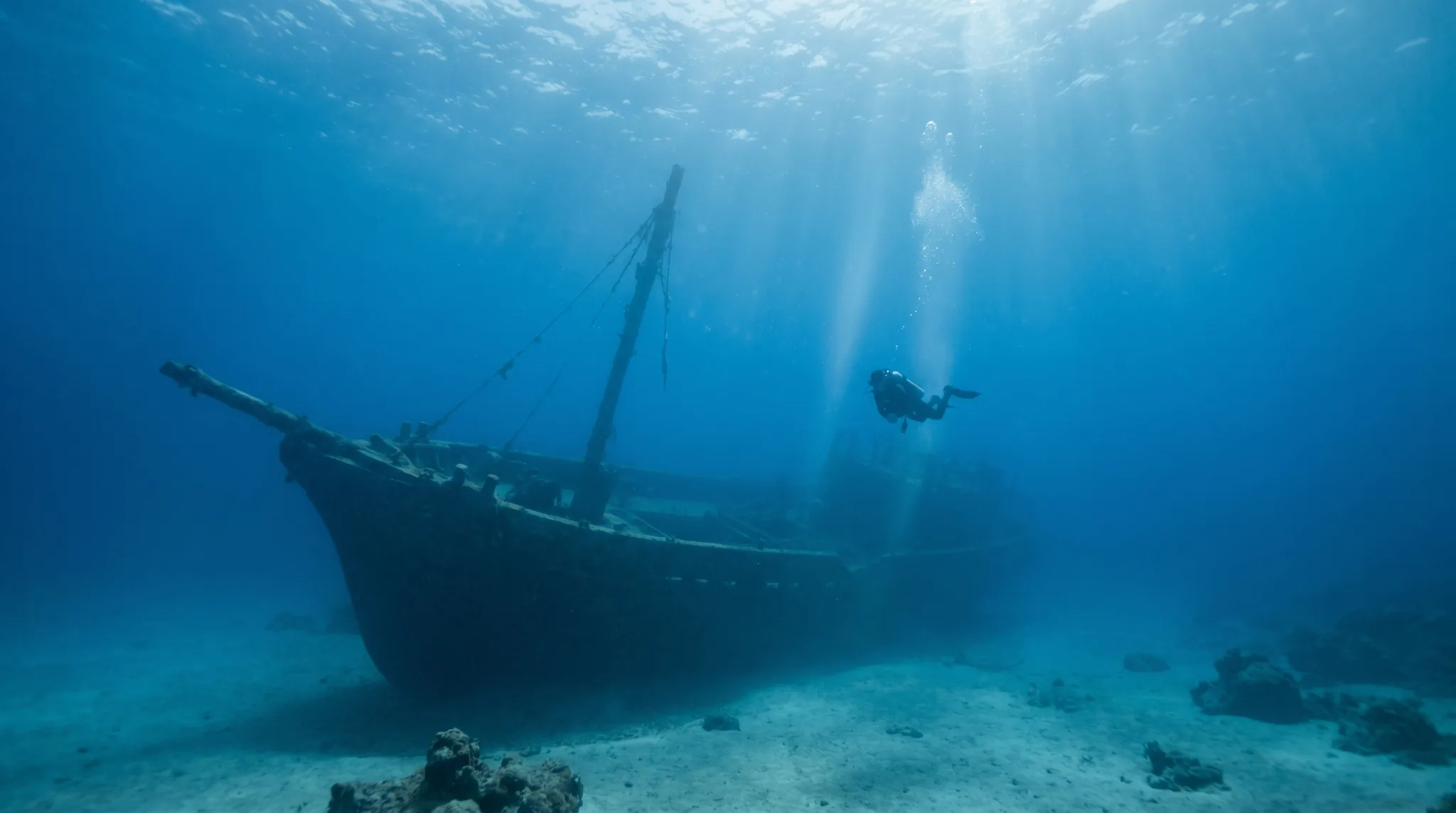
Catalina Island has the largest concentration of sites in the region and includes everything from shallow beginner boat dives to deeper pinnacles and wrecks like those at Emerald Bay. The Channel Islands offer a similarly broad range, with sites such as East End featuring walls, kelp forest, and drop-offs, plus remote offshore options for advanced divers. Both areas are predominantly boat-access destinations.
Shore entry is available at a number of sites, including Point Dume and Leo Carrillo, the latter offering reef, kelp forest, wall, and pinnacle structures from the shoreline. That said, the majority of sites across the region are boat-access only, and operators such as Channel Islands Scuba, Dive n Surf, and Ocean Enterprises run regular trips. Checking entry type when planning individual sites is worthwhile.