San Clemente Island is a boat-access diving destination built around kelp forest, reef, and pinnacle structures, with the wreck of the USS John C. Butler adding an artificial reef dimension. Conditions and topography vary considerably across sites. Tanner Bank draws advanced divers to its offshore seamount, while shallower kelp reef sites like Seal Cove and Wilson Cove suit beginners. California Sea Lion, Eagle Ray, Garibaldi, and Kelp Bass are sighted consistently across the site mix.
Monthly water temperature across San Clemente Island's sites, from satellite sea-surface data corrected for depth. The band shows the site-to-site spread.
Water temperature remains cool and fairly steady through winter and spring, warming noticeably from summer into early autumn. The peak diving window runs from mid-year through early autumn, when conditions are most favourable and diver activity is highest. Exposed offshore sites like Tanner Bank can carry stronger currents regardless of season, so conditions should always be checked before departure.
4 operators
2 more sites to explore
Water temperature around San Clemente Island ranges from about 15°C in January to 18°C in August, based on satellite sea-temperature data for its dive sites.
In the warm season (about 18°C) a 5mm suit is comfortable in San Clemente Island; in the coldest months (about 15°C) step up to a 7mm or semi-dry suit.
Fin maps 13 sites in San Clemente Island (13 scuba diving sites).
Across San Clemente Island's dive sites, June, July, August, September and October are most often reported as the best months to visit.
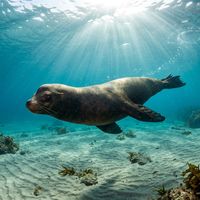
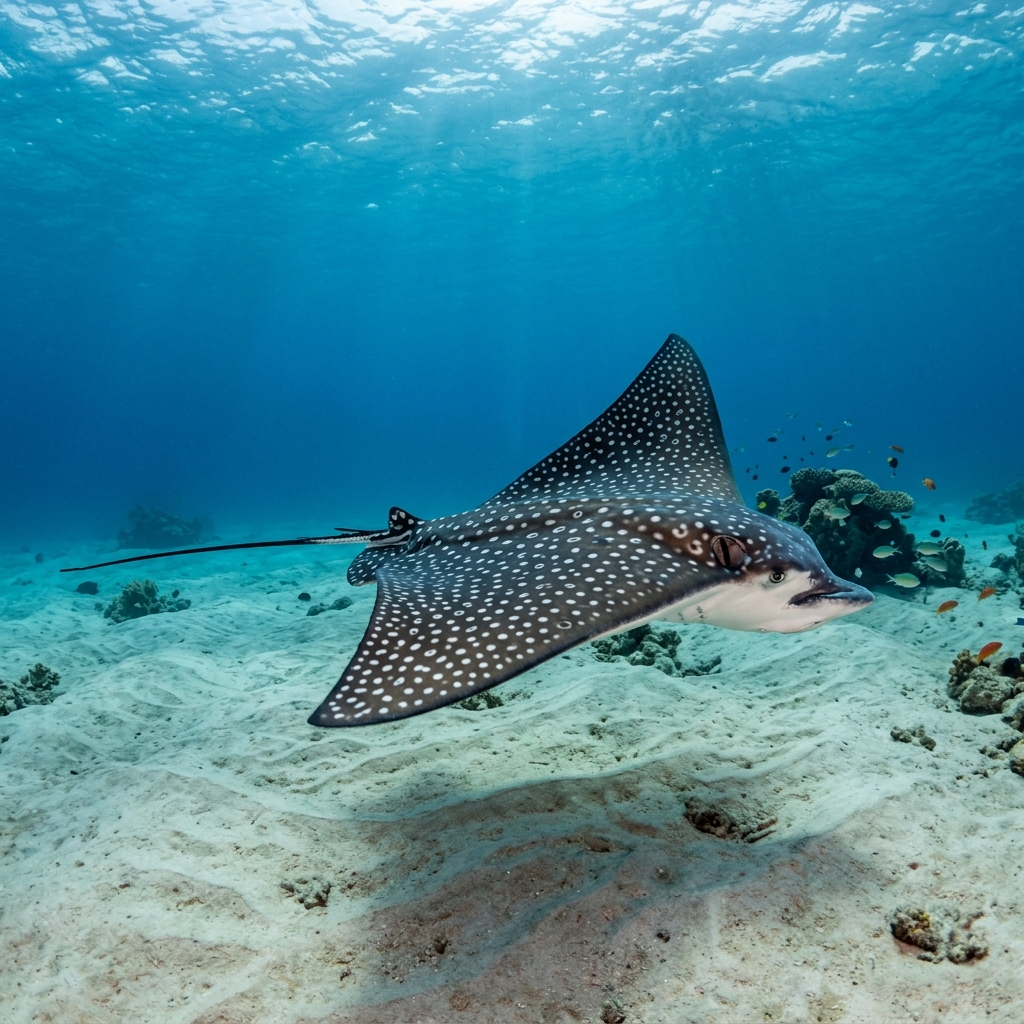
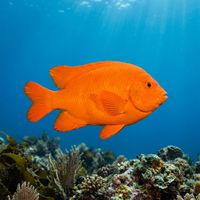
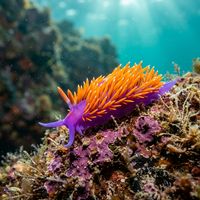
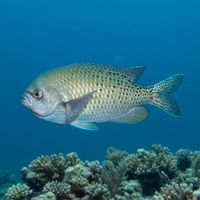
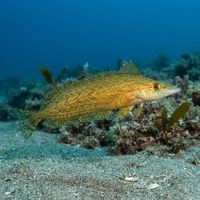
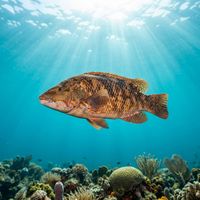
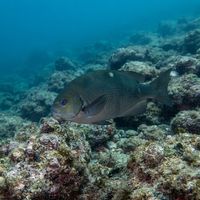
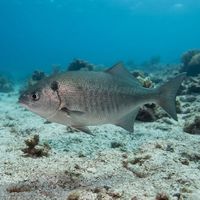
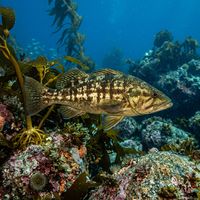
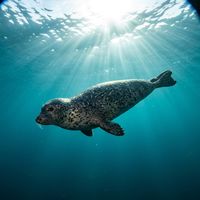
The most consistently observed species include California Sea Lion, Eagle Ray, Garibaldi, and Kelp Bass, all recorded across the majority of sites. Spanish Shawl nudibranch, Blacksmith, Giant Kelpfish, Opaleye, and Ochre Sea Star are also common. California Sheephead and California Spiny Lobster appear occasionally, and Grey Reef Shark has been recorded here too.
Several sites are rated for beginners, including Seal Cove, Castle Rock, Coral Gardens, Cove Point, Wilson Cove, and San Clemente North. These offer shallower reef and kelp forest dives with generally mild conditions. Advanced divers should head to Tanner Bank, an offshore seamount that involves stronger currents and greater depth. Intermediate sites such as Eel Point Reef and Fish Hook bridge the gap.
Every site in the area is boat-access only, so you will need to arrange a trip with one of the local operators. Operators serving the area include Truth Aquatics, Sundiver, Pacific Star, and Los Angeles County Underwater Unit. Tanner Bank sits well offshore and requires a longer passage than inshore reef sites.
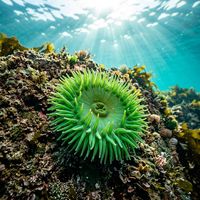
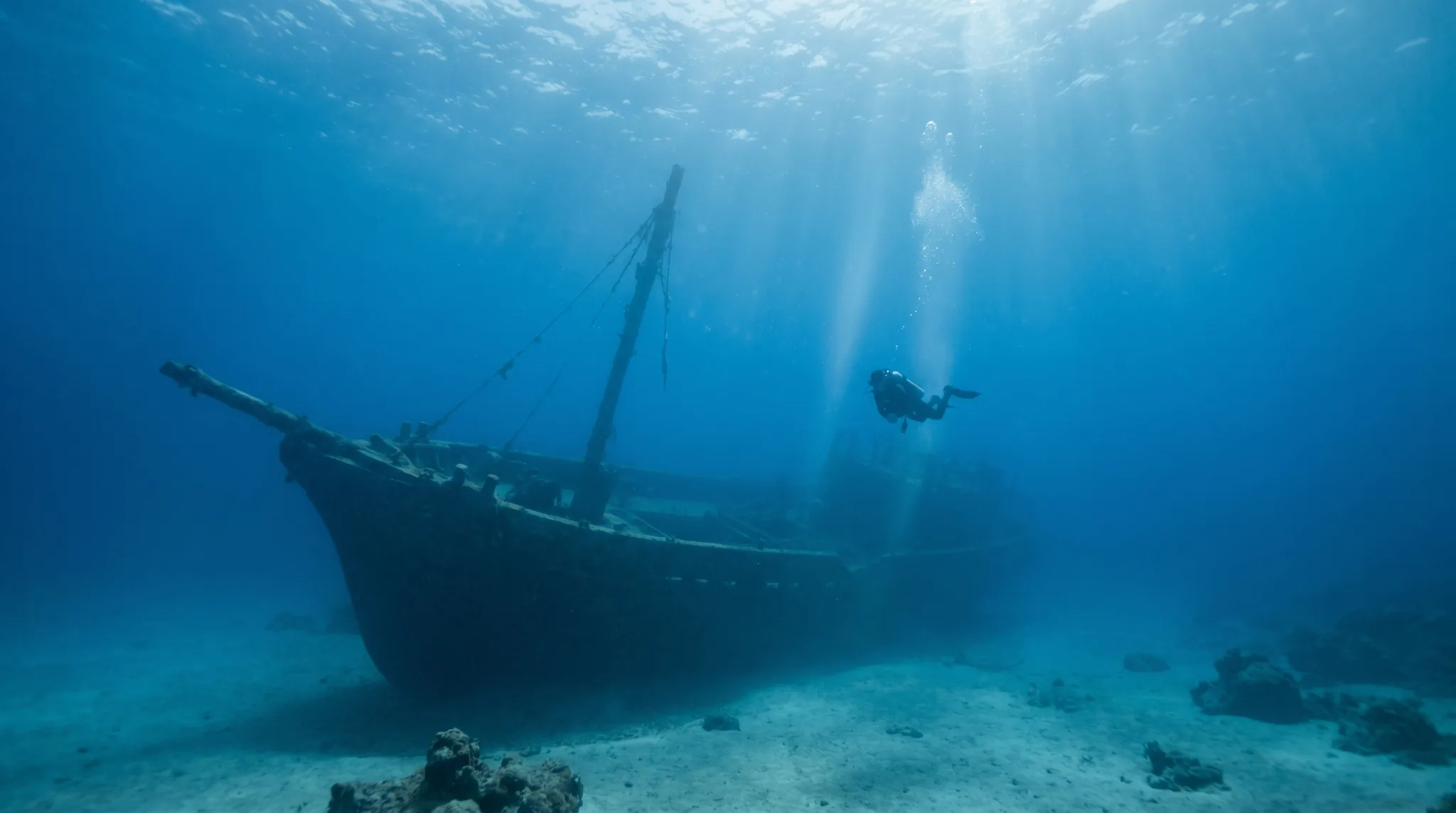
Kelp forest and reef combinations dominate the site mix, giving most dives a classic Southern California character with dense canopy and associated fish life. Pinnacle structures at sites like Tanner Bank and Eel Point Reef add topographic drama. The USS John C. Butler provides a wreck and artificial reef experience for divers looking for something different from the kelp-lined walls and canyons found at sites such as San Clemente North.