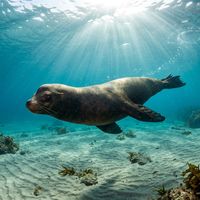
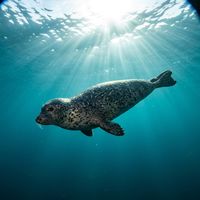
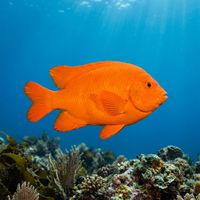
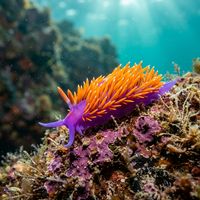
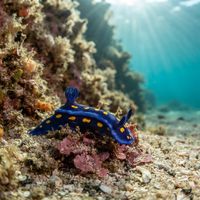
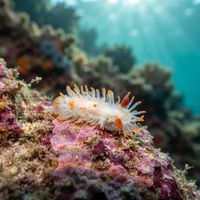
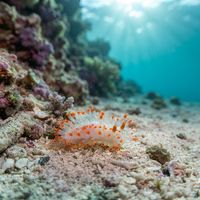
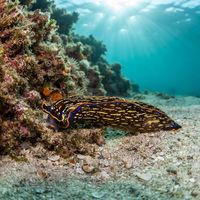
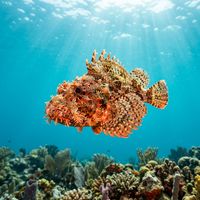
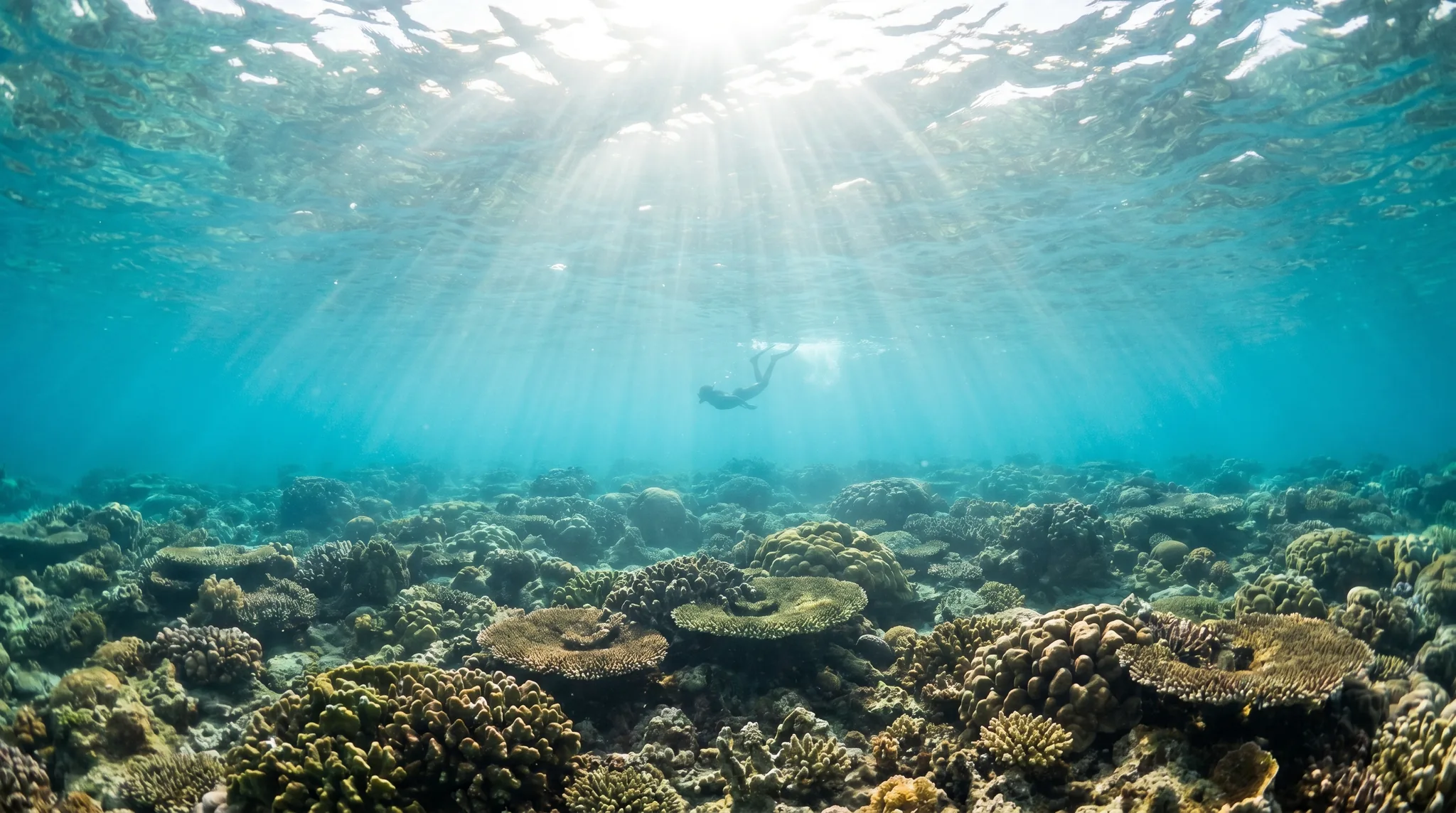
Baja California Norte's diving is anchored entirely in the Coronado Islands, a cluster of sites where kelp forest, reef, wall, pinnacle and wreck terrain sit side by side. Harbor Seal and California Sea Lion are encountered across nearly every site, while Garibaldi, Scorpionfish, Sea Star and the vivid Spanish Shawl nudibranch colour the reefs. Conditions range from sheltered beginner dives at South Coronado Island and Kennedy Cove to demanding drift dives and deep walls at El Reef, Roca el Aguila and Campo 7 sección 1. All sites require boat access.
1 areas
Monthly water temperature across Baja California Norte's sites, from satellite sea-surface data corrected for depth. The band shows the site-to-site spread.
Water temperature stays cool throughout the year, dipping to its lowest in spring and rising slightly into autumn. Visibility and diver reports both point to late summer through early winter as the most productive window, with September, October and November drawing the strongest interest. Currents vary considerably by site, from mild conditions on sheltered reefs to strong flows at the advanced pinnacle and drift sites.
3 operators
14 more sites to explore
Water temperature around Baja California Norte ranges from about 14°C in April to 17°C in September, based on satellite sea-temperature data for its dive sites.
With water around 14–17°C, a 7mm or semi-dry suit works in Baja California Norte year-round.
Fin maps 26 sites in Baja California Norte (25 scuba diving sites and 2 snorkelling spots, with some suited to both).
Across Baja California Norte's dive sites, September, October, November and December are most often reported as the best months to visit.
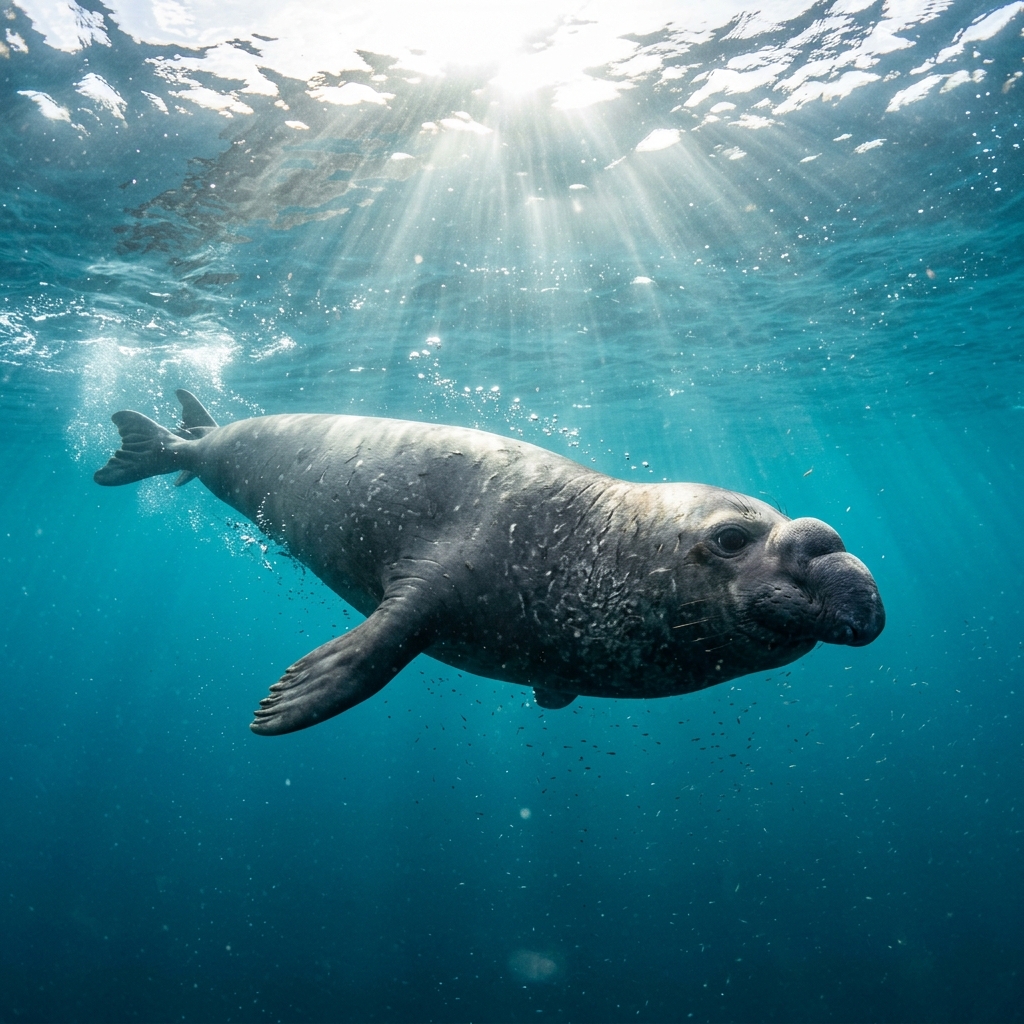
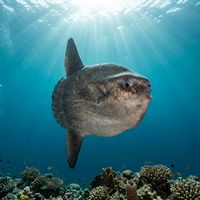
Harbor Seal and California Sea Lion appear across virtually all sites in the Coronado Islands. Garibaldi, Scorpionfish, Sea Star and Spanish Shawl nudibranch are consistently observed on the reefs, while Horn Shark, California Moray and California Spiny Lobster turn up regularly. Blue Shark and Mako Shark have also been recorded, and Ocean Sunfish appear occasionally.
A good portion of the sites here are rated for beginners, including South Coronado Island, Puerto Cueva, Middle Rock, Middle Coronado Island, Coronados Reef and Kennedy Cove. These offer sheltered reef and kelp forest terrain at manageable depths with mild currents. Advanced divers have their own options in drift dives, deep walls and pinnacle sites such as Roca el Aguila and Bajo de San Miguel.
Almost all sites in the Coronado Islands require boat access, and Mares Dive Center is the operator serving the area. Kennedy Cove is the notable exception, offering the option of a shore entry alongside its boat-access alternative. Arranging a trip through the local operator is the standard way to reach the majority of sites.
The Coronado Islands host a wide range of site types within a compact area. Shallower kelp forest and reef dives such as Middle Rock and Coronados Reef suit those building experience, while Isla Todos Santos adds wreck and drift elements for intermediate divers. At the advanced end, Campo 7 sección 1 drops along a deep vertical wall and Roca el Aguila combines a pinnacle, wall and cave system with strong currents.