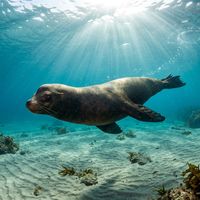
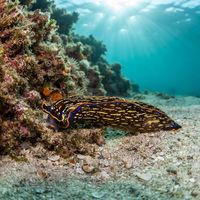
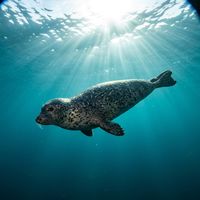
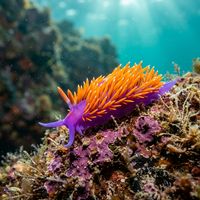
San Diego diving centres on two distinct sub-areas: La Jolla to the north and Point Loma and Mission Bay to the south. Kelp forest, reef, seagrass, cave, and wreck sites all feature across the region, giving divers a truly varied menu without leaving the coast. California Sea Lion and Harbor Seal encounters are common, and the nudibranch life, including Spanish Shawl and Navanax, is a particular draw. Most sites are accessible from shore, with boat access opening up the deeper wrecks.
2 areas
Monthly water temperature across San Diego's sites, from satellite sea-surface data corrected for depth. The band shows the site-to-site spread.
Water temperature climbs through summer and peaks in late summer before easing back through autumn. The best-months data favours late autumn and early winter alongside the autumn shoulder, when conditions are well-regarded by local divers. Winter and spring bring cooler water but still-productive diving, making San Diego a year-round destination with a clear peak season centred on autumn.
7 operators
United States
United States

United States
14 more sites to explore
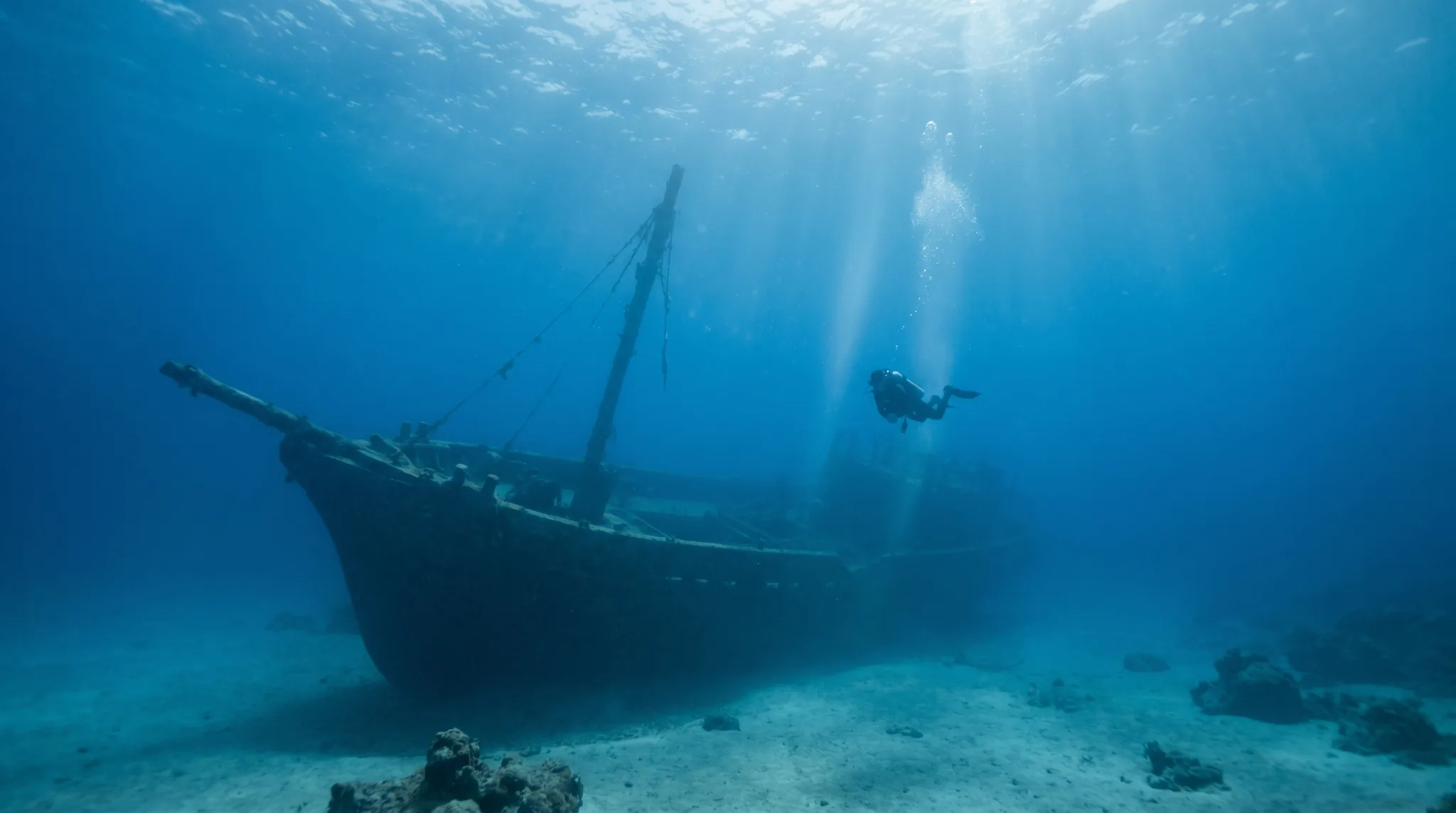
Kelp reefs, two sunken vessels, and some of California's most colourful nudibranchs, all reached by boat from San Diego.
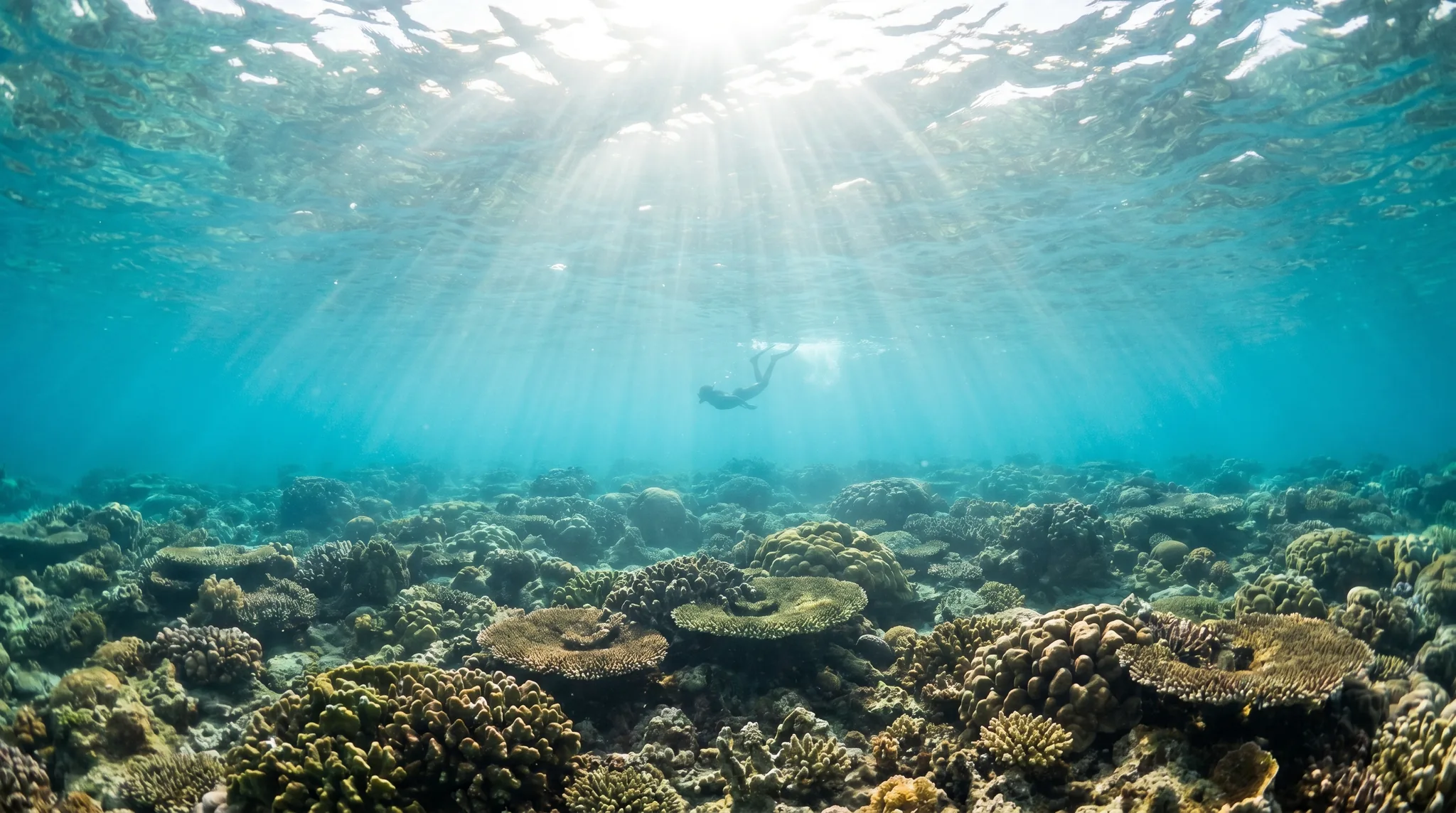
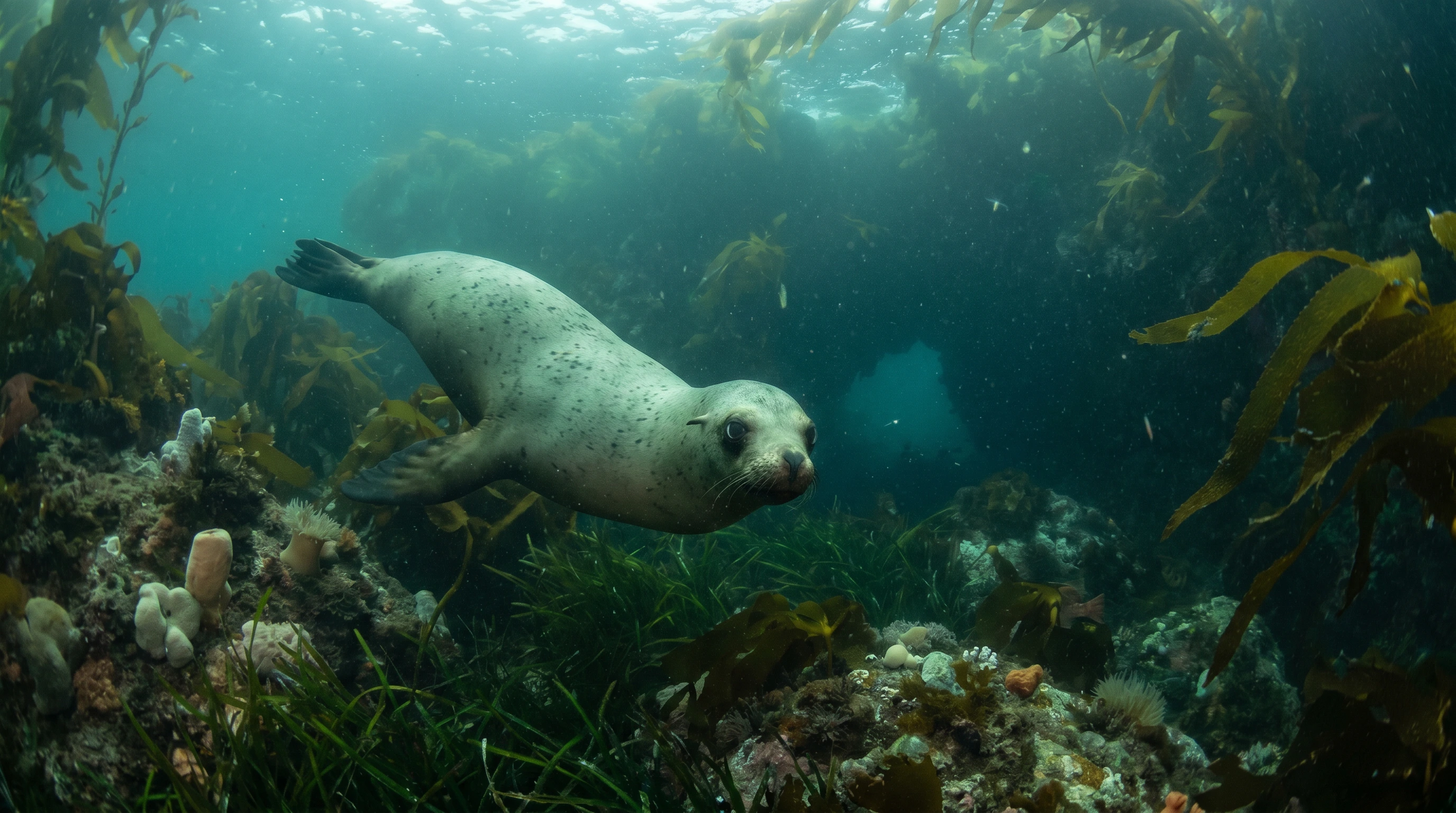
Water temperature around San Diego ranges from about 15°C in January to 20°C in August, based on satellite sea-temperature data for its dive sites.
In the warm season (about 20°C) a 5mm suit is comfortable in San Diego; in the coldest months (about 15°C) step up to a 7mm or semi-dry suit.
Fin maps 21 sites in San Diego (21 scuba diving sites and 3 snorkelling spots, with some suited to both), organised into 2 areas.
Across San Diego's dive sites, September, October, November and December are most often reported as the best months to visit.
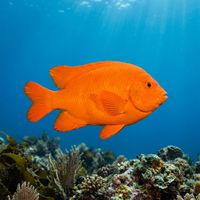
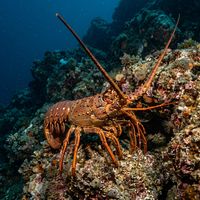
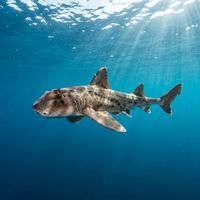
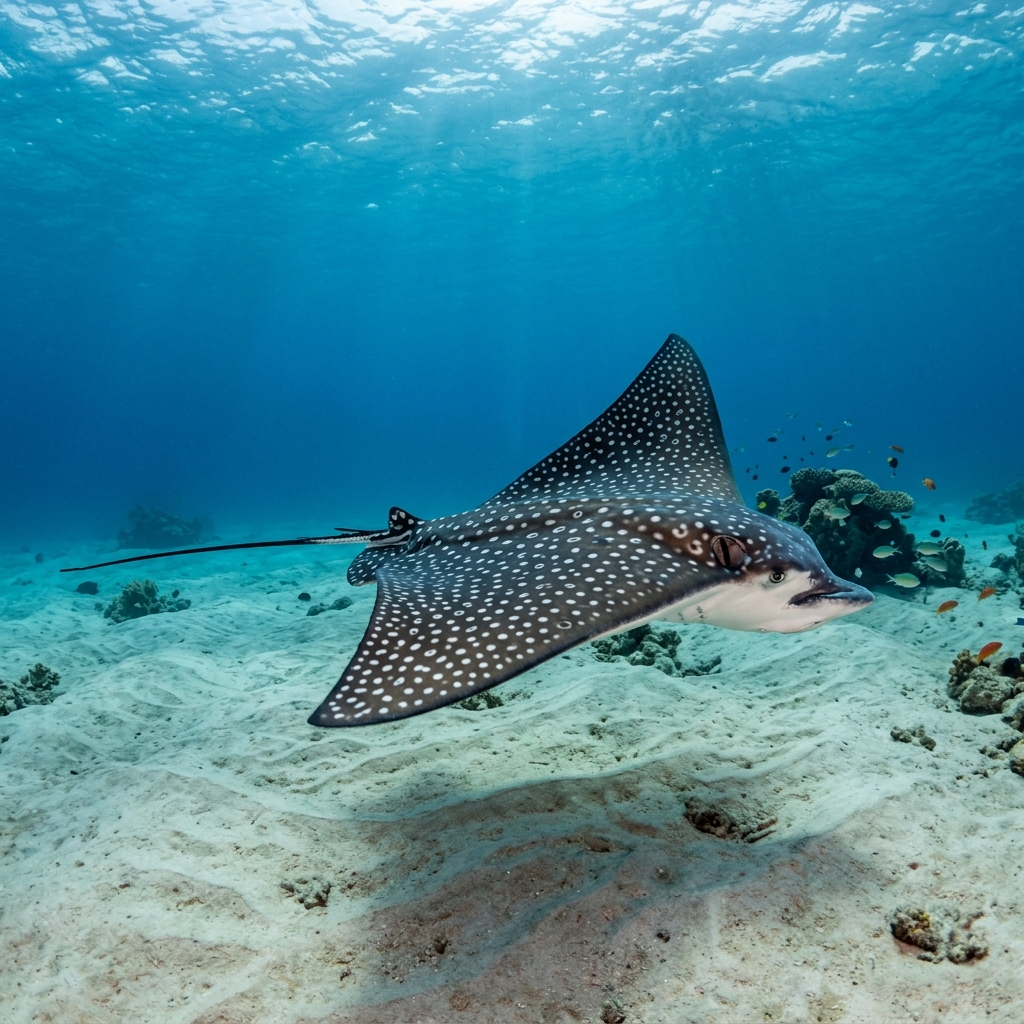
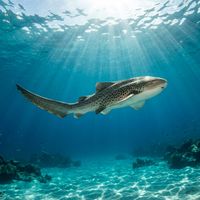
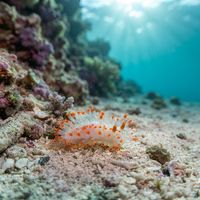
California Sea Lion and Sea Star are seen across the great majority of sites, while California Spiny Lobster is also very frequently encountered. Garibaldi, Harbor Seal, and a rich variety of nudibranchs including Spanish Shawl, Navanax, and Hermissenda are regularly observed. Occasional sightings of Horn Shark, Leopard Shark, and Eagle Ray add to the appeal for those hoping to encounter larger animals.
A good number of the region's sites are rated beginner level, including popular spots such as La Jolla Kelp Forest, Marine Room, La Jolla Cove, and The Cave. These offer shallow to moderate depths with shore entry, making them well-suited to divers early in their training. Intermediate and advanced sites, including the Yukon Wreck, are also available for those looking to push further.
La Jolla concentrates its sites around reef, kelp forest, cave, and seagrass habitats, with many accessible directly from the shore. Point Loma and Mission Bay adds notable wreck diving, including the Ruby E and the Yukon Wreck, which sit deeper and require boat access. Between them the two sub-areas cover nearly every site type San Diego offers.
Shore entry is the default for many of San Diego's most popular sites, particularly across La Jolla, where several reefs and kelp forests are within easy swimming distance of the beach. Boat access becomes necessary for offshore sites such as New Hope Rock and the deeper wrecks. Operators including La Jolla Dive, Ocean Enterprises, Waterhorse Charters, and Marissa Charters run regular boat trips for those seeking the fuller range.