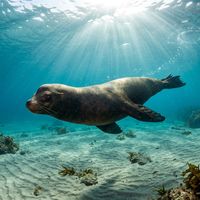
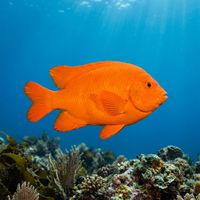
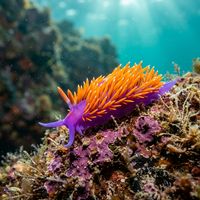
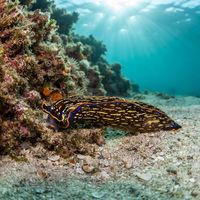
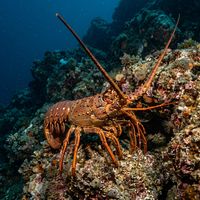
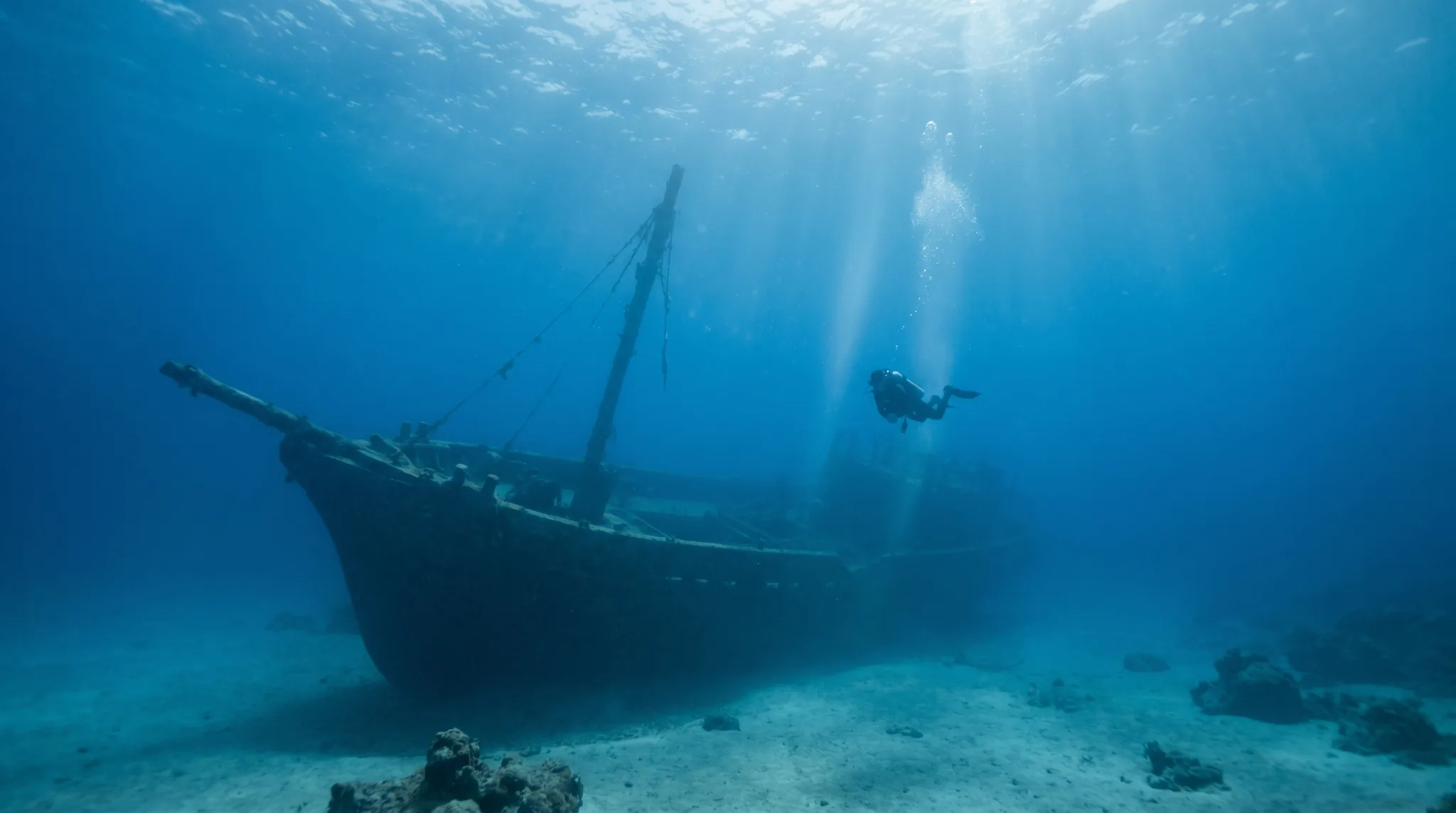
The Channel Islands deliver some of Southern California's most varied dive terrain, from the shallow kelp forests and pinnacles of Anacapa Island to the exposed offshore structure of San Miguel Island. Kelp forest, reef, wall, cave, and wreck sites all feature across the five island groups. The California Sea Lion is a near-constant companion, while Garibaldi, Spanish Shawl, and California Spiny Lobster are reliably sighted. Conditions favour late summer through autumn, when water is at its warmest and diver ratings peak.
5 areas
Monthly water temperature across Channel Islands's sites, from satellite sea-surface data corrected for depth. The band shows the site-to-site spread.
Water temperature holds cool and steady across much of the year, nudging a little warmer from late summer into autumn. That late-summer to autumn window draws the most divers and offers the calmest conditions across the islands. Winter and spring remain diveable but cooler, and exposed sites such as San Miguel Island can carry stronger surge year-round.
28 operators
United States
United States
62 more sites to explore

Kelp forest diving off Anacapa Island, with wrecks, caverns, and one of California's richest nudibranch and sea lion encounters.
Water temperature around Channel Islands ranges from about 13°C in April to 17°C in September, based on satellite sea-temperature data for its dive sites.
With water around 13–17°C, a 7mm or semi-dry suit works in Channel Islands year-round.
Fin maps 74 sites in Channel Islands (72 scuba diving sites and 3 snorkelling spots, with some suited to both), organised into 5 areas.
Across Channel Islands's dive sites, July, August, September and October are most often reported as the best months to visit.
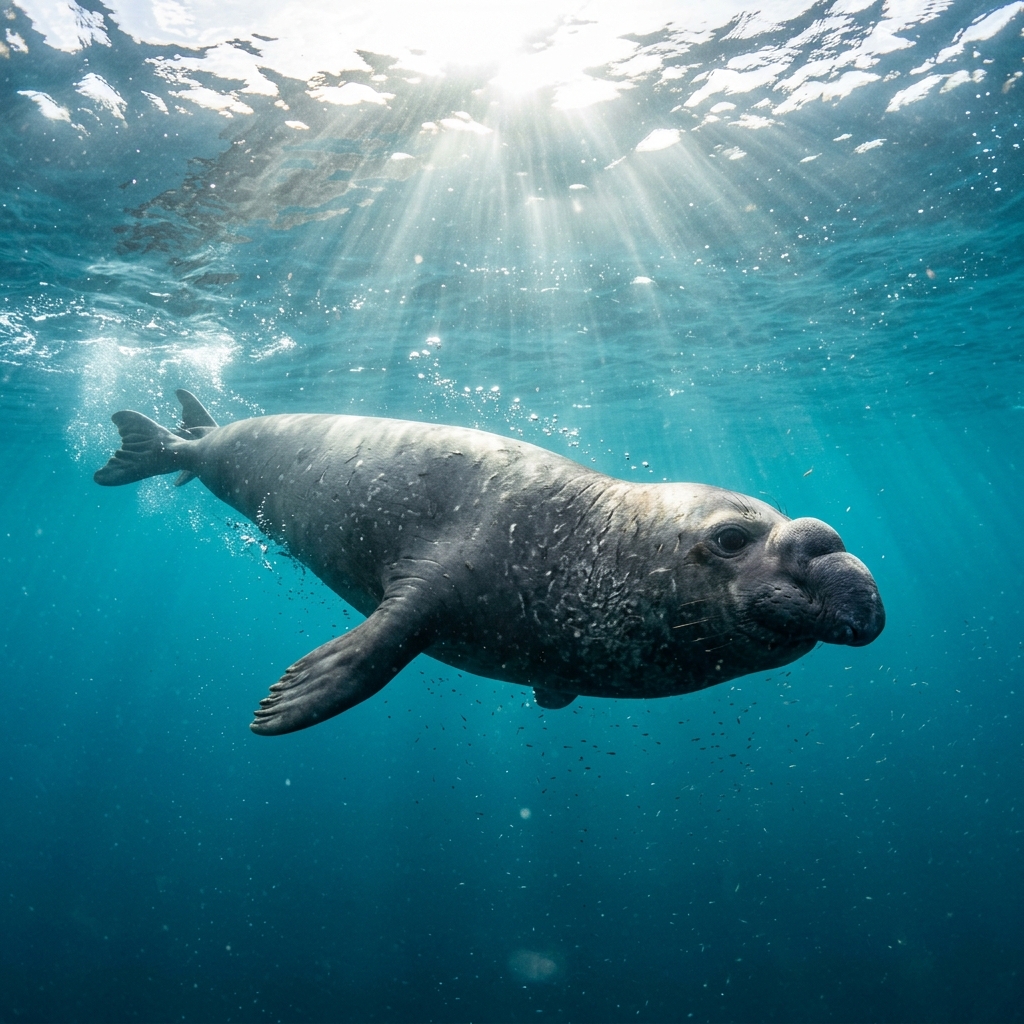
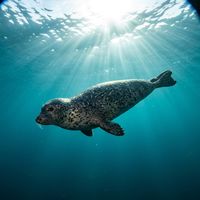
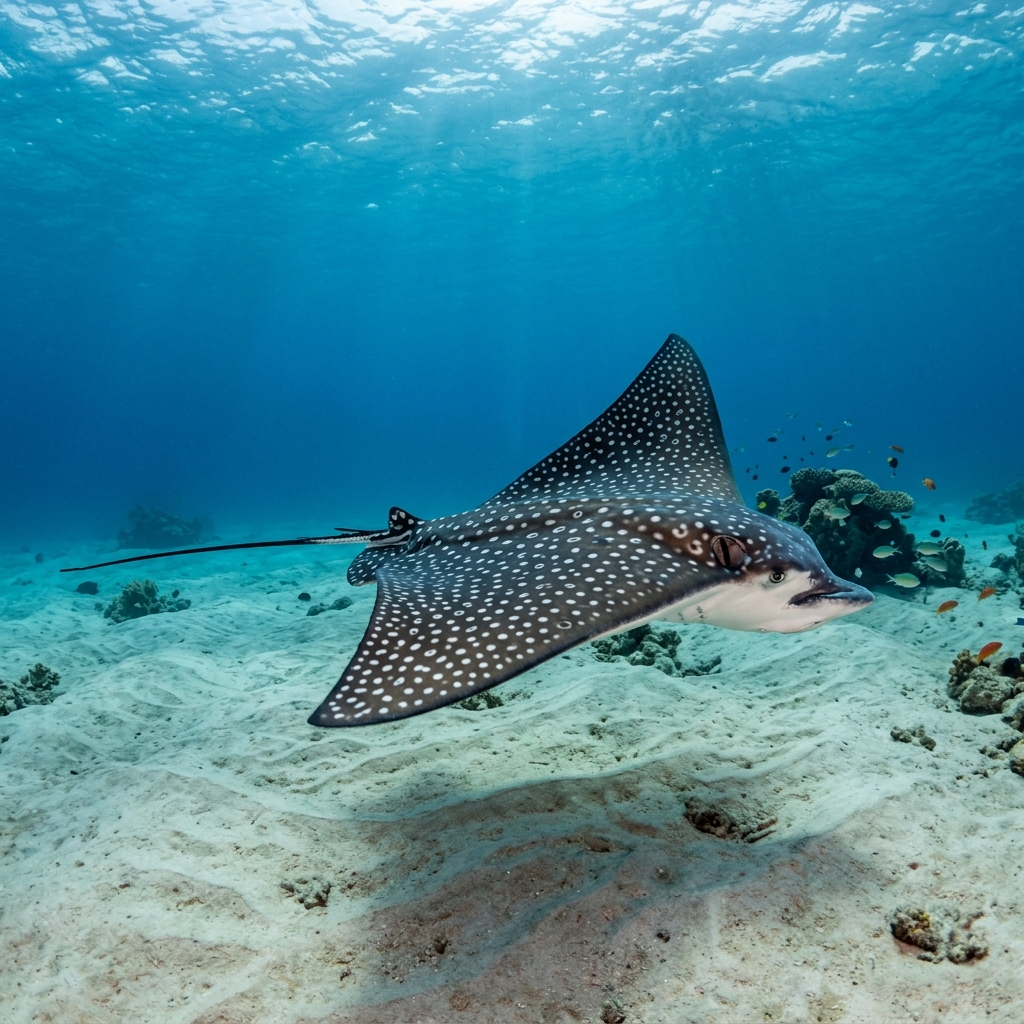
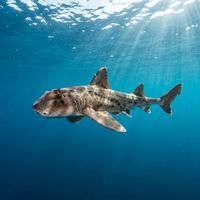
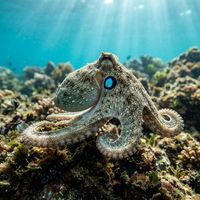
The California Sea Lion is by far the most frequently encountered animal, appearing at the vast majority of sites. Garibaldi, Spanish Shawl nudibranch, Navanax, and California Spiny Lobster are all commonly observed. Less frequent but recorded sightings include Northern Elephant Seal, Harbor Seal, Horn Shark, Eagle Ray, and Lesser Two-spot Octopus.
The site mix covers all levels. Beginner-rated sites such as Cat Canyon, The Rookery, and Shag Rock offer sheltered kelp forest and reef diving at moderate depths. Intermediate sites including Leo Carrillo and East End add walls and drop-offs, while advanced sites such as Begg Rock and Osborn Bank involve deep, exposed offshore structure. Most diving requires boat access, so comfort in open water is helpful even at beginner sites.
Anacapa Island has the greatest number of sites and serves as the most accessible starting point. Santa Cruz Island includes a wreck site at Talcott Shoal alongside reef and kelp terrain. Santa Barbara Island is surrounded by beginner-friendly sites such as Cat Canyon and Arch Reef, plus the deeper challenge of Osborn Bank. San Miguel Island and Santa Rosa Island are more remote and exposed, suited to divers comfortable with variable conditions.
Almost all sites require boat access, and a wide range of operators serve the islands. Among those listed are Ventura Dive and Sport, SCDiving, Spectre Dive Boat, Dive Santa Barbara, and Raptor Dive Charters, along with several others. Leo Carrillo is a notable exception, accessible from shore. Boat trips vary in length depending on which island group is targeted, with San Miguel Island and Santa Rosa Island being the most distant.