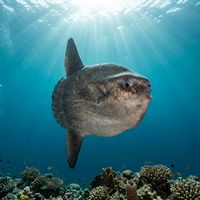
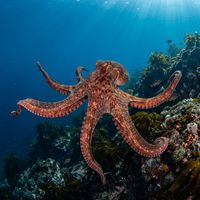
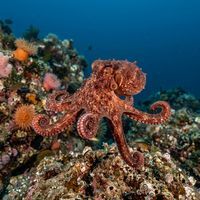
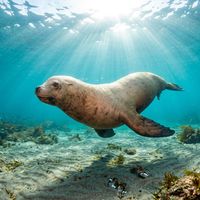
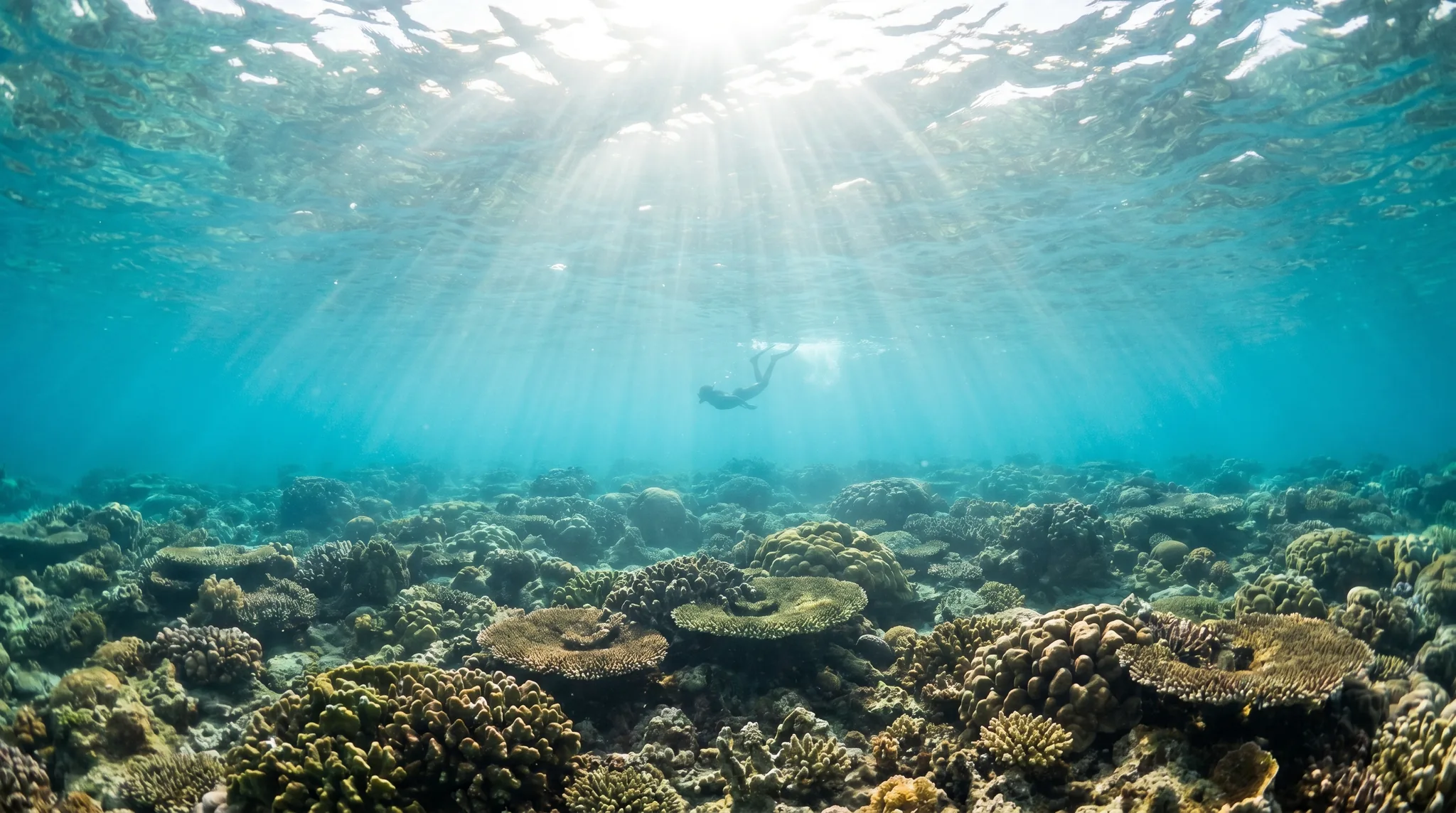
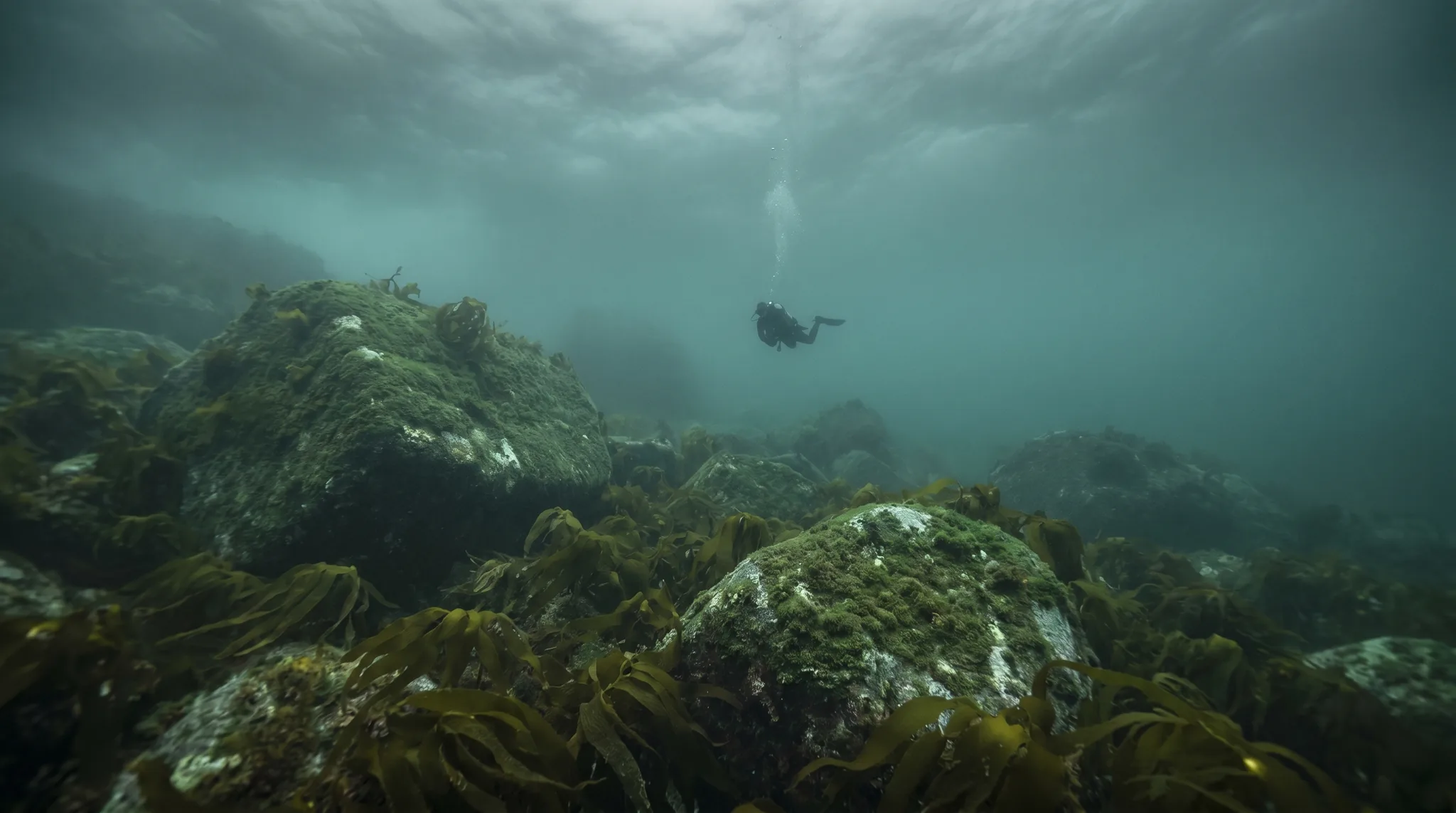
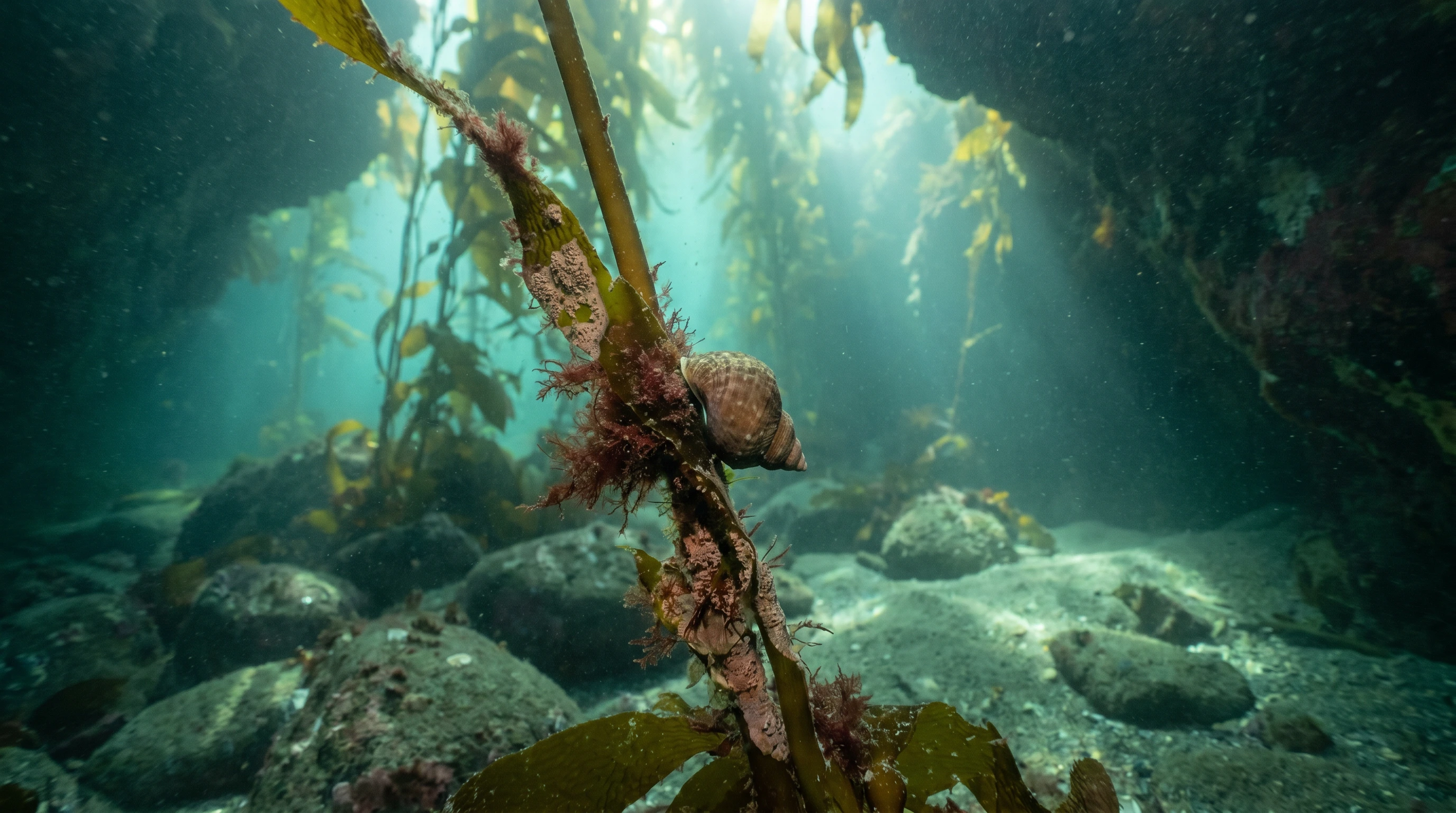
Northern California brings together two entirely distinct underwater worlds: a collection of cold, kelp-rich coastal sites along the Mendocino and Sonoma coast and at the remote Farallon Islands, and the clear freshwater sites of Lake Tahoe. Coastal diving means rugged reefs, dramatic pinnacles, and encounters with California Sea Lion, Harbor Seal, and Ling Cod. Lake Tahoe offers exceptional freshwater visibility across boulder reefs and walls. Advanced divers are well served by offshore sites, while beginners have sheltered shore entries on both coasts and in the lake.
Monthly water temperature across Northern California's sites, from satellite sea-surface data corrected for depth. The band shows the site-to-site spread.
Water temperature stays consistently cool year-round, with the warmest conditions arriving in autumn. The best diving is concentrated from late spring through early autumn, when calmer seas improve both access to offshore sites and underwater visibility. Exposed coastal sites at the Farallon Islands and Cordell Bank are weather-dependent and suit those comfortable with open-ocean conditions.
21 operators
31 more sites to explore
3 areas
 18
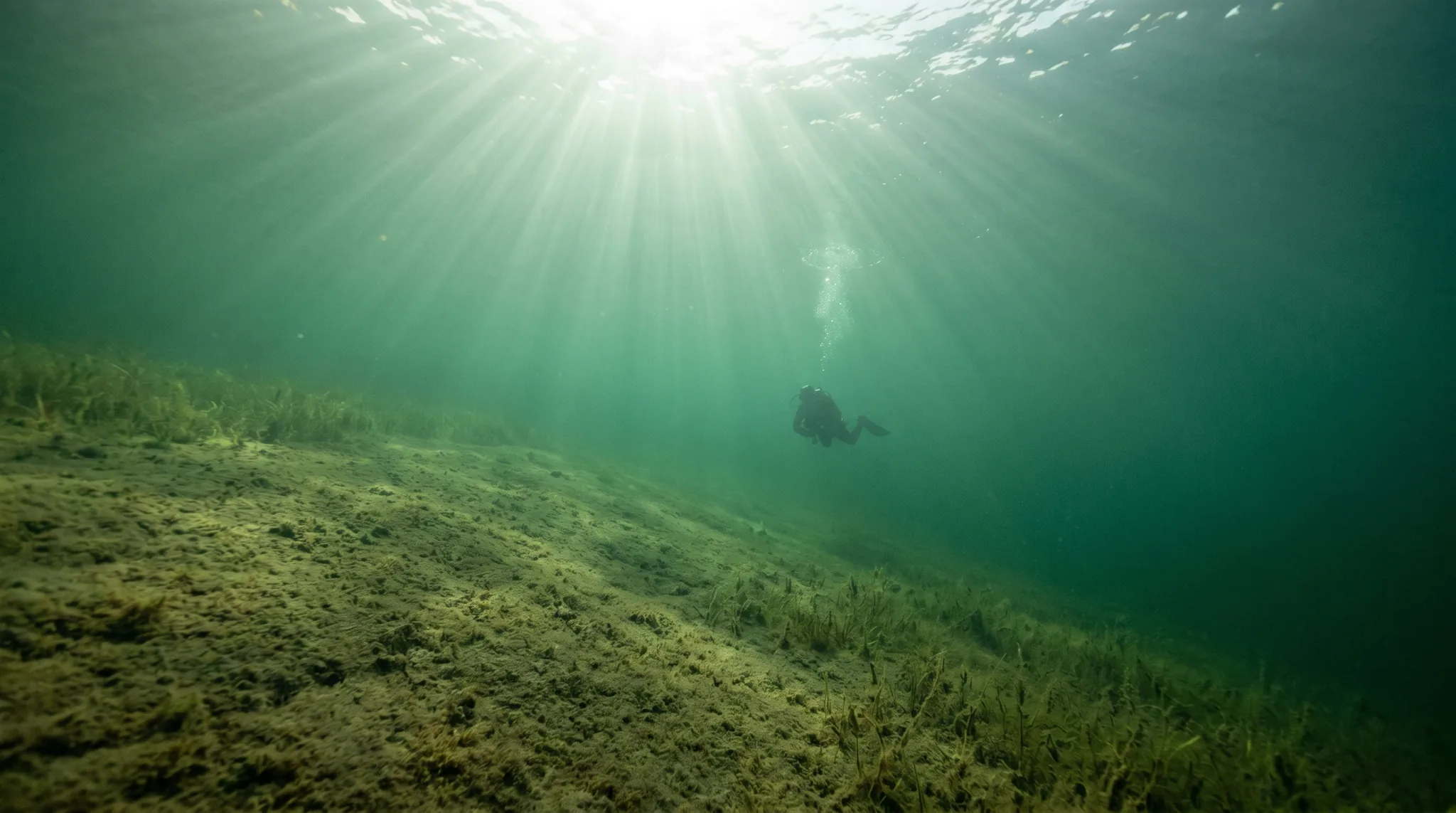
18Freshwater diving with exceptional clarity, boulder reefs, artificial structures, and a dramatic deep wall at Rubicon Point.
15Shore-access kelp forest diving with rich nudibranch life, crabs, sea stars and regular Harbor Seal encounters along a rugged Northern California coast.
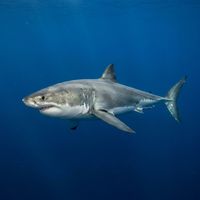
10Remote offshore pinnacles and reefs where Great White Shark, seals, and sea lions share the water with divers bold enough to make the crossing.
Water temperature around Northern California ranges from about 10°C in April to 13°C in October, based on satellite sea-temperature data for its dive sites.
In the warm season (about 13°C) a 7mm or semi-dry suit is comfortable in Northern California; in the coldest months (about 10°C) step up to a drysuit.
Fin maps 43 sites in Northern California (31 scuba diving sites and 18 snorkelling spots, with some suited to both), organised into 3 areas.
Across Northern California's dive sites, June, July, August and September are most often reported as the best months to visit.
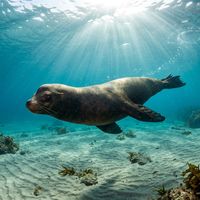
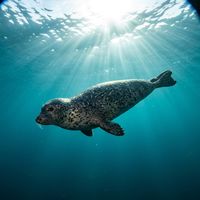
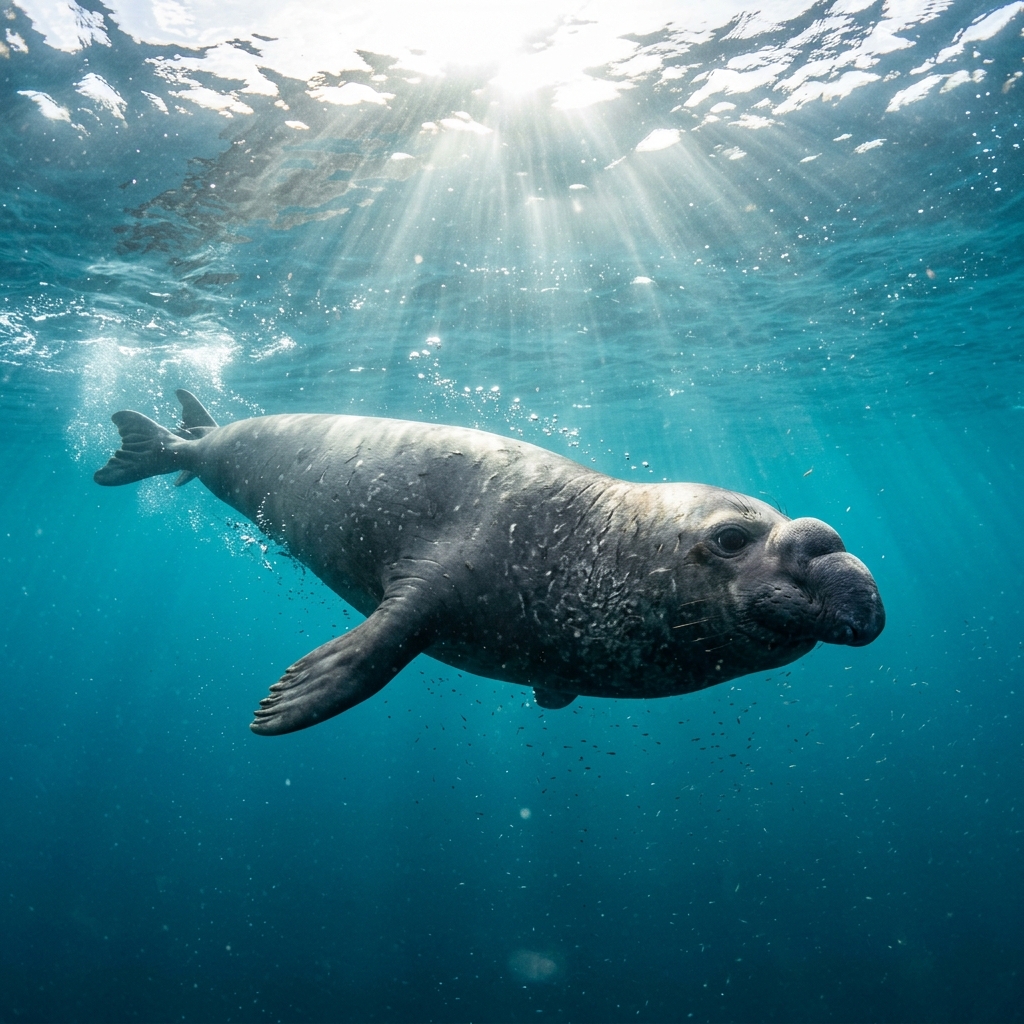
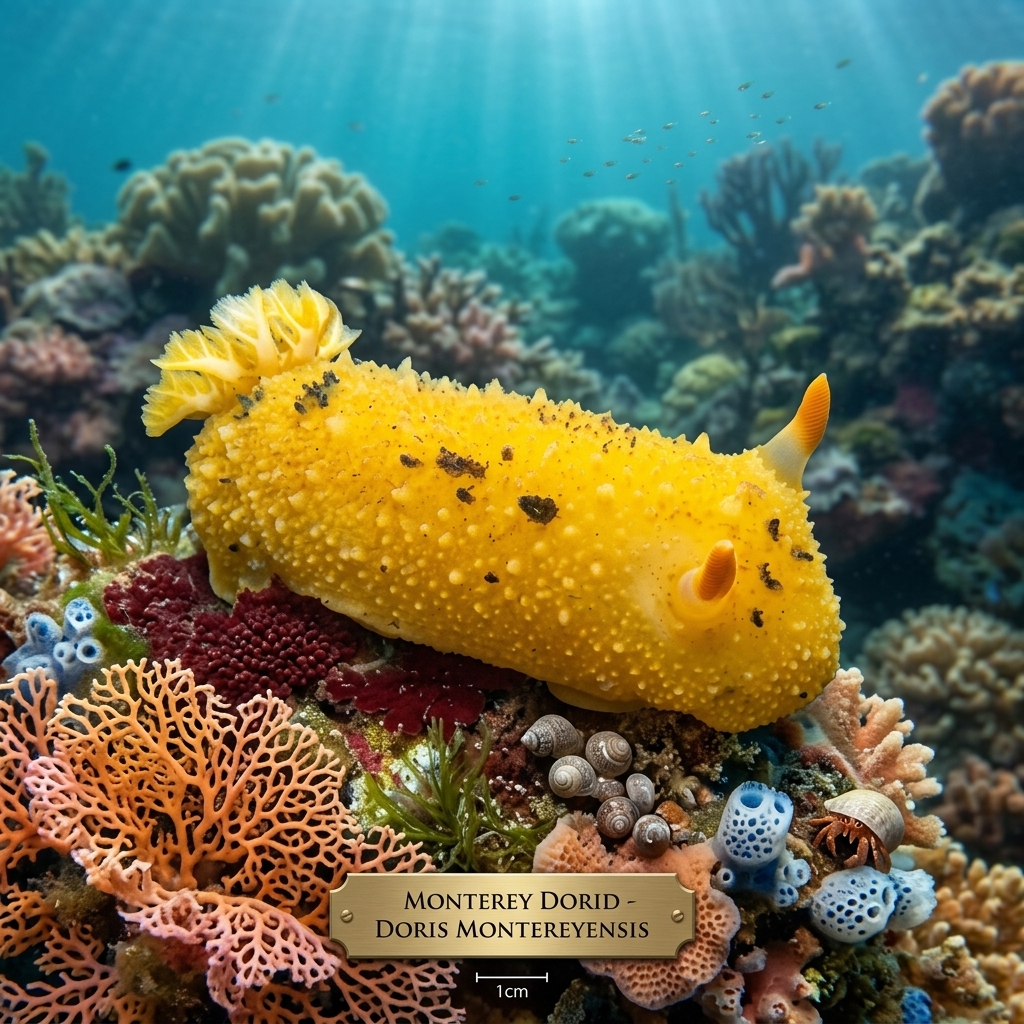
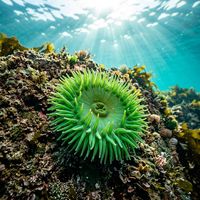
The coastal sites regularly produce sightings of California Sea Lion, Harbor Seal, and Steller Sea Lion. Divers also encounter Ling Cod, Scorpionfish, Giant Pacific Octopus, and a variety of nudibranch species including the Noble Dorid, Monterey Dorid, and Clown Dorid. Sea Star is one of the most commonly recorded species across the region, and rarer encounters with Great White Shark and Northern Elephant Seal have been observed at the offshore sites.
Yes, a good portion of the sites are rated beginner level. Shore-entry options at Ocean Cove and Stillwater Cove on the coast, and Zephyr Cove and Sand Harbor in Lake Tahoe, provide sheltered conditions for newer divers. The offshore Farallon Islands and deep pinnacle sites such as Noonday Rock and Cordell Bank are reserved for advanced divers comfortable with open-ocean conditions and potential currents.
Lake Tahoe is a freshwater environment with notable clarity and boulder reef structures, suiting a wide range of skill levels. The Mendocino and Sonoma coast offers sheltered coves with kelp forest and reef diving, largely accessible from shore. The Farallon Islands represent the most demanding diving in the region, with remote offshore reefs, walls, and pinnacles that require boat access and advanced experience.
It depends on which sub-area you are visiting. Lake Tahoe has several good shore-entry sites, including Sand Harbor and Zephyr Cove. On the Mendocino and Sonoma coast, both shore and boat entries are available, with sheltered coves like Ocean Cove and Stillwater Cove reachable from land. The Farallon Islands sites all require boat access, and the more distant offshore sites such as Cordell Bank involve a significant journey.