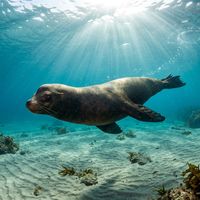
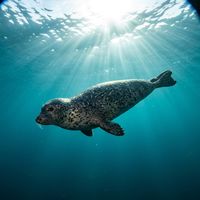
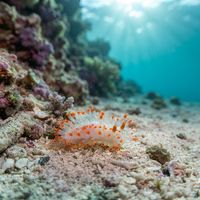
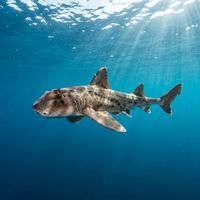
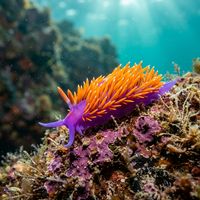
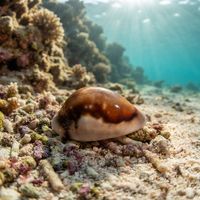
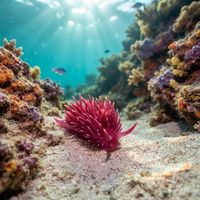
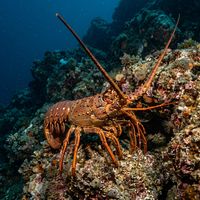
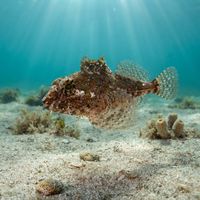
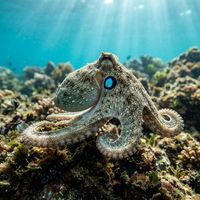
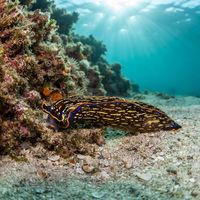
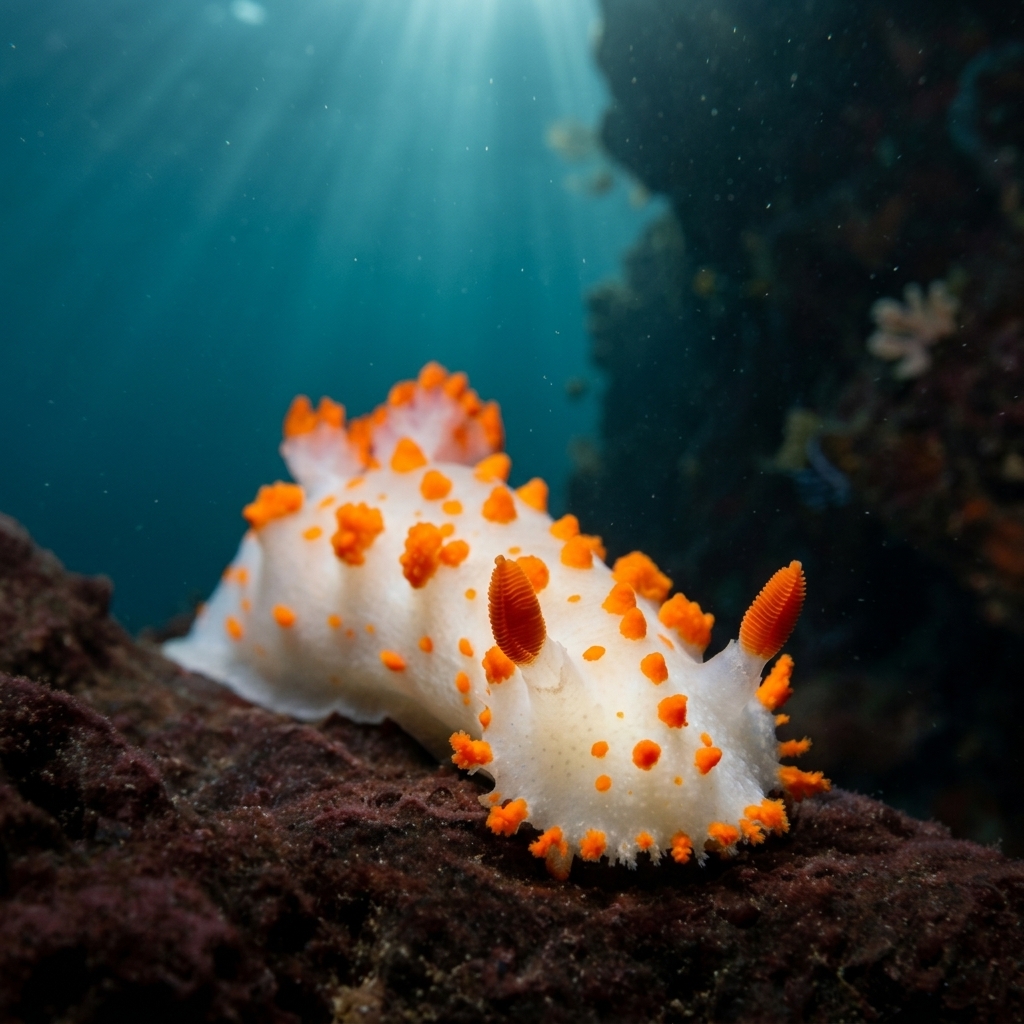
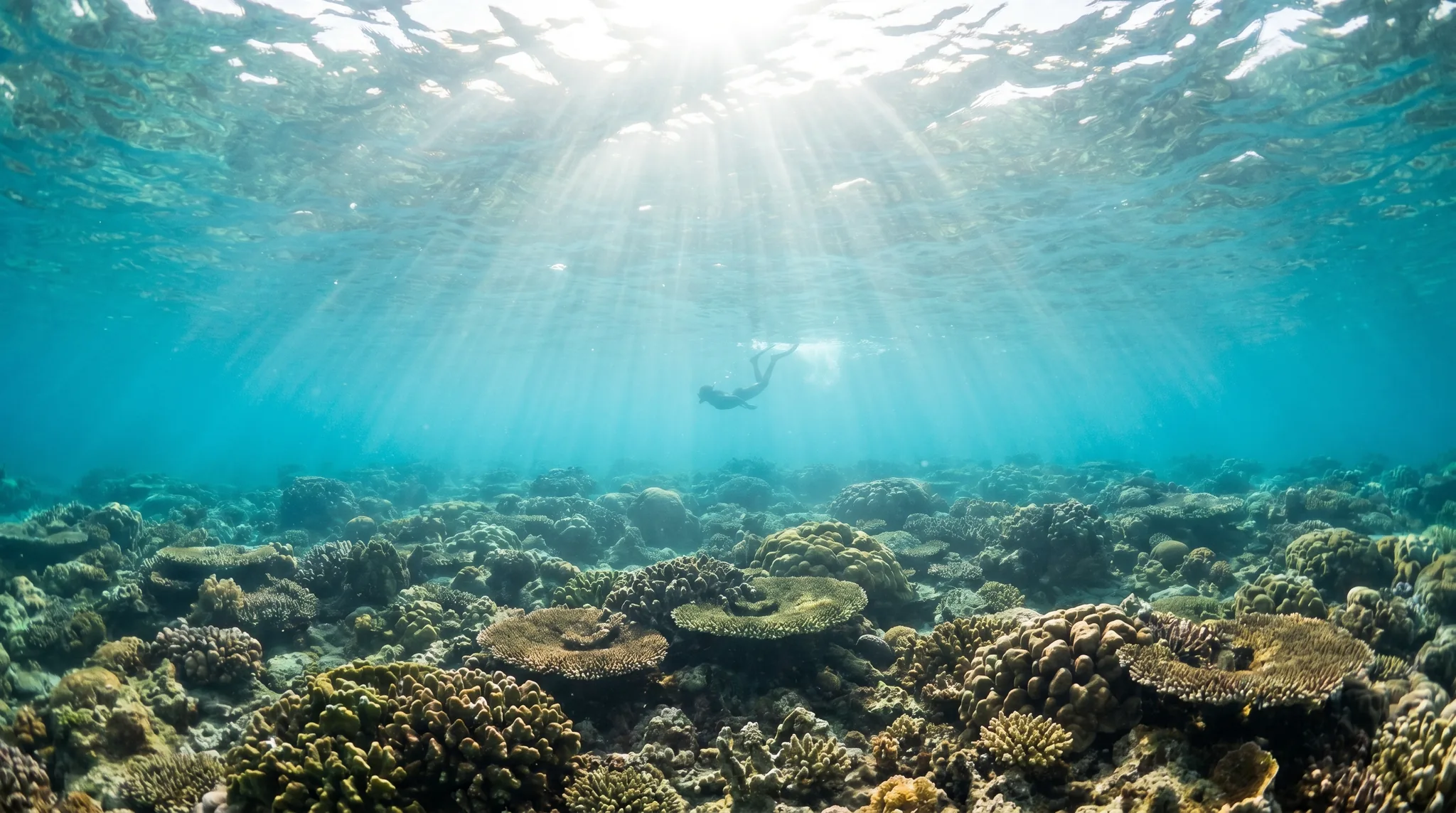
Los Angeles diving splits across two distinct sub-areas: Palos Verdes and South Bay, which holds the bulk of sites and offers kelp forest and reef diving from shore, and the San Pedro Wrecks cluster, where boat-access wreck dives range from intermediate to serious technical depths. The California Sea Lion and Harbor Seal are regular underwater companions, while the reef life includes Horn Shark, California Spiny Lobster, Garibaldi and a remarkable range of nudibranchs. Conditions reward divers who pick their timing carefully.
Monthly water temperature across Los Angeles's sites, from satellite sea-surface data corrected for depth. The band shows the site-to-site spread.
Water temperatures hold cool and steady from winter through spring, then climb noticeably through summer and peak in late summer before easing back in autumn. The best-months data shows a clear preference for summer and early winter, reflecting calmer seas and improved visibility during those windows. Exposed sites such as Point Dume and the deeper San Pedro wrecks are most reliably approachable when swell is low.
9 operators


15 more sites to explore
2 areas
Water temperature around Los Angeles ranges from about 15°C in January to 18°C in July, based on satellite sea-temperature data for its dive sites.
In the warm season (about 18°C) a 5mm suit is comfortable in Los Angeles; in the coldest months (about 15°C) step up to a 7mm or semi-dry suit.
Fin maps 27 sites in Los Angeles (27 scuba diving sites and 4 snorkelling spots, with some suited to both), organised into 2 areas.
Across Los Angeles's dive sites, June, July, August, September and December are most often reported as the best months to visit.
The region has a strong record of California Sea Lion and Harbor Seal sightings, and the Horn Shark is commonly logged across many sites. Invertebrate life is particularly rich, with California Spiny Lobster, Chestnut Cowrie, Sea Star, Ochre Sea Star and a wide variety of nudibranchs including the Spanish Shawl, Hermissenda and Clown Dorid all observed regularly. The Garibaldi also appears at a number of sites.
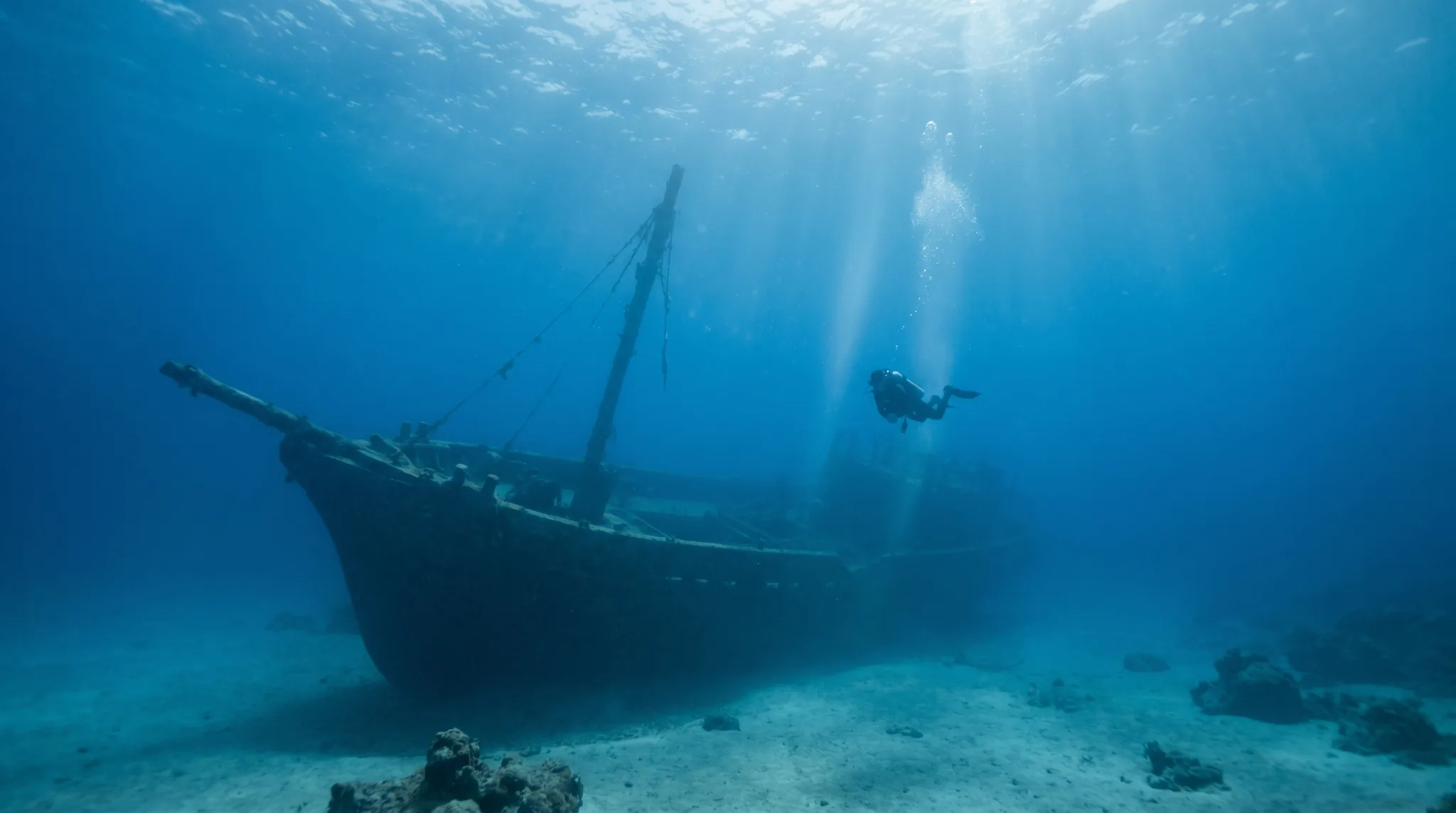
Palos Verdes and South Bay is the larger sub-area and centres on kelp forest and reef diving, with many sites accessible from shore. The San Pedro Wrecks sub-area is smaller but focused entirely on wreck diving and requires boat access, with sites ranging from intermediate artificial reef wrecks through to deep technical dives such as UB-88, which demands trimix or rebreather certification.
Several sites are rated beginner-friendly, including Long Beach Breakwater, which offers a shallow artificial reef accessible from shore, and the Underwater Arch, a very shallow boat-access site in Two Harbors. The majority of sites, however, are rated intermediate or advanced, so newer divers will want to focus on the calmer, shallower options and consider guided dives with one of the local operators.
A good number of sites in the Palos Verdes and South Bay area offer shore entry, including Long Point, Abalone Cove, Honeymoon Cove, Malaga Cove and Old Marineland. Point Dume is also a shore entry, though it is rated advanced due to the swim distance to the pinnacles. Some sites such as the SS Dominator and White Point offer both shore and boat options.